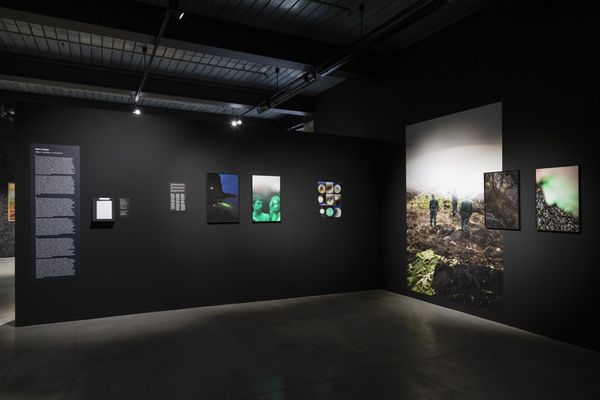
Algues Maudites, A Sea Of Tears
-
Dates2022 - Ongoing
-
Author
- Location Saint-Brieuc, France
I'm a French artist photographer who uses the medium of images to question the impact of human activities on the environment. My images are imbued with a science-fictional imagery, revealing issues that have remained invisible.
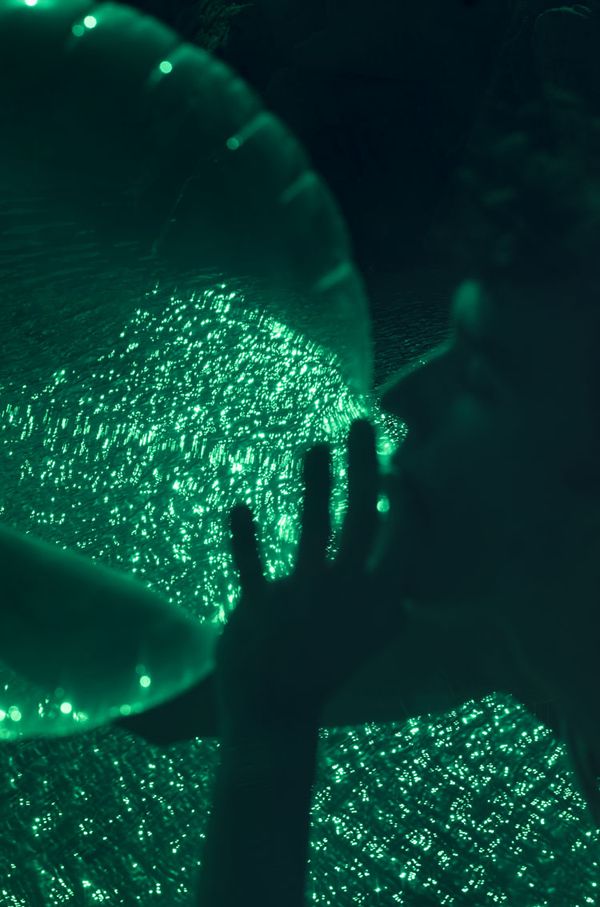
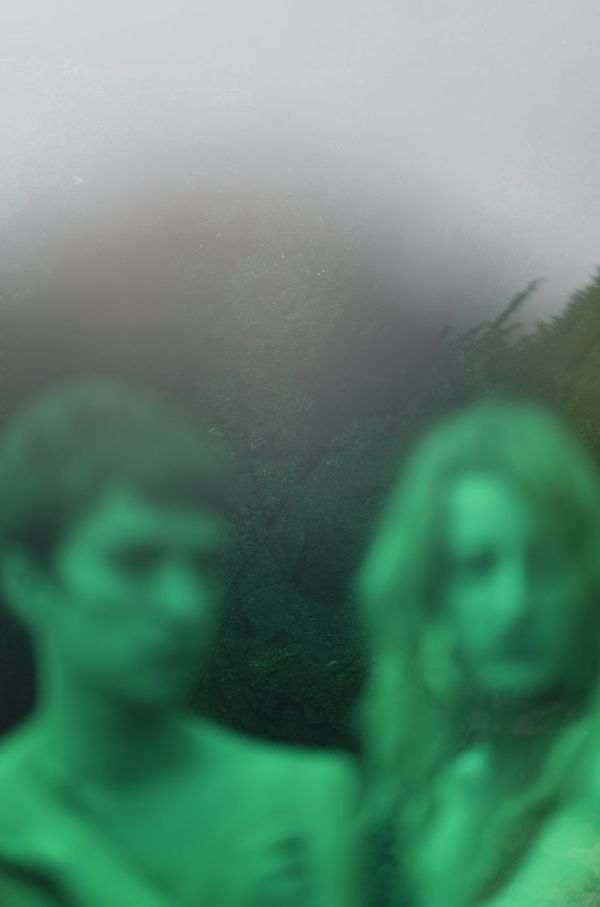
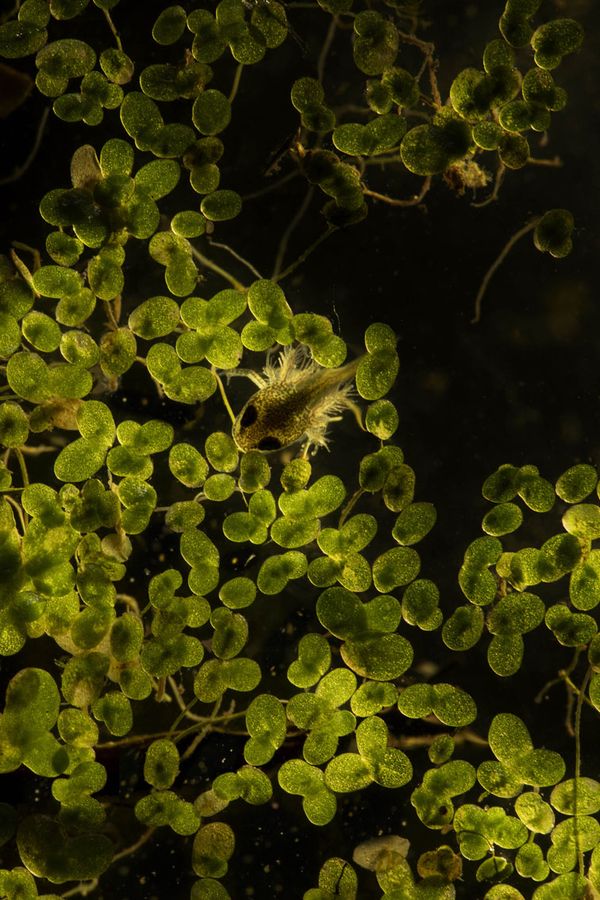
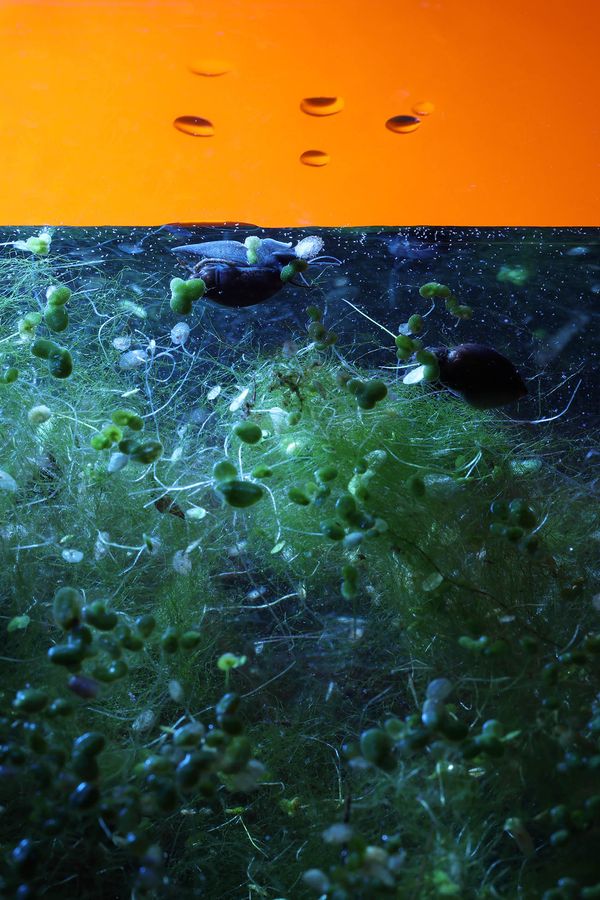
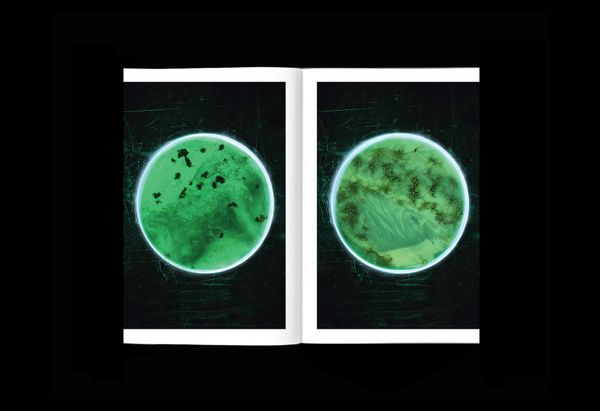
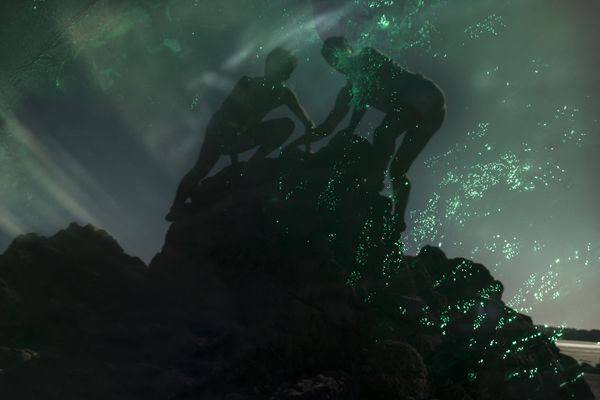
I conduct anticipatory surveys of the territories I explore alongside scientists and ecologists: I question the near future by capturing the materiality of reality. Playing with perception and the ambiguity of the different scales that scientific tools can bring, I produce images without retouching. I glean rubbish from the places I'm investigating and then use it as photographic filters.
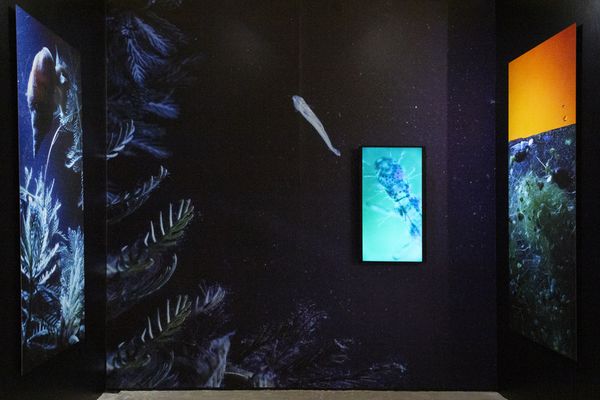
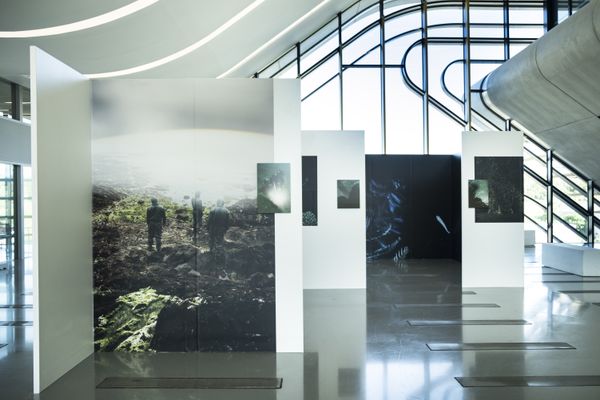
I then create an immersive experience of the polluted natural world: an inventory of the sickly beauty of our world damaged by the Antropocene era.
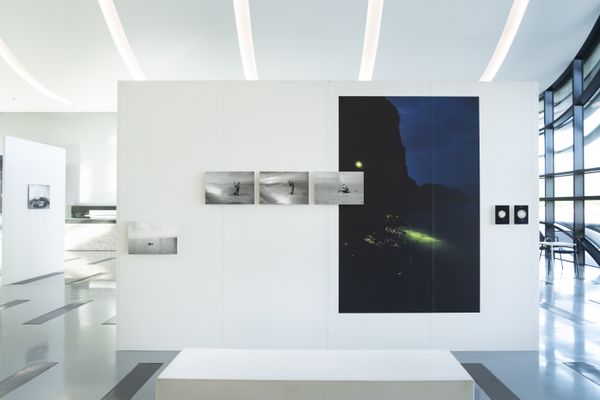
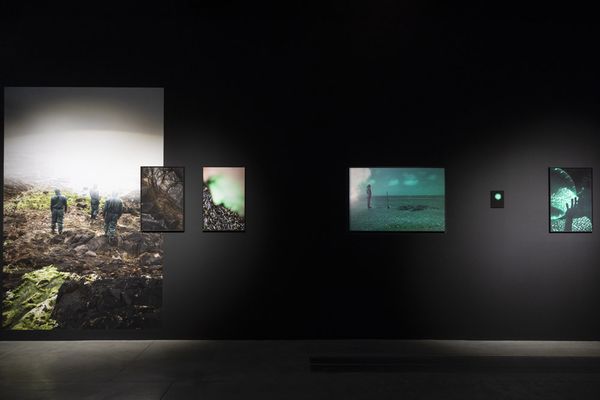
In 2022, I was selected to take part in the Résidence 1+2 in Toulouse, a festival of creative residencies create to promote dialogue between photography and science. It was in this context that I developed the series Algues maudites, a sea of tears, in collaboration with the Centre National de Recherche scientifique in France.
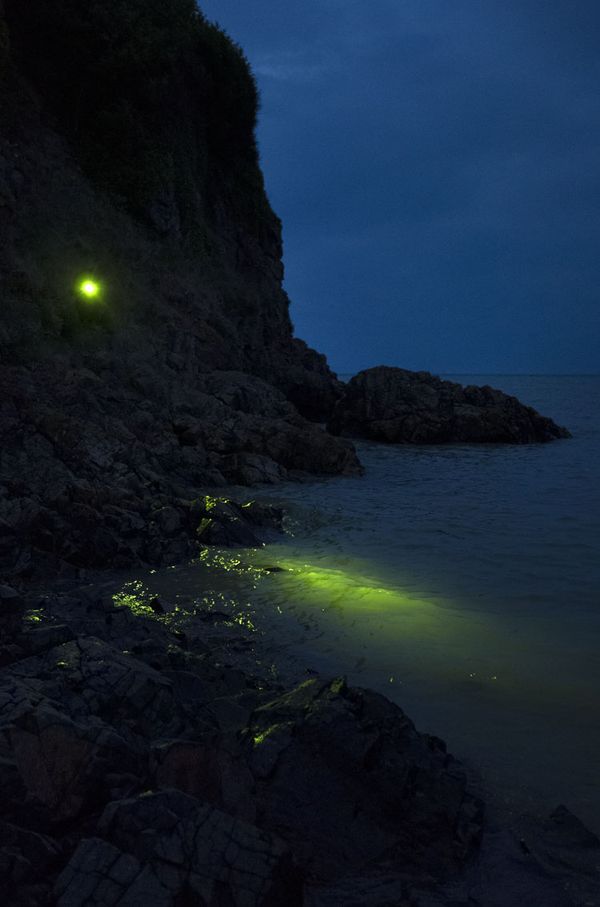
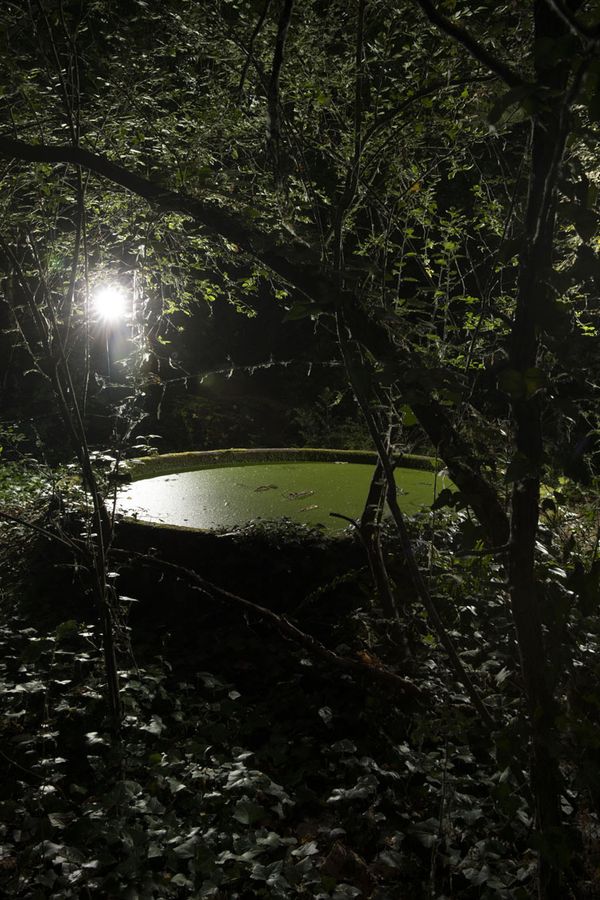
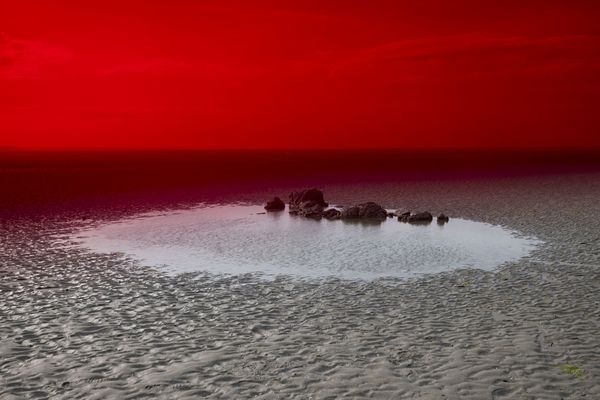
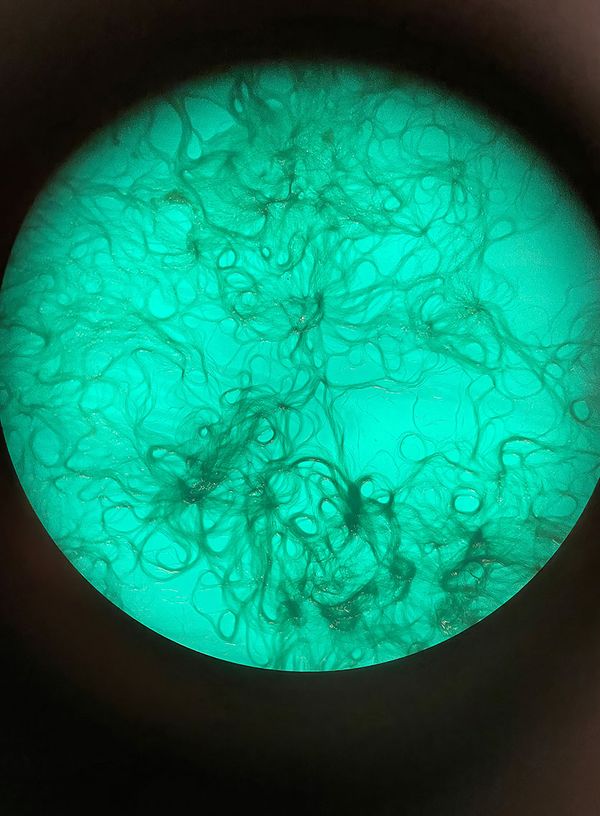
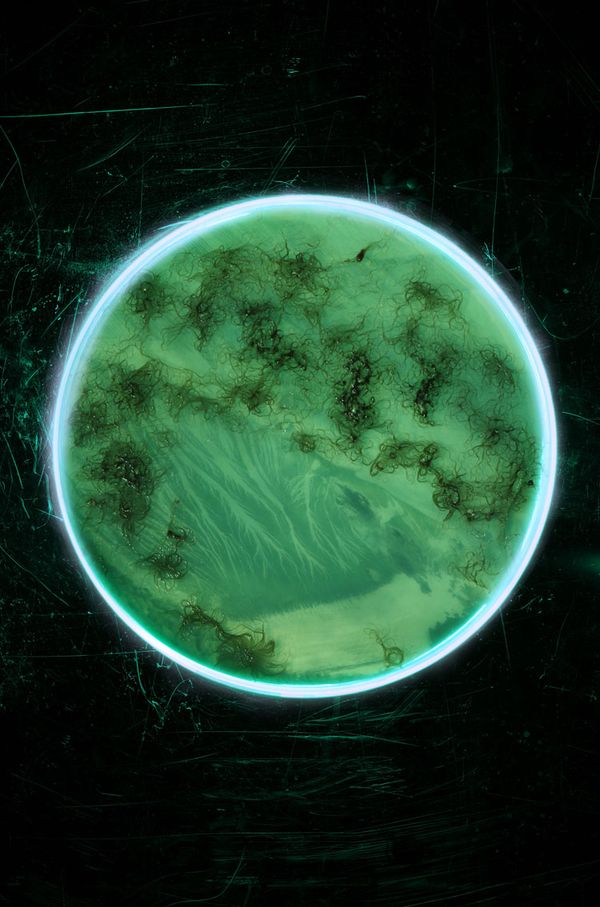
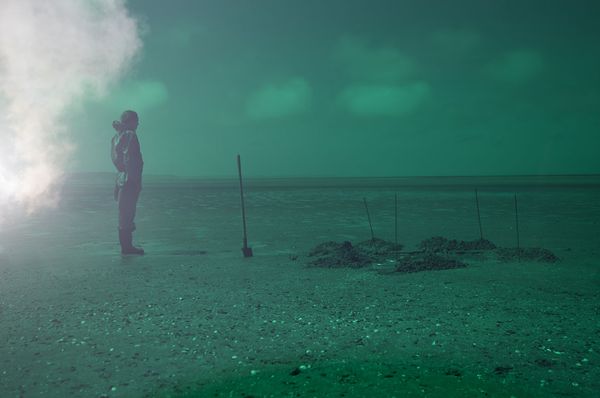
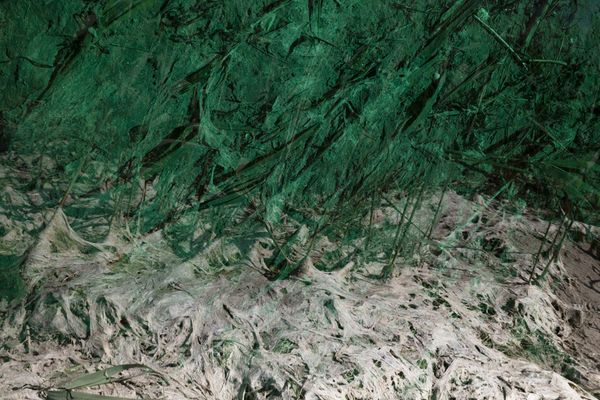
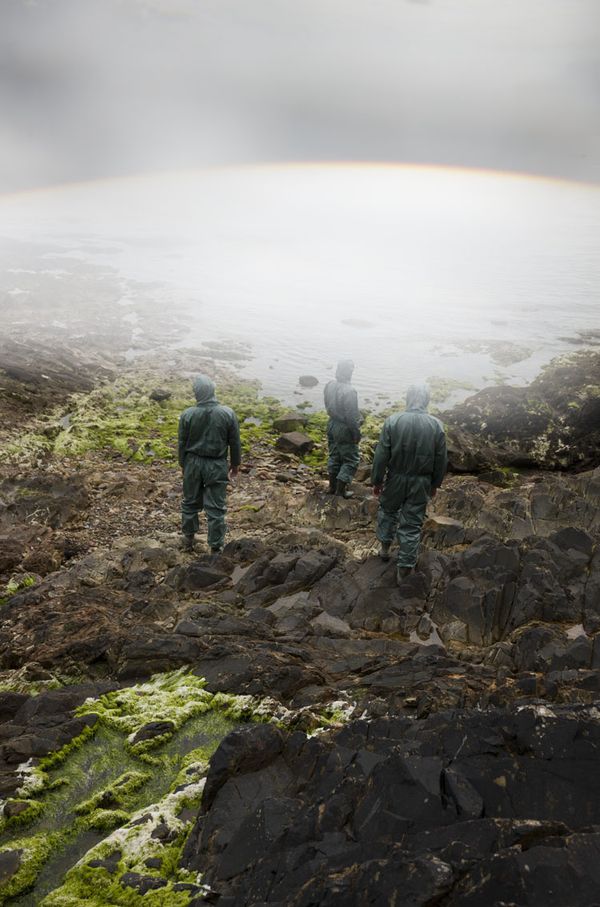
The proliferation of green algae on Brittany’s coasts (France) has become a major environmental problem. In recent years, green algae, known as «cursed algae», has invaded the coastline. This phenomenon is the result of a process known as eutrophication, linked to an overabundance of organic matter, leading to asphyxiation of the environment. The multiplication of green algae is induced by the excessive presence of chemical nutrients (nitrate and phosphate) in coastal waters. This results from the discharge of sewage, agricultural run-off, industrial waste and massive discharges of nitrogenous fertilisers from livestock farming and intensive agriculture. When they decompose, these algae become toxic, producing high concentrations of hydrogen sulphide (H2S gas). These extreme concentrations of algae lead to a depletion of oxygen in the environment, an imbalance in ecosystems and a loss of biodiversity. When seaweed is not collected, it leaves behind morbid landscapes with a frozen, timeless appearance.
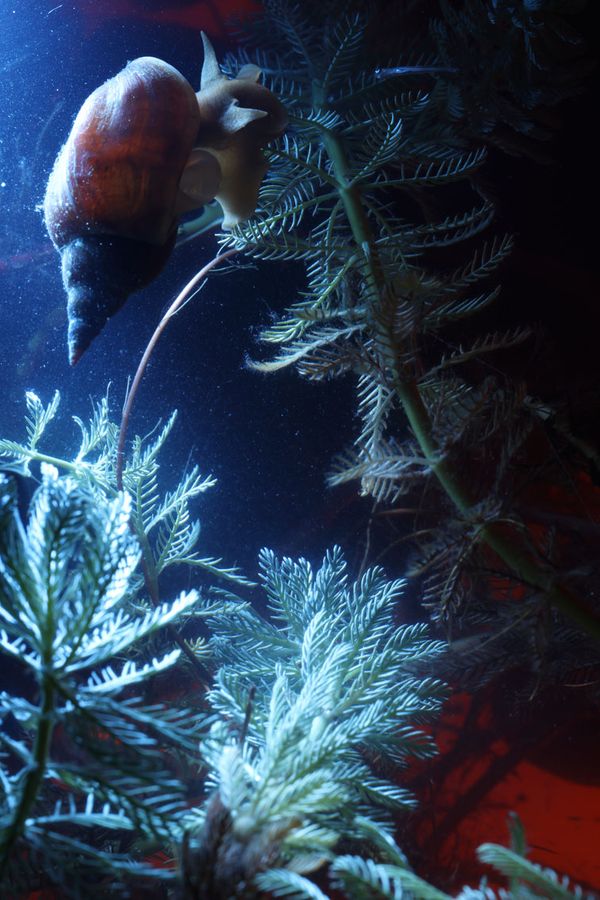
I had created a sensitive documentary steeped in the notion of anticipation. My aim is to bring us face to face with the fragility and unpredictability of the natural world put to the test and the collapse of biodiversity and its ecosystems. Through the movie Anoxie verte, I also ask viewers questions about the future habitable conditions of the Earth, showing us resilient organisms living in a state of anoxia (without oxygen). I question a current crisis through a plastic process that pushes the boundaries of the photographic medium, using visual pollution as a photographic filter.
Support: Résidence 1+2, Centre Wallonie-Bruxelles, Wallonie-Bruxelles International, CNRS Occitanie Ouest, CNAP, Leica