Alberta Crude

  • Dates
    2022 - 2025
  • Author
  • Location Alberta, Canada

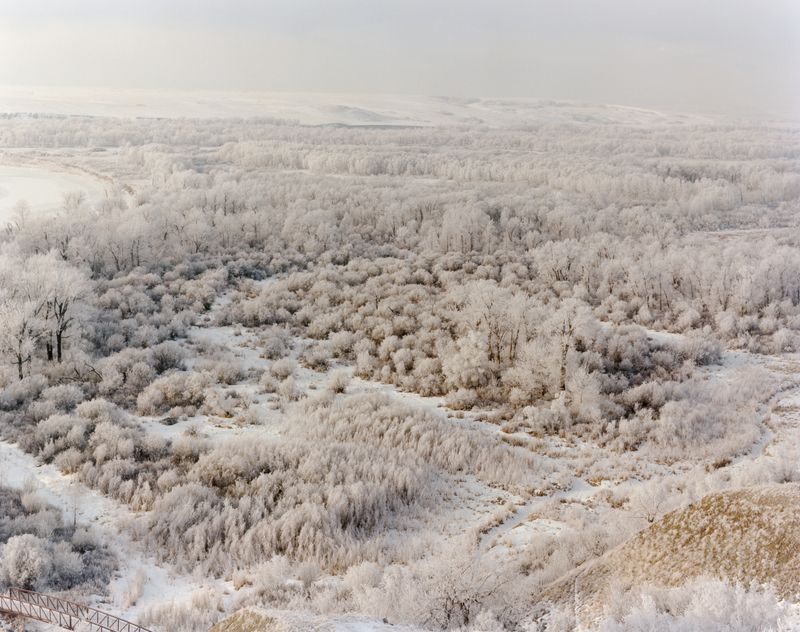
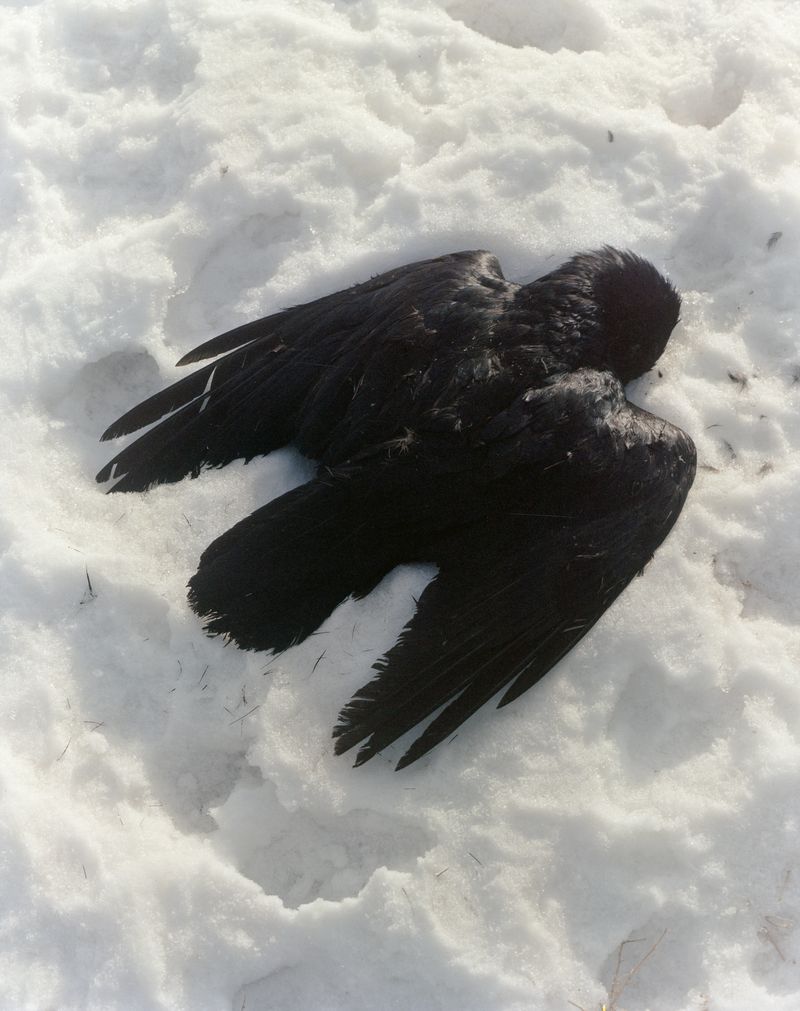
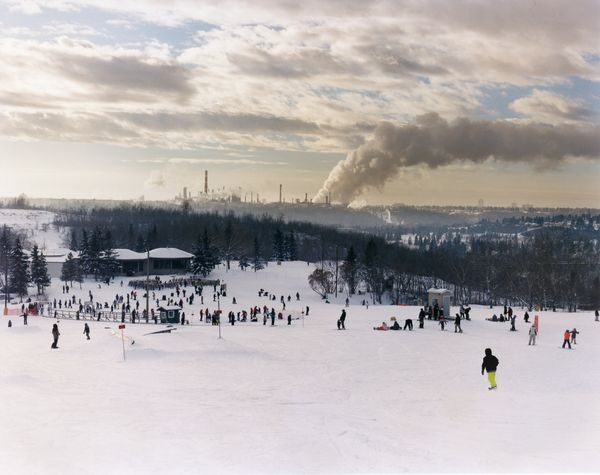
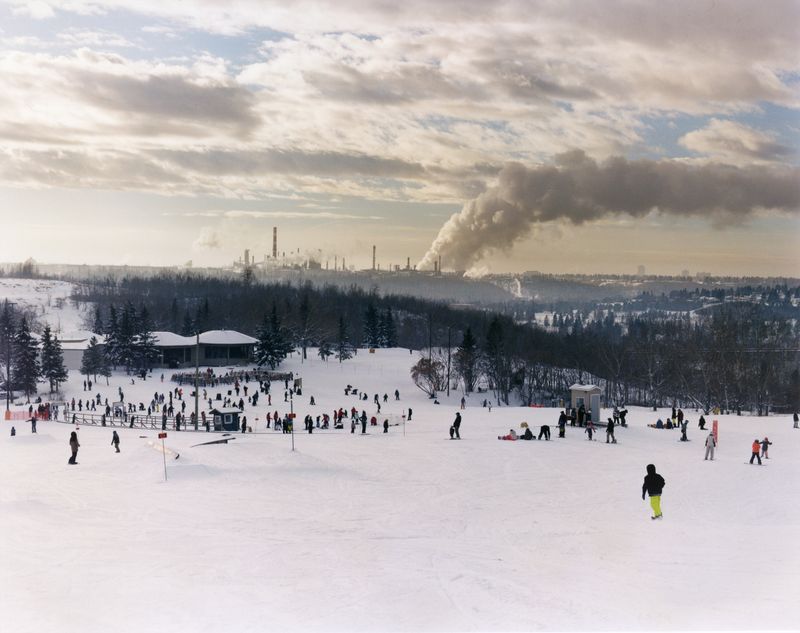
This project unfolds around Edmonton and Calgary in the oil-producing province of Alberta, Canada. The project seeks to explore themes such as oil production and its representation, settler colonialism and its relationship to (distant) history.

This project unfolds around Edmonton and Calgary in the oil-producing province of Alberta, Canada. The vast majority of Alberta’s oil operations are located in the far north of the province and consists of unconventional oil extracted from oil sands deposits : a type of oil that is found mixed with sand and therefore has to be ‘cleaned’, making its extraction highly polluting. 

Here, the Canadian landscape and the relationship maintained with it appear as an extreme case of the ambivalence between protecting nature and exploiting it. Gradually, the idea of working around the two cities of Edmonton and Calgary emerged because they represent a system of relationship to the extractivist world that is in total contradiction with the history of the territory that is now Canada and the indigenous cosmologies that inhabit it.

Canada is a colonial state founded on the exploitation of resources (fur trade, mining, timber, oil, gas, uranium, etc.) which, at the same time, served to justify the presence of settlers and still serves today to consolidate the foundations of a cultural pride that is constitutive of Canadian identity. The presence and power of representations related to oil in Alberta culture is striking, and this is part of what lies at the heart of this project. The idea is to trace these different threads (oil, settler colonialism, the relationship to history) to see how they have shaped Canada today and to try to read transparently what this says about our relationship to the nature world.

NB : all archive images come from the Glenbow Archive in Calgary, Alberta. Some are subjects to copyright, please contact me if publication :)
This project is a candidate for PhMuseum 2026 Photography Grant

Learn more Present your project
© Teo Becher - Entertainment, Edmonton
i

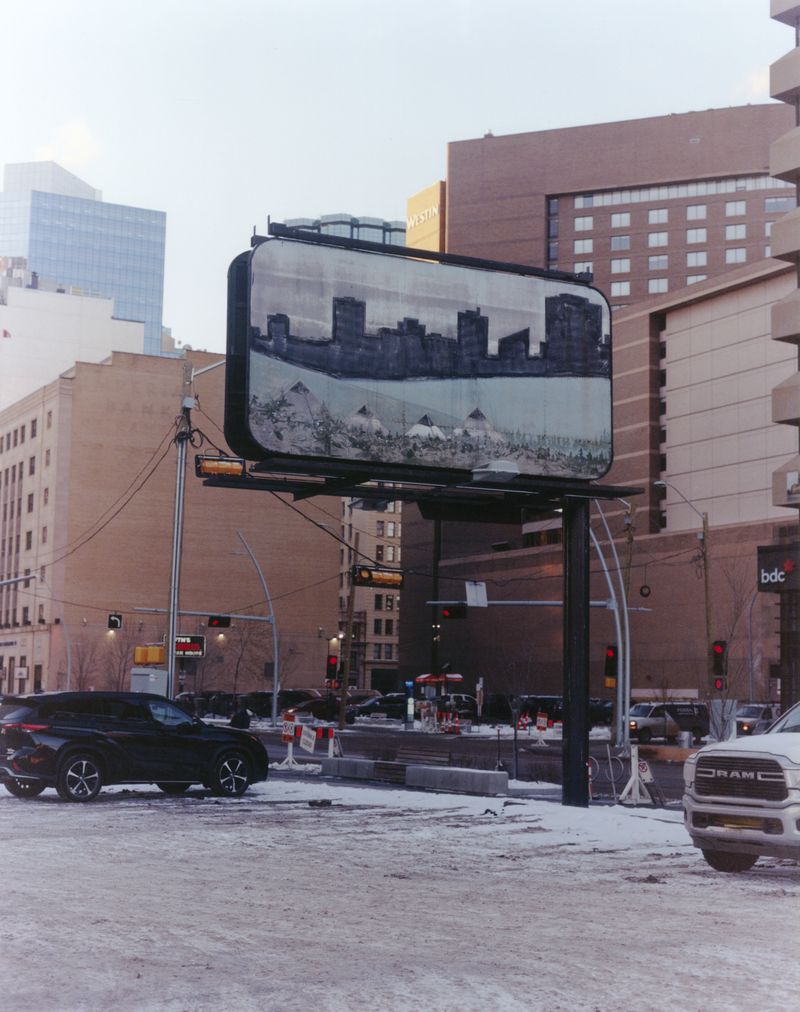
Entertainment, Edmonton

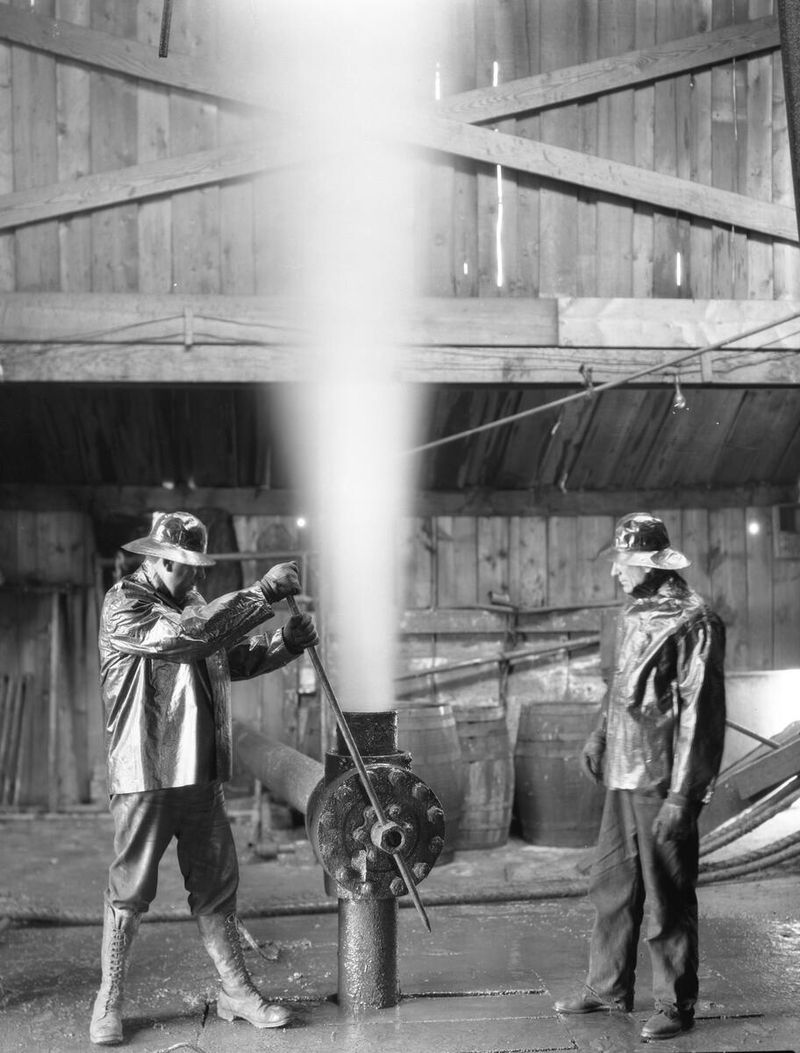
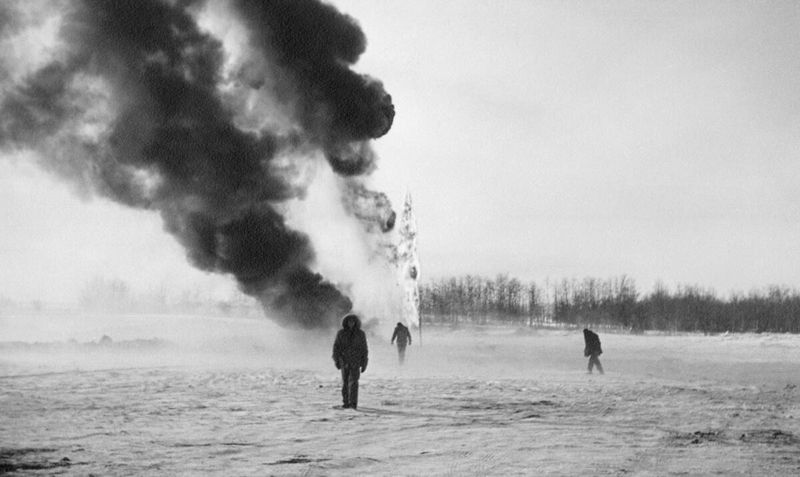
© Teo Becher - Bringing in Atlantic #1 well, Leduc, Alberta, ca. 1947.
i

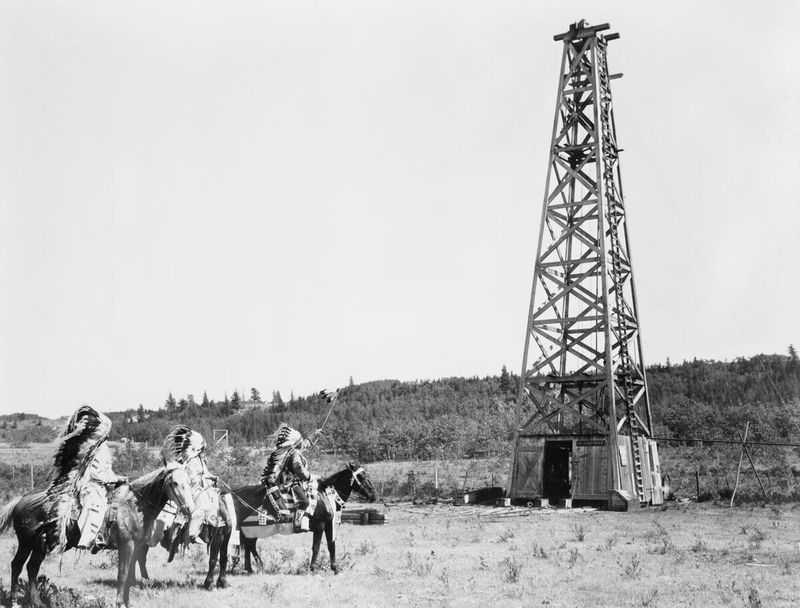
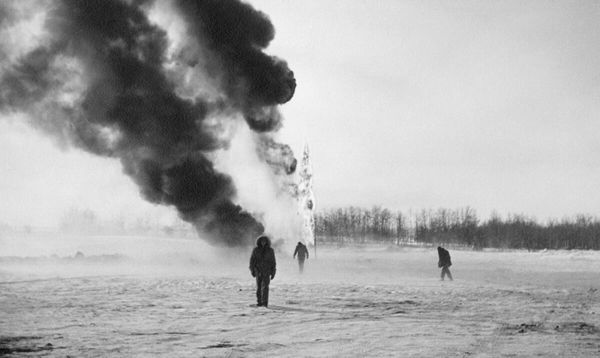
Bringing in Atlantic #1 well, Leduc, Alberta, ca. 1947.

© Teo Becher - Royal Alberta Museum, Edmonton
i

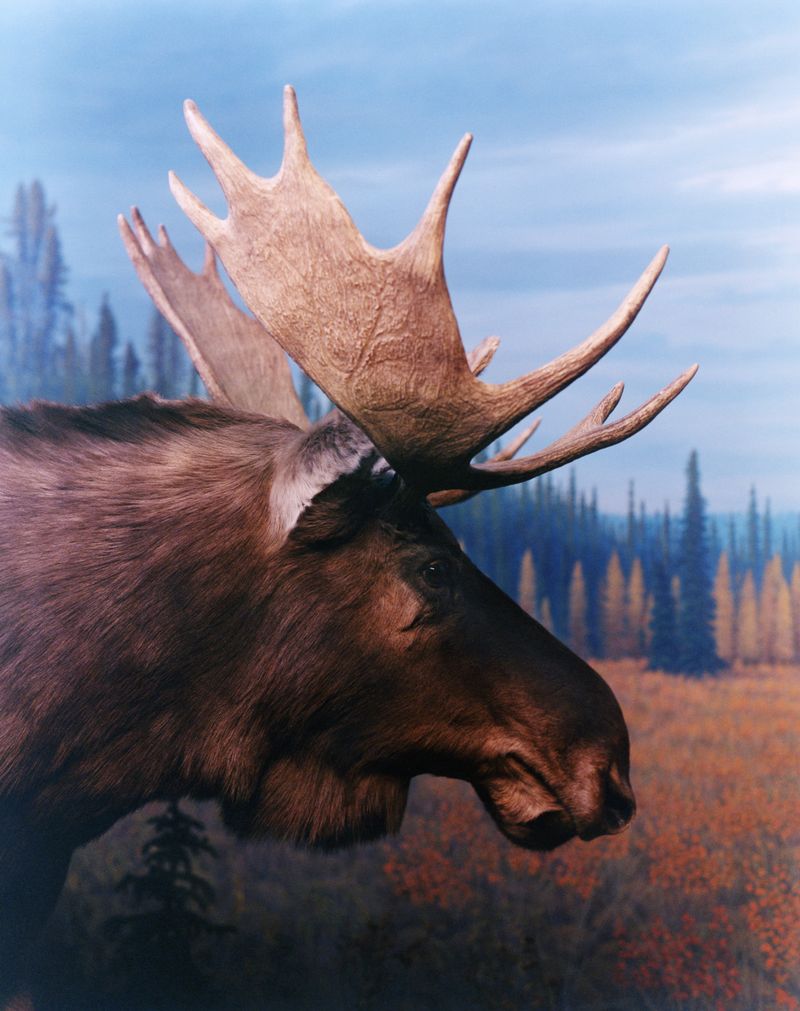
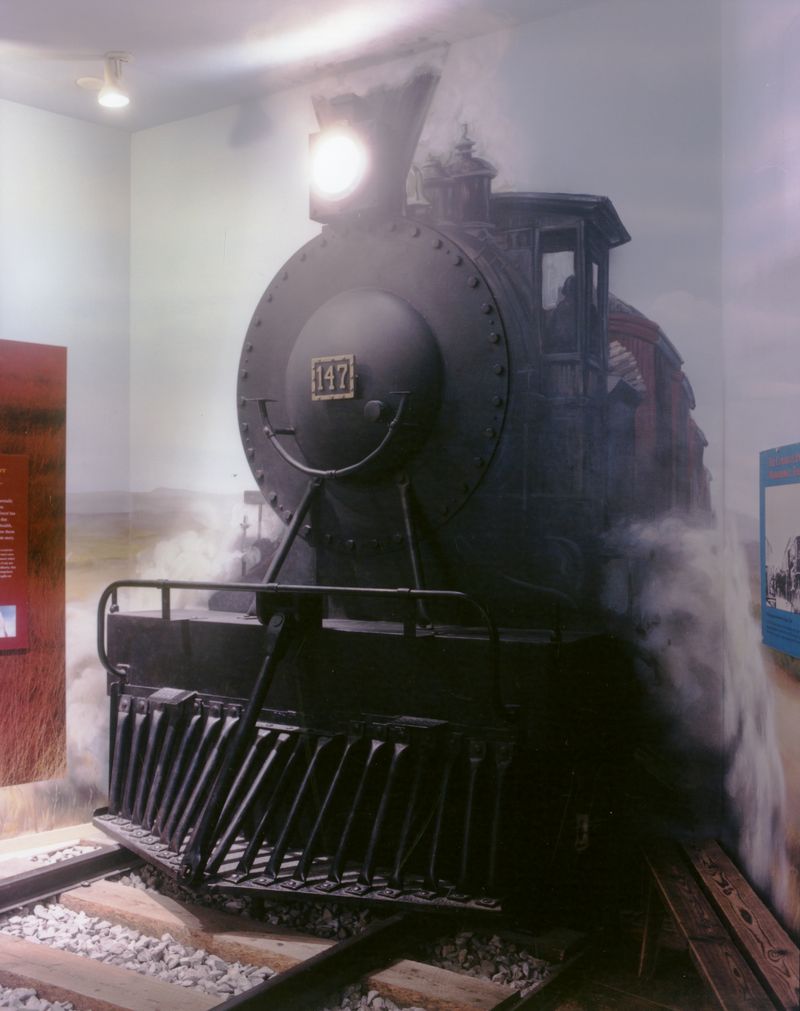
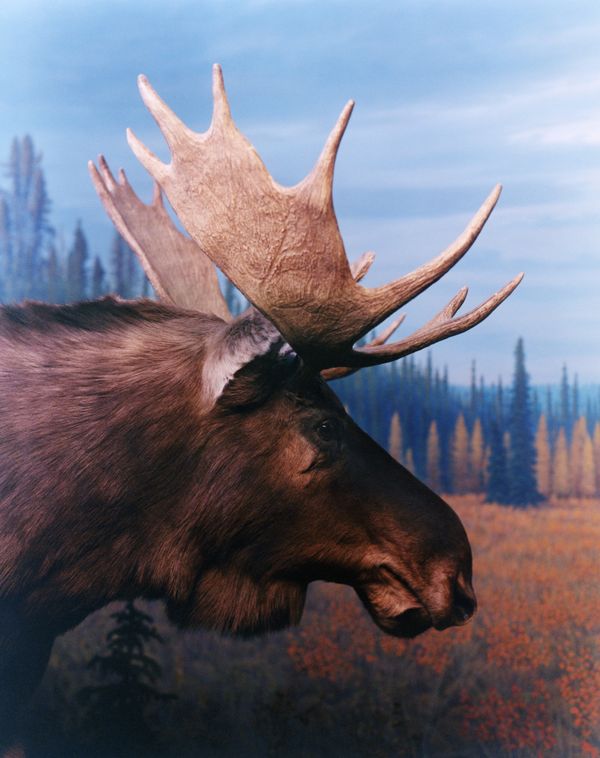
Royal Alberta Museum, Edmonton

© Teo Becher - Suncor Energy Center, CalgarySuncor is based in Calgary and specializes in extraction of synthetic crude from oil sands.
i

Suncor Energy Center, CalgarySuncor is based in Calgary and specializes in extraction of synthetic crude from oil sands.

© Teo Becher - The river II, Edmonton
i

The river II, Edmonton

© Teo Becher - First Nation Stoney were receiving payment for oil lease rights in their reserve, 1929.
i

First Nation Stoney were receiving payment for oil lease rights in their reserve, 1929.

© Teo Becher - The sun, Writing-on-Stone Provincial Park
i

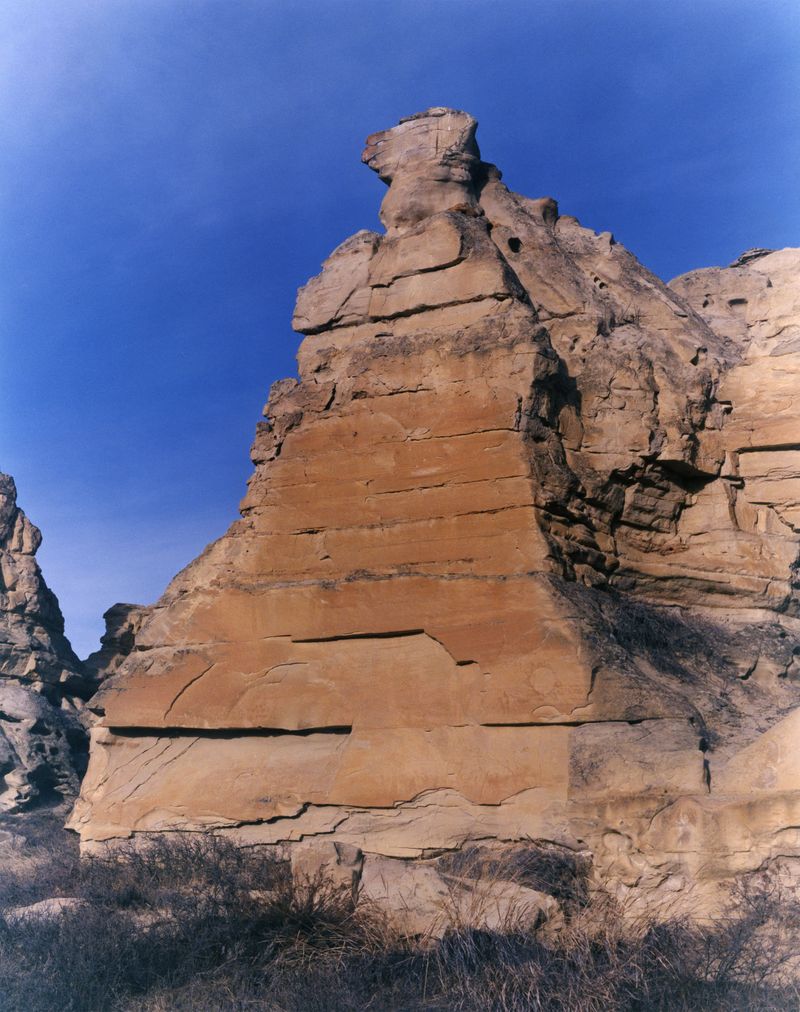
The sun, Writing-on-Stone Provincial Park

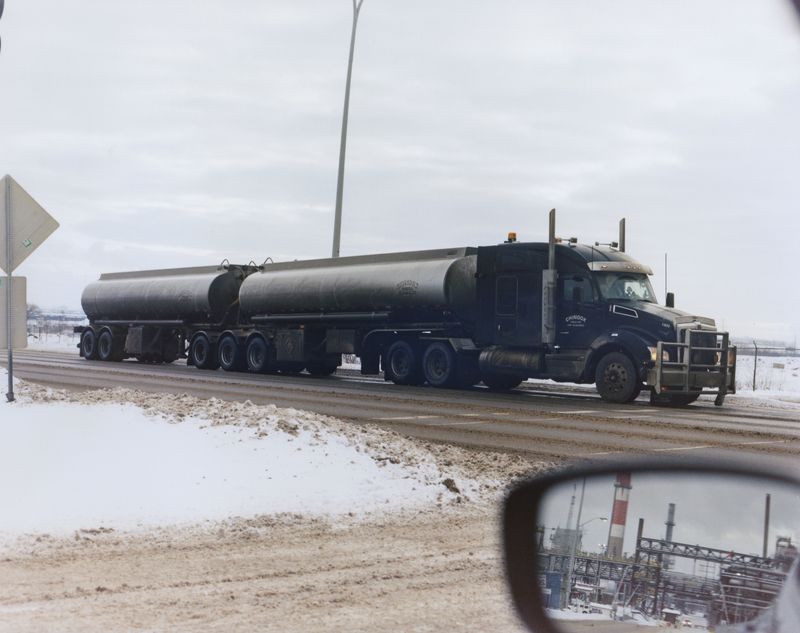
© Teo Becher - Hauling, Edmonton
i

Hauling, Edmonton

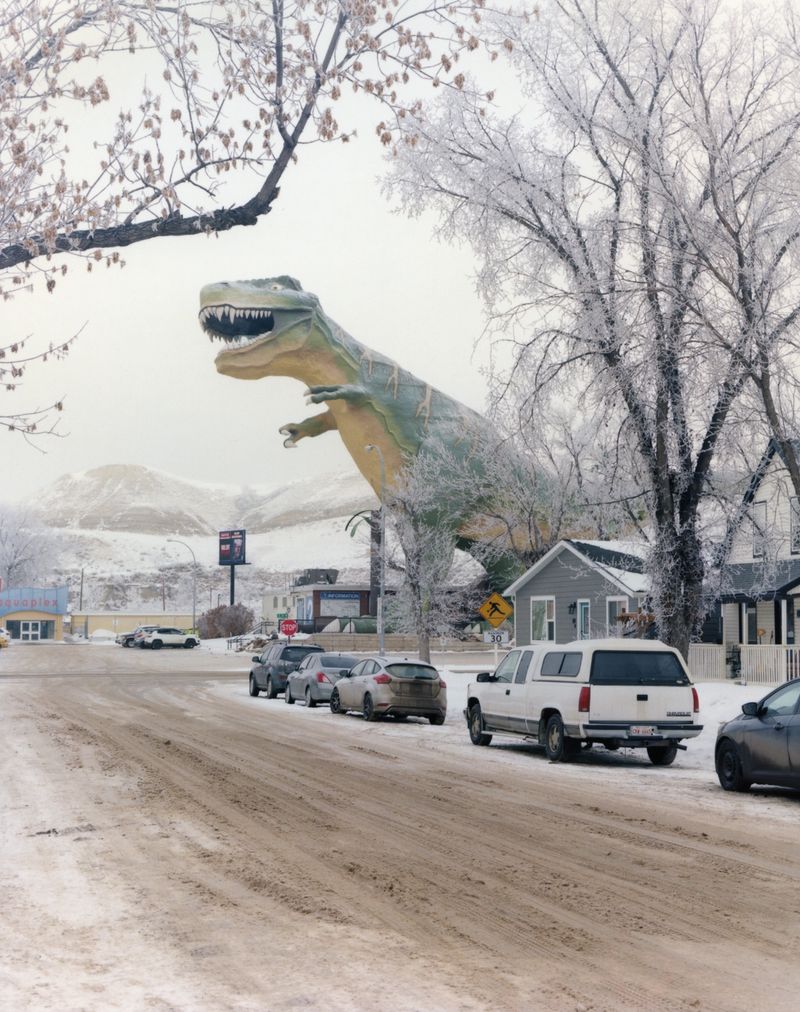
© Teo Becher - World’s largest dinosaur, Drumheller
i

World’s largest dinosaur, Drumheller

© Teo Becher - Home Oil Company, Turner Valley, 1927
i

Home Oil Company, Turner Valley, 1927

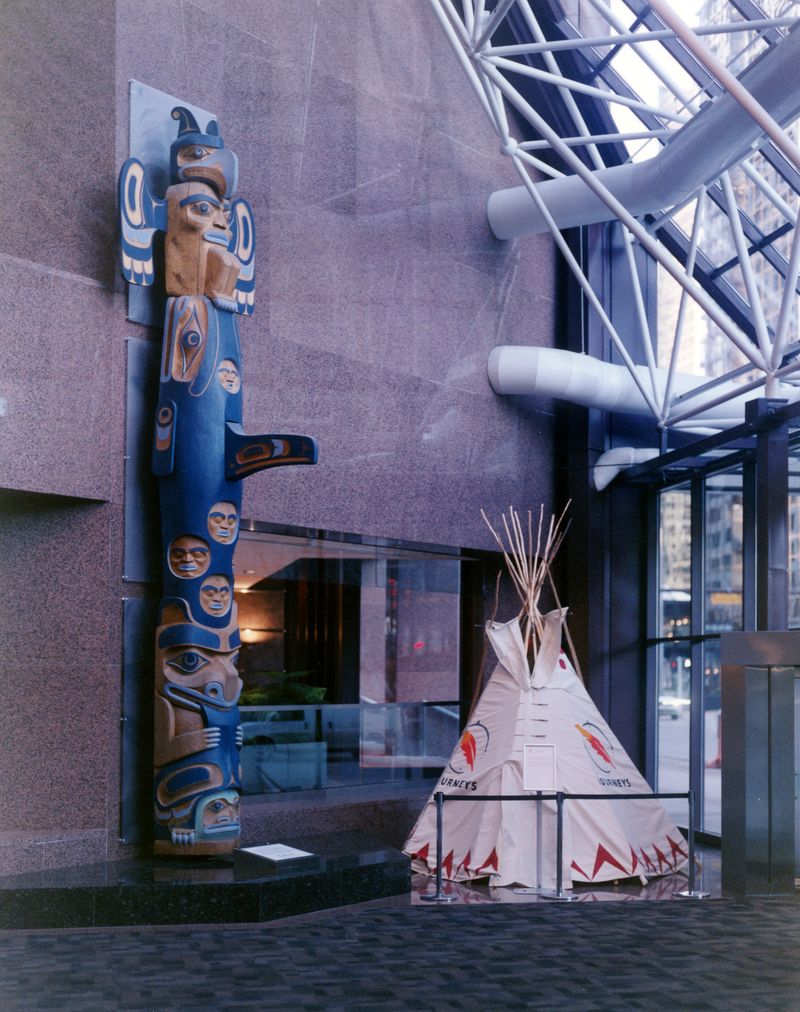
© Teo Becher - Entry hall, Suncor Energy Center, Calgary
i

Entry hall, Suncor Energy Center, Calgary

© Teo Becher - Image from the Alberta Crude photography project
i

Treaty #7, Blackfoot crossingHere was signed the last treaty between the Blackfoot nation and the English crown in 1877, enabling the peaceful colonisation of western Canada. In return, the native chiefs received a number of lands reserved for them, as well as other rewards in the form of agricultural equipment and allowances.

© Teo Becher - American Progress, John Gast, 1872
i

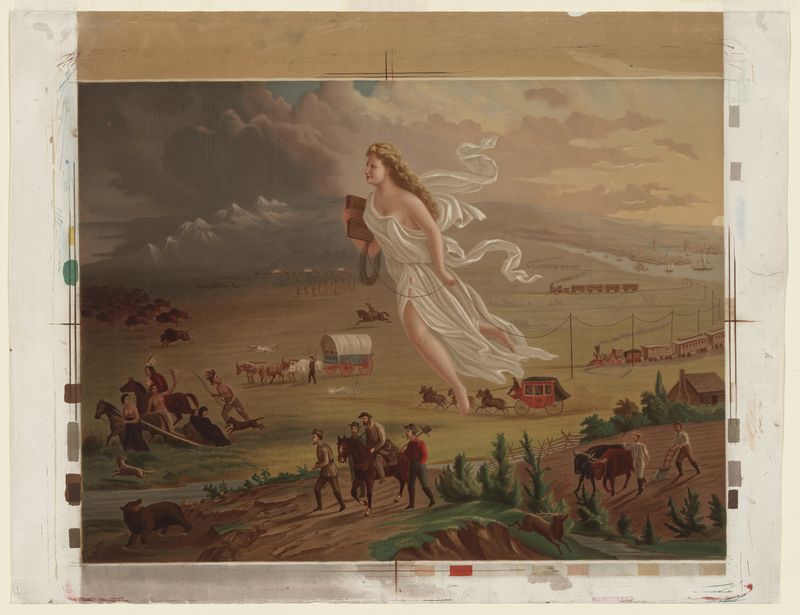
American Progress, John Gast, 1872

© Teo Becher - Conquering, Calgary
i

Conquering, Calgary

© Teo Becher - Cowboy, Edmonton
i

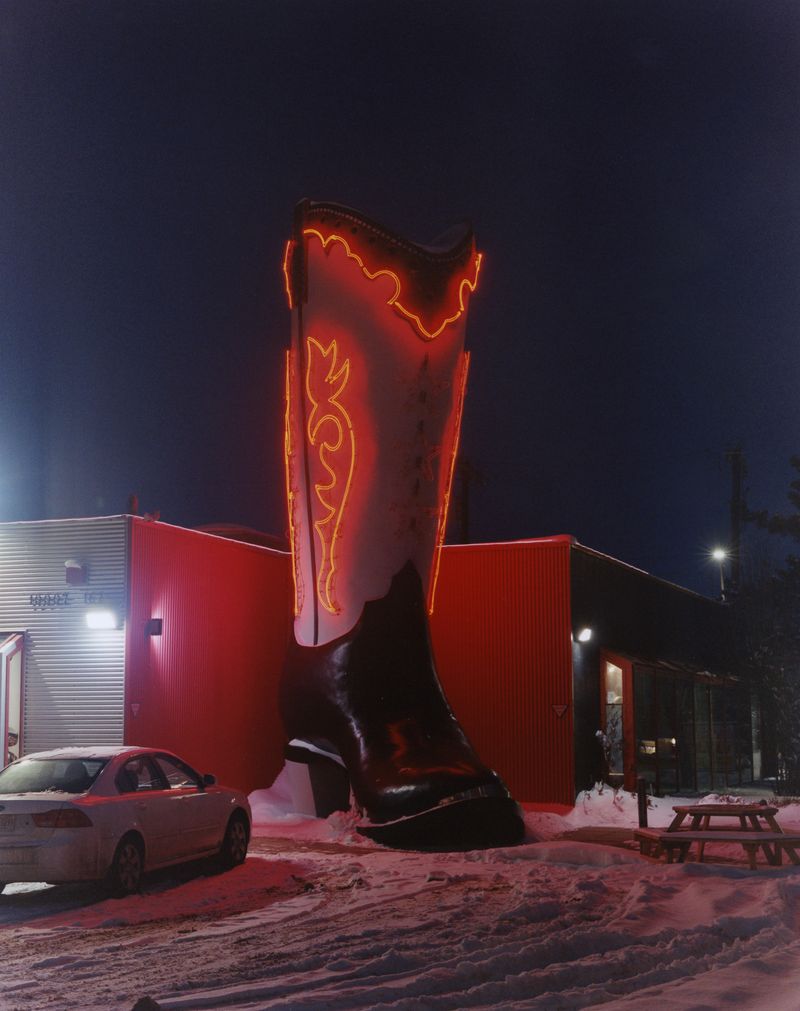
Cowboy, Edmonton

© Teo Becher - Image from the Alberta Crude photography project
i

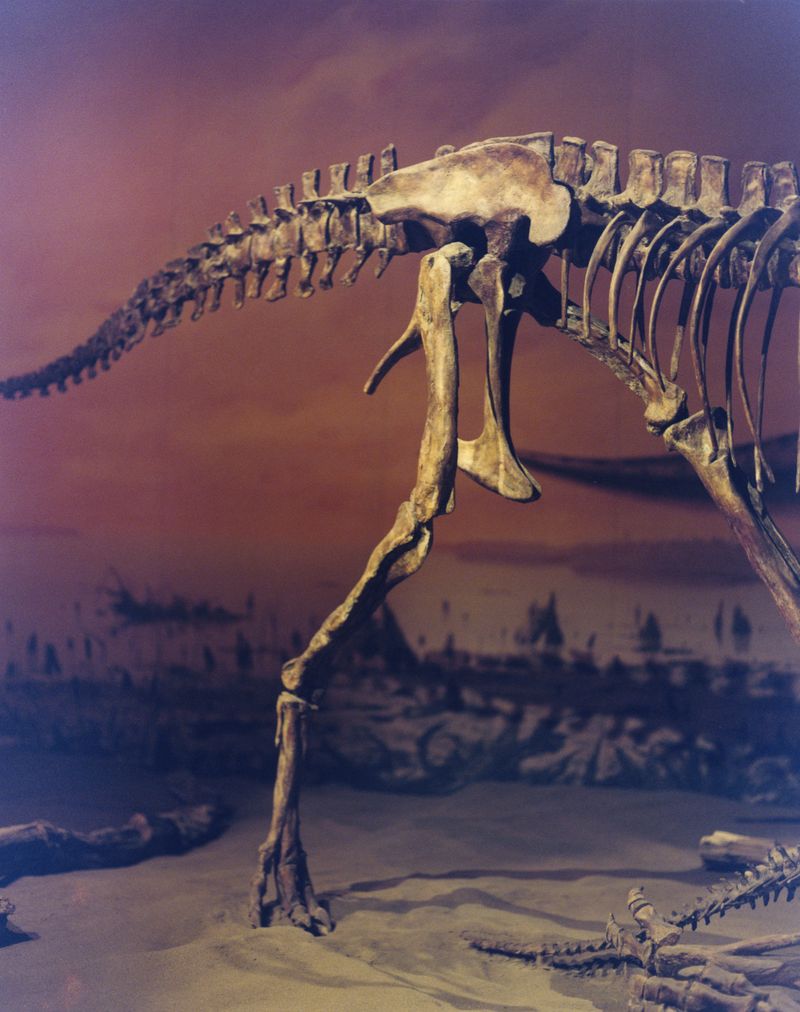
Dino, Royal Tyrrel Museum, DrumhellerMétis anthropologist Zoe Todd explores the temporal, spatial and conceptual ruptures and links between fossil fuels and what she calls fossil kinship in Alberta. She highlights the logics that define certain fossilised beings as capital to be exploited, while others become ‘model specimens’ displayed in museums.

© Teo Becher - Drops, West Edmonton Mall, Edmonton
i

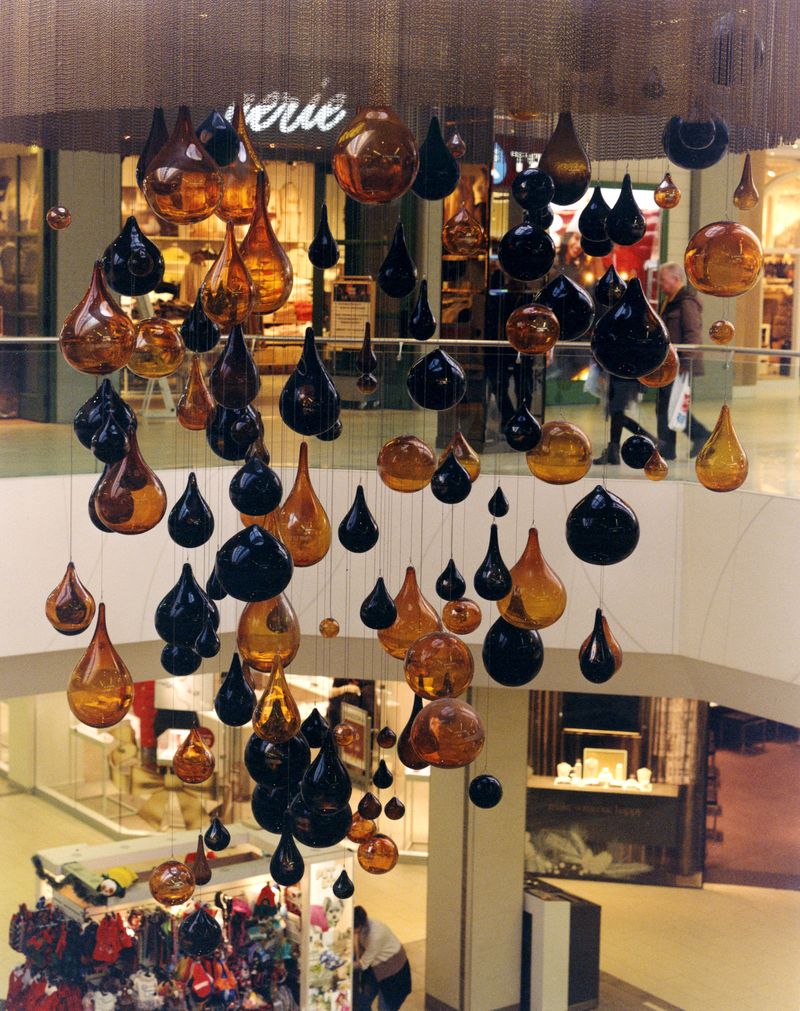
Drops, West Edmonton Mall, Edmonton

© Teo Becher - Excavation of a dinosaur skeleton, Drumheller, ca. 1912
i

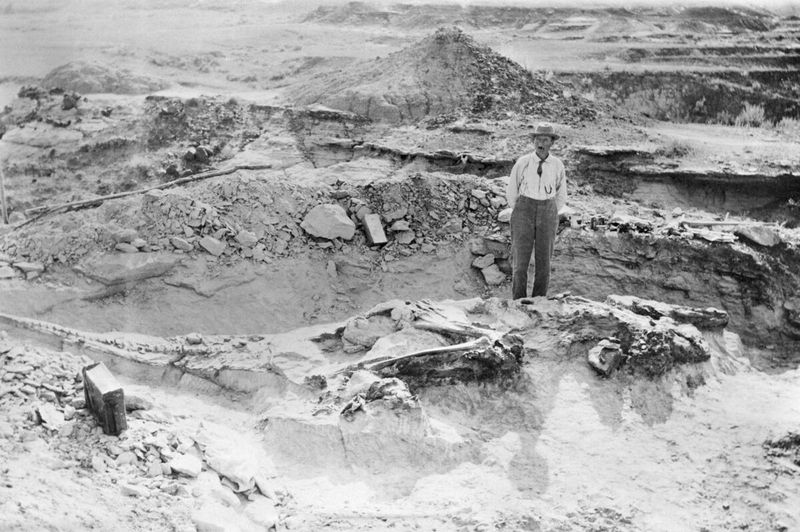
Excavation of a dinosaur skeleton, Drumheller, ca. 1912

© Teo Becher - The savior, Calgary
i

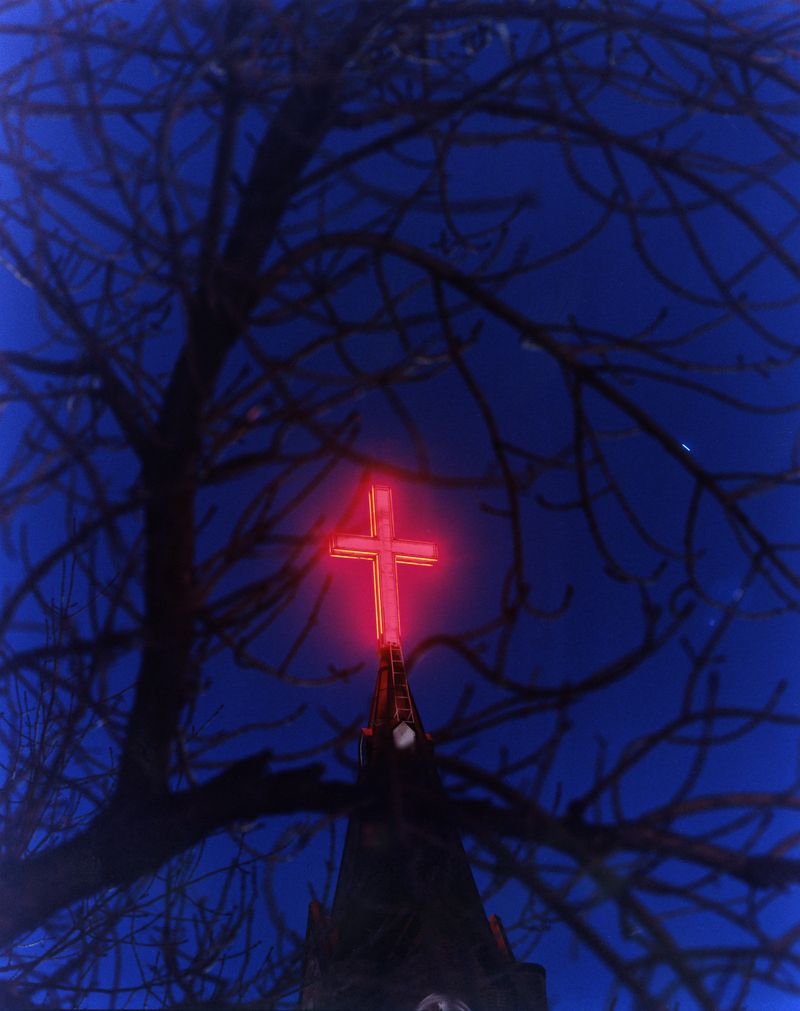
The savior, Calgary

© Teo Becher - Landing, Calgary
i

Landing, Calgary