Al Bandak
-
Dates2024 - 2025
-
Author
- Locations Palestine, Bethlehem
Established in 1936, before the Nakba, Al Bandak Factory was one of Bethlehem’s key industrial sites. Once surrounded by open fields, it now sits enclosed by the annexation wall and Aida Refugee Camp.
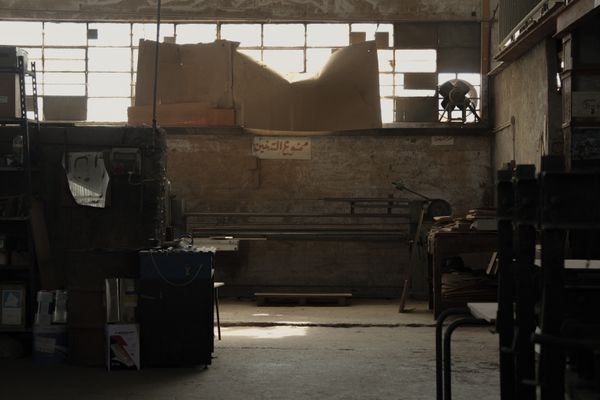
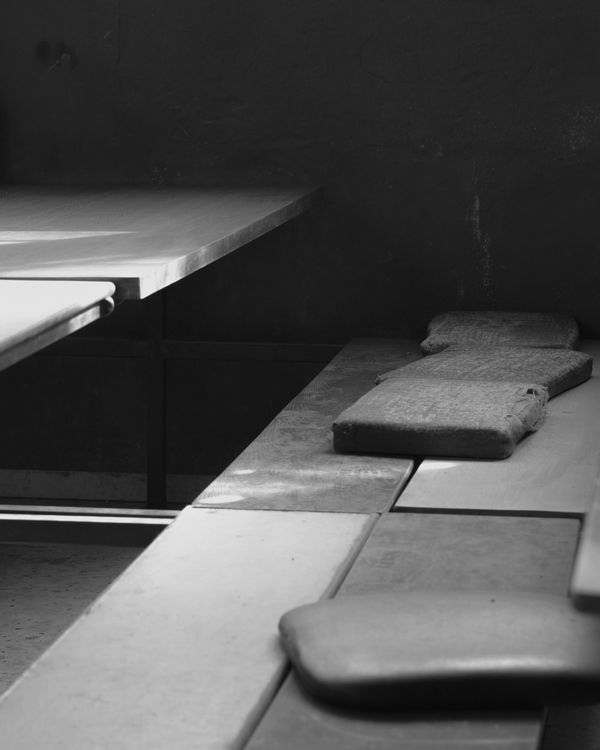
Founded in 1936 by the Bandak family, the Al Bandak Factory is one of the few remaining industrial buildings in Bethlehem dating to the period before the Nakba. Established during the British Mandate, it originally produced furniture and school supplies, employing over one hundred local workers. The factory represented a time when Bethlehem’s economy was self-sustained, and when Palestinian industry was tied to land, family, and community.
Over the decades, the surrounding landscape transformed. The Nakba of 1948 displaced much of Bethlehem’s workforce and led to the establishment of Aida Refugee Camp nearby. Later, the construction of the Israeli annexation wall in the early 2000s cut directly behind the factory’s perimeter, bringing it within metres of its owner’s home and workshop. Once surrounded by orchards and open roads, the building is now enclosed by concrete, barbed wire, and checkpoints.
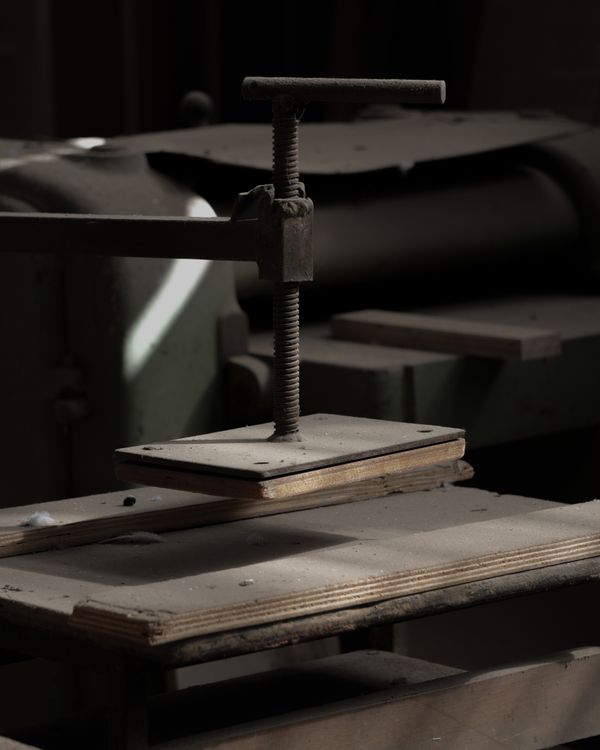
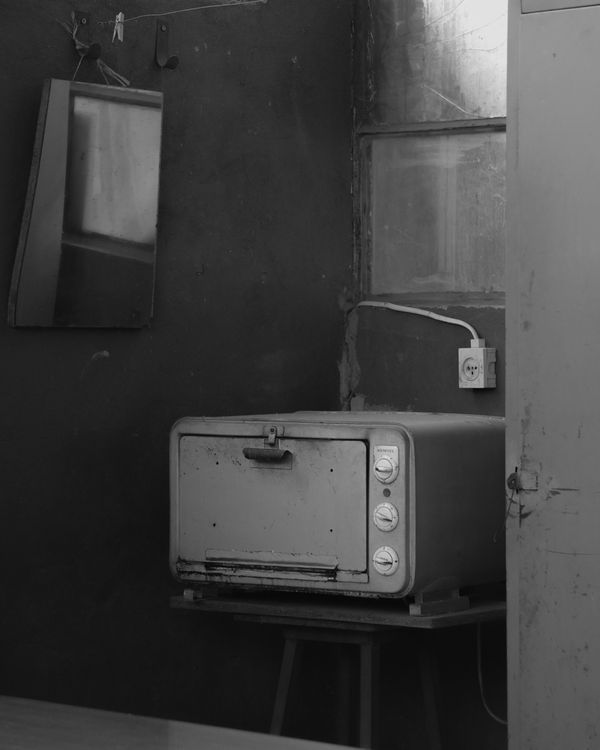
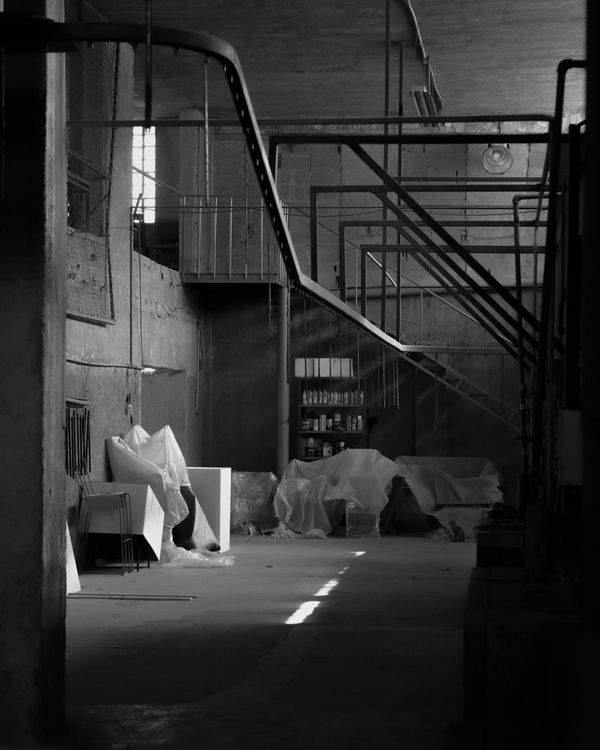
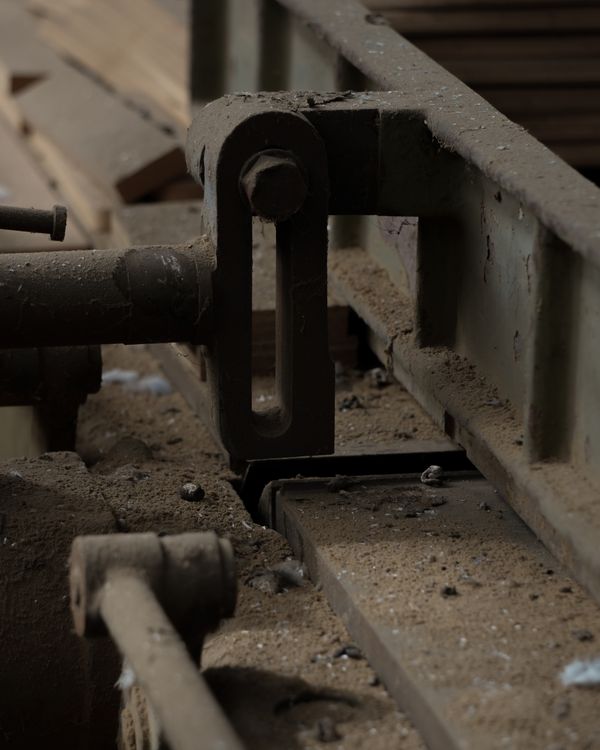
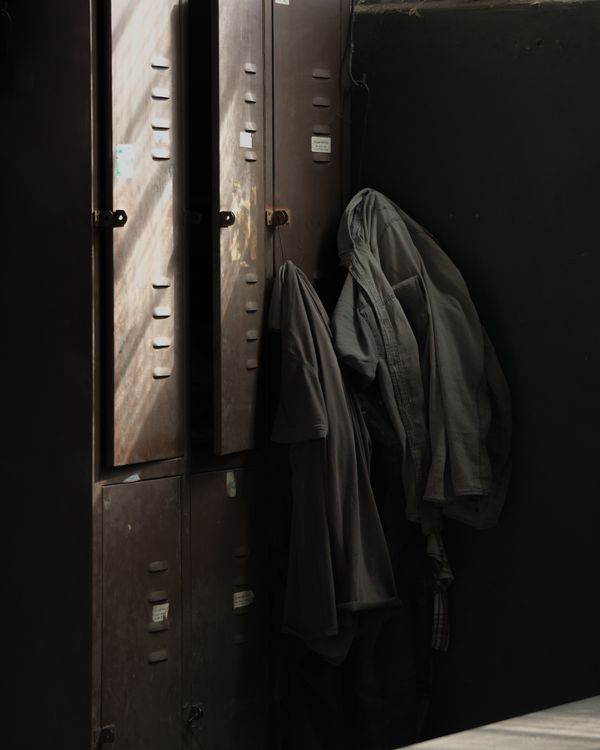
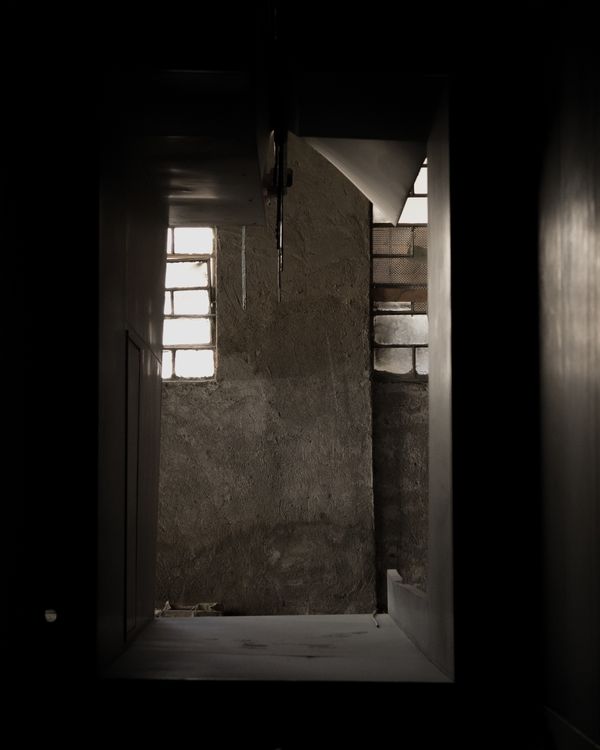
Despite the pressure of enclosure, the factory continues to exist as both a workplace and a relic. Machinery remains in place; the stone walls bear traces of the hands that built and repaired them across generations. Within its structure are visible layers of Palestine’s industrial and political history — from early independence and collective labour to occupation and control.
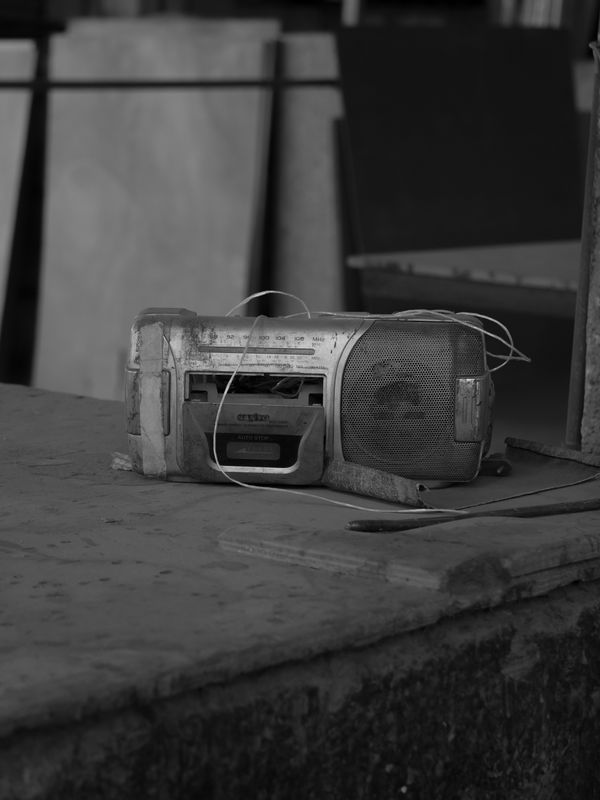
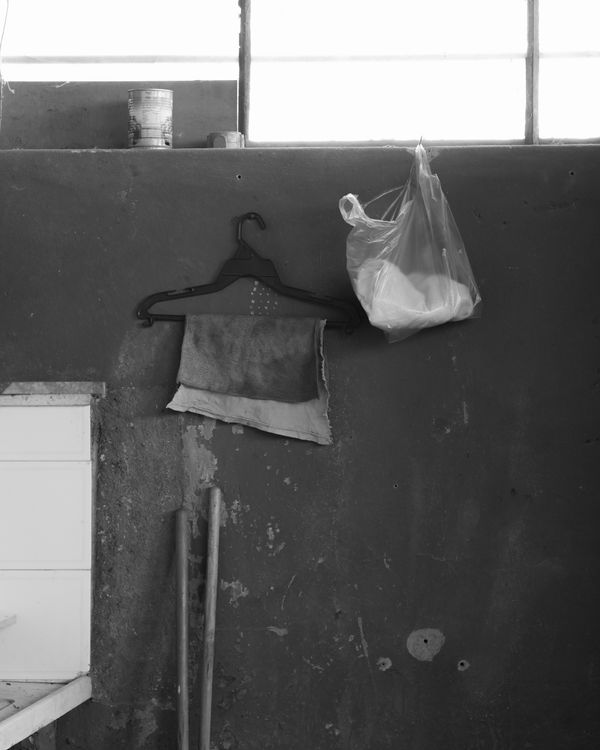
These photographs document the site as a living record of persistence. The factory stands as an architectural witness to nearly ninety years of transformation: from a period of local growth, through war and displacement, to the ongoing fragmentation of Bethlehem’s urban and social fabric. Its endurance reflects not only the continuity of a family enterprise, but the endurance of a people whose history is inscribed in the walls that surround them.