AI (Accomodation Intake)

-
Dates2025 - Ongoing
-
Author
- Topics Contemporary Issues, Daily Life, Documentary, Portrait, Social Issues, Street Photography
- Location Milan, Italy
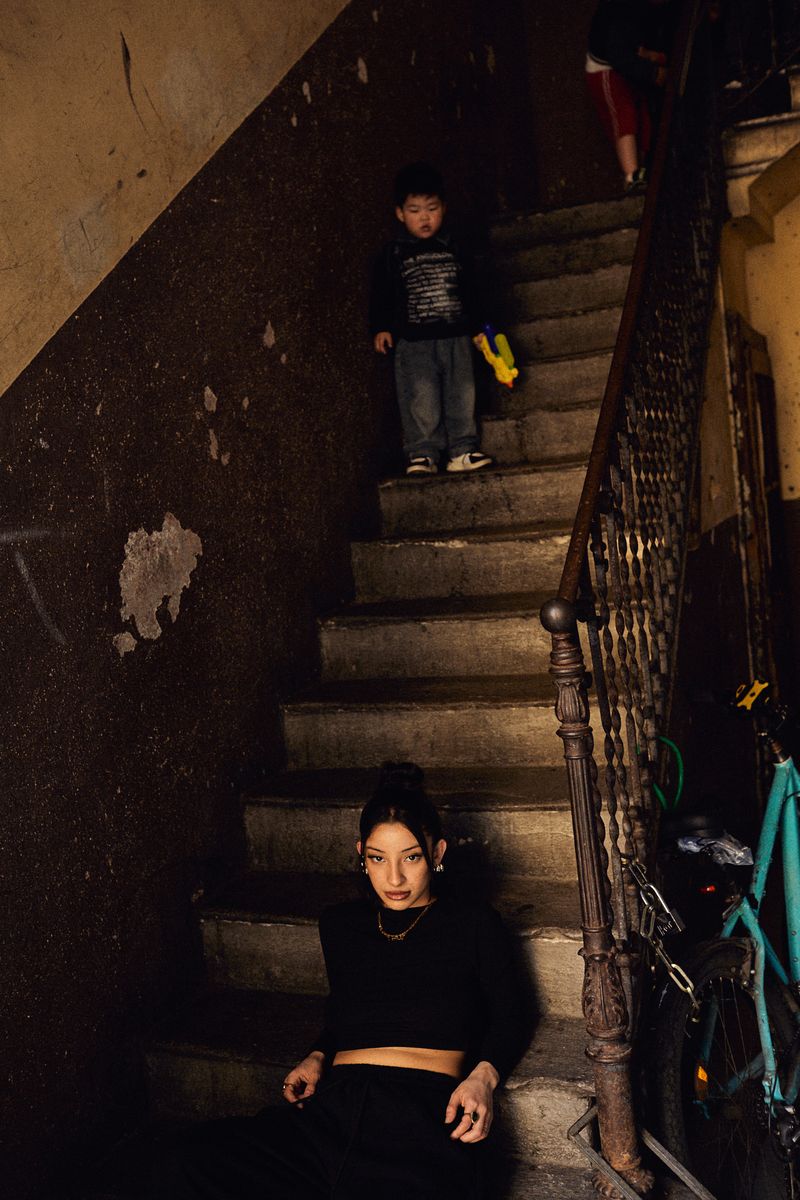
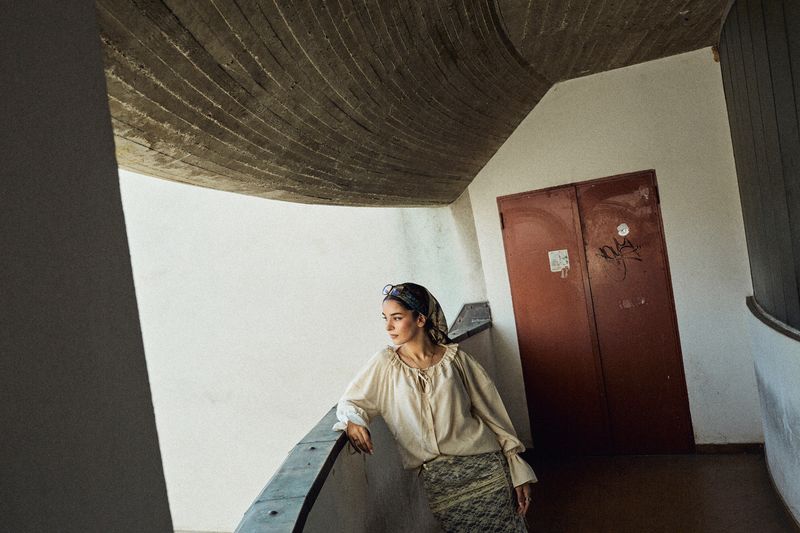
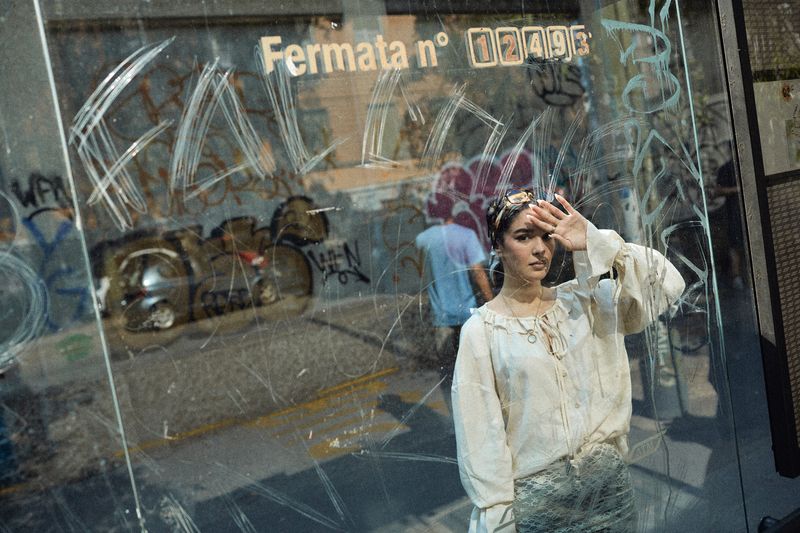
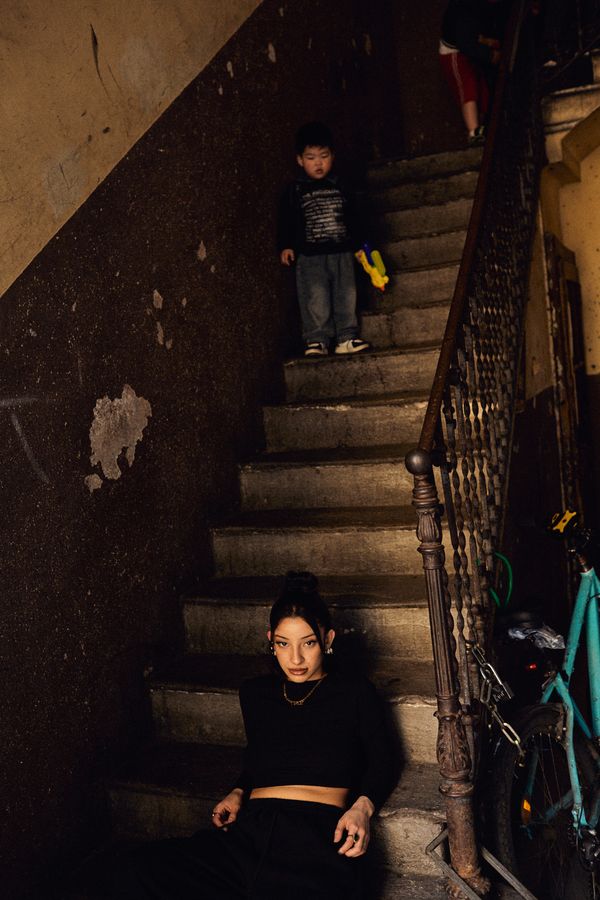
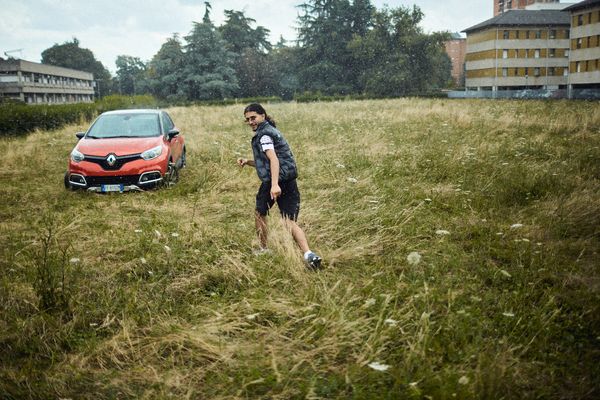
The people portrayed have Arab or North African origins. Some grew up moving in and out of deportation centers, others learned early that nothing is guaranteed: not a room, not a contract, not even a document stating who they are
There are forms of “intelligence” that are completely free of anything artificial: the kind you learn while growing up on the margins of a Country that doesn’t acknowledge you, when everyday life becomes a maze of application forms and waiting rooms. There the identity takes shape: in a continuous translation, in documents that seem never enough. In a Kafkaesque paradox where you need a home to obtain documents, but you need documents to obtain a home. reducing complex human criteria for inclusion to simple, automated data points, often missing nuance or context.
From this distorted space — invisible yet hyper-controlled — AI – Accommodation Intake was born.
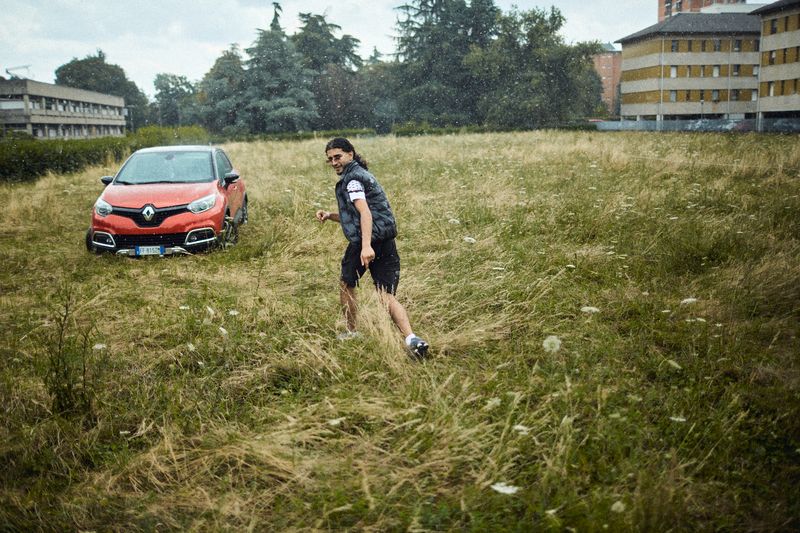
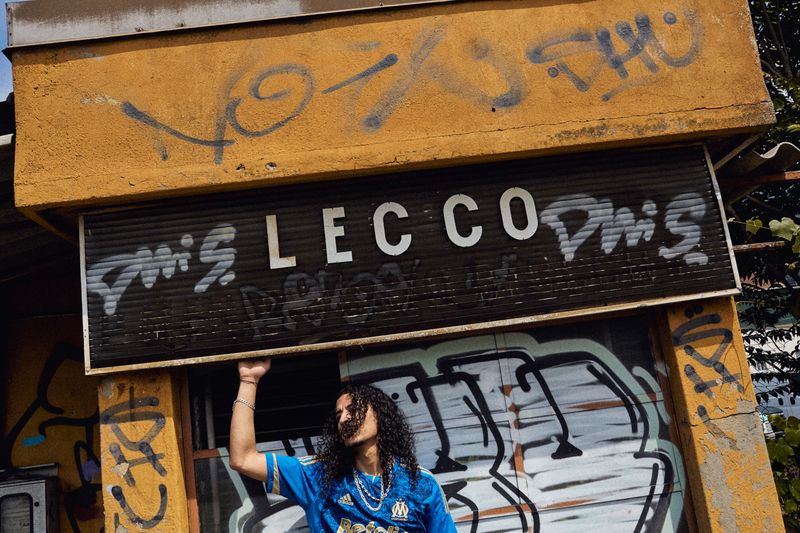
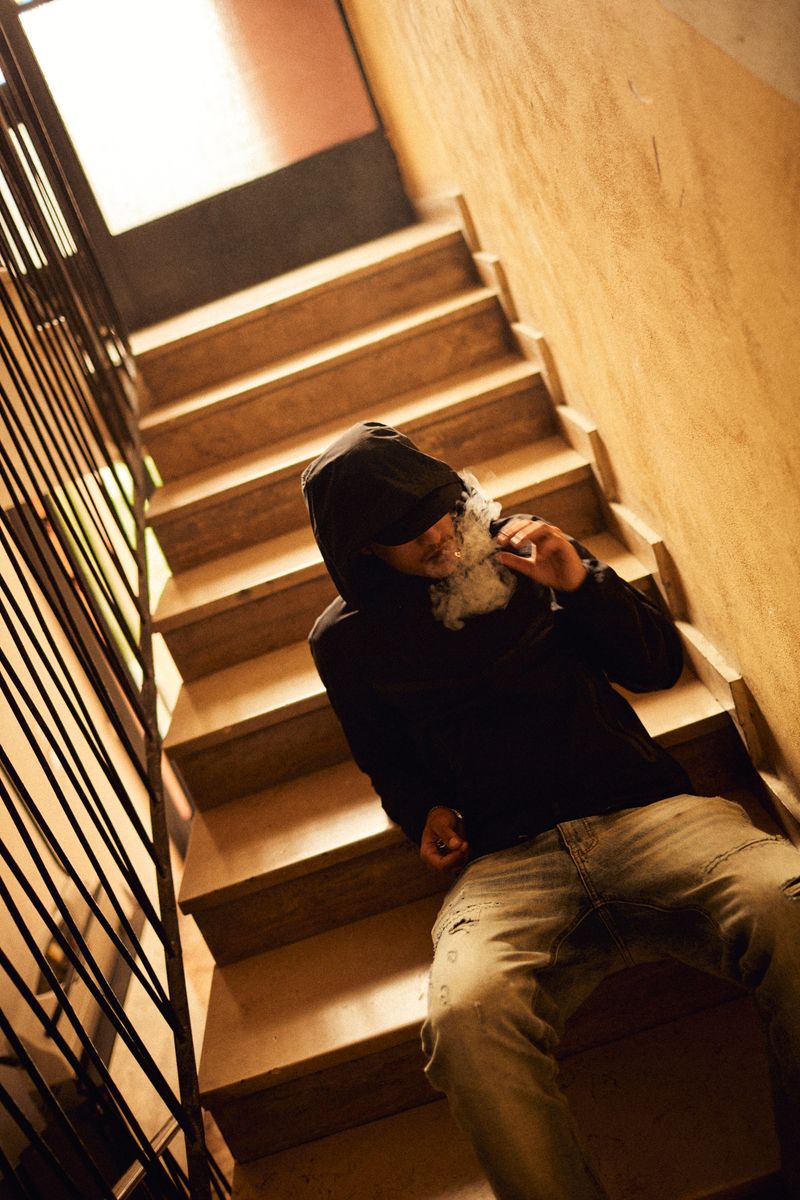
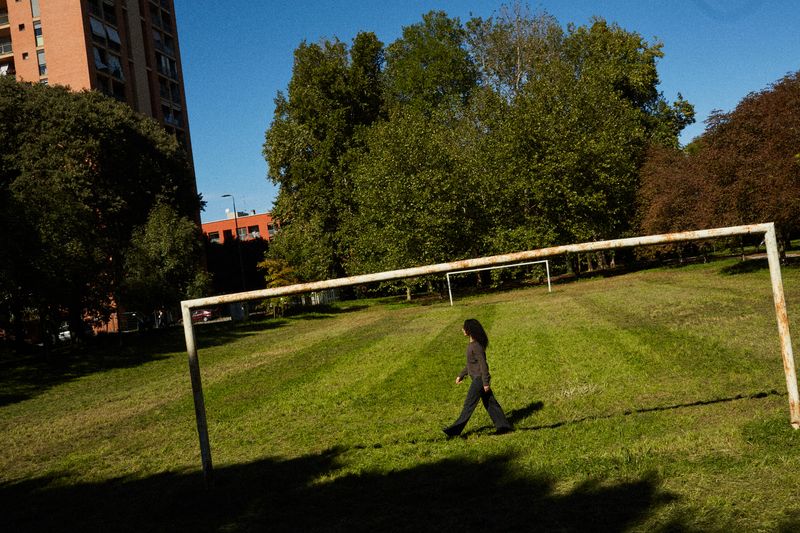
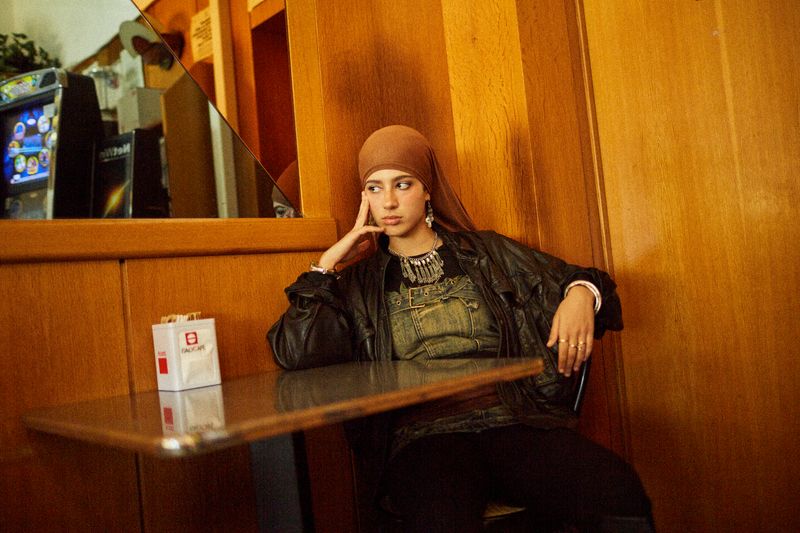
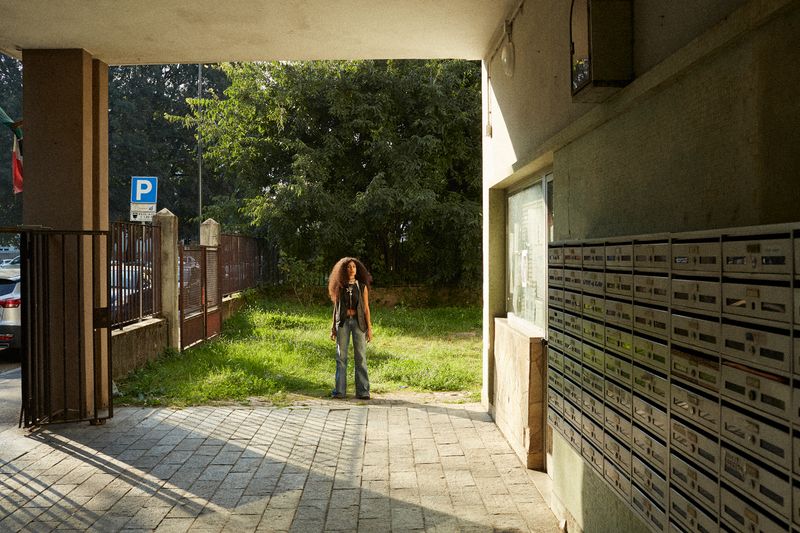
We moved through the vibrant streets of the peripheral neighborhoods of Milan and its province, photographing outdoors, where the invisible becomes real: in cafés, along the roads, in doorways that open more easily than institutions do.
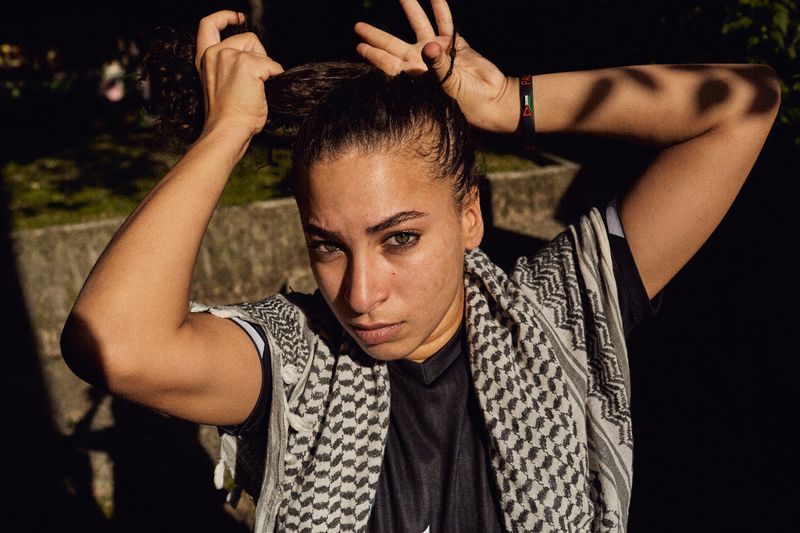
The people portrayed have Arab or North African origins. Some grew up moving in and out of deportation centers, others learned early that nothing is guaranteed: not a room, not a contract, not even a document stating who they are.
Some make music, some art, some fight, some prefer silence — yet all carry the same fracture: an inner diaspora made of deep roots and belonging constantly questioned.
Where bureaucracy renders people invisible, bodies respond with presence. In the Ghorba — diaspora — everyday roots take hold, turning urban space into a possible home, even when it’s not officially recognized as one.
AI is also a play on the present: not a reference to the much-debated artificial intelligence, but to the insidious and deeply human algorithms that regulate access to rights. This is why we must look, listen, and acknowledge.
As long as “accommodation intake” remains a filter between the legitimate and the merely tolerated, these faces and stories will remain truer than any census office.