Agridoce
-
Dates2025 - Ongoing
-
Author
- Topics Portrait, Daily Life, Social Issues, Contemporary Issues, Nature & Environment, Documentary
- Locations Brazil, Paraíba
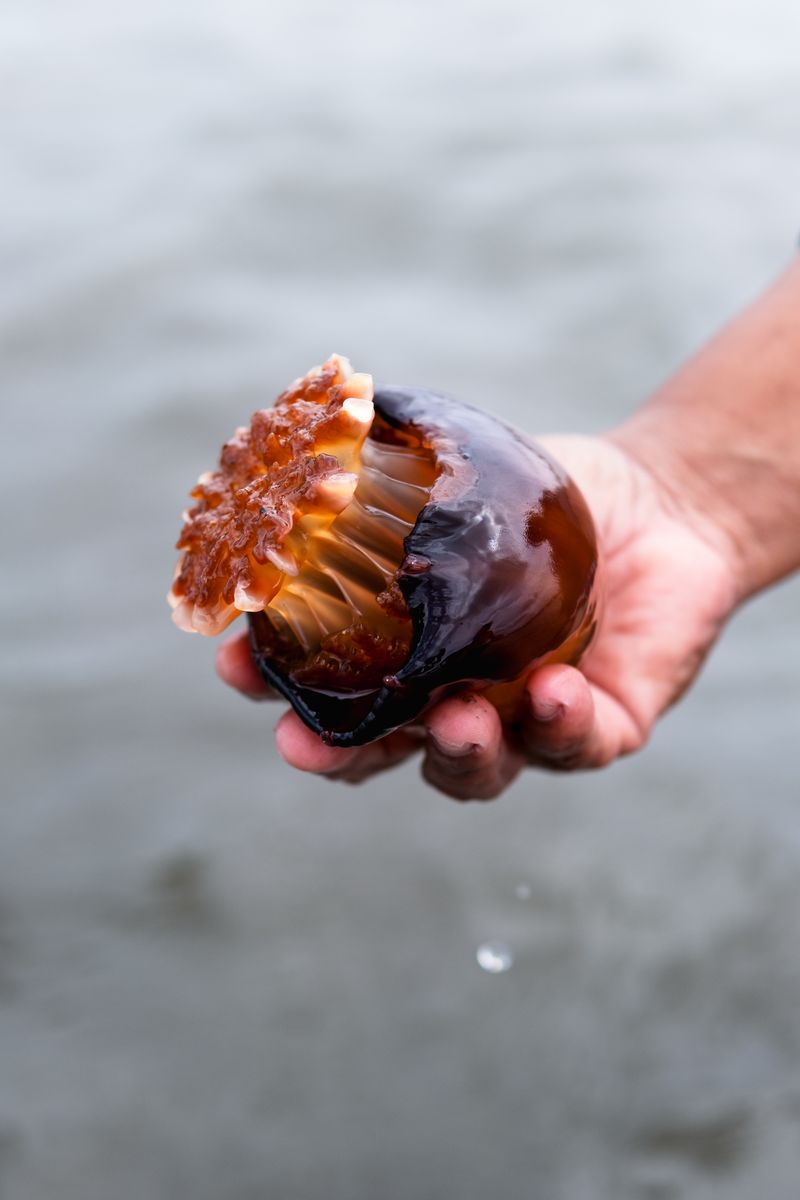
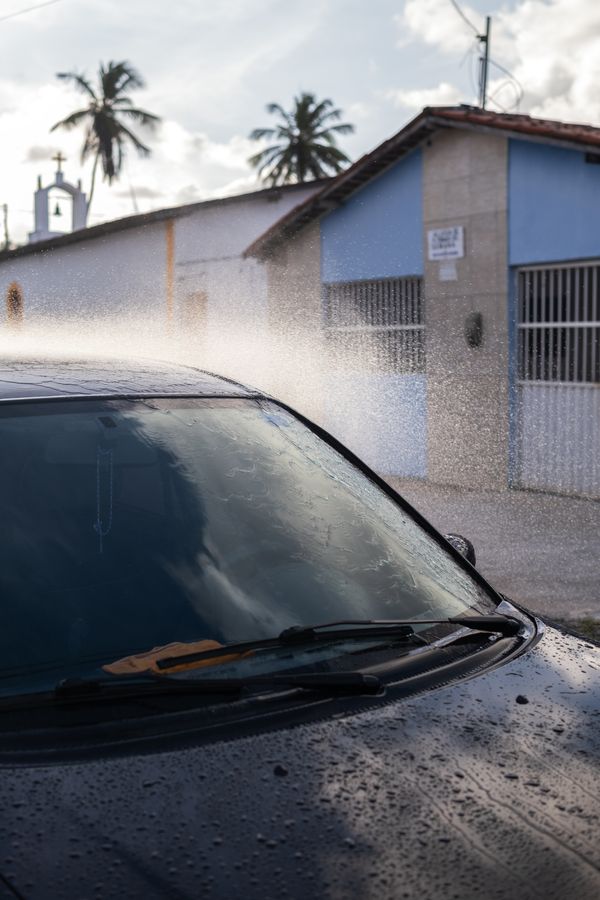
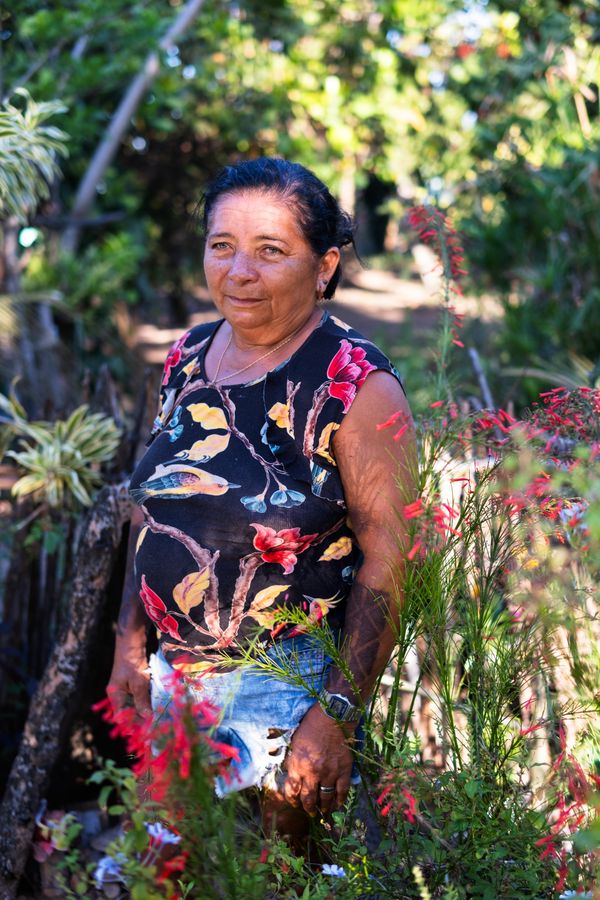
Potiguara, one of Brazil’s original peoples, live between ancestral traditions and colonial legacies. The story explores the daily life, where identity, land, beliefs coexist, revealing a contemporary cultural archipelago shaped by resilience and history.
The Potiguara community in the northeast of Brazil lives within a territory shaped by both ancestral knowledge and colonial history.
This project originates from a personal confrontation with a largely unacknowledged past. As a Dutch photographer, I became aware of the Netherlands’ early colonial presence in this region, where economic interests in sugar production laid the groundwork for involvement in the transatlantic slave trade. While this history remains largely absent from Dutch collective memory, it continues to shape the lives of those who inhabit this land today.
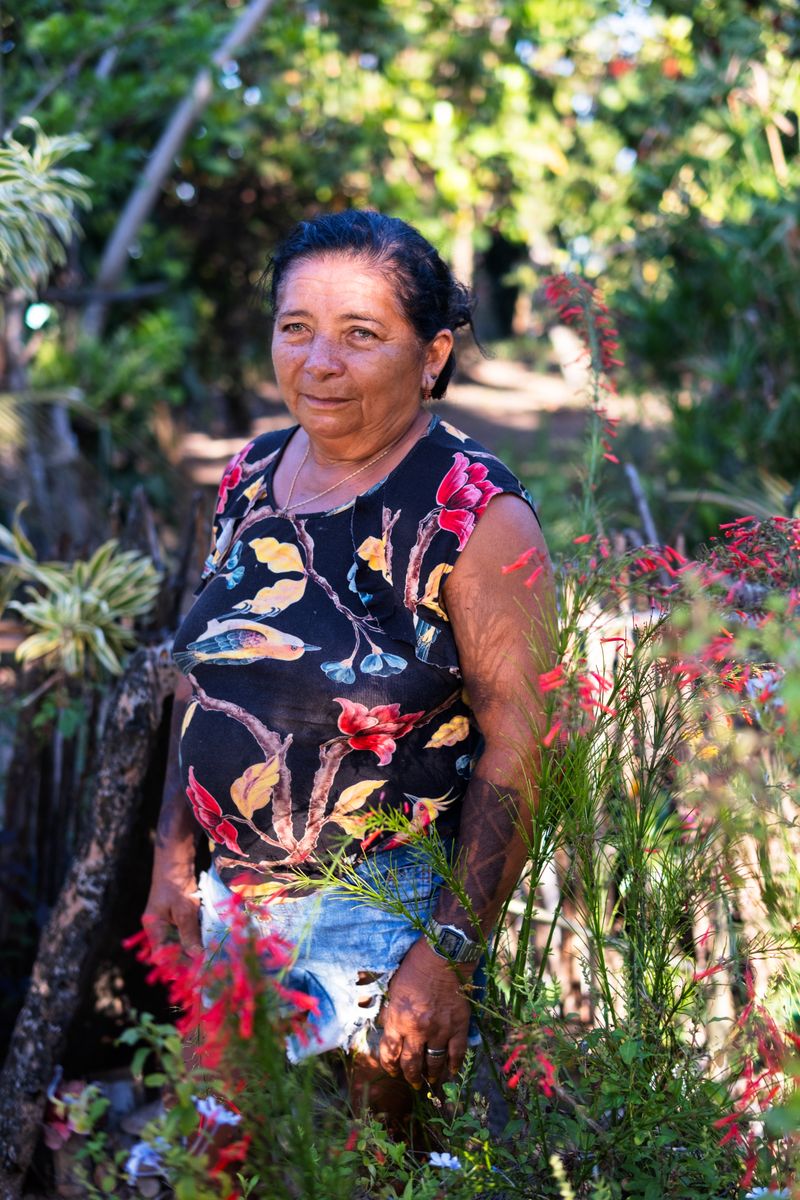
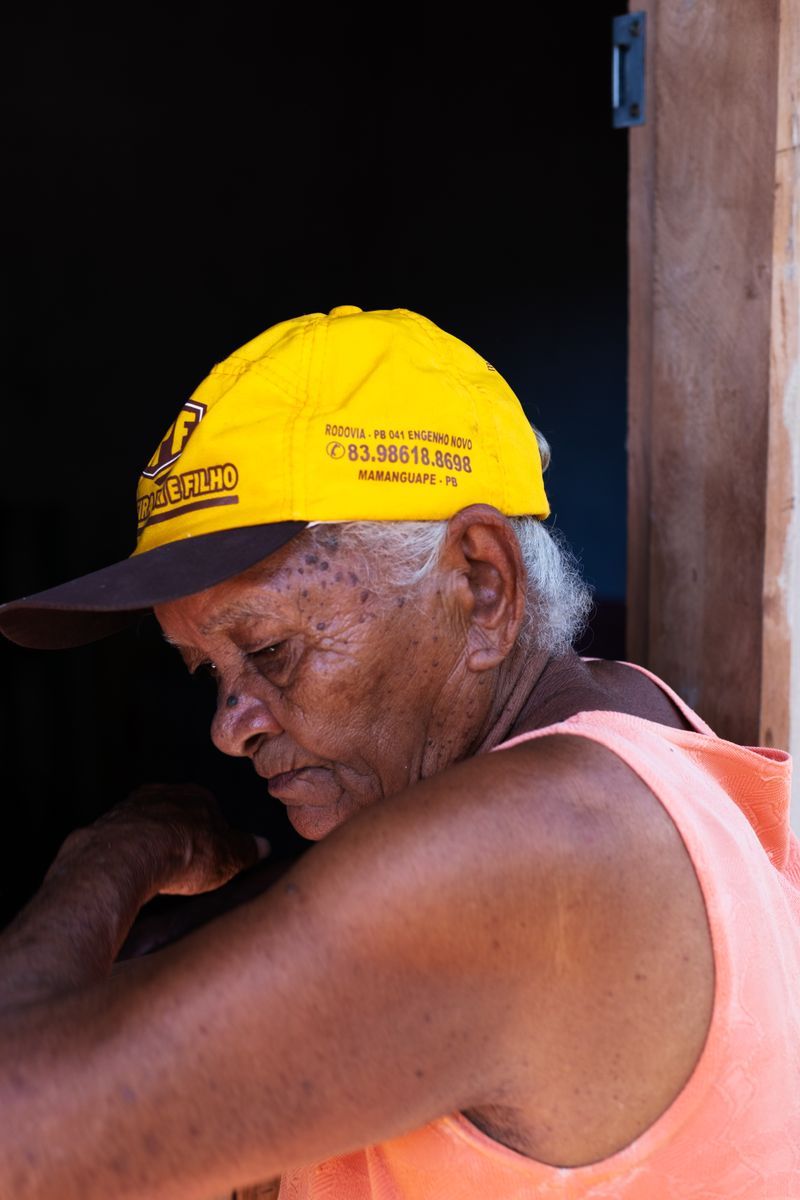
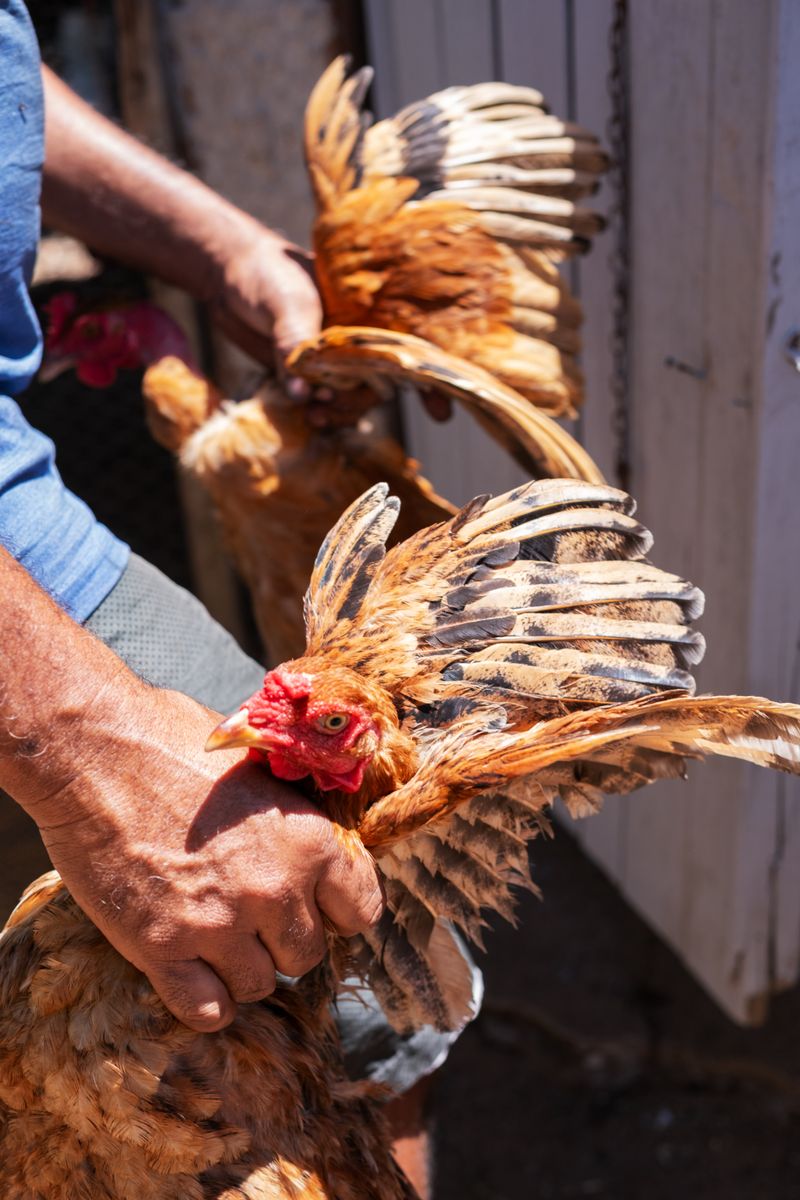
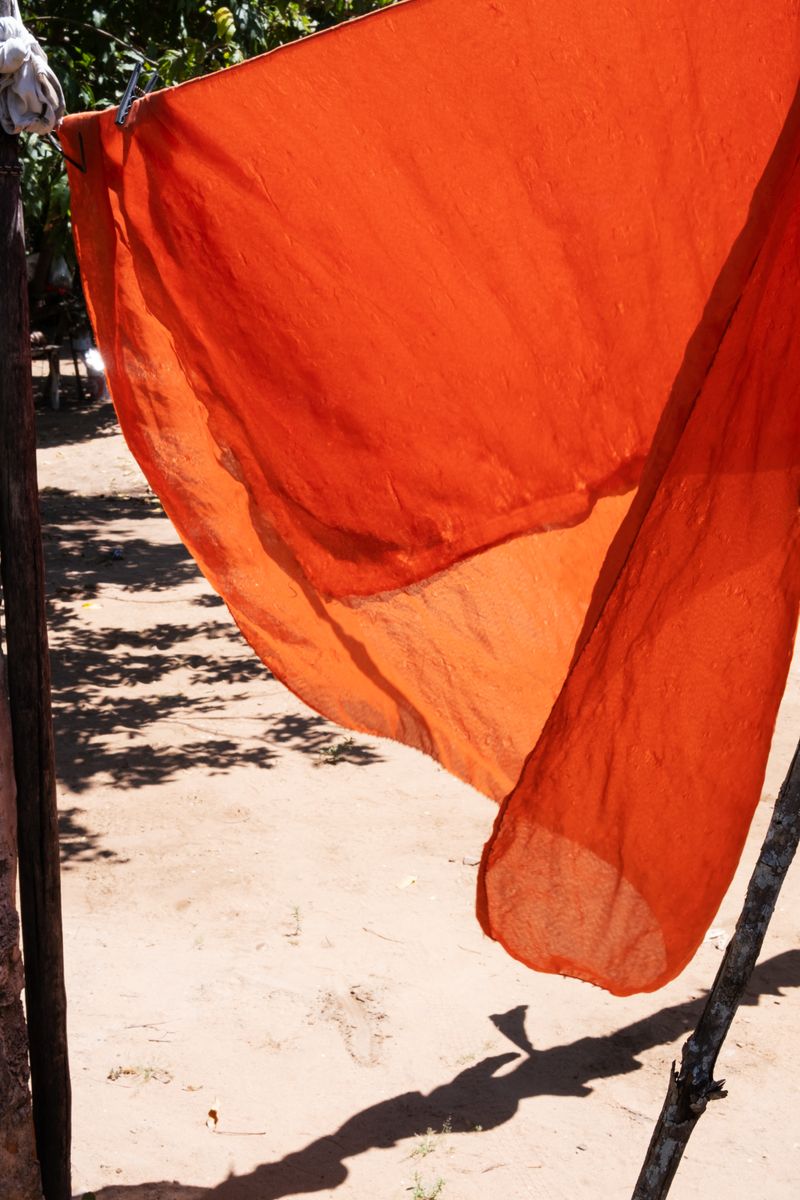
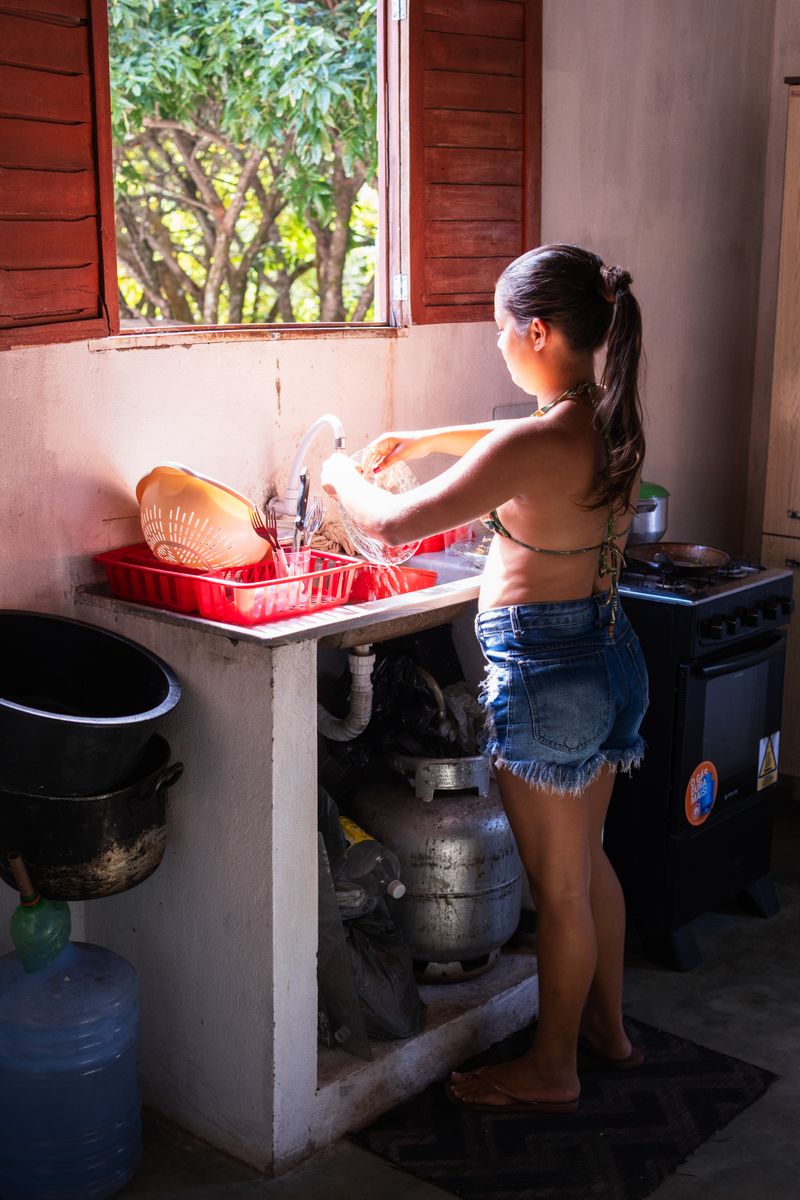
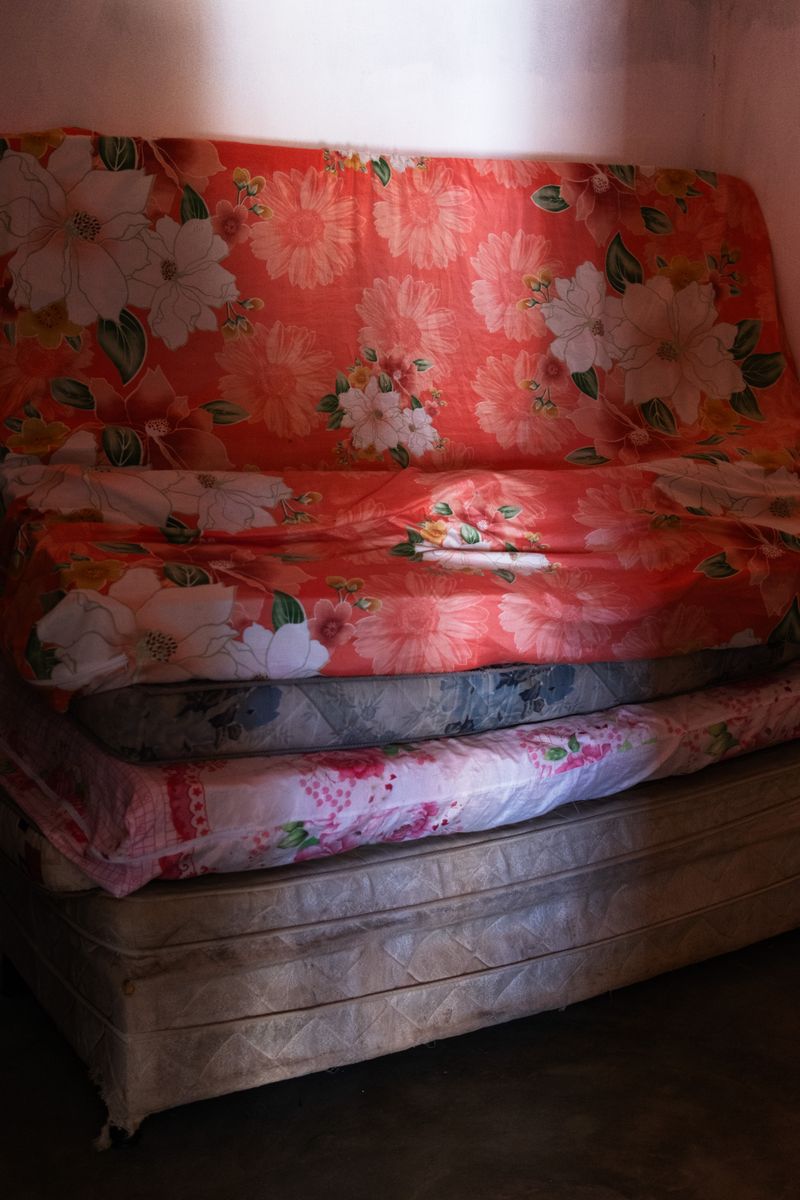
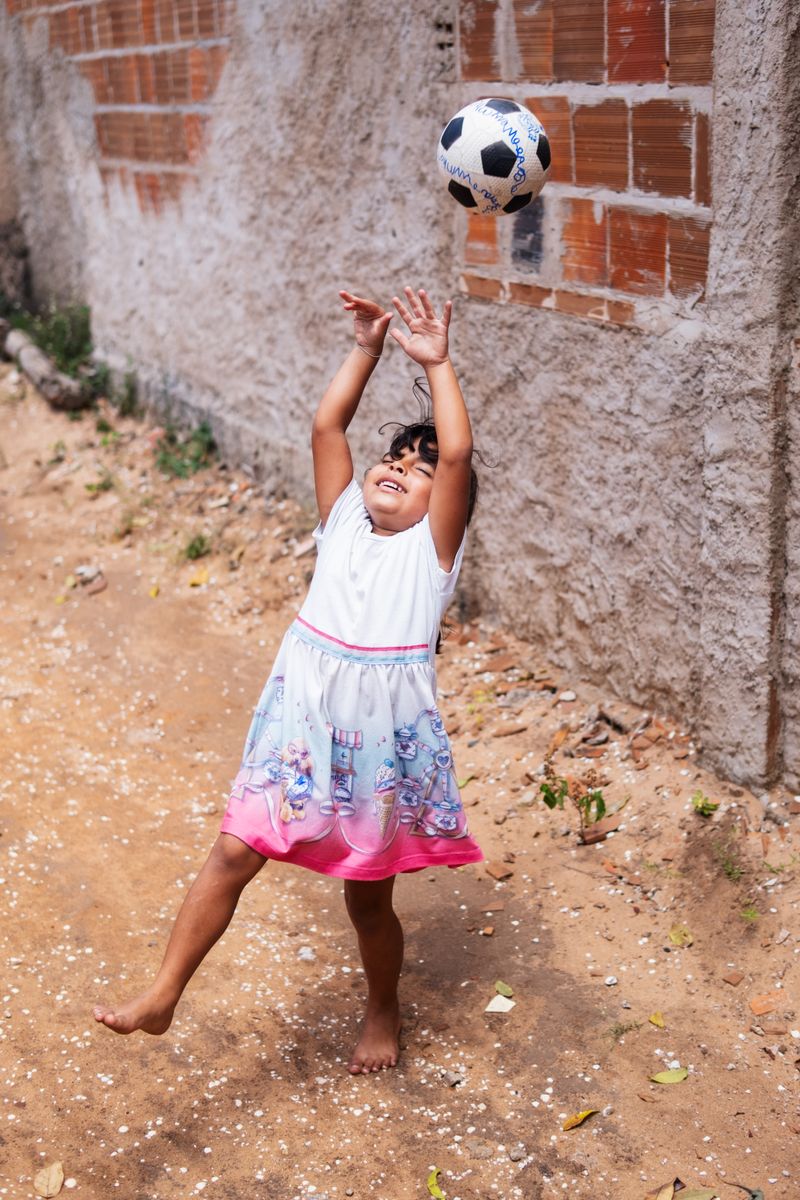
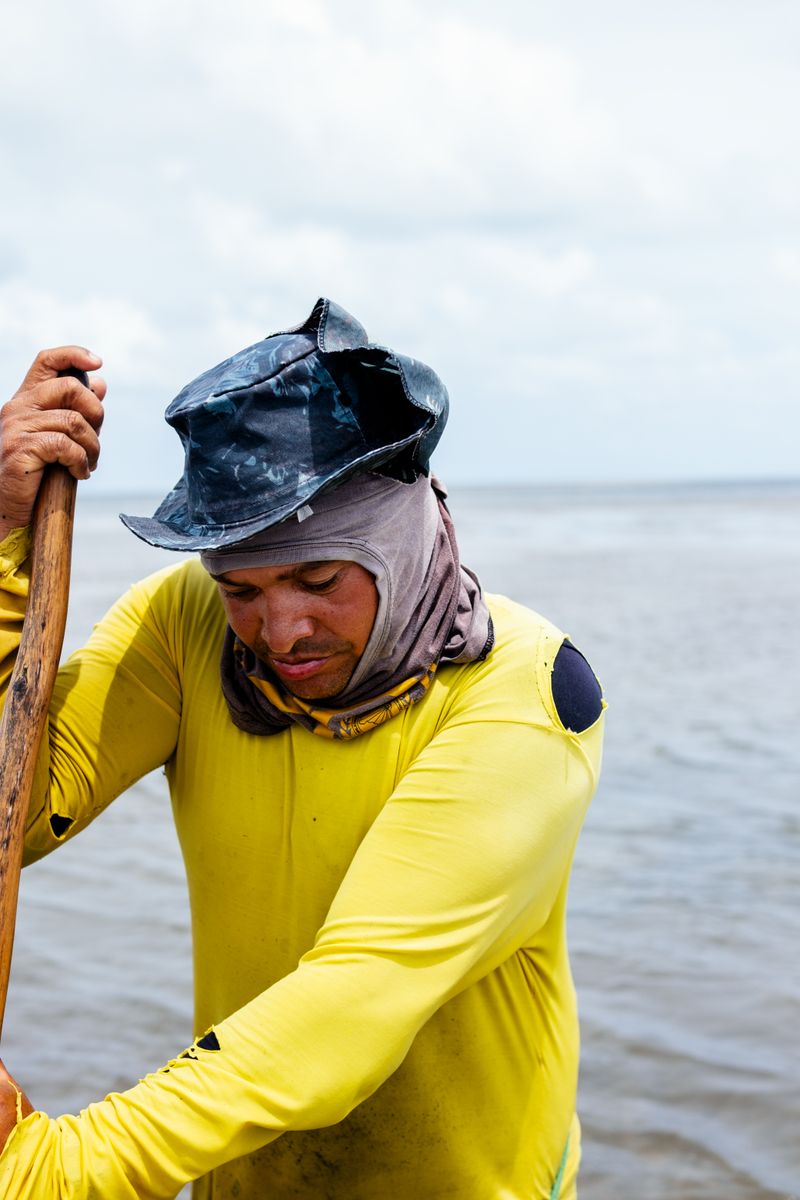
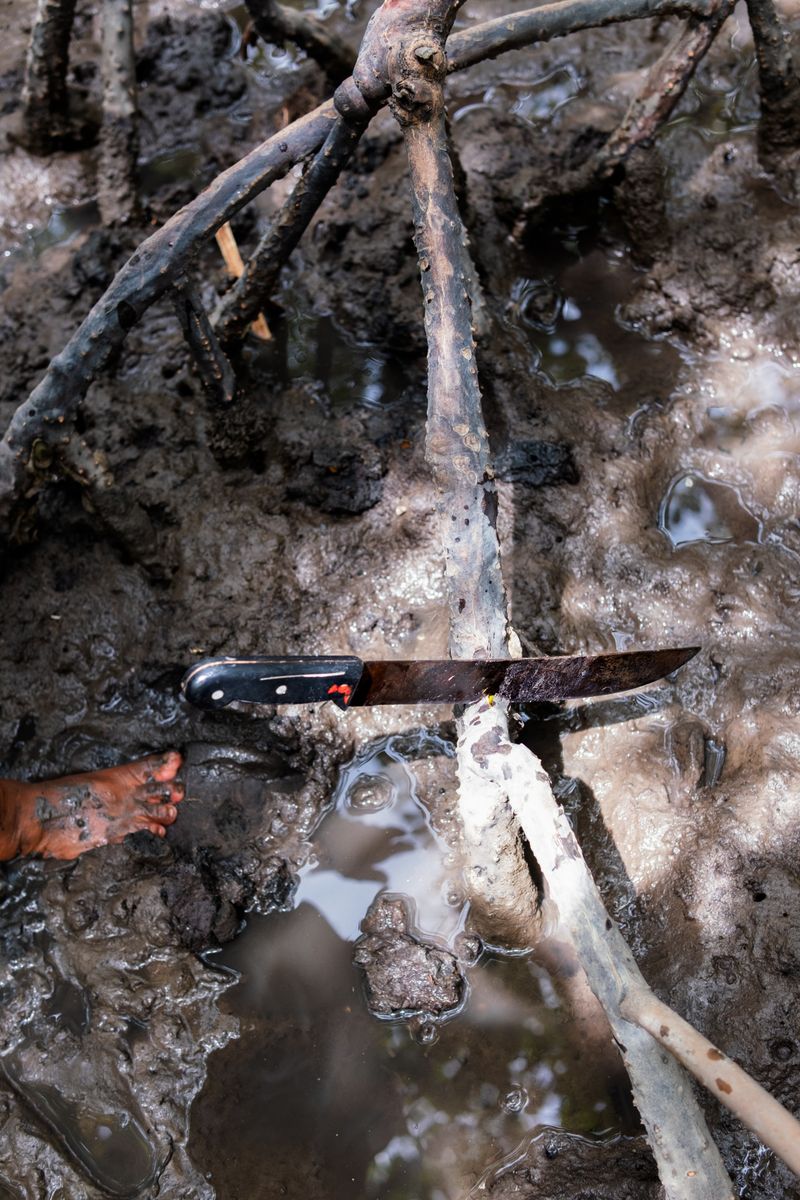
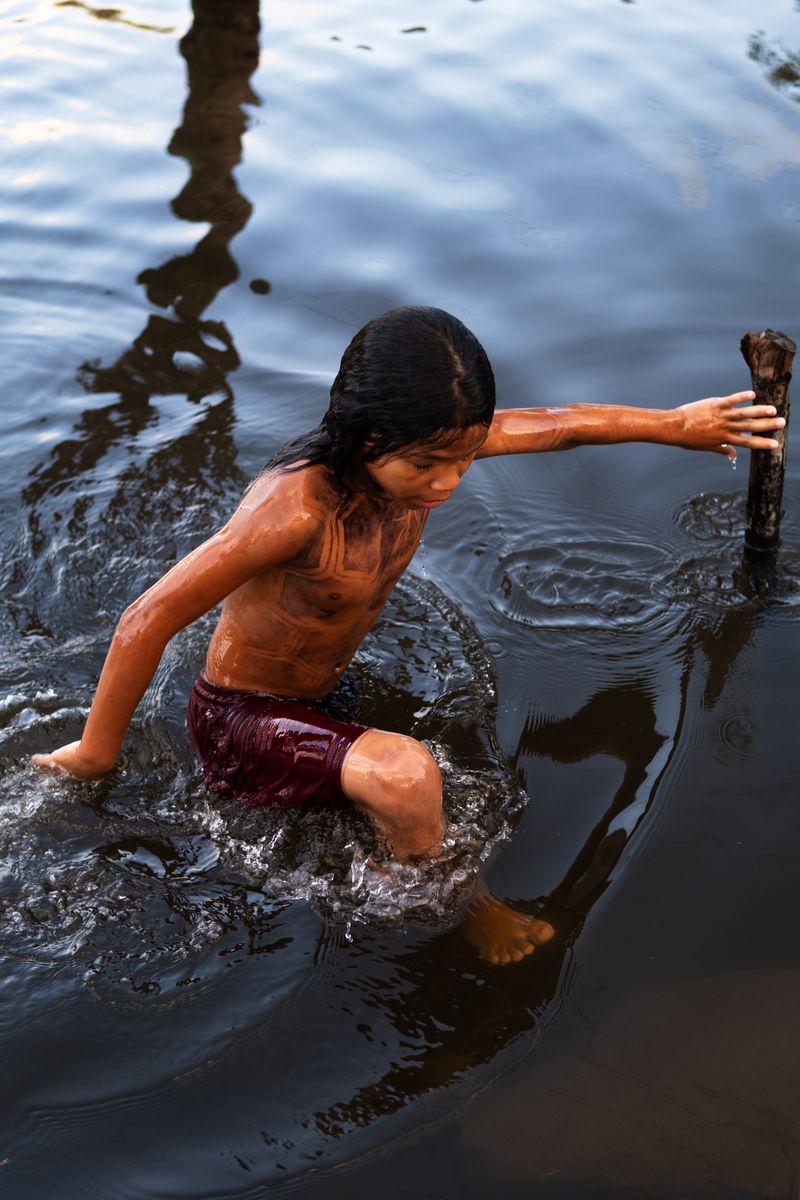
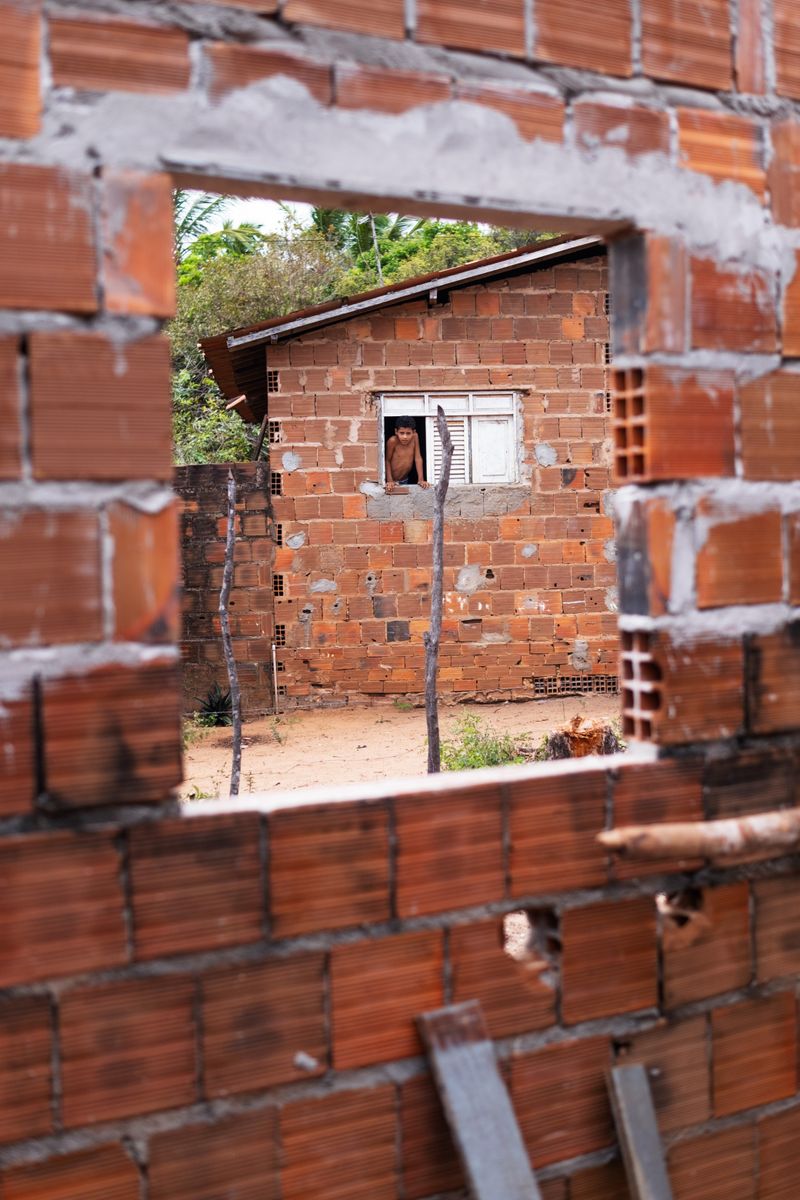
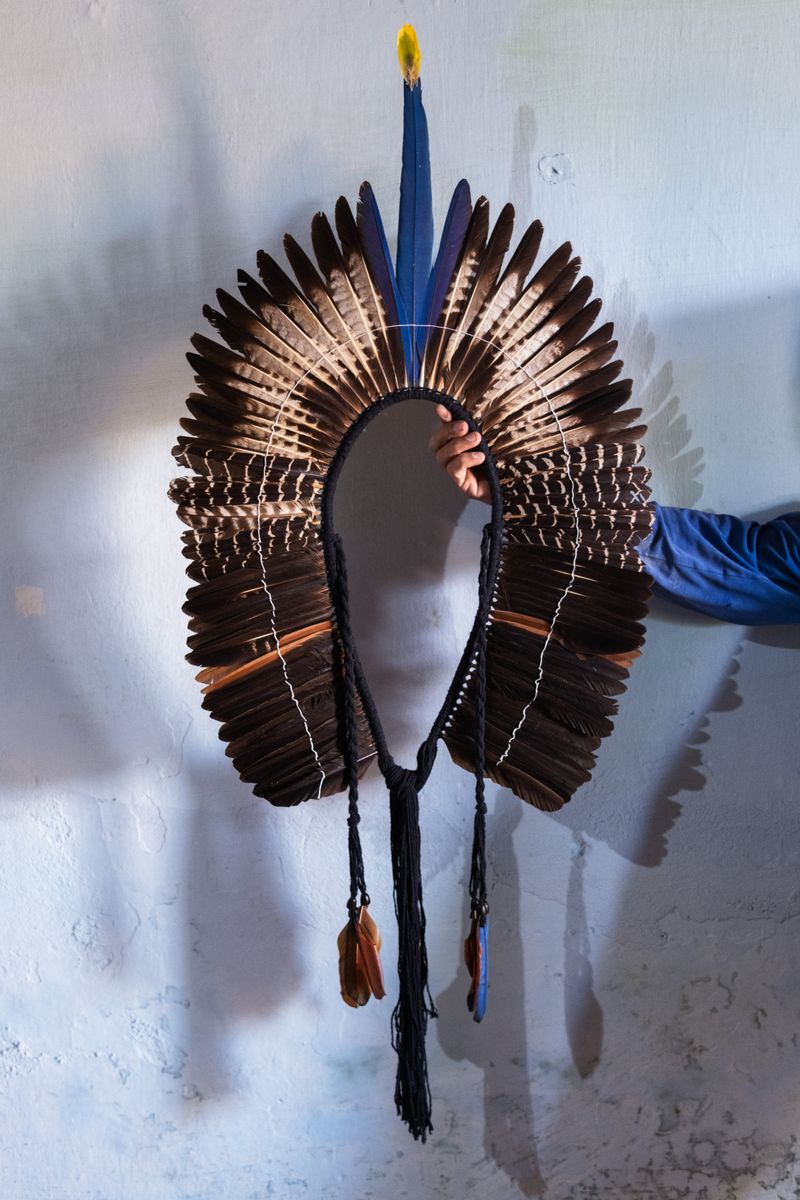
Developed through a close and ongoing relationship with members of the Potiguara community, the work focuses on the present rather than illustrating the past directly. It portrays daily life, relationships, and rituals, revealing a community that actively sustains its cultural identity while navigating the enduring impact of colonial structures.
Within the community, a strong sense of connection persists, to land, water, spirituality, and each other. At the same time, this existence is marked by ongoing tension. The Potiguara continue to occupy a marginalised position, defending their territory and way of life against political, environmental, and economic pressures.
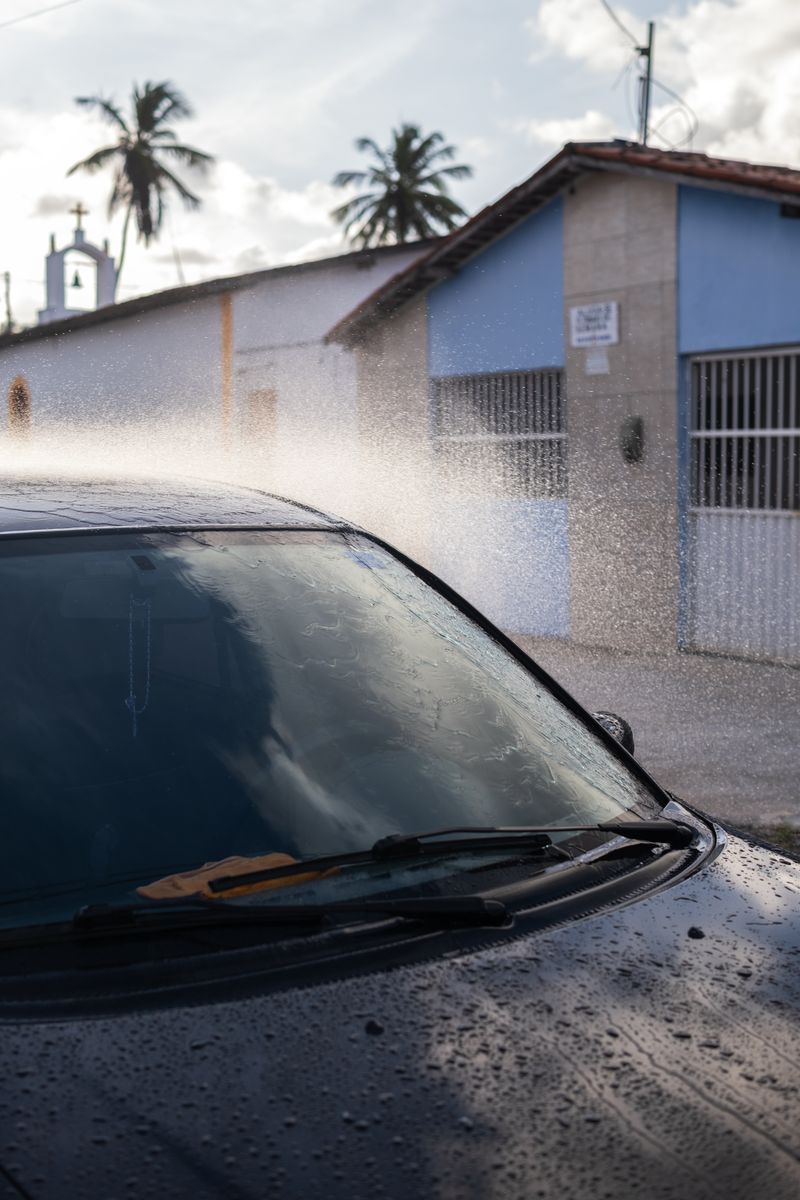
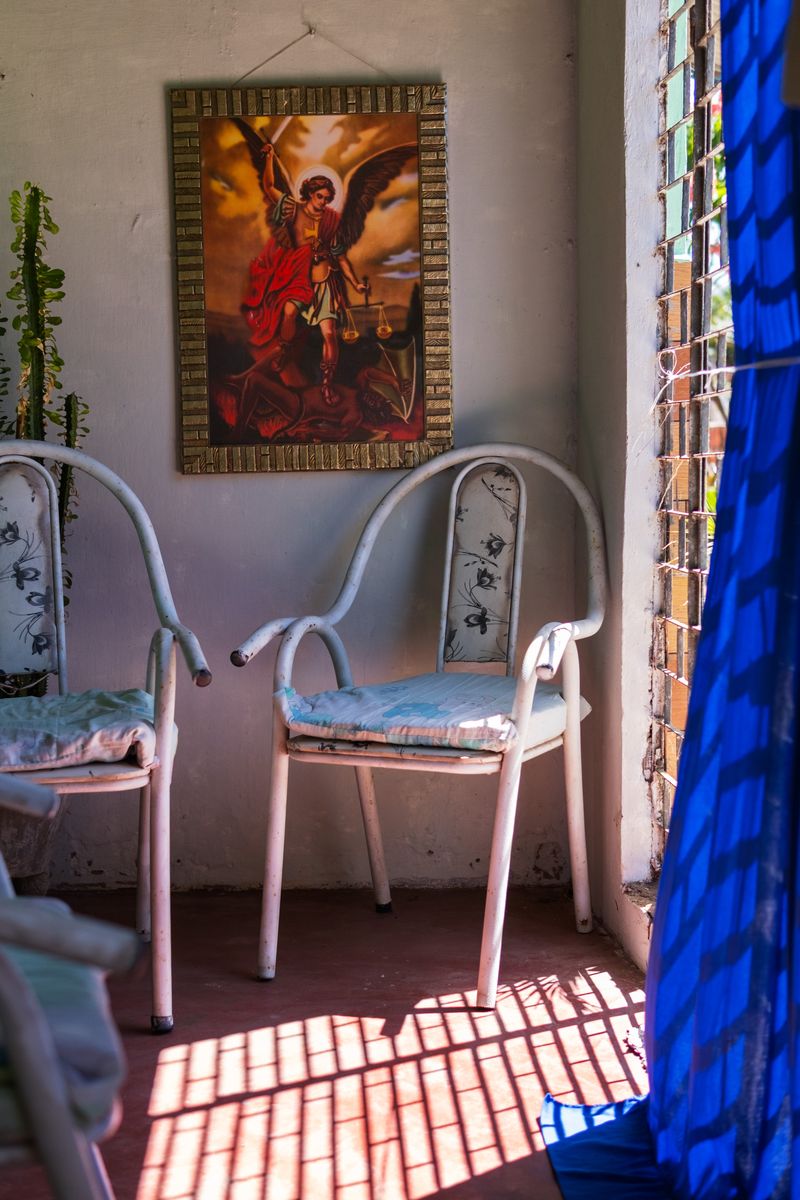
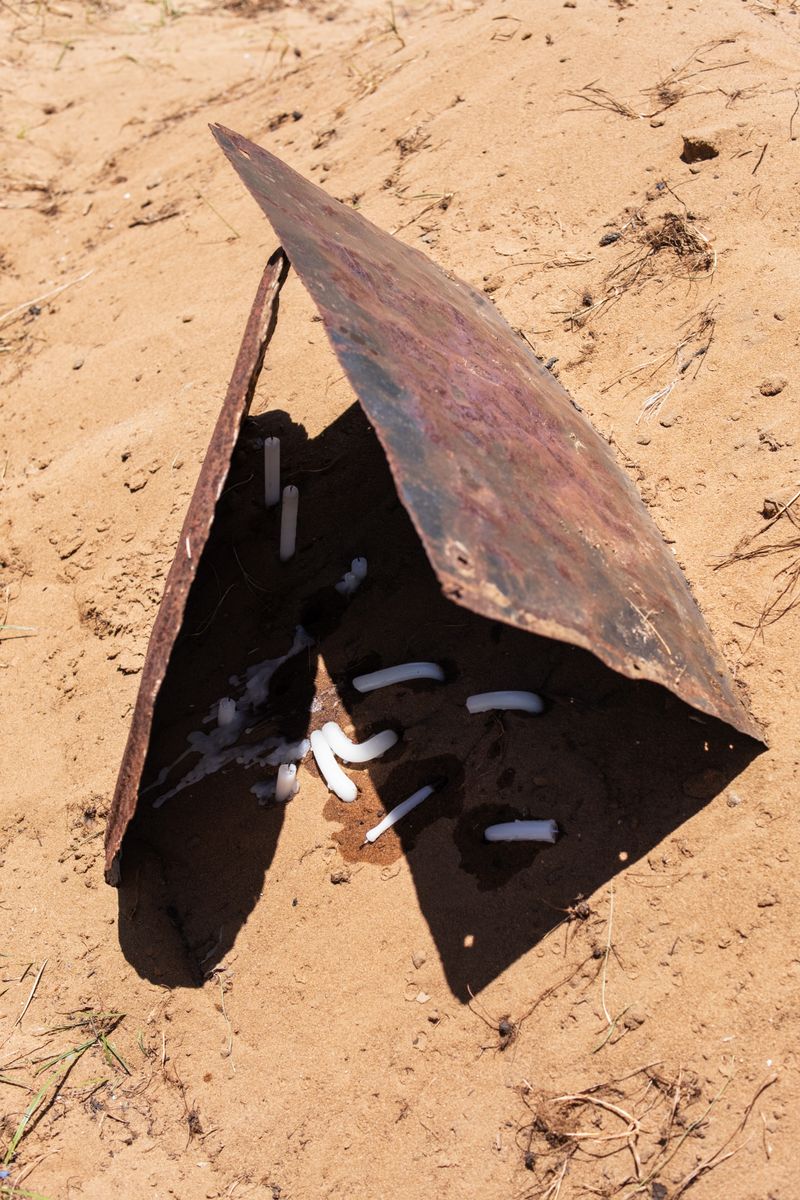
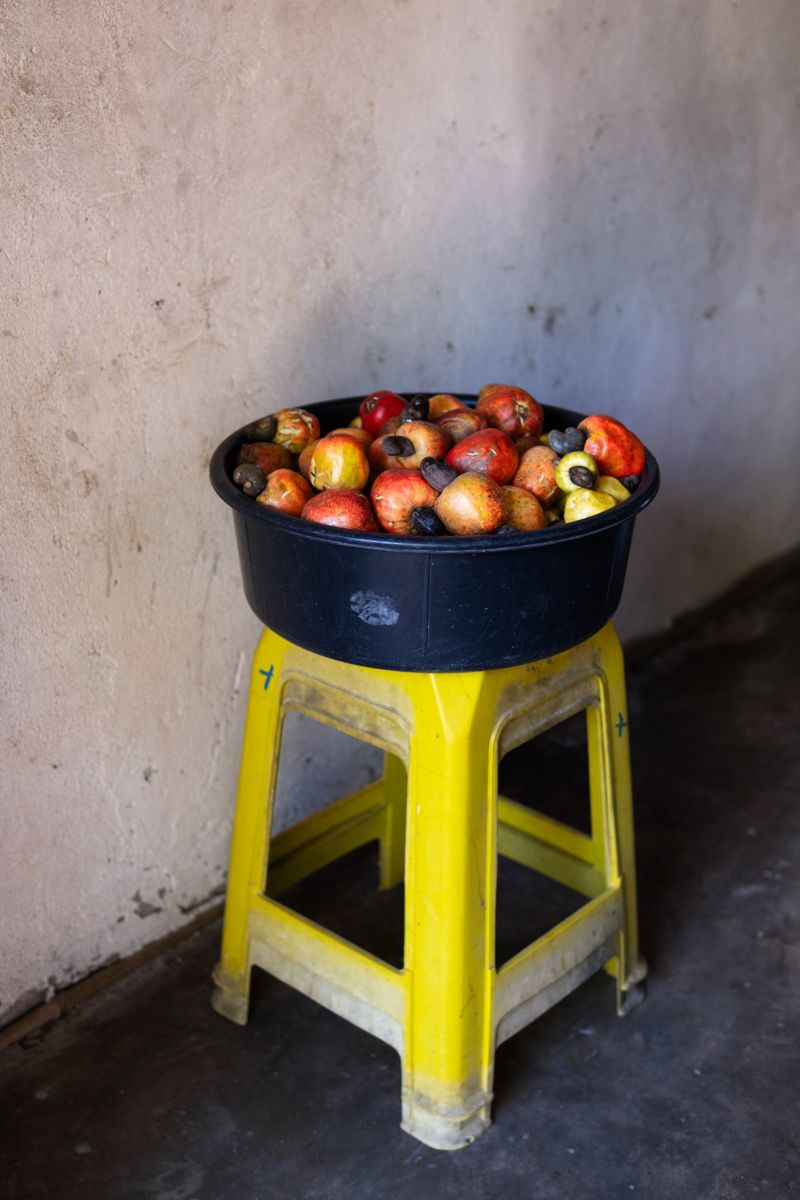
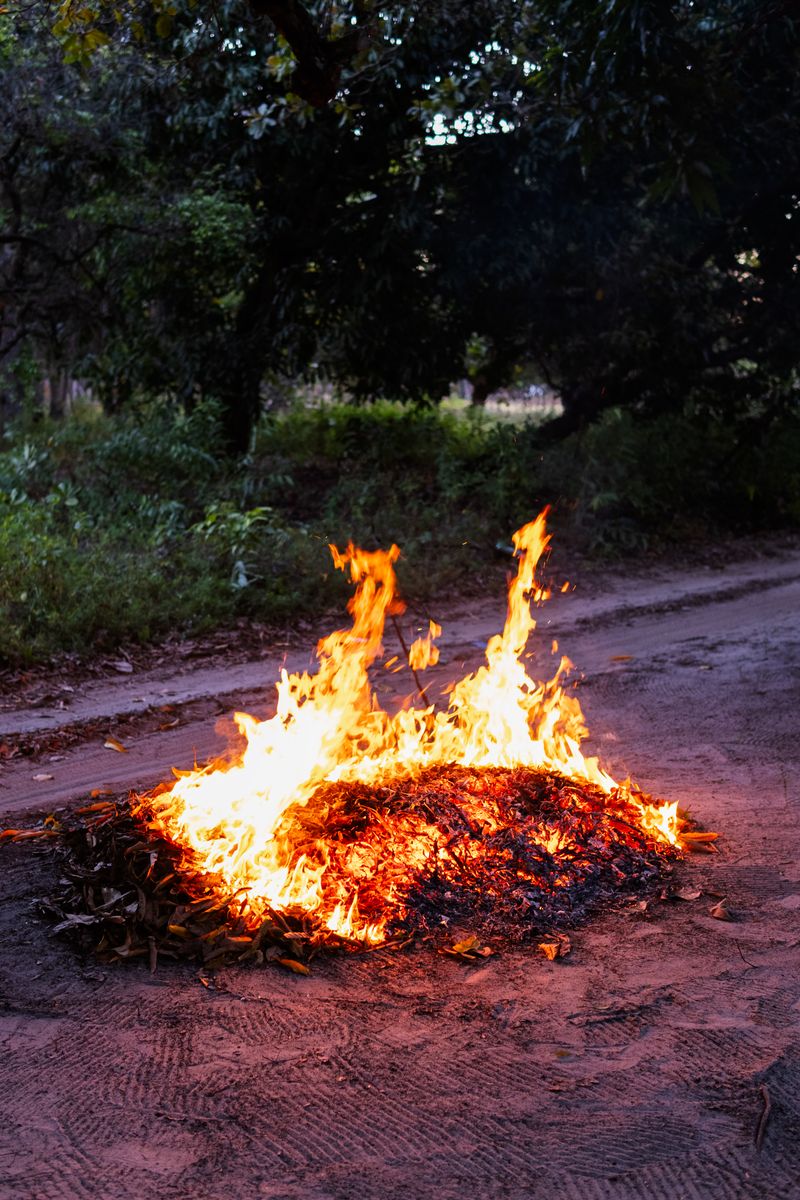
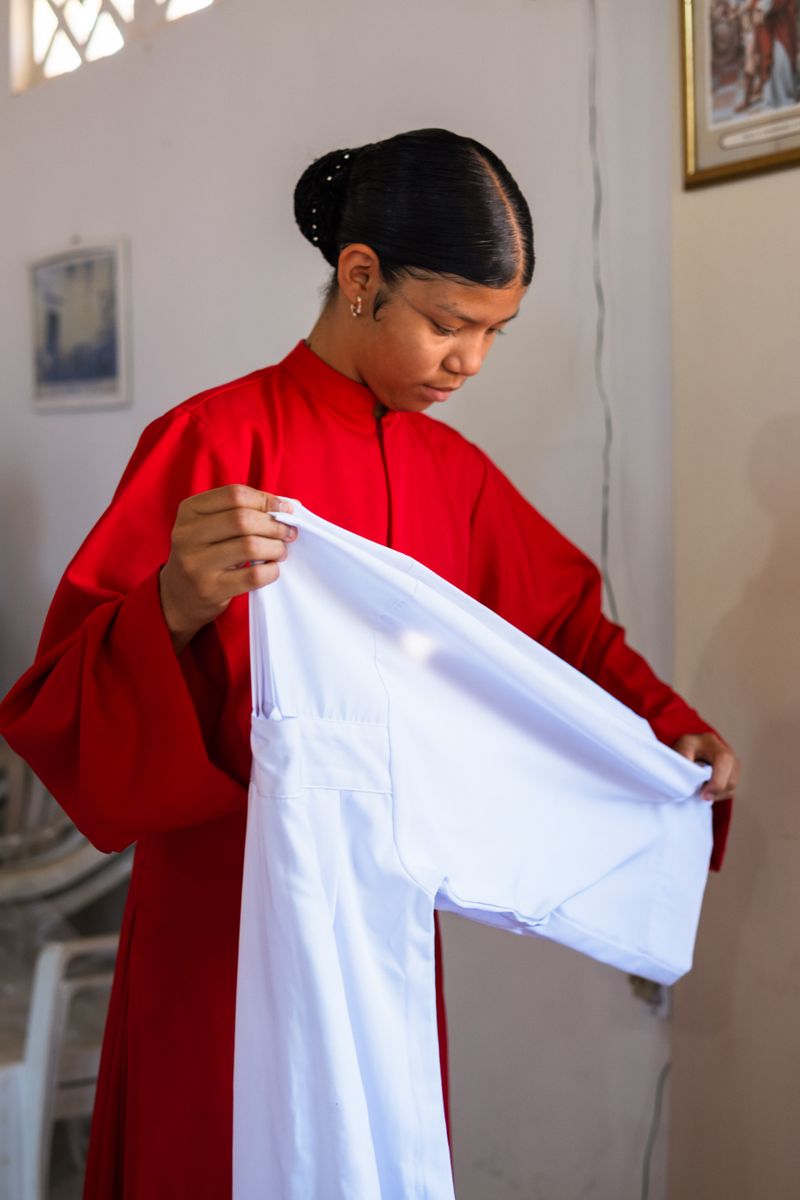
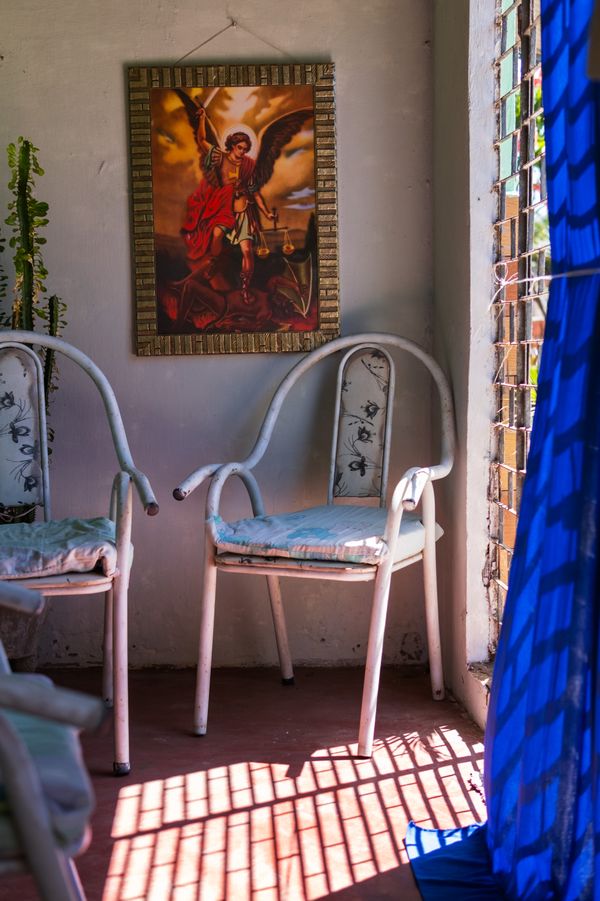
This layered reality becomes visible in the coexistence of belief systems, where Catholicism, imposed during colonial rule, merges with indigenous spiritual practices. It is also reflected in the surrounding landscape, where monoculture shaped by colonial economies contrasts with the community’s relationship to land and sustainability.
The project approaches the Potiguara as part of a contemporary cultural archipelago: a community that exists within and alongside other worlds, maintaining its own structures while remaining in constant negotiation with external forces.
By foregrounding the present, the work draws attention to the continuity of colonial histories and their lived consequences. It invites the viewer to reconsider their own position within these entangled histories, and to reflect on the conditions required for coexistence today.