Agridoce

  • Dates
    2025 - Ongoing
  • Author
  • Topics Contemporary Issues, Daily Life, Documentary, Nature & Environment, Portrait, Social Issues
  • Locations Brazil, State of Paraíba

Potiguara, one of Brazil’s original peoples, live between ancestral traditions and colonial legacies. The story explores the daily life, where identity, land, beliefs coexist, revealing a contemporary cultural archipelago shaped by resilience and history.

The Potiguara community in the northeast of Brazil lives within a territory shaped by both ancestral knowledge and colonial history.

This project originates from a personal confrontation with a largely unacknowledged past. As a Dutch photographer, I became aware of the Netherlands’ early colonial presence in this region, where economic interests in sugar production laid the groundwork for involvement in the transatlantic slave trade. While this history remains largely absent from Dutch collective memory, it continues to shape the lives of those who inhabit this land today.

Developed through a close and ongoing relationship with members of the Potiguara community, the work focuses on the present rather than illustrating the past directly. It portrays daily life, relationships, and rituals, revealing a community that actively sustains its cultural identity while navigating the enduring impact of colonial structures.

Within the community, a strong sense of connection persists, to land, water, spirituality, and each other. At the same time, this existence is marked by ongoing tension. The Potiguara continue to occupy a marginalised position, defending their territory and way of life against political, environmental, and economic pressures.

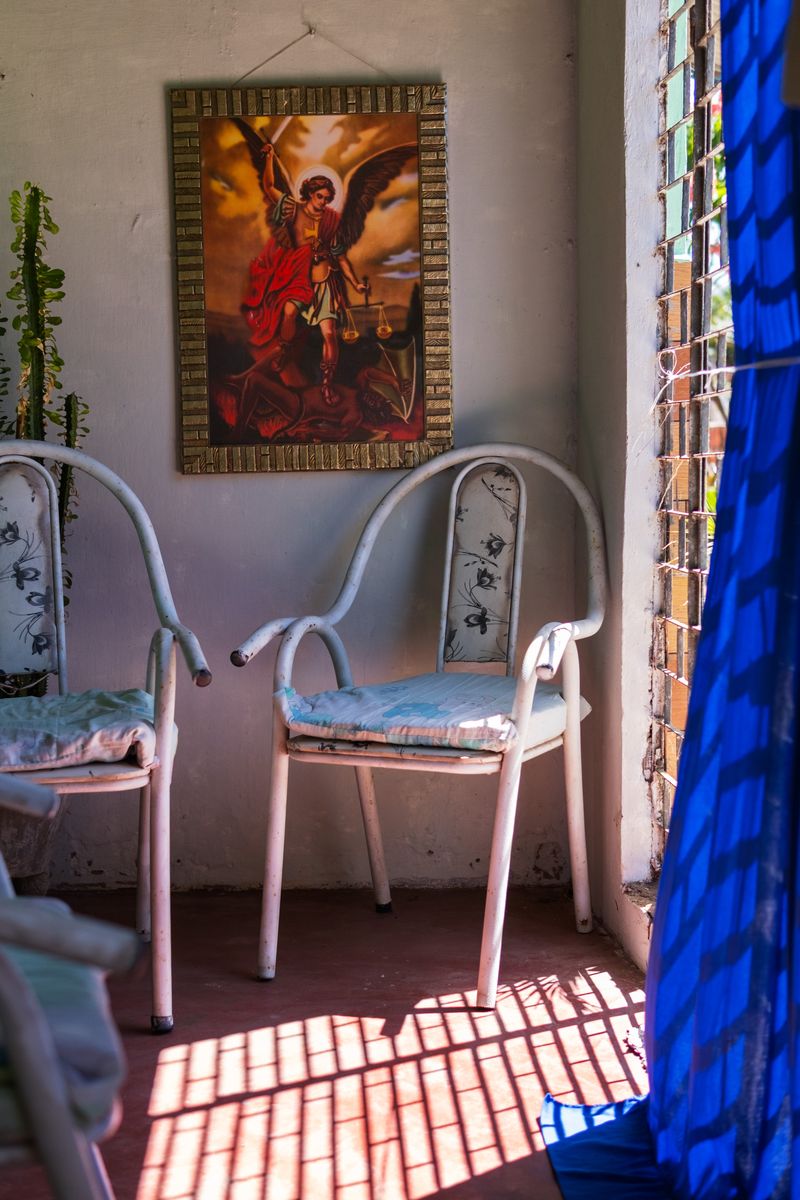
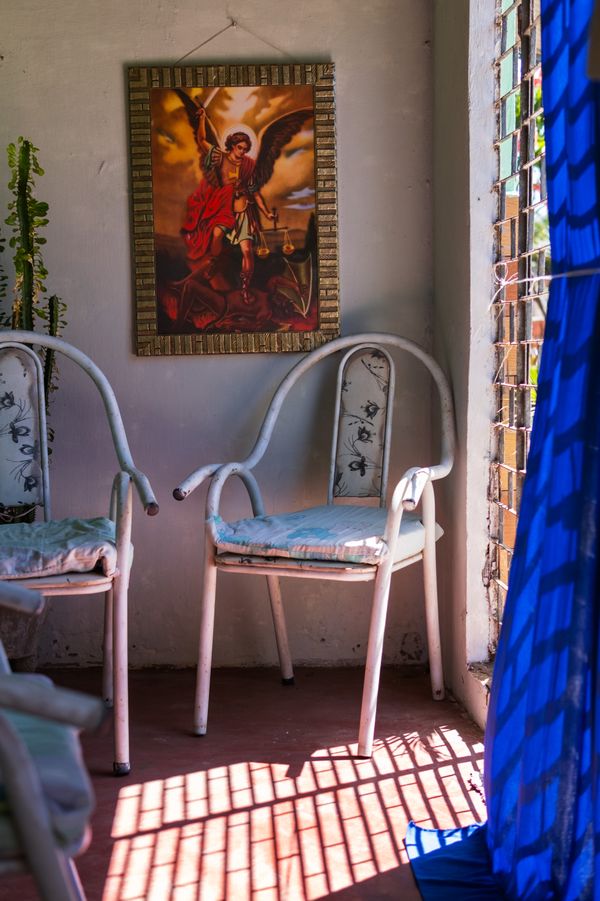
This layered reality becomes visible in the coexistence of belief systems, where Catholicism, imposed during colonial rule, merges with indigenous spiritual practices. It is also reflected in the surrounding landscape, where monoculture shaped by colonial economies contrasts with the community’s relationship to land and sustainability.

The project approaches the Potiguara as part of a contemporary cultural archipelago: a community that exists within and alongside other worlds, maintaining its own structures while remaining in constant negotiation with external forces.

By foregrounding the present, the work draws attention to the continuity of colonial histories and their lived consequences. It invites the viewer to reconsider their own position within these entangled histories, and to reflect on the conditions required for coexistence today.
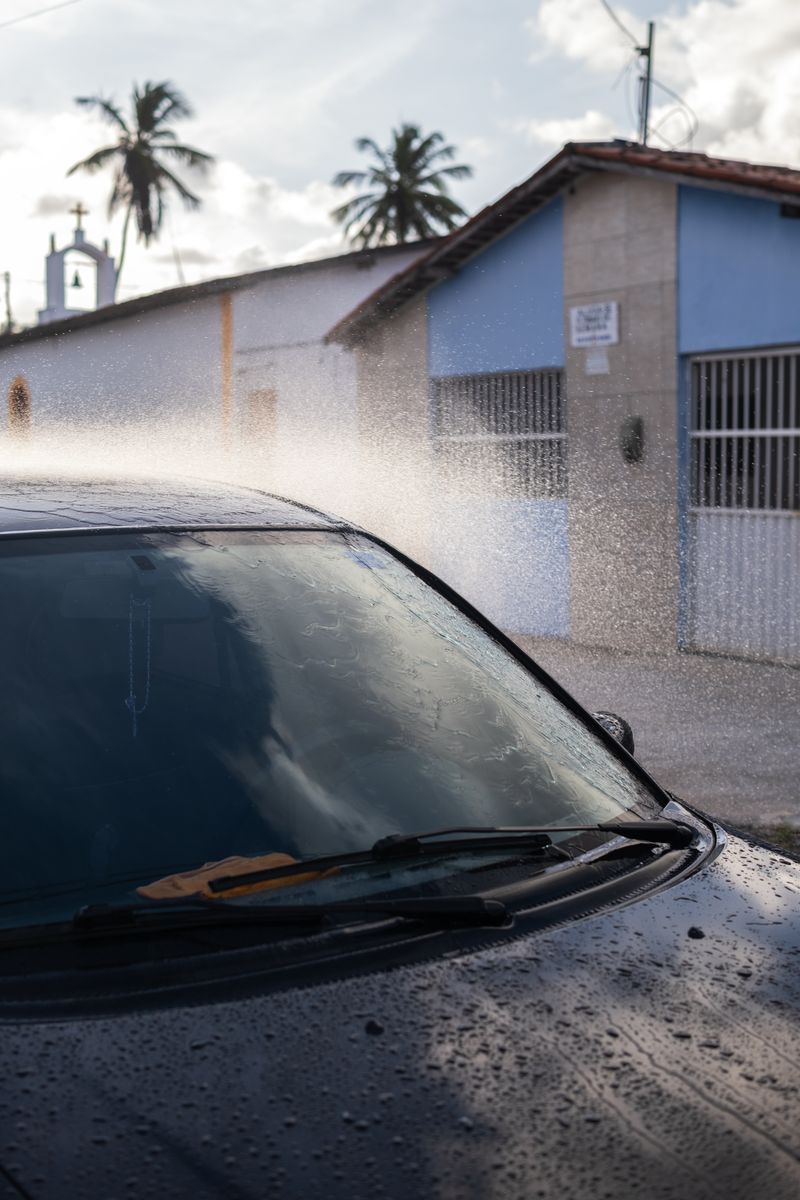
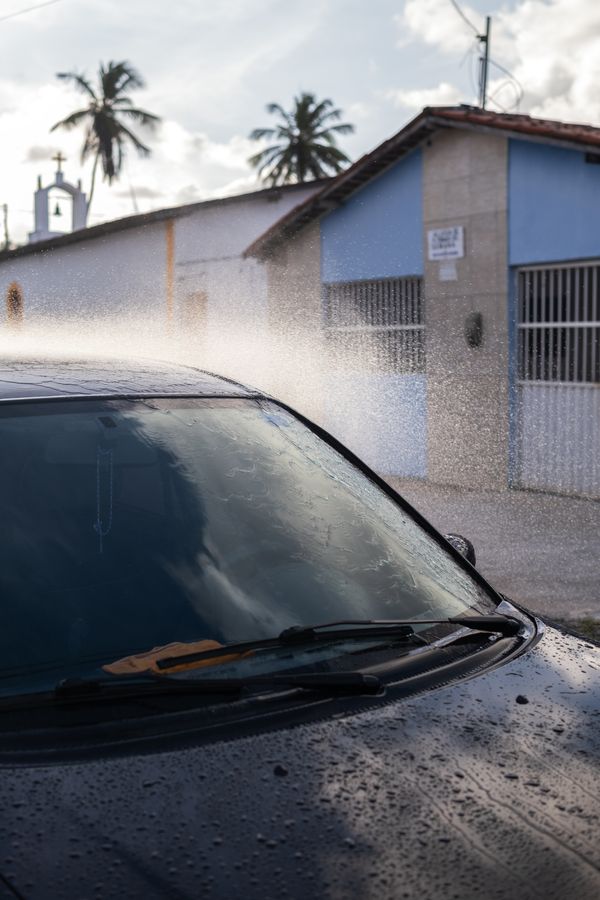
© Sabine van Wechem - Washing the car on Sunday afternoons is a weekly activity.
i

Washing the car on Sunday afternoons is a weekly activity.

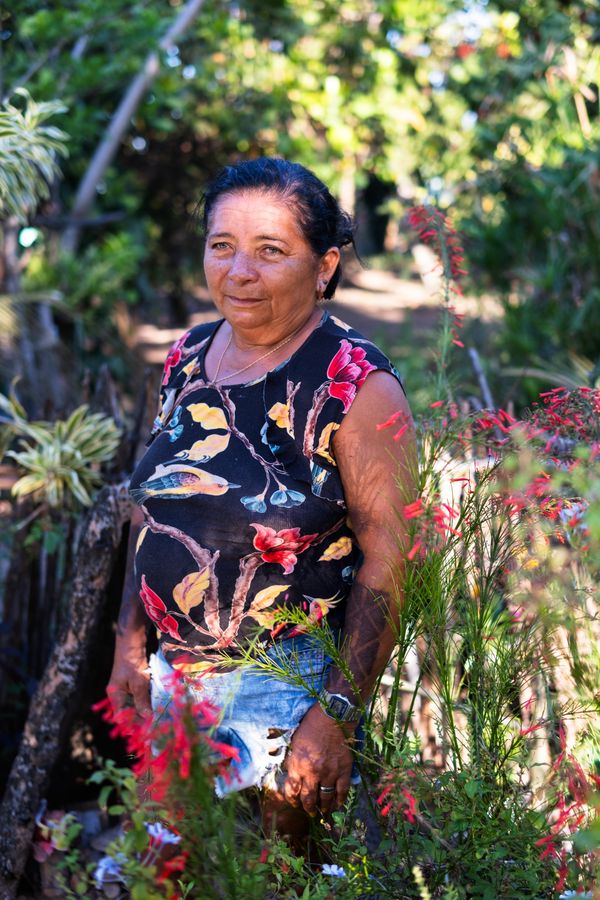
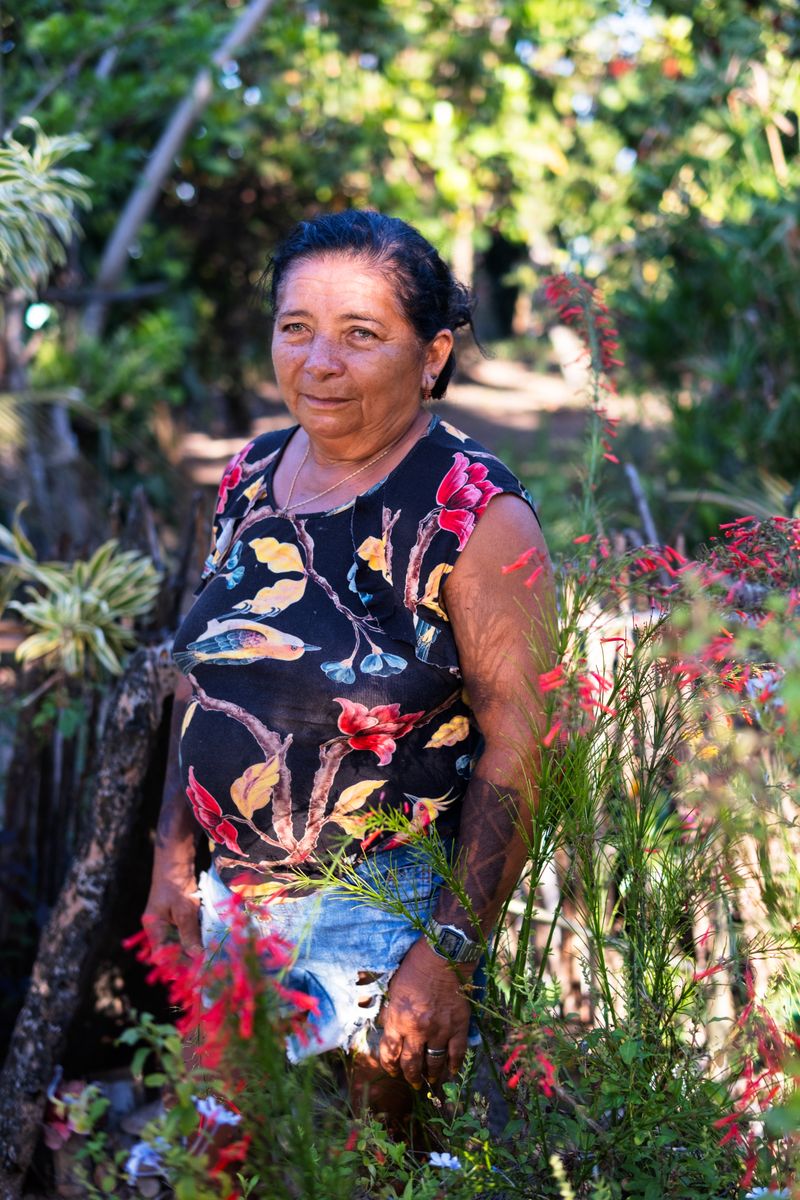
© Sabine van Wechem - Maria is in her favorite place in her garden, part of the larger surrounding land.
i

Maria is in her favorite place in her garden, part of the larger surrounding land.

© Sabine van Wechem - In front of the house of Maria, a place to pause and relax in the shadow.
i

In front of the house of Maria, a place to pause and relax in the shadow.

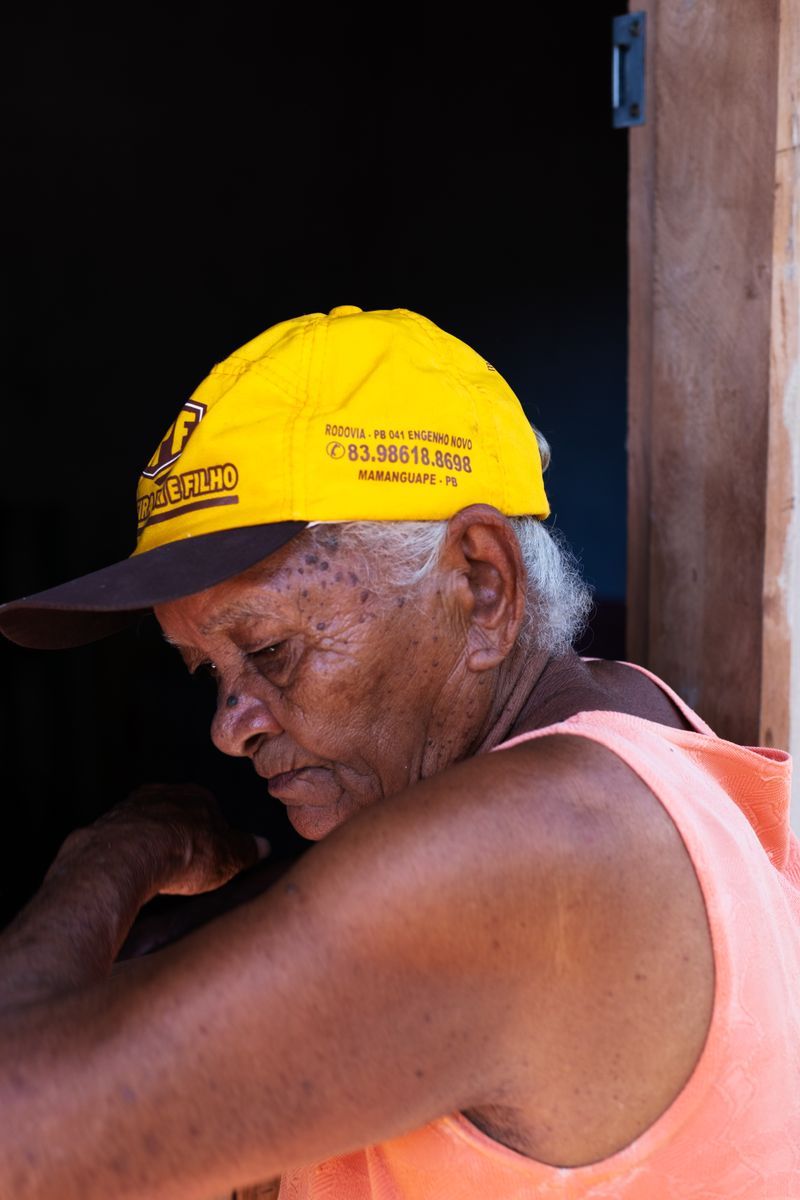
© Sabine van Wechem - The grandmother, Maria, in front of her house.
i

The grandmother, Maria, in front of her house.

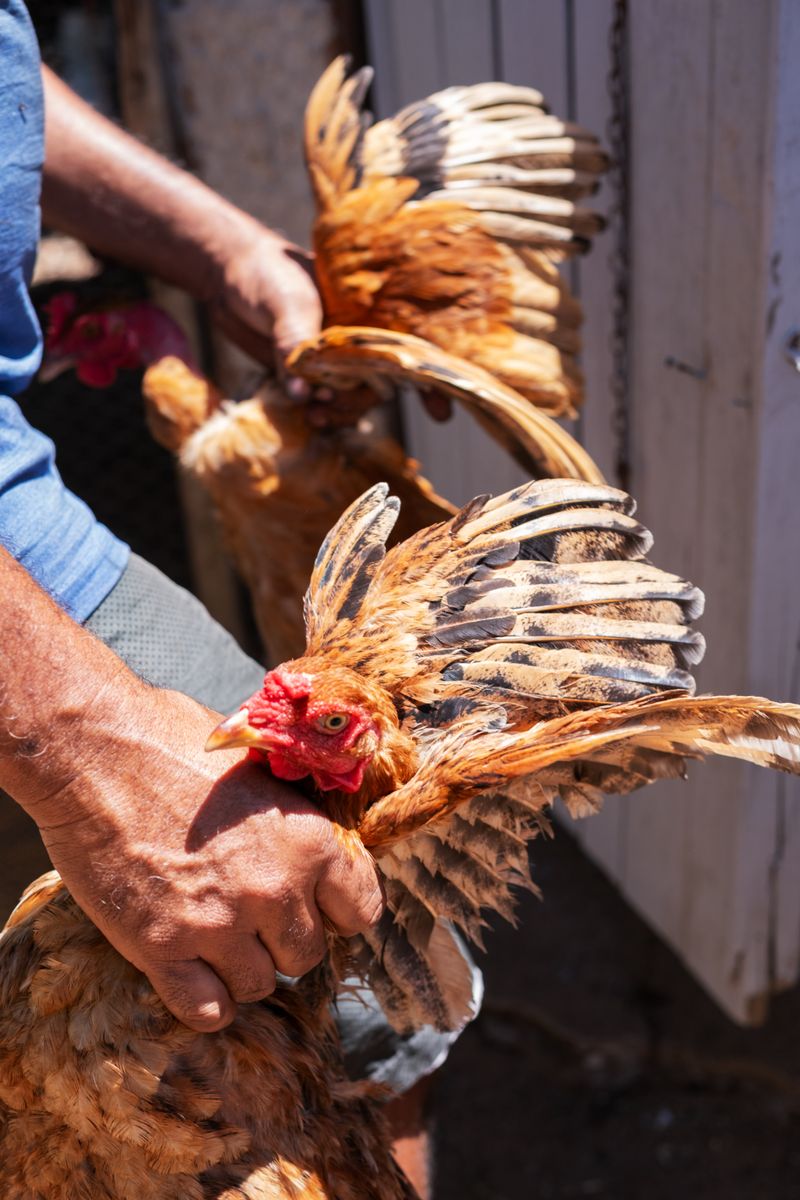
© Sabine van Wechem - The chickens are caught and taken to their shelter on the family land.
i

The chickens are caught and taken to their shelter on the family land.

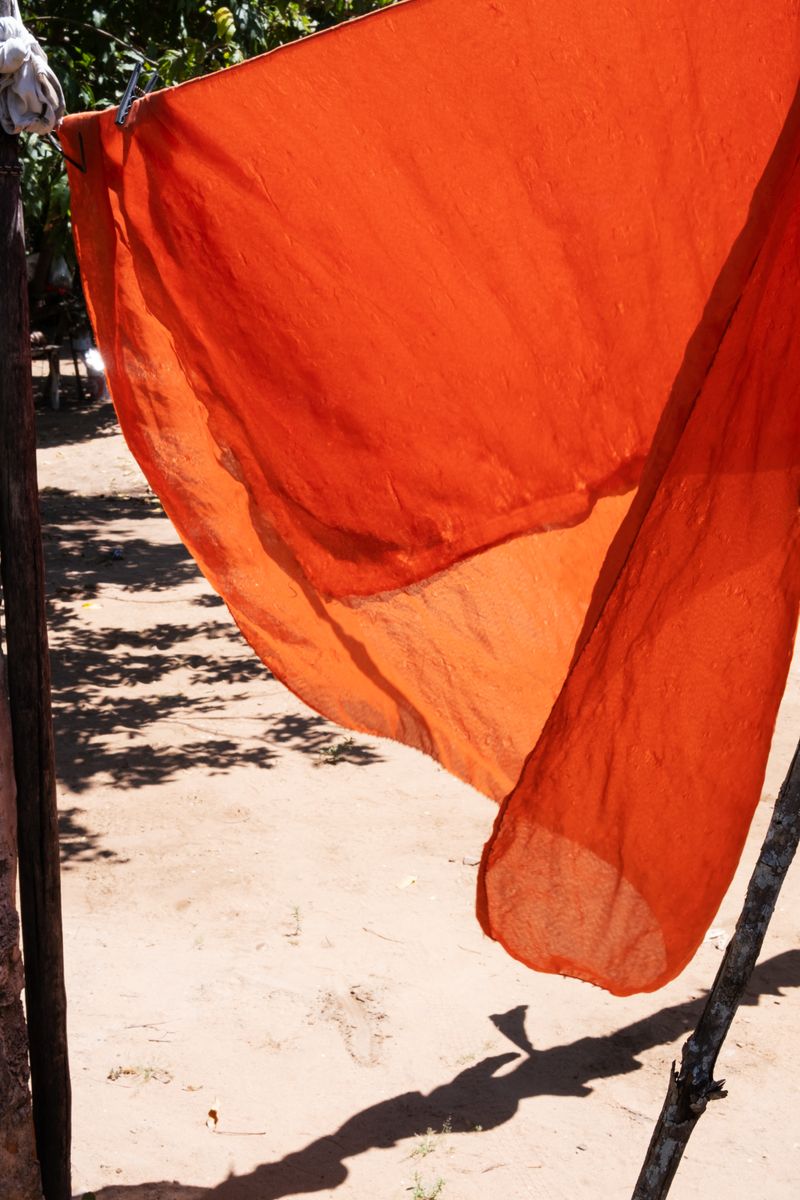
© Sabine van Wechem - The laundry dries quickly in the burning sun on the family land.
i

The laundry dries quickly in the burning sun on the family land.

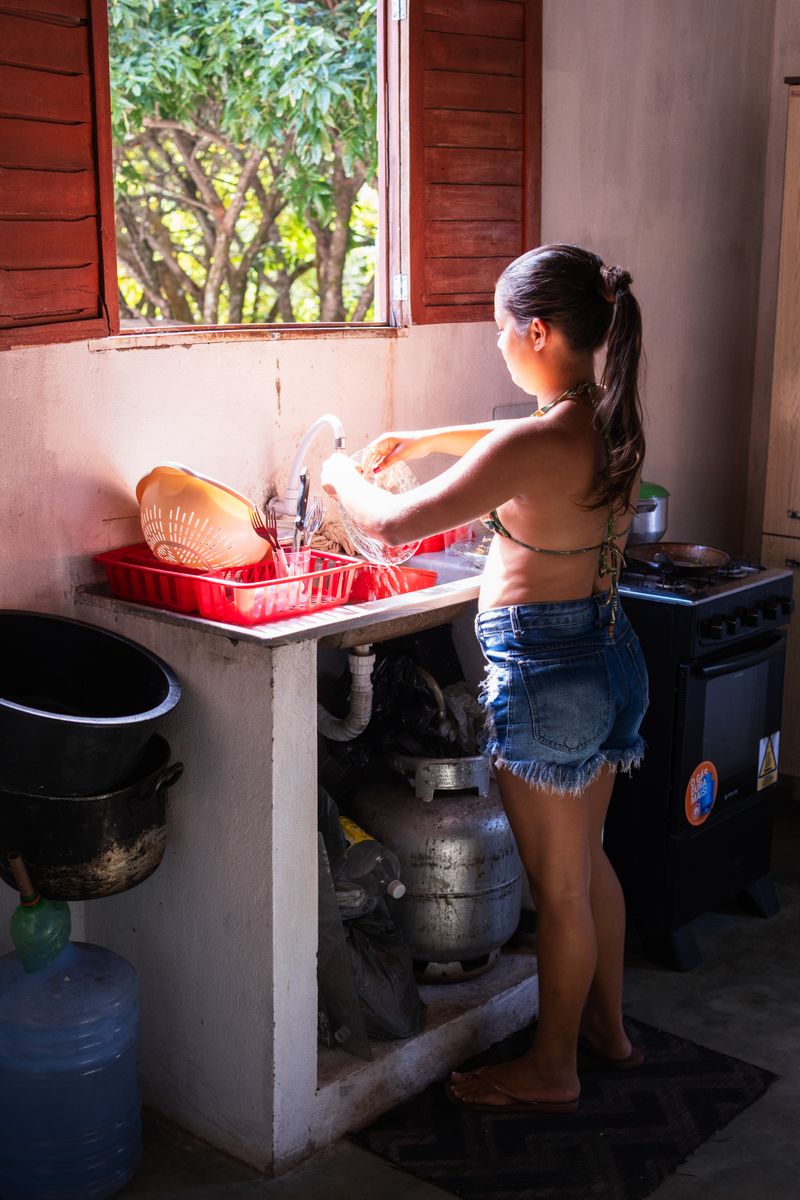
© Sabine van Wechem - Lyra doing the dishes after a family lunch on the weekend.
i

Lyra doing the dishes after a family lunch on the weekend.

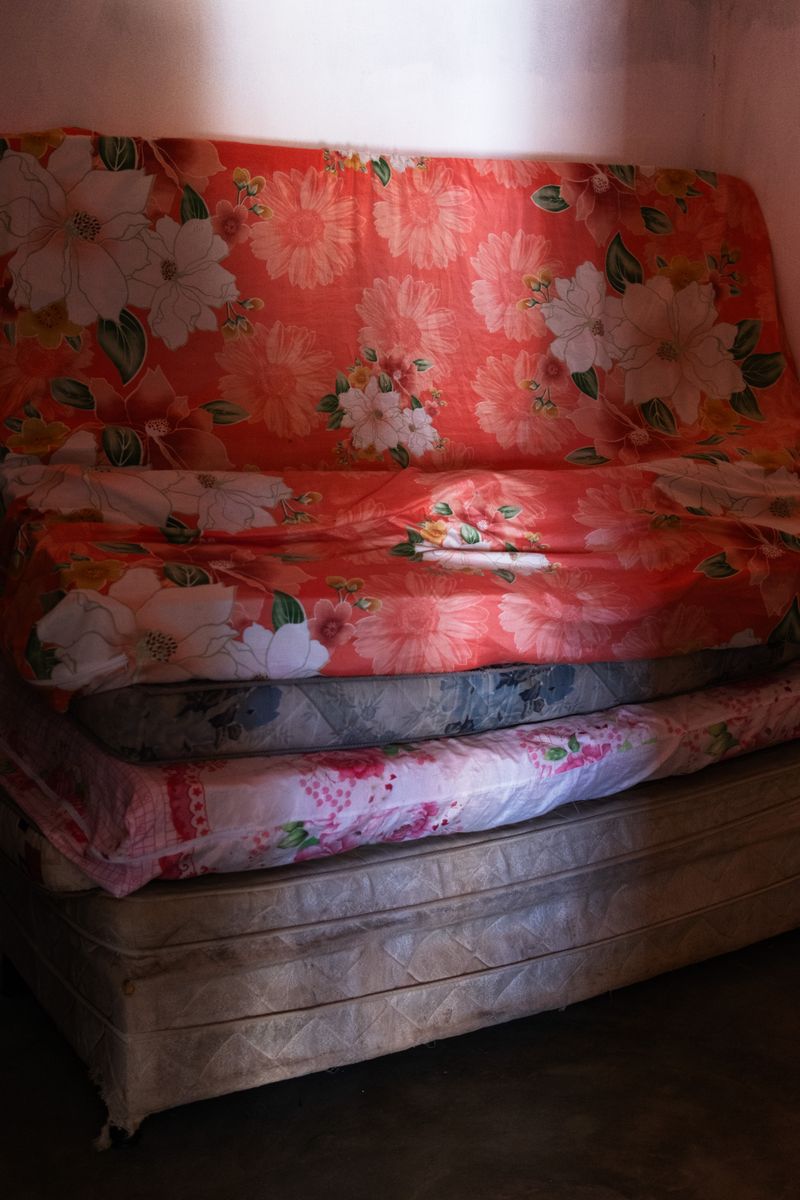
© Sabine van Wechem - Mattresses for extra guests in the house of Lyra.
i

Mattresses for extra guests in the house of Lyra.

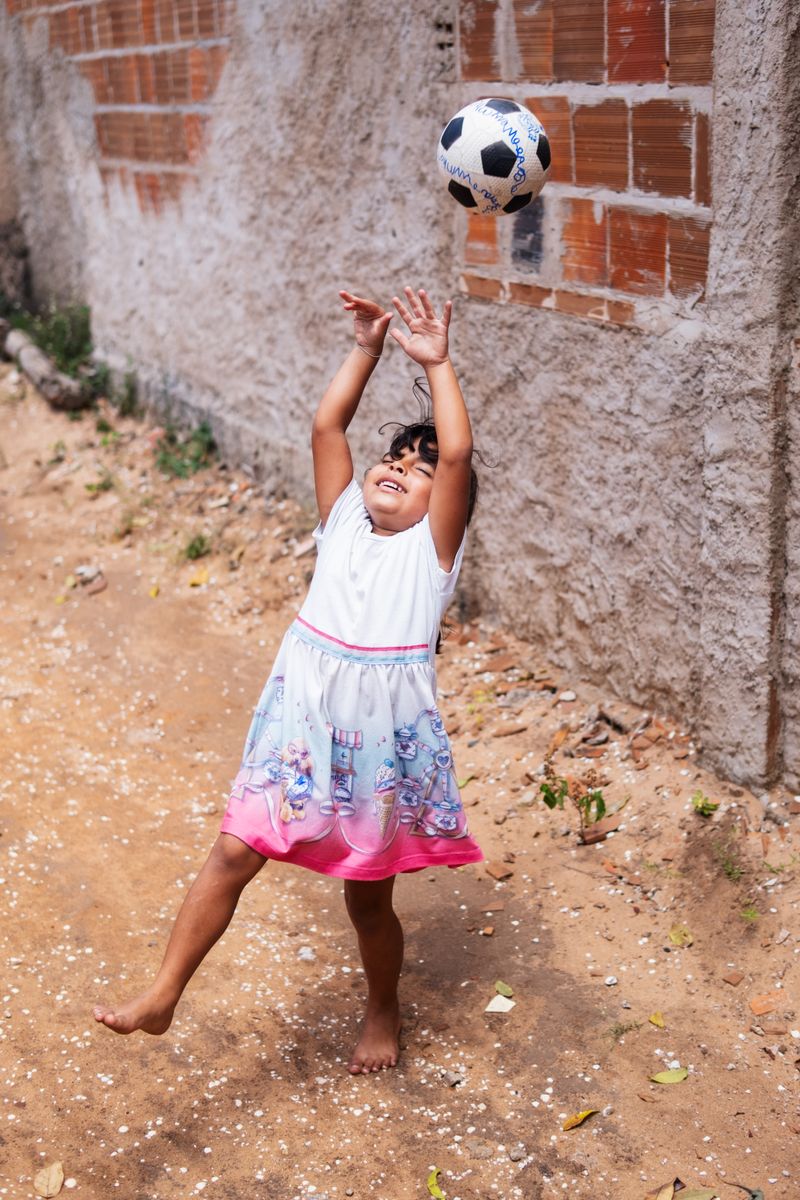
© Sabine van Wechem - Playing ball remains a joy for the little one on the family land.
i

Playing ball remains a joy for the little one on the family land.

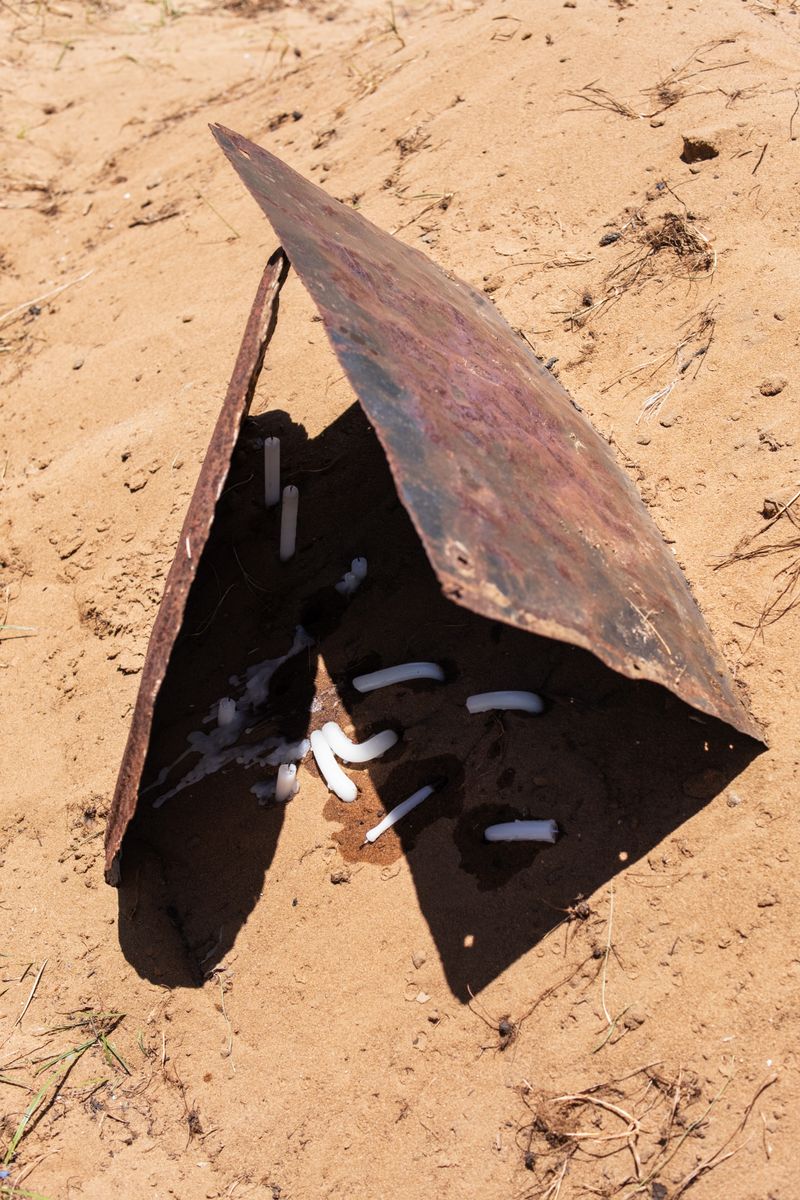
© Sabine van Wechem - Candles are protected for the wind and sun at the cemetery.
i

Candles are protected for the wind and sun at the cemetery.

© Sabine van Wechem - Image from the Agridoce photography project
i

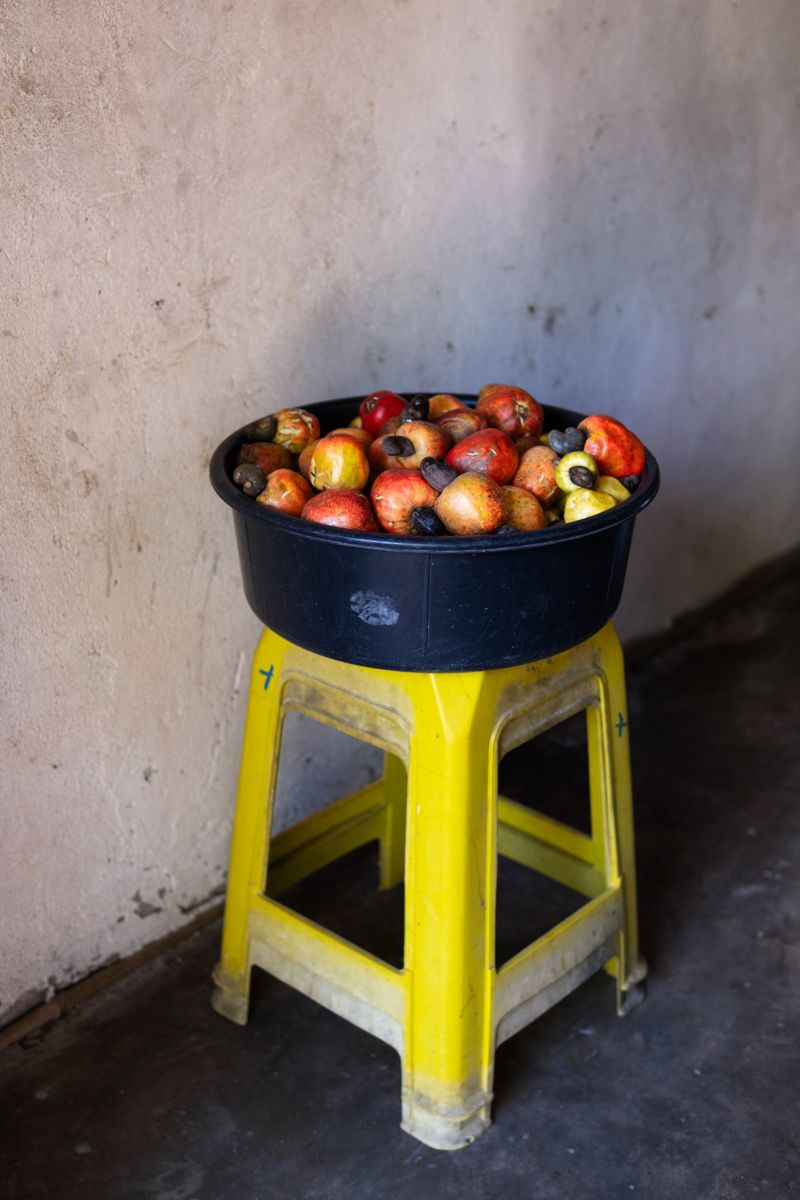
Maria harvested these cashews from the land, which are then sold at the market. For now, they are in the kitchen to be processed.

© Sabine van Wechem - A fisherman collecting small shellfish using his hands and a large net in the river that is connected to the sea.
i

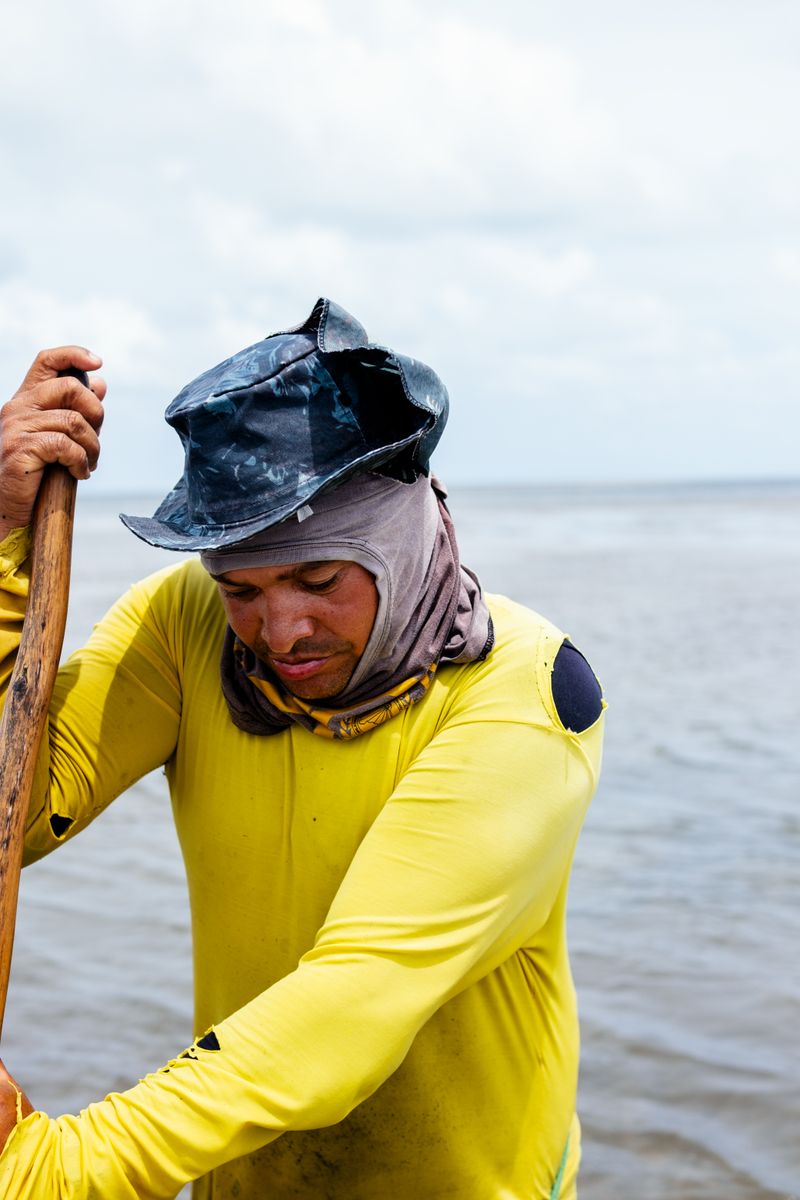
A fisherman collecting small shellfish using his hands and a large net in the river that is connected to the sea.

© Sabine van Wechem - A jellyfish nicknamed “Onion”.
i

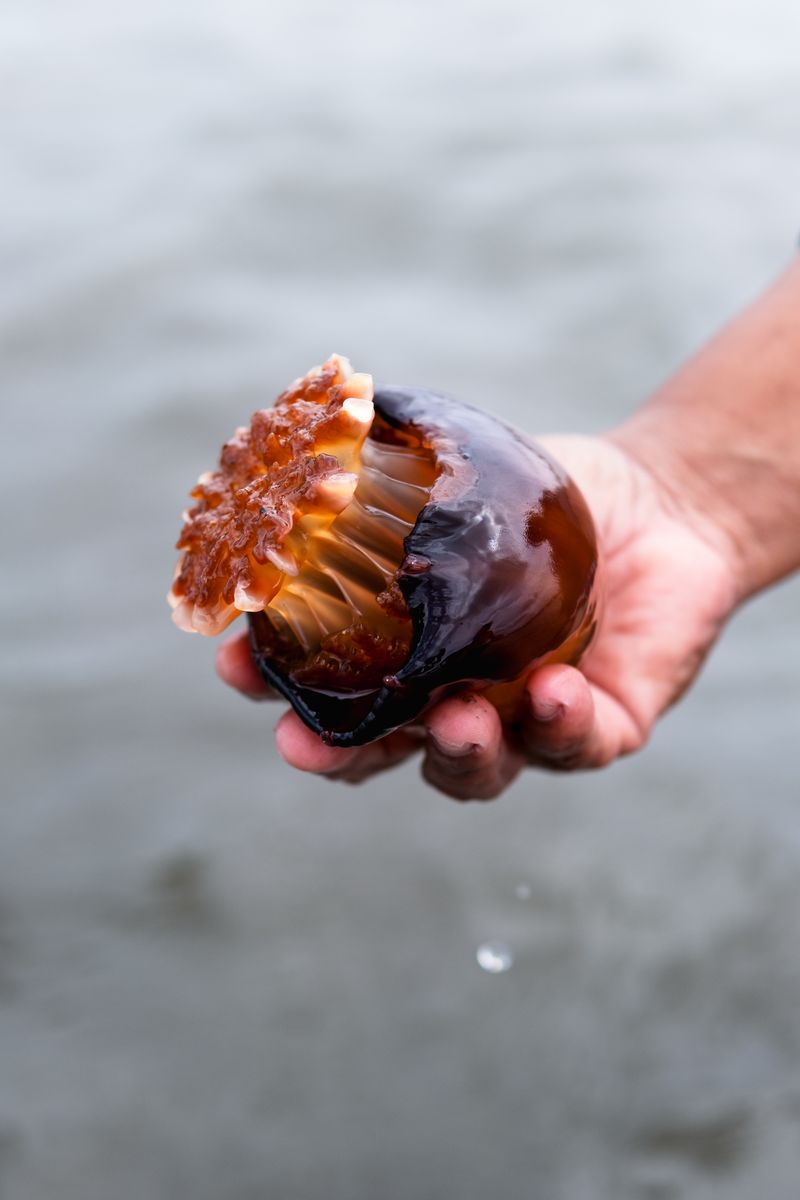
A jellyfish nicknamed “Onion”.

© Sabine van Wechem - The knife of Jaqueline used for catching crabs in the mangrove.
i

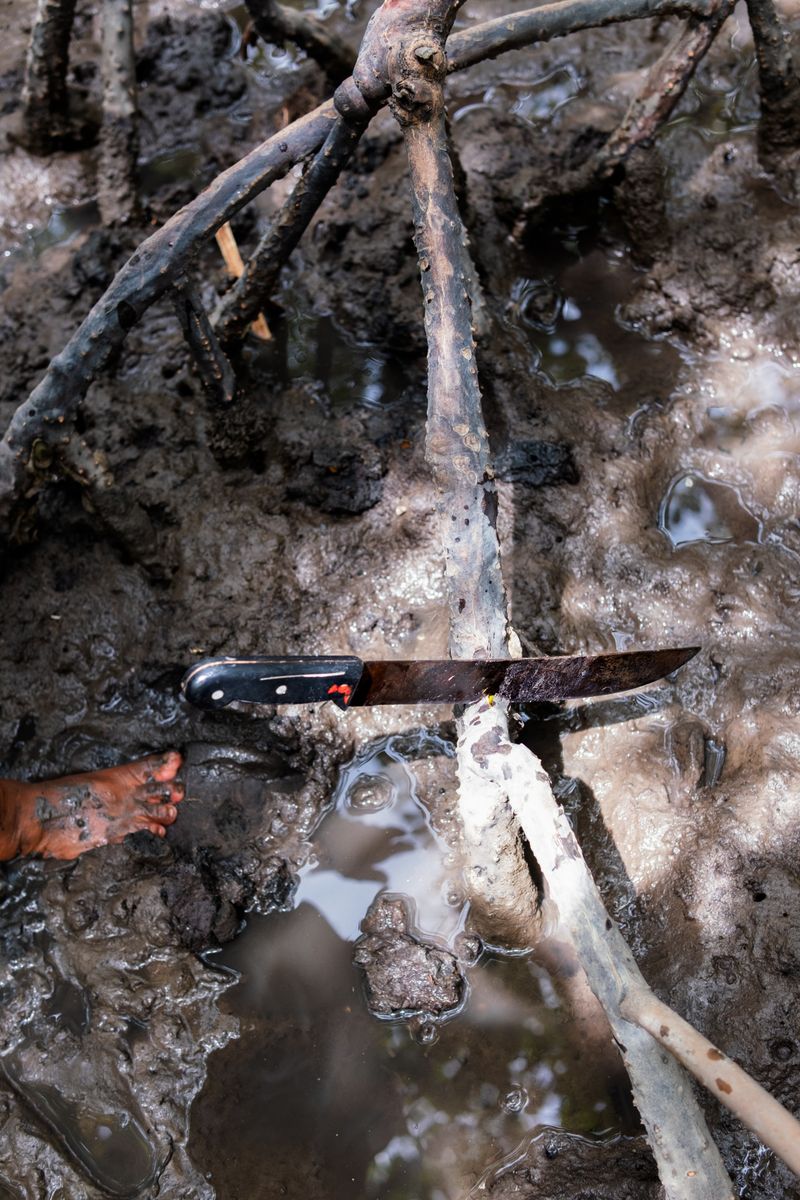
The knife of Jaqueline used for catching crabs in the mangrove.

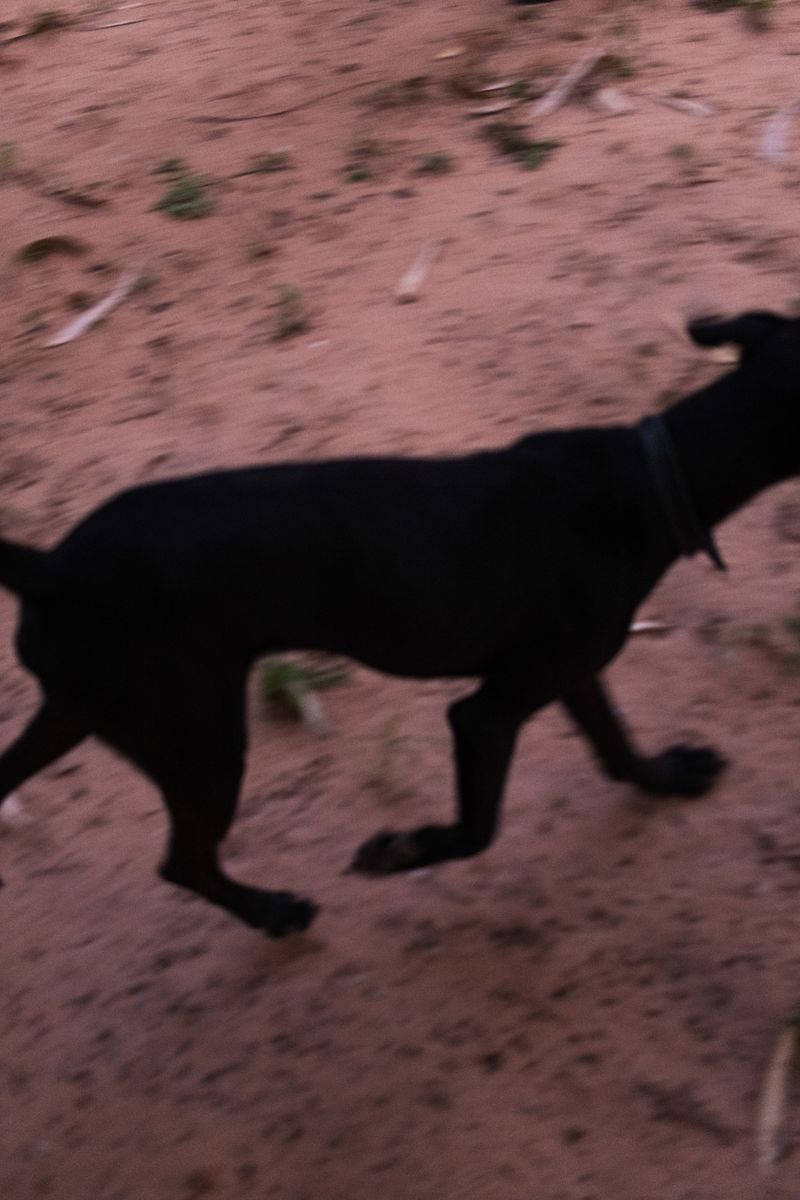
© Sabine van Wechem - The dog is running over the land.
i

The dog is running over the land.

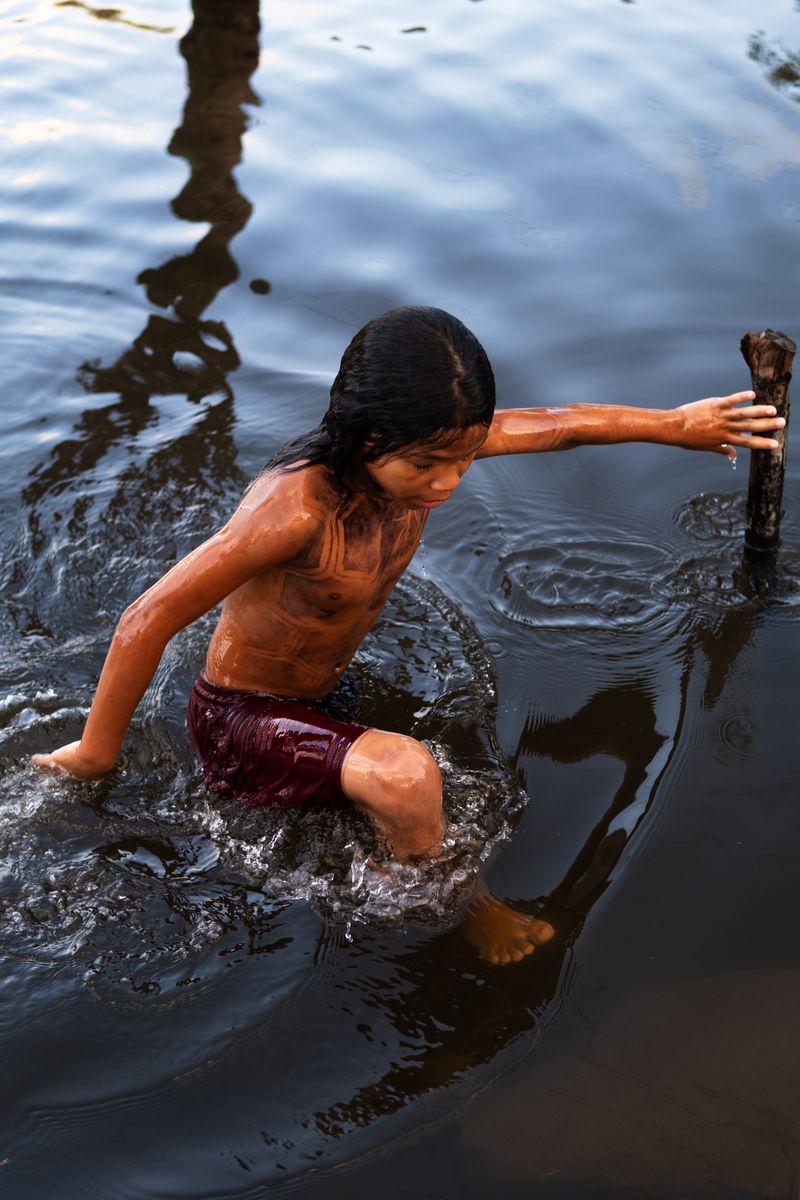
© Sabine van Wechem - A young kid plays in the river.
i

A young kid plays in the river.

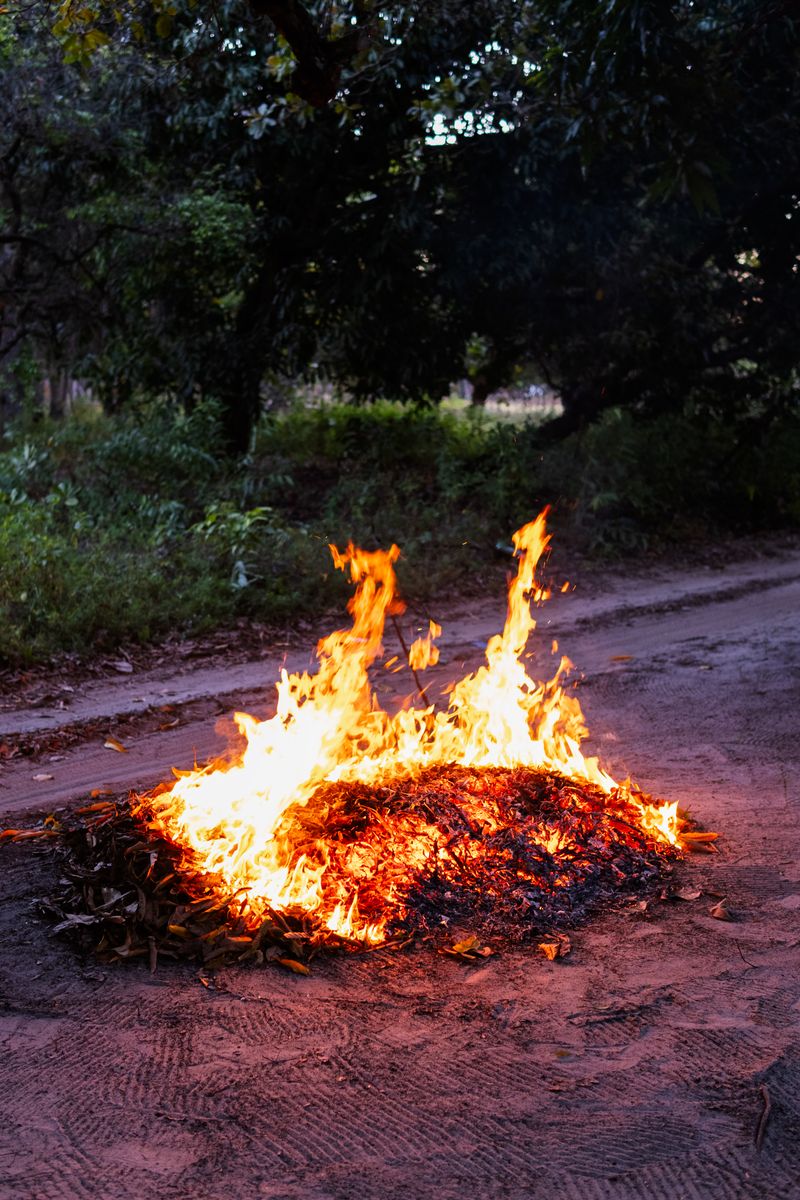
© Sabine van Wechem - Burning dead leaves after cleaning the land.
i

Burning dead leaves after cleaning the land.

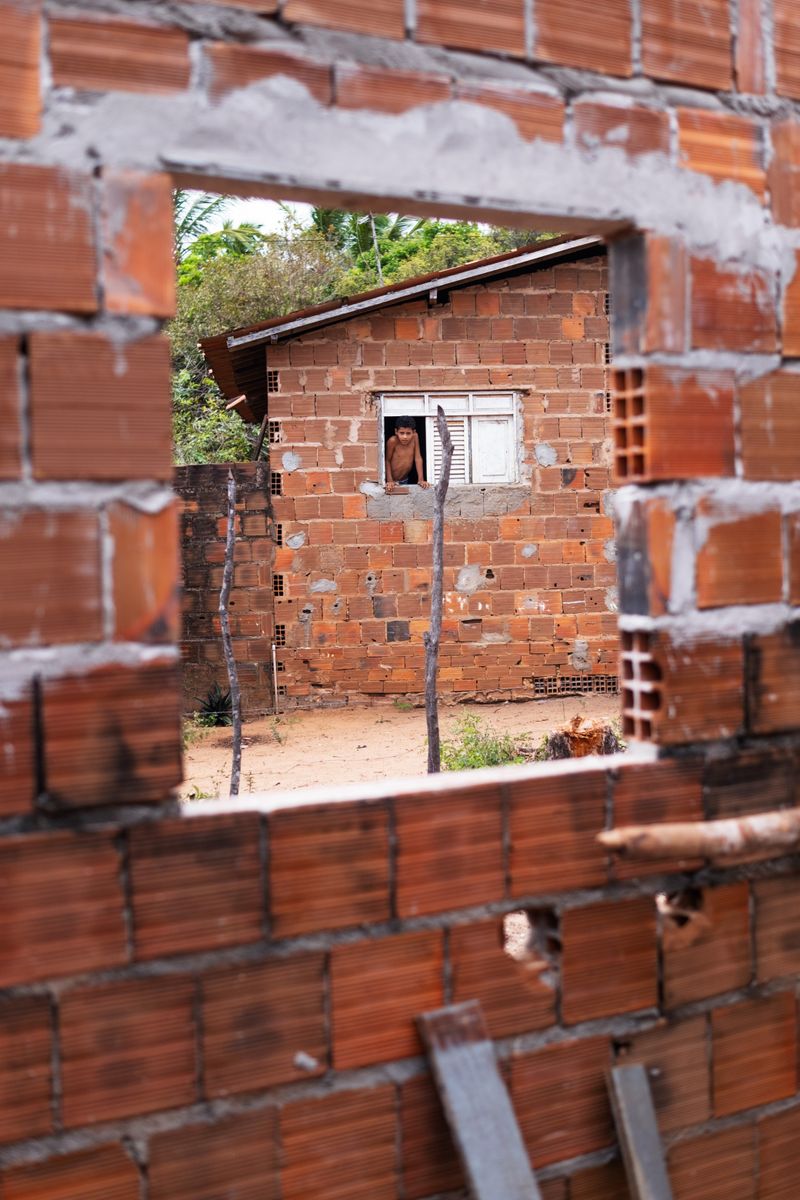
© Sabine van Wechem - Homes are constructed here for people who cannot afford their own.
i

Homes are constructed here for people who cannot afford their own.

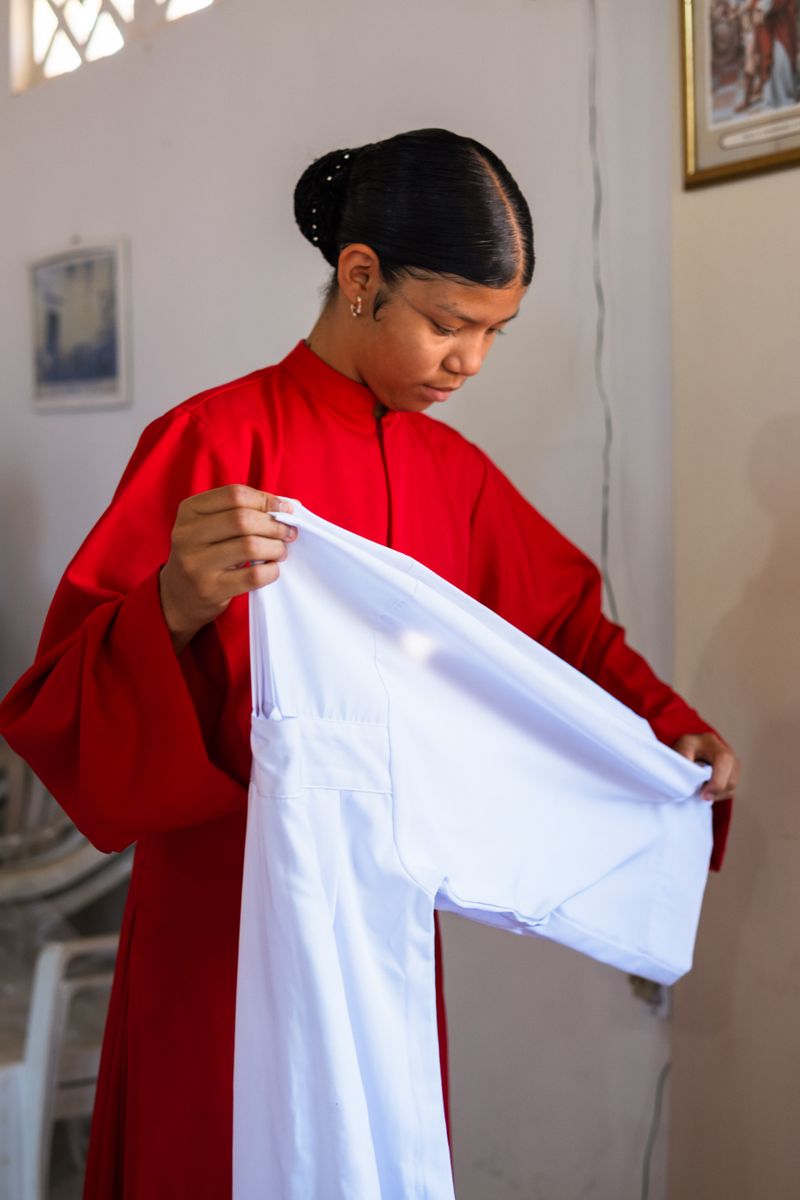
© Sabine van Wechem - A girl on Sunday, in church after the service on the Day of the Death.
i

A girl on Sunday, in church after the service on the Day of the Death.

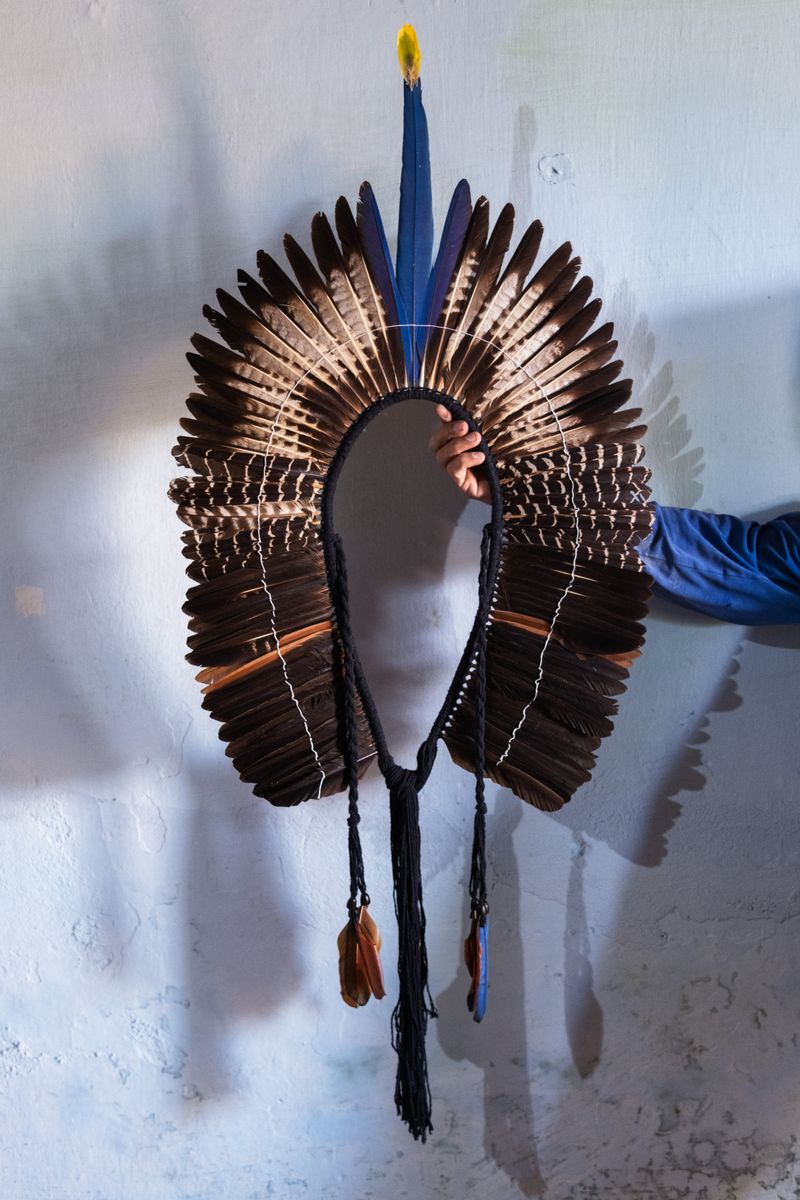
© Sabine van Wechem - A ceremonial headdress at home, often used in rituals.
i

A ceremonial headdress at home, often used in rituals.