After us
-
Dates2024 - 2025
-
Author
- Location Italy
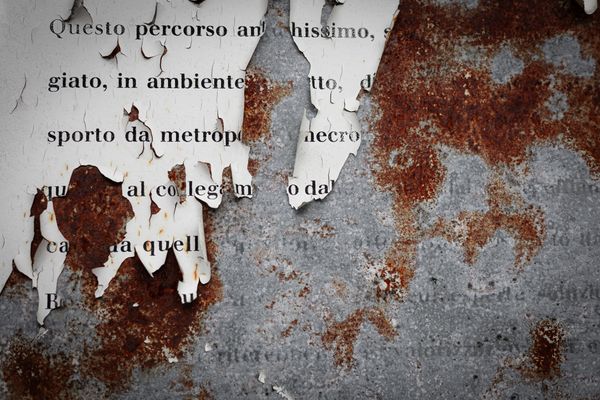
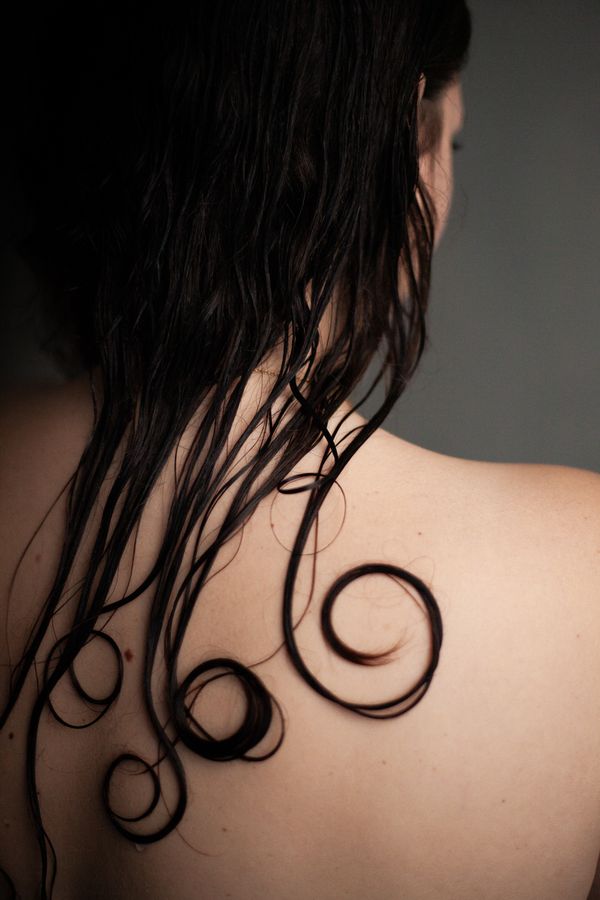
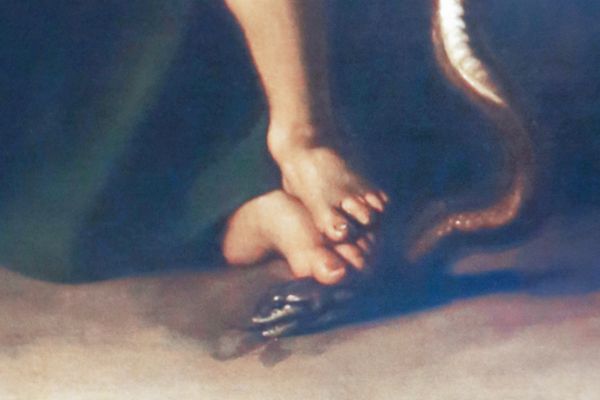
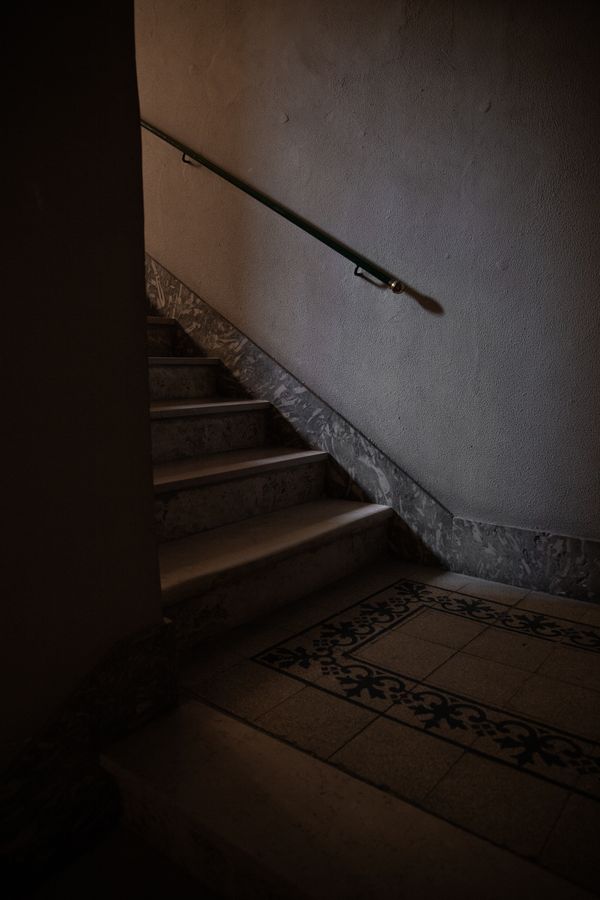
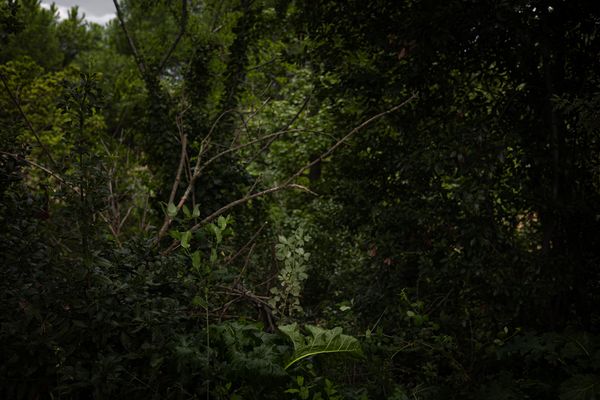
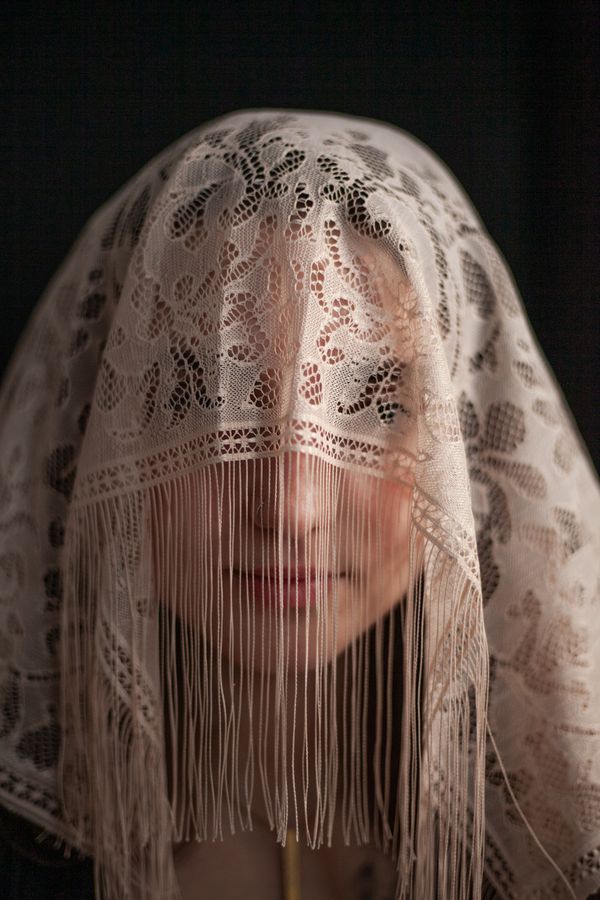
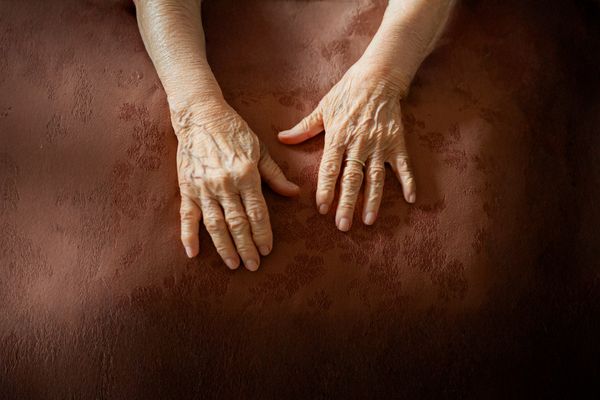
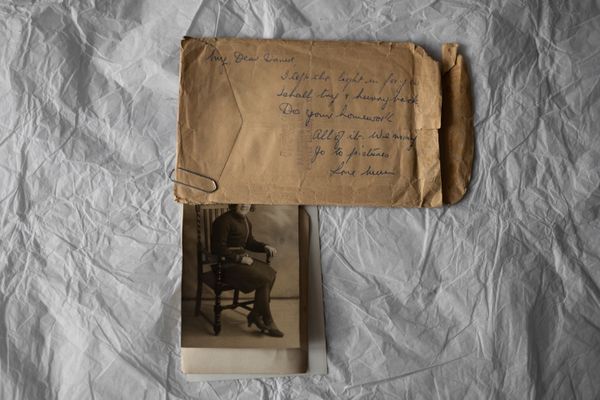
After Us explores what remains of us after death, connecting archaeology, personal loss and collective memory. Through traces, objects and images, the project questions what our culture will leave behind and whether it will still be able to speak of us.
We live in a time marked by a constant sense of instability: wars, the climate crisis, fragile political systems, technologies beyond our control. The future is no longer just a promise: it has become an unknown, at times a threat.
Amid all this, one question keeps returning: what will we leave behind? Not only in ecological or economic terms, but in cultural, symbolic, and human ones, what will remain, after us?
After Us attempts to explore the invisible boundary between life and death, questioning what remains of us beyond the end.
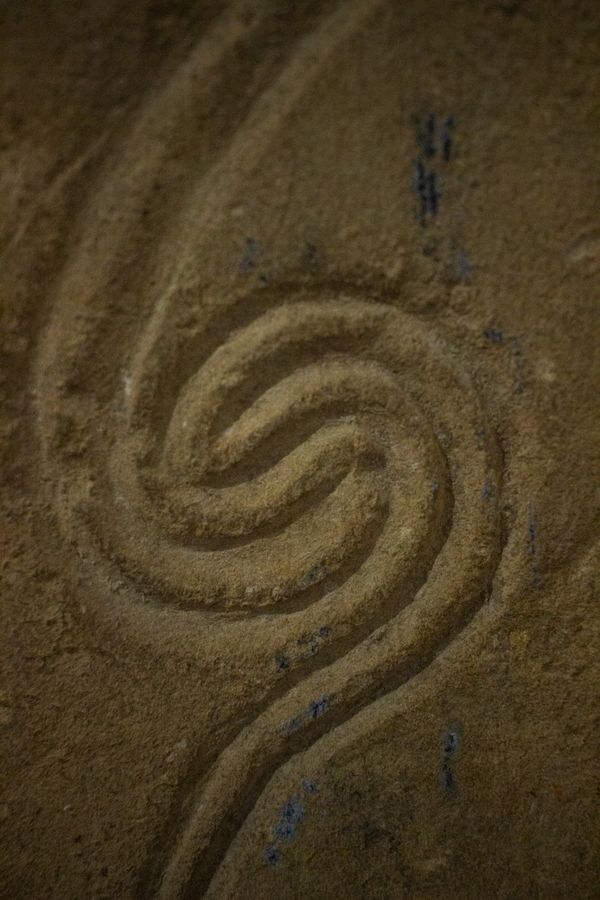
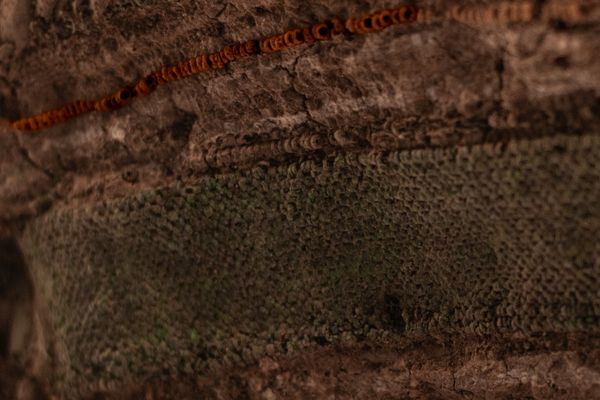
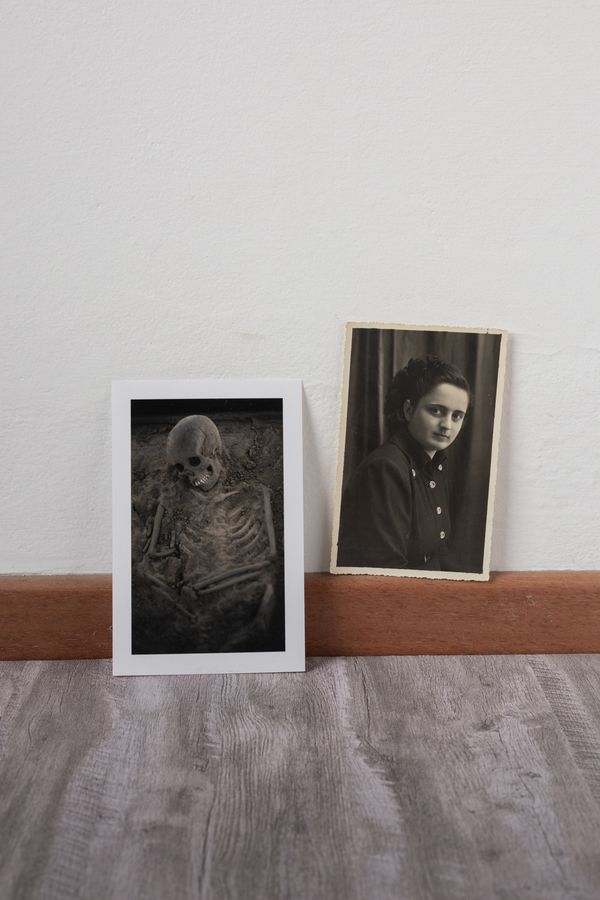
The project began following an artist residency at the Archaeological Museum of the Musei Oliveriani in Pesaro. The idea developed from my interest in the Necropolis of Novilara and in the way its artefacts tell the stories of past lives, particularly those of women, through the objects that accompanied them into the grave.
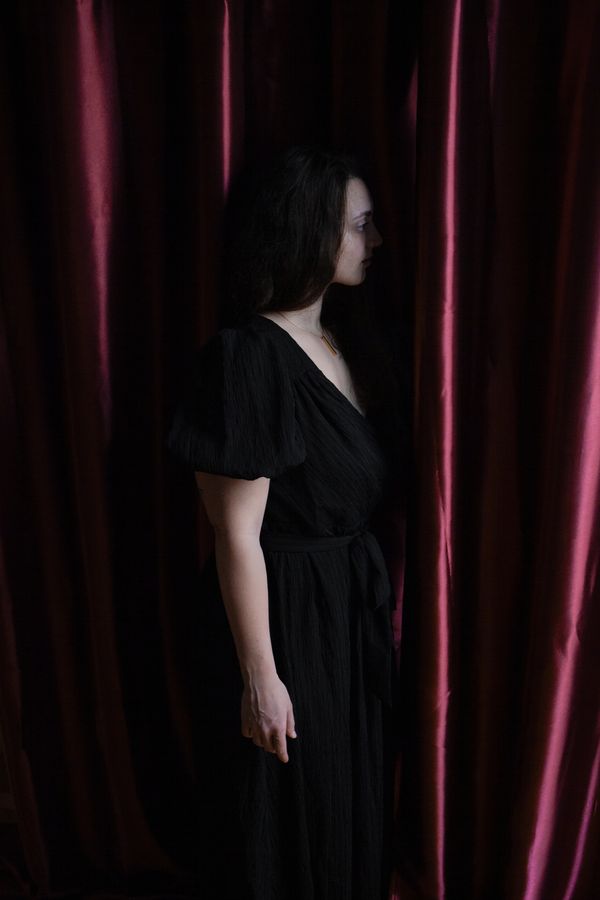
However, my research took an unexpected and deeply personal direction: my artist residency at the Musei Oliveriani coincided with my father’s brief illness and his death. This dual experience, both personal and artistic, reinforced an essential question for me: what remains of us after death?
In the Picene burial grounds, objects tell stories. Each artefact represents a fragment of identity, culture, art, and belonging.
But today, in our funerary rituals, there is nothing that truly speaks of who we are. What would happen if, thirty centuries from now, someone was to look at our graves? Our rituals contain no explicit references to our culture, our society, our art, and, above all, our identity.
Death has become a taboo, something to be hidden and kept out of sight. We die in hospitals, in sterile and anonymous spaces, deprived of ritual and of a connection with the community. The removal of death from everyday life has made it more difficult to confront its meaning, while in ancient cultures the relationship with death was more direct, symbolic, and communal.
This project seeks to bring our gaze back to that boundary, connecting past and present, the personal and the universal, what we are and what we leave behind. It seeks to restore a sense of continuity in which objects and remains become traces of lives that have never truly disappeared, even though they are fragments incapable of conveying the complexity of a life, charged with the tension between what remains and what disappears.
The question running through the project is more urgent today than ever, and it is a collective one: are we still leaving something of ourselves behind? What culture will survive the collapse we fear?
This work does not seek to offer answers, but to create a space for reflection.
Because forgetting how to leave a trace is also the first step towards truly disappearing.