After the War: Armenia's uncertain future
  • Dates
    2021 - Ongoing
  • Author
  • Locations Armenia, Goris, Ejmiatsin, Armash, Yerevan

The conflict over Nagorno-Karabakh between Armenia and Azerbaijan has been one of the world’s most intractable territorial disputes. The six week war in 2020 saw the most intense conflict in Europe or its periphery this century and has layered fresh trauma and tragedy on top of decades of devastation.

Now Armenian's are facing an uncertain future. The devastating war, which killed an estimated 4000 people as the rest of the world was busy managing COVID’s challenges, has brought about a political crisis which sees the country polarised, and which could even endanger the ceasefire between Armenia and Azerbaijan.

Such violence takes a heavy toll on civilians on both sides of the border. Even in tranquil periods, daily life is constrained by fear of renewed clashes and limited economic prospects. A year after the arch-foes fought a war, now a new crisis is unfolding with reports of a number of territorial encroachments by Azerbaijani troops across the new international Armenia-Azerbaijani border.

The fresh violence now threatens the livelihoods of many facing the impossible choice of leaving their crops to rot or risking their lives gathering their produce for market, with residents having lost access to acres of land they once farmed.

Young people now seek their future elsewhere.It is mostly young men who depart, leaving wives, children and parents of pensioner age behind. “People leave because they lost their last means of living”, said an Armenian priest. “Even if we were allowed access to all our lands … there would be no young people to work there”,

My project sees a commitment to document the ongoing issues around democracy and societal change in post-conflict Armenia, recording every-day life along the fractious borders with Azerbaijan and focusing on the daily life of those affected by war and privation.

© Kiran Ridley - Image from the After the War: Armenia's uncertain future photography project
i

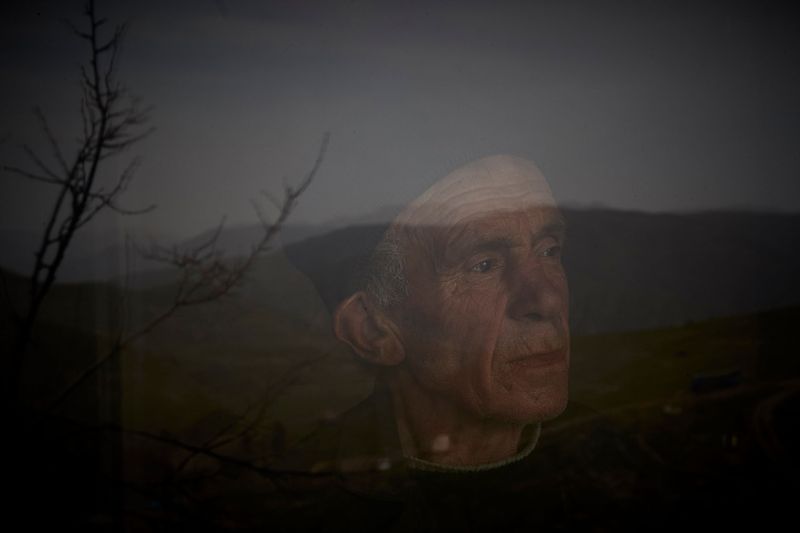
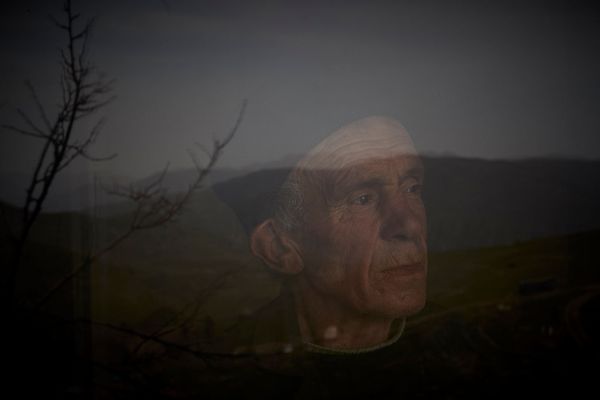
KHNATSAKH, ARMENIA - APRIL 7, 2021: Vladik, a 58 year old shepherd stares out towards the Azeri Border, a land that, until last year’s devastating 44 day war, was part of Armenia in the small village of Khnatsakh, Armenia, on 7 April 2021. He has farmed on the land all his working life and now says he lives in fear as he can see what he describes as the enemy from his window.

© Kiran Ridley - Image from the After the War: Armenia's uncertain future photography project
i

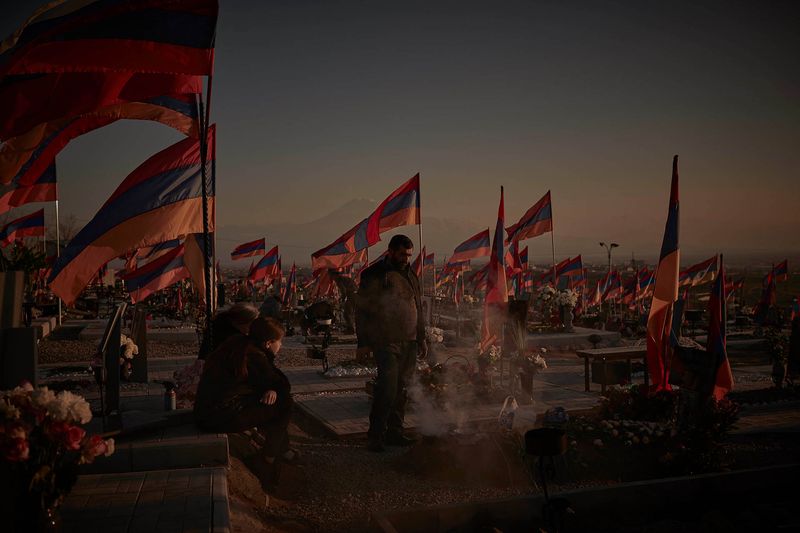
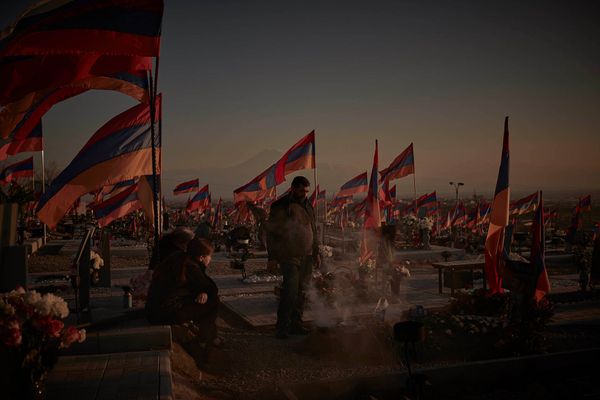
YEREVAN, ARMENIA - MARCH 29, 2021: A mourner stands in Yerablur Military Memorial Cemetery on March 29, 2021. Last year’s 44 day war between Armenia and Azerbaijan saw over 4000 Armenian troops killed and nearly 3000 Azeri troops.

© Kiran Ridley - Image from the After the War: Armenia's uncertain future photography project
i

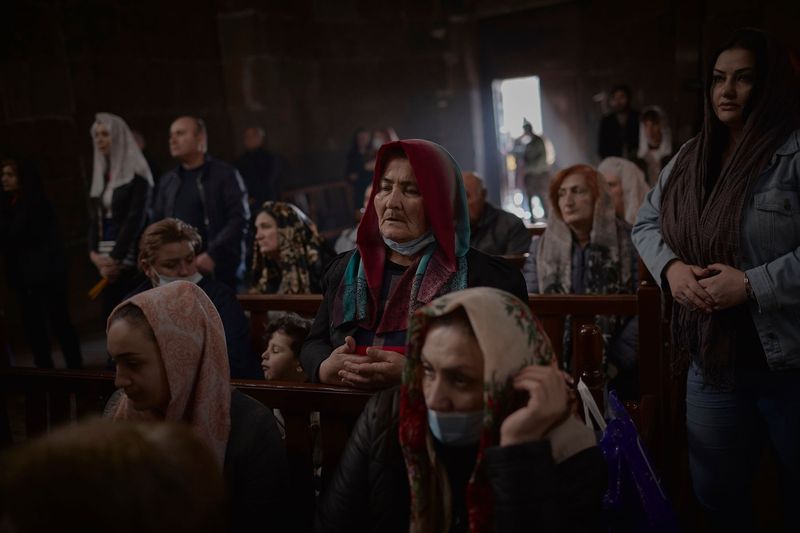
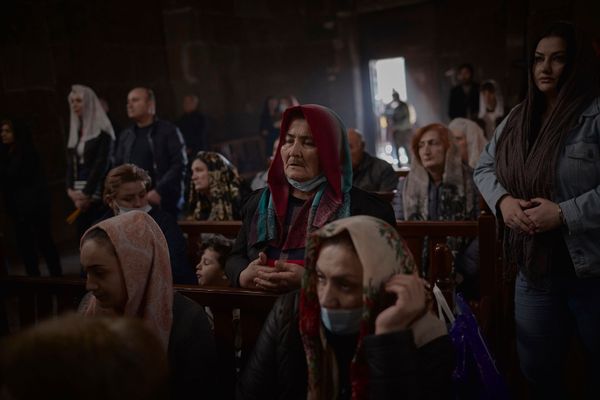
ETCHMIADZIN, ARMENIA - APRIL 01: Worshippers pray during the washing of the feet service at St Hripsime Church, one of the oldest churches in Armenia, in Etchmiadzin, the spiritual capital of Armenia, on April 01, 2021 in Etchmiadzin, Armenia. Armenia is regarded as the oldest Christian state, with the historical Kingdom of Armenia having declared Christianity as its official religion by 301 AD.

© Kiran Ridley - YEREVAN, ARMENIA - APRIL 16, 2021: A veteran of last years Nagorno-Karabakh war displays his tattoo’s on 16 April 2021.
i

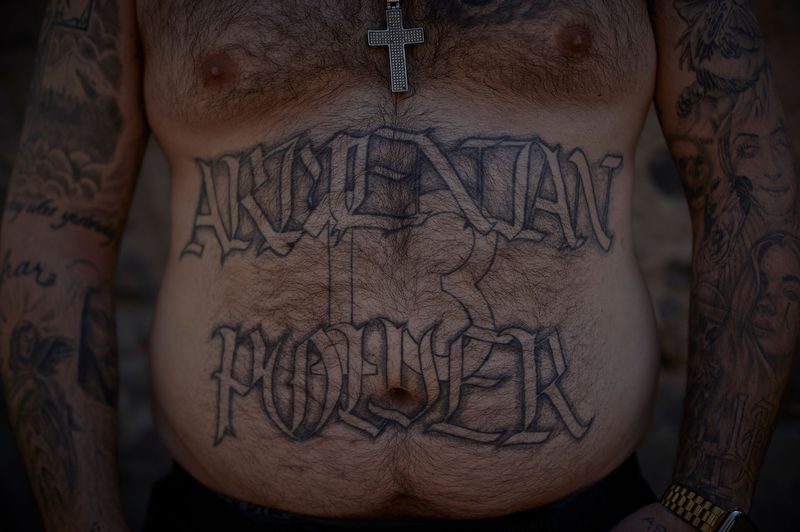
YEREVAN, ARMENIA - APRIL 16, 2021: A veteran of last years Nagorno-Karabakh war displays his tattoo’s on 16 April 2021.

© Kiran Ridley - Image from the After the War: Armenia's uncertain future photography project
i

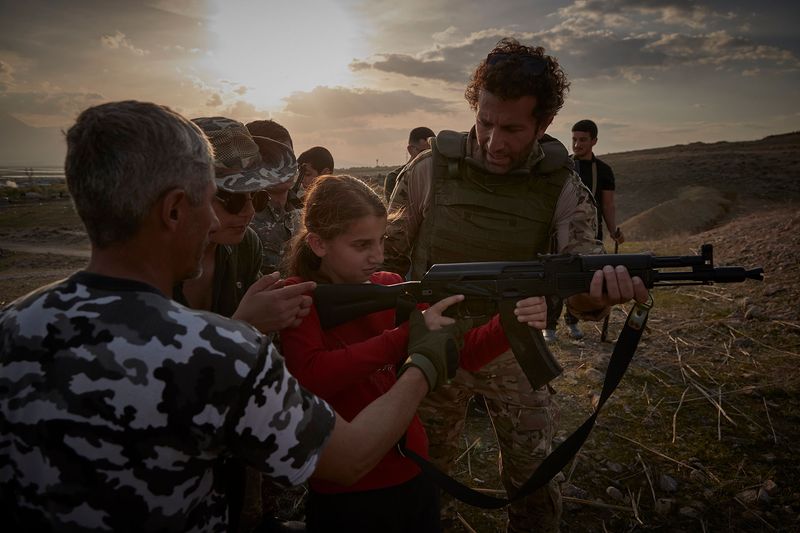
ARMASH, ARMENIA - APRIL 16, 2021: Ani, 12, fires an assault rifle during training with the Phoenix School of Bravery in the small border village of Armash, Armenia on 16 April 2021. Led by a former US Air Force Special Forces veteran, the Phoenix School of Bravery, are leading village self-defence militias along the Armenian / Azeri border, trying to ensure their homeland is defended if and when another round of fighting with Azerbaijan occurs, in the hope of a different outcome to the bitter defeat of last fall's Nagorno-Karabakh war.

© Kiran Ridley - Image from the After the War: Armenia's uncertain future photography project
i

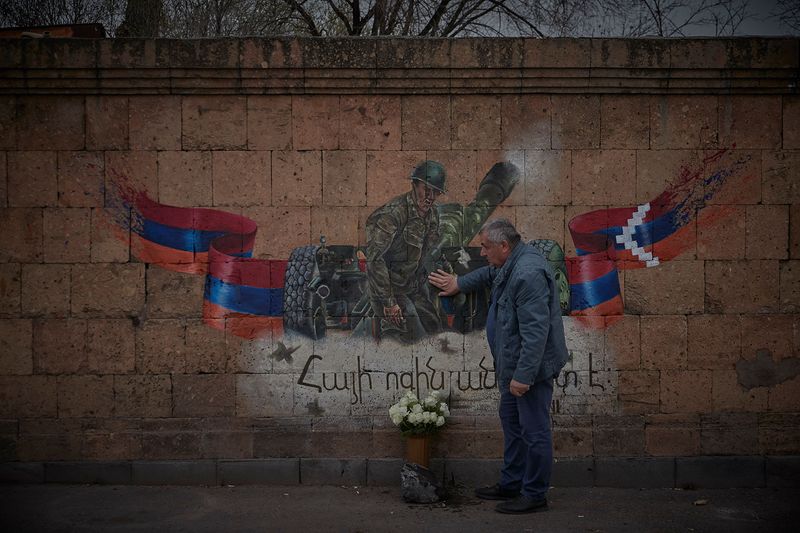
YEREVAN, ARMENIA - APRIL 10, 2021: Albert Hovhannisyan touches the mural of his grandson, Artilleryman Albert Hovhannisyan, who died in last year’s 44 day war between Armenia and Azerbaijan, on the wall of Victory Park, Yerevan on 10 April 2021. The image of Albert became the iconic image of the war used throughout Armenia during the war.

© Kiran Ridley - Image from the After the War: Armenia's uncertain future photography project
i

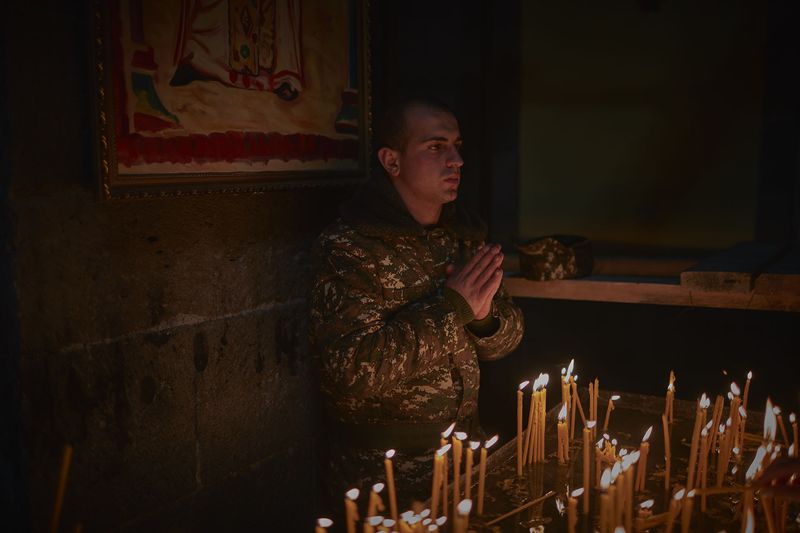
GORIS ARMENIA - APRIL 3, 2021: A new recruit prays inside Goris Church on Easter Saturday as his unit leaves for deployment to patrol the newly formed border on 3 April 2021. Syunik Provence now forms part of the new frontline between Armenia and Azerbaijan after last year’s devastating 44 day war re-adjusted the border between the two counties.

© Kiran Ridley - Image from the After the War: Armenia's uncertain future photography project
i

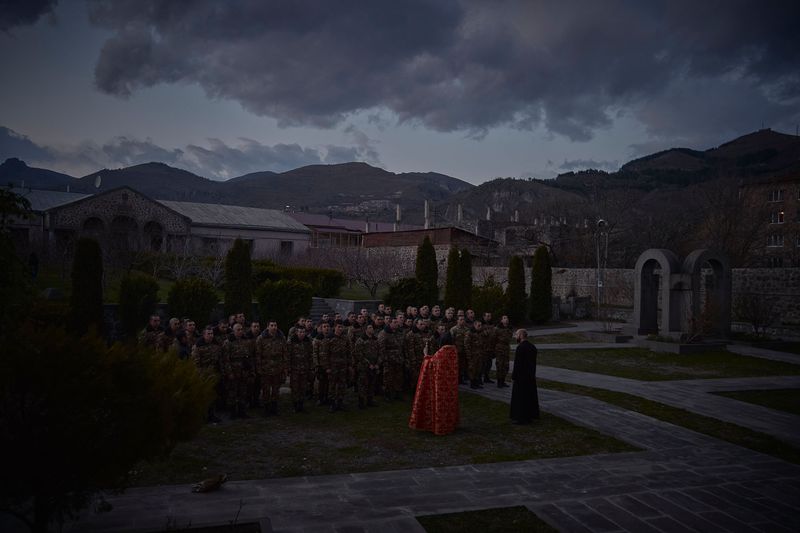
GORIS, ARMENIA - APRIL 3, 2021: Fresh recruits talk to the priest outside Goris Church on Easter Saturday after receiving a blessing ahead of their deployment on 3 April 2021. Syunik Provence now forms part of the new frontline between Armenia and Azerbaijan after last year’s devastating 44 day war re-adjusted the border between the two counties.

© Kiran Ridley - Image from the After the War: Armenia's uncertain future photography project
i

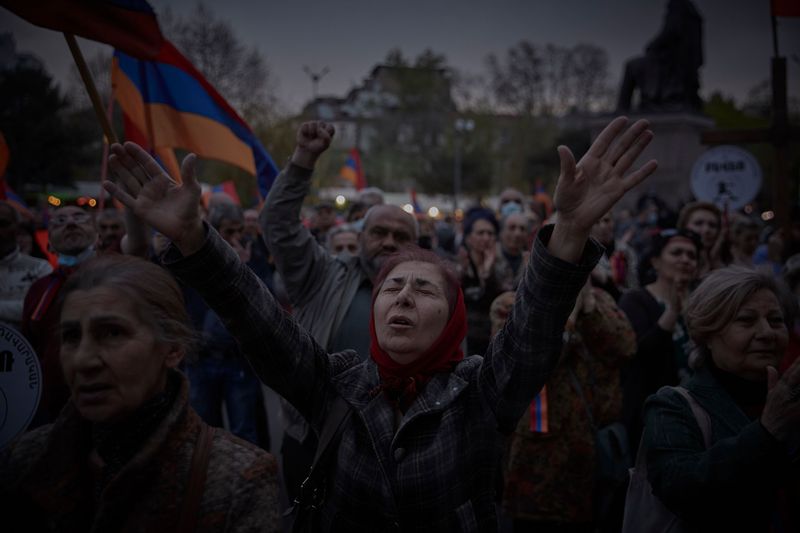
YEREVAN, ARMENIA - APRIL 9, 2021: Protestors demonstrate in the centre of Yerevan against the Armenian Government, who they blame for the defeat in last years Nagorno-Karabakh war.

© Kiran Ridley - Image from the After the War: Armenia's uncertain future photography project
i

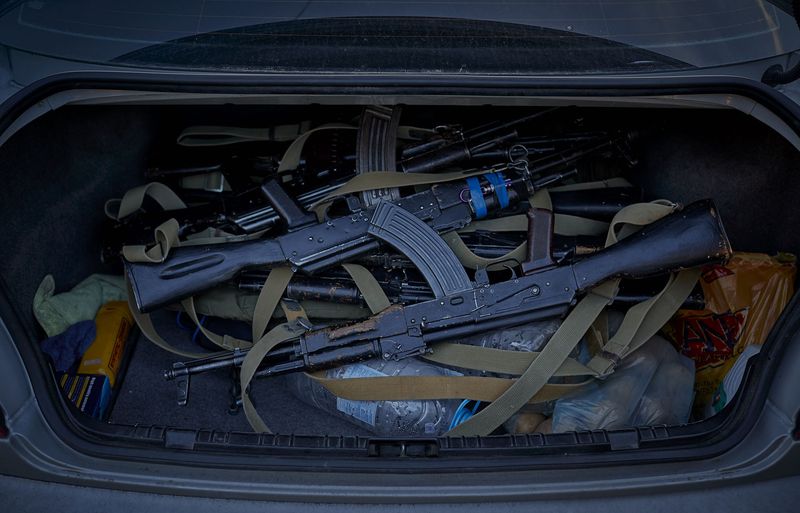
ARMASH, ARMENIA - APRIL 16, 2021: Guns are stored in the back of a saloon car in the small border village of Armash, Armenia on 16 April 2021. A small group of locals are leading village self-defence militias along the Armenian / Azeri border, trying to ensure their homeland is defended if and when another round of fighting with Azerbaijan occurs.

© Kiran Ridley - Image from the After the War: Armenia's uncertain future photography project
i

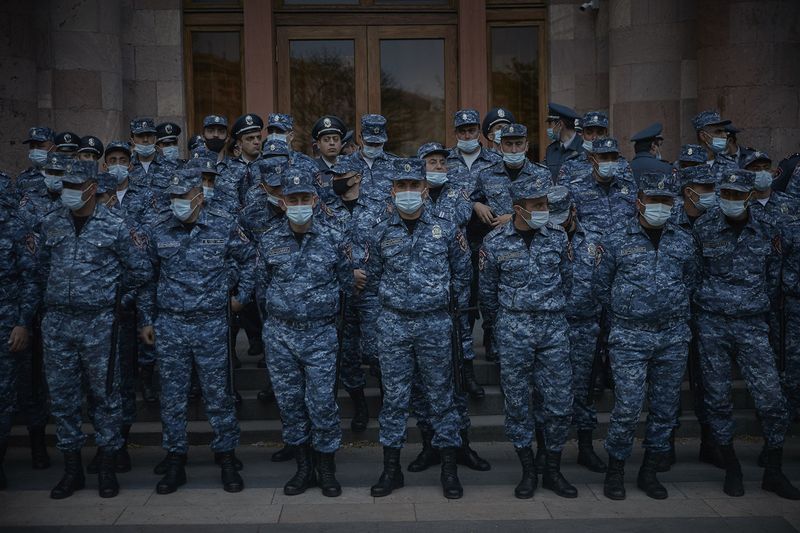
YEREVAN, ARMENIA - APRIL 12, 2021: Armenia Police stand in front of Government House in Republic Square, Yerevan on 12 April 2021. Anti-government protests have become common place with protestors blaming the government for the defeat in last years Nagorno-Karabakh war.

© Kiran Ridley - Image from the After the War: Armenia's uncertain future photography project
i

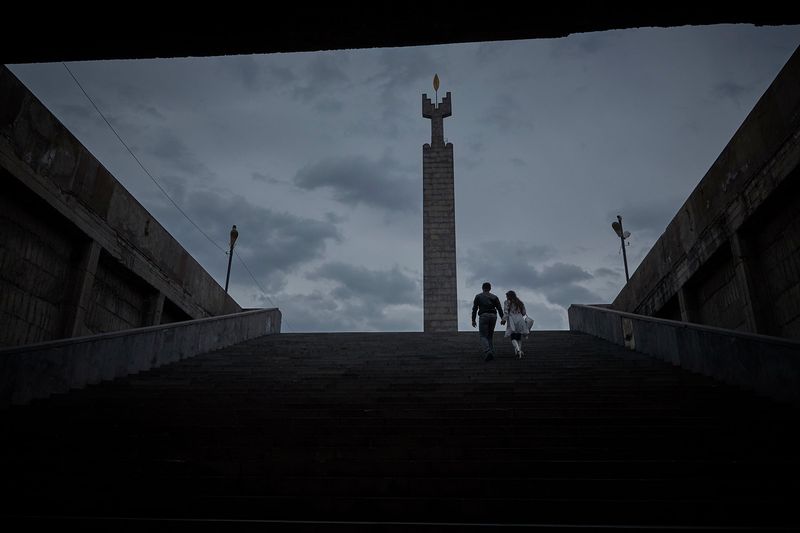
YEREVAN, ARMENIA - APRIL 10, 2021: A couple walk up to the steps of the Cascade Monument in Yerevan, the capital city of Armenia on 10 April 2021.