After the Fathers
-
Dates2024 - Ongoing
-
Author
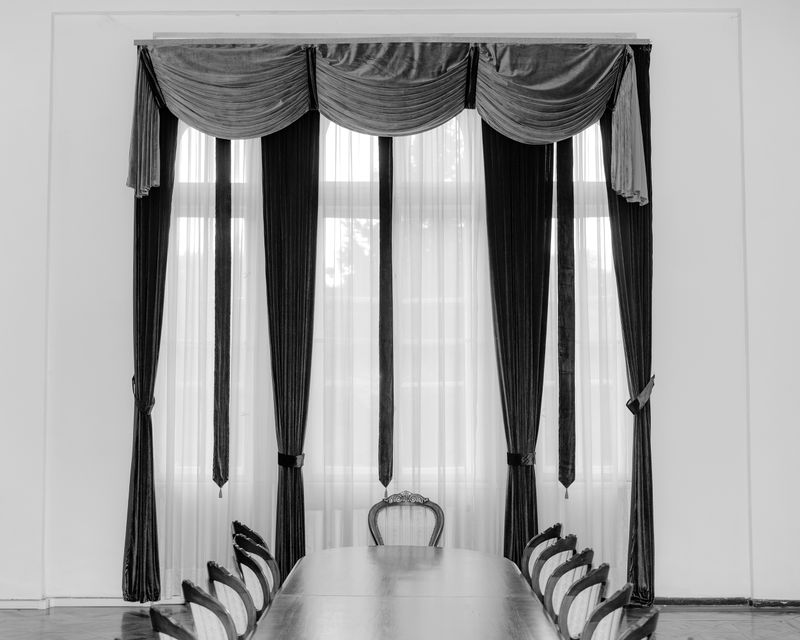
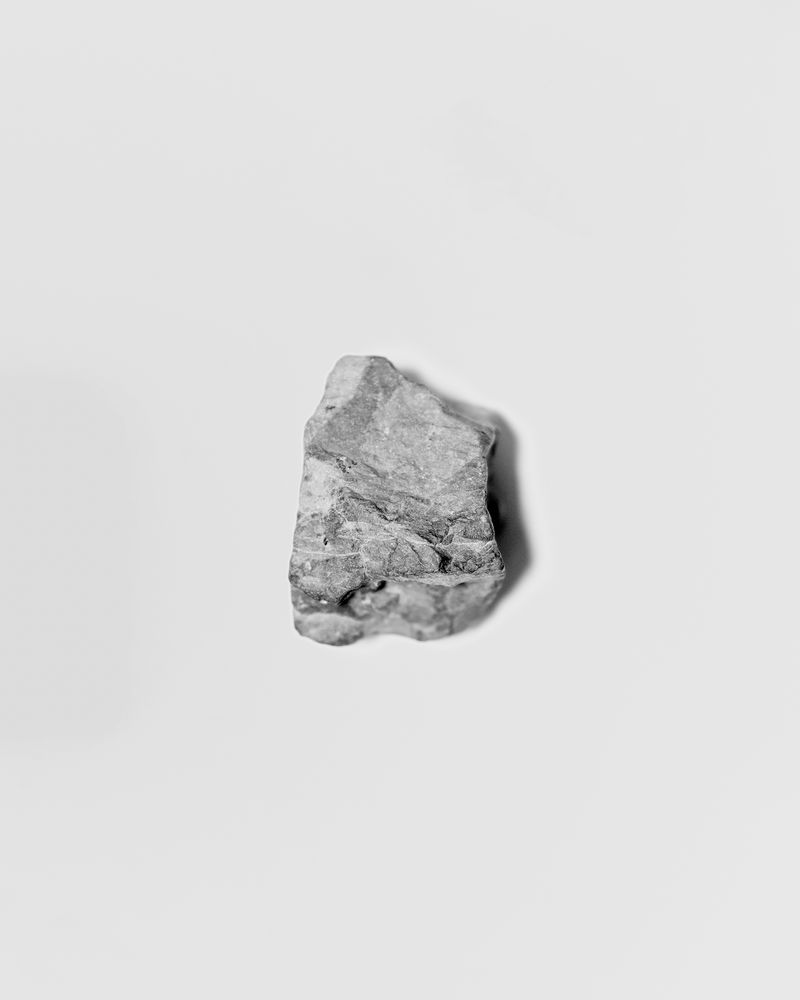
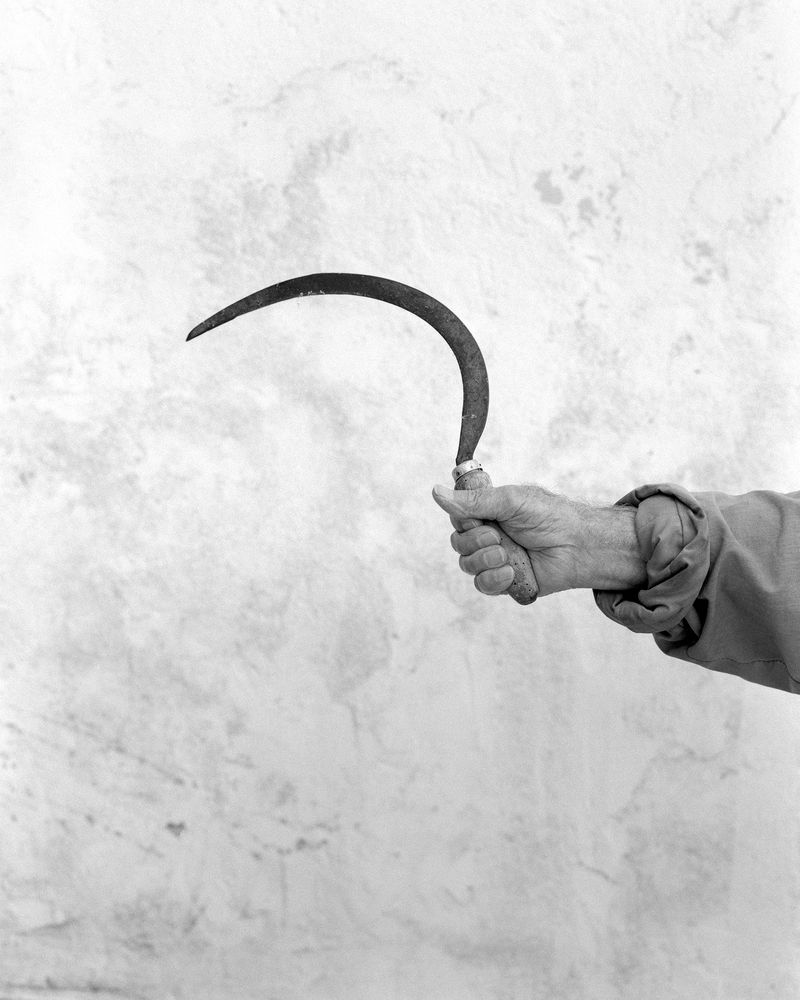
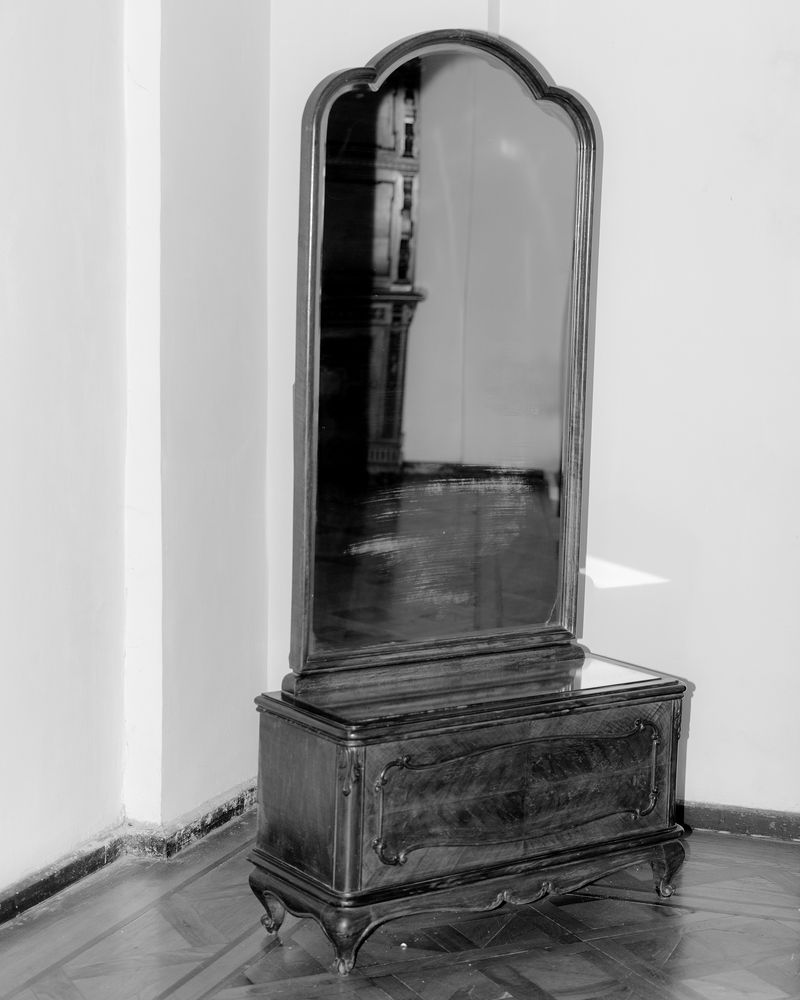
After the Fathers stages masculinity as inheritance. Through fragments and recontextualized images, it becomes a space where habit, authority, and restraint reveal enduring tensions.
“You are a man. Pull yourself together.” – my father used to repeat…
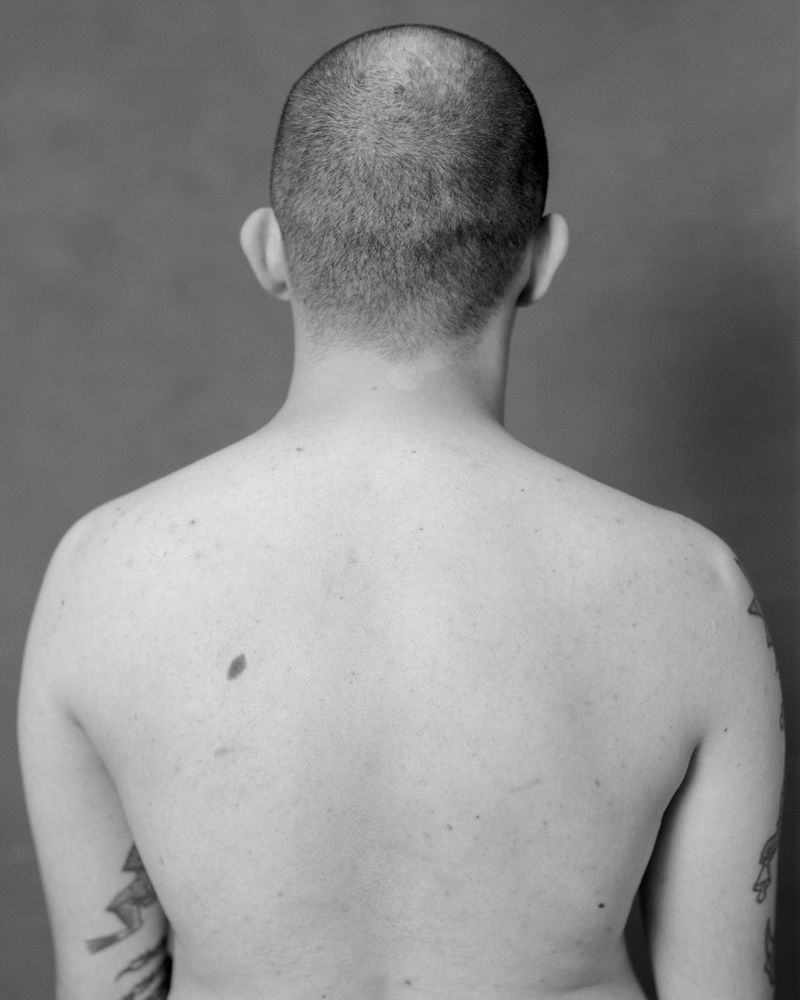
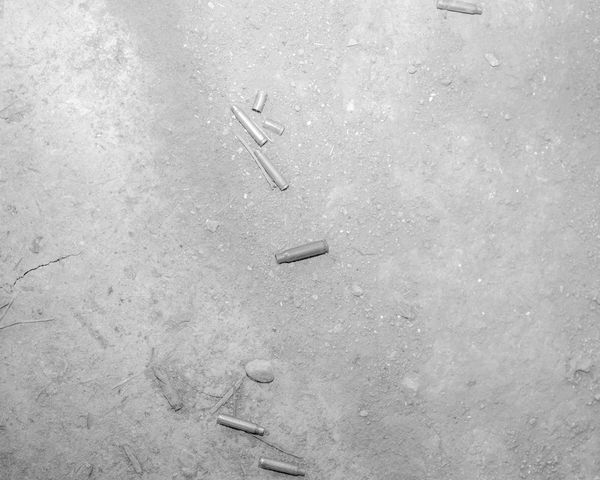
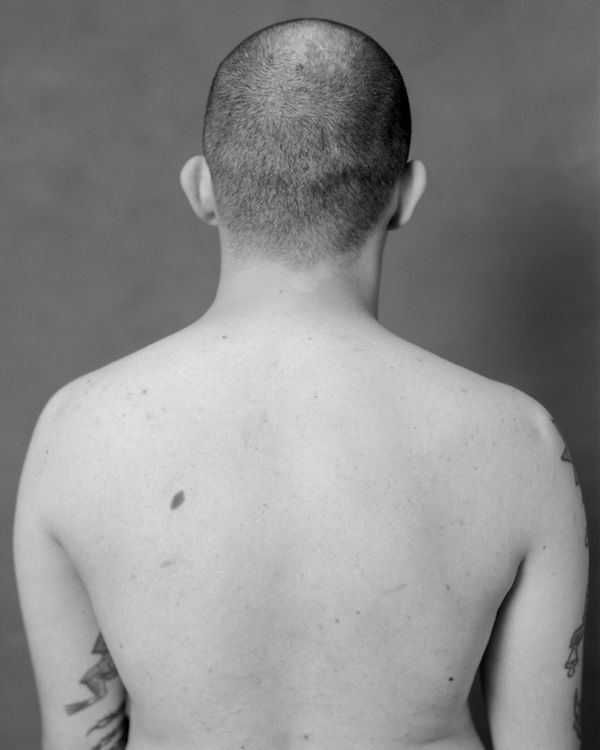
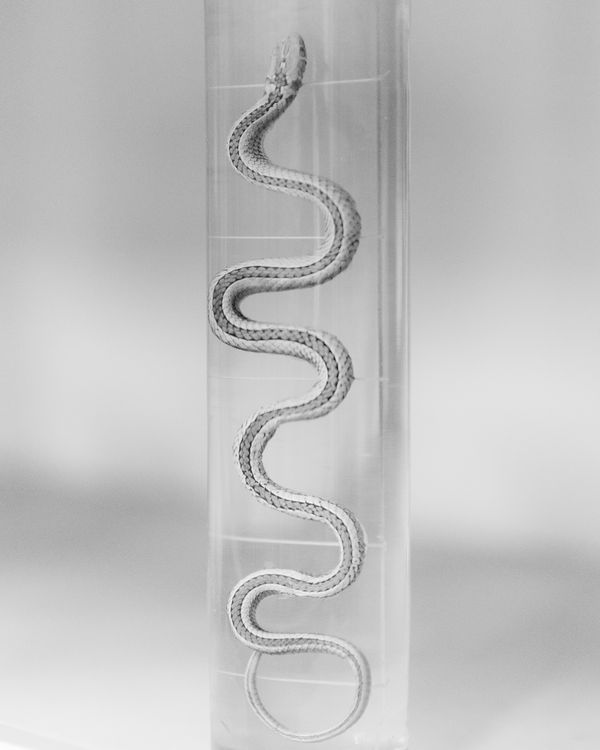
After the Fathers is a photographic series that examines masculinity as an inherited model of behaviour. The man is not presented as an individual portrait, but as a system of characteristics that operates through habit.
Departing from the question of what it means to be a man, the project traces the collision between traditional beliefs and emerging liberal ideas, situating this crisis within the context of Bulgarian society, where such topics rarely receive sustained public attention. Contrary to the expectation that the ideological shift of the 1990s would automatically lead to a reassessment of social roles, the post-socialist reality has instead tended to reinforce and freeze certain models rather than transform them.
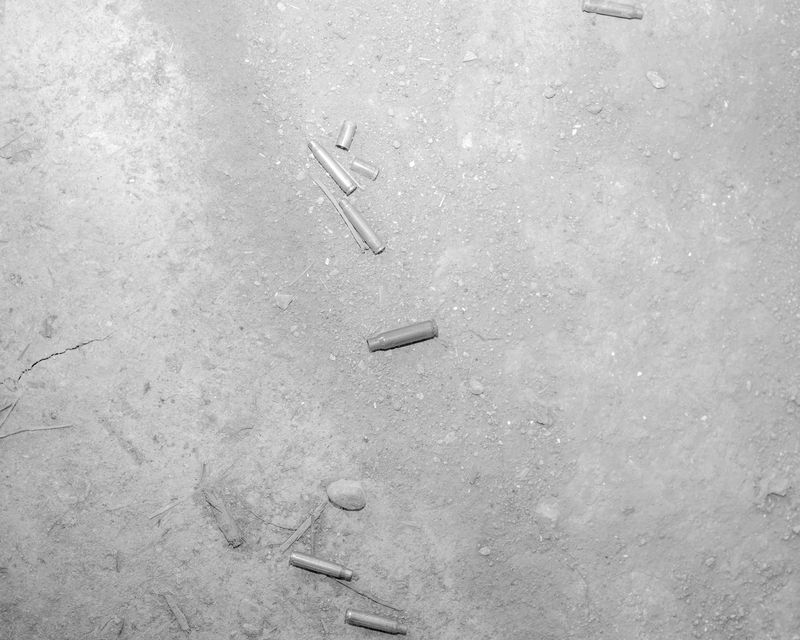
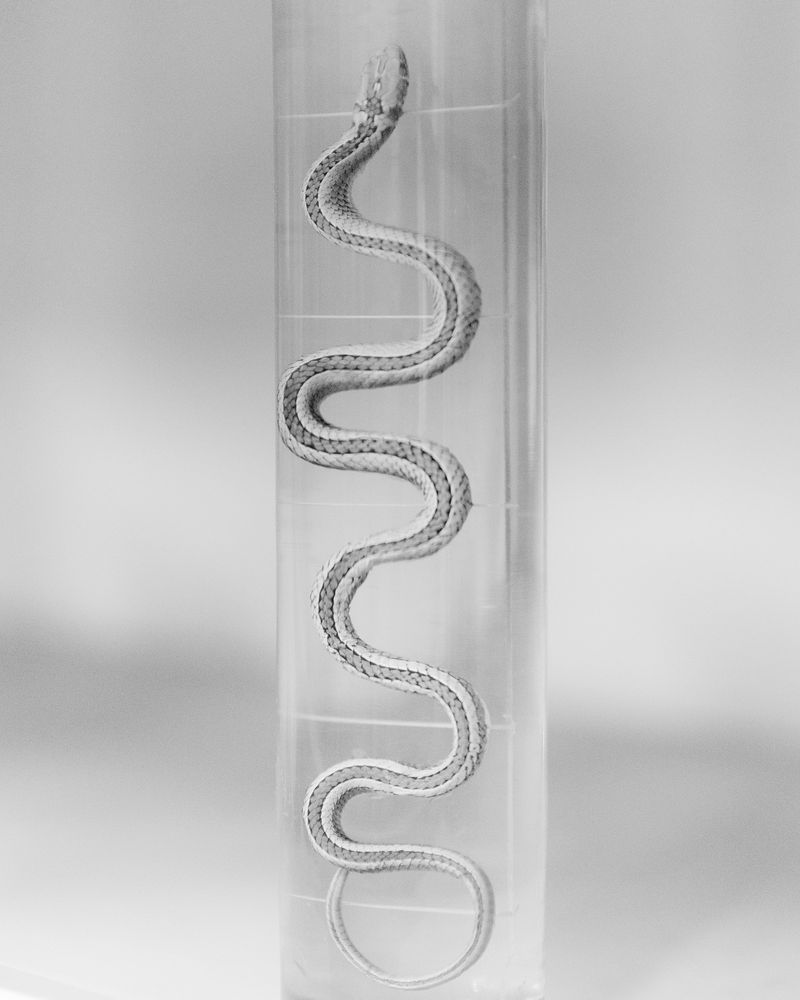
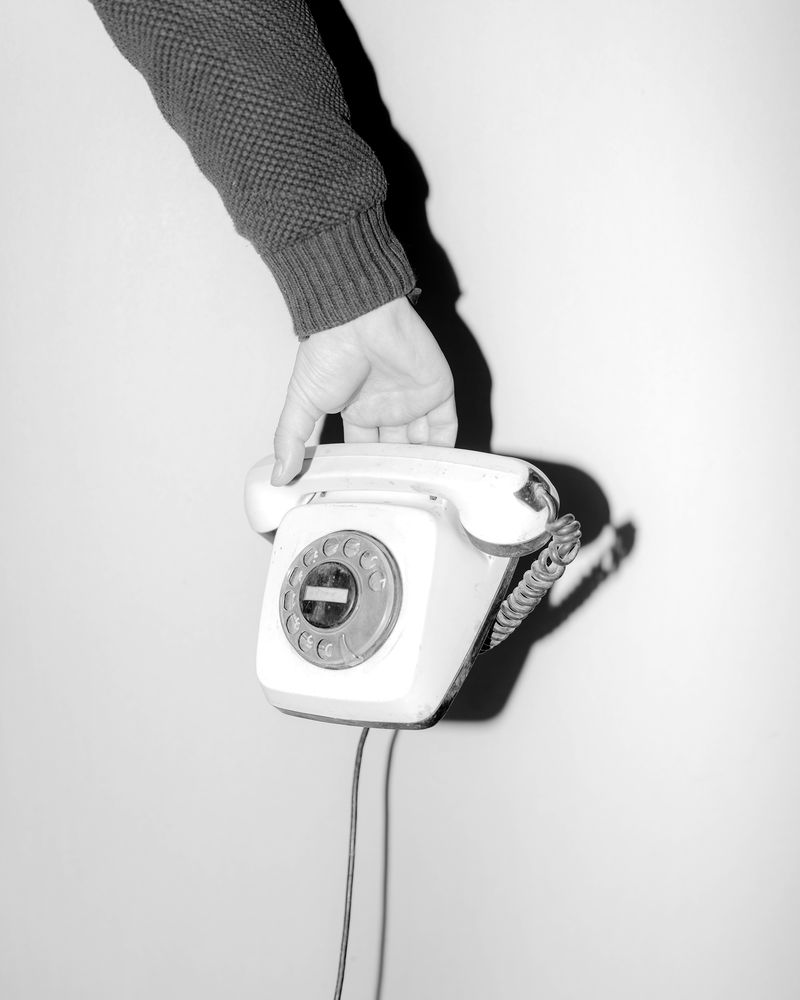
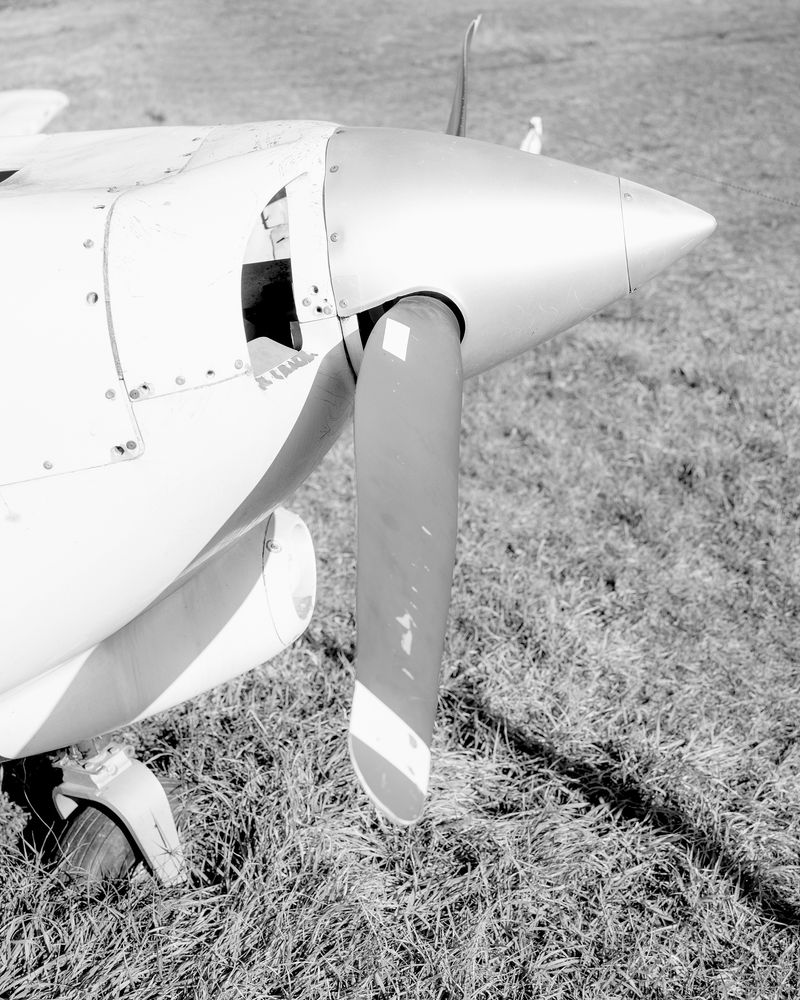
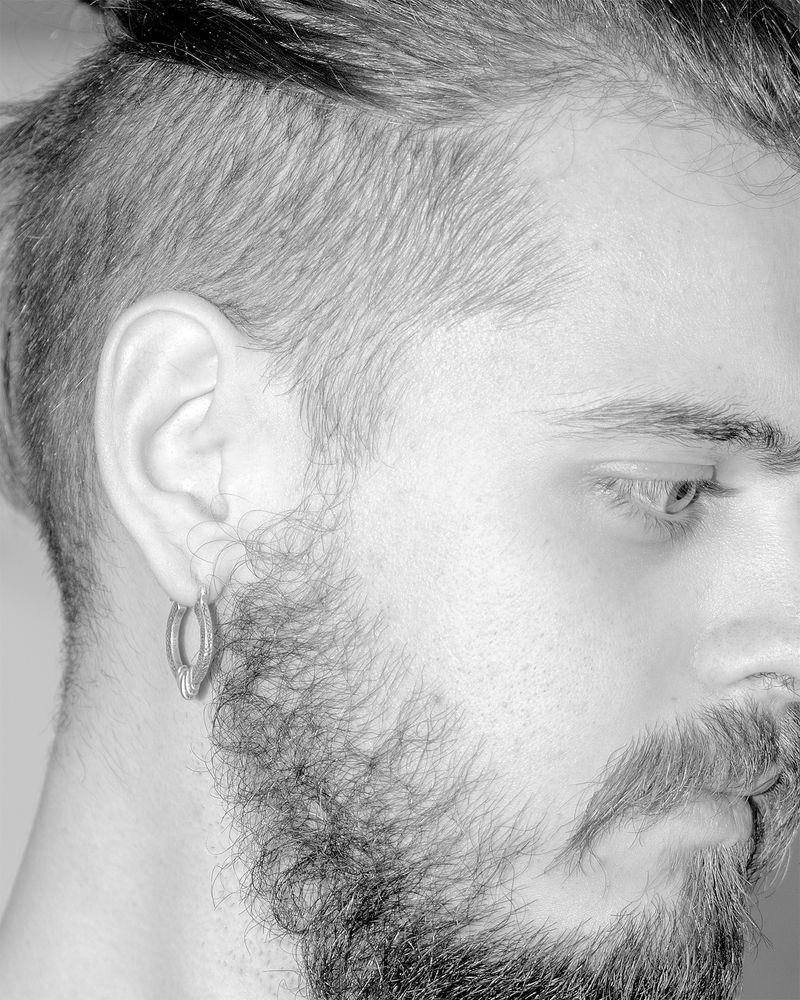
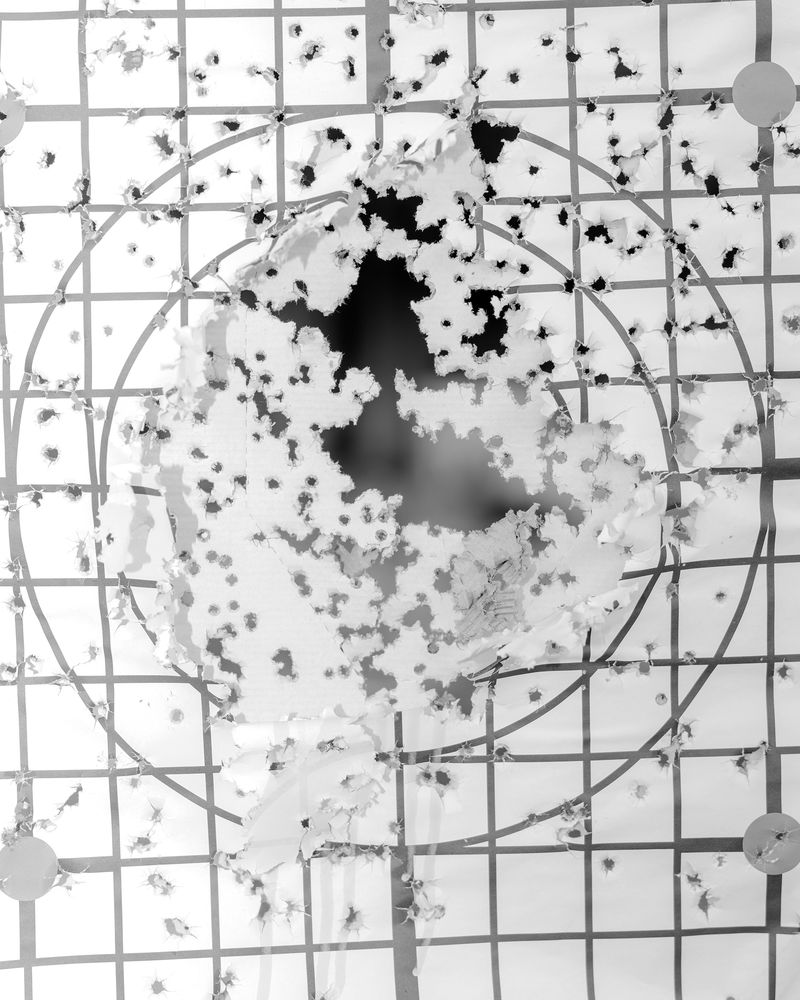
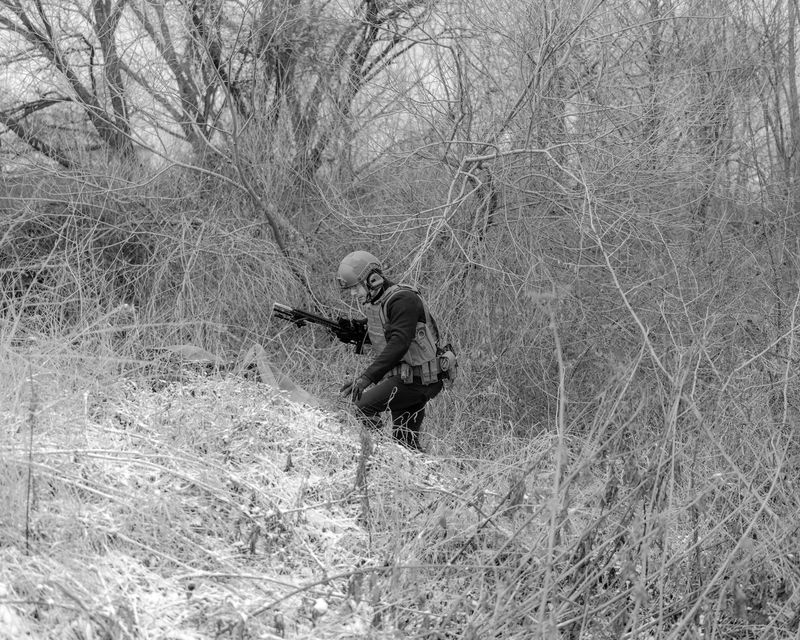
Masculinity here is not understood as an identity, but as a practice. It is absorbed early and without explanation through a set of unwritten rules transmitted within the family, at school, and in everyday life, including emotional restraint, the rejection of vulnerability, fear of failure, and the refusal to admit error. The figure of the father more often provides a model to be imitated than an explanation of male roles. Behavioural responses are not articulated, but internalised through the body. The project observes this inertia, in which masculinity reproduces itself without being clearly formulated or acknowledged, while employing a visual approach in which images do not function as personal testimonies but as documents removed from their original context and rearranged into a new structure of meaning.
It is precisely this logic that moves the subjects beyond the individual and connects them to broader social, economic, and political dynamics, within which contemporary notions of masculinity continue to shape public attitudes and relations of power. After the Fathers does not seek to resolve the contradictions it reveals, but instead renders them visible, leaving their interpretation open to the viewer.