After the Disappearance
  • Dates
    2026 - Ongoing
  • Author
  • Topics War & Conflicts, Social Issues, Documentary
  • Location Syria

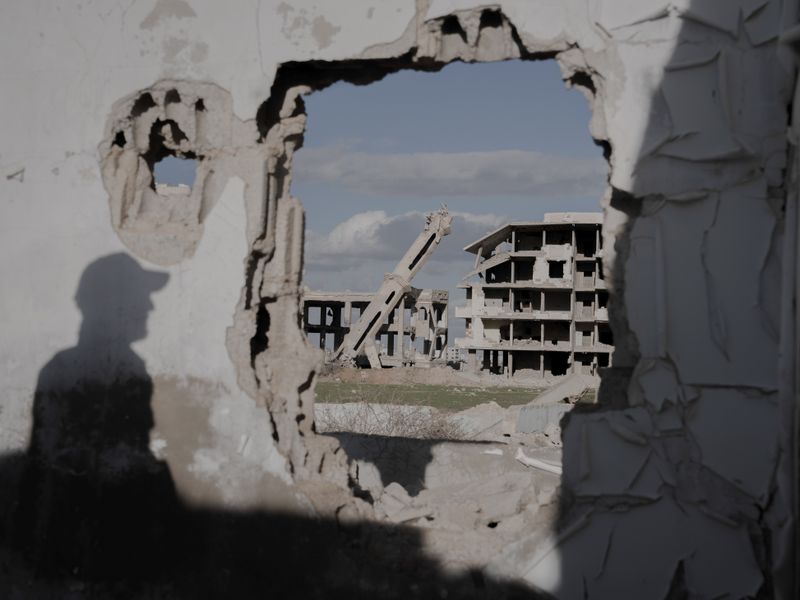
After the Disappearance explores daily life and adaptation beyond physical destruction in Syria. Children playing in ruins and returning families reveal social resilience, emerging hope, and the possibility of a future despite ongoing uncertainty.
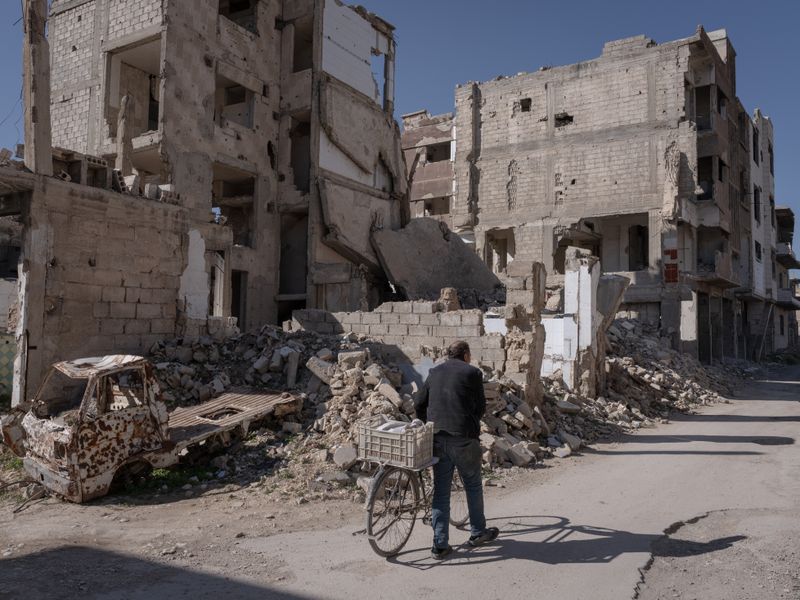
Across Syria, the visible landscape reflects not only large-scale destruction but also the fragile boundary between loss and persistence. Since the outbreak of the Syrian Civil War in 2011, hundreds of thousands of people have been killed and millions displaced. Today, the impact of this prolonged conflict is evident not only in the physical devastation of cities but also in the ways everyday life continues amid conditions of absence.

Recent political developments, including the departure of Bashar al-Assad and the emergence of Ahmed al-Sharaa as a central political figure, indicate a potential transition to a new phase. However, beyond these shifts, the country reveals a more subtle and less visible reality shaped by the daily practices of survival and adaptation.

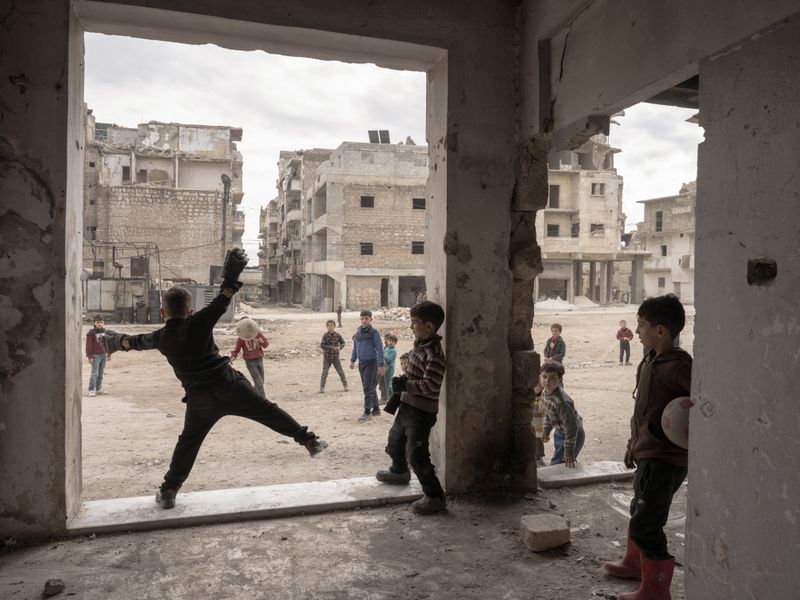
In urban streets, displacement camps, and temporary settlements, children constitute one of the most visible social groups. Growing up amid destruction, many of them engage in play within ruined environments, transforming these spaces into sites of temporary normalcy. Their presence reactivates abandoned areas, filling otherwise empty spaces with movement and sound. At the same time, the gradual return of families—particularly from Türkiye—signals a cautious re-emergence of social life. Personal belongings carried across borders are reintroduced into unstable living conditions, where past and present coexist in uncertain ways.

Uncertainty remains a defining condition across the country. Yet rather than functioning solely as a force of fragmentation, it also produces new forms of proximity and coexistence. In this context, life in Syria can now be understood as a process unfolding within the tension between destruction and continuity—where traces of the past persist, and everyday practices sustain the possibility of a future.
© mustafa bilge satkın - Image from the After the Disappearance photography project
i

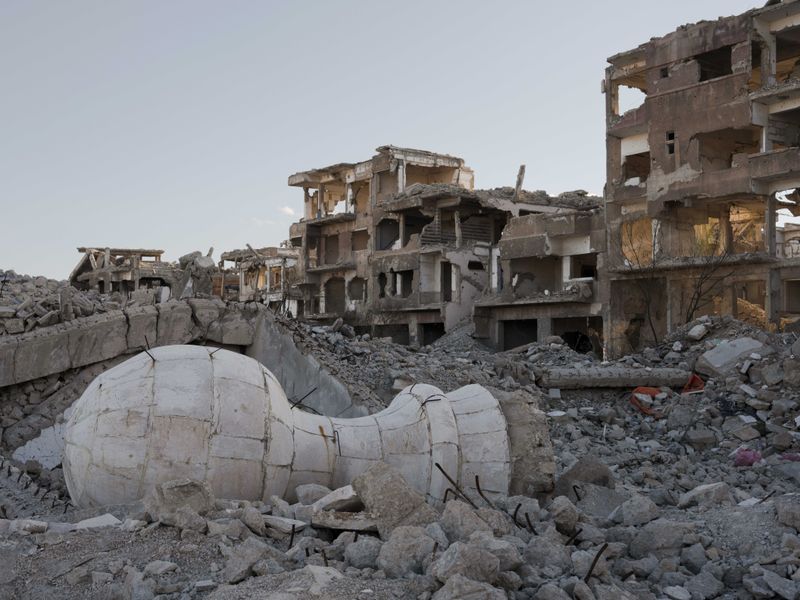
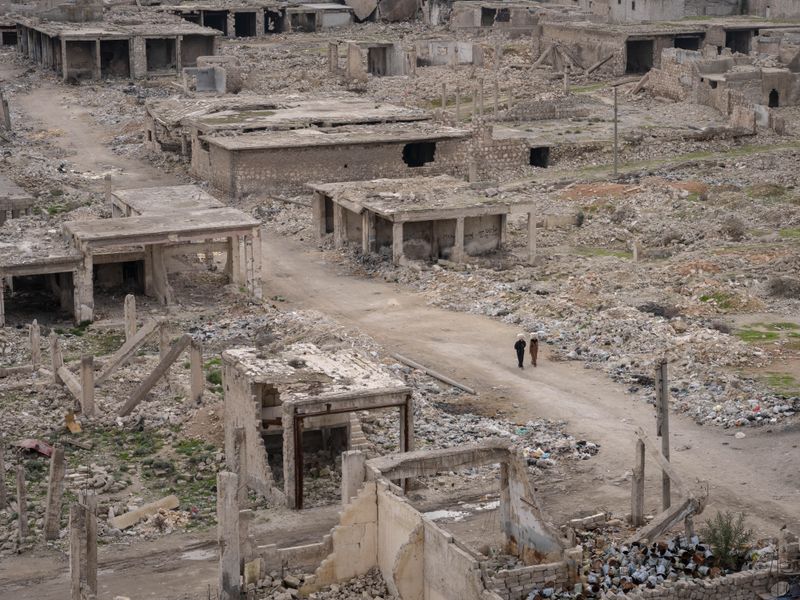
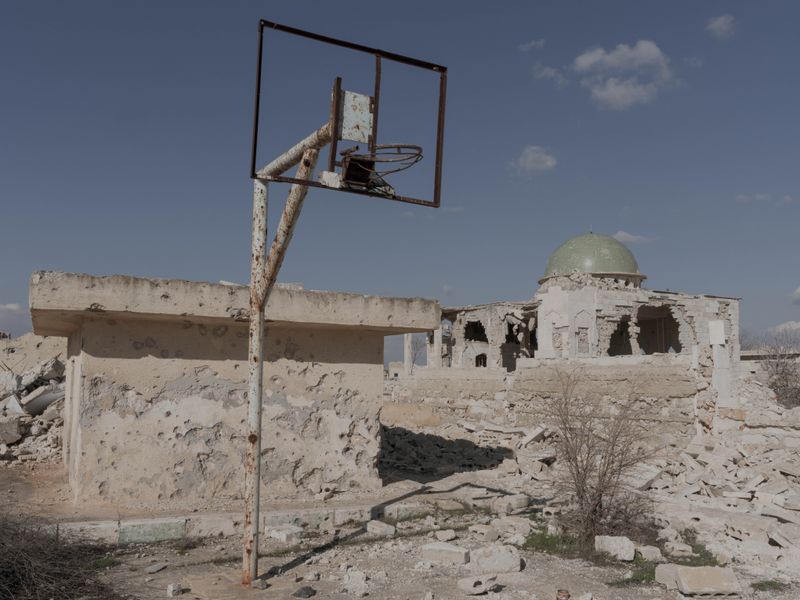
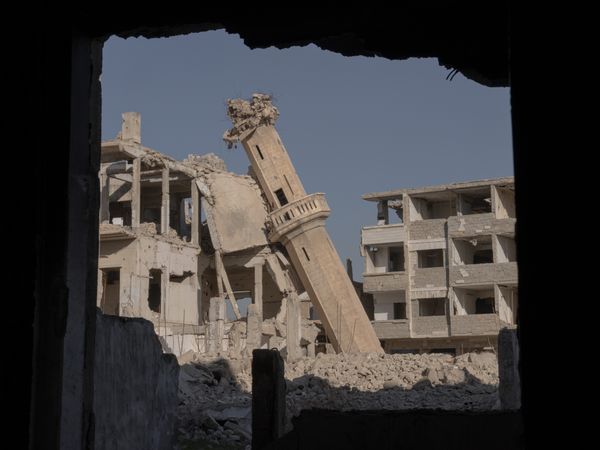
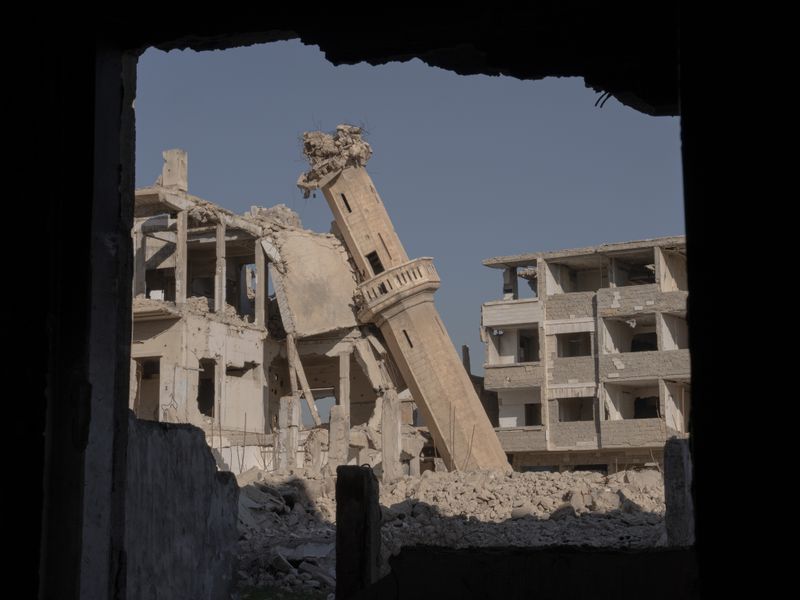
The ruins of the Great Mosque of Jobar in the Jobar district of Damascus. Its destroyed minaret stands as a symbol of the intense urban warfare that consumed the neighborhood’s once-vibrant multicultural fabric, including the destroyed ancient Eliyahu Hanabi Synagogue. Today, the area reflects the fragile boundary between destruction and persistence. Damascus, Syria.

© mustafa bilge satkın - Image from the After the Disappearance photography project
i

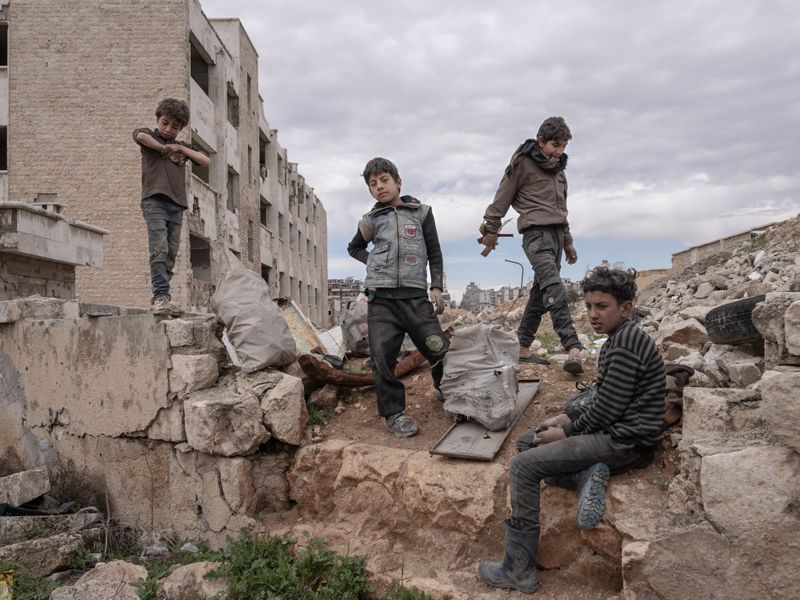
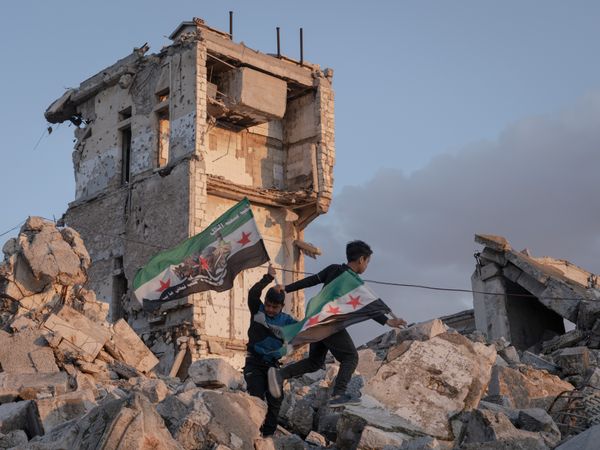
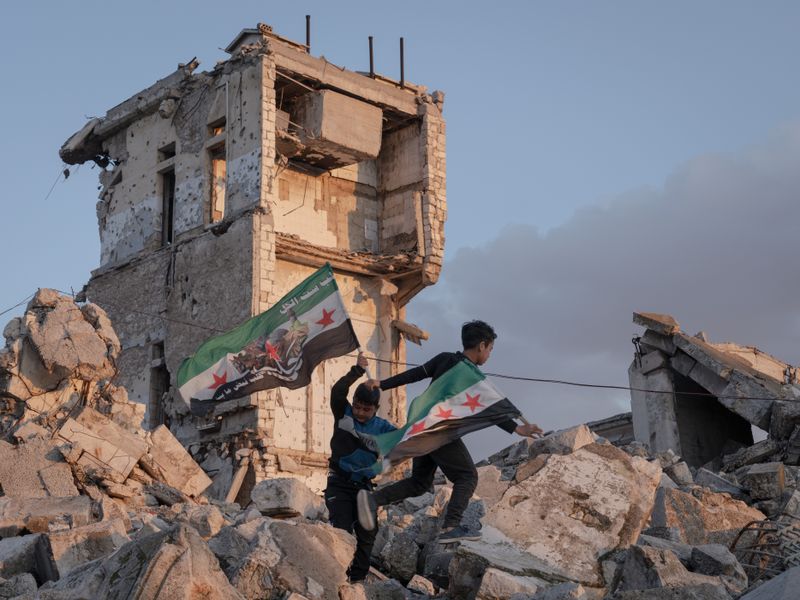
Following the restoration of the Aleppo Citadel (Qal'at Aleppo), children run through the nearby debris to sell flags to visitors. These children attempt to support their families while holding on to life through the nation’s new symbols amidst a landscape of ruin. Their presence transforms the site of destruction into a space of survival and temporary normalcy. Aleppo, Syria.

© mustafa bilge satkın - Image from the After the Disappearance photography project
i

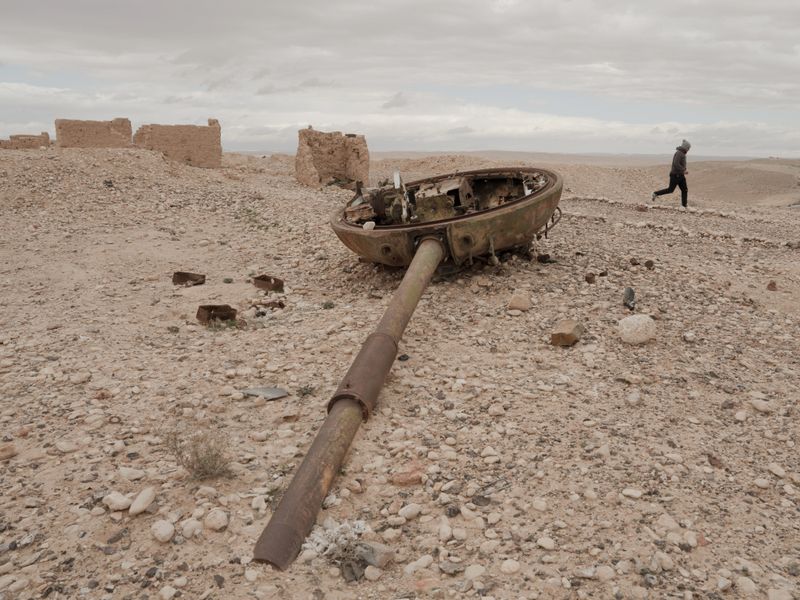
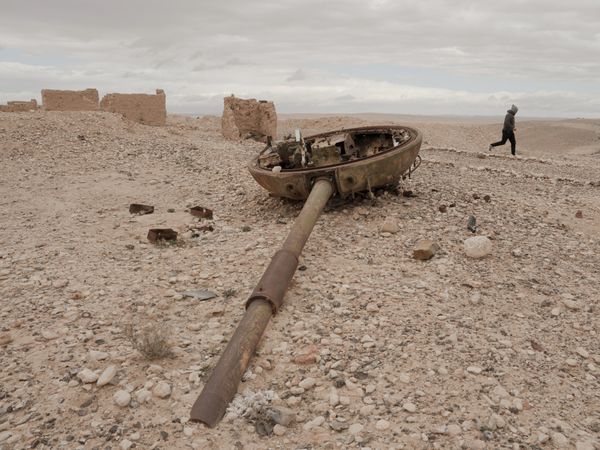
A civilian passes by a discarded tank turret on the road to Palmyra. The scene illustrates how the military remnants of war have become a dangerous and permanent fixture of Syria’s daily landscape and geography. This intersection of military debris and civilian movement highlights the lingering presence of conflict within the country's social fabric. Palmyra, Syria.

© mustafa bilge satkın - Image from the After the Disappearance photography project
i

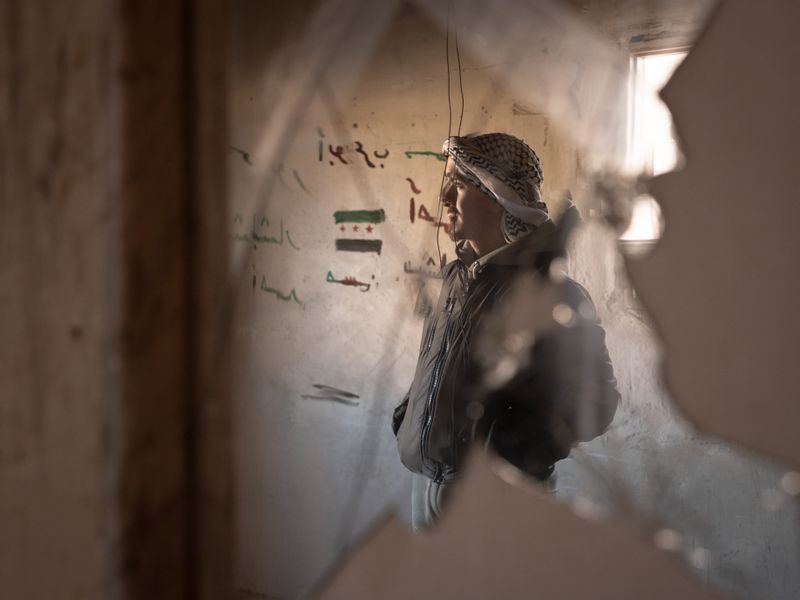
Muhammed Nur El Abdullah (b. 2002) stands inside the remains of his family’s hotel in Palmyra. After fleeing to Türkiye at age 13 and later returning, he is now gradually restoring several rooms within the heavily damaged urban landscape. The hotel, once a hub for tourism, was devastated by ISIS occupation and looting.

© mustafa bilge satkın - Image from the After the Disappearance photography project
i

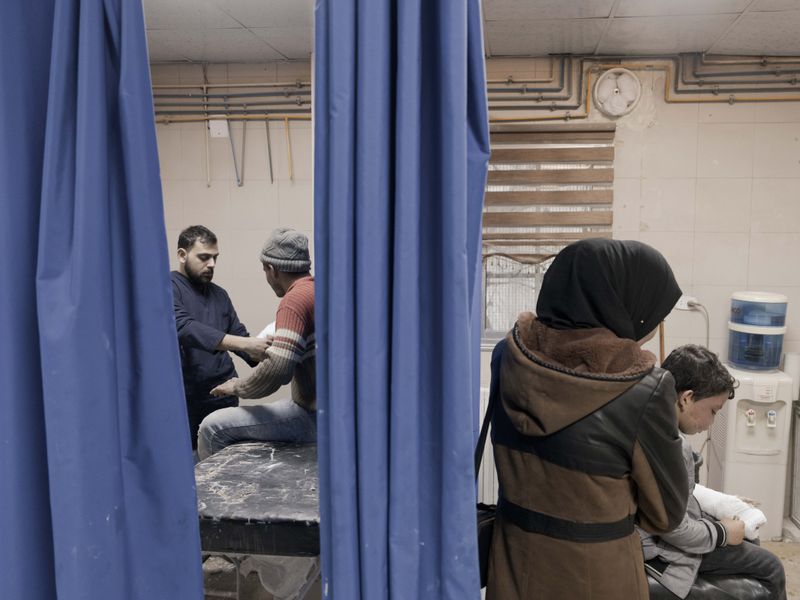
Inside Al-Shifa Hospital in Aleppo, a medical worker treats a patient behind a curtain while a woman and a child with a bandaged arm wait for attention. Despite years of conflict, the facility continues to operate under limited conditions, providing essential healthcare to civilians.

© mustafa bilge satkın - Image from the After the Disappearance photography project
i

In the nearly obliterated district of Jobar, 45-year-old Zahir Faris Elbedevi survives among the ruins of his former life. Injured and displaced by the 2013 bombardments, he now lives in an abandoned school, scavenging scrap metal from the debris to support his family.

© mustafa bilge satkın - Image from the After the Disappearance photography project
i

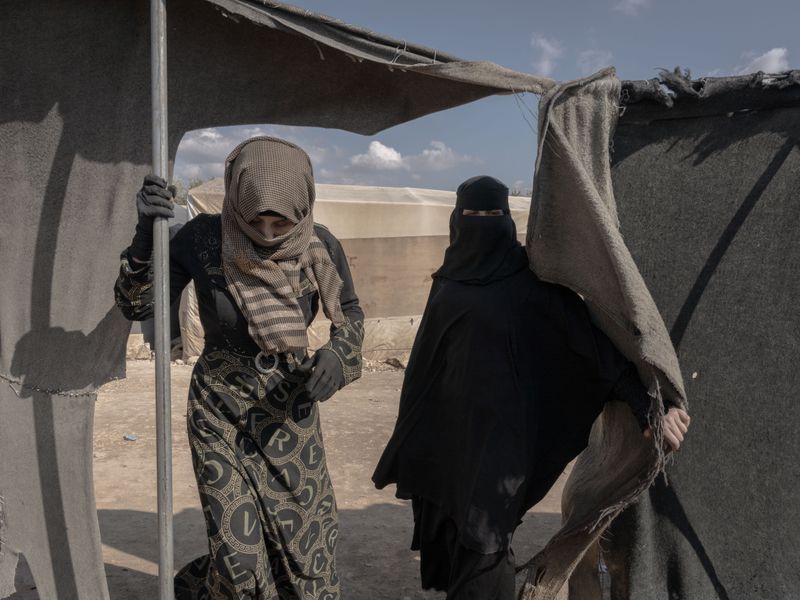
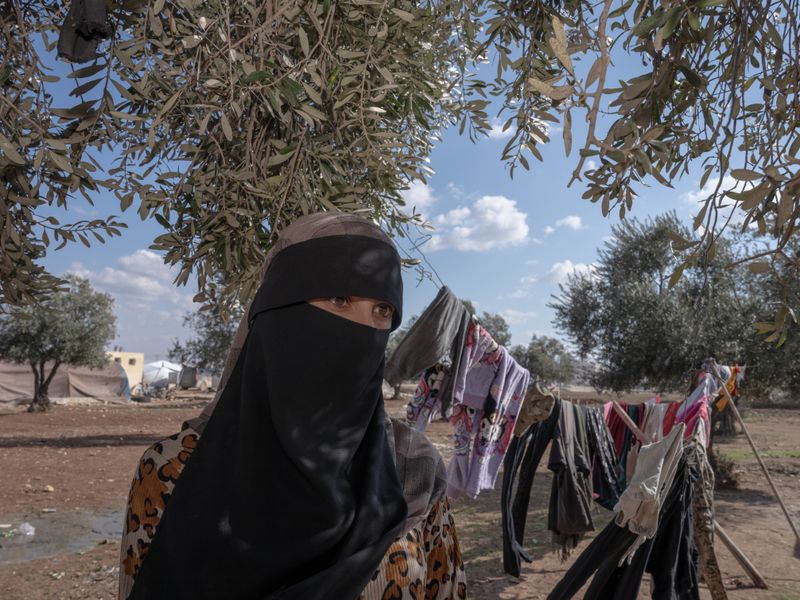
The Al-Zaytounat (The Olive Grove) Camp in the Azaz region, northern Aleppo. This temporary settlement hosts civilians displaced by the civil war who continue their daily lives under conditions of prolonged uncertainty. Without access to permanent solutions, the camp reflects both the spatial consequences of war and the enduring nature of displacement in the region. Azaz, Syria.

© mustafa bilge satkın - Image from the After the Disappearance photography project
i

In Aleppo’s Salah ad-Din neighborhood, children collect scrap materials from hazardous ruins to support their families. Deprived of formal education, these children navigate heavily damaged buildings that serve as stark evidence of the war's urban destruction.

© mustafa bilge satkın - Image from the After the Disappearance photography project
i

Women walk through a destroyed street in Aleppo’s Al-Amiriya neighborhood, carrying stacks of flatbread on their heads as they return home for iftar. This route, surrounded by ruins, serves as a testament to the resilience of daily life and the persistence of social traditions under challenging post-war conditions.

© mustafa bilge satkın - Image from the After the Disappearance photography project
i

Children play among partially destroyed structures in Aleppo’s Al-Amiriya neighborhood. In these narrow streets surrounded by ruins, the traces of war coexist with spaces where daily life is being rebuilt. Despite the fragility of their surroundings, the children’s effort to carve out a world of their own remains unabated, highlighting the persistence of childhood in a landscape of loss.

© mustafa bilge satkın - Image from the After the Disappearance photography project
i

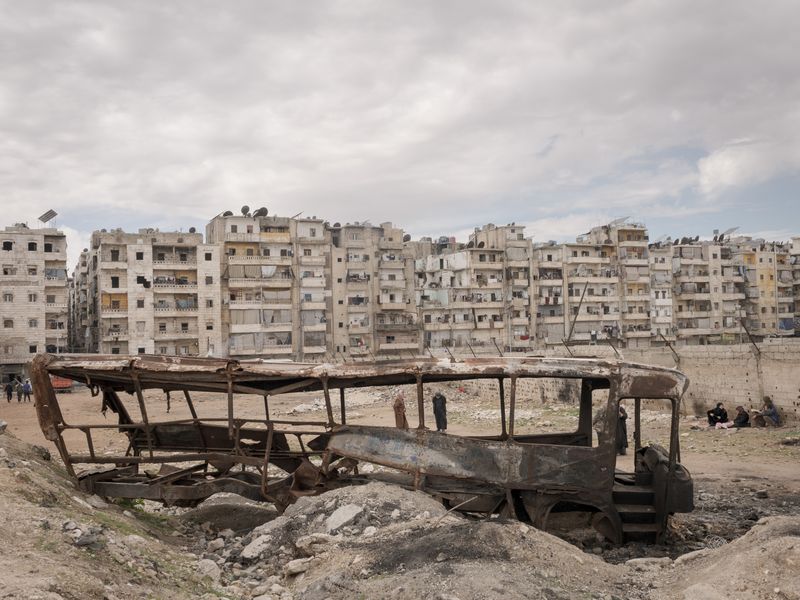
An open space at the intersection of Aleppo’s Salah ad-Din and Al-Amiriya neighborhoods, once a playground, now serves as a communal gathering point. A burnt-out bus, a lingering relic of the civil war, remains as a testament to the past while elderly residents, women, and children spend time together in the area.

© mustafa bilge satkın - Image from the After the Disappearance photography project
i

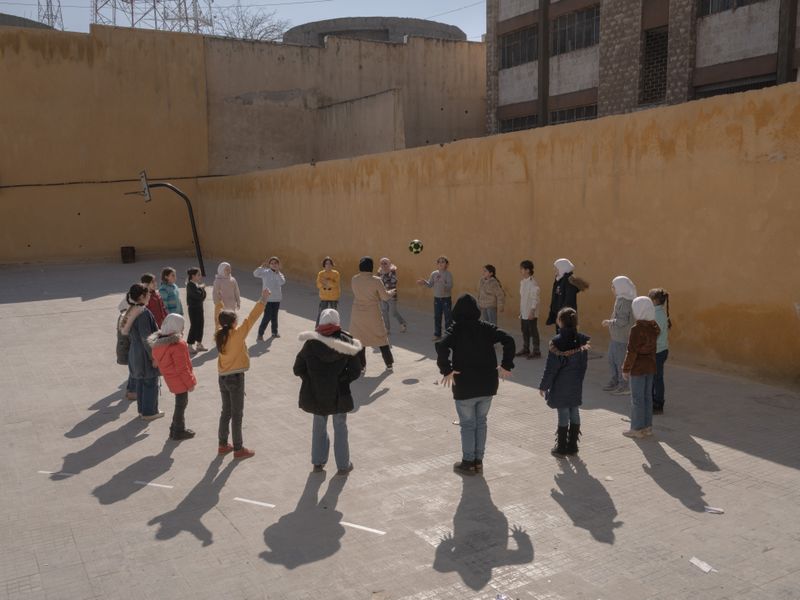
Students play in the schoolyard of Zenobia Primary School during recess, located at the intersection of Aleppo’s Salah ad-Din and Al-Amiriya neighborhoods. Amidst the surrounding post-war landscape, the school continues to function as a vital space for the next generation. Aleppo, Syria.

© mustafa bilge satkın - Image from the After the Disappearance photography project
i

Linda, a woman of Lebanese origin, pictured with her two children at the Al-Zaytounat (The Olive Grove) camp in the Azaz region, northern Aleppo. Within the camp’s limited conditions, daily life is shaped by strict routines: women manage domestic tasks and childcare inside the tents while men commute to the city center of Azaz for work.

© mustafa bilge satkın - Image from the After the Disappearance photography project
i

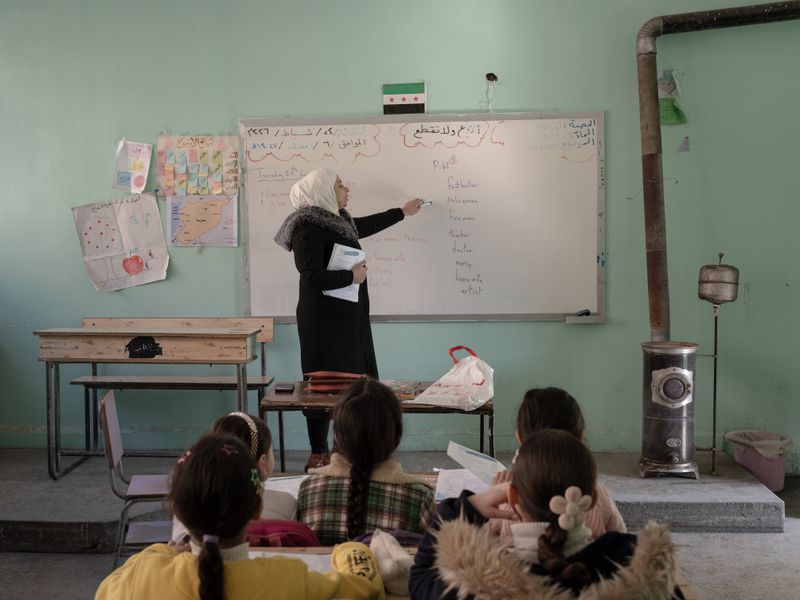
The newly repaired Zenobia Primary School in Aleppo serves as a focal point for local students and those returning from Türkiye and Lebanon. The school’s restoration embodies the urgent effort to mend the educational life and social fabric torn apart by years of war. This gathering of returning and local children marks a critical step toward reintegration and the rebuilding of a unified community.

© mustafa bilge satkın - Image from the After the Disappearance photography project
i

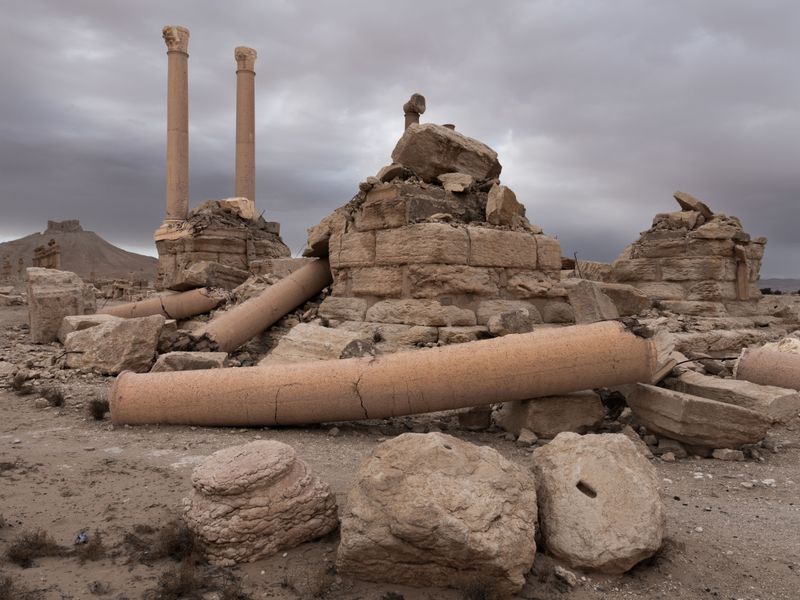
The ruins of Palmyra (Tadmor), a UNESCO World Heritage site, following years of conflict and two waves of ISIS occupation. The ancient city’s museums and historical structures were subjected to heavy bombardment, systematic looting, and plunder. These remnants stand as a silent testament to the immense cultural loss and the fragile state of global heritage in the aftermath of modern warfare.

© mustafa bilge satkın - Image from the After the Disappearance photography project
i

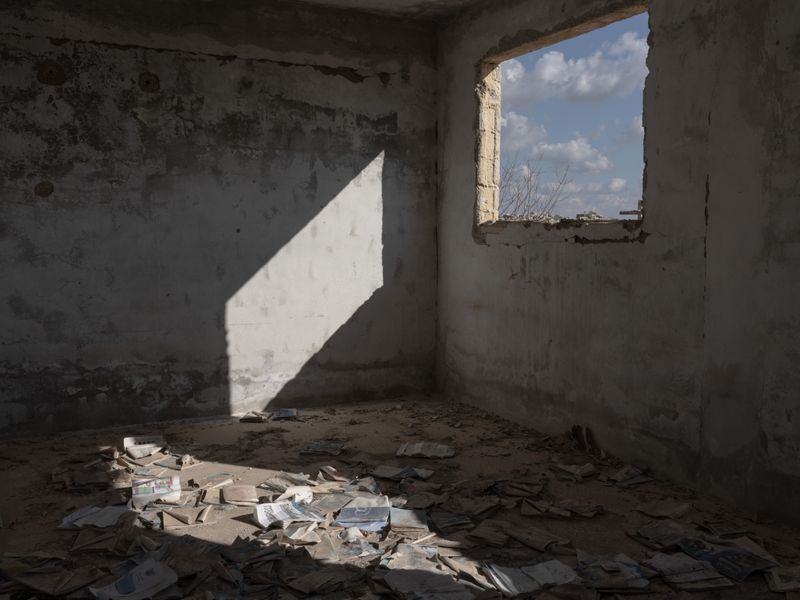
The image shows an abandoned classroom within a former school building in Tel Rifaat, a district in northern Aleppo, left in ruins by the war. The walls are marked with cracks and traces of bullets, while the floor is covered with textbooks that have remained there since the school was abandoned. Tel Rifaat, Syria.

After the Disappearance by mustafa bilge satkın

Prev Next Close