After Maxine
-
Dates2017 - Ongoing
-
Author
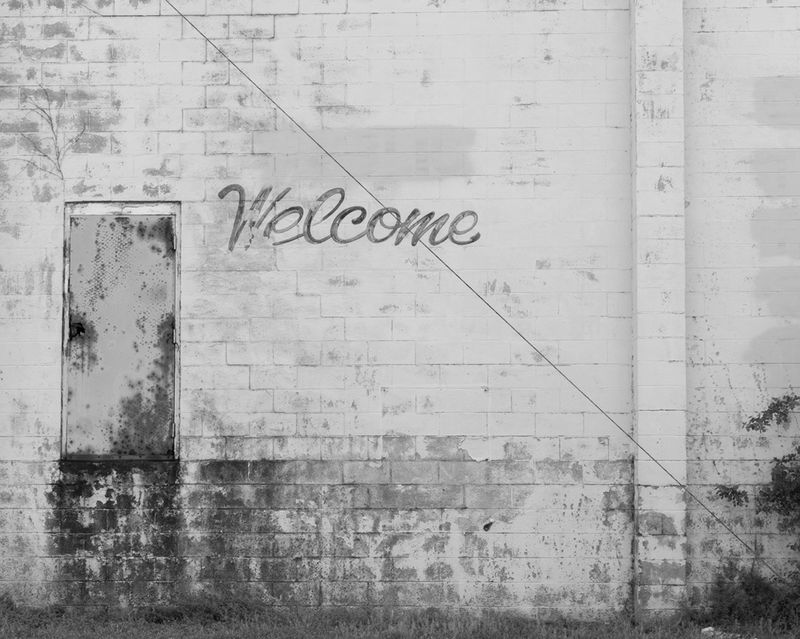
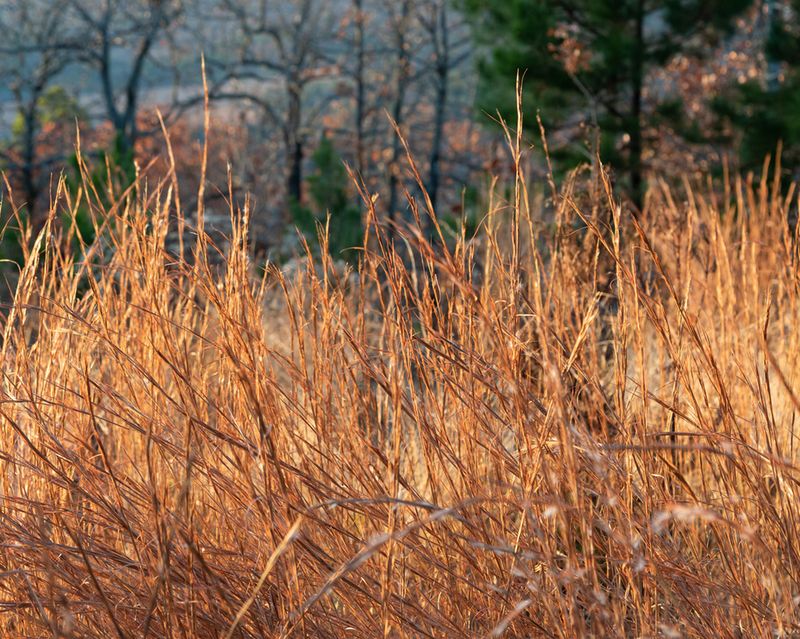
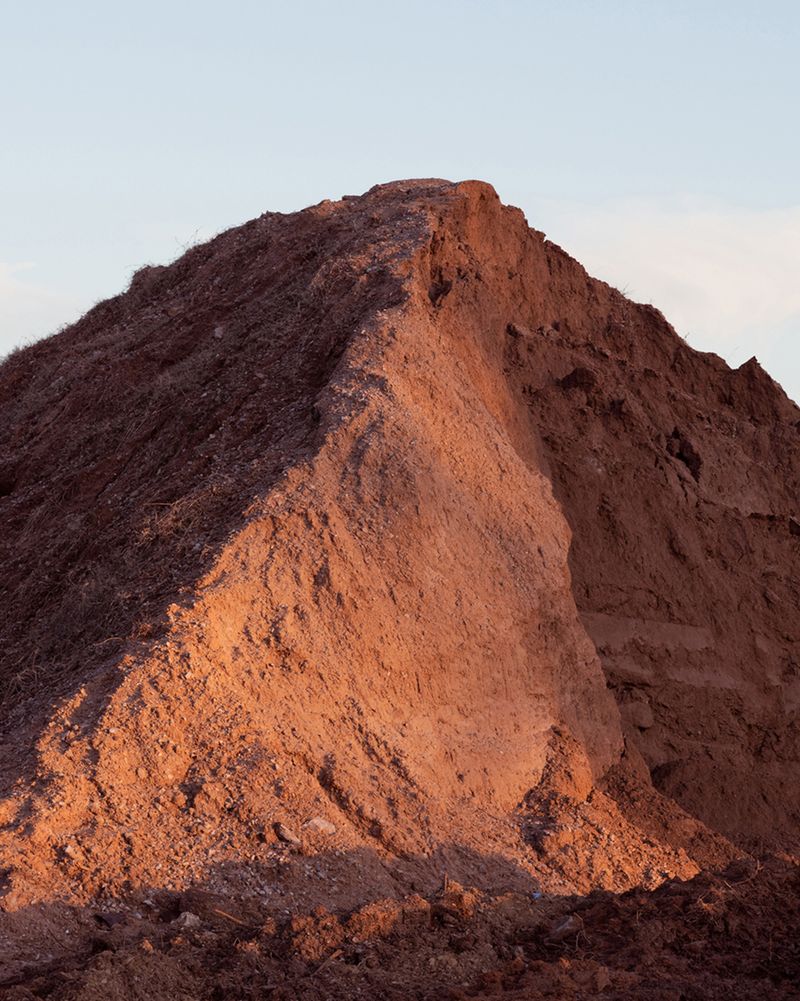
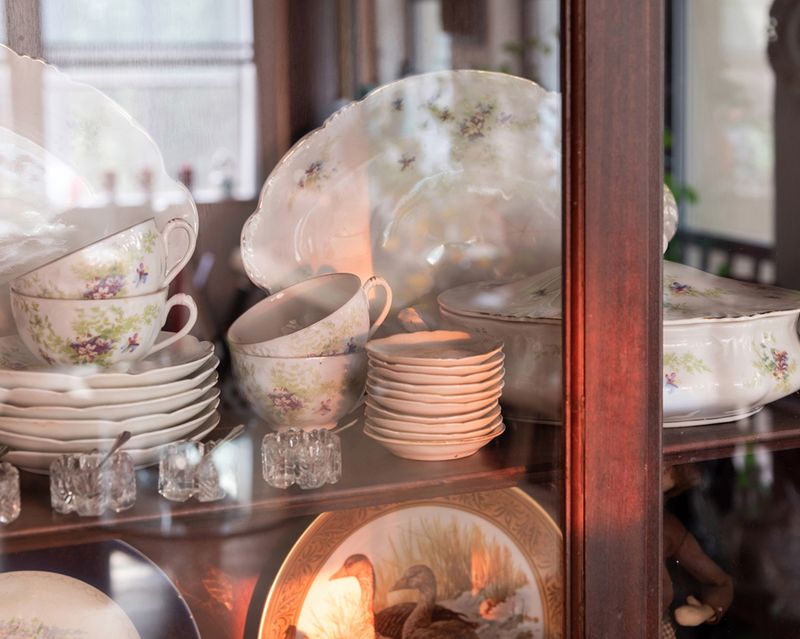
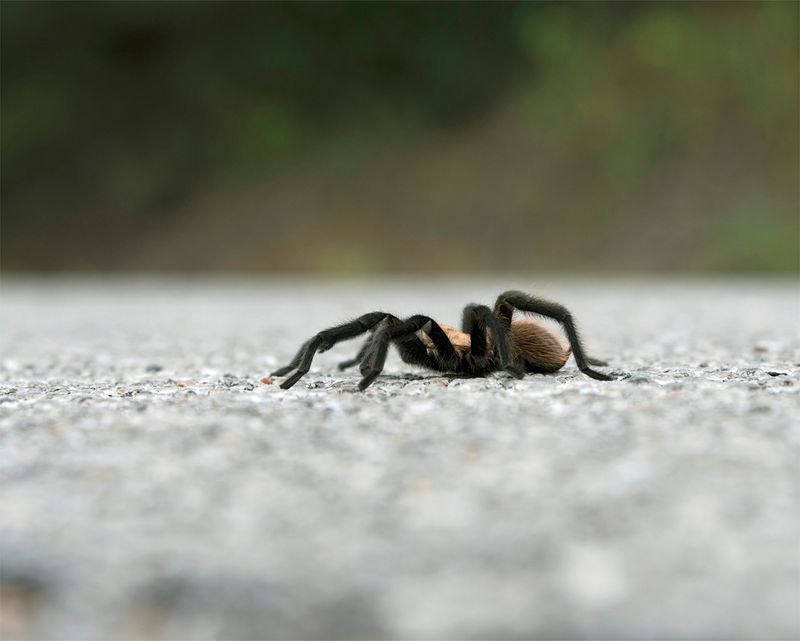
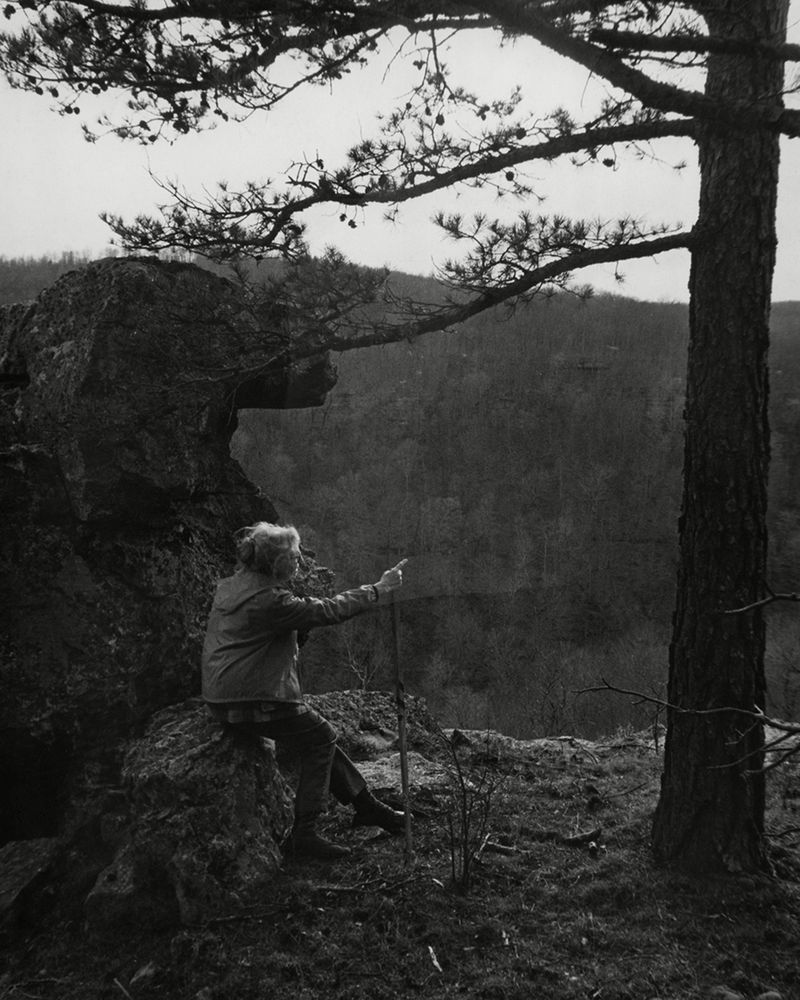
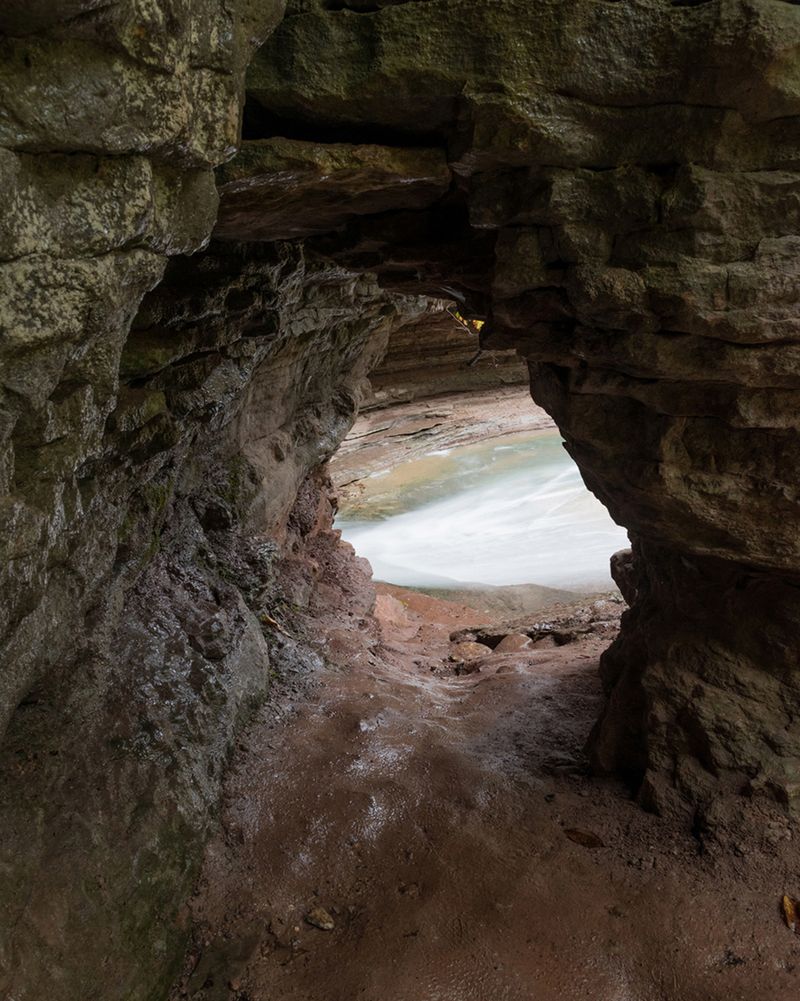
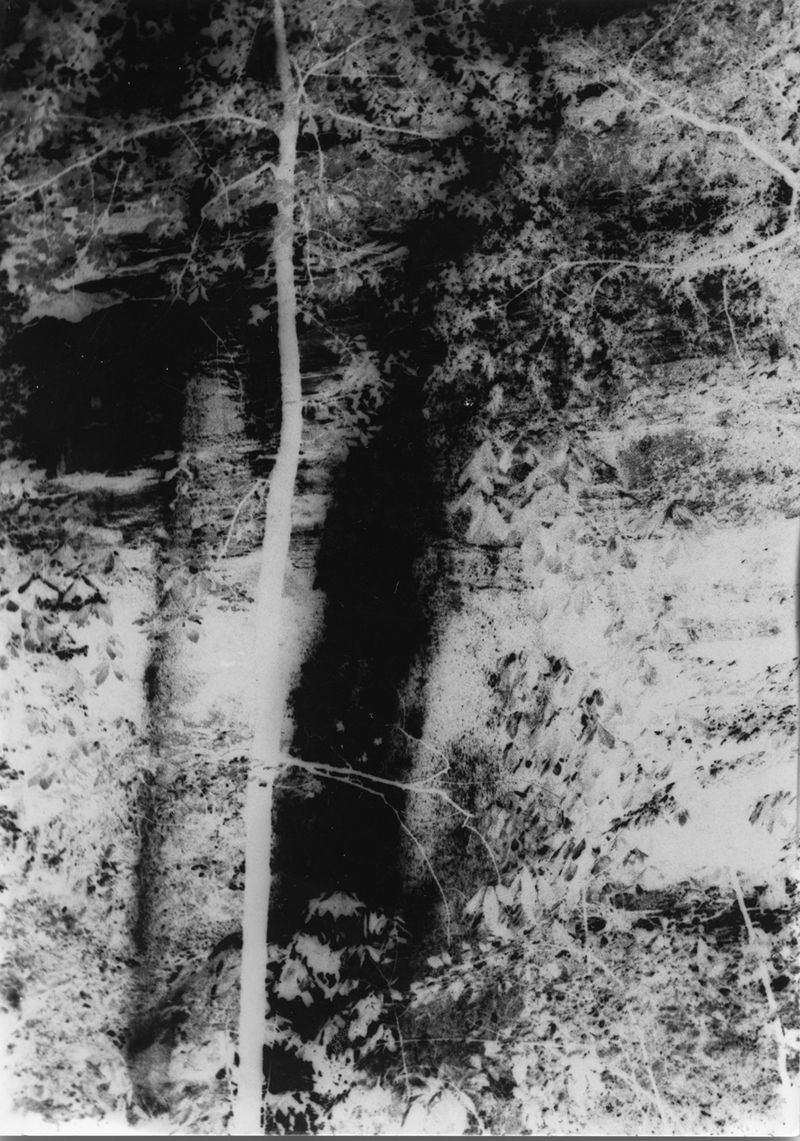
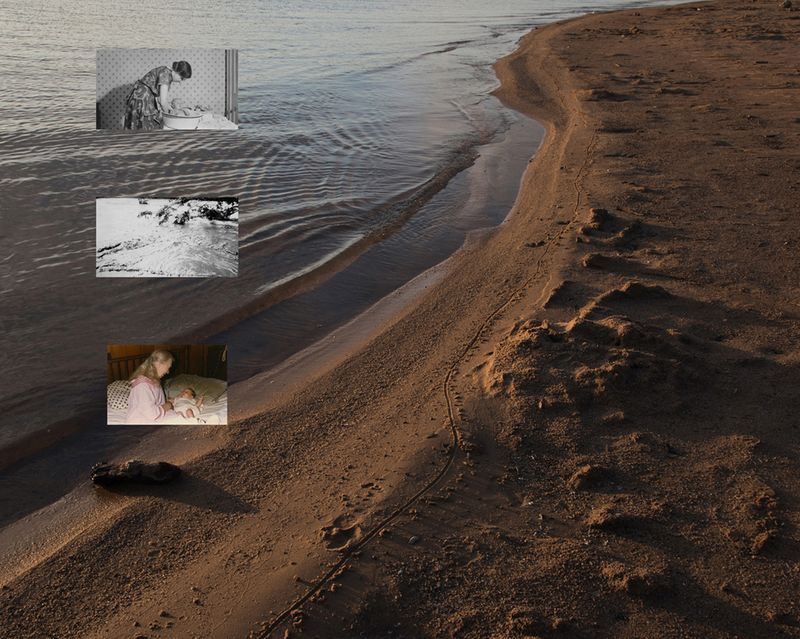
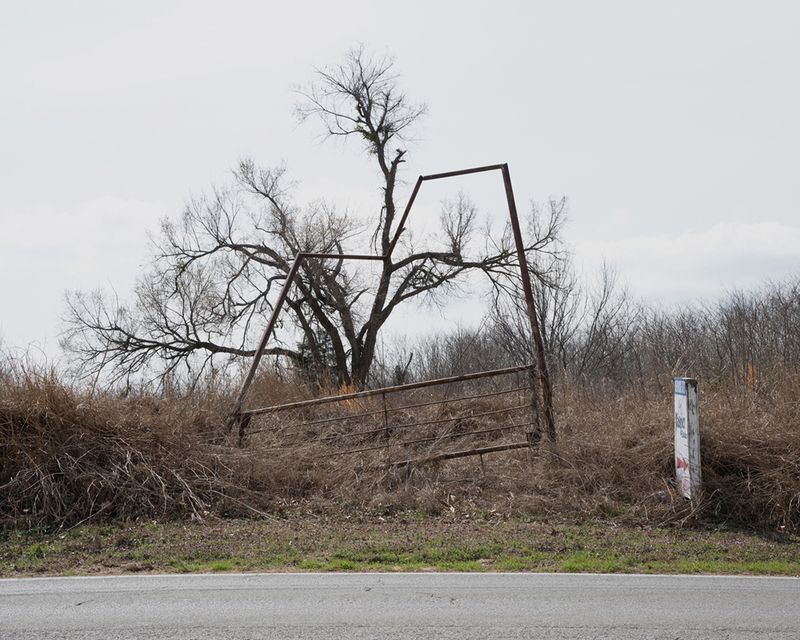
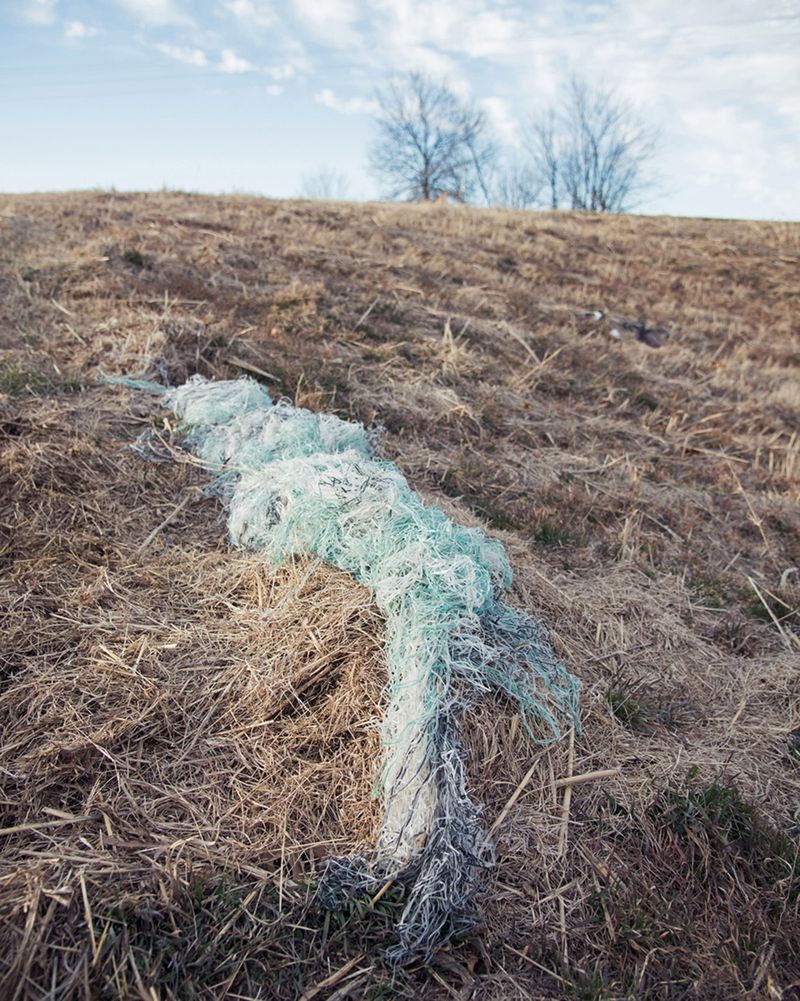
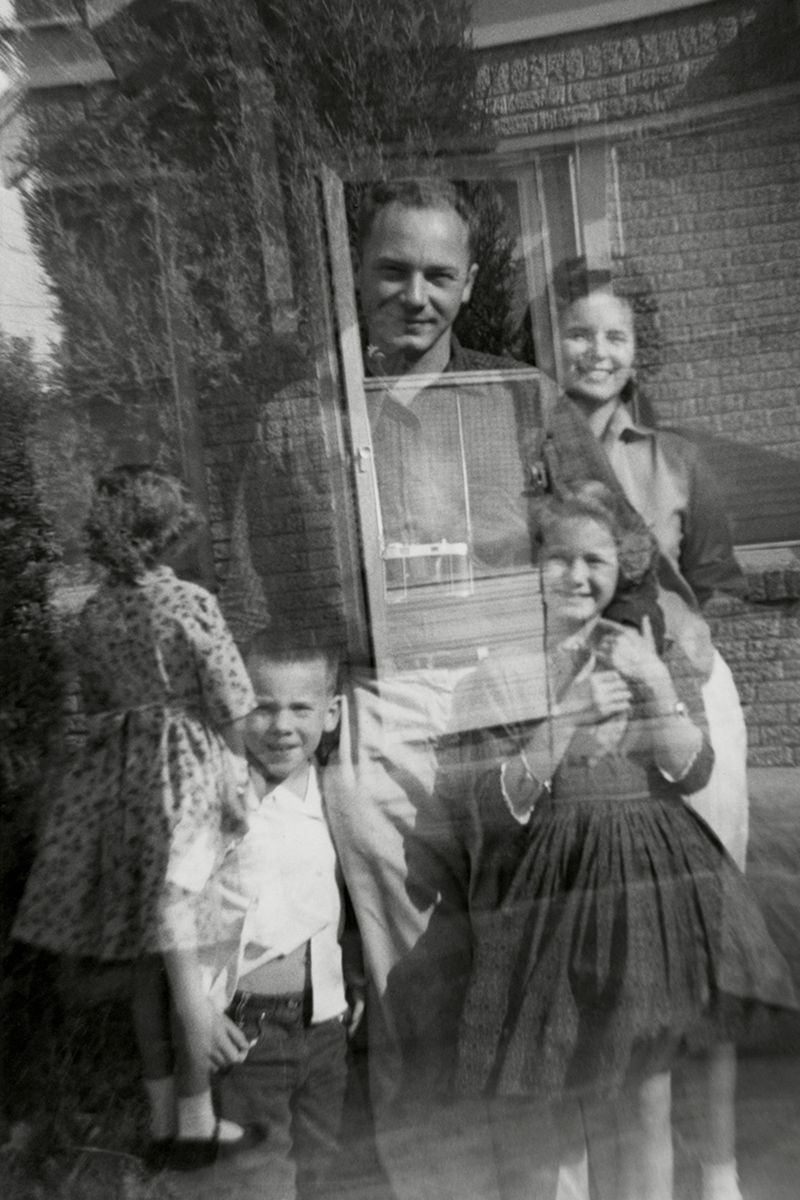
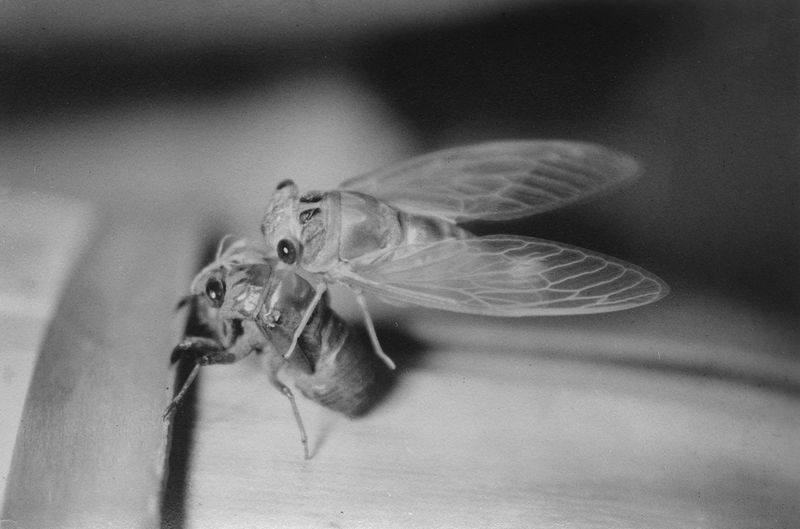
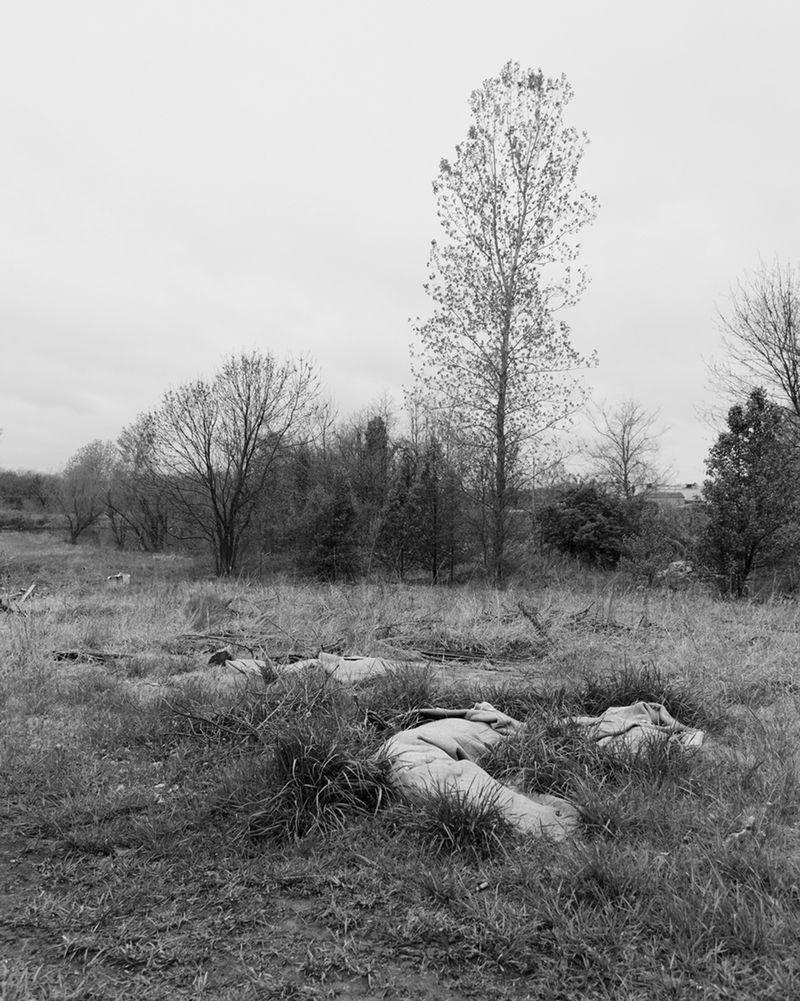
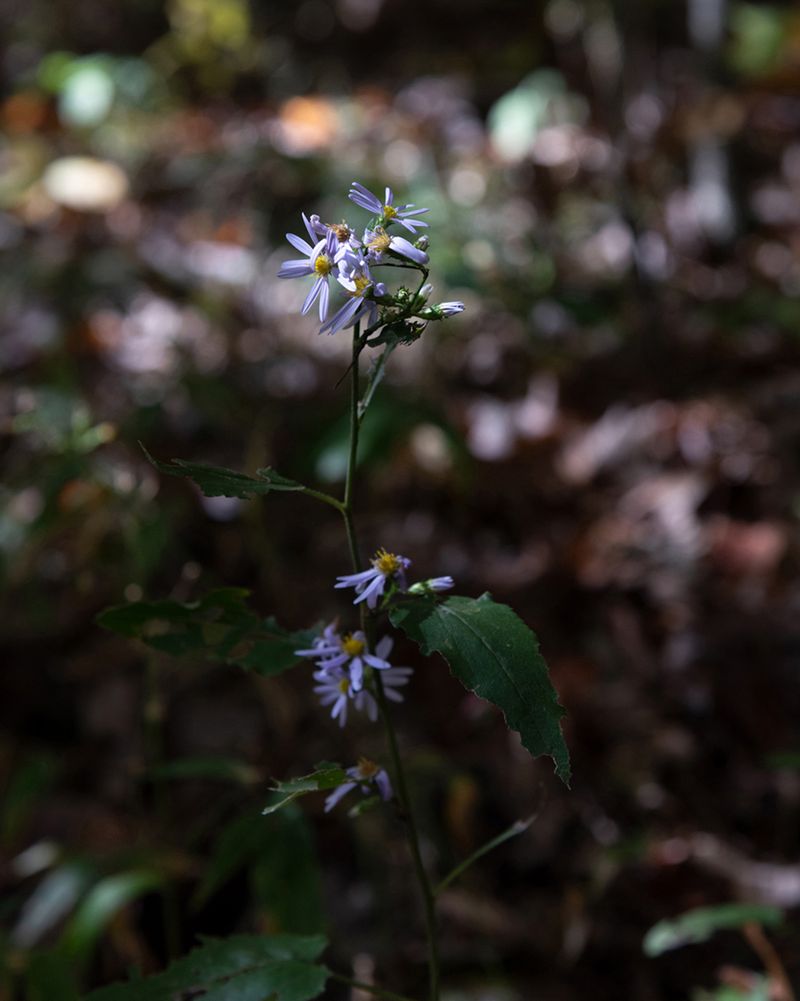
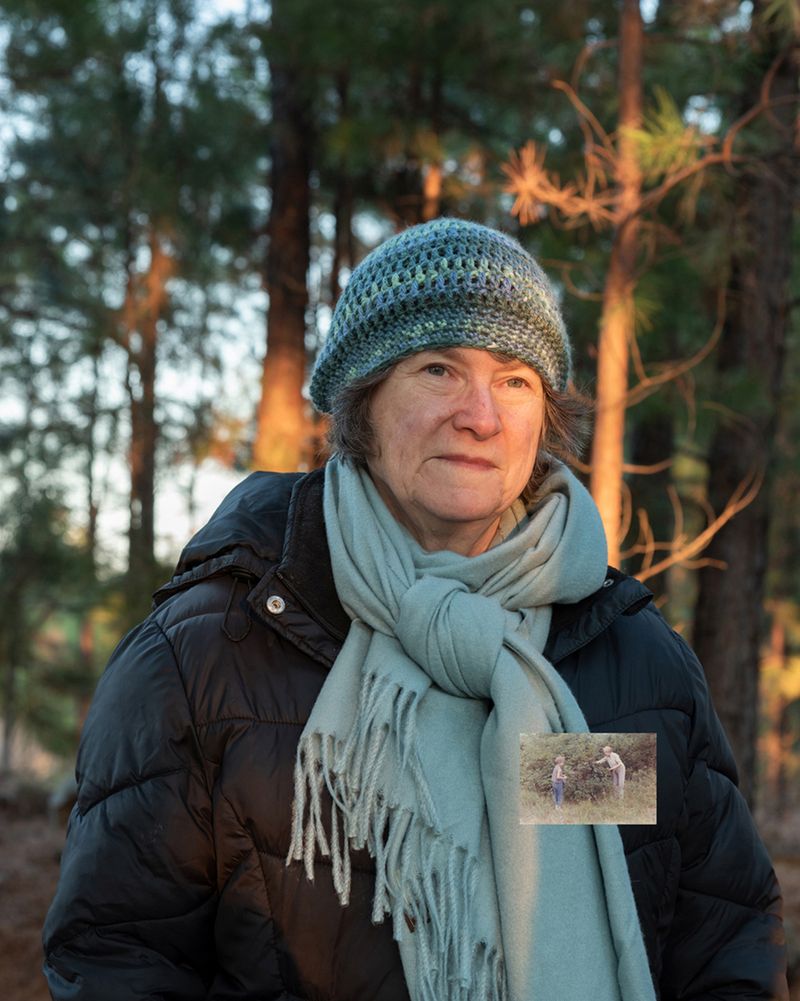
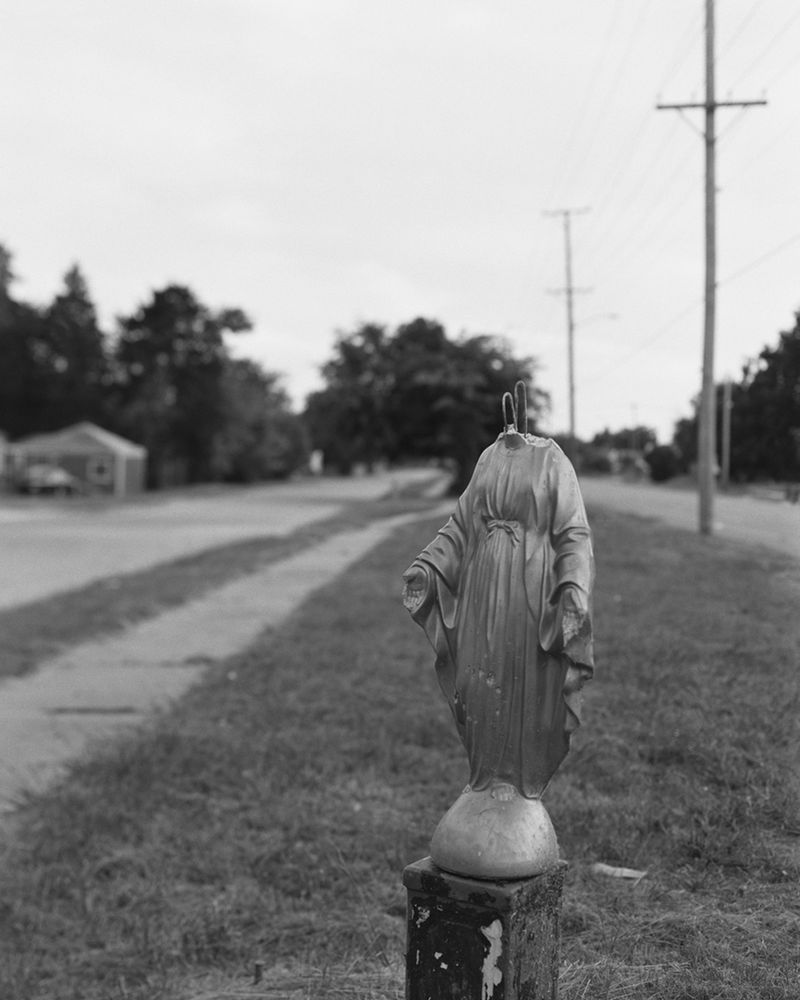
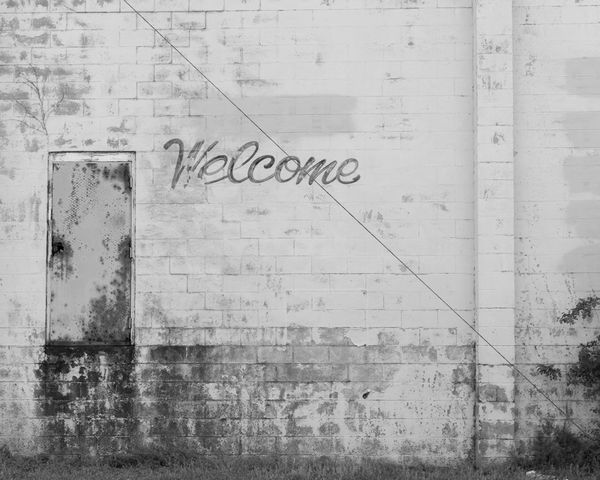
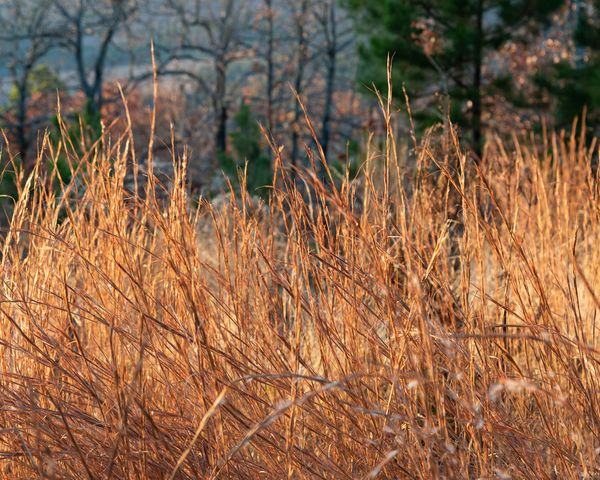
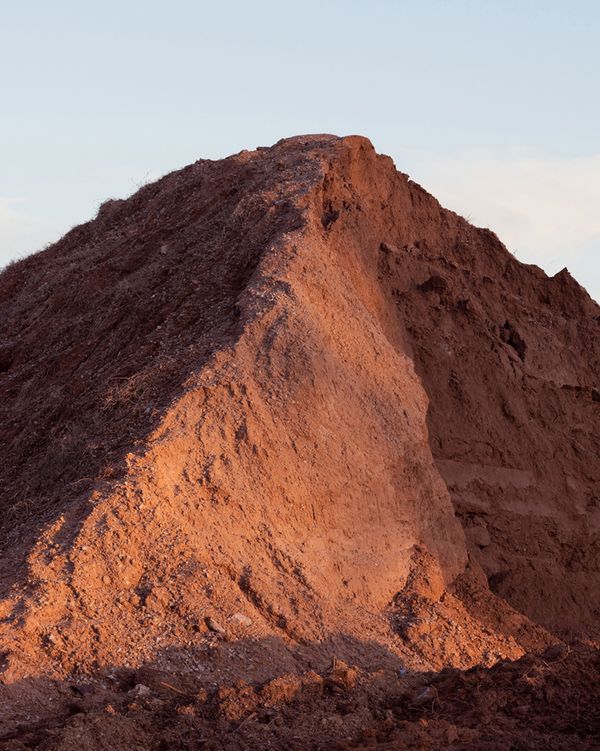
In my ongoing body of work, After Maxine, I tell stories about family and the landscape from a queer, female-bodied perspective. My creative methods relate to my family members, who include both scientists and artists. I use semiotics of both art and science, engaging with the taxonomic and the nostalgic, the systematic and the sentimental. A visual dialogue with wild, unkempt pieces of land versus human-altered spaces in the urban and suburban landscape intrigues me - do we claim the land, or does it claim us? This interplay of schism and fusion between natural and unnatural symbolically represents the relationship between other generations and my own; we are both bonded and disconnected.
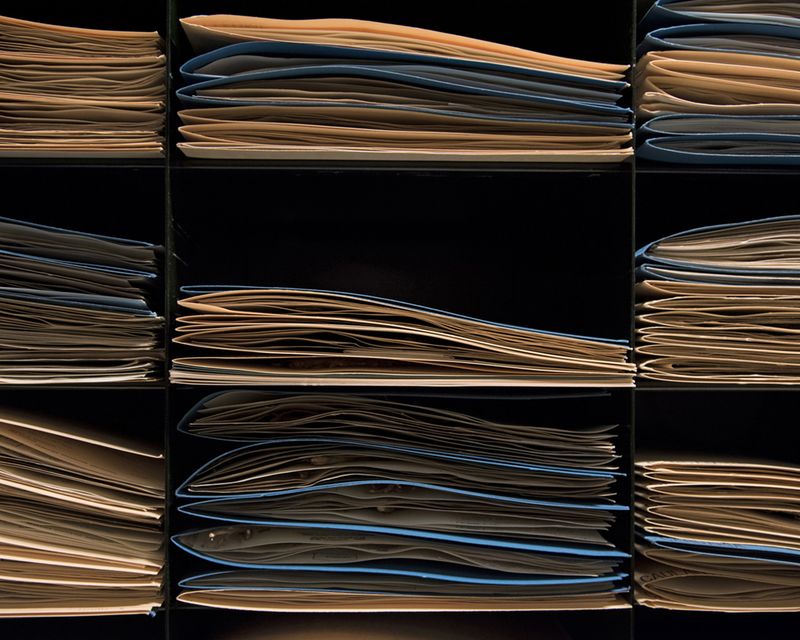
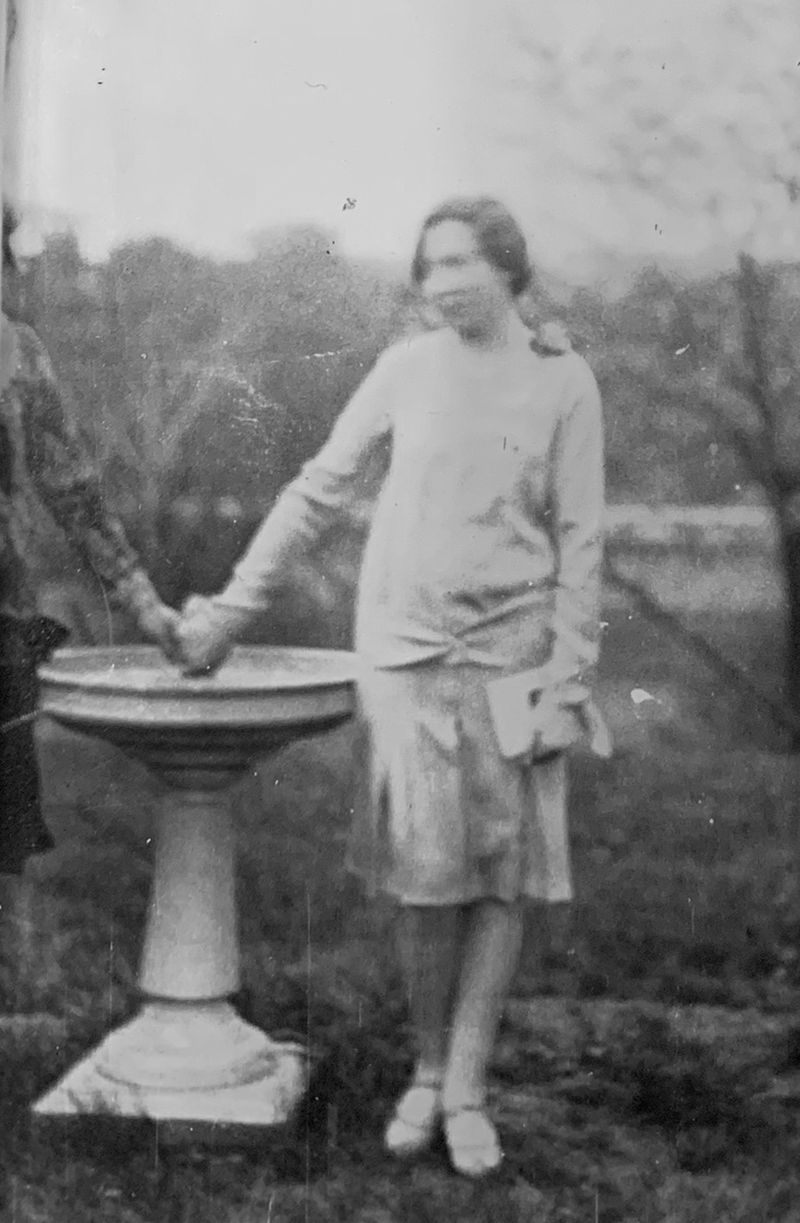
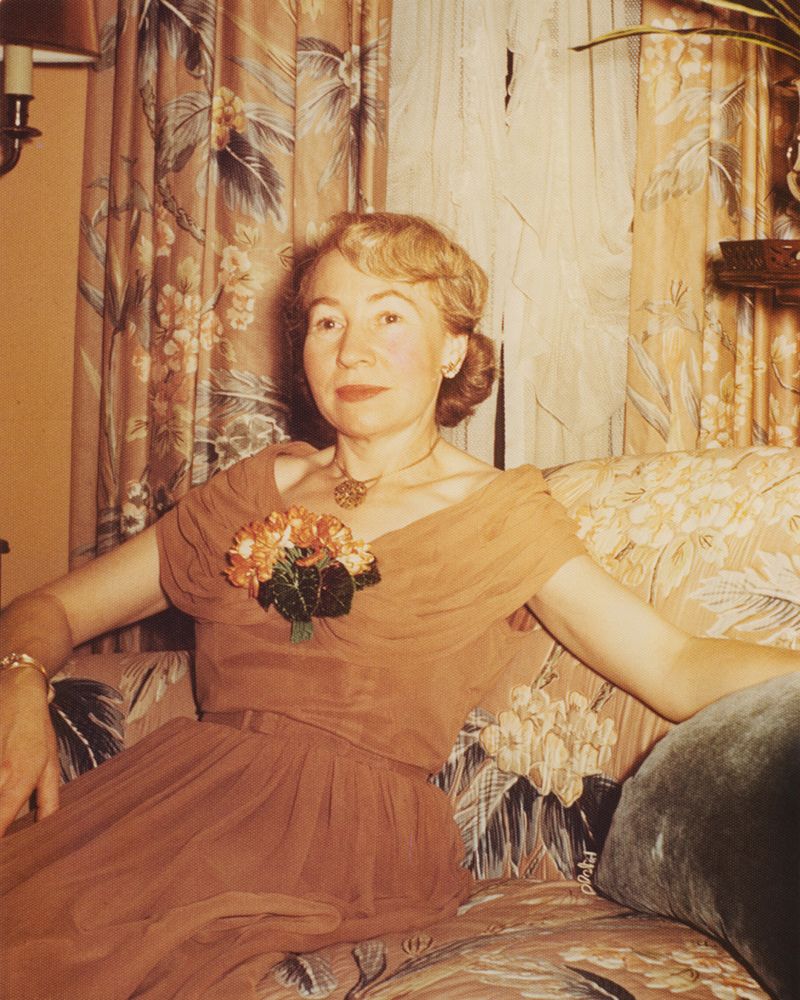
I employ the visual language of archiving and natural history to question degenerative relationships with the land, as well as how those relationships might connect to family and community trauma. I subvert the tradition of institutional collecting by creating a visual archive - an intimate narrative about familial connections to the land; in particular, those links that arise from matrilineal inheritance. This fabricated archive also reveals hidden queer histories, both real and imagined, as a means of examining my own identity. The work explores the constructs of landscape through the medium of photography, destabilizing the traditionally masculine framework of landscape photographic images. I invoke comparisons between people and nature, life and decay, creation and destruction. I represent both shared and individual dreams and memories. I use the natural world, the domestic home space, and industrial landscapes as stages for incantation to call forth these ideations. Through my work, I explore my relationship to a particular environment both logically and emotionally, as my family has felt linked through art and science over many decades.