After Image
-
Dates2024 - Ongoing
-
Author
- Location Iraq
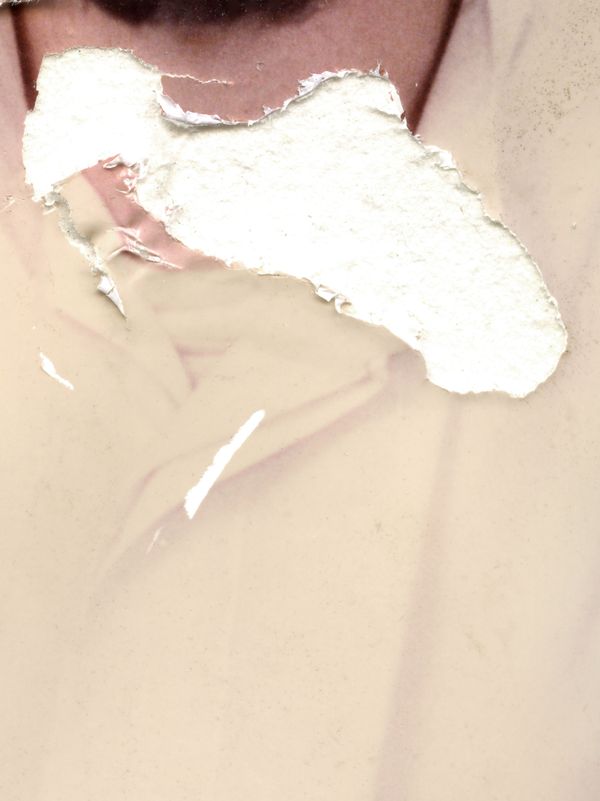
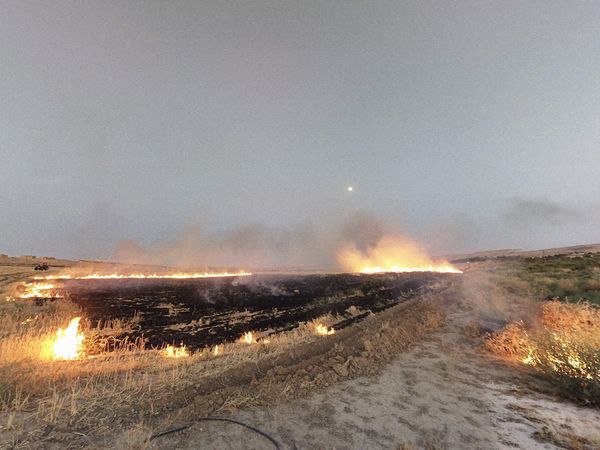
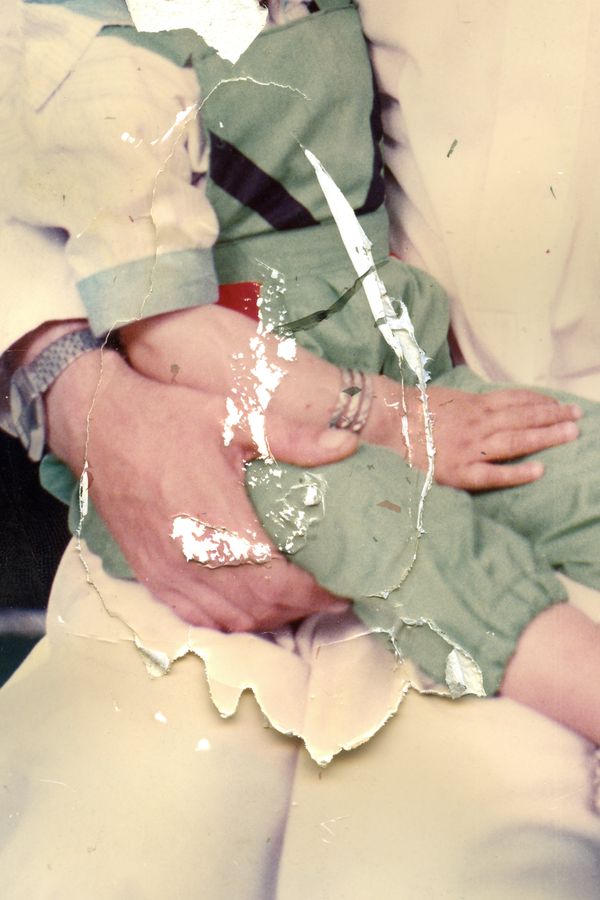
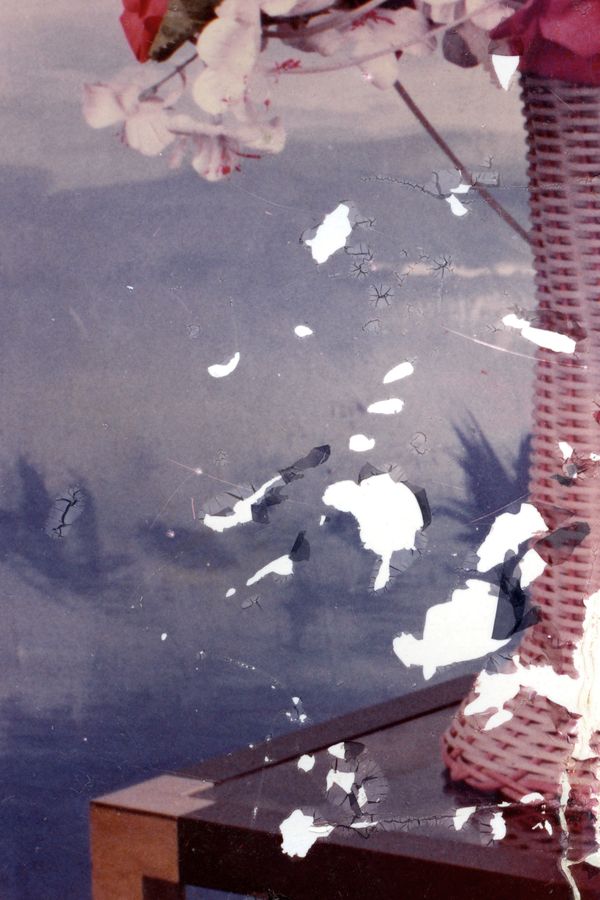
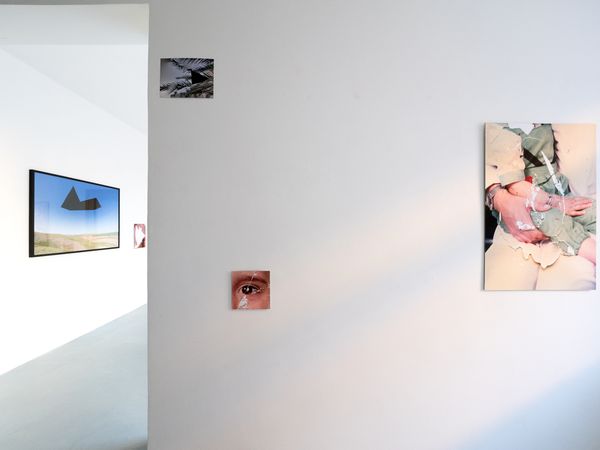
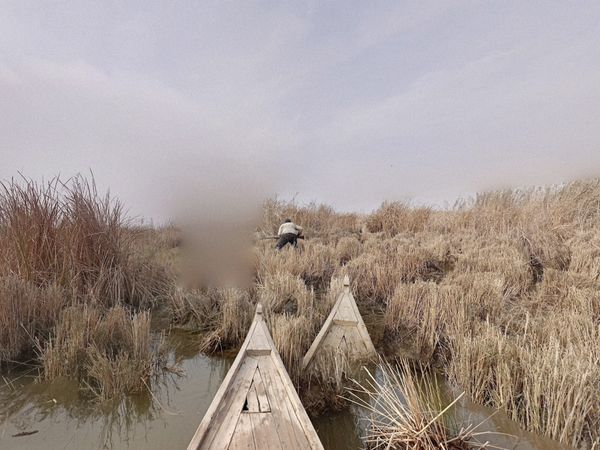
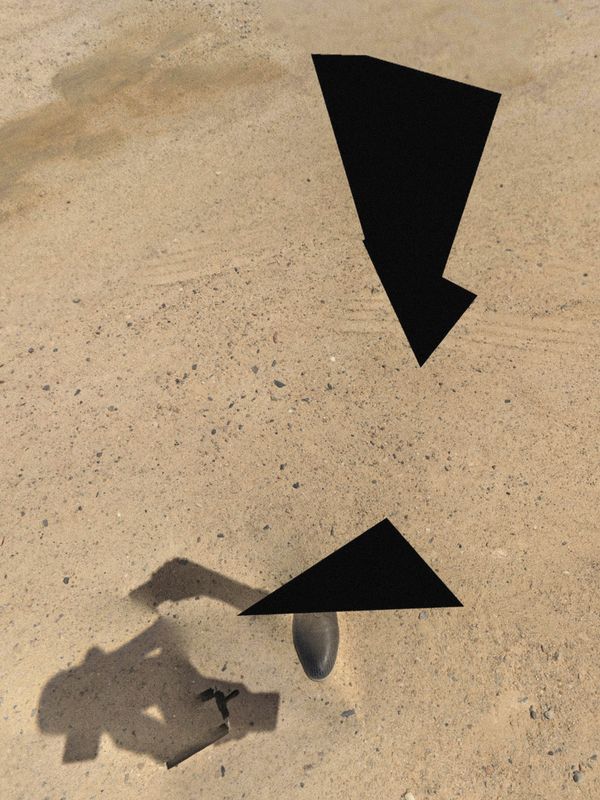
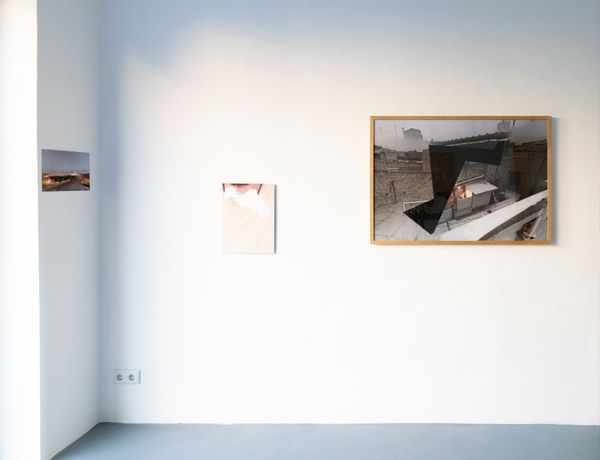
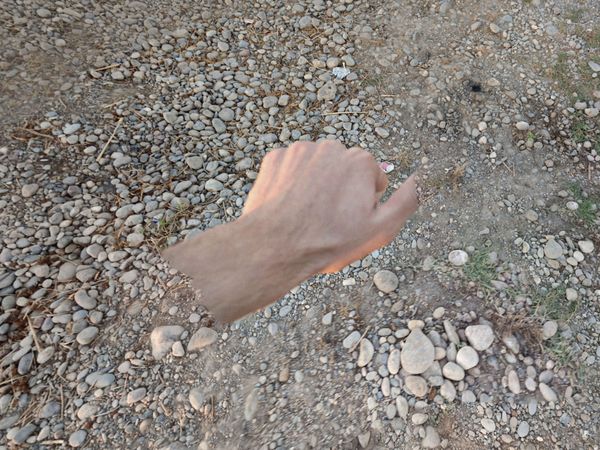
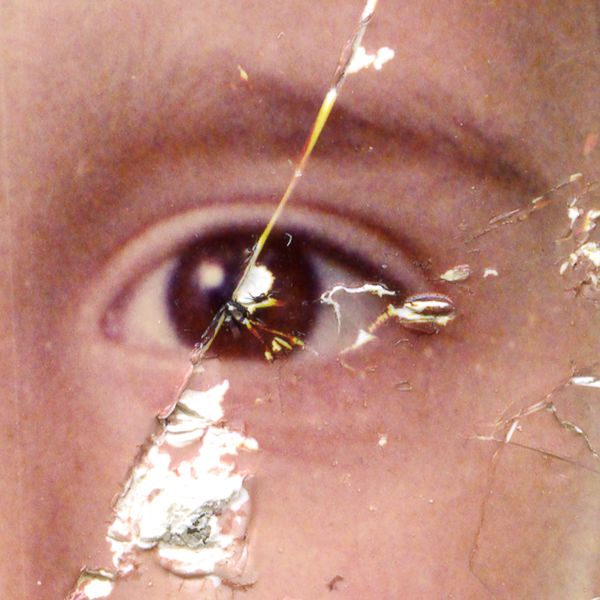
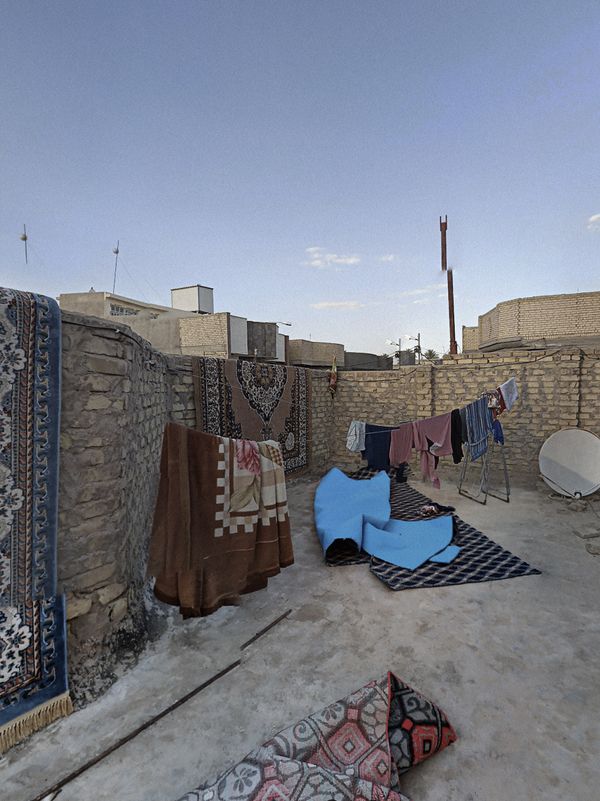
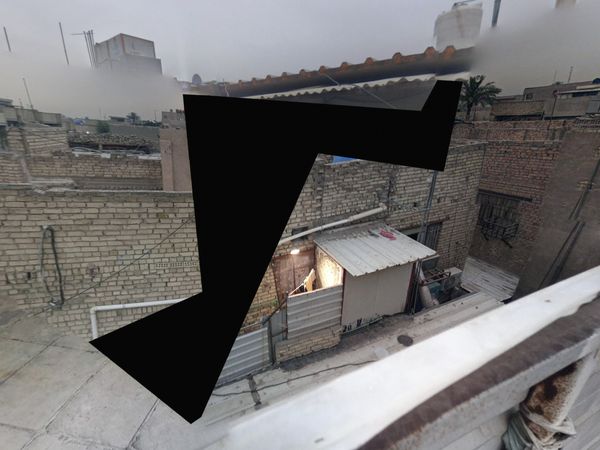
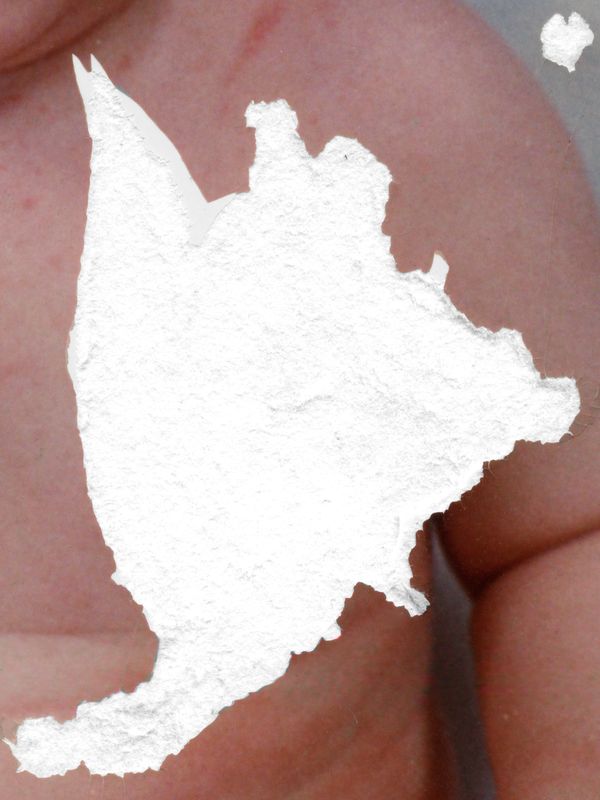
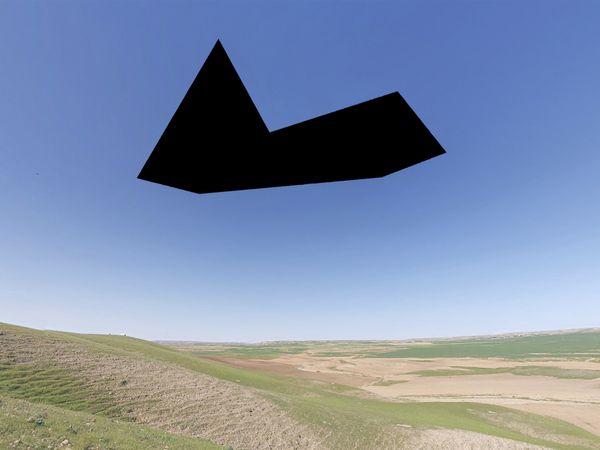
After Image unites my damaged family photos from Iraq with fragmented digital landscapes to explore how images record, lose, and twist memory. Physical cracks and digital gaps mirror erasure, showing how places and their archives collapse.
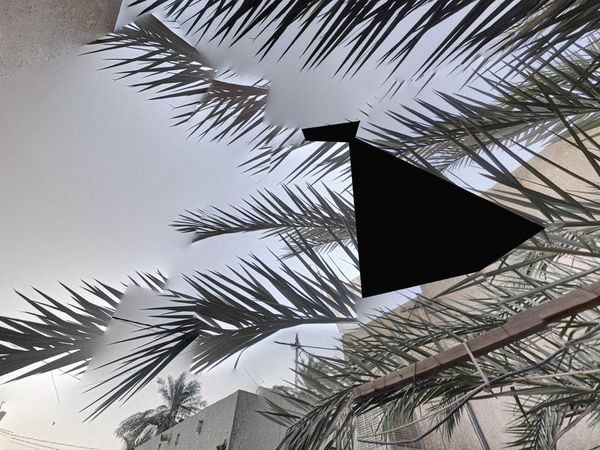
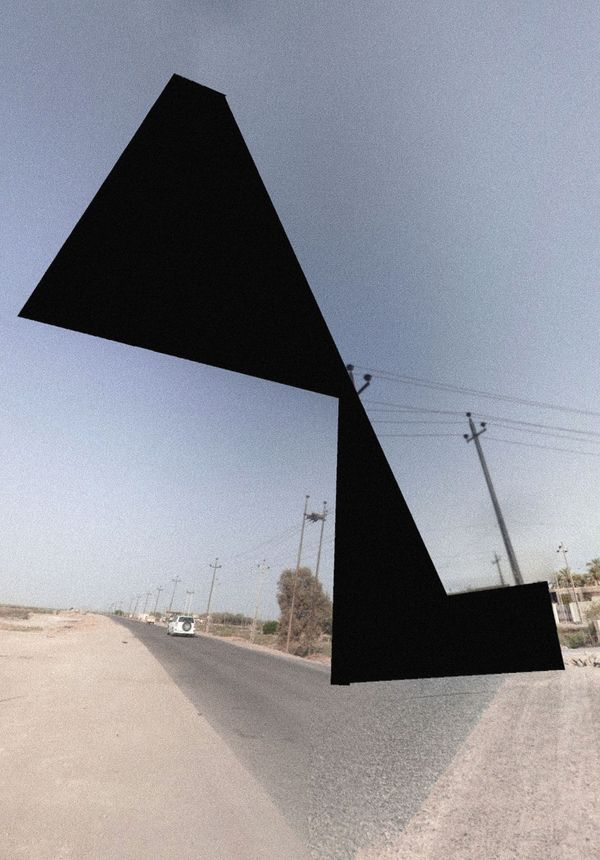
After Image continues my long term project Pixels of Memories. It began with a long process of searching through Google Street View imagery of Iraq. The 360 degree views there are not produced by the platform itself but uploaded by private individuals. As I browsed through hundreds of these photos of places I have known since childhood, I became increasingly drawn not to what was clearly visible but to what was missing. Pixelated zones, broken panoramas, abrupt gaps, black areas and moments where the image failed to fully load.
These digital errors formed an unexpected archive, one shaped not only by geography and conflict but by the instability of the images themselves. They revealed how history becomes fragmented inside visual systems, how places survive as partial data and how memory is increasingly mediated by imperfect, automated technologies.
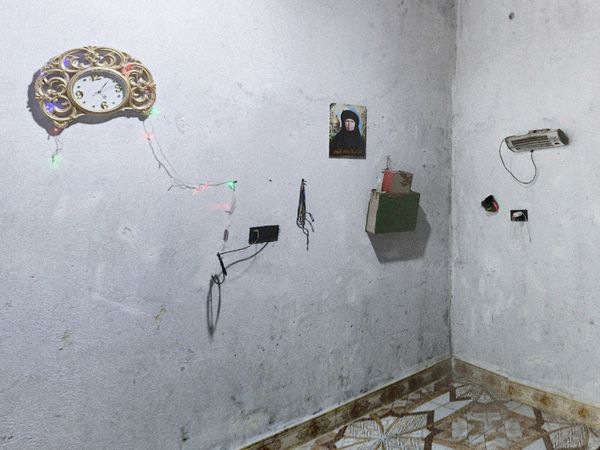
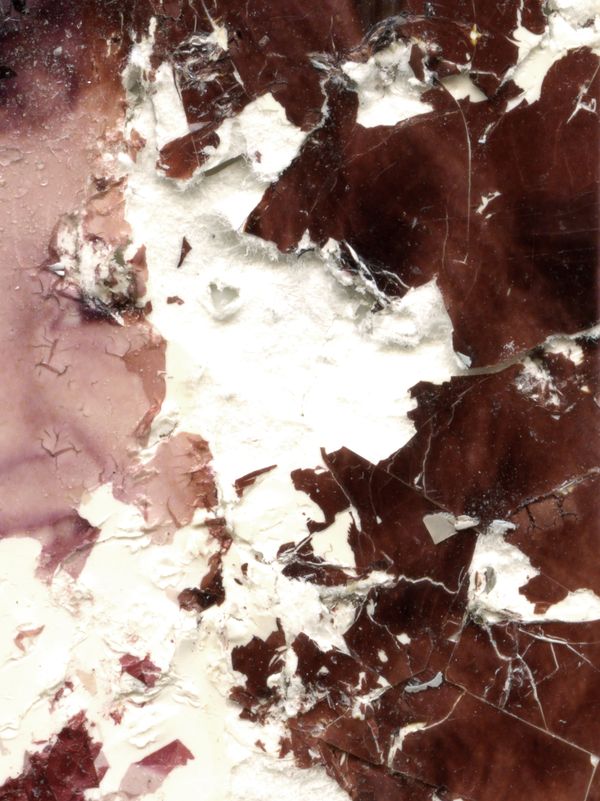
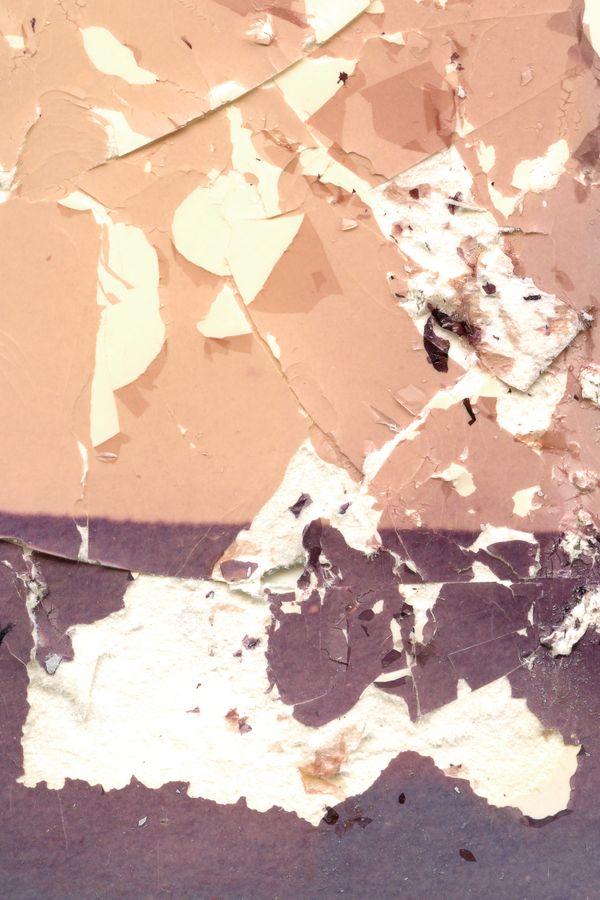
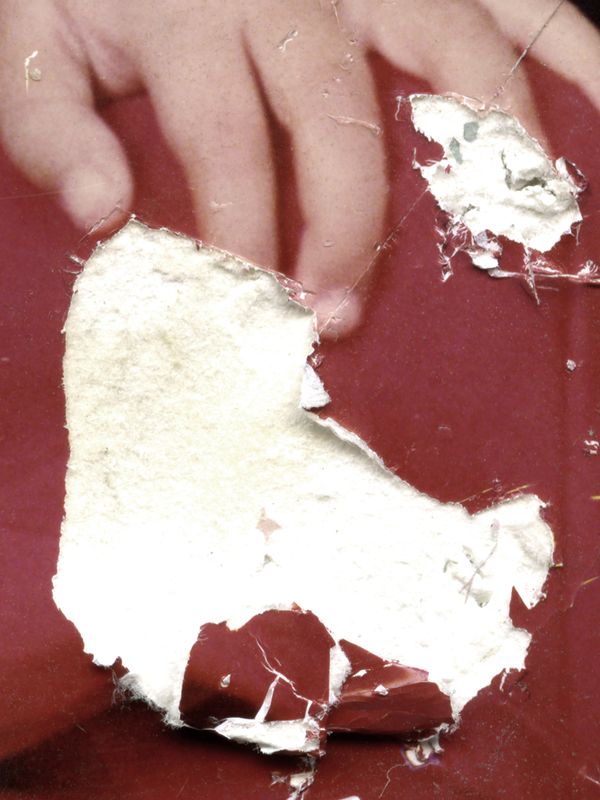
After Image grows out of this visual language of interruption and loss, extending it from the digital archive into my own family archive. During the war in 2003 in Iraq, several framed photographs in my family’s home fell from the wall. When the glass shattered, it tore away layers of the images beneath. What remains are damaged surfaces, faces, bodies and spaces partially erased, bearing the physical trace of violence and time. Years later, these broken photographs were returned to me, preserved in a small box. They no longer function as intact documents of the past. Instead, they exist as fragments, carrying both what was once visible and what is now missing. Their scars mark the places where memory fails to fully recover itself.
Alongside these photographs, I work with contemporary digital images that emerge from automated systems and unstable visual processes. Together with the damaged family photographs, they form a field of images in which visibility is never complete and where what is missing becomes as present as what remains. Faces, places and surfaces appear only partially, interrupted by breaks, noise and voids. Rather than functioning as documents, these images behave like afterimages, impressions that linger after something has already disappeared.
Their fractures and interruptions do not simply point to loss but to the way images continue to exist in altered states, carrying traces of events they can no longer fully show. What emerges is not a clear record of the past but a layered visual residue, an unstable space where memory, technology and history overlap without ever fully aligning.