Across the Wound

  • Dates
    2015 - Ongoing
  • Author
  • Locations Western Sahara, United States, France, India, Spain, Colombia, Bolivia, Japan, Palestine

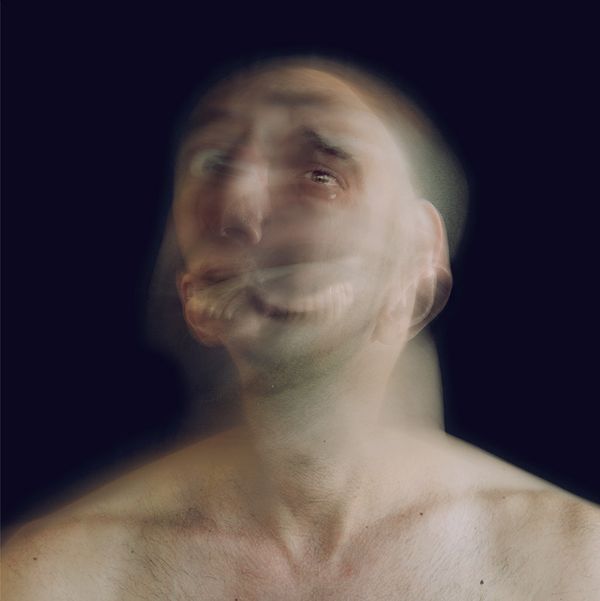
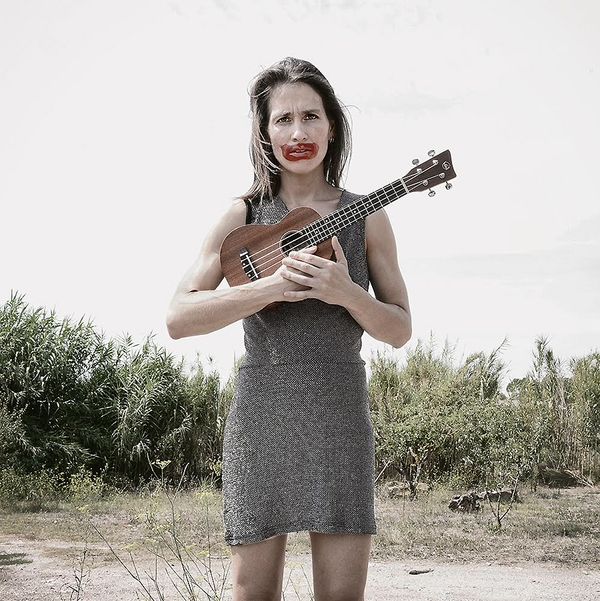
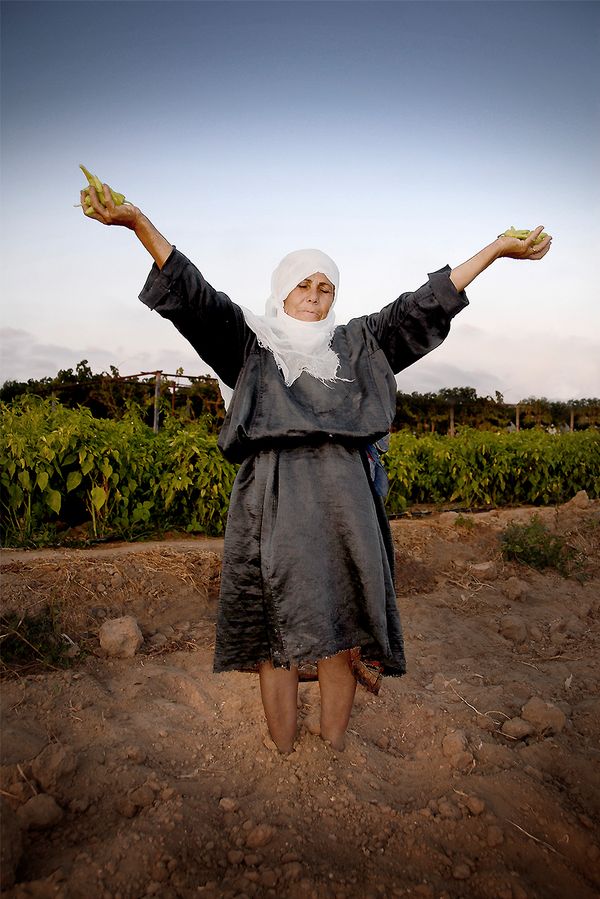
A fragmented mirror of human landscapes shaped by rupture and memory. Across bodies and territories, the work approaches the wound as a threshold. Where separation is enforced, relation insists, connection and love becoming political resistance.

“Across the Wound” brings together a fragmented field of human landscapes marked by rupture, remembrance and persistence. These images do not map a territory; they move through it — crossing bodies, histories and geographies marked by conflict, displacement and ritual practices, where something has been broken, displaced or taken.

What appears at first as distance begins to resonate differently. Not through similarity, but through exposure. Each image holds a threshold: a place where the visible cracks open, and something else insists on being felt, on being kept alive.

The work unfolds as a passage: from fracture, through exposure, into descent, and across moments of ritual and transformation — towards a form of light that does not close. Spaces recur where presence seems withdrawn — streets, borders, surfaces emptied of action. Yet these are not voids. They are extensions of wounded lives that refuse disappearance, charged with what has been endured, resisted, carried.

It does not seek coherence or resolution. It moves through rupture, descent and encounter, where the body becomes a site of tension, and ritual gestures open temporary grounds for reconfiguration. There is no outside to the wound, only different ways of inhabiting it.

Against enforced separation, relation does not dissolve. It insists. Not as harmony, but as a fragile yet irreducible, embodied force that takes shape in voice, transmission, gesture.

In the end, nothing is healed or closed. But something re-emerges — passed on, held, shared. A way of being with what remains, moving from structural violence towards embodied continuity, without resolving the wound, but holding it in relation. Connection and love do not erase the wound; they move through it, becoming resurgence — and yes, also a form of political resistance.
This project is a candidate for PhMuseum Days 2026 Photography Festival Open Call

Learn more Present your project
© Daniel - Image from the Across the Wound photography project
i

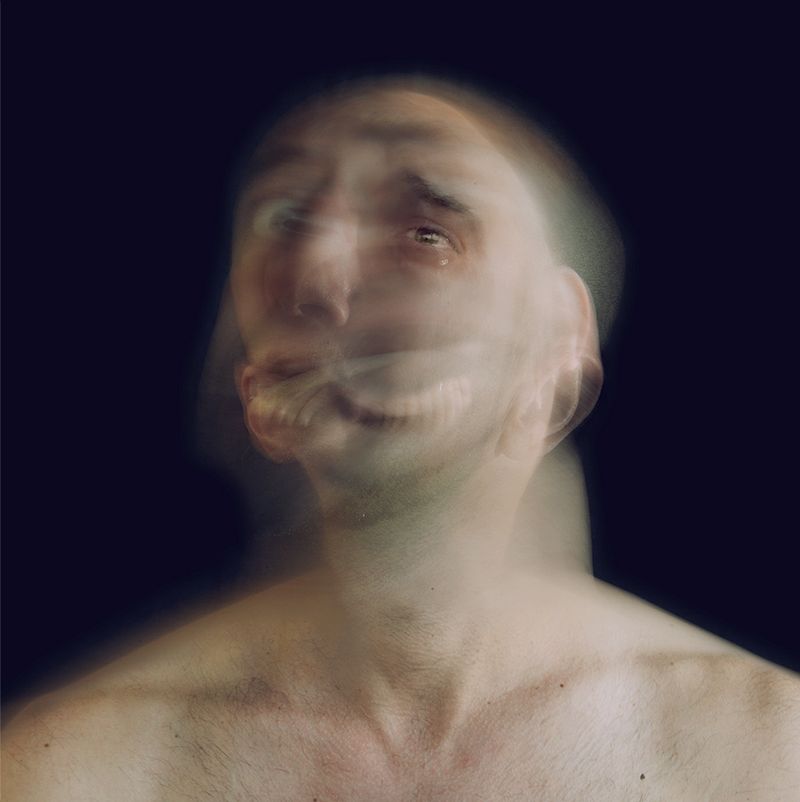
Jacques de Molay — Paris, France. A body broken by power. Here, the wound is not personal — it is systemic. Violence becomes structure, history becomes flesh. Fracture.

© Daniel - Image from the Across the Wound photography project
i

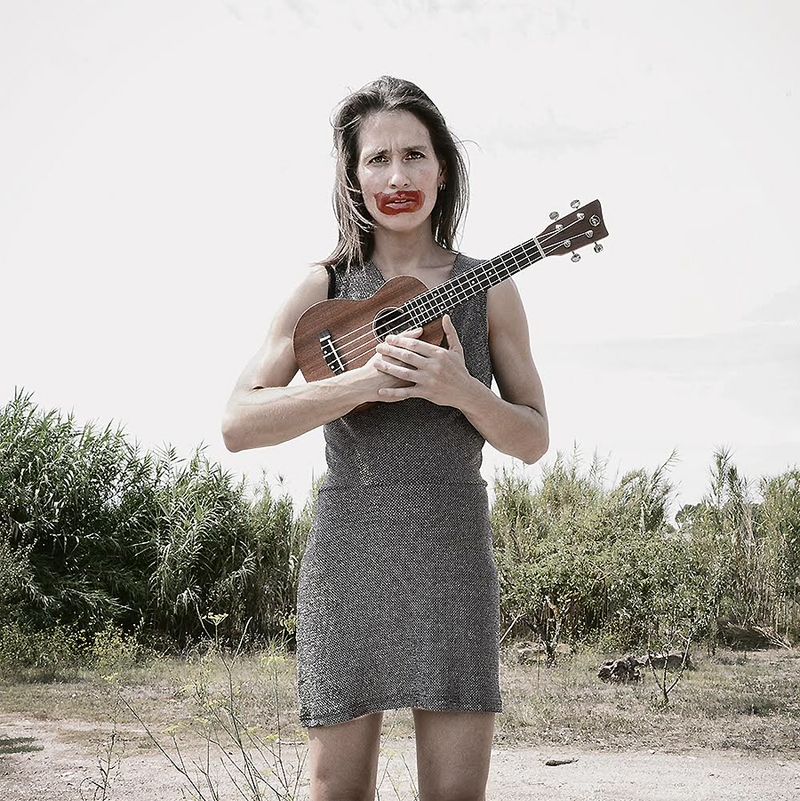
Ruti the clown — Barcelona, Catalonia. A displaced body performs the echo of rupture. What was once imposed now lingers — reappearing in fragile, contemporary forms. Reverberation.

© Daniel - Image from the Across the Wound photography project
i

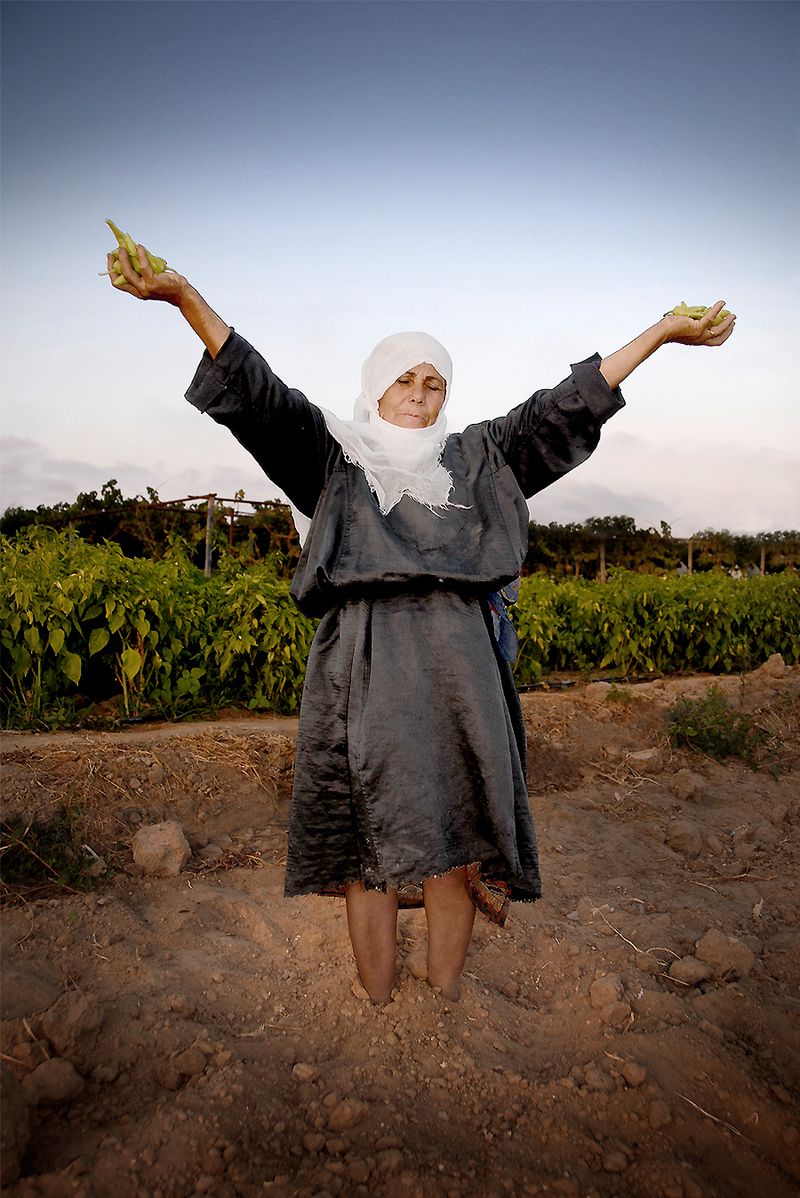
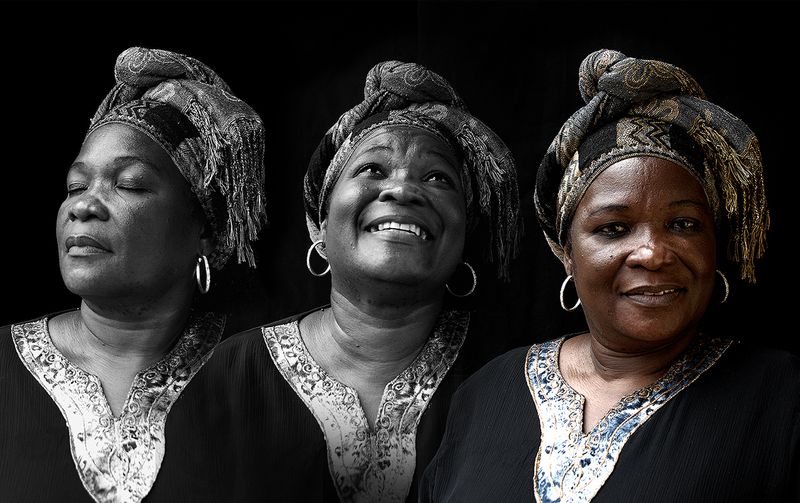
The Tree of Life — Gaza City, Gaza Strip. She stands, she looks back. Dignity persists where everything else has been taken. Not an image of suffering — but of a presence that refuses erasure. Resistance.

© Daniel - Image from the Across the Wound photography project
i

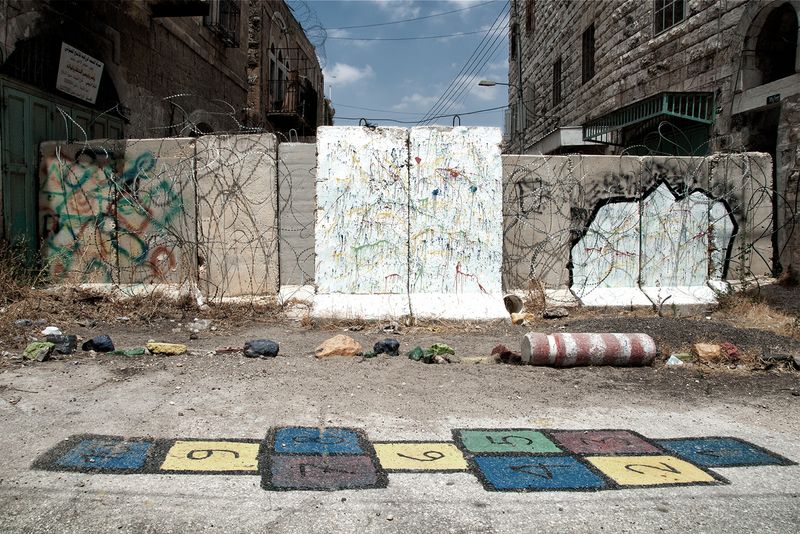
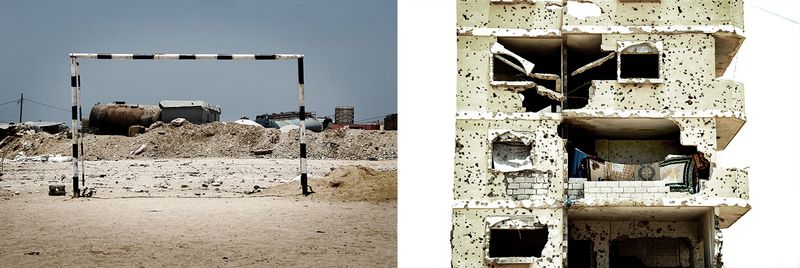
The Absents — Hebron, Palestine. An emptied space, saturated with what remains. Absence does not negate presence — it holds it differently. Absence.

© Daniel - Image from the Across the Wound photography project
i

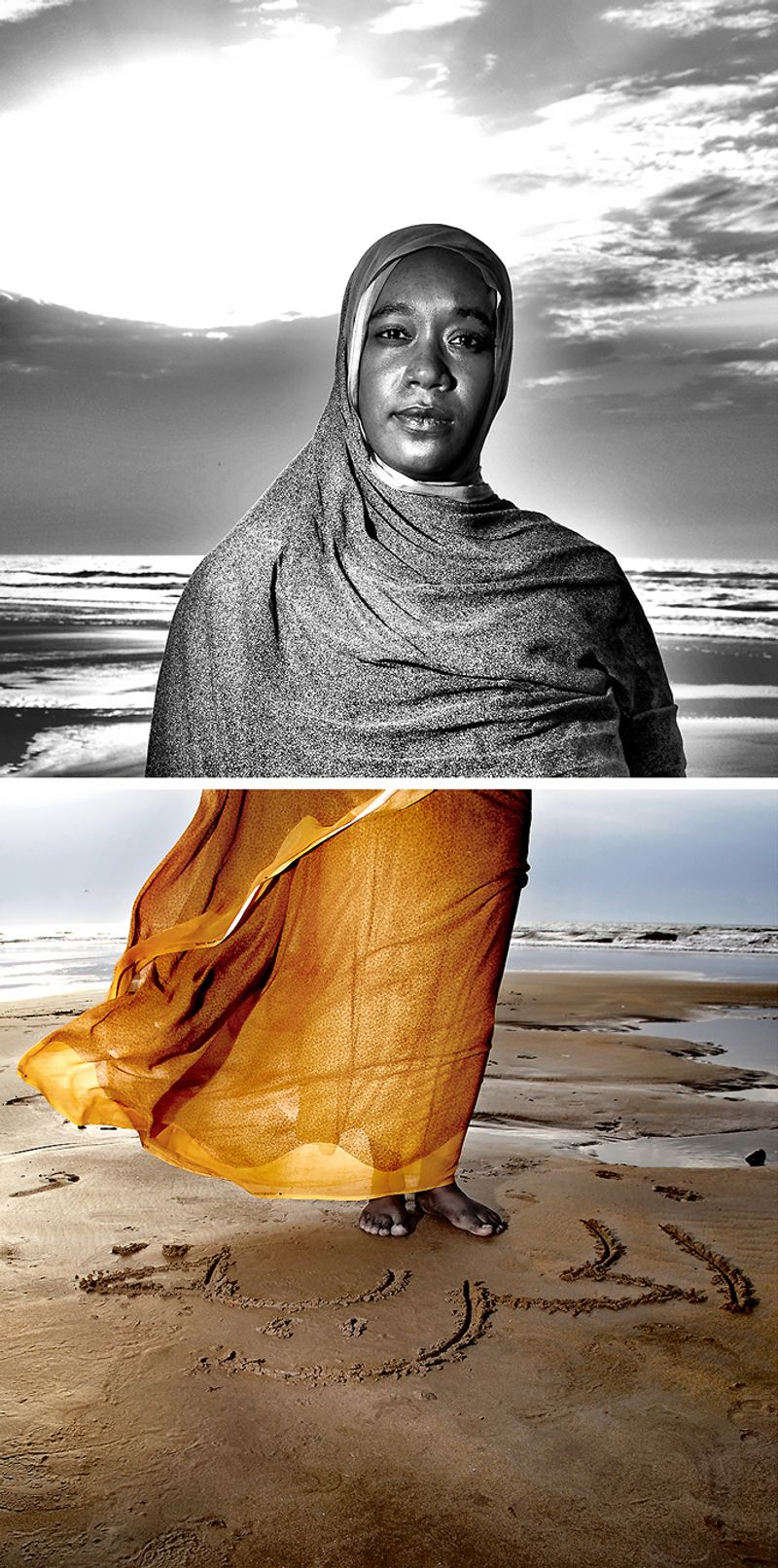
Mariam Borhimi — El Aaiun, Occupied Western Sahara. Body and territory meet at the edge of what cannot be contained. Freedom appears in the sand as tension — never as given. Edge.

© Daniel - Image from the Across the Wound photography project
i

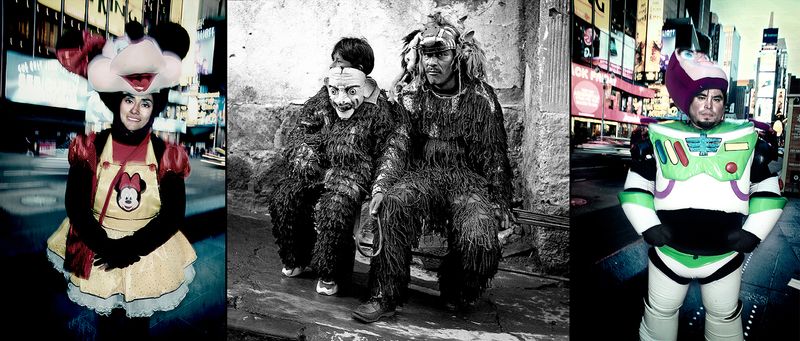
Latin Americas — triptych (Times Square, New York, USA / Oruro, Bolivia / Times Square, New York, USA). Fragments that do not reconcile. Ritual, market, spectacle — entangled.The wound circulates across geographies, reproducing itself as a constelation. Circulation.

© Daniel - Image from the Across the Wound photography project
i

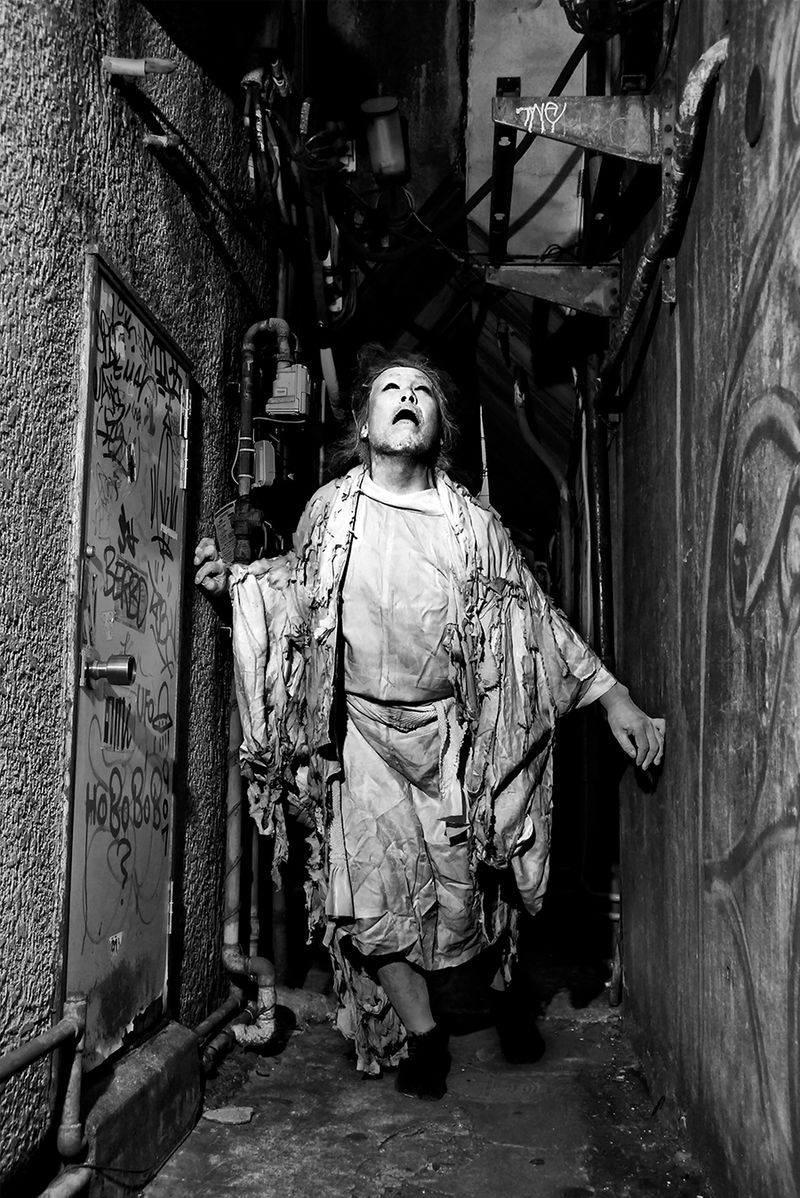
Butoh dancer — Shinjuku, Tokyo, Japan. Language collapses. The body enters as territory of the unknown.Darkness is not absence — it is where transformation begins to take form. Descent.

© Daniel - Image from the Across the Wound photography project
i

The Absents — Rafah Crossing, Gaza Strip. A border suspended in time. Neither here nor there — only waiting. The wound becomes duration. Suspension.

© Daniel - Image from the Across the Wound photography project
i

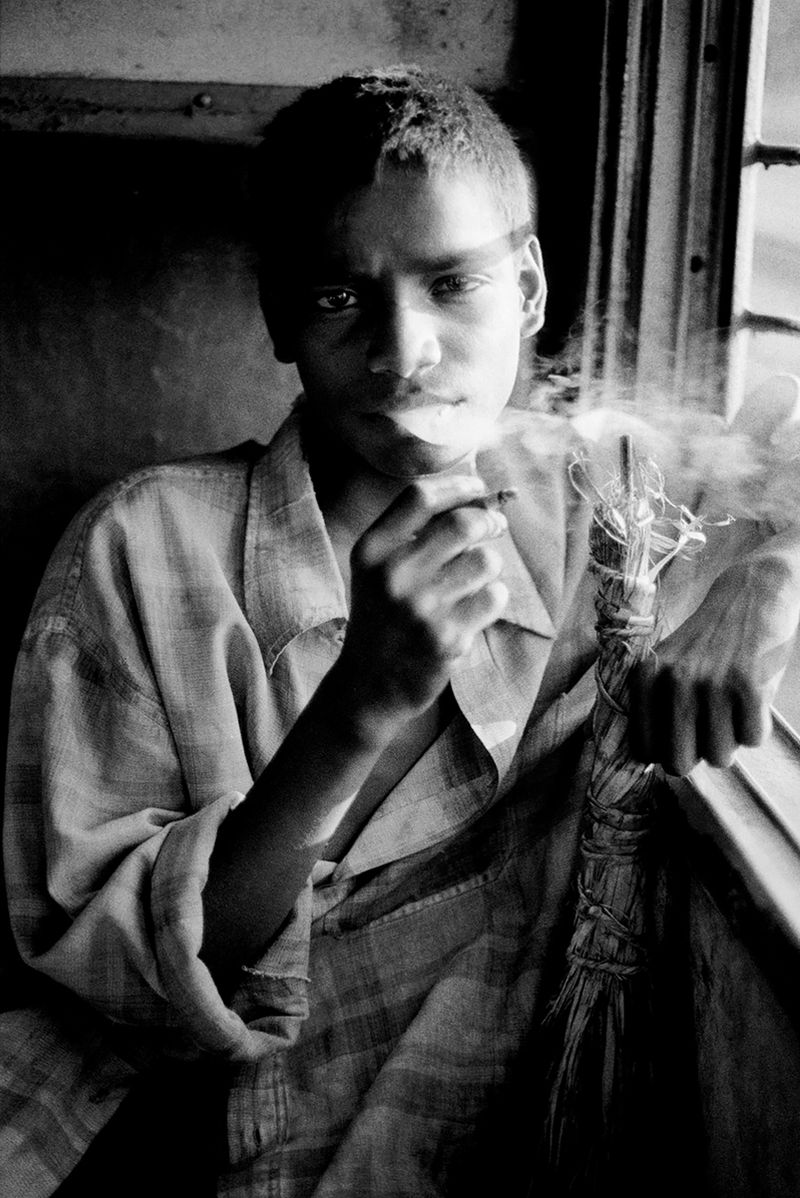
Leaving Agra — Agra, India. The imaginary dissolves. What remains is not clarity, but exposure. Disillusion opens another form of seeing. Unveiling.

© Daniel - Image from the Across the Wound photography project
i

Hibakusha — Hiroshima, Japan. The body carries what history cannot contain. Trauma does not pass — it inhabits. Memory becomes a living archive. Inscription.

© Daniel - Image from the Across the Wound photography project
i

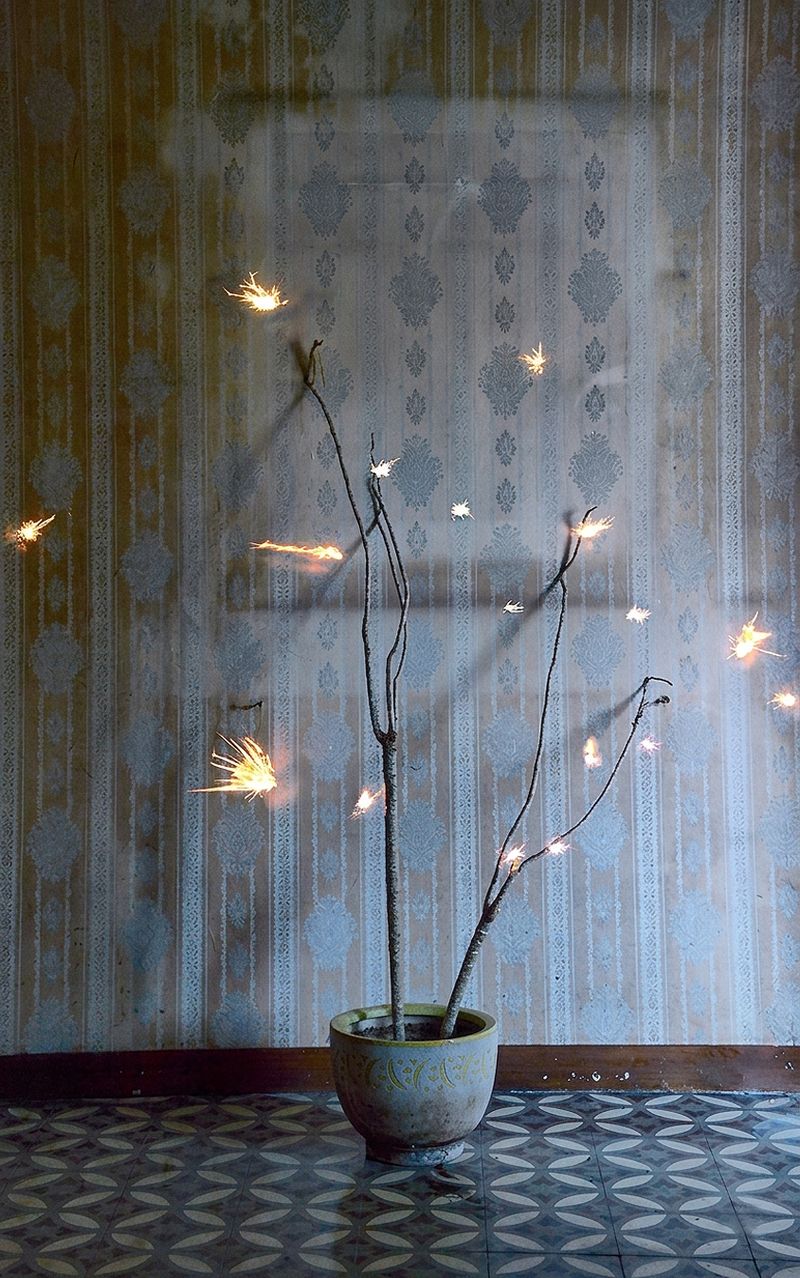
Gosht tree - Olot, Catalonia. A fragile ignition. Between destruction and ritual, something begins to shift. Fire not as end — but as threshold. Ignition.

© Daniel - Image from the Across the Wound photography project
i

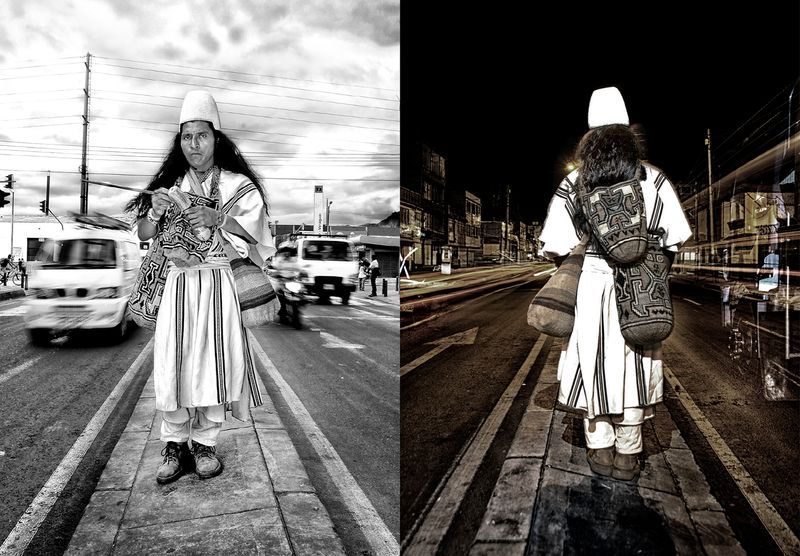
Mamo Lorenzo — Bogotá, Colombia. A gesture that reorders relations. Healing is not repair — it is rebalancing the visible and the unseen. Alignment.

© Daniel - Image from the Across the Wound photography project
i

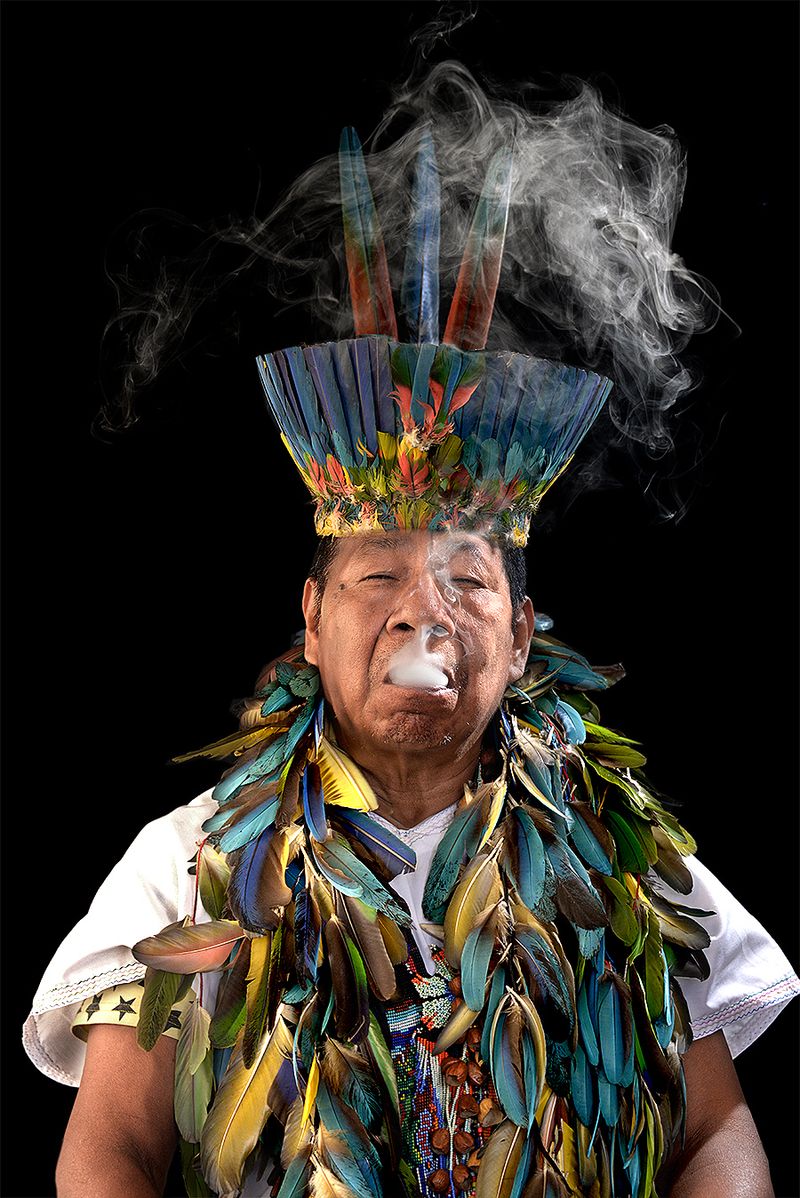
Taíta Eustorgio Payagüaje — Amazonian Putumayo, Colombia. Knowledge held in the body, not in discourse. To cross the wound is to listen differently. Listening.

© Daniel - Image from the Across the Wound photography project
i

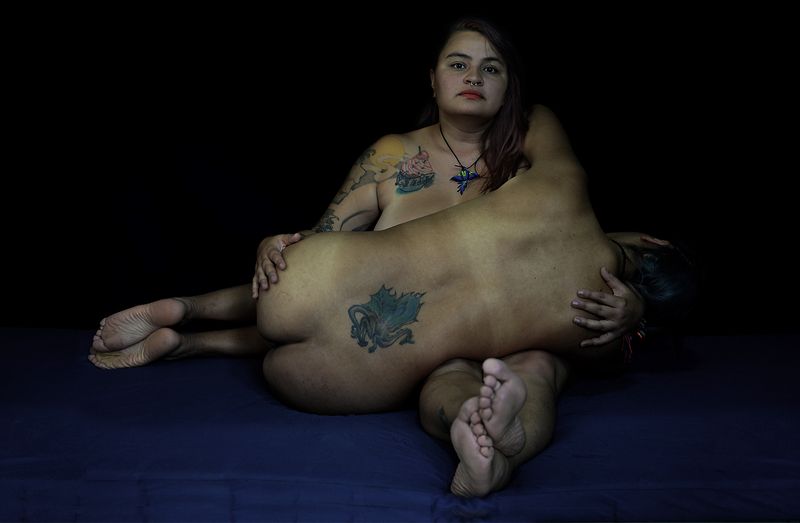
Hummingbird & Dragon, after the Yagé - Bogotá, Colombia. Opposites coexist without resolving. Transformation is not unity — but tension sustained. Coexistence.

© Daniel - Image from the Across the Wound photography project
i

Pachita — Cali, Colombia. Joy emerges within struggle — not outside it. A way of singing the wound without being defined by it. Resonance.

© Daniel - Image from the Across the Wound photography project
i

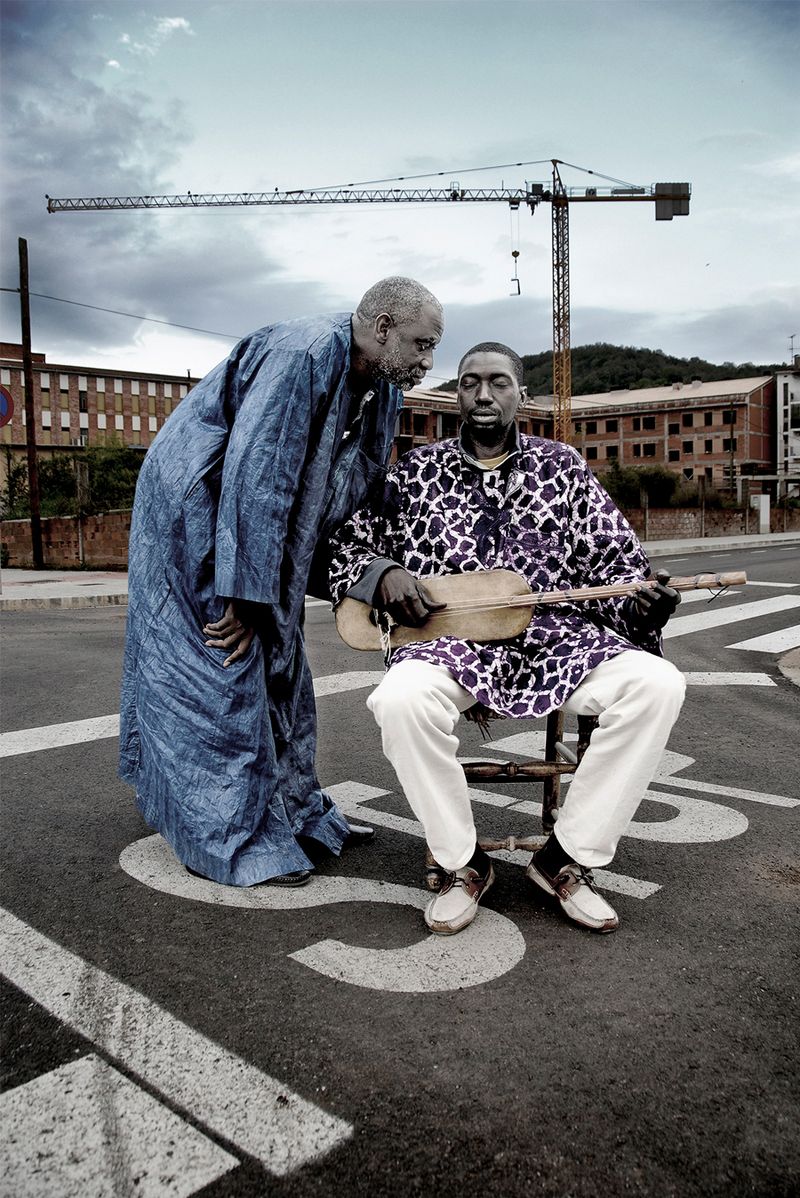
Griots — Kone family - Olot, Catalonia. Memory travels through voice. What has been broken is held together through transmission.Relation persists across distance. Continuity.

© Daniel - Image from the Across the Wound photography project
i

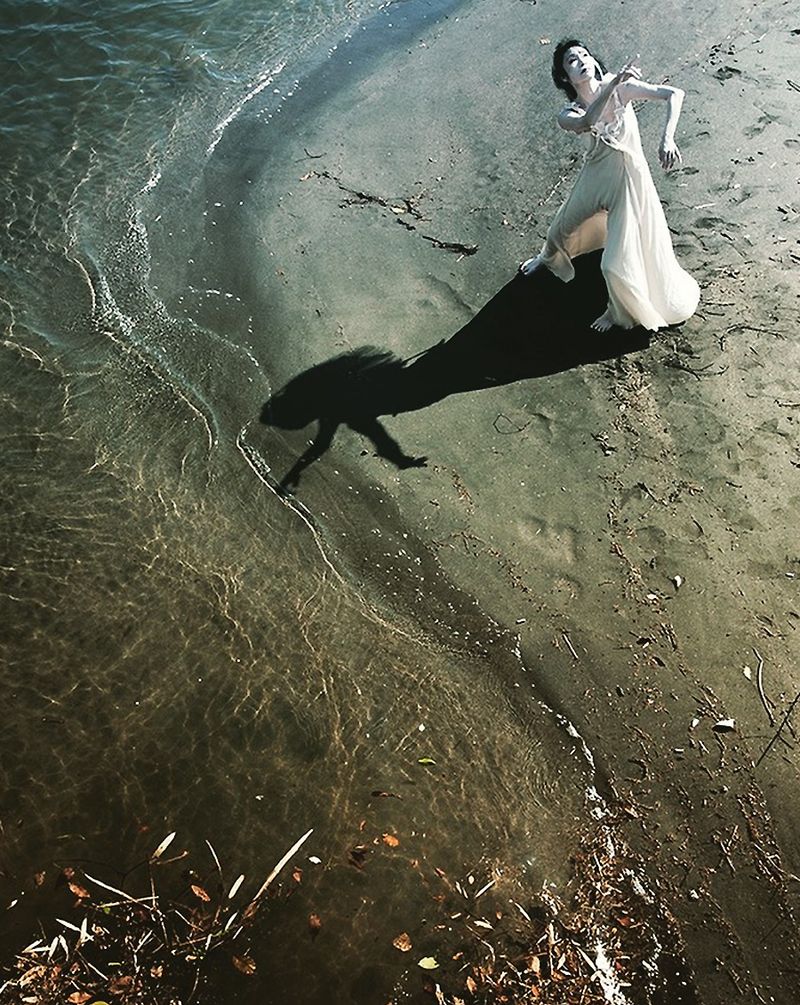
Yuri Nagaoka, dancer — Kamakura, Japan. The body remains open. No resolution — only a deeper capacity to inhabit.A threshold that does not close. Openness.

© Daniel - Image from the Across the Wound photography project
i

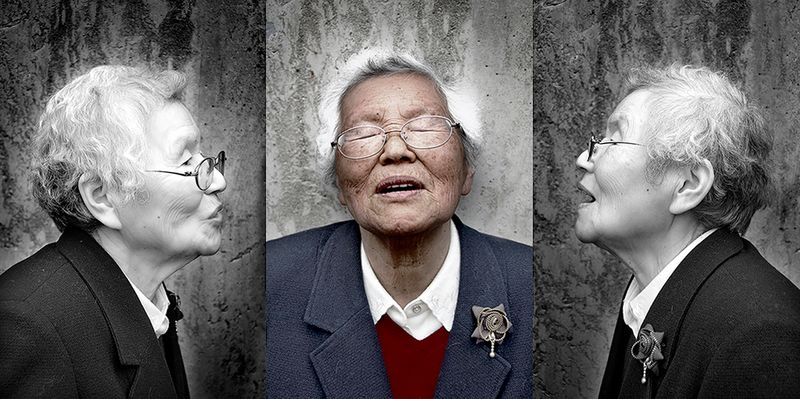
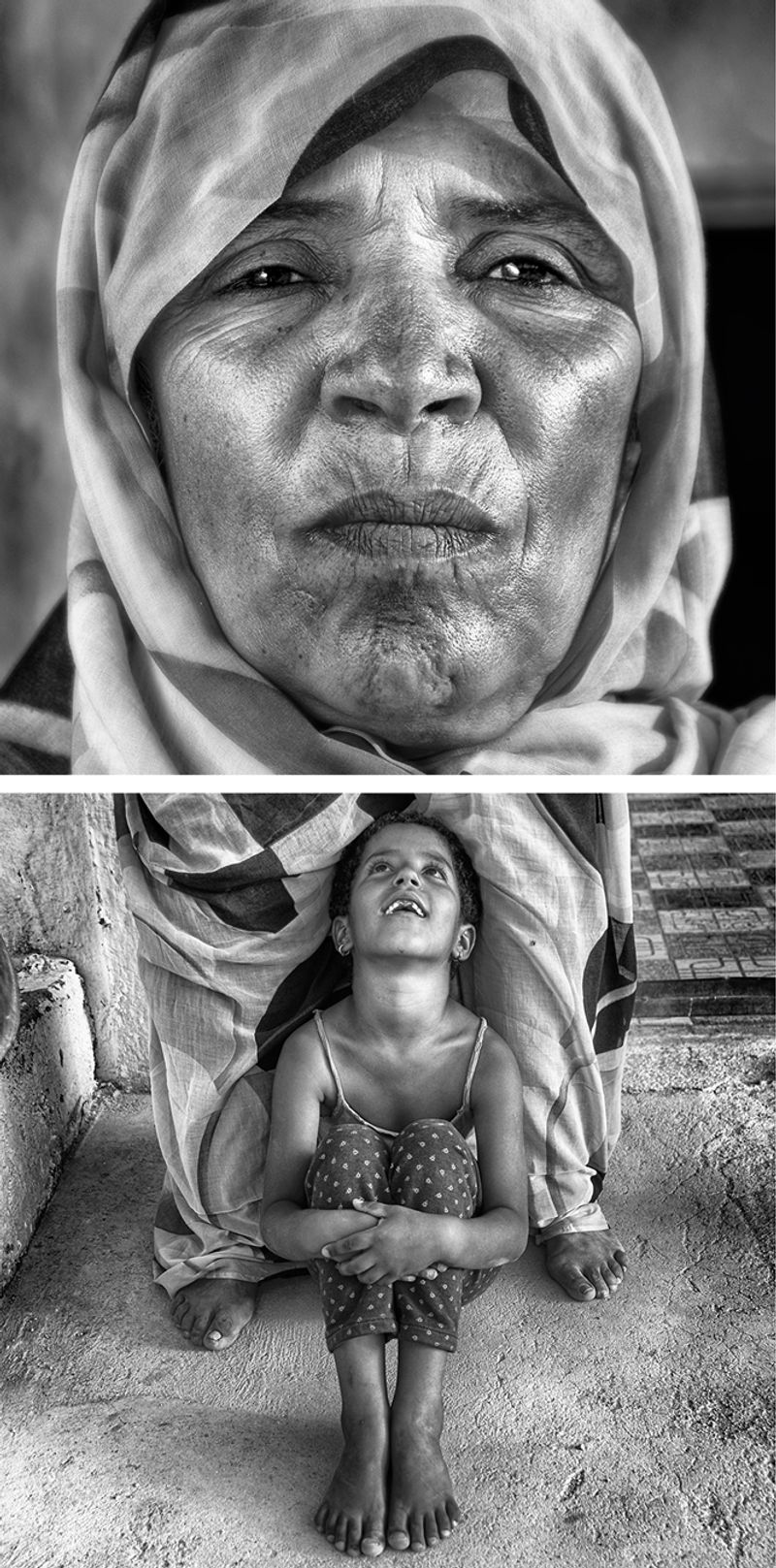
Raba Mohammed and granddaughter — Sahrawi Refugees Camps, Tindouf, Algeria. A gesture passed between generations. Care becomes the quiet form of resistance. Nothing is resolved — yet something continues. Transmission.

Across the Wound by Daniel

Prev Next Close