AcompañantAs: Here shines the green

  • Dates
    2021 - Ongoing
  • Author
  • Locations United States, Mexico, El Salvador

In a context of shifting abortion laws in Latin America and the U.S., a new generation supports peers with medical, emotional, and legal care. This project is collectively built with them, reclaiming stories against stigma and criminalization.

In a shifting legislative landscape around abortion decriminalization in Latin America and the United States, a new generation of young women is rising — united by their commitment to accompany others through the abortion process.

In Latin America, they’ve woven a powerful support network, offering free guidance at every stage of the journey. They come from all walks of life — mothers, students, sisters, activists — brought together by one conviction: the right to control one’s own body. Rooted in sisterhood, empathy, emotional care, and solidarity, these abortion doulas are known as Acompañantas.

As reproductive rights come under increasing threat, these support networks have expanded across borders, especially into the U.S. and Central America. Confronted with stigma, misinformation, and repressive policies, they have strengthened their coordination to offer a safe, collective, and autonomous alternative to those seeking to terminate a pregnancy. Though their actions often remain underground, they provide essential medical, emotional, and sometimes legal support — walking alongside those they accompany, in a relationship built on trust, mutual aid, and shared strength.

The Marea Verde (Green Wave) movement from Argentina has ignited a regional awakening around reproductive rights, challenging societal norms and legal frameworks alike. In its wake, transnational collaborations between collectives have grown stronger, reminding girls and women everywhere: you are not alone.

This project was born from those sparks — and follows the journeys of Acompañantas in countries like El Salvador, Colombia, Mexico, and the United States, highlighting the distinct realities they face and the resilience they share. Launched in 2021, this collaborative project invites abortion companions to co-create their stories through visual and

artistic workshops. These spaces nurture connection, agency, and self-representation. Inspired by the aesthetics of street activism, the project explores forms of visual expression where images become acts of resistance, memory, and recognition.

Here, green shines — the color of hope, of a growing movement where women raise their voices and lift each other up.

© Elipe mahé - Image from the AcompañantAs: Here shines the green photography project
i

In El Salvador, abortion is criminalized with sentences up to 40 years, even in cases of rape, ectopic pregnancy, or maternal risk. This forces many women to seek clandestine abortions. Providers face prosecution and violence from authorities and conservative groups. Despite this, they continue fighting for women’s rights and safe, legal abortion. San Salvador, 26 March 2023.

© Elipe mahé - Image from the AcompañantAs: Here shines the green photography project
i

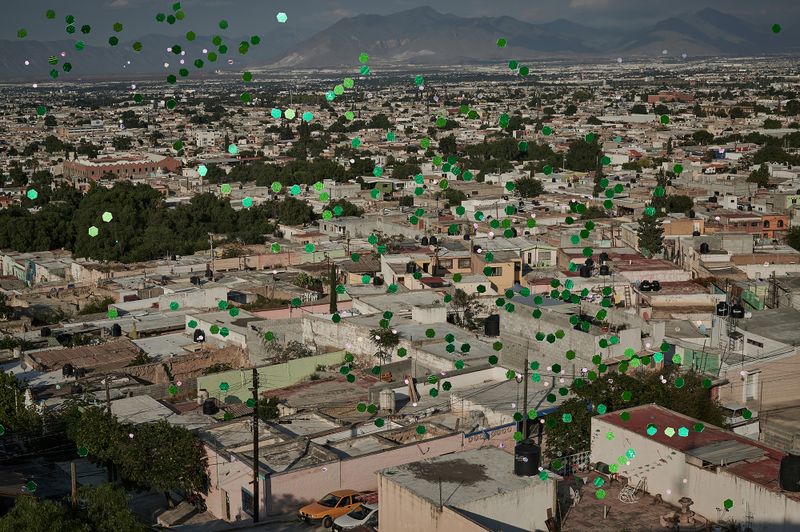
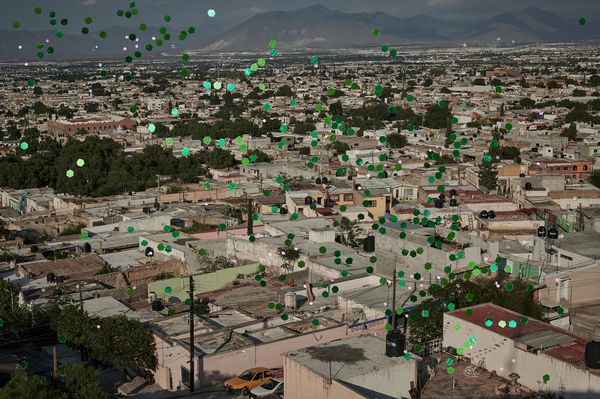
Plastic intervention with green glitter on a photo of Saltillo, Coahuila. Despite Mexico's highest court declaring abortion penalization unconstitutional, social stigma persists, forcing many abortion doulas into the shadows. Young women, mainly in Saltillo, have organized into support groups, providing medical abortion training and emergency interventions. October 19, 2021, Saltillo.

© Elipe mahé - Image from the AcompañantAs: Here shines the green photography project
i

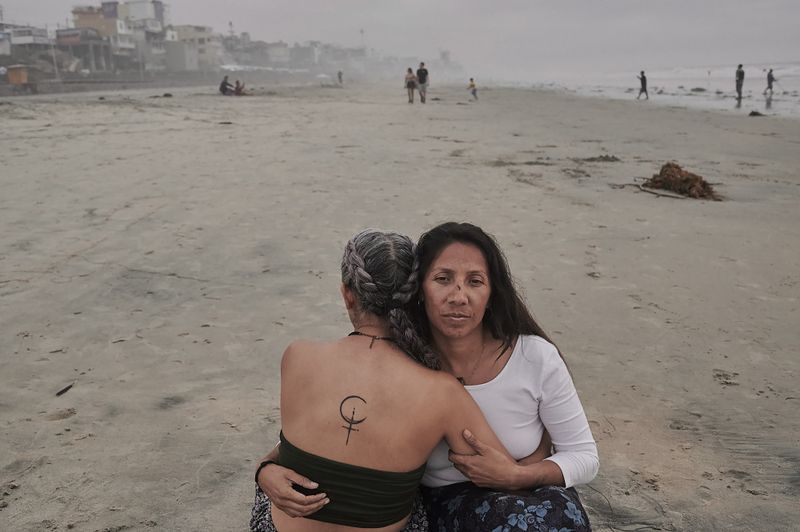
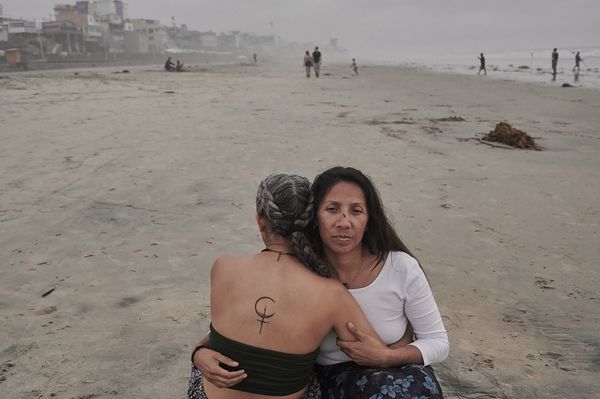
C. and M., Acompañantas in Tijuana, are part of the Bloodys collective, founded in 2016. They provide Mexican women, migrants, and those from the U.S. side, where abortion is illegal, with medicine and support, both in-person and virtually, during pregnancy termination processes. Playas Tijuana, Baja California, September 29, 2022.

© Elipe mahé - Image from the AcompañantAs: Here shines the green photography project
i

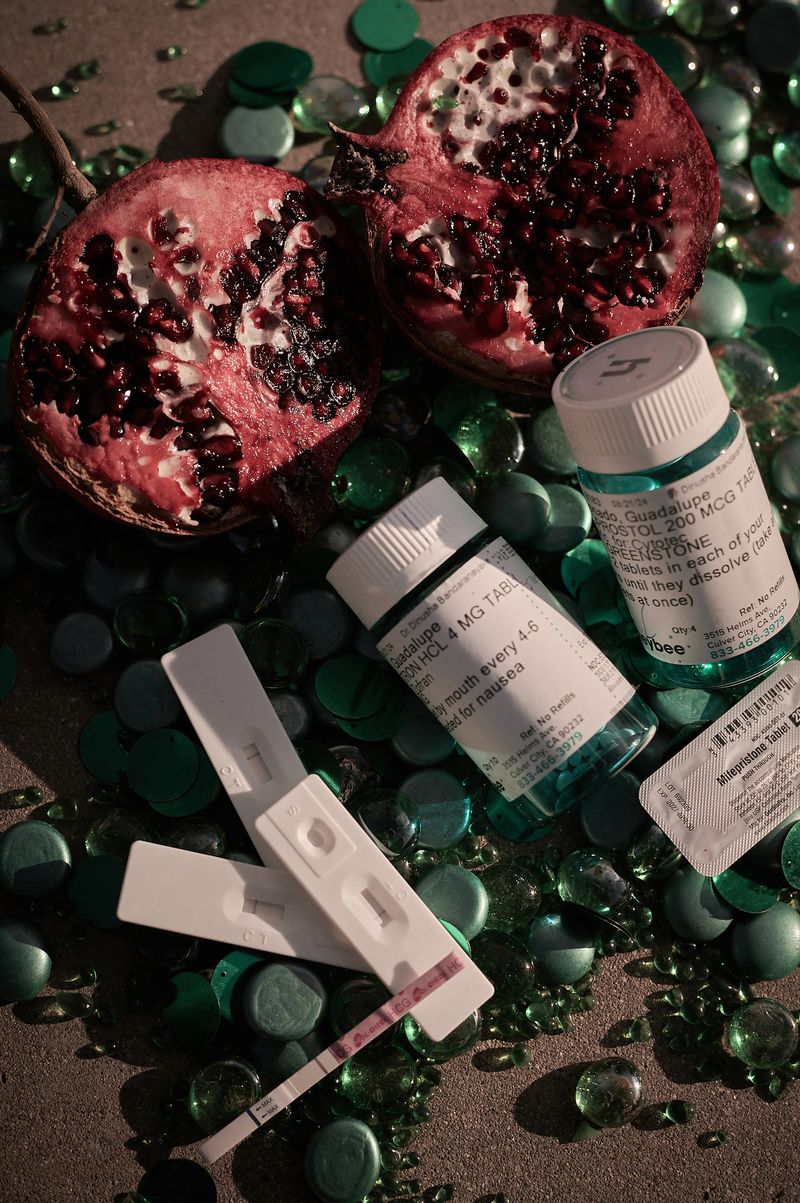
Positive pregnancy tests and abortifacient drugs for a young woman seeking to terminate an unwanted pregnancy. This image represents the struggles many women face, despite California's legal protection of reproductive rights. Political polarization and national tensions around abortion are challenging these rights, even in progressive states. Riverside, California, October 30, 2024.

© Elipe mahé - Image from the AcompañantAs: Here shines the green photography project
i

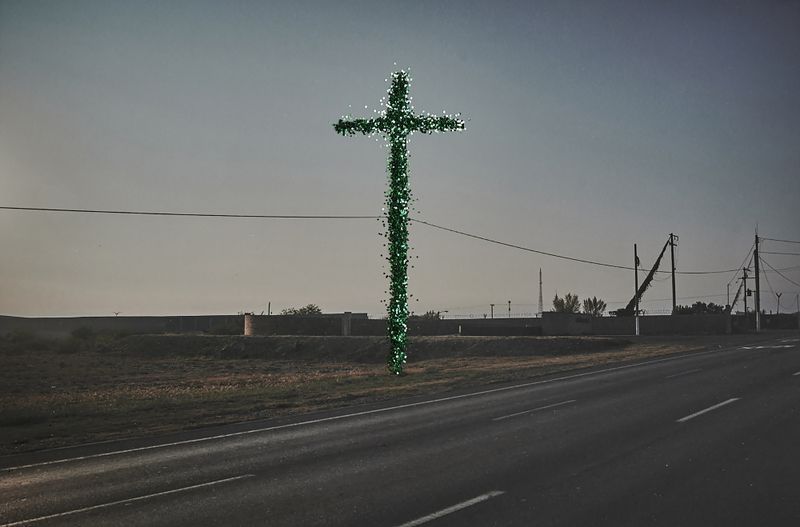
Plastic intervention with green glitter (symbolizing abortion rights in Latin America via "marea verde") on a photo print. The image shows the Cross of a church in Piedras Negras, Coahuila, a border city with the U.S. dominated by church and conservative political groups. October 21, 2021, Piedras Negras, Coahuila.

© Elipe mahé - Image from the AcompañantAs: Here shines the green photography project
i

Preparation of abortion kits for delivery to people wishing to end their pregnancies, Without solidarity networks and donations, this clandestine resistance would not be possible. Matamoros, Tamaolipaz, September 13, 2024

© Elipe mahé - Image from the AcompañantAs: Here shines the green photography project
i

An Acompañanta holds ruda, a plant traditionally used to facilitate abortions in Latin America, though not recognized by conventional medicine. Due to its abortifacient potential, ruda symbolizes struggles for sexual and reproductive rights and the fight for safe, legal abortion. April 19, 2023, Xochimilco, Ciudad de México.

© Elipe mahé - Image from the AcompañantAs: Here shines the green photography project
i

Members of the Los Angeles Abortion Support Collective advocate for reproductive rights and abortion access. Despite California's progressive reputation, the threat of federal restrictions amid political polarization and Supreme Court changes creates uncertainty. The collective, mainly Latino and queer, provides emotional and logistical support, especially in rural areas. Los Angeles, October 26,

© Elipe mahé - Image from the AcompañantAs: Here shines the green photography project
i

Plastic intervention with green glitter (symbolizing abortion rights in Latin America via the "marea verde") on a photo print. The image shows the Cross of a church in Piedras Negras, Coahuila, a border city with the U.S., dominated by church and conservative political groups. October 21, 2021, Piedras Negras, Coahuila.

© Elipe mahé - Image from the AcompañantAs: Here shines the green photography project
i

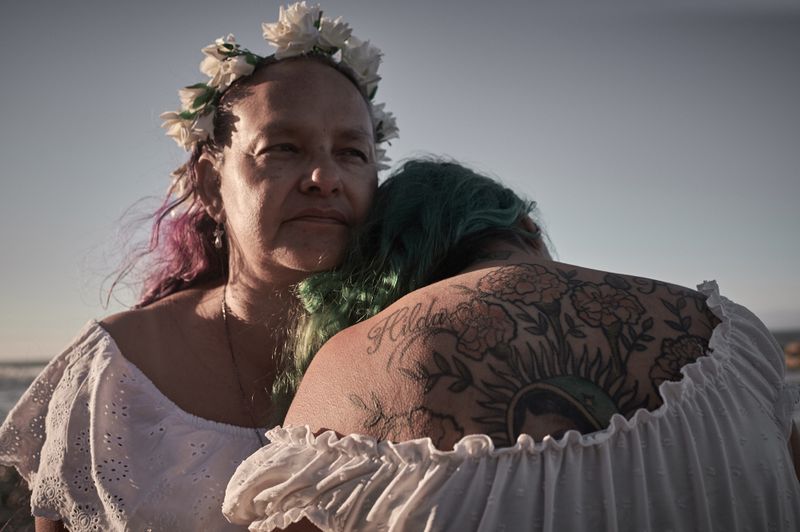
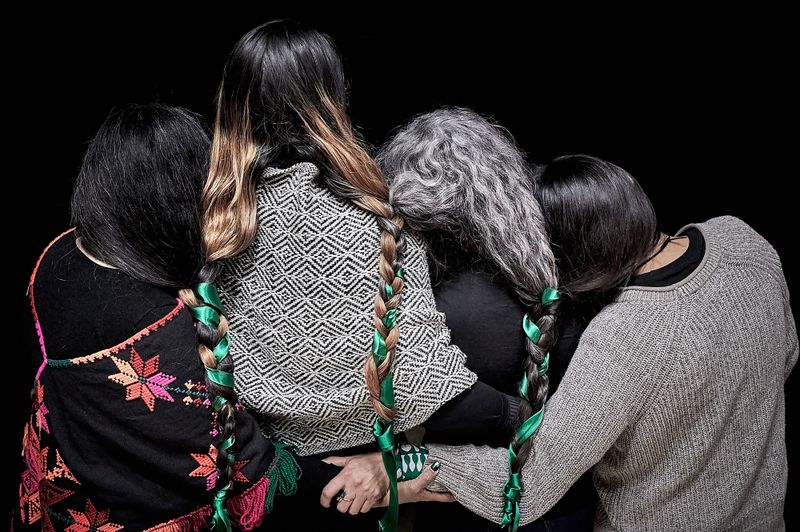
Lupita, an abortion doula, rests her head on her mother Hilda's shoulder, symbolizing intergenerational support in the abortion process. The involvement of mothers strengthens young activists' work, offering advice and reassurance in their fight for abortion rights. This mother-daughter bond embodies solidarity and sisterhood, passed down through generations. Long Beach, October 29, 2024.

© Elipe mahé - Image from the AcompañantAs: Here shines the green photography project
i

Prior to the SCJN ruling, Coahuila penalized abortion with up to three years in prison. This criminalization, fueled by social prejudices and conservative views on women's sexuality, was challenged in the SCJN investigation. Since 2018, young women in Coahuila have secretly organized to offer free abortion counseling. October 20, 2021, Piedras Negras.

© Elipe mahé - Image from the AcompañantAs: Here shines the green photography project
i

The use of misoprostol, sometimes in combination with mifepristone, has become the cornerstone of self-managed abortions. Guided remotely or in person by support providers, women and pregnant people receive a precise protocol—dosage, timing, signs to watch for—that allows them to terminate their pregnancy safely, confidentially, and on their own terms. August 10, 2025, Patzcuaro, Michoacan, Mexico

© Elipe mahé - Image from the AcompañantAs: Here shines the green photography project
i

On November 7, 2024, La Marea Verde (The Green Tide) gathered in Mexico City, with feminist collectives and pro-abortion groups rallying in front of Congress to support a proposal to decriminalize abortion at any stage. The debate was postponed by Morena legislators, while San Luis Potosí approved reforms decriminalizing abortion, becoming the 16th state to do so.

© Elipe mahé - Image from the AcompañantAs: Here shines the green photography project
i

Mix, 28, learned that she could accompany other women who decide to have an abortion when she met a feminist activist from Monterrey in 2018. After that meeting, she began to seek out additional information. She got involved. And shortly after, she made her first accompaniments.October 25, 2021, Saltillo, Coahuila, Mexico

© Elipe mahé - Image from the AcompañantAs: Here shines the green photography project
i

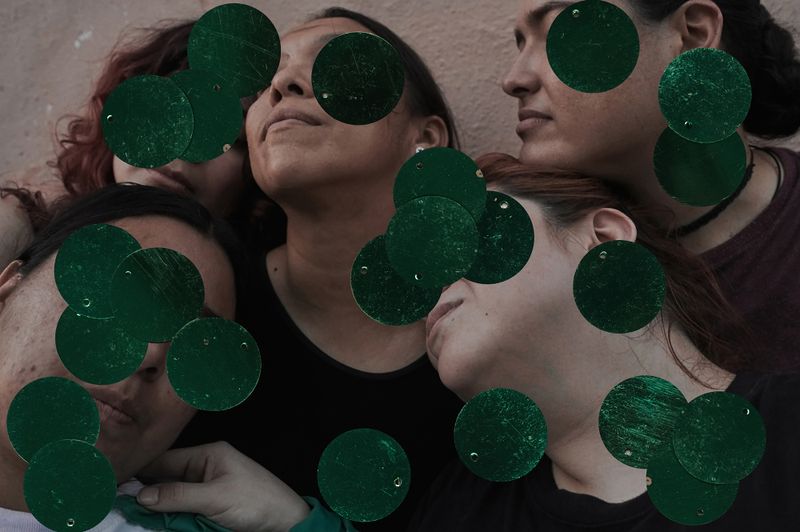
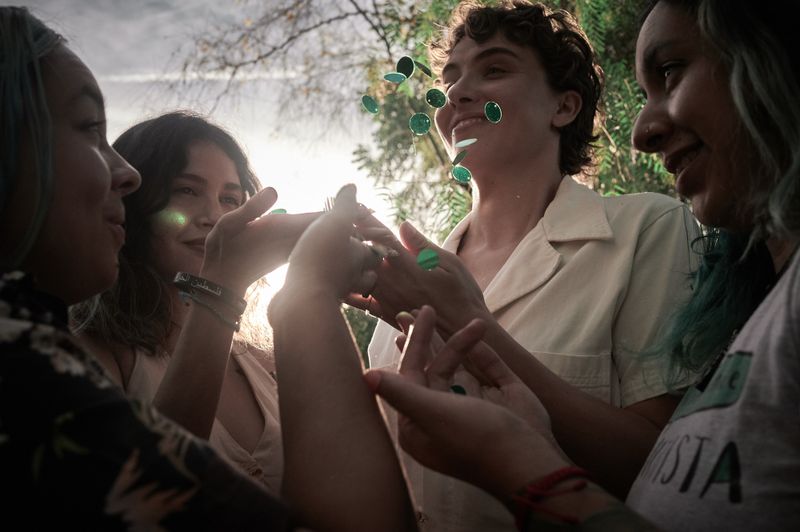
A gathering of abortion doulas during an emotional care workshop. Through dialogue and creative expression, they strengthen their network, challenge misinformation, and break the stigma surrounding abortion. In this safe space, each participant shares their experience, finding support and solidarity. Collective photography becomes a tool for fostering creativity and honoring emotions.

© Elipe mahé - Image from the AcompañantAs: Here shines the green photography project
i

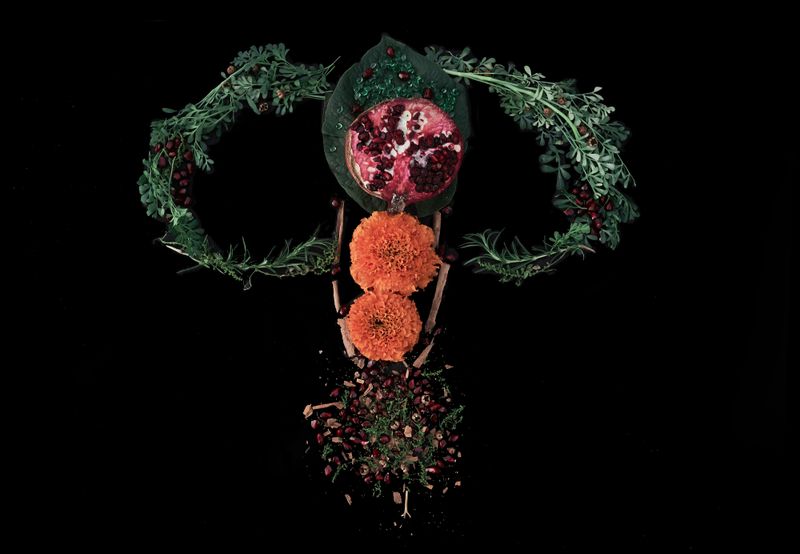
This project is based on collaboration and the active involvement of abortion doulas in content creation to stimulate their creativity. To foster exchange, participants explore different artistic techniques, such as this plant-based installation representing a uterus with abortion plants, encouraging them to develop their own artistic expression. Riverside, California, USA, October 30, 2024.

© Elipe mahé - Image from the AcompañantAs: Here shines the green photography project
i

In January 2022, abortion provider collectives from northwestern Mexico, Guanajuato, and Mérida met with Texas organizations to facilitate access to safe, free abortions for women across the U.S. border. This response to Texas' restrictive law aims to create a transnational network of accompanying women, especially after the U.S. abortion rights ruling was overturned. January 21, 2022, Matamoros,