
AcompañantAs

  • Dates
    2021 - Ongoing
  • Author
  • Locations United States, Mexico, El Salvador

The Acompañantas weave bonds of sisterhood around abortion, they offer free guidance through empathy, care, and emotional support during all the process. Born from the "Marea Verde" movement, they create safe spaces, fight stigma, and expand transnational

In the context of the evolving legislation on abortion decriminalization in Latin America and the United States, a new generation of young women is emerging who have taken on the task of accompanying their peers through the abortion process, completely free of charge and in a spirit of sisterhood, based on empathy, emotional support, and care among women. These abortion doulas are called "Acompañantas."

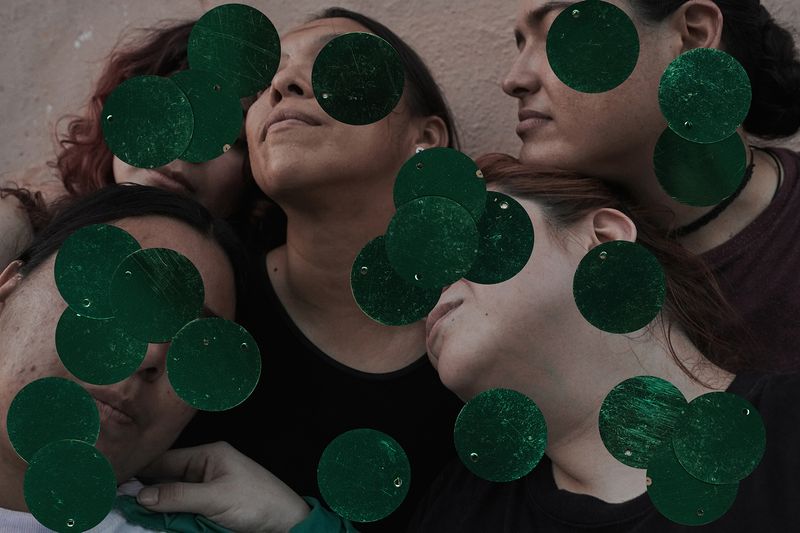
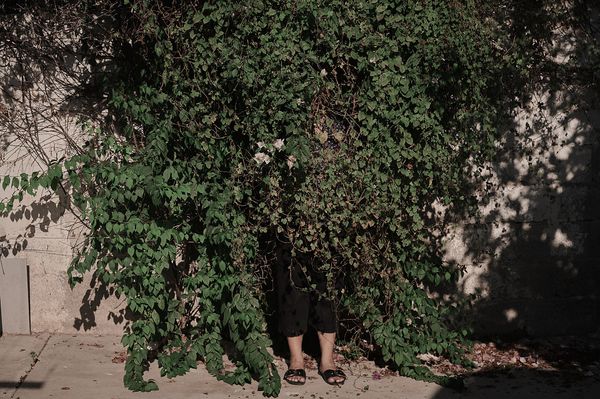
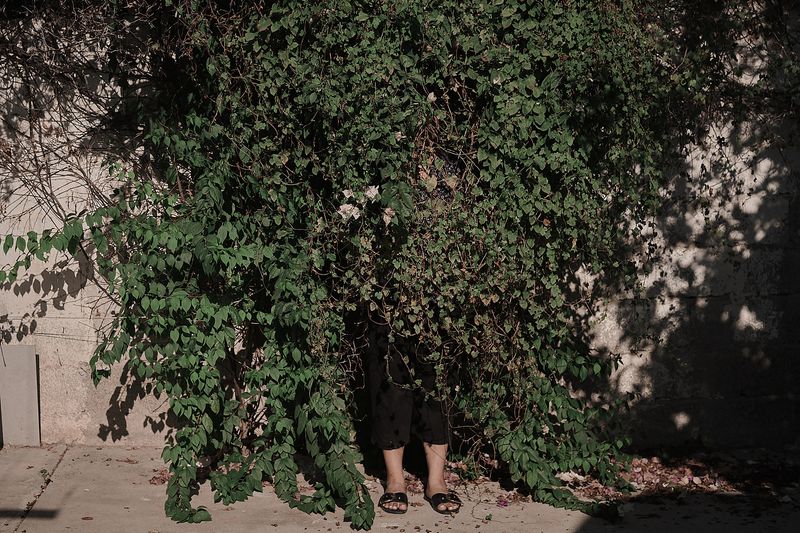
In Latin America, some women are building a network of mutual support and providing follow-up at every stage of the abortion process. Women of different backgrounds—mothers, students, sisters, or even activists—all united by a single cause: the right to decide over their bodies. Like the green glitter found in feminist demonstrations, they slip through and shine only by acting in the shadows.

The dominance of the Church and conservative political groups has led to the development of a black market for Misoprostol (the medication used to perform an abortion), and abortions are often carried out clandestinely. The misinformation and guilt- tripping of young women seeking abortions often lead to traumatic experiences for them. Thus, it is together and hand in hand that they will experience this ordeal, where sharing and reciprocity make no distinction between the one accompanying and the one terminating her pregnancy.

So, behind their lively and sparkling appearances, the strength of the claim that the "Marea Verde" has allowed Latin America to reflect on what the right to decide means regarding health and care. Thanks to the brilliance of these feelings of love and compassion, they offer a safe space, legal advice, and emotional support, but above all remind all girls more than ever that they are not alone. Today, the Acompañantas seek to expand on a transnational scale, especially after the abortion decision was overturned in the United States.

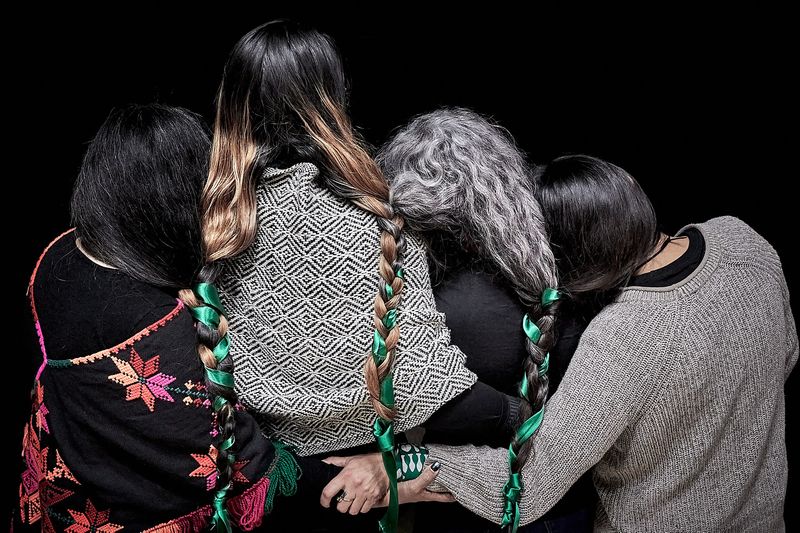
By following the journey of several Acompañantas from north to south across American countries, we understand the contextual differences each one must face. From there arises the spark of the Acompañantas' struggle that these women try to highlight every day in the public square. The activist interventions found in the streets have thus inspired the plastic intervention of the images, here radiating their actions, to pay homage to them. Here, green shines and the color of hope radiates, that of a flourishing struggle, where women reach out to each other.

Having had an abortion myself in Mexico and, as a result, trained as an abortion doula too, I have been working since 2021 on a long-term photographic project focused on abortion doula networks in Latin America and the United States. My work emphasizes the significance of these collectives in supporting access to abortion and defending reproductive rights.
© Elipe mahé - Image from the AcompañantAs photography project
i

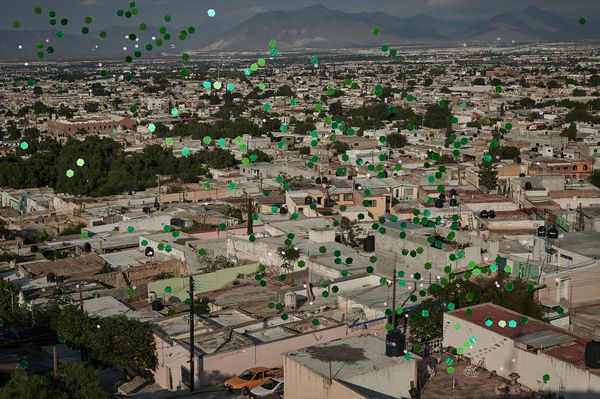
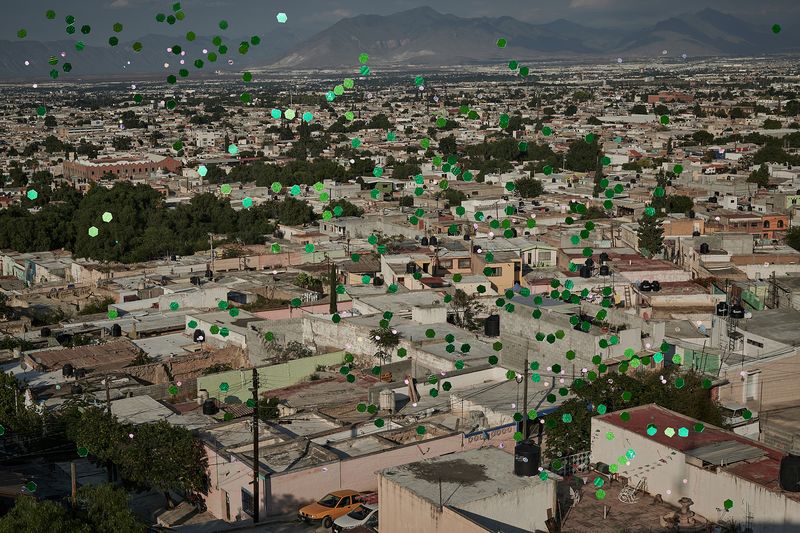
Plastic intervention with green glitter on a photo of Saltillo, Coahuila. Despite Mexico's highest court declaring abortion penalization unconstitutional, social stigma persists, forcing many abortion doulas into the shadows. Young women, mainly in Saltillo, have organized into support groups, providing medical abortion training and emergency interventions. October 19, 2021, Saltillo.

© Elipe mahé - Image from the AcompañantAs photography project
i

Prior to the SCJN ruling, Coahuila penalized abortion with up to three years in prison. This criminalization, fueled by social prejudices and conservative views on women's sexuality, was challenged in the SCJN investigation. Since 2018, young women in Coahuila have secretly organized to offer free abortion counseling. October 20, 2021, Piedras Negras.

© Elipe mahé - Image from the AcompañantAs photography project
i

In El Salvador, abortion is criminalized with sentences up to 40 years, even in cases of rape, ectopic pregnancy, or maternal risk. This forces many women to seek clandestine abortions. Providers face prosecution and violence from authorities and conservative groups. Despite this, they continue fighting for women’s rights and safe, legal abortion. San Salvador, 26 March 2023.

© Elipe mahé - Image from the AcompañantAs photography project
i

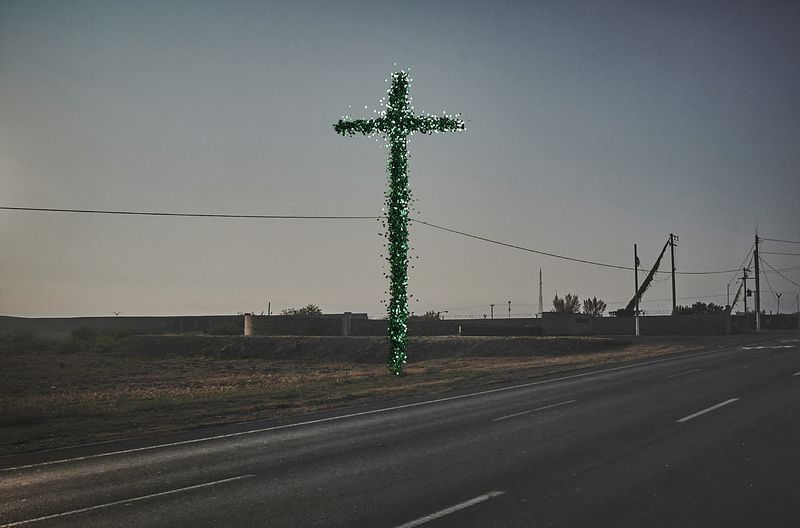
Plastic intervention with green glitter (symbolizing abortion rights in Latin America via "marea verde") on a photo print. The image shows the Cross of a church in Piedras Negras, Coahuila, a border city with the U.S. dominated by church and conservative political groups. October 21, 2021, Piedras Negras, Coahuila.

© Elipe mahé - Image from the AcompañantAs photography project
i

Misoprostol, used in abortion procedures, is usually purchased by the women seeking abortion. When they cannot afford it, accompanying women obtain it, often through donations or their own funds. Access to Misoprostol is limited, as many pharmacies refuse to sell it to women. When options are scarce, women turn to black markets, where prices range from 500 to 3,000 Mexican pesos. November 29, 2022

© Elipe mahé - Image from the AcompañantAs photography project
i

Members of the Los Angeles Abortion Support Collective advocate for reproductive rights and abortion access. Despite California's progressive reputation, the threat of federal restrictions amid political polarization and Supreme Court changes creates uncertainty. The collective, mainly Latino and queer, provides emotional and logistical support, especially in rural areas. Los Angeles, October 26,

© Elipe mahé - Image from the AcompañantAs photography project
i

In El Salvador, abortion is criminalized with up to 40 years in prison, even in cases of rape, ectopic pregnancy, or maternal risk. This forces many women to seek clandestine abortions. In response, women’s groups organize to provide safe abortions, offering physical and emotional support to those in need. San Salvador, 26 March 2023.

© Elipe mahé - Image from the AcompañantAs photography project
i

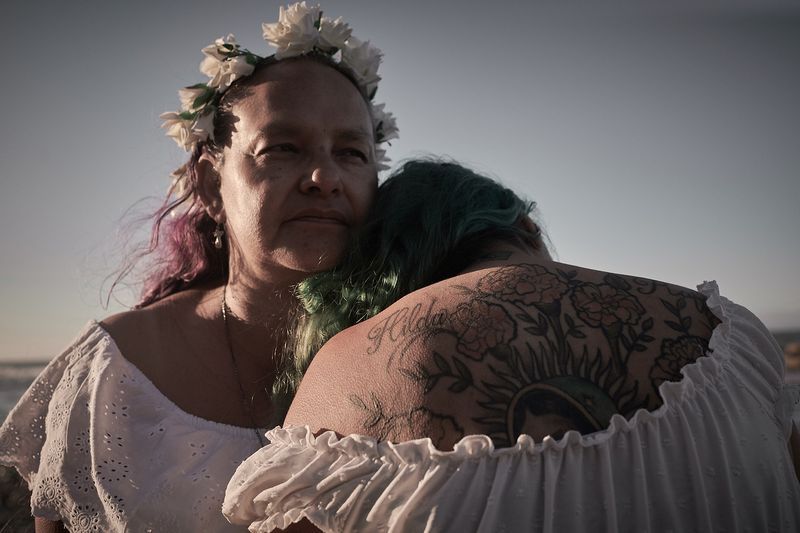
Lupita, an abortion doula, rests her head on her mother Hilda's shoulder, symbolizing intergenerational support in the abortion process. The involvement of mothers strengthens young activists' work, offering advice and reassurance in their fight for abortion rights. This mother-daughter bond embodies solidarity and sisterhood, passed down through generations. Long Beach, October 29, 2024.

© Elipe mahé - Image from the AcompañantAs photography project
i

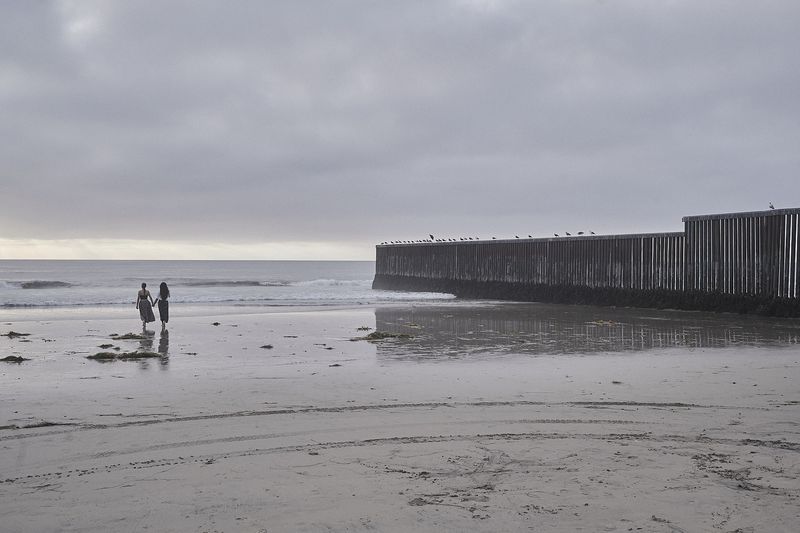
C. and M., Acompañantas in Tijuana, are part of the Bloodys collective, founded in 2016. They provide Mexican women, migrants, and those from the U.S. side, where abortion is illegal, with medicine and support, both in-person and virtually, during pregnancy termination processes. Playas Tijuana, Baja California, September 29, 2022.

© Elipe mahé - Image from the AcompañantAs photography project
i

An Acompañanta holds ruda, a plant traditionally used to facilitate abortions in Latin America, though not recognized by conventional medicine. Due to its abortifacient potential, ruda symbolizes struggles for sexual and reproductive rights and the fight for safe, legal abortion. April 19, 2023, Xochimilco, Ciudad de México.

© Elipe mahé - Image from the AcompañantAs photography project
i

Plastic intervention with green glitter (symbolizing abortion rights in Latin America via the "marea verde") on a photo print. The image shows the Cross of a church in Piedras Negras, Coahuila, a border city with the U.S., dominated by church and conservative political groups. October 21, 2021, Piedras Negras, Coahuila.

© Elipe mahé - Image from the AcompañantAs photography project
i

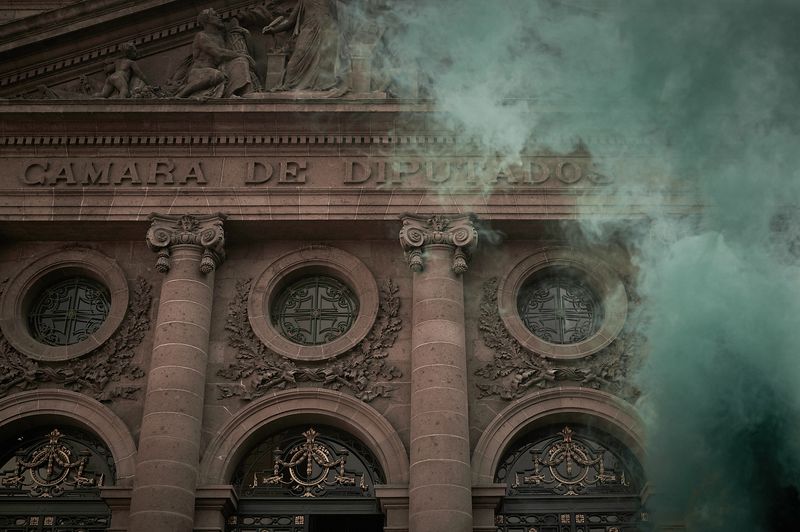
On November 7, 2024, La Marea Verde (The Green Tide) gathered in Mexico City, with feminist collectives and pro-abortion groups rallying in front of Congress to support a proposal to decriminalize abortion at any stage. The debate was postponed by Morena legislators, while San Luis Potosí approved reforms decriminalizing abortion, becoming the 16th state to do so.

© Elipe mahé - Image from the AcompañantAs photography project
i

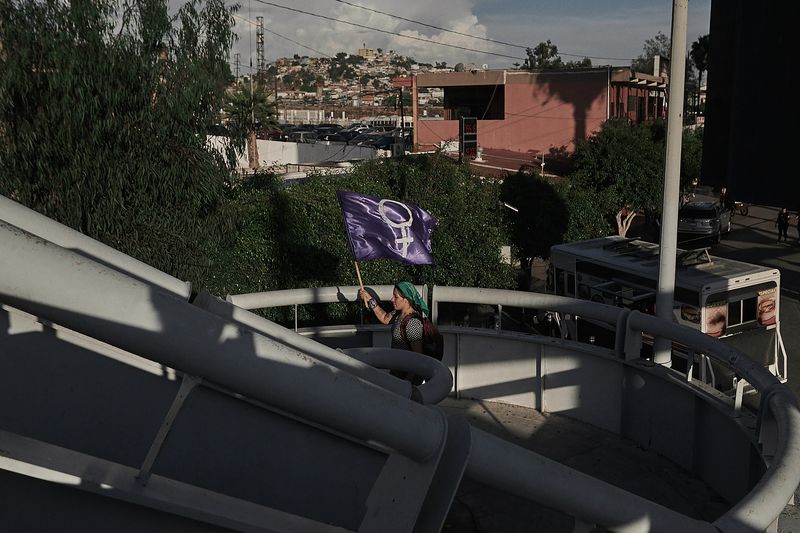
On International Safe Abortion Day, a pro-abortion activist holds a feminist flag on the bridge over the US-Mexico border. September 28, 2022, San Ysidro International border, Tijuana, Baja California, Mexico.

© Elipe mahé - Image from the AcompañantAs photography project
i

Positive pregnancy tests and abortifacient drugs for a young woman seeking to terminate an unwanted pregnancy. This image represents the struggles many women face, despite California's legal protection of reproductive rights. Political polarization and national tensions around abortion are challenging these rights, even in progressive states. Riverside, California, October 30, 2024.

© Elipe mahé - Image from the AcompañantAs photography project
i

In January 2022, abortion provider collectives from northwestern Mexico, Guanajuato, and Mérida met with Texas organizations to facilitate access to safe, free abortions for women across the U.S. border. This response to Texas' restrictive law aims to create a transnational network of accompanying women, especially after the U.S. abortion rights ruling was overturned. January 21, 2022, Matamoros,