Abre Camino



-
Dates2020 - Ongoing
-
Author
Abre Camino observes the endurance of cultural memory, using rich color and iconography to explore generational exchange amid shifting technological landscapes.
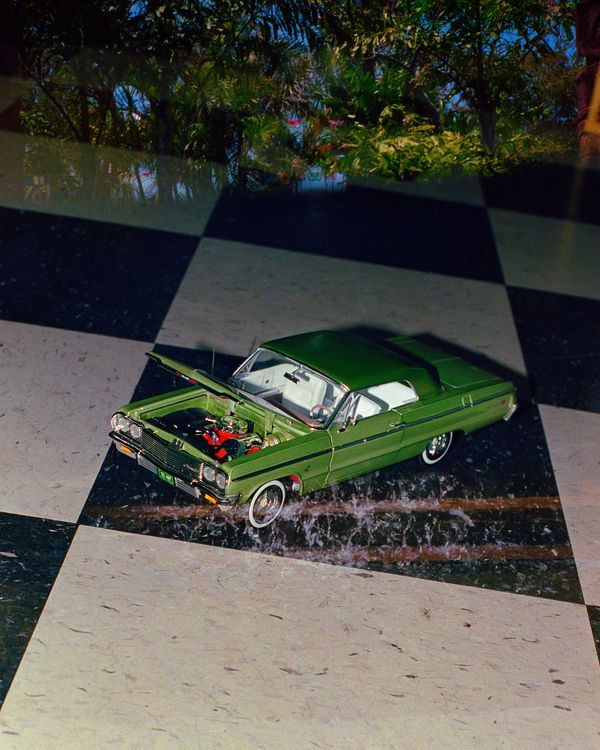
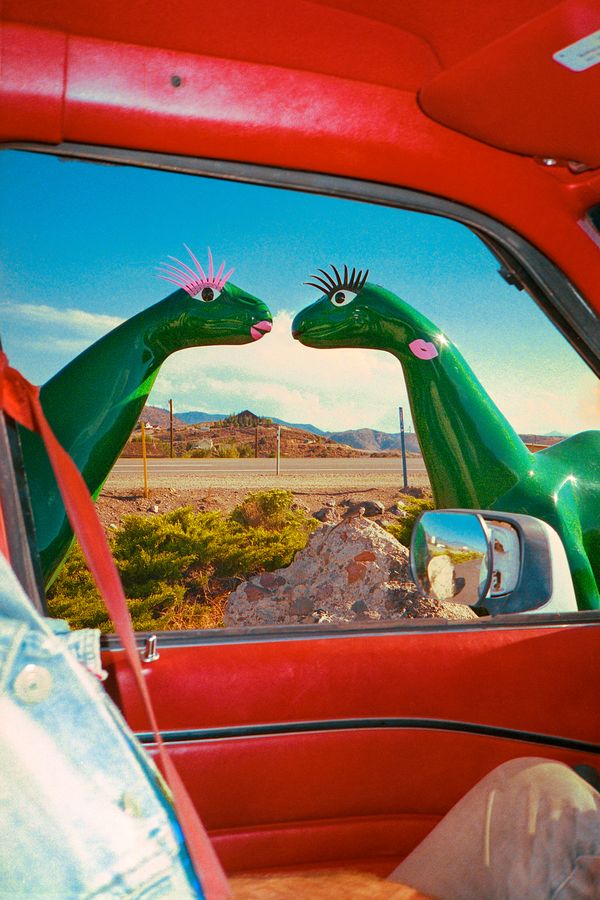
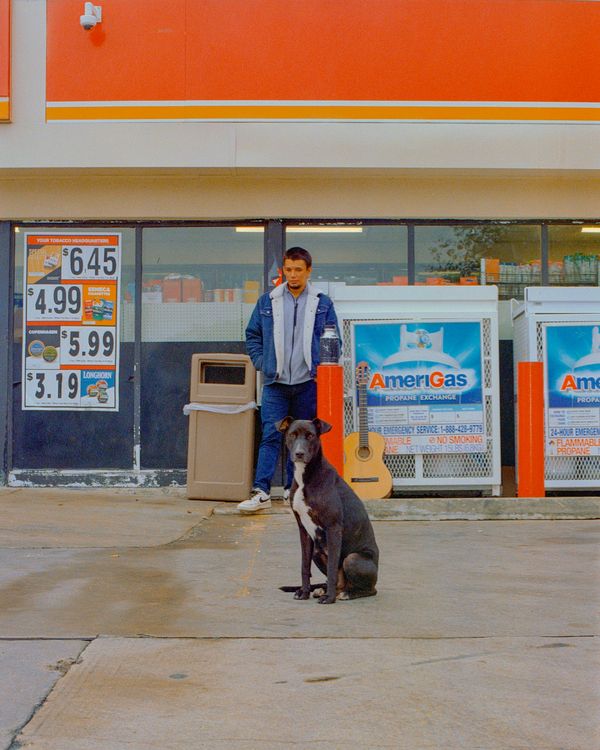
My practice examines the cultural symbols and visual languages that shape life in the United States, with a focus on Chicano expression—how familiar icons such as cars, religious motifs, and domestic objects carry meaning across generations. As a child, I watched my parents flip through maps and feed each other French fries as the Midwest landscape lent itself to the grandeur of the American road trip. Taking turns sleeping in the passenger seat, our annual 30+ hour drive home to Corpus Christi, TX from Milwaukee, WI, inspired this work highlighting regional nuances of the Chicano experience.
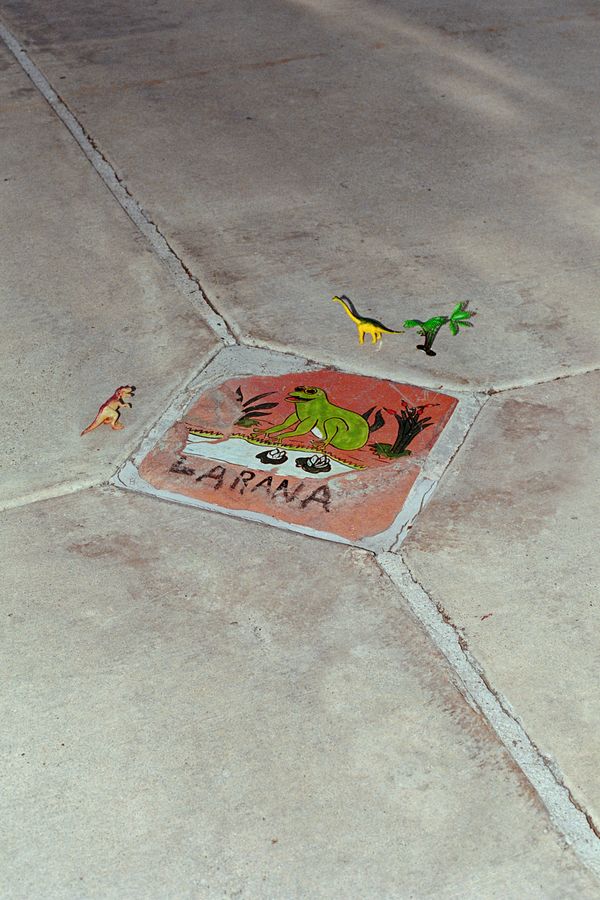
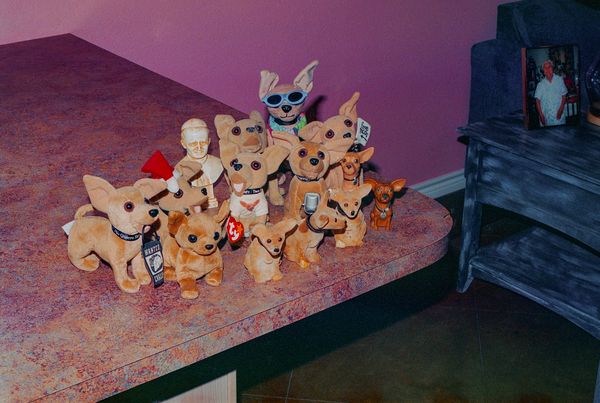
Abre Camino explores the passage of cultural memory through the use of color, texture, and iconography. Drawing on familial narratives and syncretic faith traditions such as Curanderismo, the work honors spiritual and vernacular imagery to reflect on representation, devotion, and transformation. Saturated hues and double exposures emulate the texture of memory and déjà vu—fragmented yet resilient, shifting between the everyday and the sacred. At its core, Abre Camino considers endurance: how cultural rituals and symbols persist in the face of social, ecological, and technological change. As the work evolves, it begins to ask what forms of meaning emerge as the material world transforms—when the icons that once defined identity are reinterpreted through new technologies.
Here, Chicano expression is understood as a living visual and spiritual language through which Mexican-American communities articulate regional identities within the broader U.S. cultural landscape. Through this lens, the work becomes both an archive and a meditation on how Chicano expression is nurtured across shifting terrains of representation. The photographs function as offerings for sustaining collective memory and cultural continuity amid acceleration, obsolescence, and surveillance.