A River Without Bridges


-
Dates2022 - Ongoing
-
Author
- Location Germany, Germany
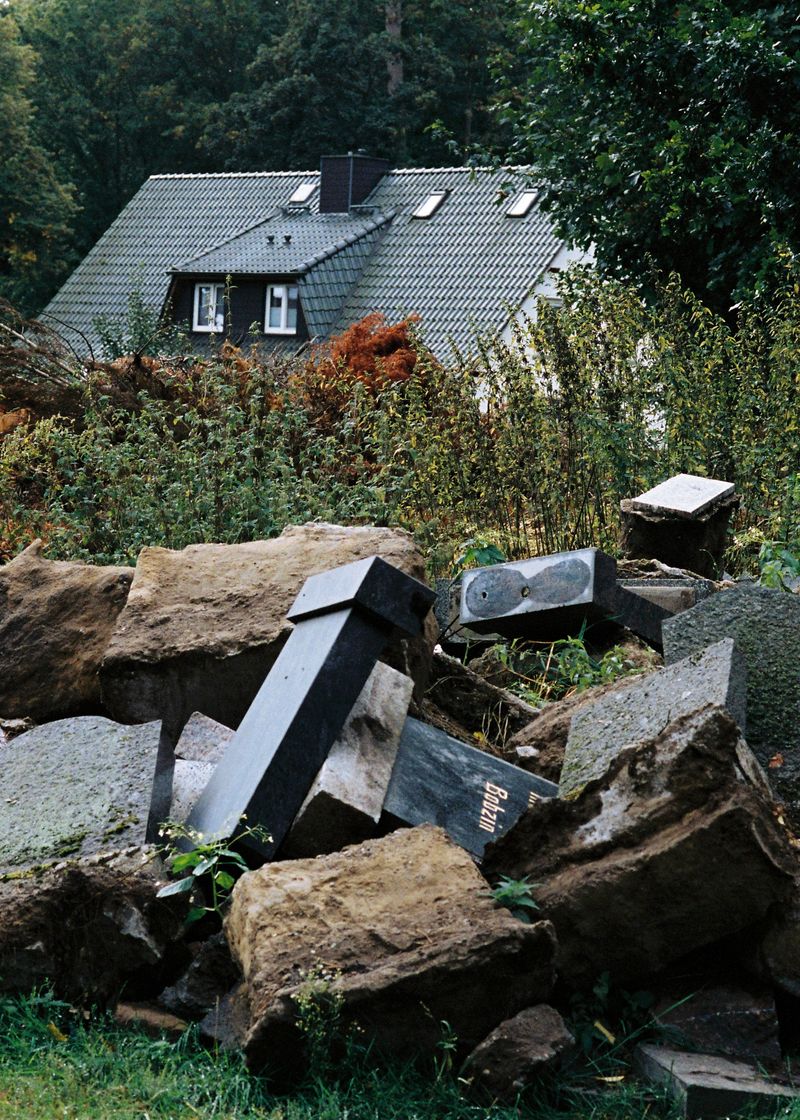
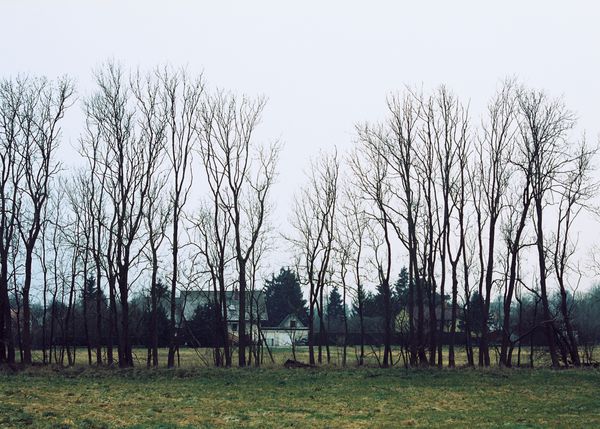
A River Without Bridges seeks to reflect on the construction of identity in a place marked by trauma and silence.
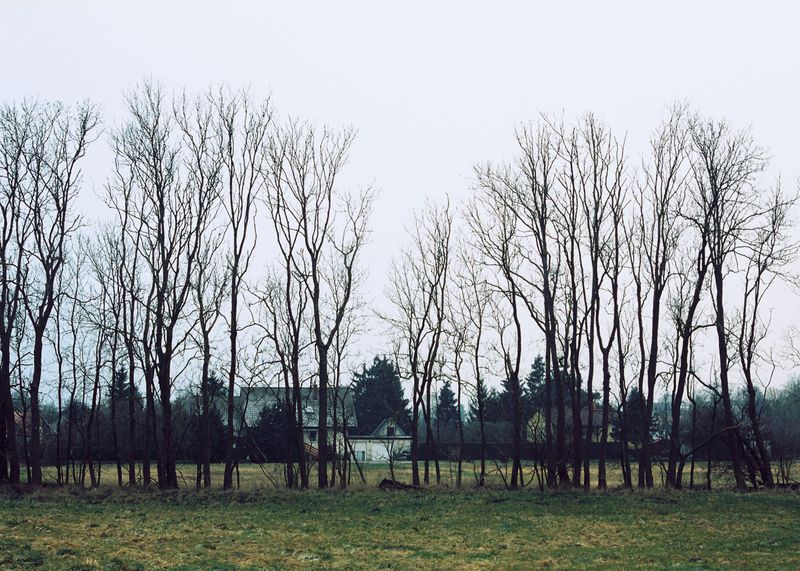
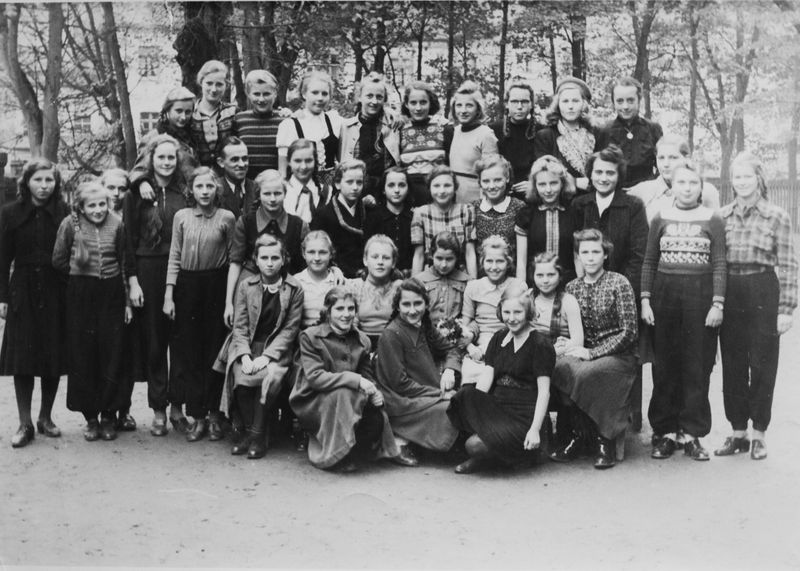
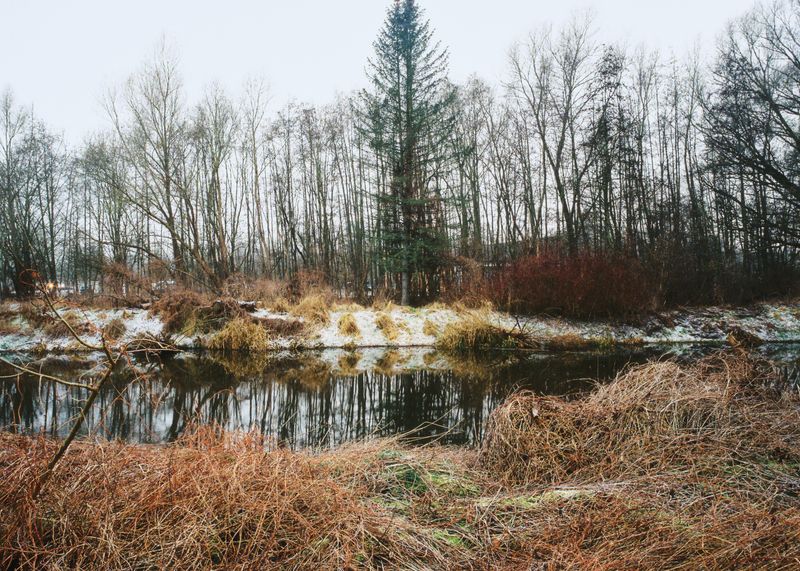
A River Without Bridges explores the complex relationship of the inhabitants of Demmin, a small German town, with their past. In May 1945, before the arrival of the Red Army and during three days, 1.200 people took their own lives. Mainly by drowning themselves with stones tied to their waists in the waters of the three rivers surrounding the town. During the last days of the war, the Nazi army blew up all the bridges connecting Demmin with the outside world. Leaving its inhabitants completely isolated, surrounded by water and unable to escape. What was supposed to be a containment measure to prevent the enemy from entering the city ended up plunging the population into a situation of irreversible anguish. Later on, the institutional silence imposed during the German Democratic Republic (GDR) prevented the necessary exercise of reparation and forced many families to remain silent for years.They dragged a painful secret that was shared exclusively in small groups and that took too long to be acknowledged publicly.
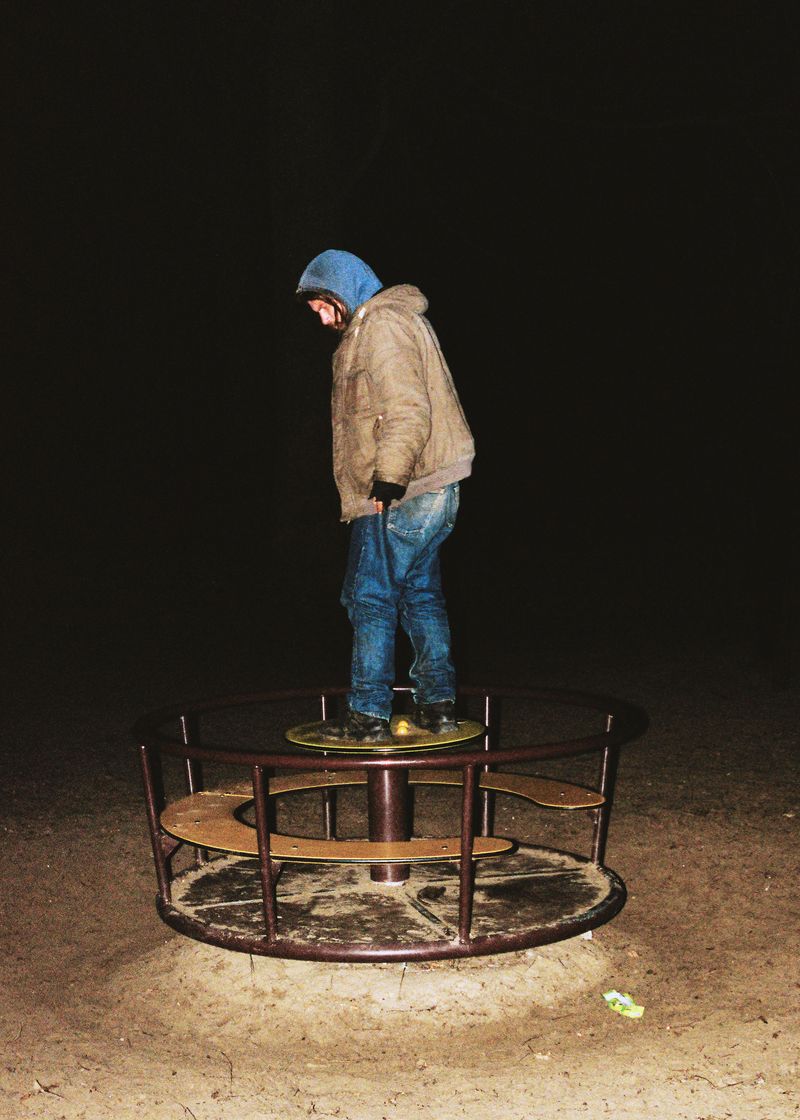
Demmin is today an aging city where it is difficult for the youngest to imagine a future. It is also one of the places where the extreme right wing is re-emerging with more strength, taking advantage of the feeling of abandonment after the German reunification.
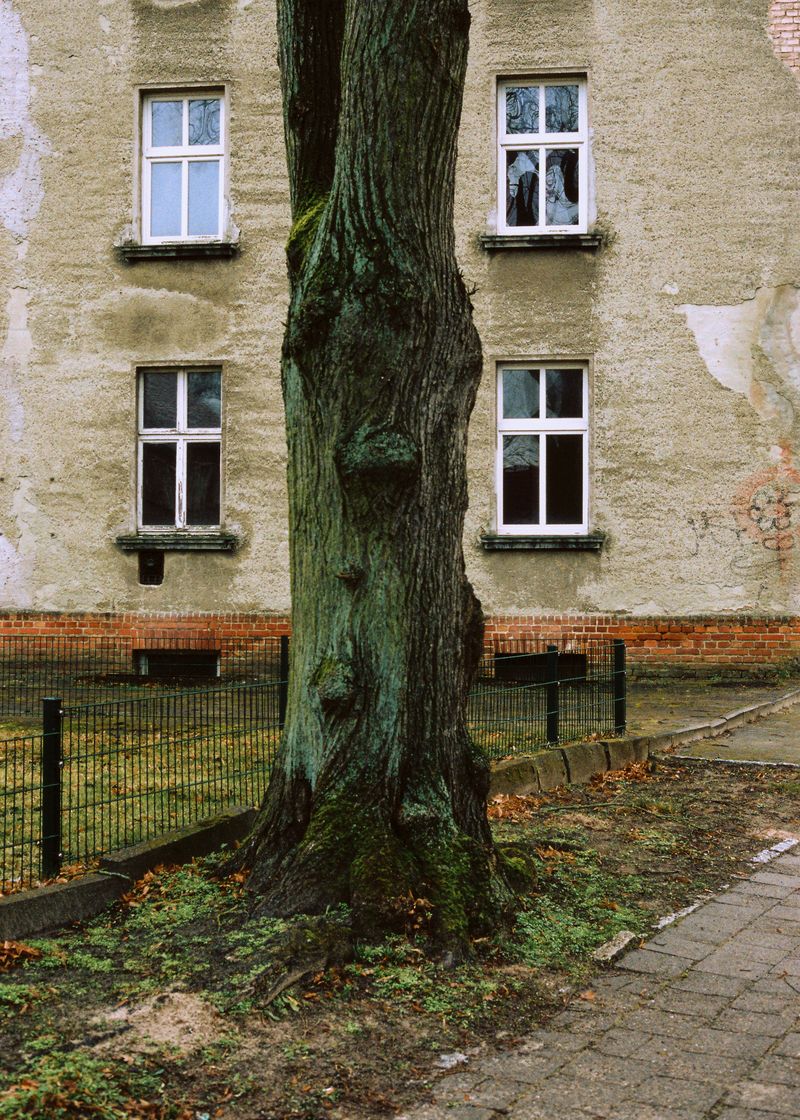
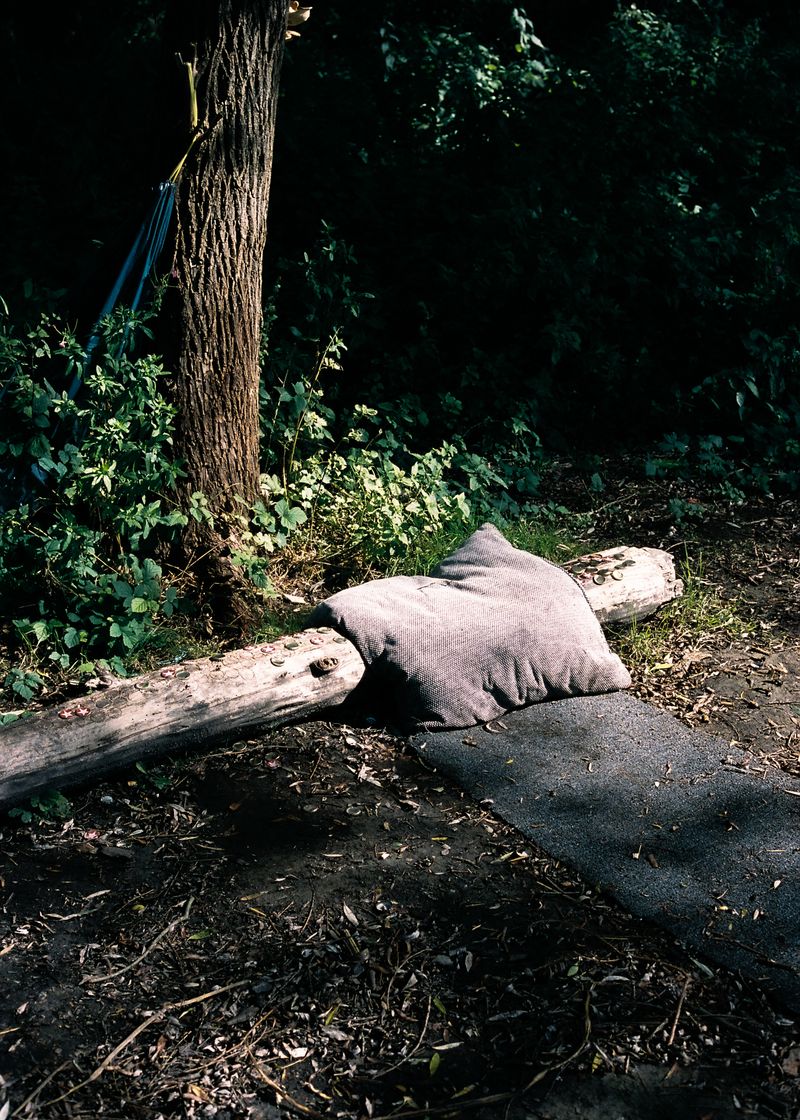
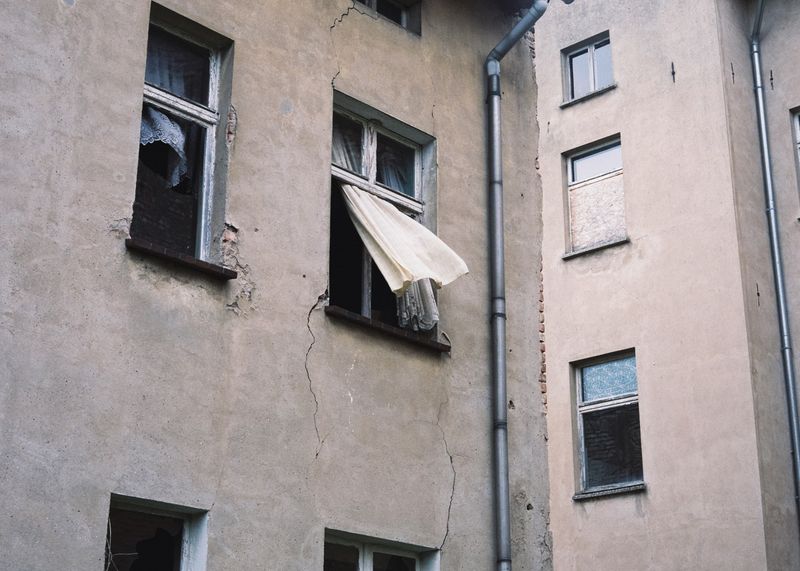
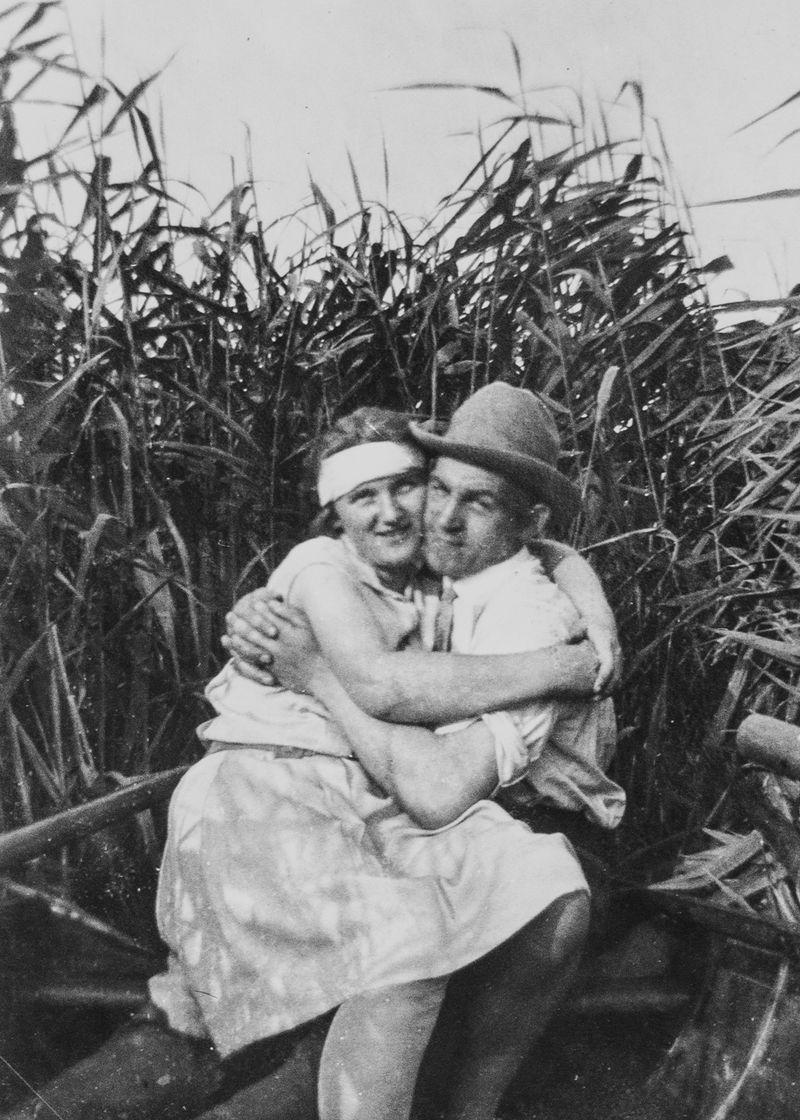
My intention is to reflect on how the past of this city influences the present of its younger inhabitants: how identity is built in a place marked by silence and to explore how trauma is still visible in the people and places they inhabit.