A key to survival
-
Dates2024 - Ongoing
-
Author
- Location Uruguay
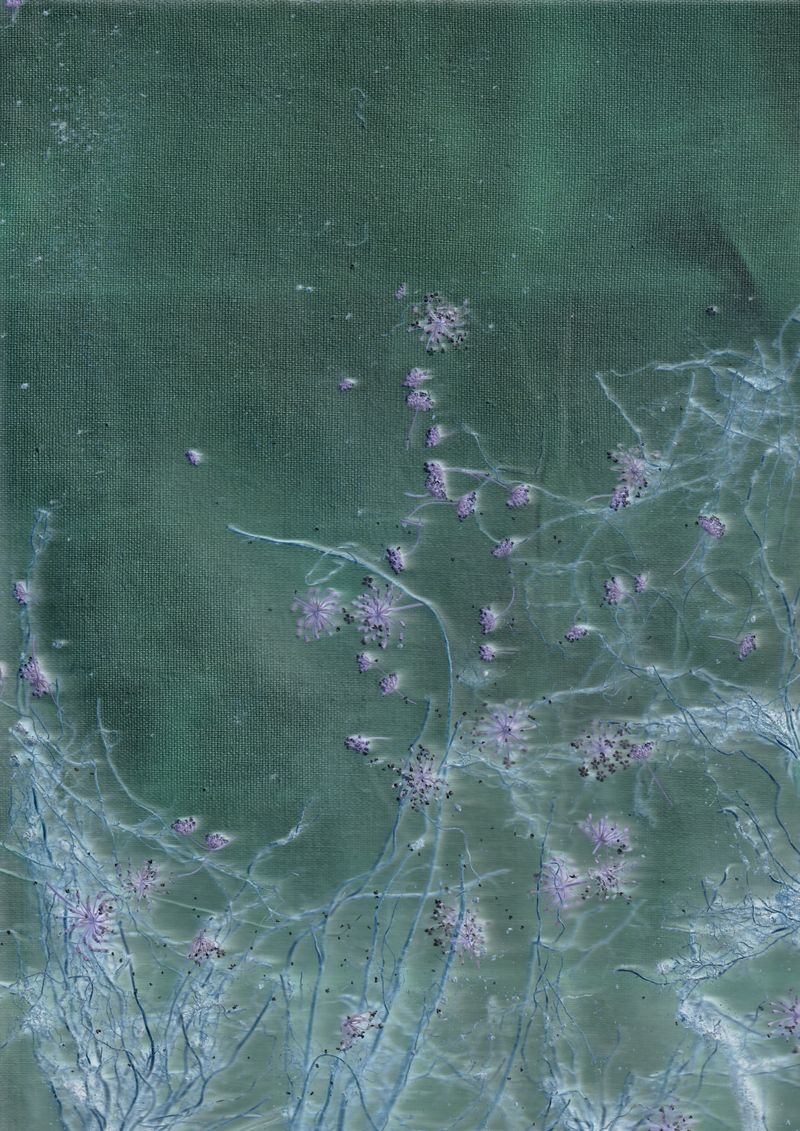
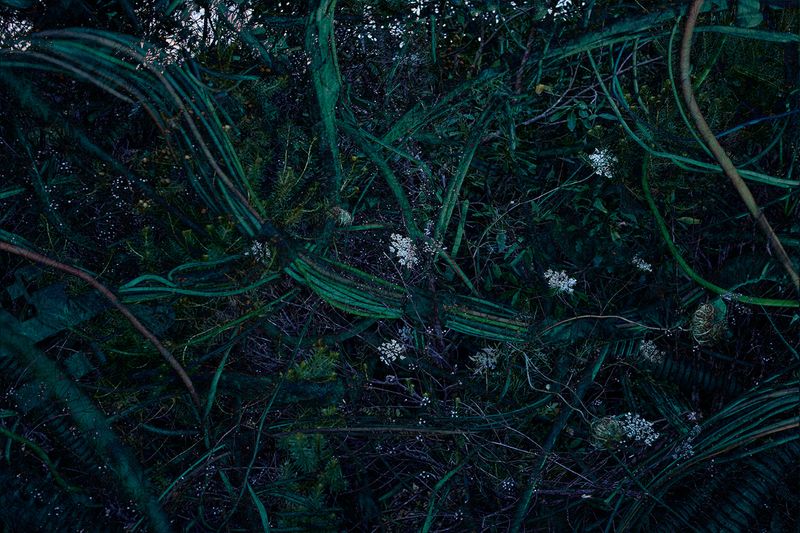
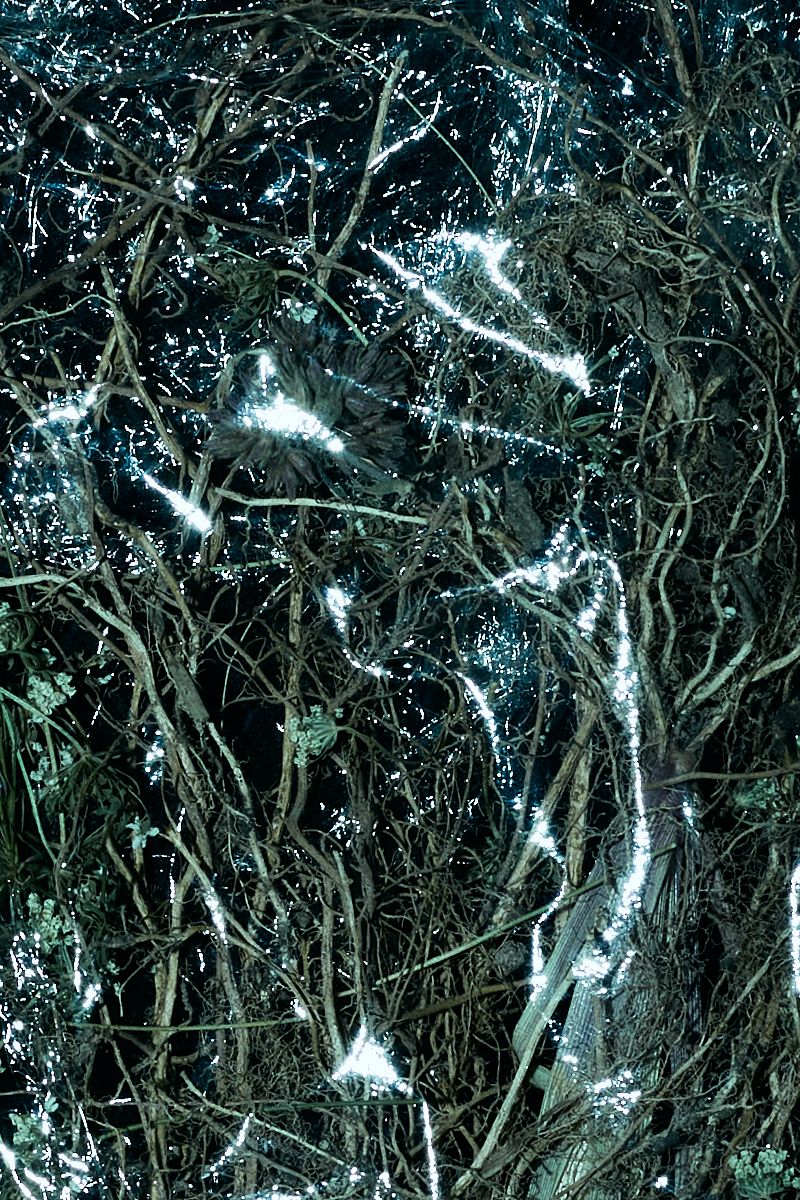
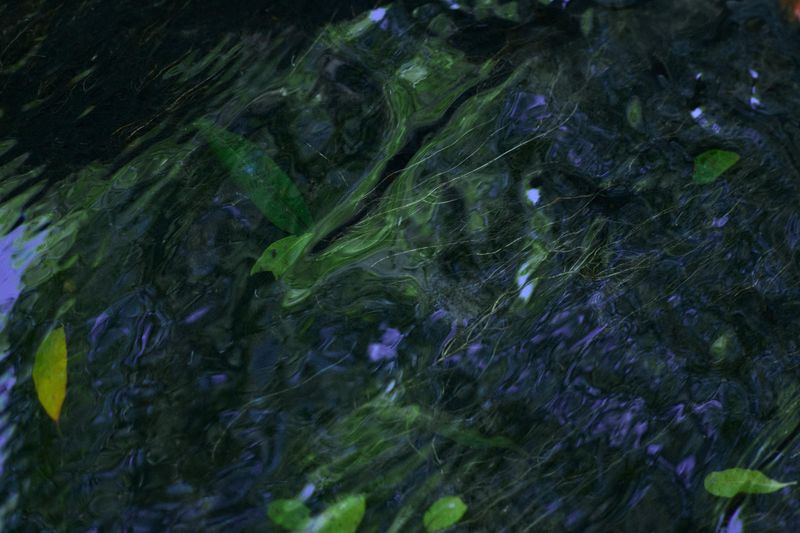
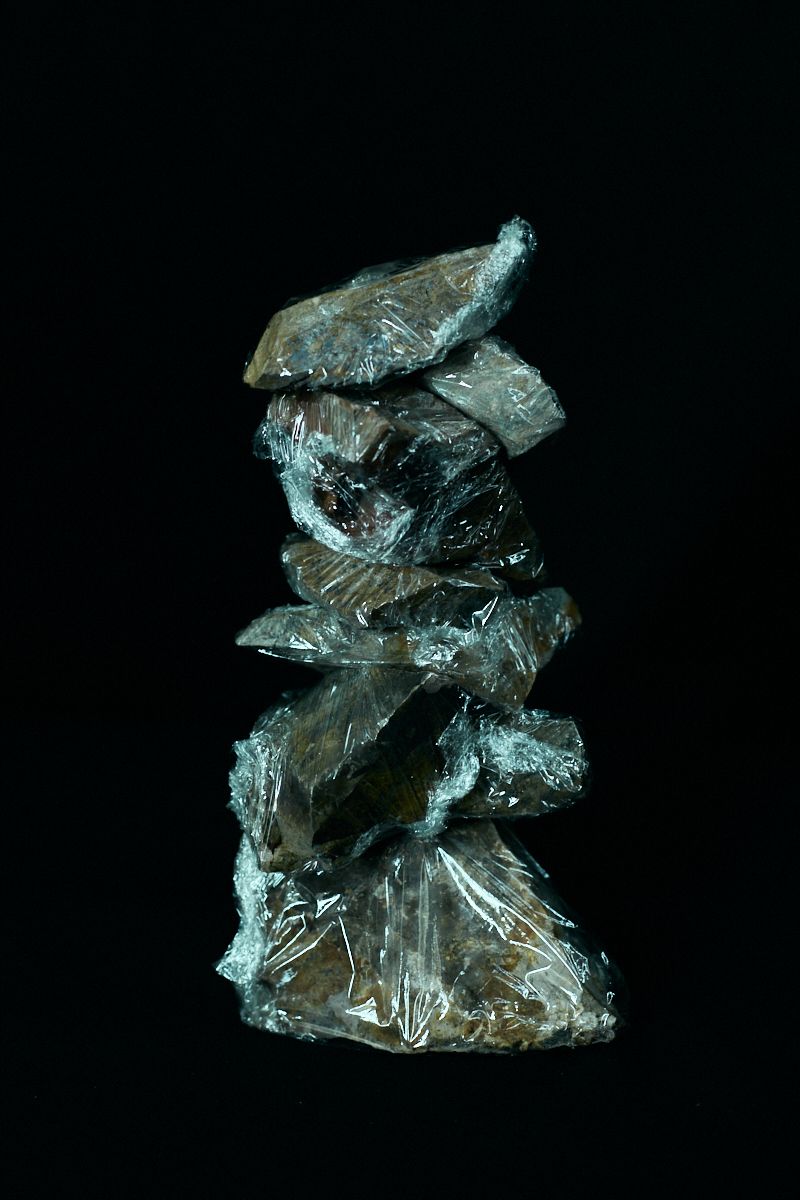
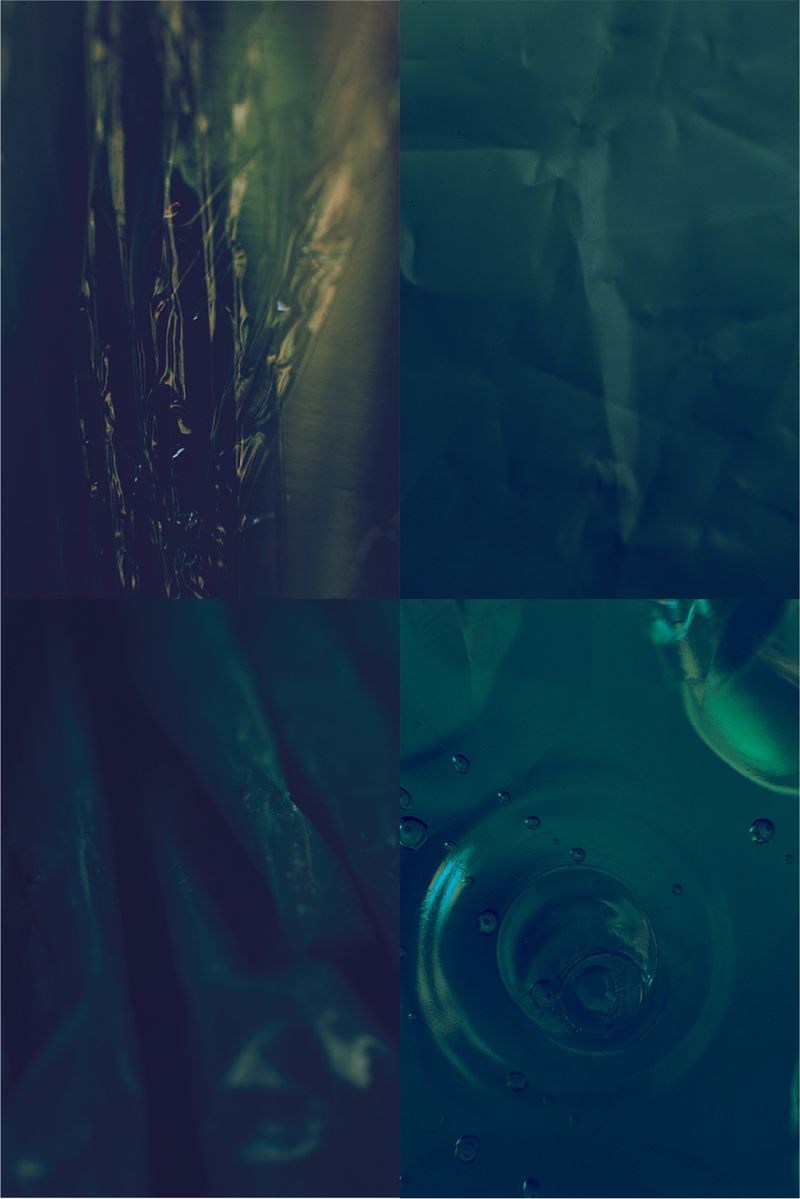
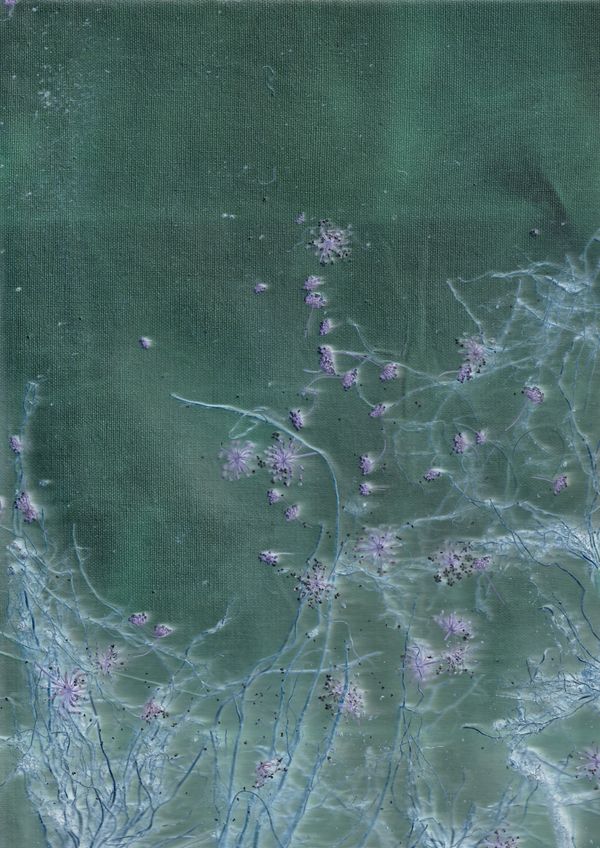
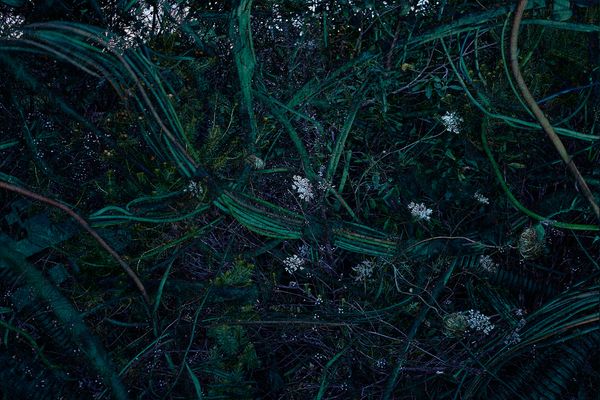
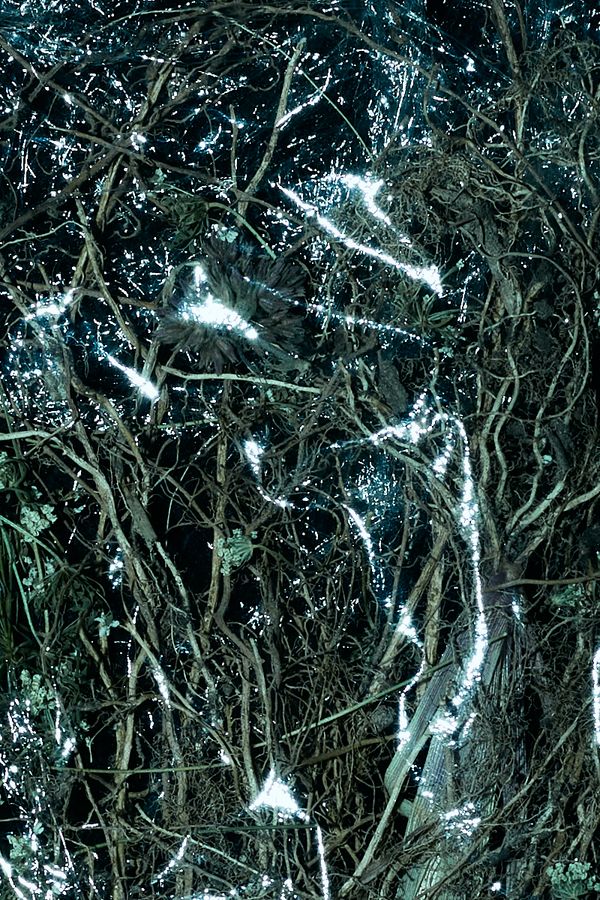
A Key to Survival explores the fracture between humanity and nature, a disconnection that affects ecological balance and mental health. Through constrasting images, it invites us to rethink our relationship with our habitat.
A Key to Survival
Are we truly aware of the disconnection we live in? How does it influence the state of the world? Concepts like climate crisis, rising depression, systemic collapse, biodiversity loss, and consumerism constantly resonate, but do we really understand their impact? How do we communicate that the current global crisis is, at its core, a consequence of our disconnection from nature?
Through images that contrast the natural with the artificial, exposing human intervention in the environment and its catastrophic effects, A Key to Survival seeks to question and deepen our understanding of how this disconnection affects not only our habitat and biodiversity but also our relationships and well-being.
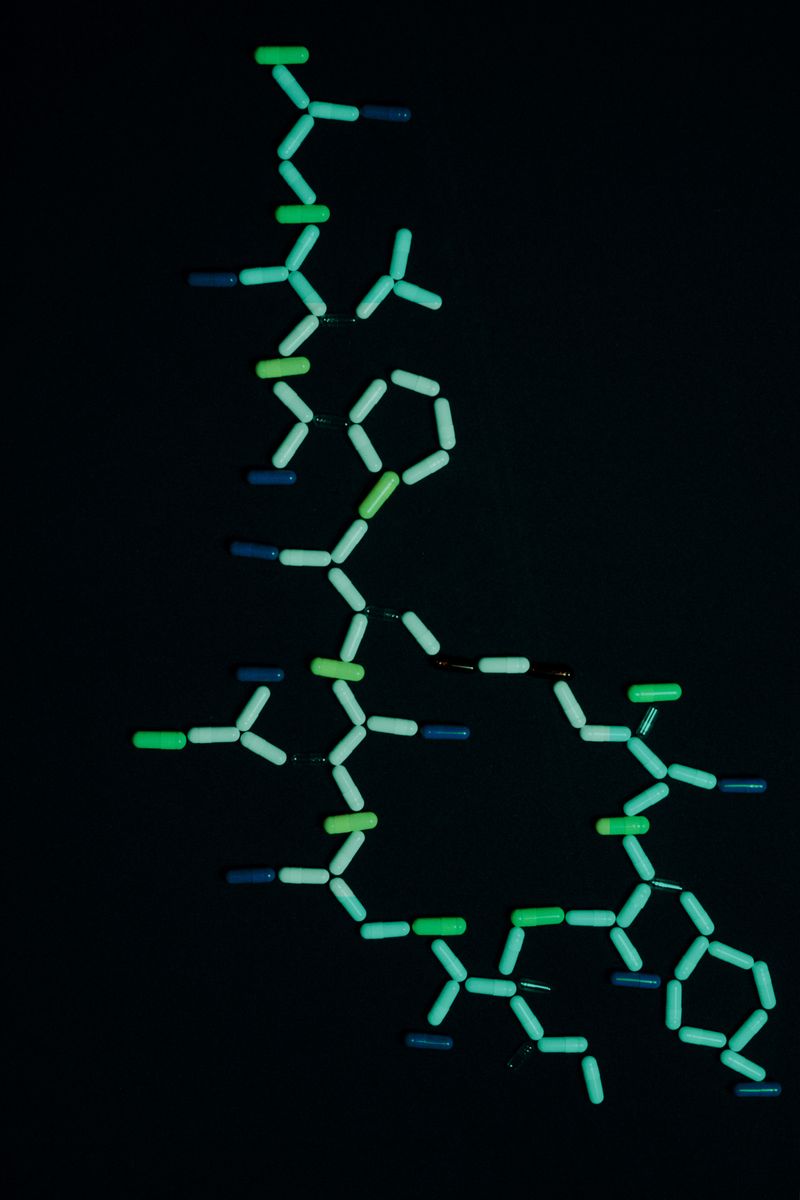
Research indicates that excessive technology use, consumerism, and lack of outdoor activity affect essential neurotransmitters for emotional well-being, such as endorphins, serotonin, dopamine, and oxytocin.
Social media use, in particular, generates oxytocin surges similar to those experienced in physical interactions like hugs or kisses, producing instant pleasure. Could this digital dependency compromise our ability to connect in the real world? Are we prepared to face the consequences of this transformation in human relationships?
Excessive dopamine stimulation alters our ability to delay gratification, while information overload and the post-truth culture reinforce a sense of scarcity, making us feel dissatisfied even in abundance. An experiment revealed that a free rat instinctively strives to release another trapped inside a plastic bottle. However, if allowed to self-administer heroin, it loses interest in helping, too immersed in an opioid haze to care about another member of its species. Should we then infer that, in the pursuit of individual pleasure, we forget our surroundings? Faced with an uncontrollable rise in oxytocin levels like the one we are currently experiencing, are we doomed as a species to individualism and the loss of collectivity?
Our crisis is not just ecological; it is existential. The question is not only what we can do for the planet but what it means to be human in this context.
Every decision implies a sacrifice. The real question is: What are we willing to sacrifice? The future of our habitat, our health, and our coexistence with nature depends on our answer.