A Garden of Suffering
-
Dates2022 - 2023
-
Author
“I couldn't stop seeing.” In the words of Ippolita Valentinetti there is a sort of bulimia of the gaze, a desire to penetrate the sense of light, of what it is capable of showing beyond all boundaries of the imagination.
The Souffrance Garden A Visual Story tale by Ippolita Valentinetti
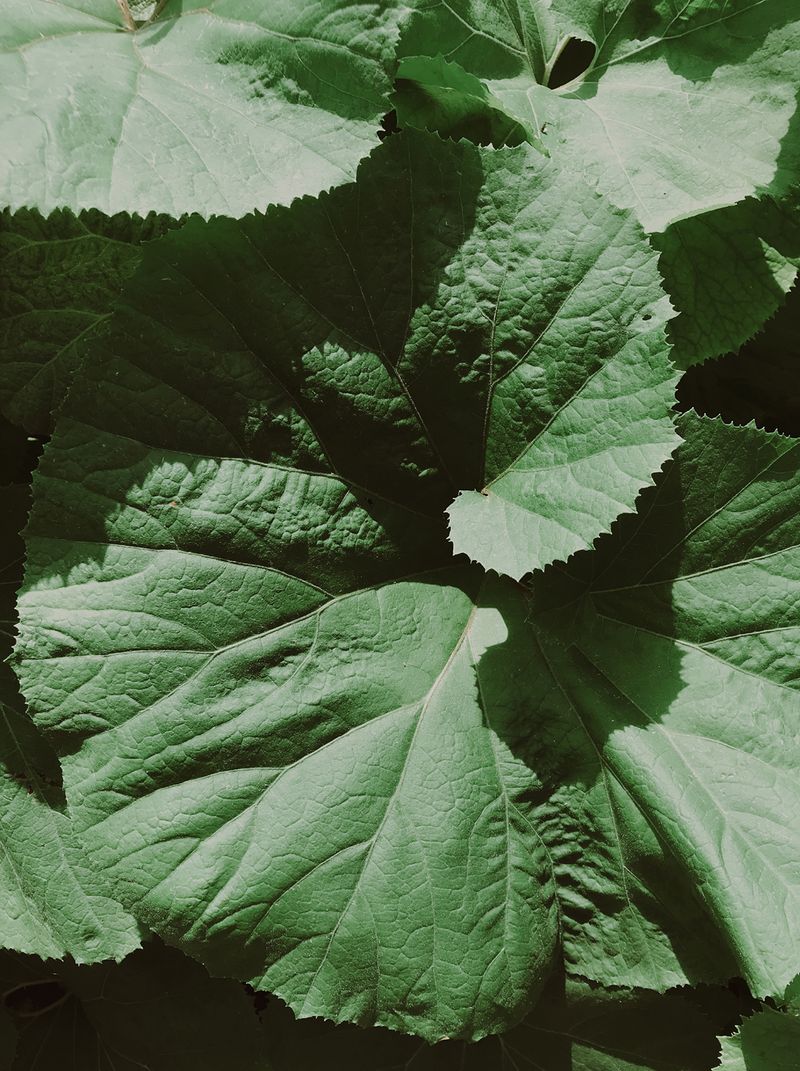
This photographic project develops over a year spent working at a plant nursery.
Whilst immersing myself in the macrocosm of nature and the plants that surrounded me, I followed
the flow of the seasons and the passage of time and light. In my visual imagery surrounded by
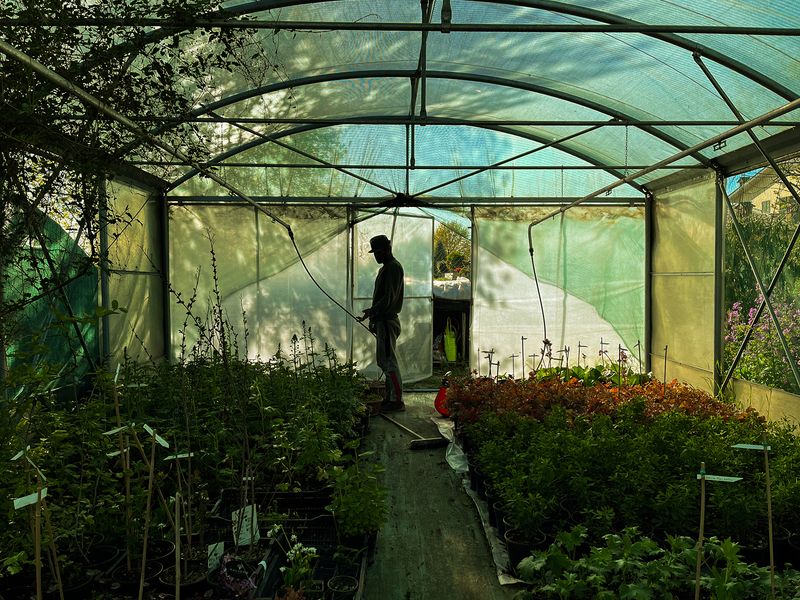
greenery, a figure who is concomitantly a gardener and a war refugee interact.
“…It was my first experience in a plant nursery, I had no expectations and I didn't even think I had a
green thumb. As an external and profane spectator, I couldn’t recognize any structure: the plant
nursery seemed to be floating in air.
I enter, and beyond the threshold of the gate I’m trampling the gravel of a deciduous territory…
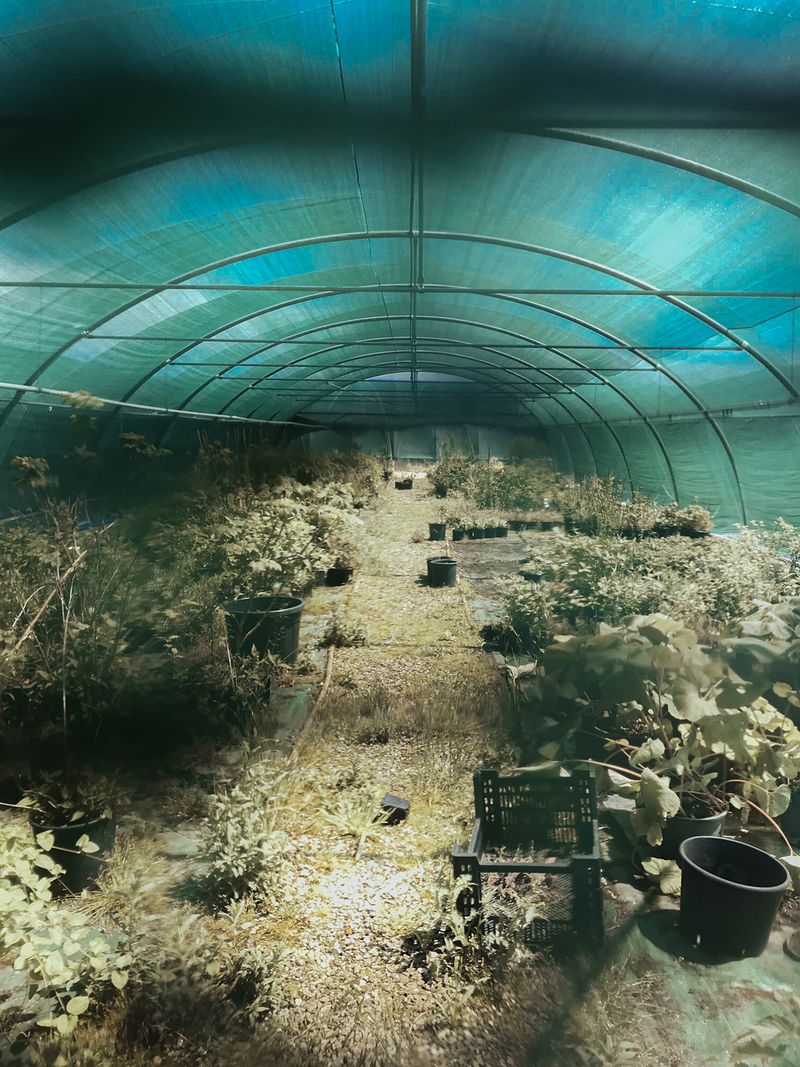
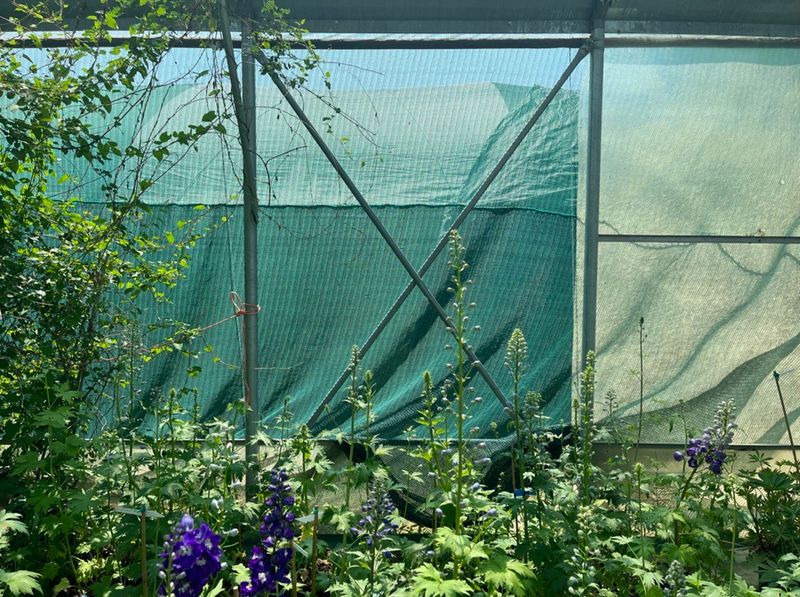
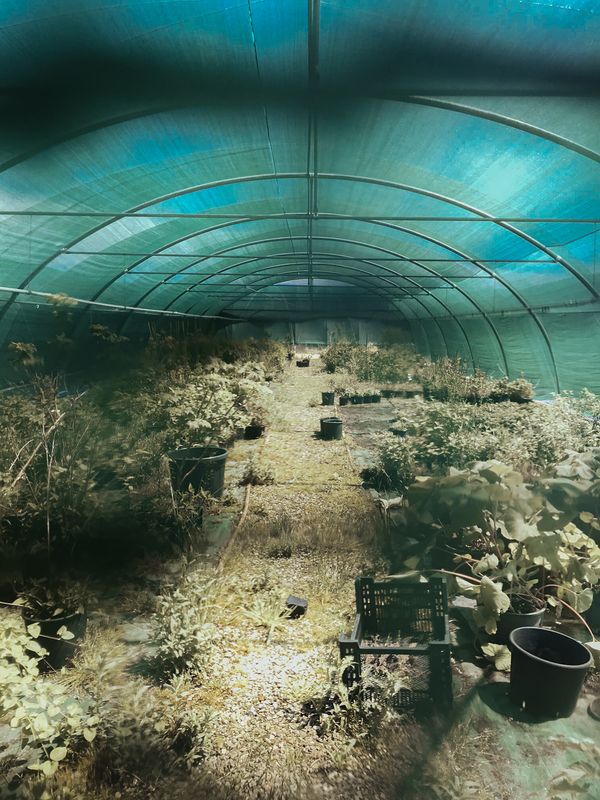
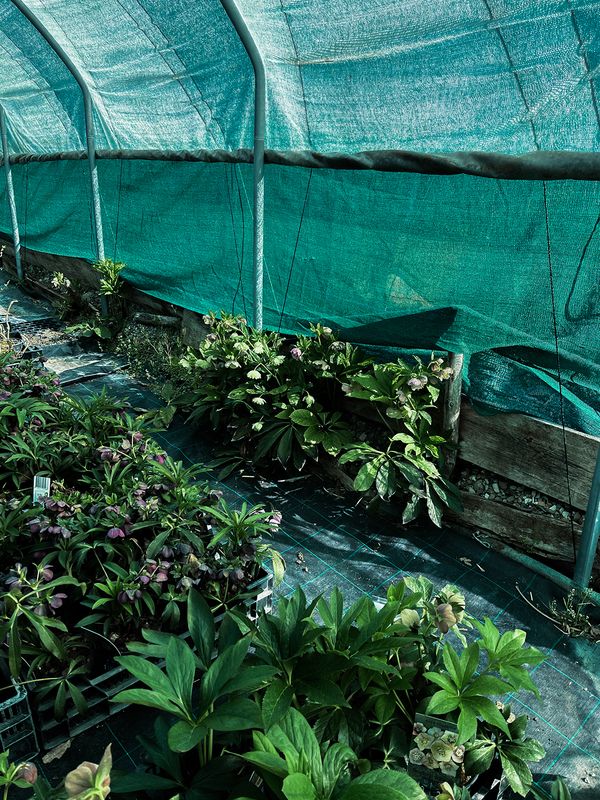
there was no place where to take shelter; I could see the green shade tunnels, a container that
served as an office and bins upon bins of organic waste.
It was early spring and still cold, a boy welcomed me, he was asleep on the pallets of soil in the
warehouse (which I later discovered to be the designated space for dividing plants and making
clones) there was still not a plant nor a flower in sight…
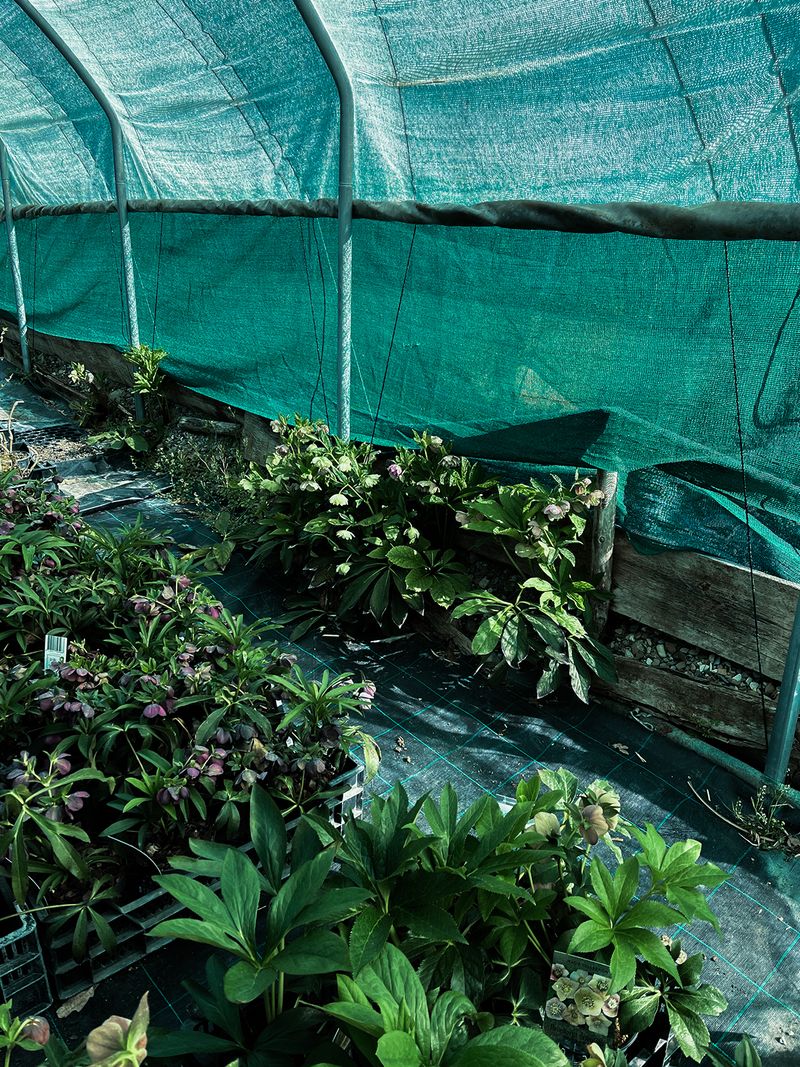
We started the rounds in the green shade tunnels, in the greenhouse and outside in the sun area.
These rounds, were the so called "water rounds" repeated daily in order to check the water and
vital status of the plants. I began to perceive clearly that the structure was all internal; built from
plants and changed cyclically. Every day I was amazed at what was hidden inside these green shade
cocoons overflowing with flowers and plants.
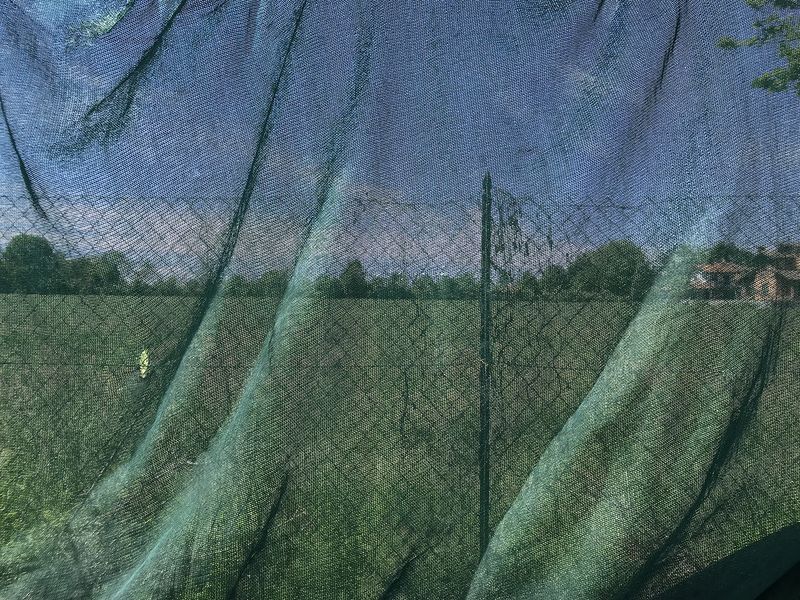
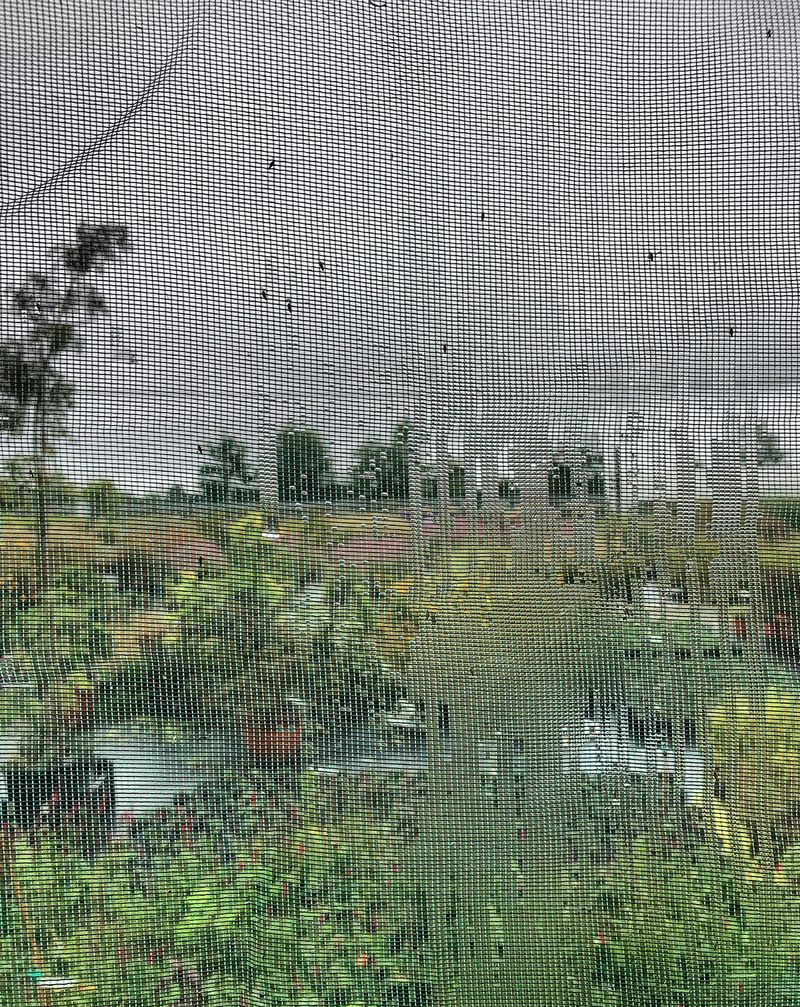
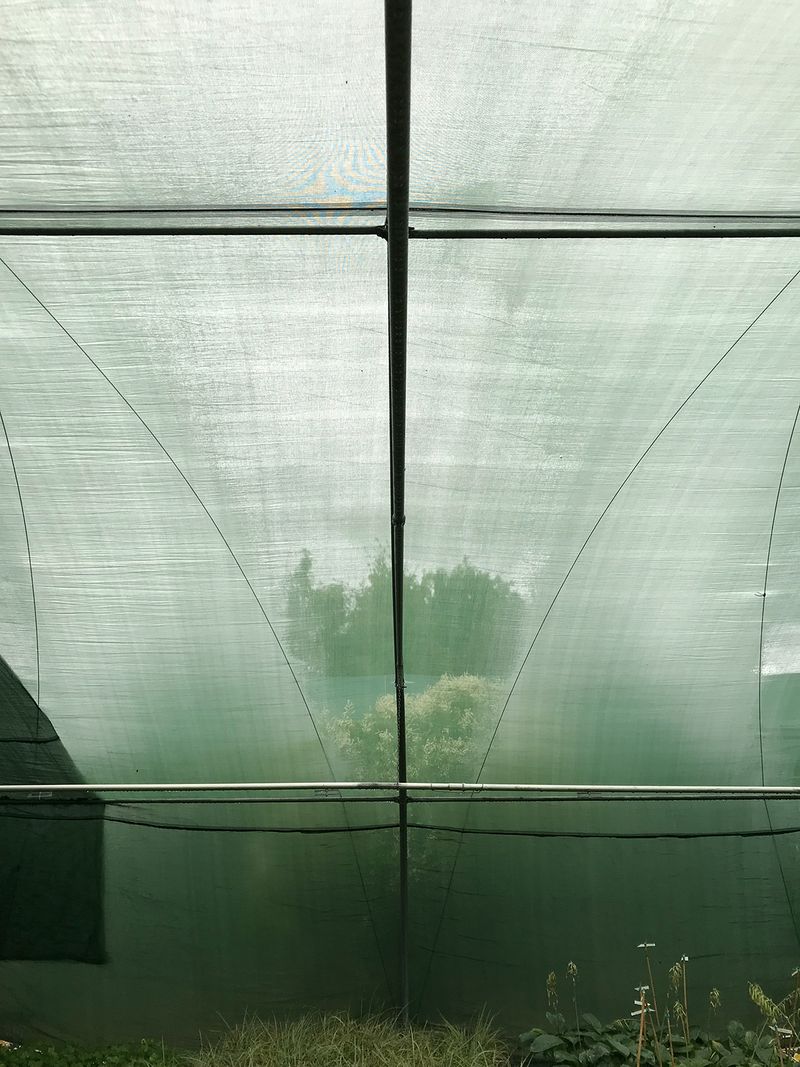
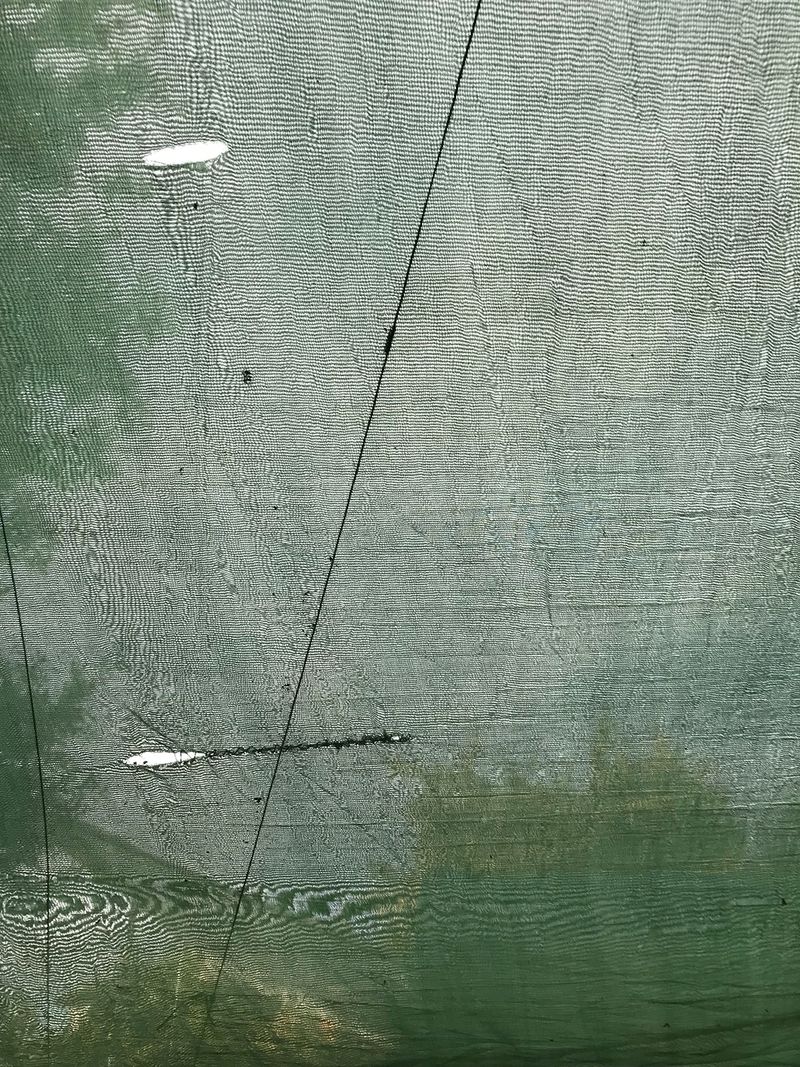
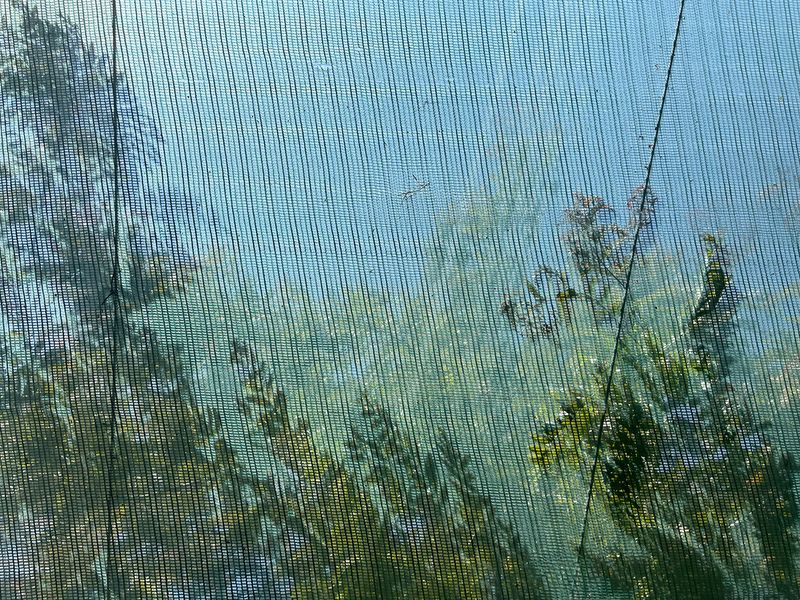
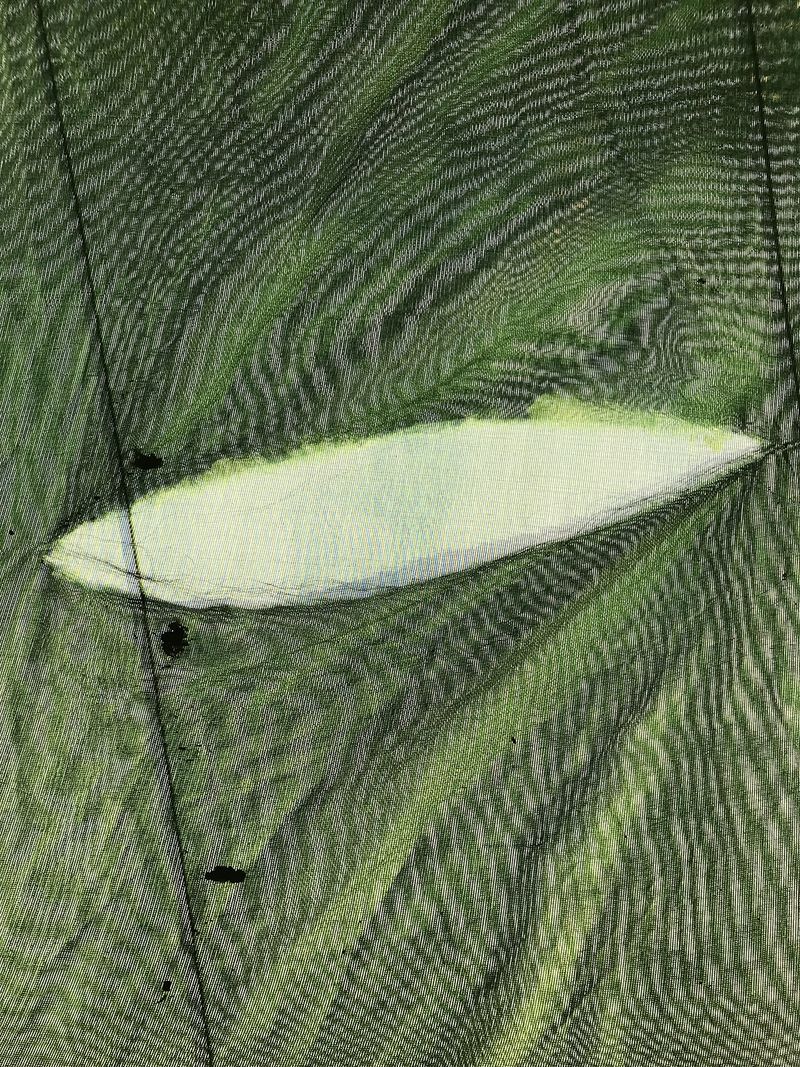
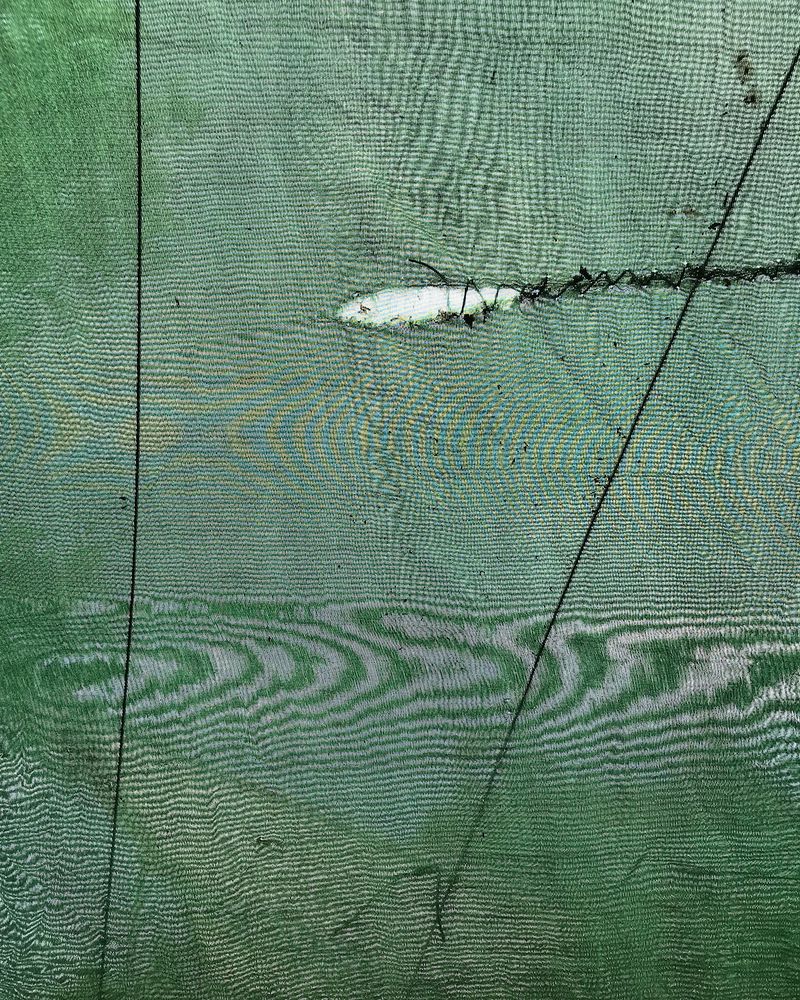
The fabrics of the shade nets each had a different texture and grain, more or less dense depending
on the exposure to the sun; they resembled large green moiré drapes shining like an aurora
borealis.
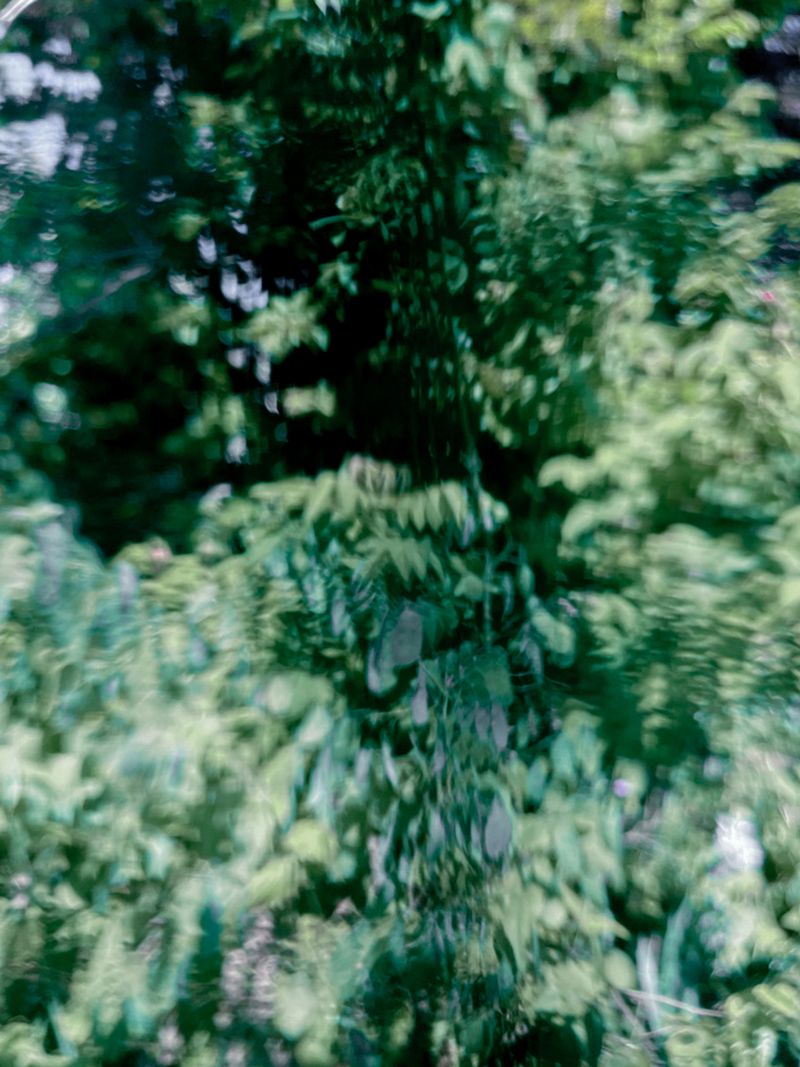
The play of light and shades of green (from the darkest of emeralds to the most acid green)
refracted on the plants which in turn cast prisms of light setting their imprint on the walls of the
green tulle caves.
1The plants and flowers radiated with their own shadows and colours.
I was ecstatic, I couldn’t stop my eyes from seeing.
All this enveloped by the singular scents of flowers and the presence of a gardener whom through
my lens and the slits in the drapes glimpsed back at me…”
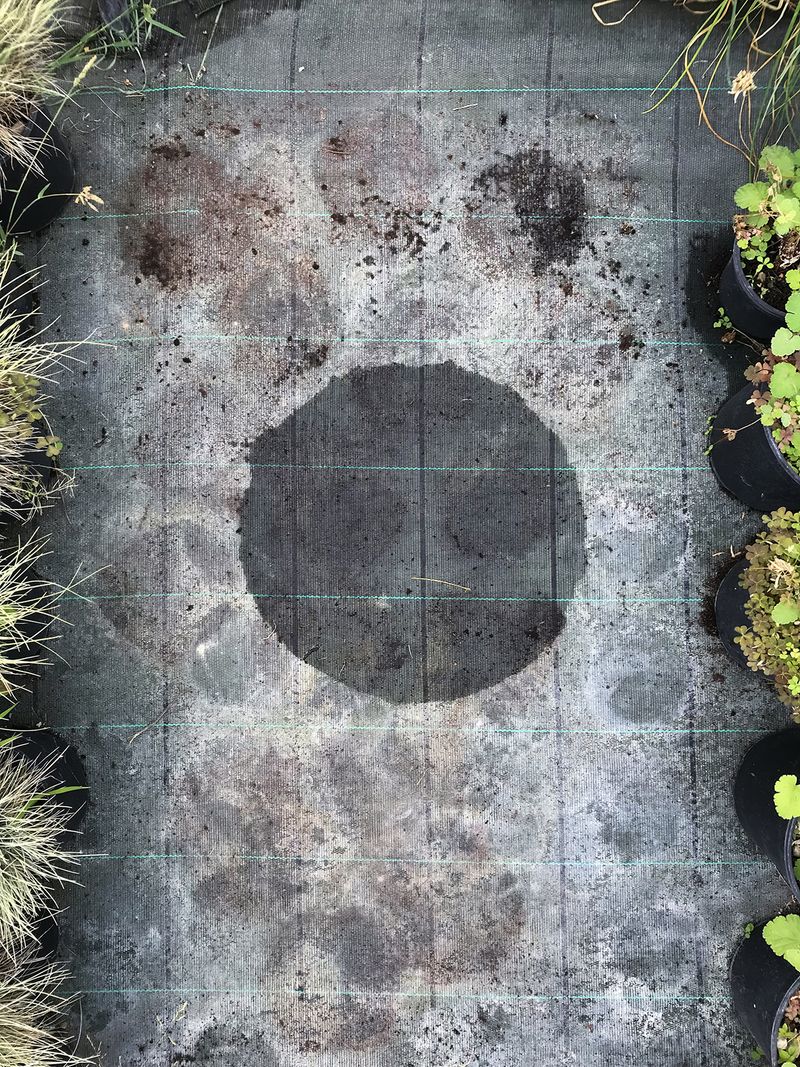
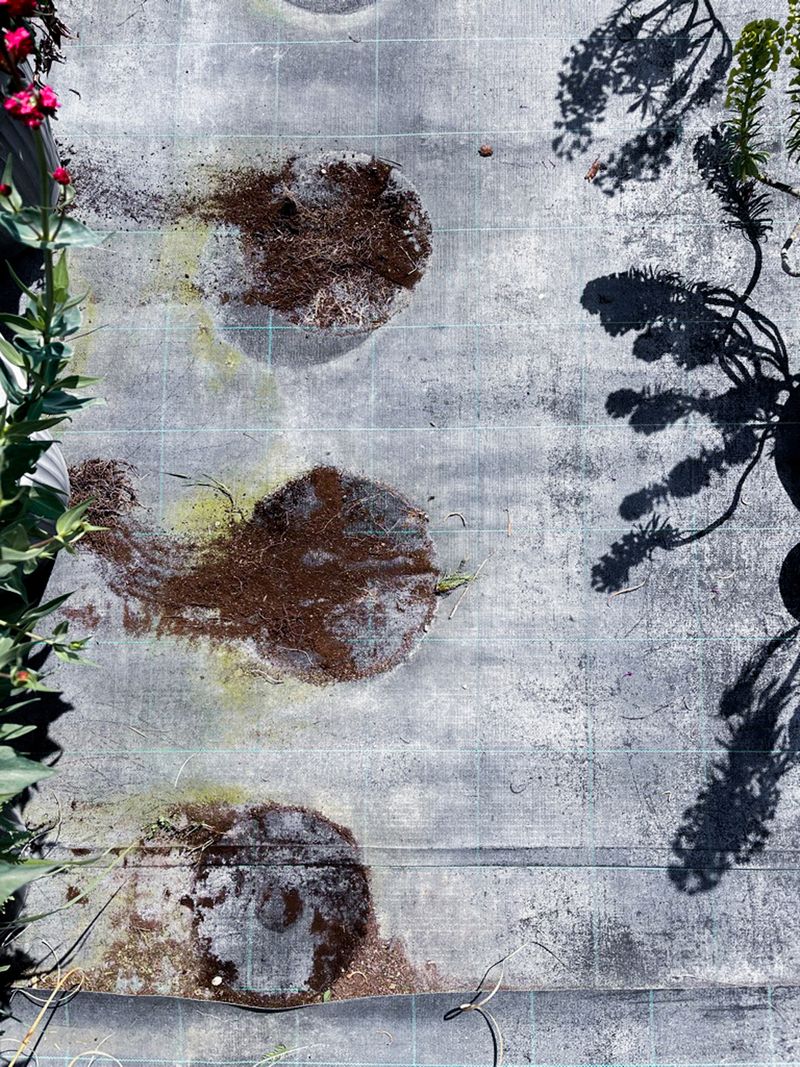
Stylistically I worked both on the study of specific plants and their life cycle, and on a fantastic and
abstract component by capturing the textures and materials of the plant nursery, this last series of
photographs probably arose due to professional deformation; reminiscent of my work as a set
designer.
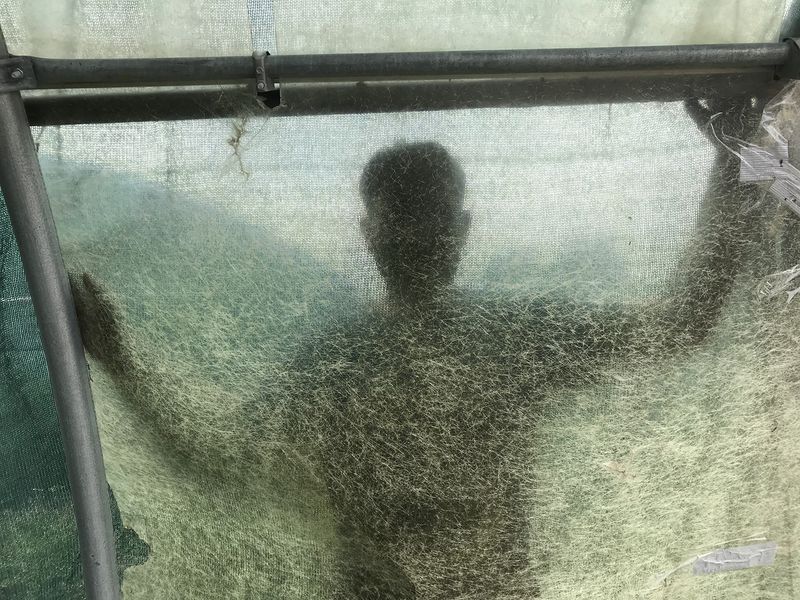
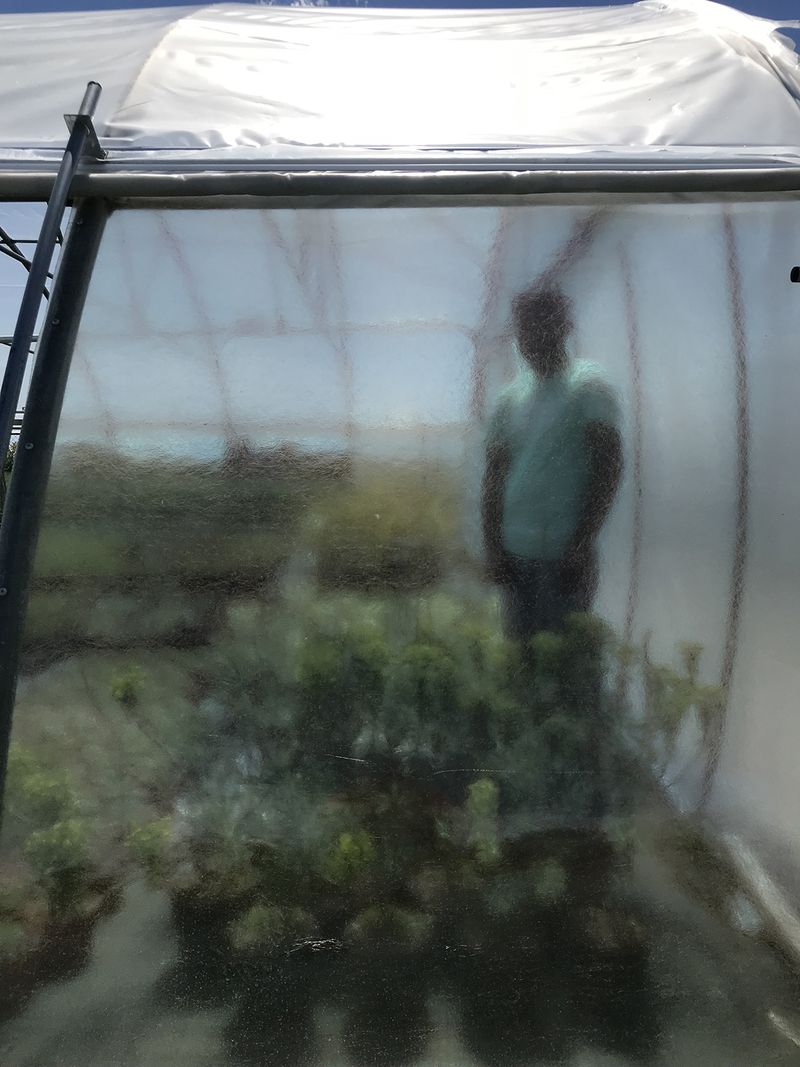
One of the keys to understanding and researching my project is to portray the Afghan gardener and
his incorruptible devotion to nature; despite all the difficulties that tore him away from his country
of origin.
War and captivity juxtaposed to freedom and peace of mind.
I decided to portray him through the lens of the materials and objects of his daily work, through
translucent screens and nets, like the plants he takes care of, protected and at the same time
prisoners of sunlight.
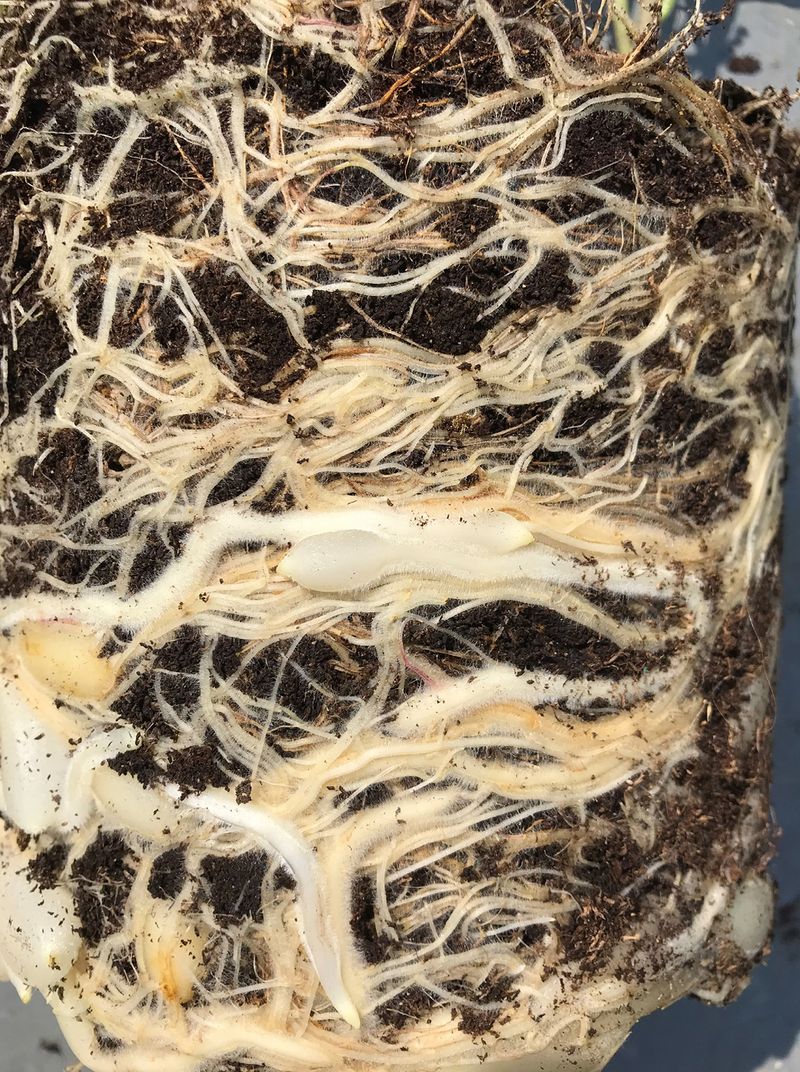
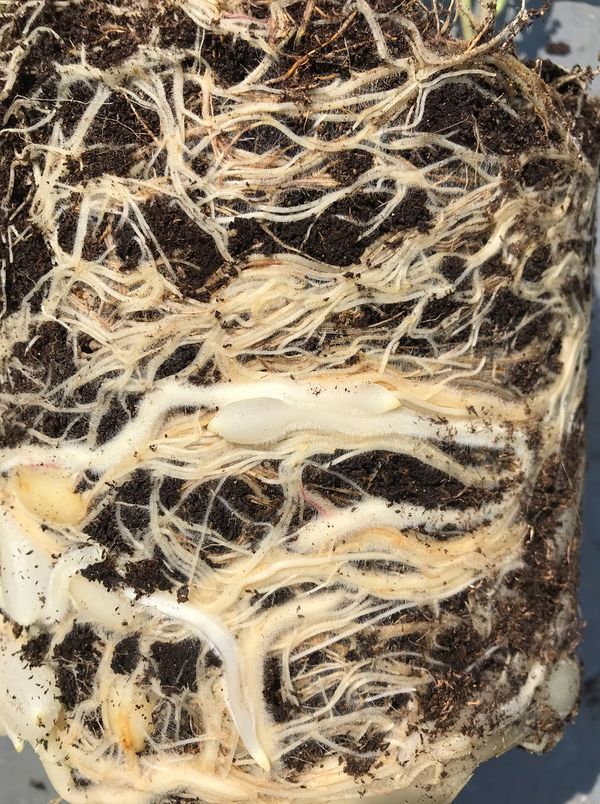
Family roots are difficult to break despite the physical distance and like plant roots or the warp and
weft of threads that make up a fabric they adapt to different conditions but rarely change their
nature.
In this case I would say humanity is what is most important. A person's humanity is immutable in
the face of adversity and pain.
As a literary text I was inspired by ‘A garden of suffering’, a passage taken from Giacomo Leopardi's
Zibaldone (1826).
In his text, Leopardi tells us how, behind the apparent beauty of a green garden, hides the cruel
reality of pain and suffering, and a bitter fight between the living beings that inhabit it.
Critic's Texts:
“I couldn't stop seeing.” In the words of Ippolita Valentinetti there is a sort of bulimia of the gaze,
a desire to penetrate the sense of light, of what it is capable of showing beyond all boundaries of
the imagination.
The vision appears in its supernatural vastness borrowed from the sensitive acuteness deriving
from pain, from "suffering". Just as the cocoon hosts within itself the chrysalis which, shaking its
wings as much as it can, is ready for change, so the author looks "through" the juxtapositions of
colors that the light offers her in the form of an almost impalpable fabric, waiting to enter the
'invisible, that which is not recognizable, which delimits the visible.
The image thus becomes what is inside - the soul - and everything that is outside, the boundary of
the gaze, loses its meaning.
For the exhibition “Supernatural body and soul” curated by Giovanna Gammarota (TranslaJon
from the Italian)
The imagery collected here is full of images that offer that feeling given by pain, by suffering.
Breathlessness...clarity slips away. In the greenhouse I enclose myself, I wrap myself. It's a shell, a
cocoon that shakes me internally.
The sight is imbued with colours, with juxtapositions, with what is recognizable and with the
invisible, with transparencies. From the indistinct.
The image contains the world that is inside me and everything outside loses meaning.
Text written in collaboration with Giovanni Pelloso (TranslaJon from the Italian)
Over the course of a year spent working at a plant nursery, Ippolita Valentinetti immersed
herself in a vegetative Cosmo. Every morning she crosses a gate that opens onto a dictionary
of images that change with the seasons and the light.
An organic choreography which shines by their own reflections and offers itself to the gaze.
She writes: “The fabrics of the shade holders each had a different weave and grain, more or
less dense depending on exposure to the sun; they seemed to me like large drapes of green
moiré fabric shining like the Northern Lights. The play of light and the shades of green (from
emerald to more acidic greens) were refracted on the plants, building prisms set in green tulle
caves, radiating with their own shadows and colours. I was ecstatic, I couldn't stop seeing.”
It is an overflow of lifeblood and scents that inebriate her imagination as a set designer. But
here the dramatic action of the Afghan gardener devoted to nature is also consummated even
though his roots lie in the difficulties of his country of origin. “I decided to portray him
through the lens of the materials and objects of his daily work, through translucent nets and
screens, like the plants he takes care of, protected and at the same time prisoners of the Sun.”
An invisible story that emerges from the subtle web of thought that locks existence behind a
fifth of the horizon. Humanity held in check by time, but immutable in facing adversity and
pain, and capable of an extraordinary metamorphosis if desired, of growth under other guises.
Text written by Steve Bisson (Translated from the Italian)