6km Run
-
Dates2025 - Ongoing
-
Author
- Topics Landscape, Daily Life, Sports, Travel, Fine Art, Archive
- Locations London, Copenhagen, Bergen
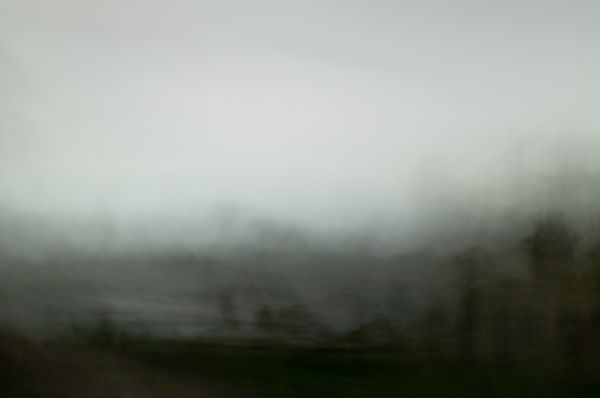
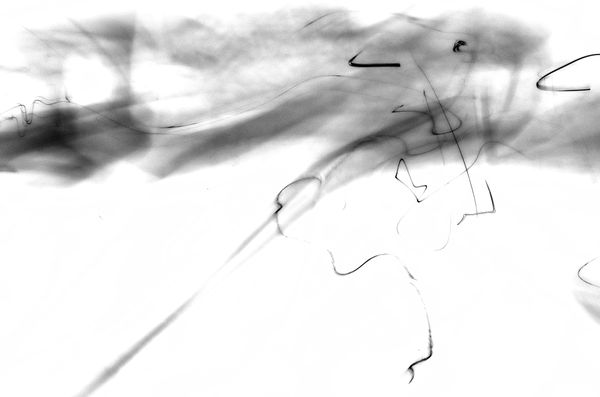
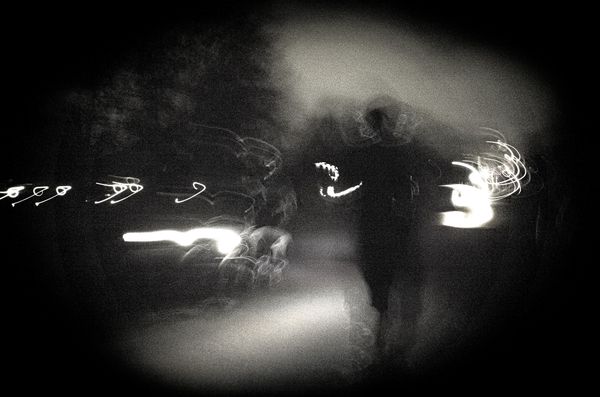
A durational photographic system: One long exposure per kilometer during repeated 6 kilometer runs, tracing time through the body in motion.
This project began from a simple observation: the human body has limits. It cannot accelerate endlessly or eliminate friction. In contrast, contemporary systems increasingly prioritize smoothness, speed, and optimization. Rather than positioning slowness as an aesthetic counterpoint, the work proposes care as a practice of sustained, embodied attention. I became interested in what it means to make images from within bodily limitation rather than technological efficiency.
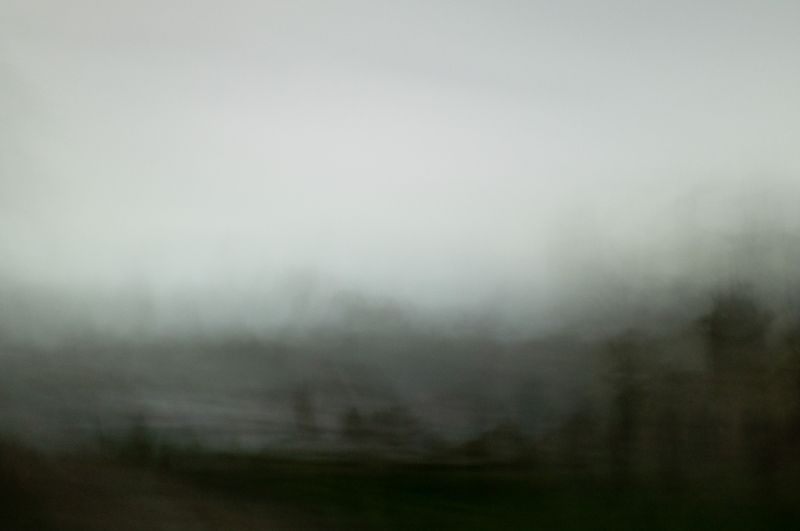
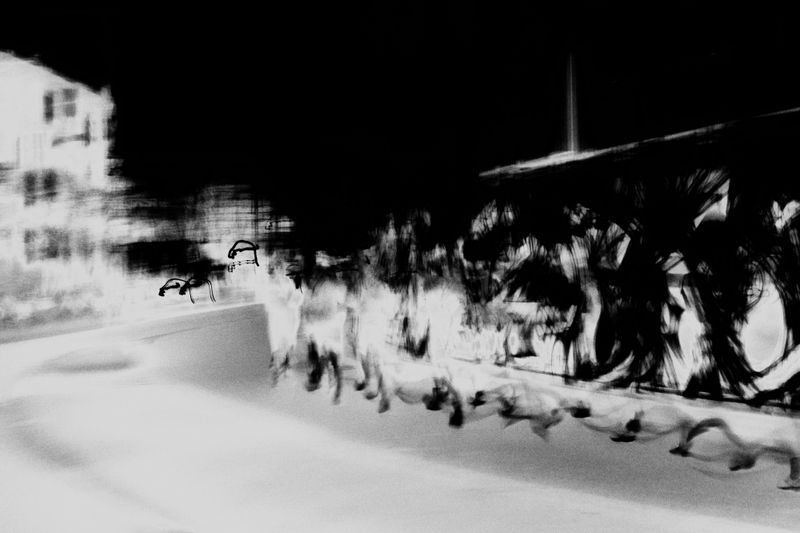
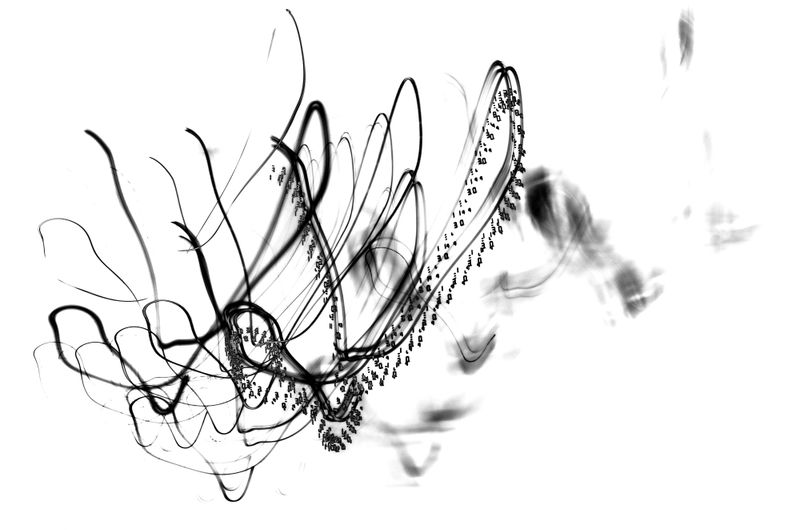
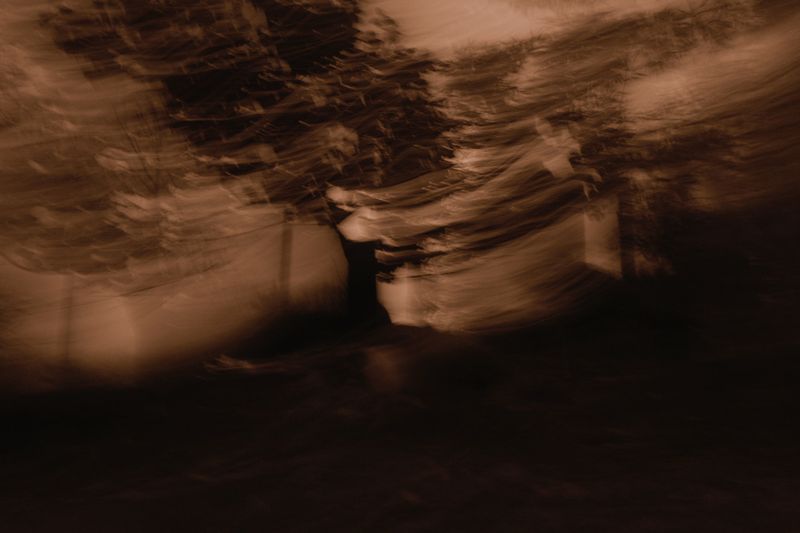
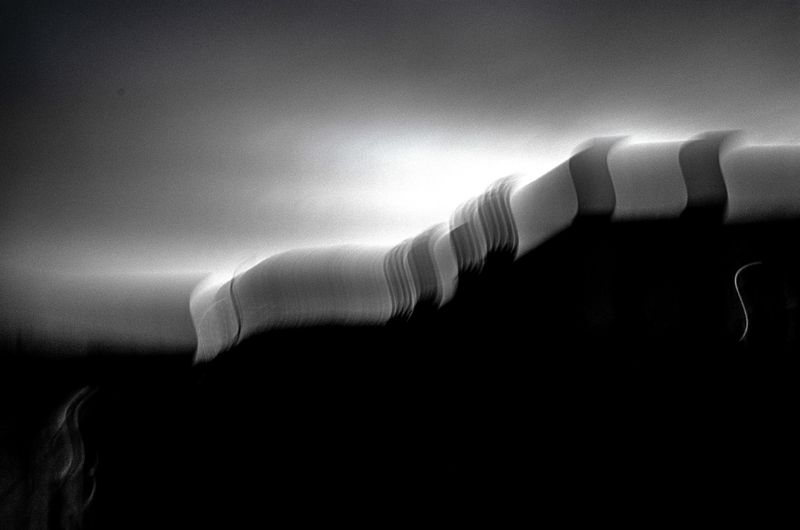
The work follows a fixed photographic method. During every six kilometer run, I produce one handheld long exposure image per kilometer. The distance does not change. The rule does not change. This structure functions as a repeatable unit of time, a self imposed parameter that mirrors the non negotiable limits of the body itself.
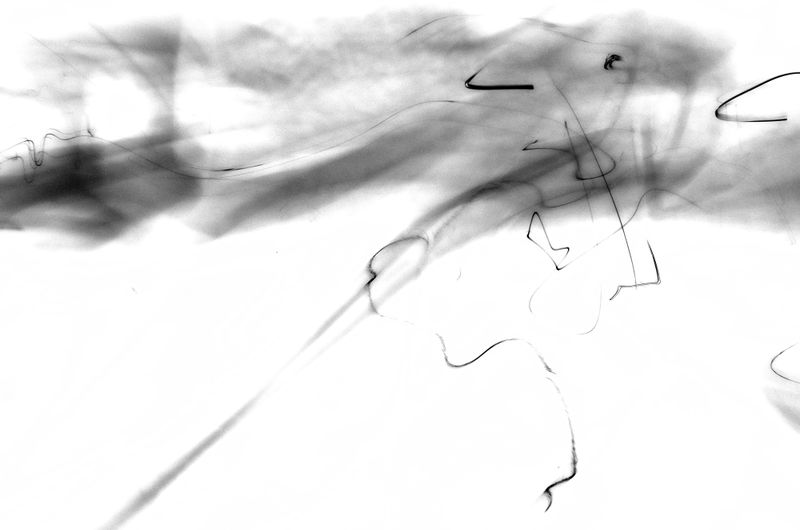
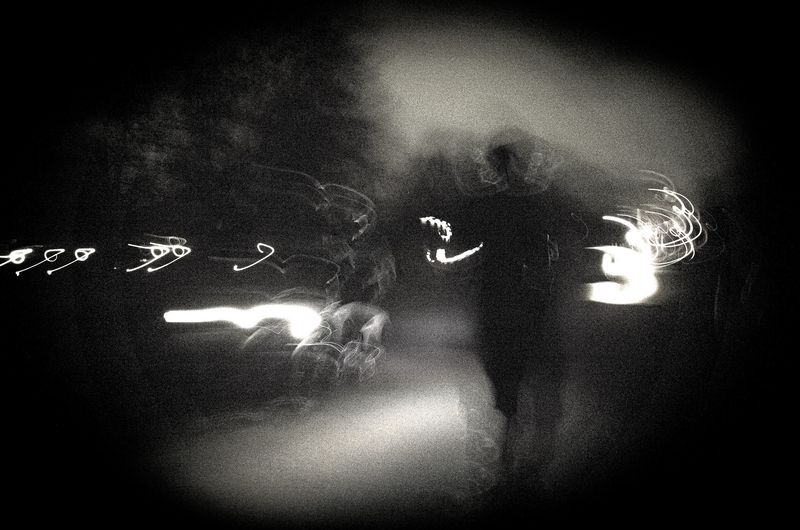
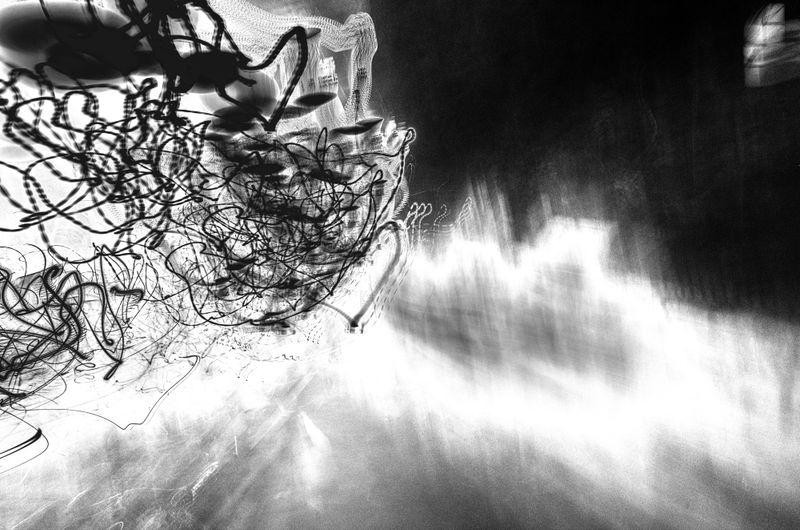
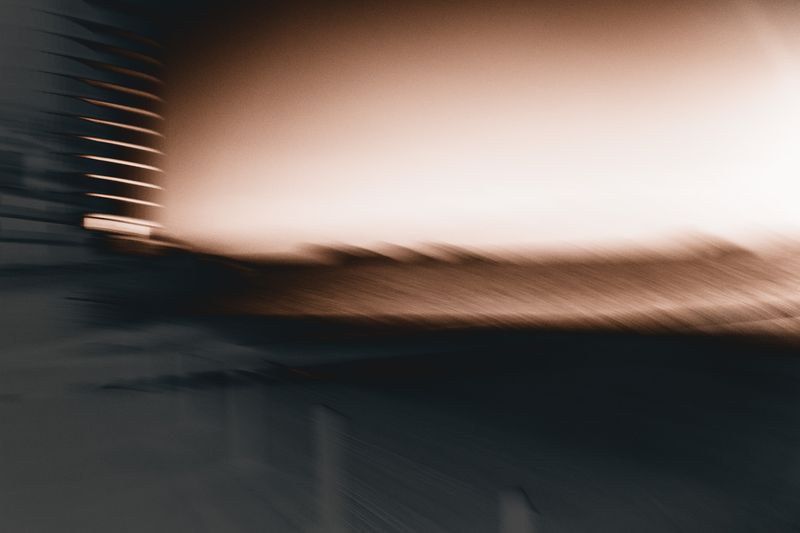
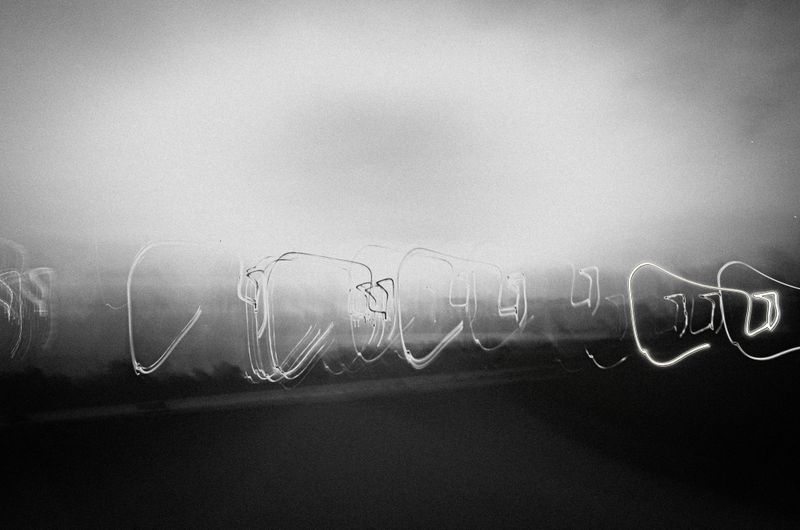
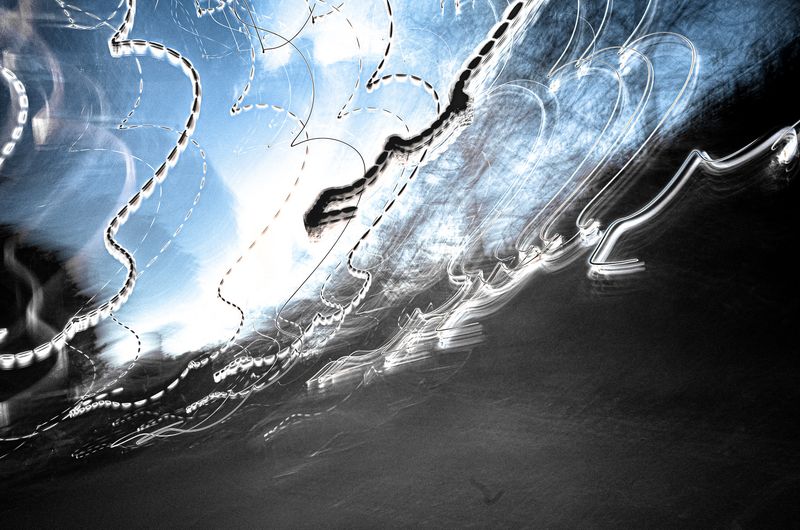
The photographs are made while running. The camera moves with my stride and breath, responding to what draws my attention in the moment. Fatigue, terrain, weather, and light directly affect exposure and framing. The body is not depicted as subject; it operates as apparatus. Each image becomes a trace shaped by exertion and perception rather than control.
I work digitally not for speed, but for intimacy. Having photographed since childhood and later worked in moving image, sensitivity to light and exposure has become a language I understand instinctively. The camera is not a neutral recorder but an extension of my body, a collaborator in translating sensation into form. Long exposure under motion becomes a negotiation between mechanical sensitivity and physical limit.
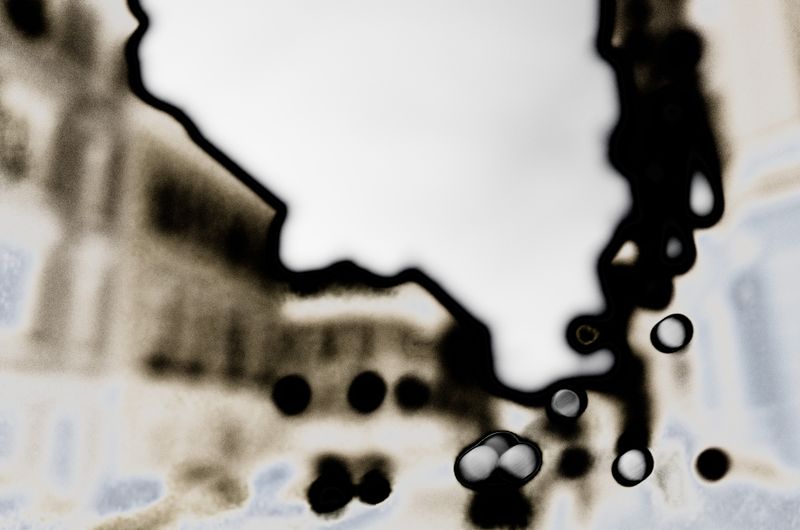
Repetition creates both continuity and variation. Each six kilometer sequence stands independently while contributing to a growing archive. Because the method remains constant, differences emerge through physiological state, shifting environments, and lived circumstance. Editing plays a deliberate role in this process. Through reduction and refinement, I remove excess until the image feels sincere. Abstraction is not added as effect but arrives as the residue of duration under strain.
In photographic terms, the project shifts attention from decisive moments to accumulated experience. The images do not aim for accurate depiction. They register presence. They hold traces of movement, light, and time as they were felt rather than clearly seen.
Over time, the project becomes an embodied study of duration measured in kilometers, breath cycles, and repeated routes. Photography here is not documentation of performance, but the site where bodily limitation, care, and lived time take visible form.