46750

  • Dates
    2007 - 2016
  • Author
  • Topics Social Issues, Documentary, War & Conflicts
  • Location Rio de Janeiro, Brazil

46750 is a portrait of the city of Rio de Janeiro. While the world celebrated the FIFA World Cup in 2014 and the 2016 summer Olympics, a whole parallel reality was happening without much of the attention of the millions watched it on TV.The book can be bought here: https://46750book.joao-pina.com/

As Rio de Janeiro prepared to host the 2014 FIFA World Cup and Summer Olympic games in 2016, an enormous transformation was supposed to take place in the so-called “Marvelous City.”

But in the decade between 2007—when Rio won its FIFA bid—and 2016, when the Olympics took place, 46,750 homicides occurred in the city’s metropolitan area.

When I think about Rio during those years, these are the things that come to mind: That it is named for a river that doesn’t exist; that the city’s religious patron is a saint, George, who carries a spear, who is the icon of today’s policemen and thugs, who carry assault weapons; that the police are ordinary men who drive modest cars home with pistols tucked between their legs, and that more are killed in the line of duty than from any other police force in the world. Dozens are shot at point-blank range when they are on their way to punch the clock and the gangsters, who hate them, see their badges shining.

Fernando, who is called by the authorities “the big trafficker,” lives hidden in his stuffy brick house, surrounded by bodyguards, unable to leave his favela.

André, a firefighter, drives his motorcycle to work early in the morning and then dons a yellow uniform and roams the streets, collecting the bodies of people murdered the night before.

Ana Paula continues to go into her son’s bedroom in the hope of seeing him again, and ends up remembering how beautiful he was before the police mistook him for a drug trafficker and killed him outside her door.

Leslie, a police reporter, says goodbye to his daughters and leaves home before dawn, already wearing his bulletproof vest. The policemen he accompanies on their patrols and raids kill more than a thousand poor young black men every year, and say they all tried to resist arrest.
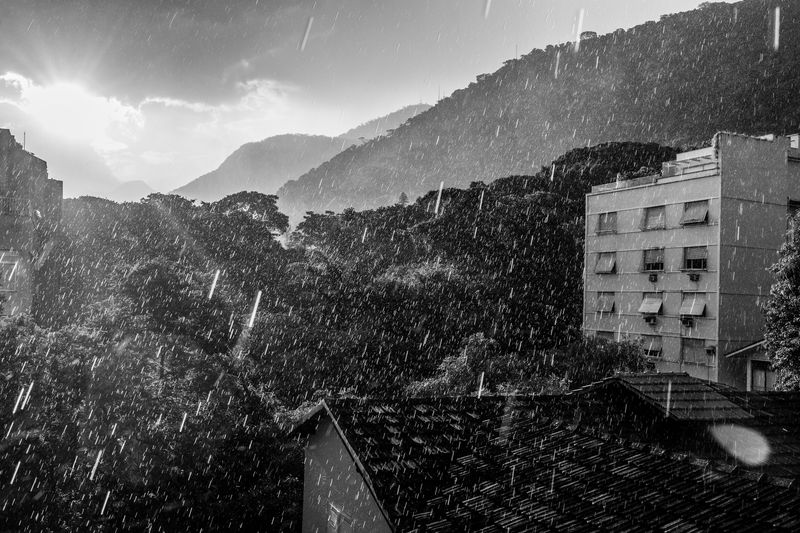
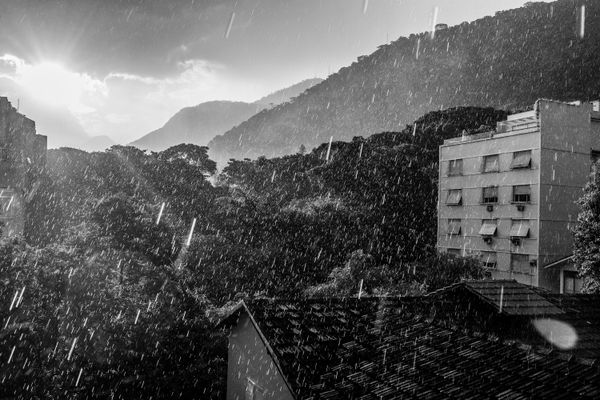
© João Pina - View of the Atlantic Forest during a heavy summer rainfall, near the Jardim Botânico neighborhood. February 2016.
i

View of the Atlantic Forest during a heavy summer rainfall, near the Jardim Botânico neighborhood. February 2016.

© João Pina - Image from the 46750 photography project
i

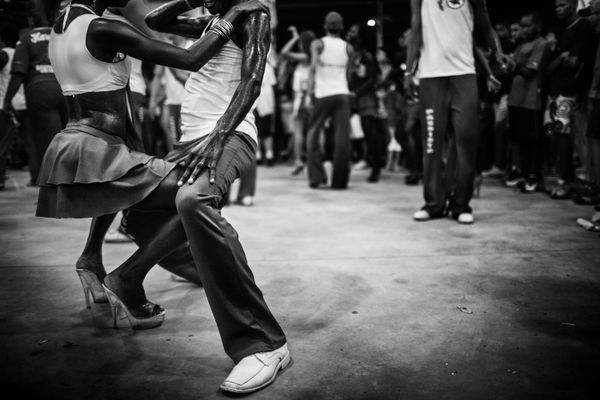
Passistas samba dancers perform during the final rehearsal of Porto da Pedra samba school before their parade in the Sambódromo. February 2007.

© João Pina - Image from the 46750 photography project
i

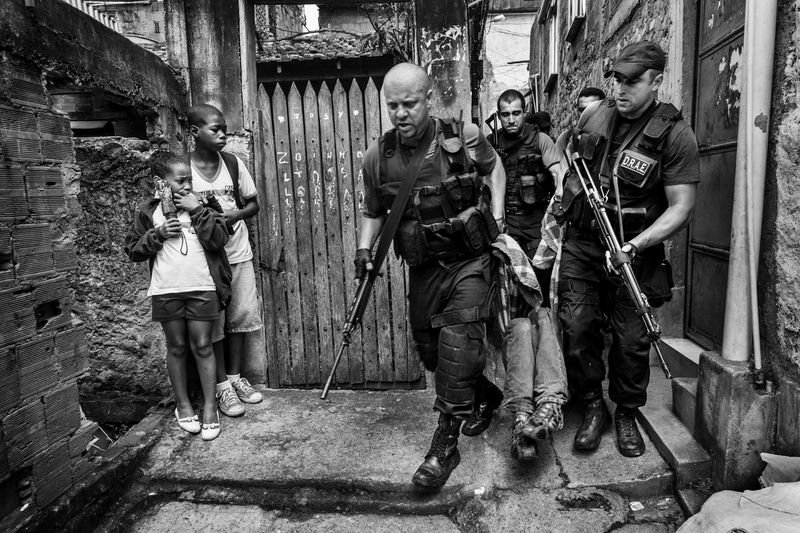
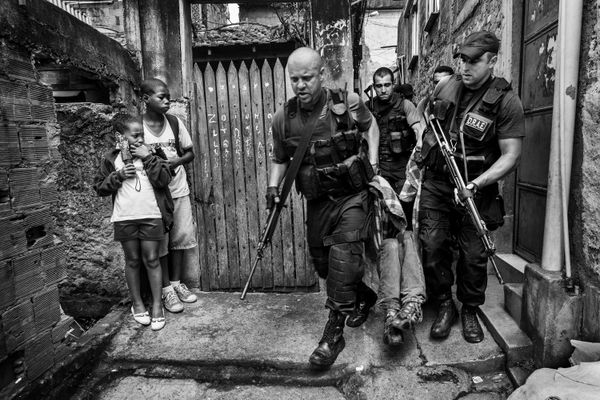
Policemen from DRAE (Civilian Police division against weapons and explosives in Portuguese) carry the body of a young man, while two children coming back from school look at the scene. This is a case of “resistance to authority.” After allegedly being told to stop by the police, the suspect “resisted” and was shot and taken to the hospital. In 2009 alone, the police officially killed 1049 people with this practice. November 2009.

© João Pina - Image from the 46750 photography project
i

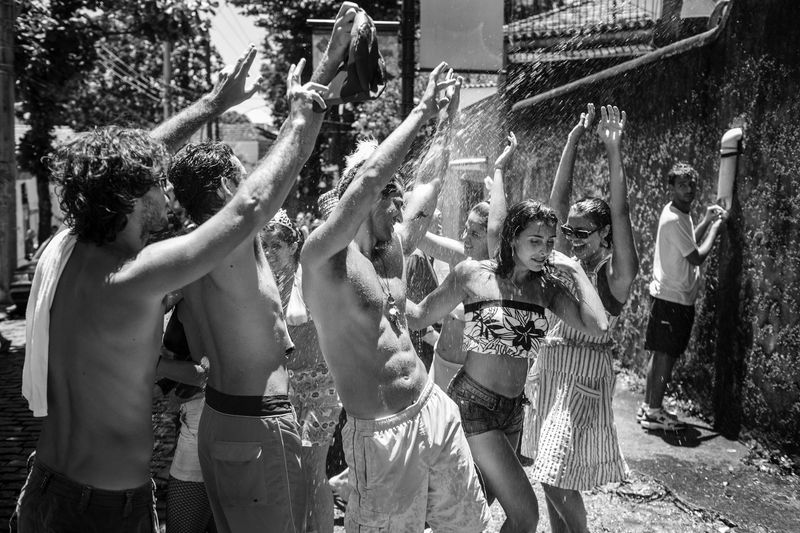
A group of young men and women has fun while water is being sprayed on them from a house during Céu na Terra carnival street party in Santa Teresa. February 2007.

© João Pina - Image from the 46750 photography project
i

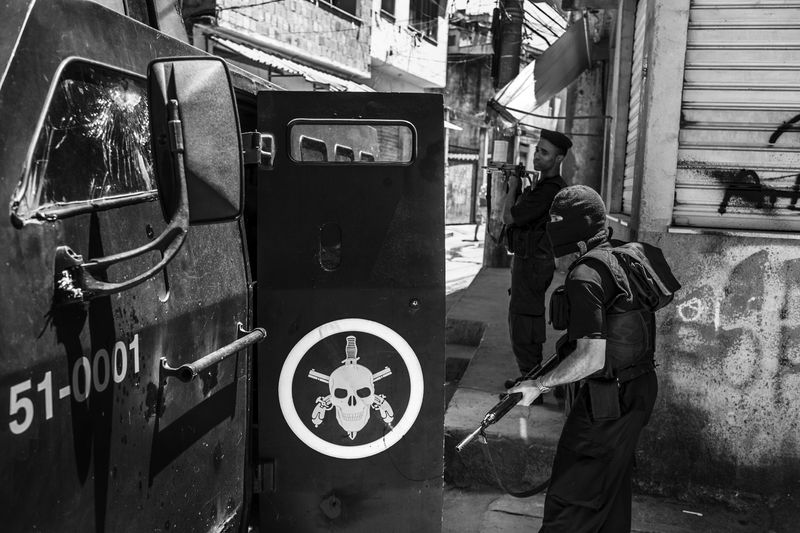
Soldiers from the BOPE (Special operations unit from the Military Police) enter their armored car known as “Caveirão” during a police operation against drug traffickers of the Red Command gang in Complexo do Alemão favela complex. March 2007.

© João Pina - A man watches television in a bar in the Dona Marta favela. November 2009.
i

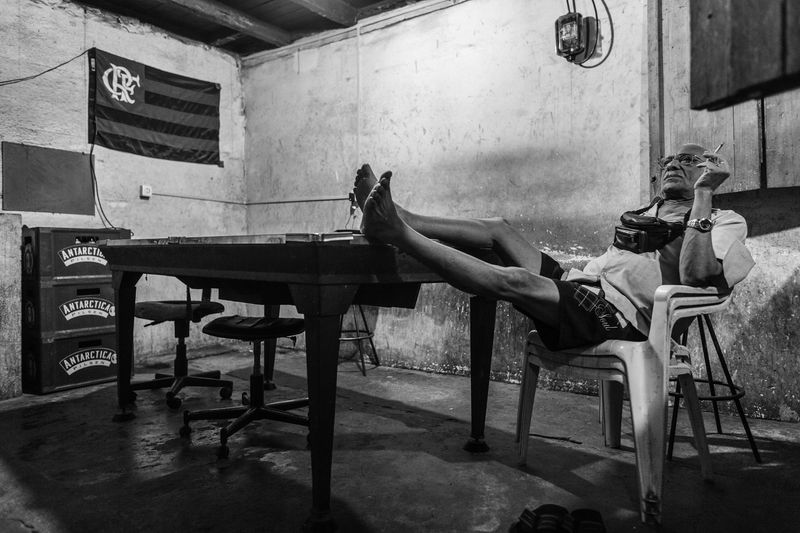
A man watches television in a bar in the Dona Marta favela. November 2009.

© João Pina - Image from the 46750 photography project
i

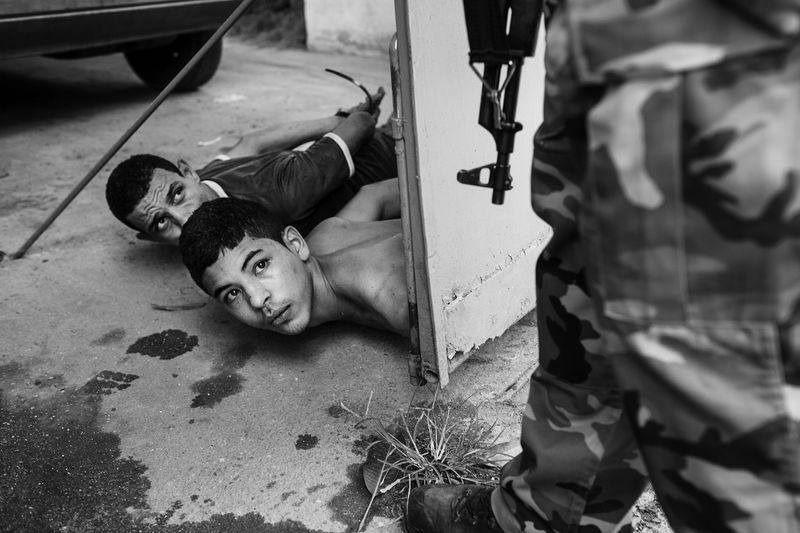
Two suspected members of the drug trafficking gang, “Terceiro Comando” (the boy in the center of the image is 15 years old) are arrested during a police operation in the Acari favela in northern Rio de Janeiro. February 2008.

© João Pina - Image from the 46750 photography project
i

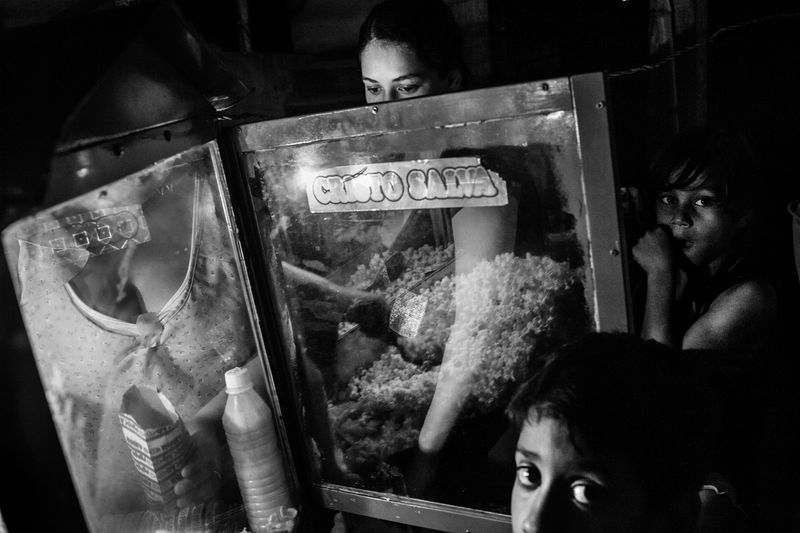
Children waiting in line to receive free popcorn in the Dendê favela after the evangelical mass in northern Rio de Janeiro. In this favela the state is nonexistent, leaving the ground to drug gangs, who control the territory and the residents by paying for their popcorn, medicine, cooking gas or other basic needs. July 2008.

© João Pina - Image from the 46750 photography project
i

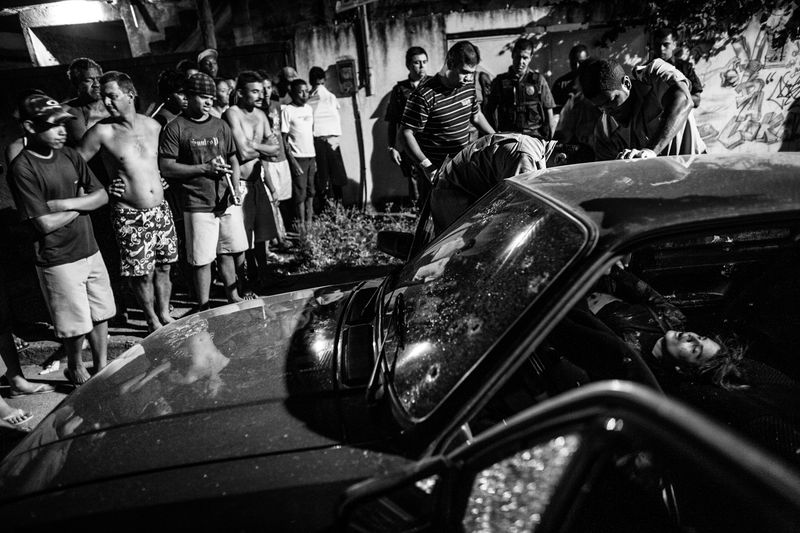
A woman’s body is removed by firefighters from a crime scene where three people were shot dead inside a car in Santa Cruz, on the outskirts of Rio de Janeiro. July 2008.

© João Pina - An overview of São João Batista cemetery in Botafogo. July 2008.
i

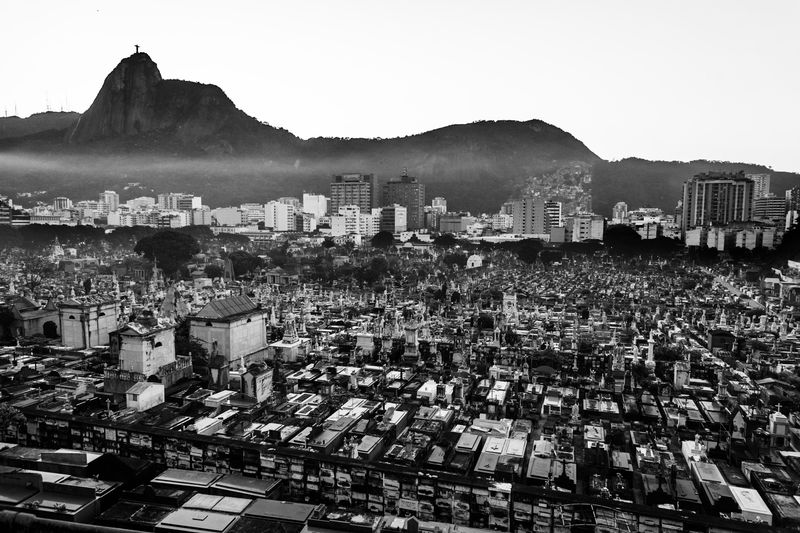
An overview of São João Batista cemetery in Botafogo. July 2008.

© João Pina - Image from the 46750 photography project
i

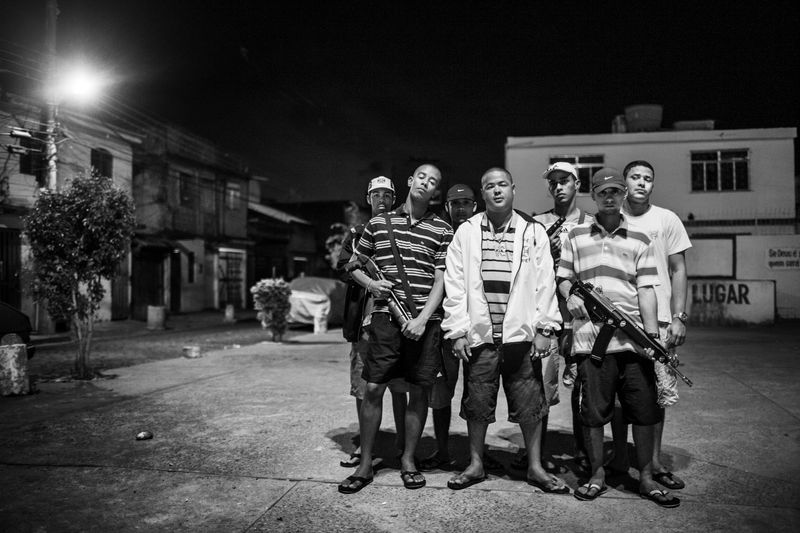
Young people who belong to the “Third Command” gang pose for a group portrait inside the Parque Royal favela on Governor’s island in northern Rio de Janeiro. The man in the middle in a white coat is “Vesguinho” the leader of the group. He was later killed by the military police in June 2009. July 2008.

© João Pina - Image from the 46750 photography project
i

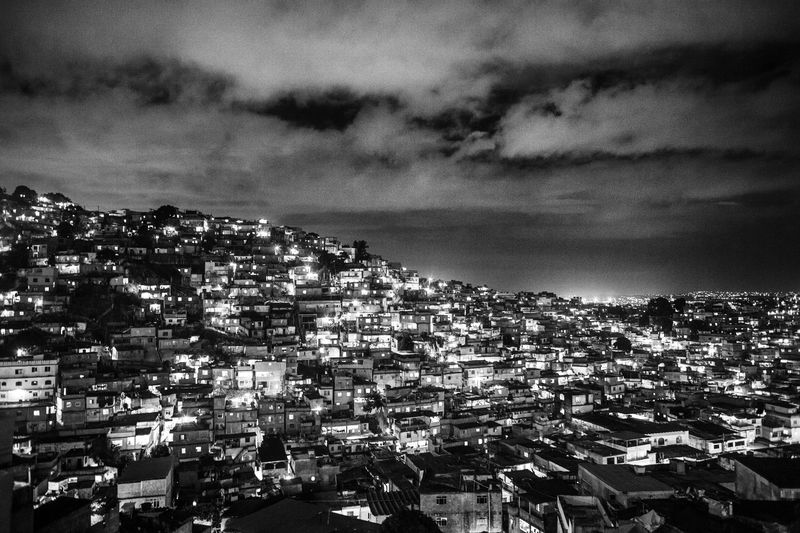
A view towards the Alemão favela, one of several favelas inside the Alemão complex. While officially 70.000 people live, unofficial numbers suggest that up to 200,000 people actually live in the complex. In Rio de Janeiro alone, an estimated 1.5 to 3 million people live in the so called Favelas, the slums that were illegally settled in the city due to the lack of affordable housing. Most people in the favelas live with minimal or no public services, and most of these areas are under the de-facto control of drug gangs or paramilitary forces. May 2009.

© João Pina - Image from the 46750 photography project
i

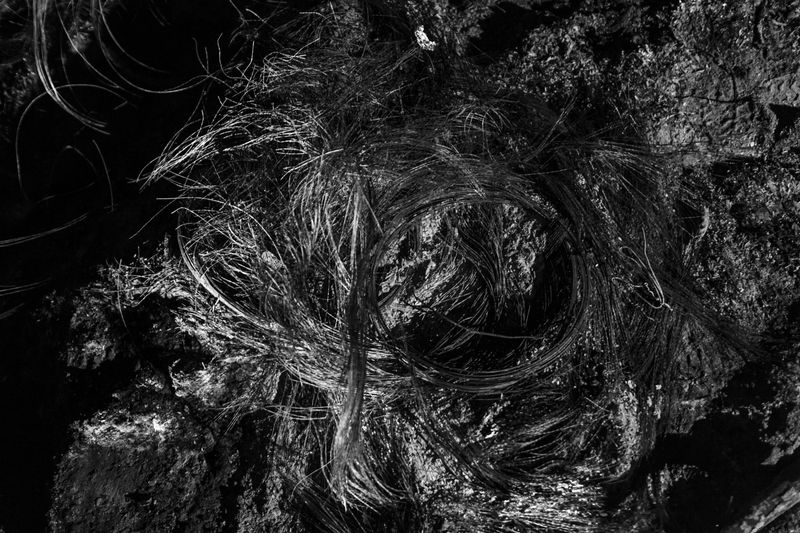
The remains of what is known as the “microwave” at a crime scene in Campo Grande on the outskirts of Rio de Janeiro. The “microwave” is a technique commonly used to kill and make a body disappear, by simply wrapping the person with tires around the body and setting it on fire. The temperature gets so high that only small fragments of bone and the metal wires from the inside of tires remain, making identification of the body very hard. July 2011.

© João Pina - Image from the 46750 photography project
i

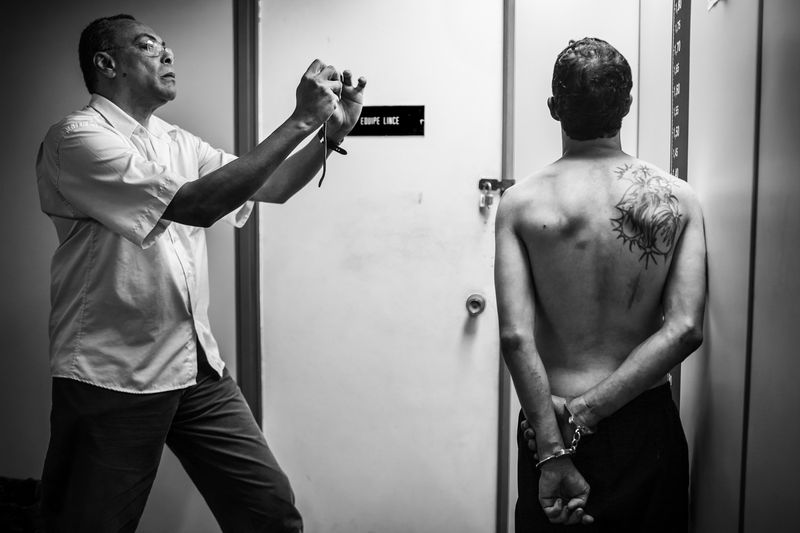
A policeman from DRAE photographs the mug shots of João Paulo da Costa, detained as a suspected drug dealer. He will await trial in detention. February 2008.

© João Pina - A man rides a wave at Arpoador beach, Ipanema, southern Rio de Janeiro. April 2016.
i

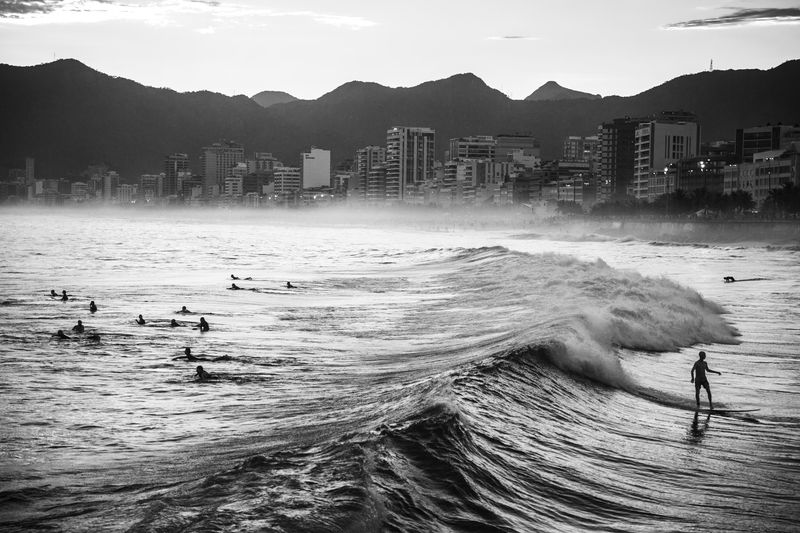
A man rides a wave at Arpoador beach, Ipanema, southern Rio de Janeiro. April 2016.

© João Pina - Image from the 46750 photography project
i

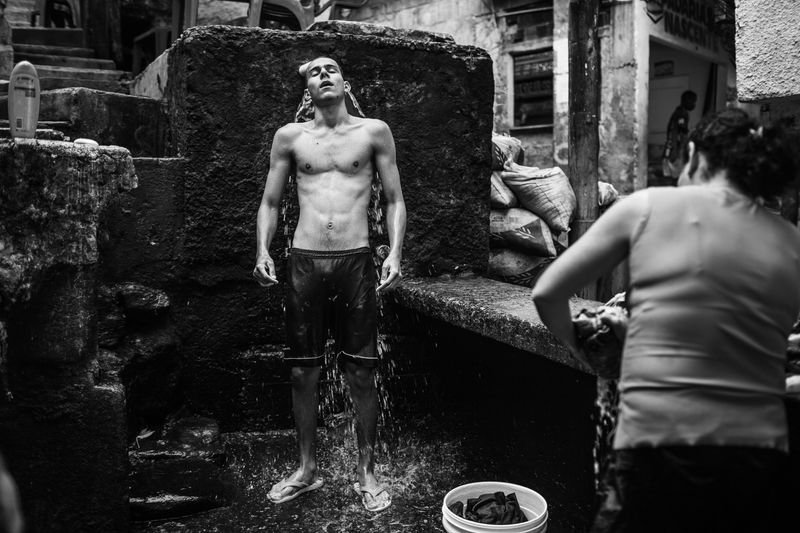
A young man takes a shower in a public water fountain in the Dona Marta favela. A problem with the water pumps left half of the favela with no water for several days. April 2009.

© João Pina - Image from the 46750 photography project
i

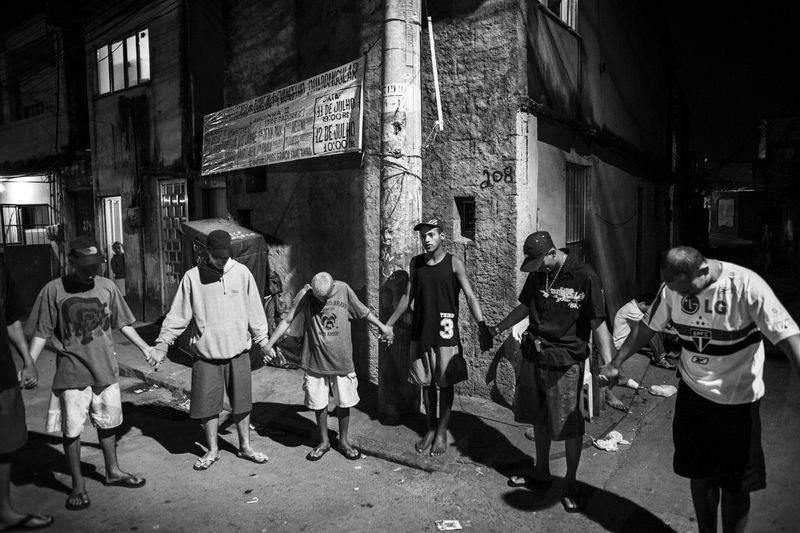
Young men involved with drug trafficking take a break from their shifts to pray when an evangelical preacher visits the Praia da Rosa favela on Governor’s island, northern Rio de Janeiro. July 2008.

© João Pina - Image from the 46750 photography project
i

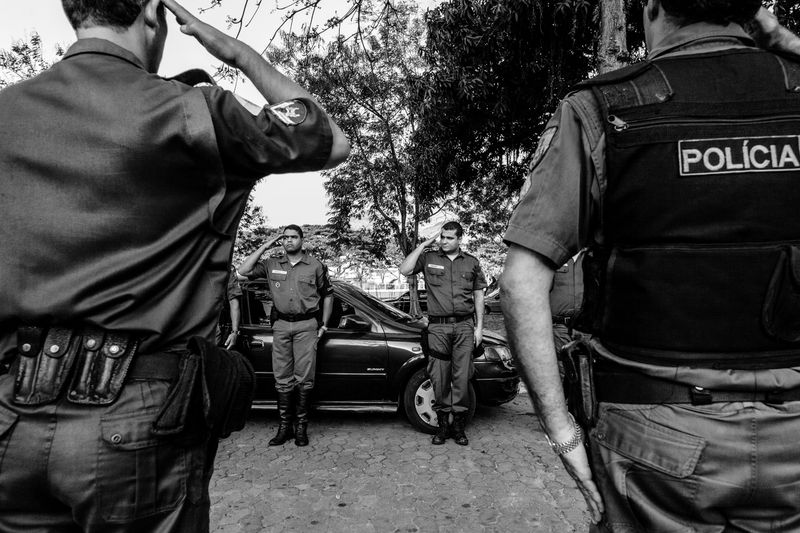
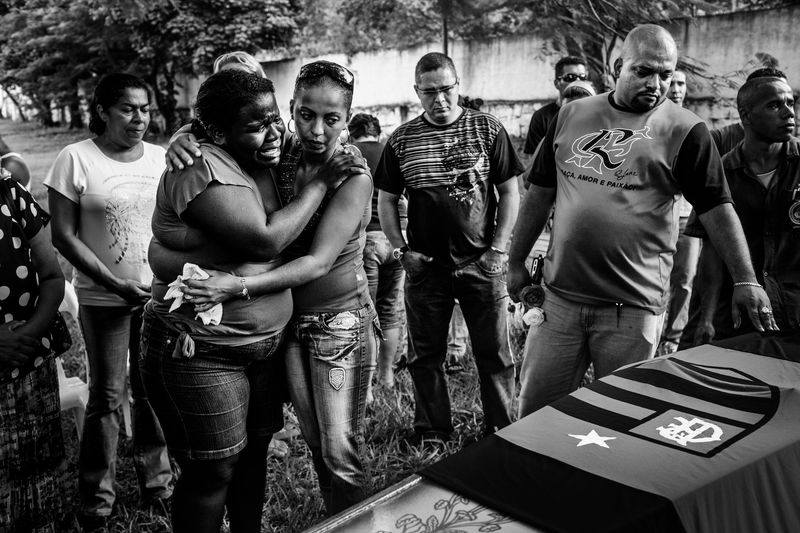
Military policemen line up while saluting the casket of Luiz Fernandes Marques da Silva, a military policeman murdered when he tried to stop a car robbery. July 2008.

© João Pina - Image from the 46750 photography project
i

Family and friends of Weslei de Oliveira Batista during his funeral. Weslei was a military police officer who was shot dead when he tried to stop a carjacking. Rio de Janeiro is the world’s most dangerous city for policemen – 146 were killed in 2016. Most officers are killed when off duty and identified as a policeman. April 2009.

© João Pina - Kites flying during a “kite battle” in Complexo do Alemão. July 2011.
i

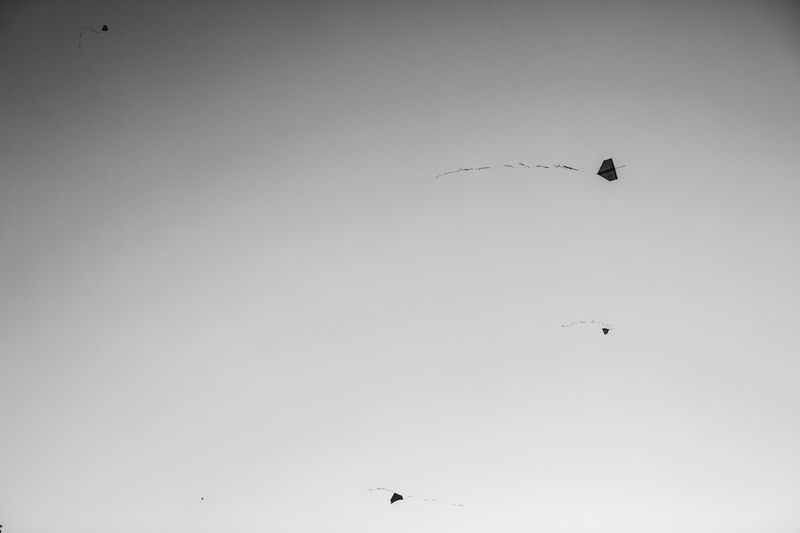
Kites flying during a “kite battle” in Complexo do Alemão. July 2011.

© João Pina - Image from the 46750 photography project
i

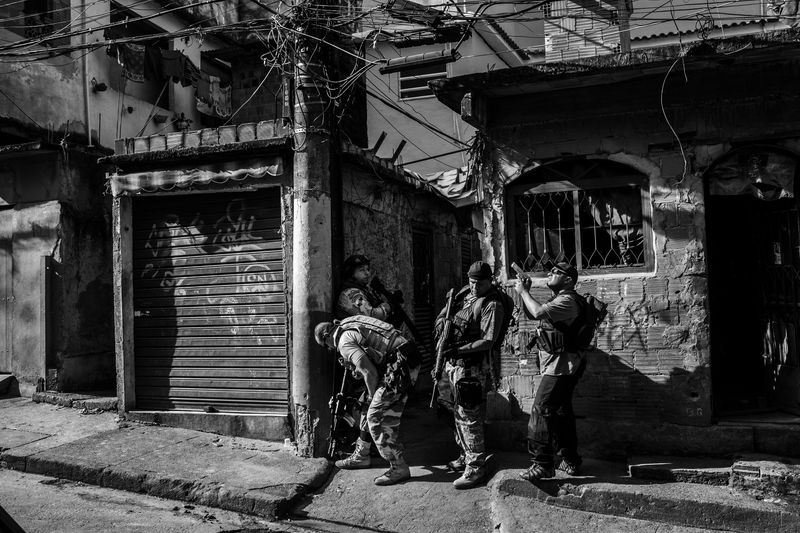
Agents from the Civilian Police during an operation to seize drugs and try to arrest suspected drug traffickers in Mangueira favela. During this operation, 1.5 tons of cannabis was seized, along with small quantities of crack and cocaine. May 2009.

© João Pina - Image from the 46750 photography project
i

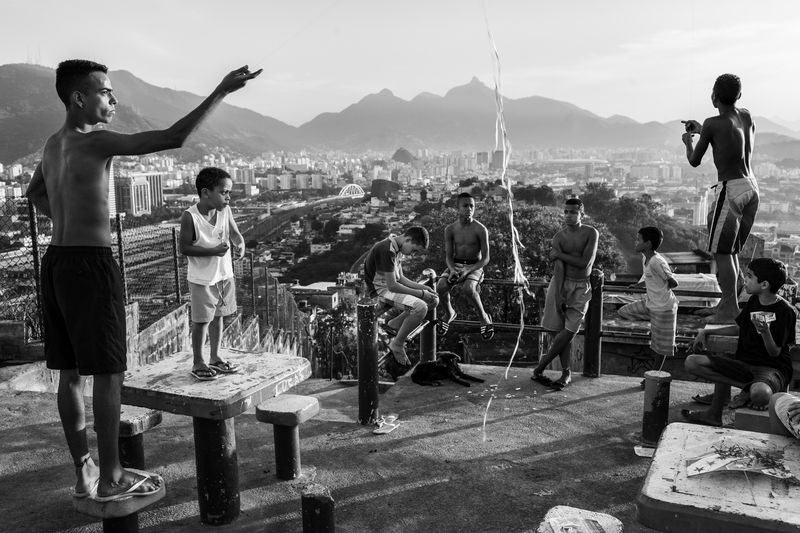
Young boys play with kites in the Providência favela. During the FIFA World Cup in Brazil, the schools of Rio de Janeiro remained closed, leaving the youngsters with nothing to do for a whole month. June 2014.

© João Pina - Image from the 46750 photography project
i

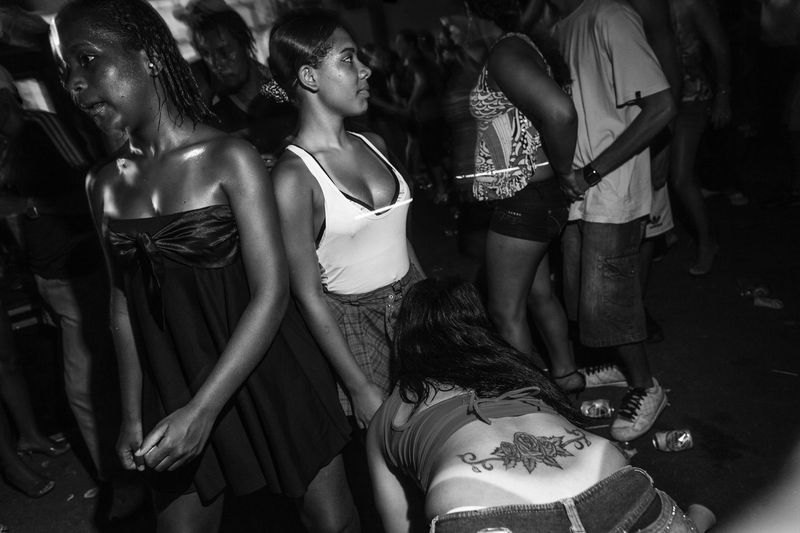
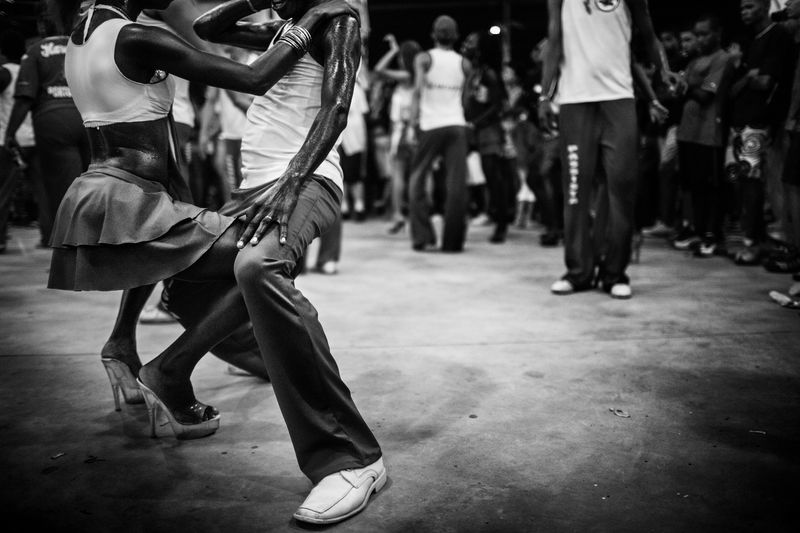
Women dance carioca funk at a party in Rocinha favela. Carioca funk is a music style born in the favelas of Rio de Janeiro to represent the lifestyle of the slums. Now, many of its lyrics are pornographic and extremely violent. November 2009.

© João Pina - Image from the 46750 photography project
i

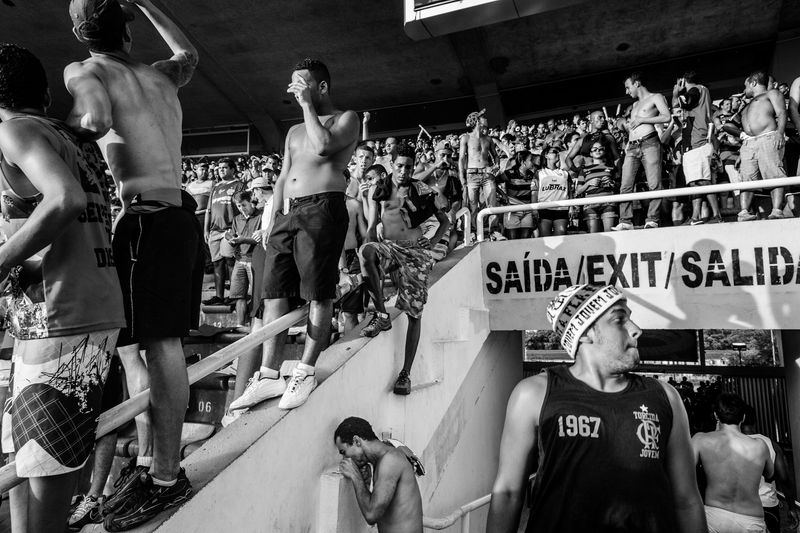
A man snorts cocaine beside the stands in the Maracanã stadium, during a soccer match between Flamengo and Goiás. November 2009.

© João Pina - Image from the 46750 photography project
i

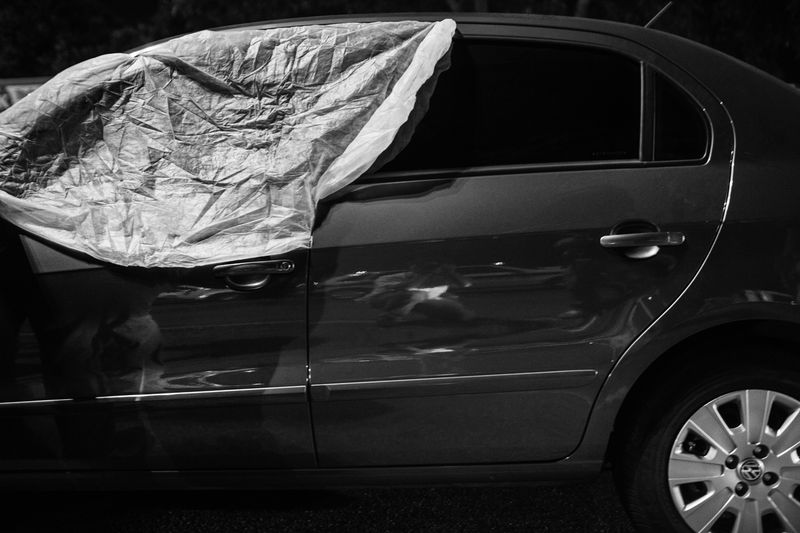
A car window covered by the homicide division of the civilian police, where a man was killed with multiple gunshots to the head and chest during a car jacking attempt in Meyer. July 2011.

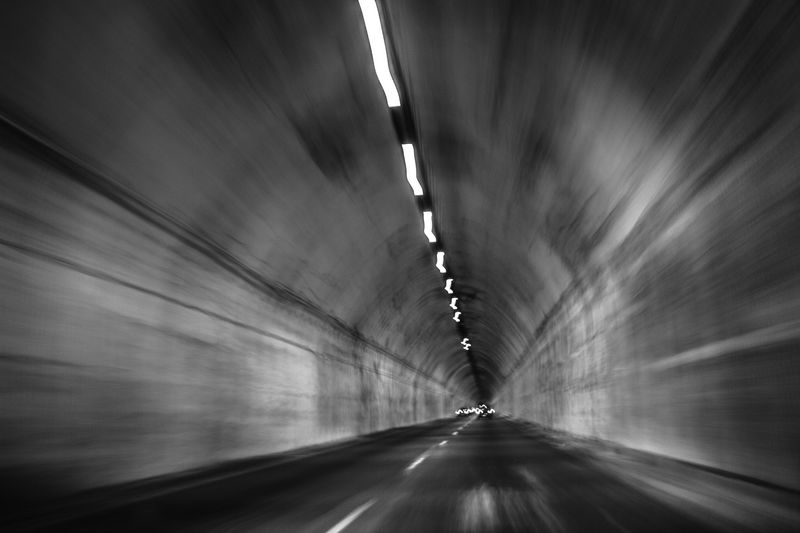
© João Pina - The interior of the Zuzu Angel tunnel, one of the several tunnels that cross the city of Rio de Janeiro. July 2011.
i

The interior of the Zuzu Angel tunnel, one of the several tunnels that cross the city of Rio de Janeiro. July 2011.

© João Pina - Image from the 46750 photography project
i

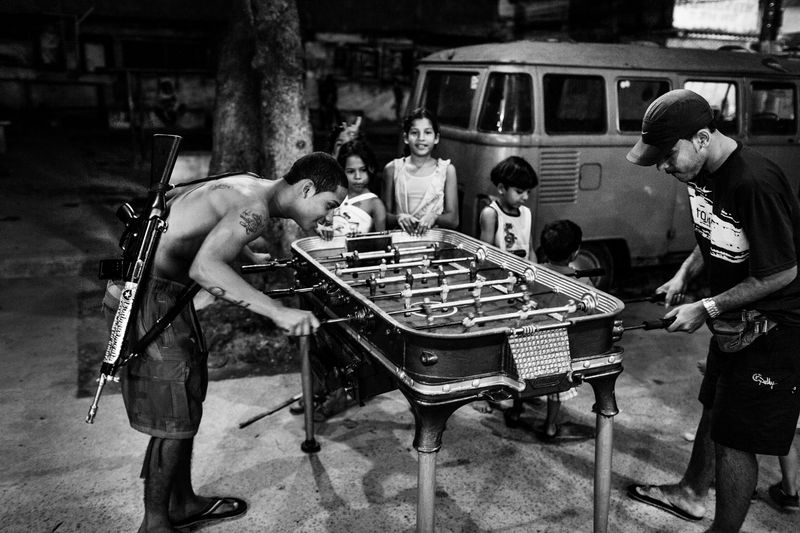
A young man, known as “Novinho” and involved with drug trafficking, plays foosball with an assault rifle on his back in Morro do Dendê, a favela where an estimated 50.000 people live in northern Rio de Janeiro. July 2008.

© João Pina - Image from the 46750 photography project
i

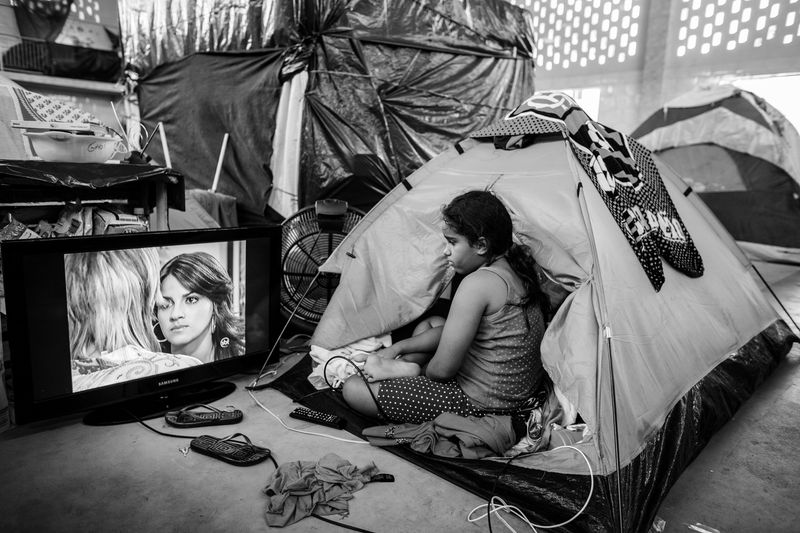
A young girl living in a tent, inside of a catholic church on Governor’s island watches a telenovela on TV. A group of squatters that occupied an abandoned factory were evicted and the church offered temporary shelter where they could live in tents. June 2014.

© João Pina - Image from the 46750 photography project
i

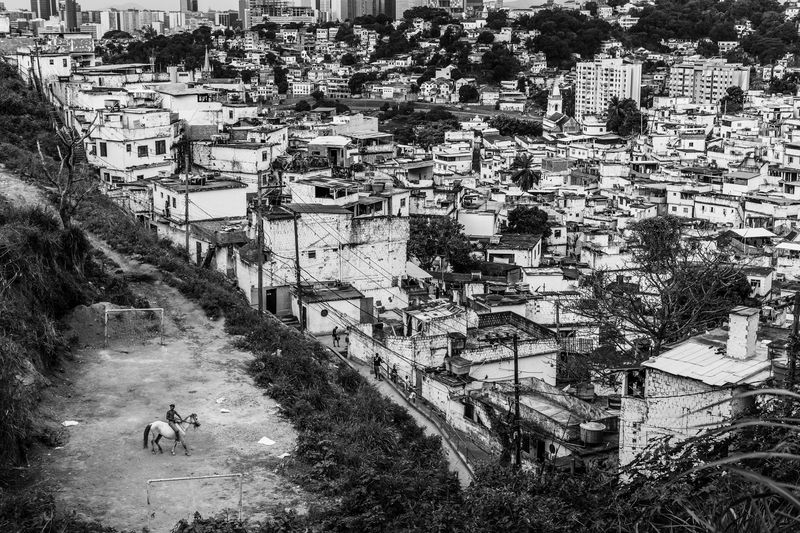
A young man rides a horse inside the Morro da Mineira in northern Rio de Janeiro while the city’s financial district can be seen in the background. July 2011.

© João Pina - Image from the 46750 photography project
i

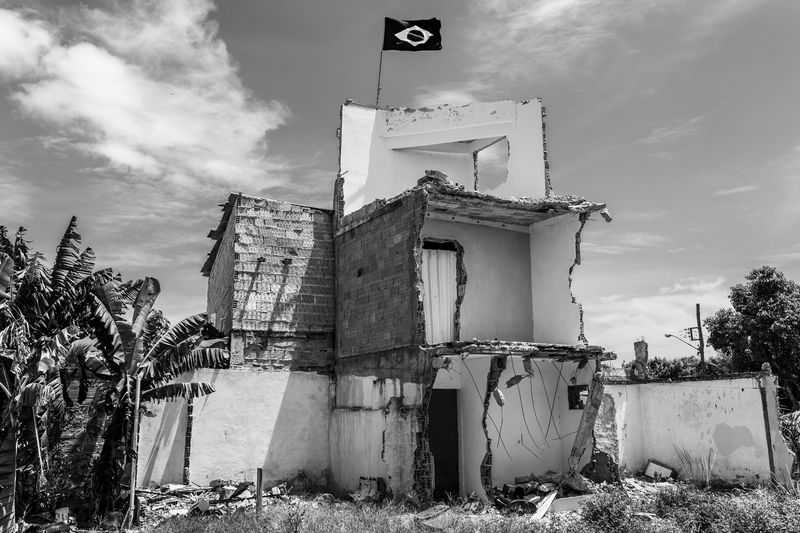
A view of what is left of Vila Autódromo, a small favela in Jacarepaguá, in western Rio de Janeiro, demolished because of the construction of the Olympic Village. The summer Olympics took place here, over 17 days, at a cost of USD13 billion. February 2016.

© João Pina - Image from the 46750 photography project
i

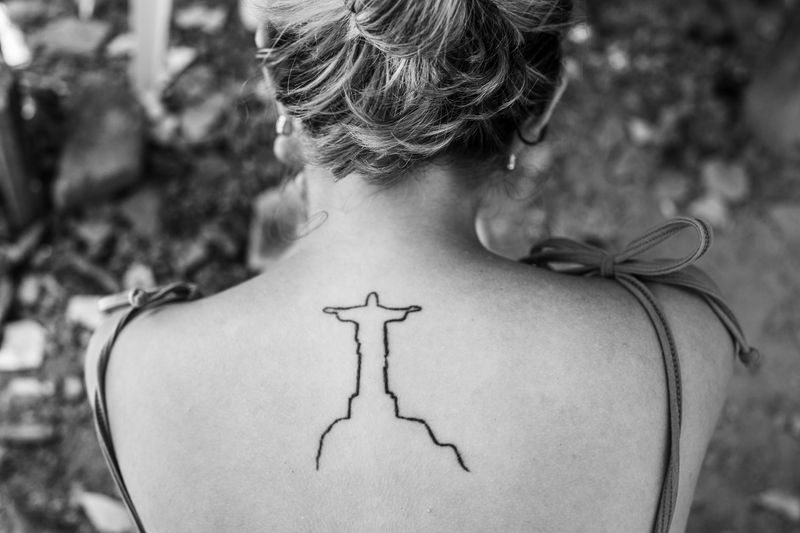
A woman with a tattoo of Christ the Redeemer on her back attends a meeting of neighbors trying to stop evictions in the Vila Autódromo favela. February 2016.

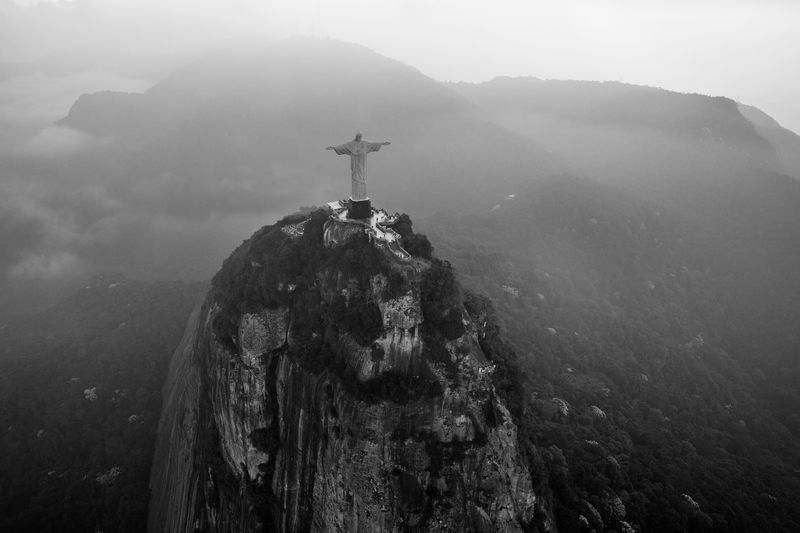
© João Pina - An aerial view of the statue of Christ the Redeemer. June 2016.
i

An aerial view of the statue of Christ the Redeemer. June 2016.

© João Pina - Image from the 46750 photography project
i

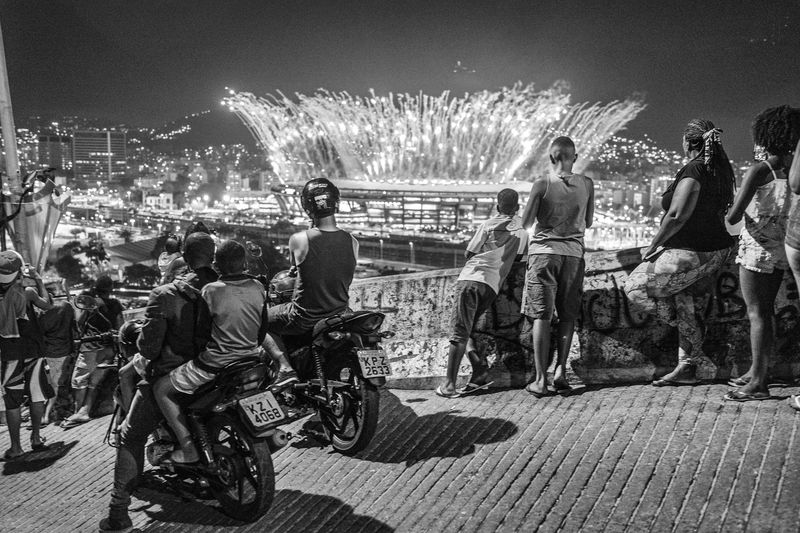
Residents of the Mangueira favela look at the fireworks during the opening ceremony of the summer Olympic games in the Maracanã stadium. Tickets to attend the opening ceremony inside the stadium reached a price of USD700. August 2016.