432 Hz
-
Dates2023 - Ongoing
-
Author
- Location Italy
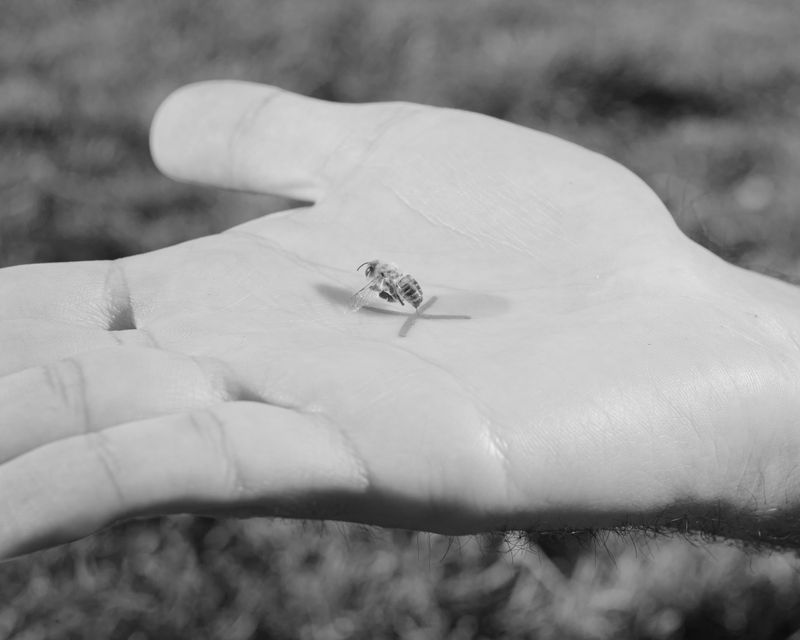
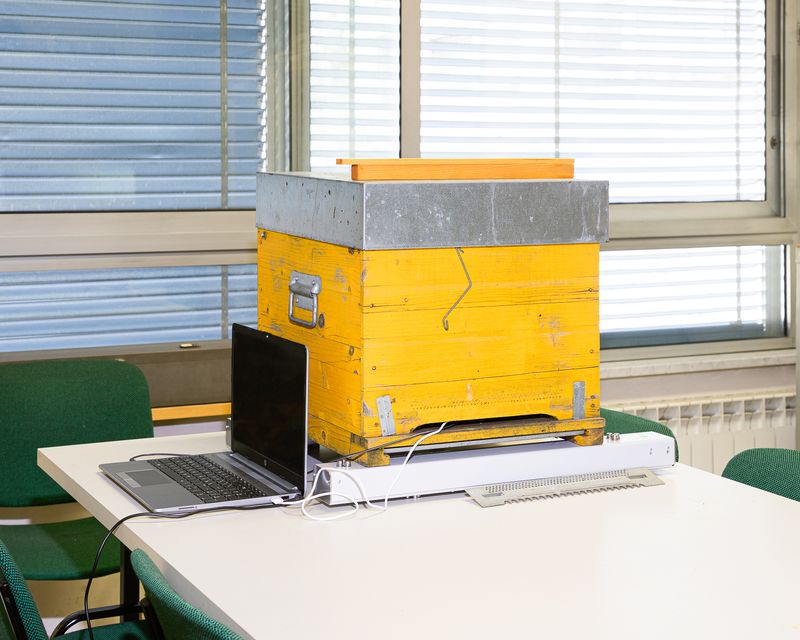
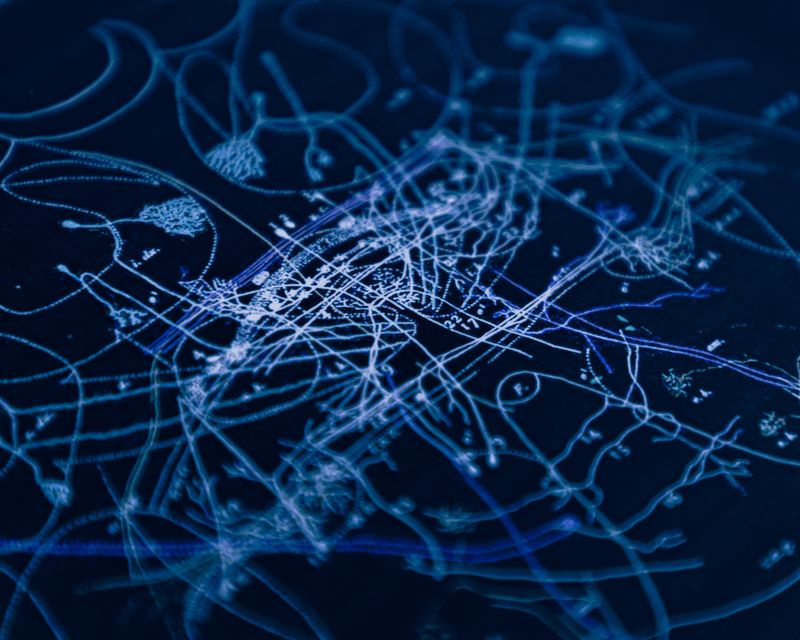
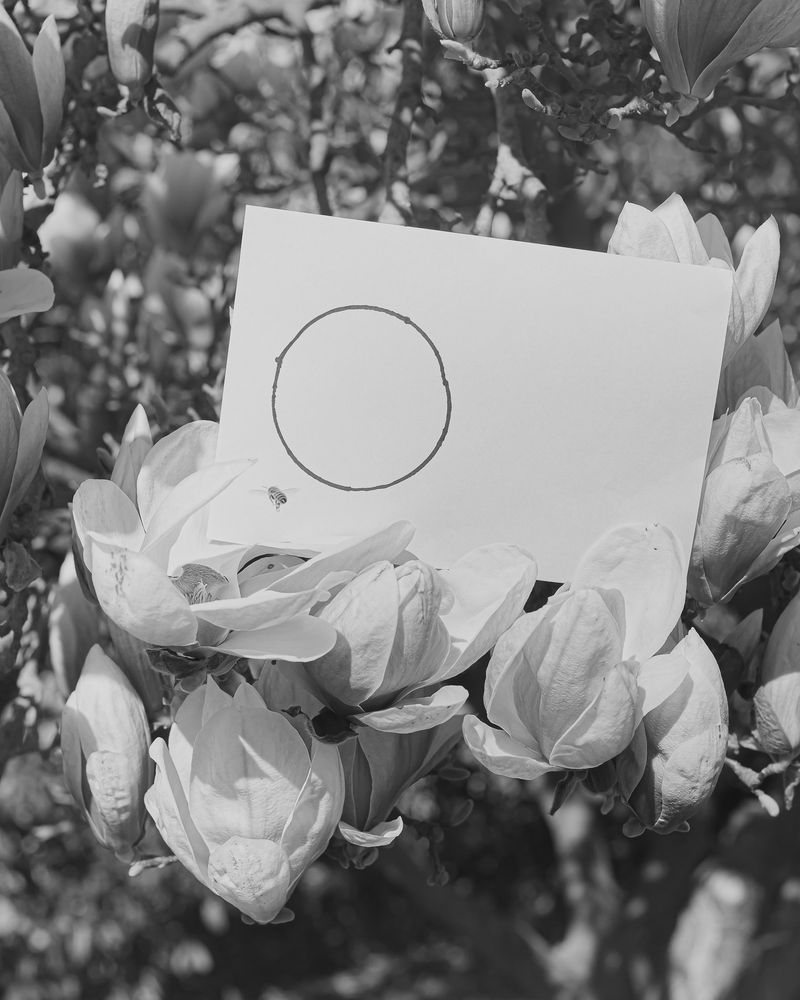
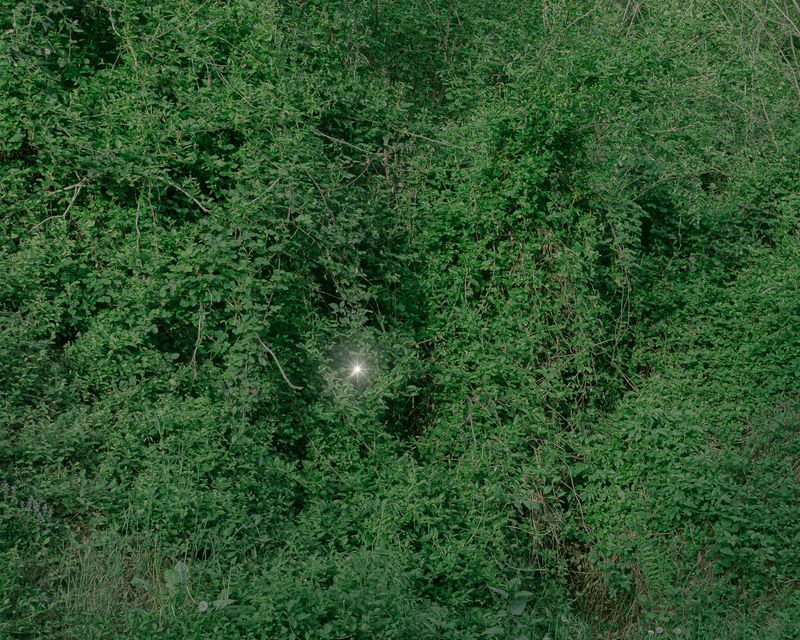
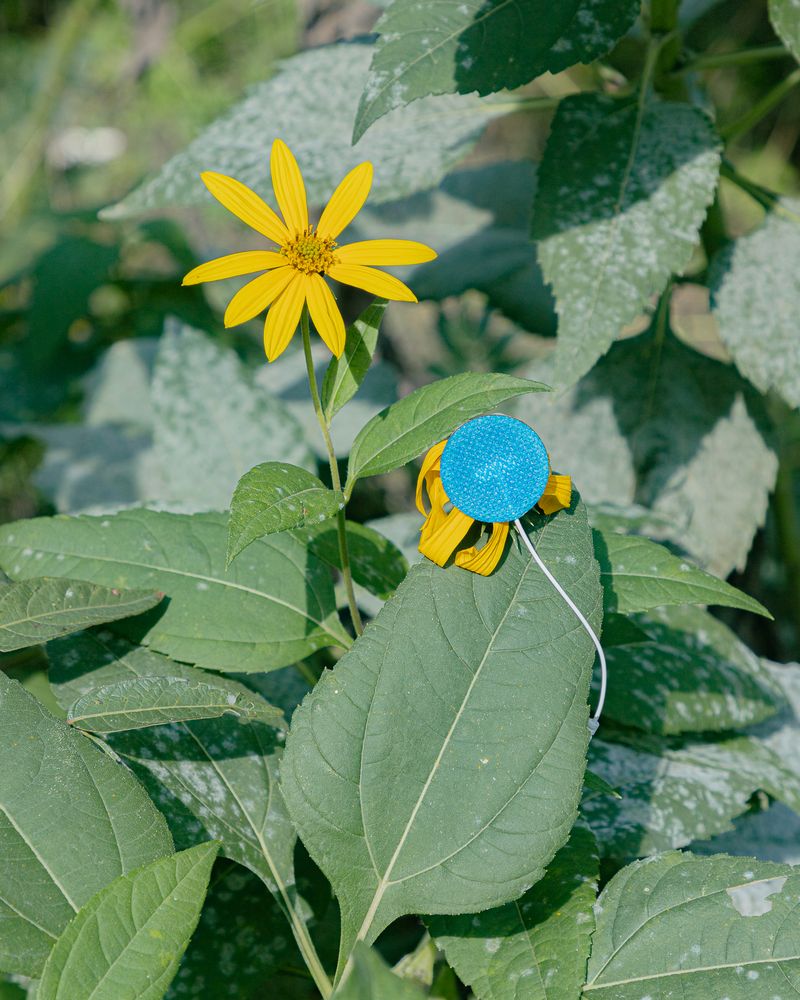
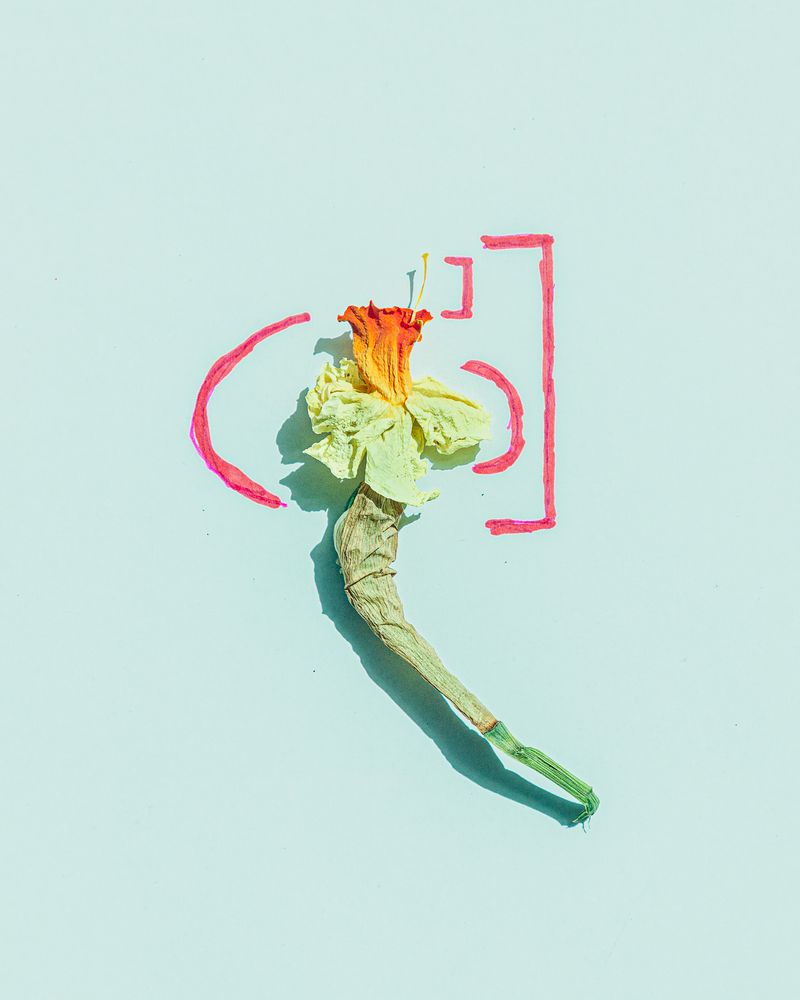
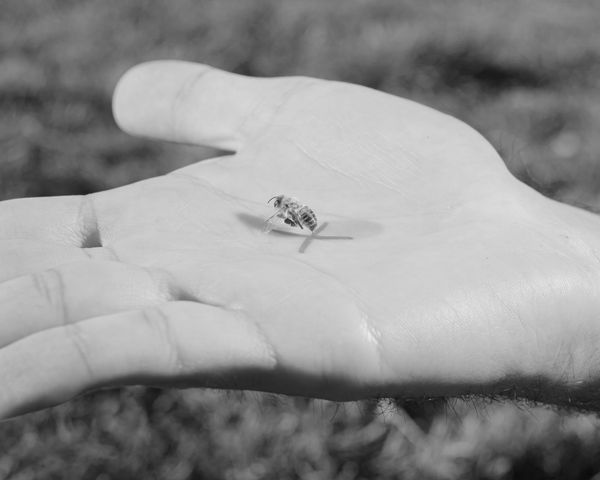
Starting from an audio track reproducing the song of a queen bee studied in a research laboratory, 432 Hz explores our ability to perceive non-human forms of life, investigating the complex relationship of coexistence between humans and pollinators.
The title of the work refers to 432 Hz music which, according to certain beliefs, is thought to have beneficial potential for humans. This frequency is in relation to the frequencies emitted by a beehive, such as the song of queen bees and the buzzing of worker bees. What possibilities unfold from these potential connections? What forms of alliance and coexistence can we still imagine with the non-human world?
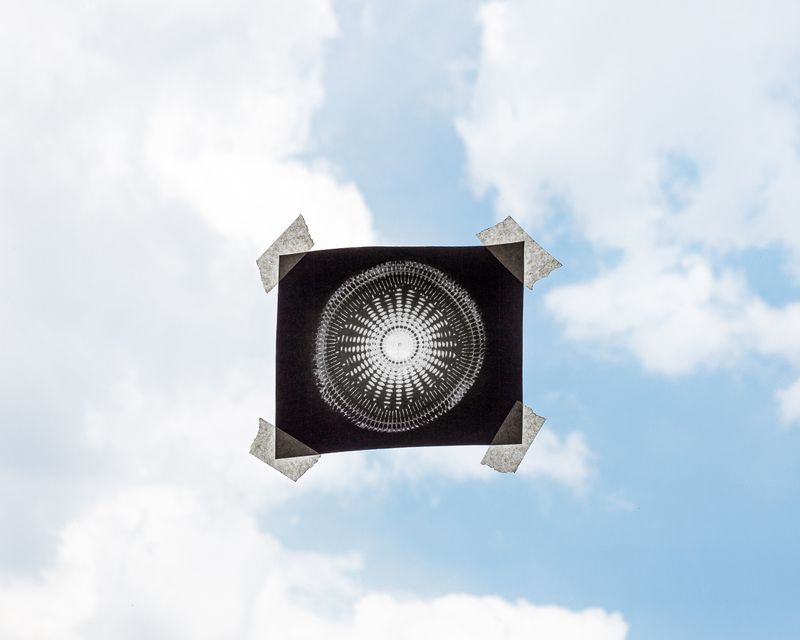
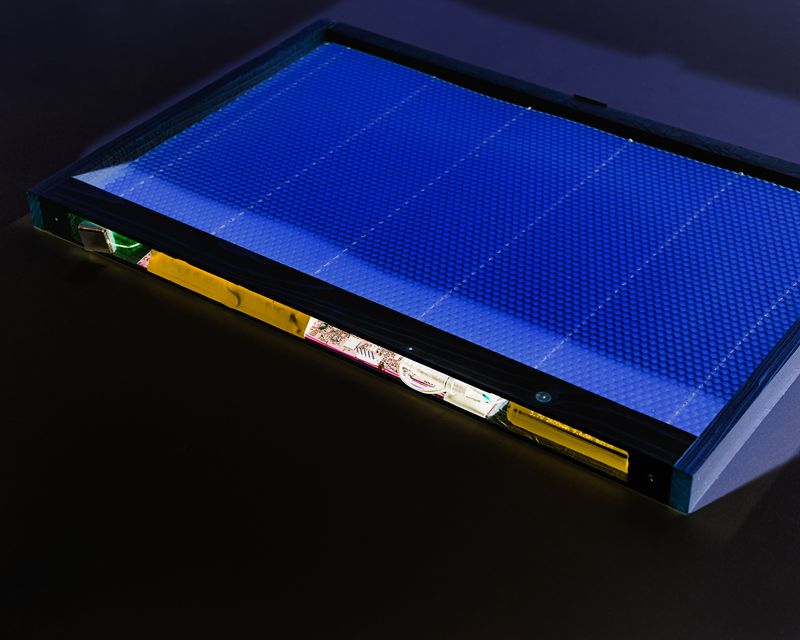
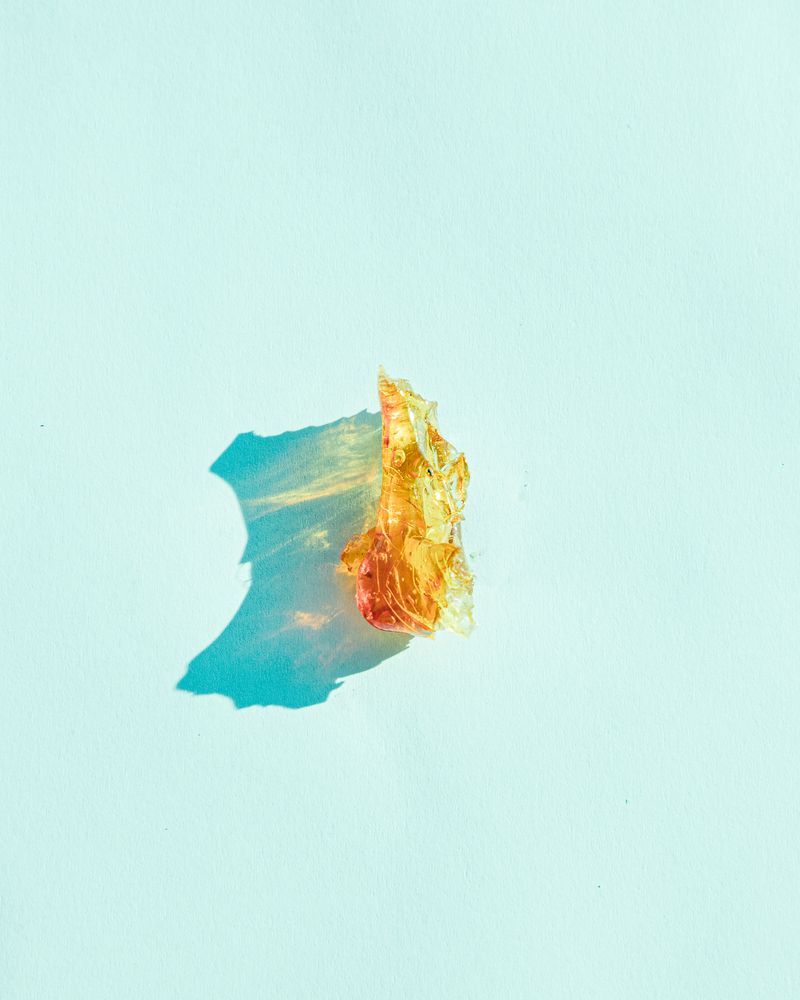
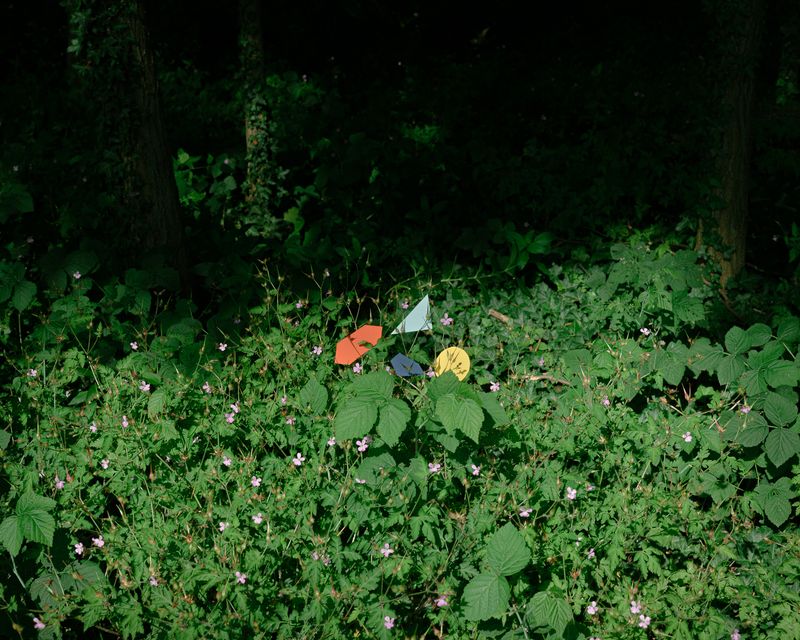
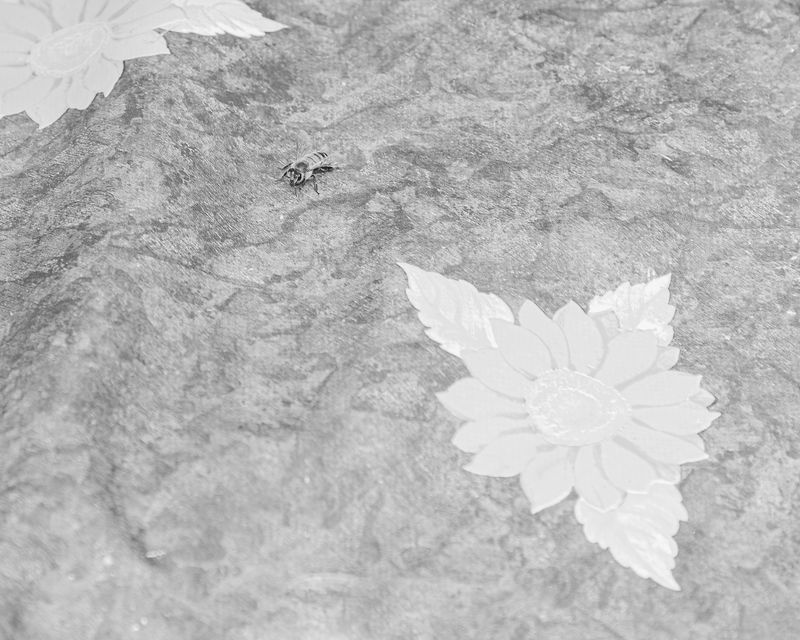
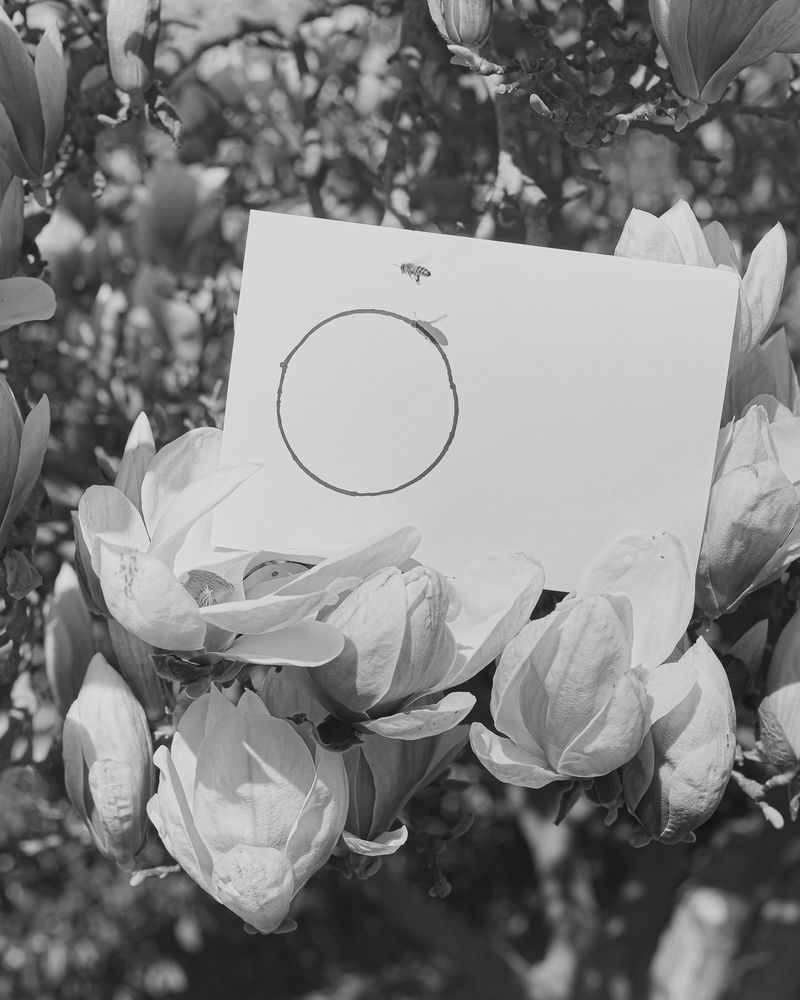
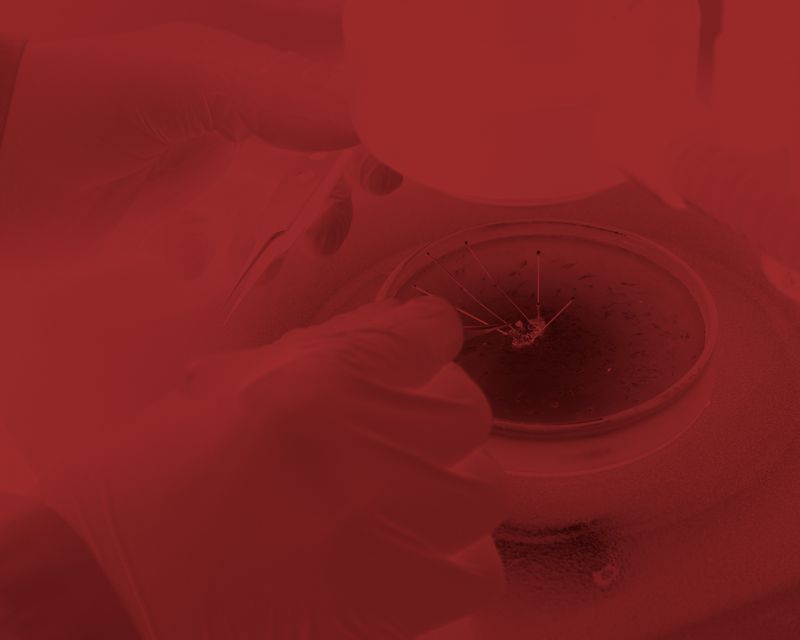
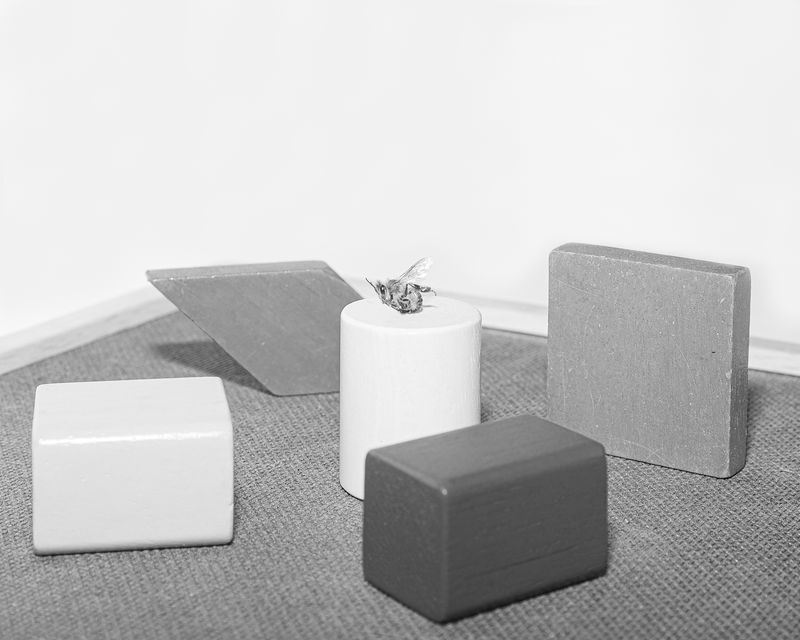
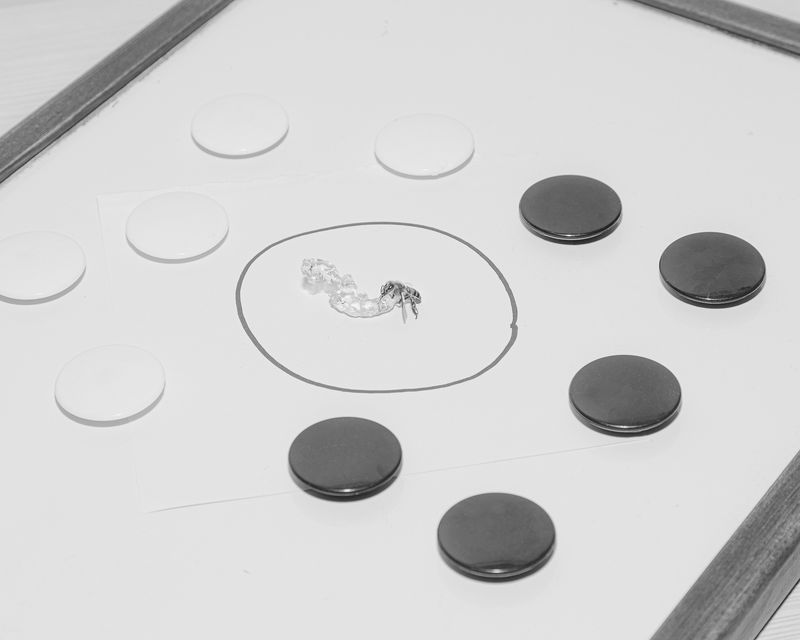
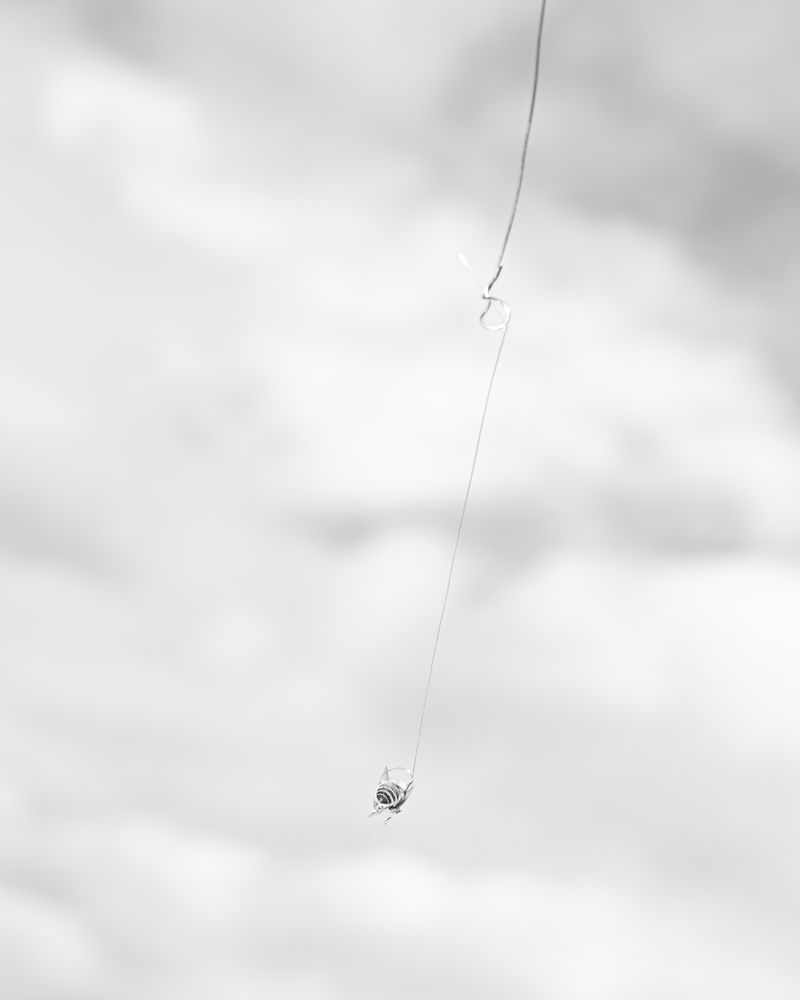
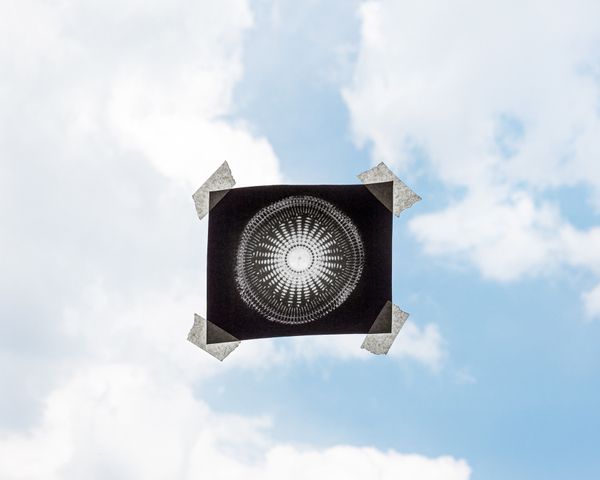
Starting from an audio recording of a queen bee’s song, studied in a research laboratory, the work explores our ability to see and hear non-human forms of life. Becoming a synesthesia of this mysterious song, it investigates the complex relationship of coexistence between humans and pollinators, reflecting on the tensions between the human need for domestication, animal performativity, and the consequences of anthropic actions on the environment. While science has traditionally used photography to study and document phenomena through an allegedly objective observation, the suggestions of scientific imagery here become a tool for shaping our understanding of reality—bending the presumed objectivity of the medium toward imagination and the visualization of the invisible. Photography thus ceases to be a probative tool, revealing how a multidisciplinary approach—merging academic research and pseudoscientific narrative—can challenge the limits and biases that emerge from our attempts to decode the behavior of other non-human beings.
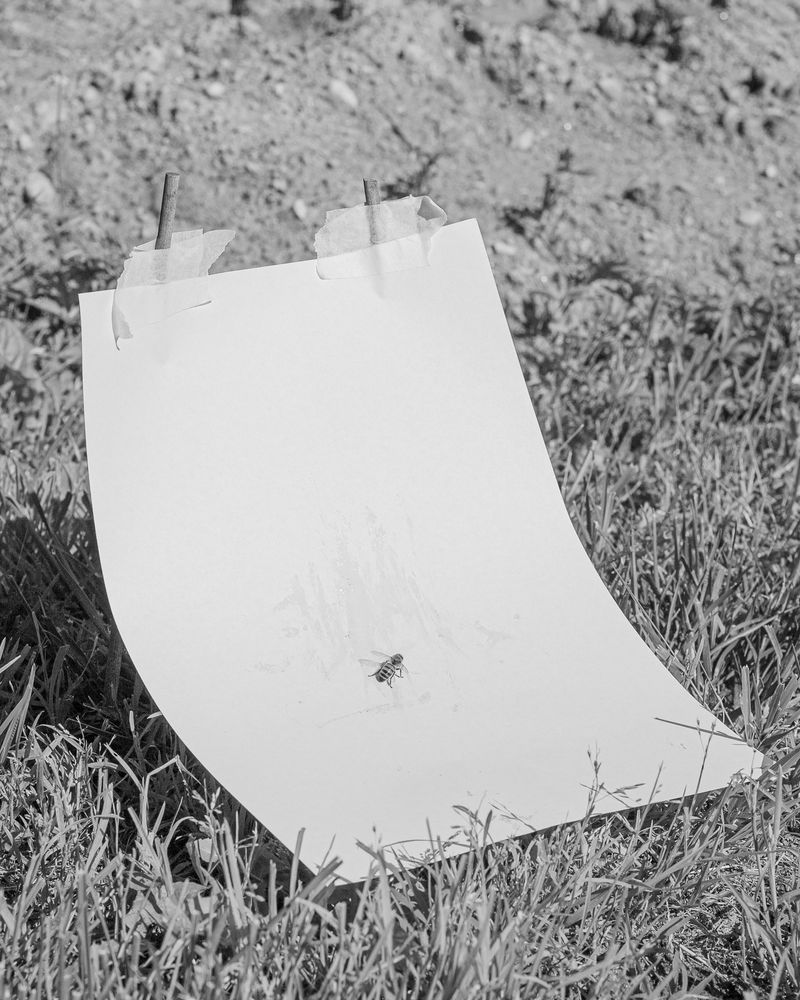
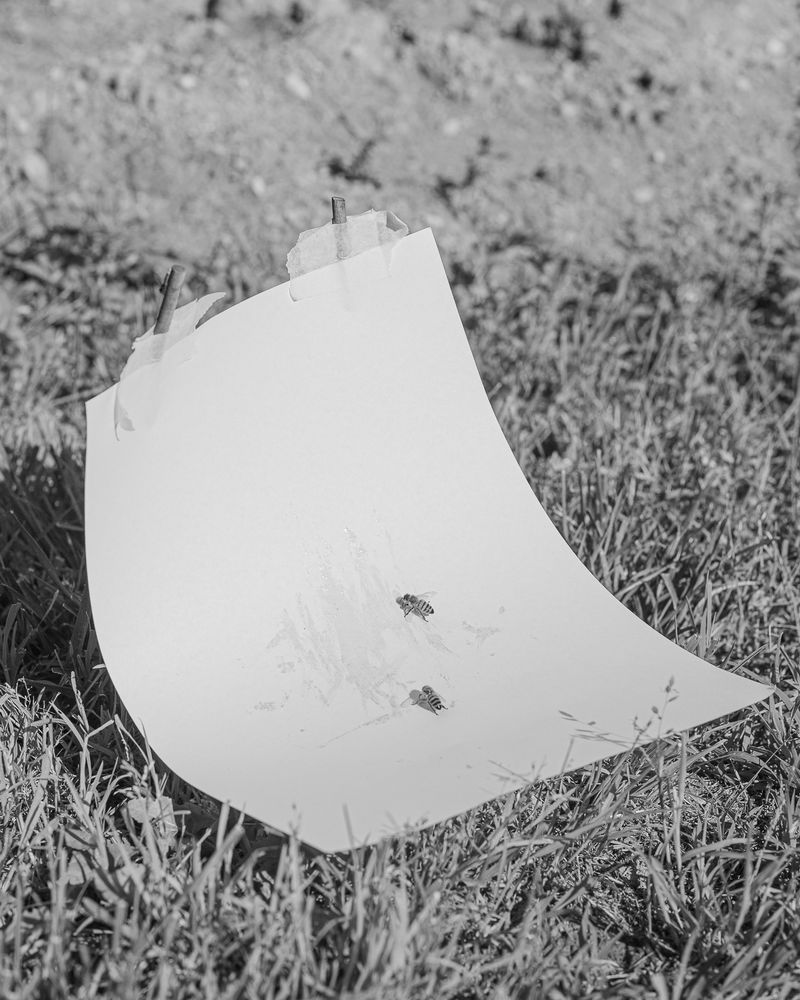
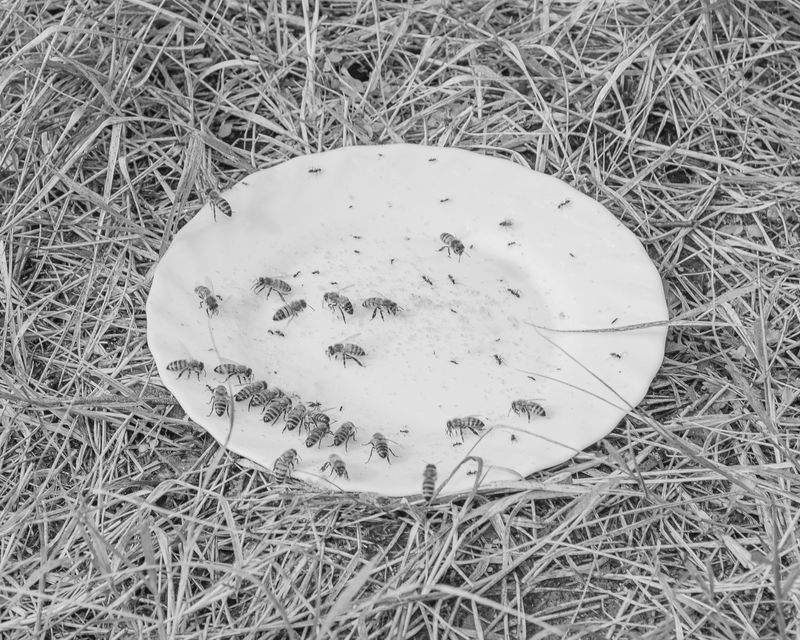
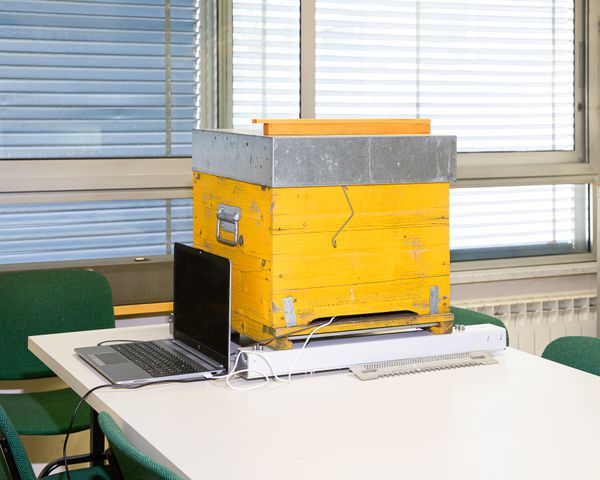
The series creates a fictional archive of images with fake experiments and documentary photographs of research center activities, working on the threshold between documented or reconstructed reality and imagined fiction. The combination of these perspectives delves into the gaps of our knowledge, opening a reflection on our capacity for interaction with the natural world.