236/1000/∞


-
Dates2025 - Ongoing
-
Author
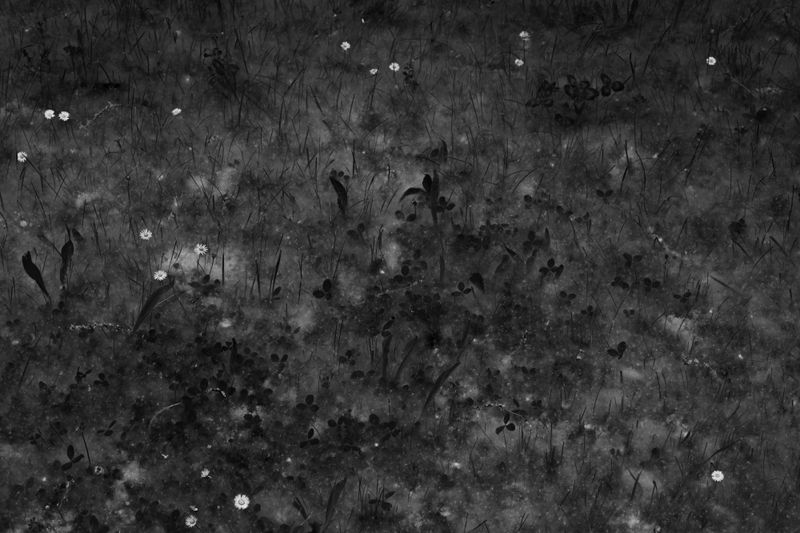
An only child's sense of remaining singular inside a community. 236/1000/∞ takes the idea of a distant double star as an image for how we connect and still stay seperate.
I was an only child. Early on I knew the feeling of remaining singular inside a community: present, included, and still separate.
Epsilon Boötis is a double star, 236 light-years from earth. The light now arriving from Epsilon Boötis left its source in the late 18th century roughly thirty-six years before the first permanent photograph was made. The two stars circling each other across a thousand years each carry their own names, Izar and Pulcherrima, but are almost always spoken of only as the system they form. Izar means veil in Arabic. Bound that closely (in astronomical terms), they still exchange matter, each one slowly altering the other's course.
It seems to me this is also the human condition: to fall into one another's gravity, to find and lose and form fragile yet binding bonds, to build layered systems of connection influenced by forces unknown. And still we stay closed entities, each behind a veil. A solitary existence in which matter, and things less material, pass between us anyway. The distance between two people can be the width of a breath and indefinite at once.
In 1973, the astronomer Duncan Lunan claimed that radio echoes recorded in the 1920s were a message from Epsilon Boötis: a far civilization reaching toward us, asking for contact. He later withdrew the claim. That this particular system, of all of them, was once read as a call for connection feels to me like a fitting coincidence.