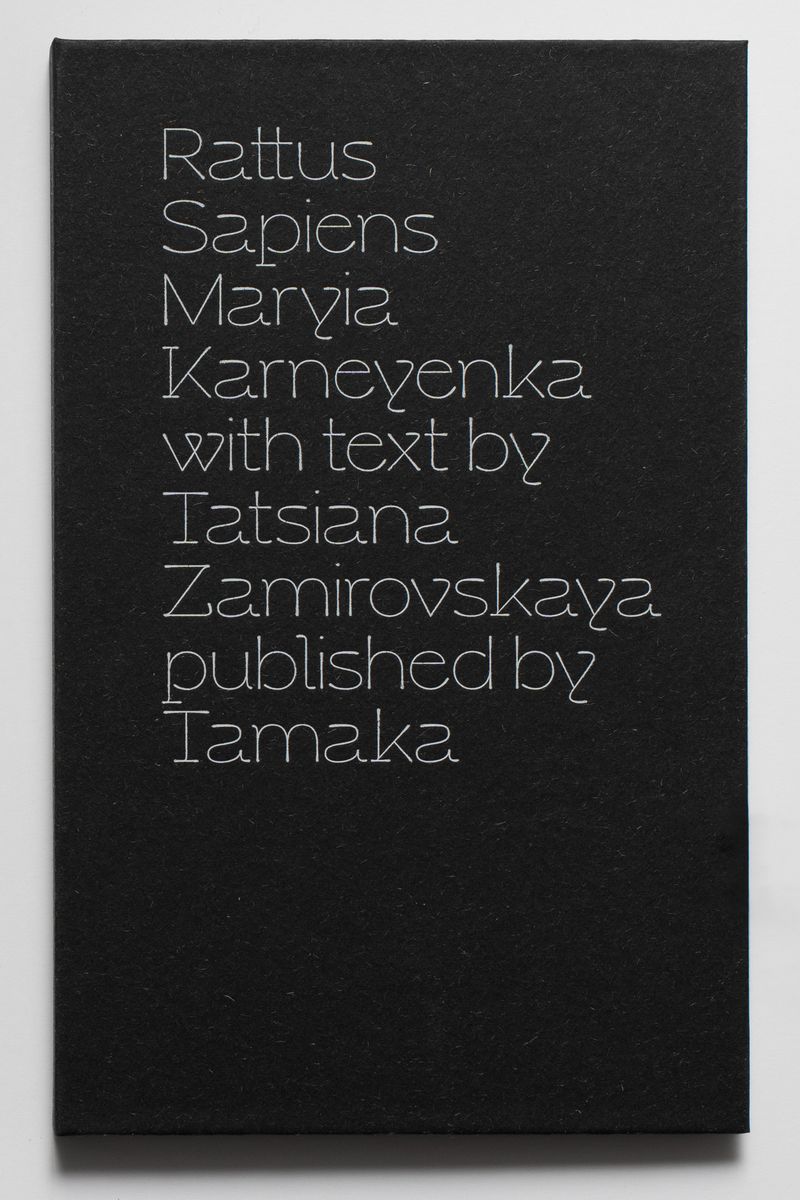
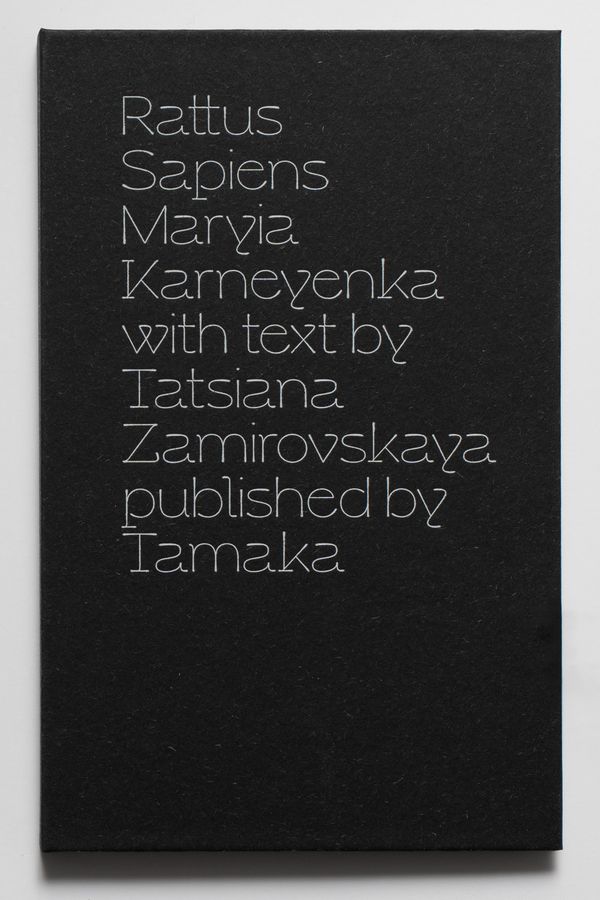
Rattus Sapiens by Maryia Karneyenka
-
Author
-
PublisherTAMAKA
-
DesignerAnia Nałęcka-Milach
-
Price€ 49
-
Link
-
Pages136
-
Dimensions15 x 23,6 cm
-
CharacteristicsHard cover. Edition of 400 copies. Printed by: Poligrafus, Warszawa, Poland
-
ISBN978-3-00-083625-1
-
PublishedNovember 2025
Rattus Sapience by Maryia Karneyenka is a multi-layered art book that redefines coexistence of two civilizations — human and rat — through its burrowed pages, whiskered textures, and dual post-anthropocentric narratives.
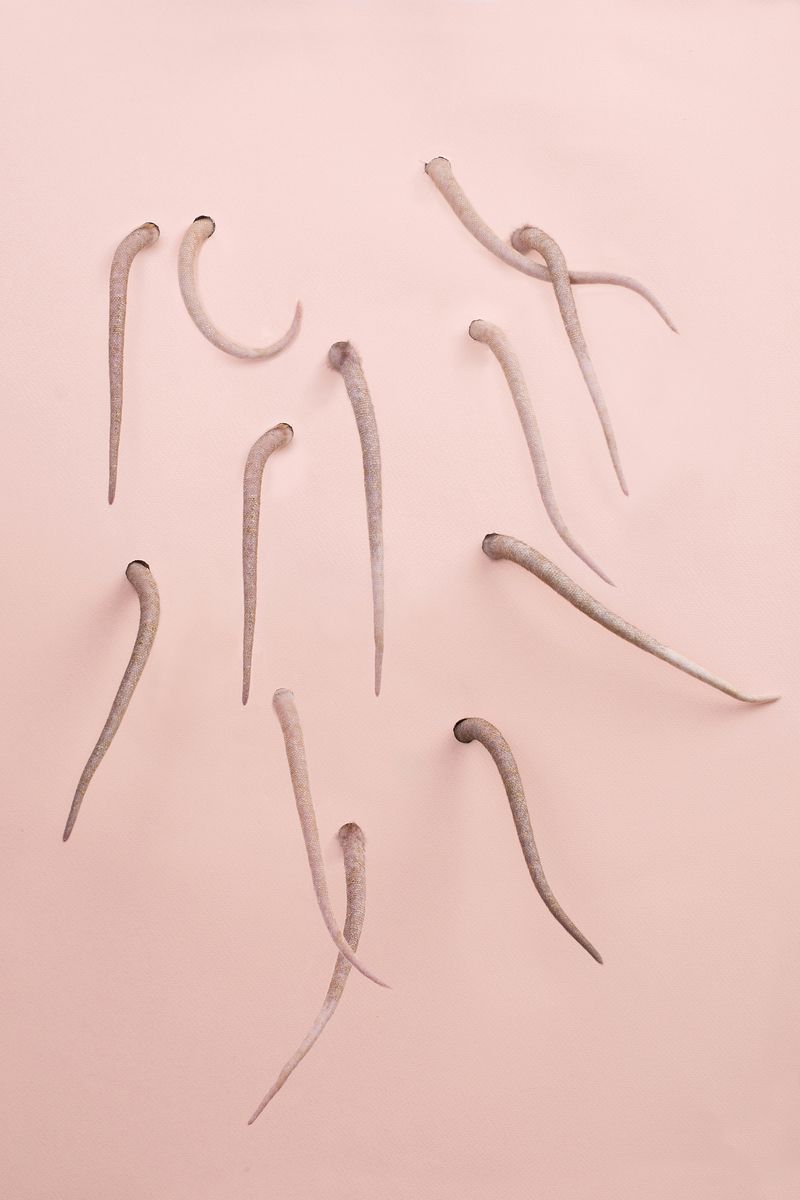
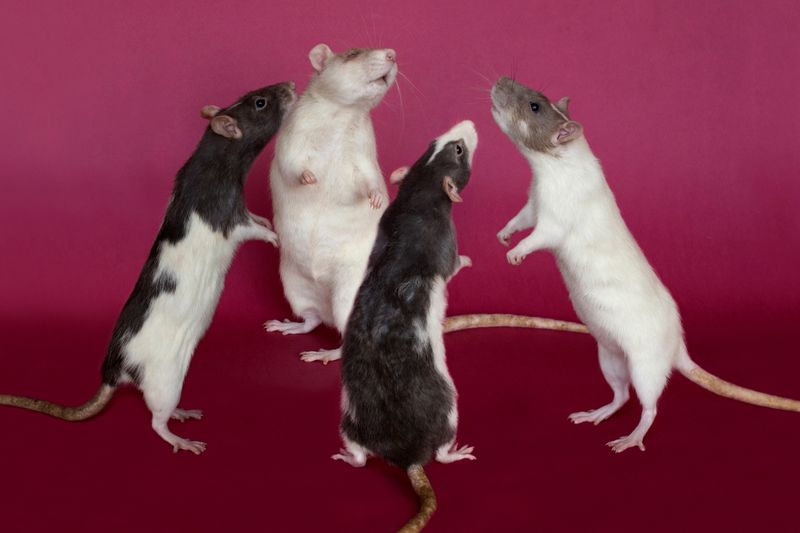
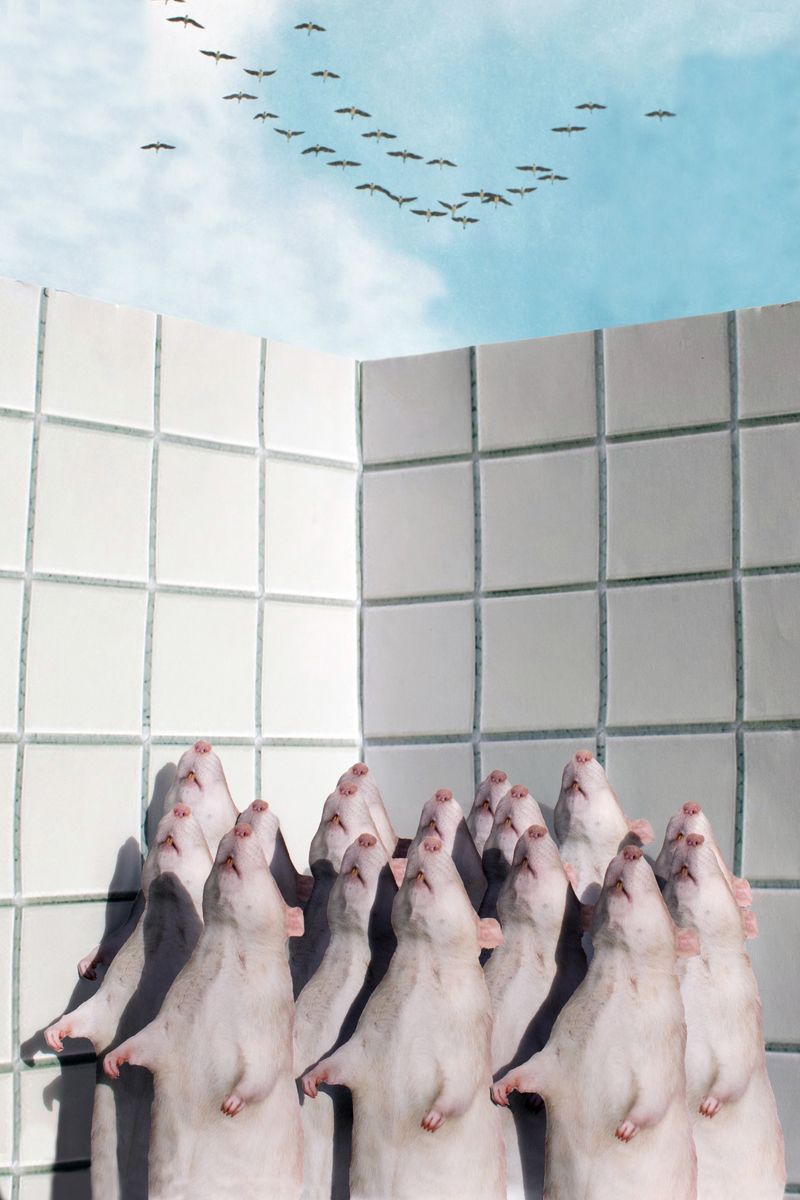
Rattus Sapience—“the intelligent rat”—is a project by Maryia Karneyenka, whose title instantly evokes associations with modern human civilization. It conveys the core idea of the project: beneath us, above us, or even right beside us, there has always existed and evolved a separate sapient civilization, largely unknown and percepted only through the lens of our fears and myths.
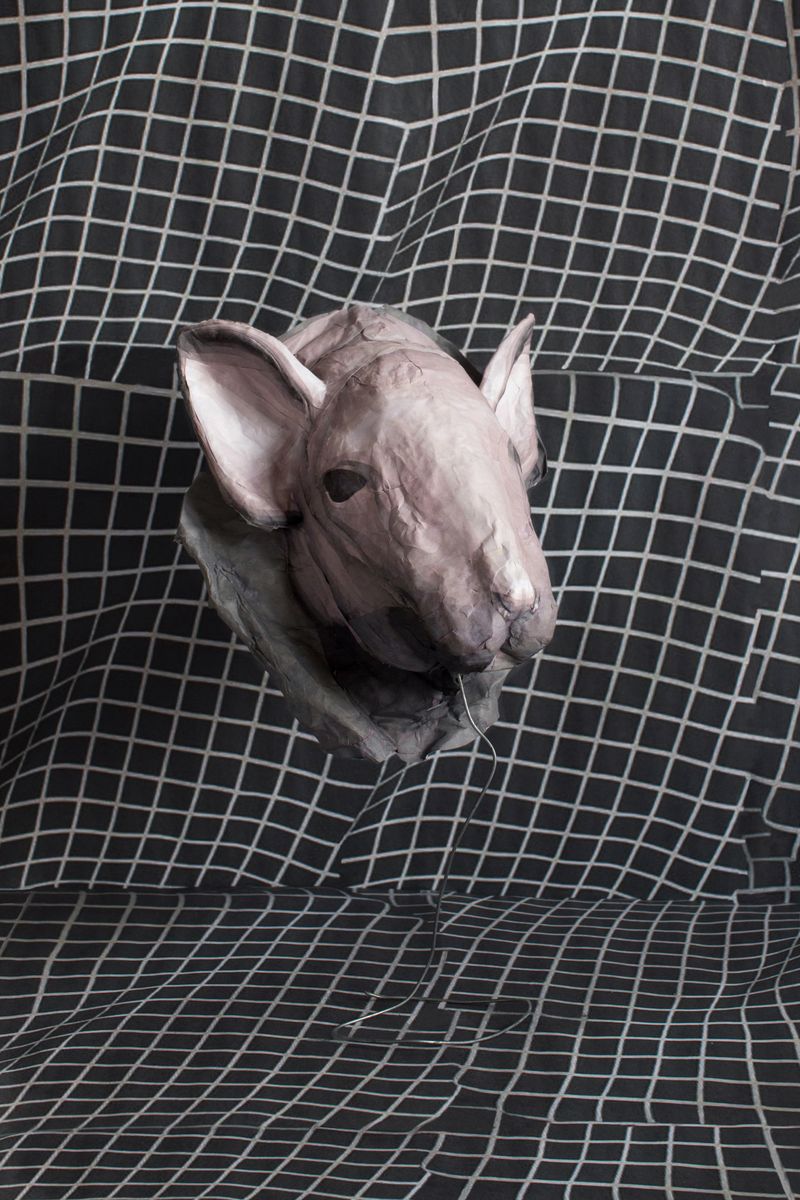
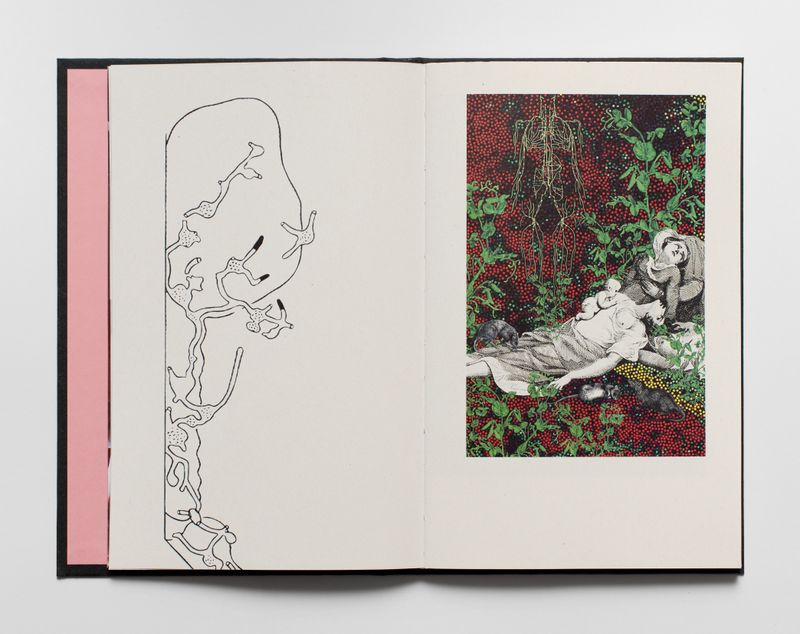
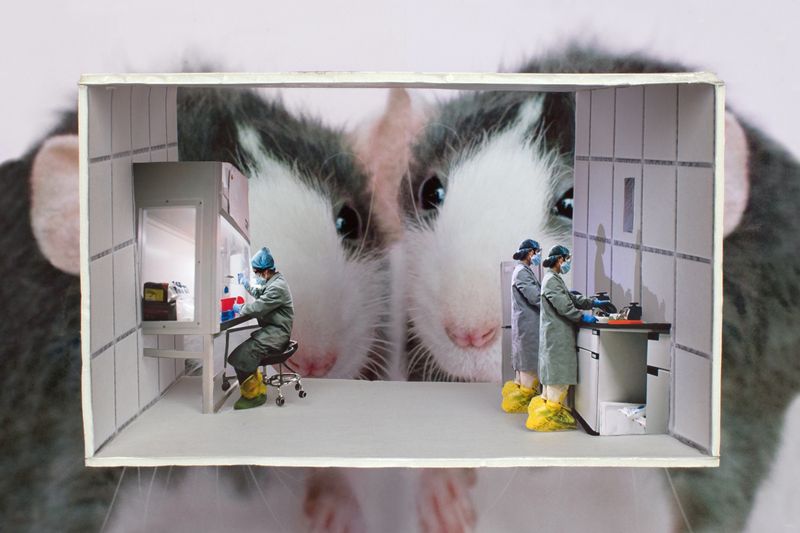
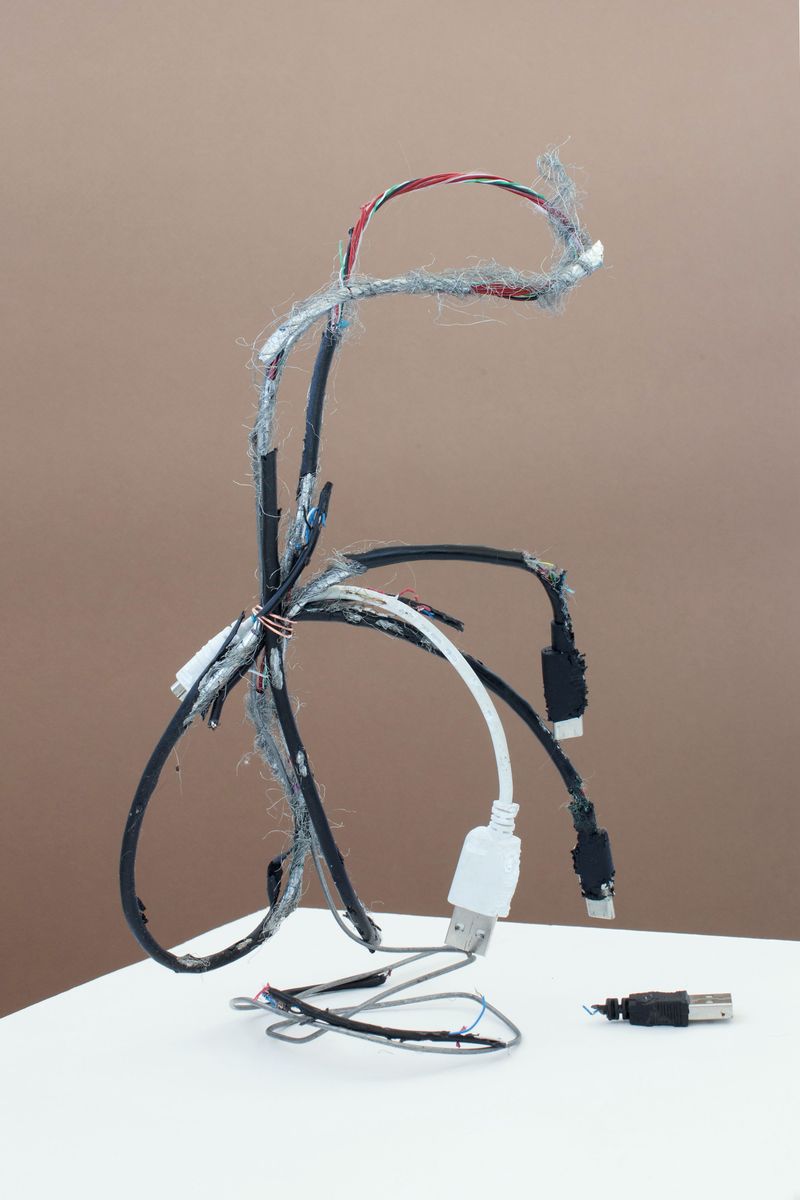
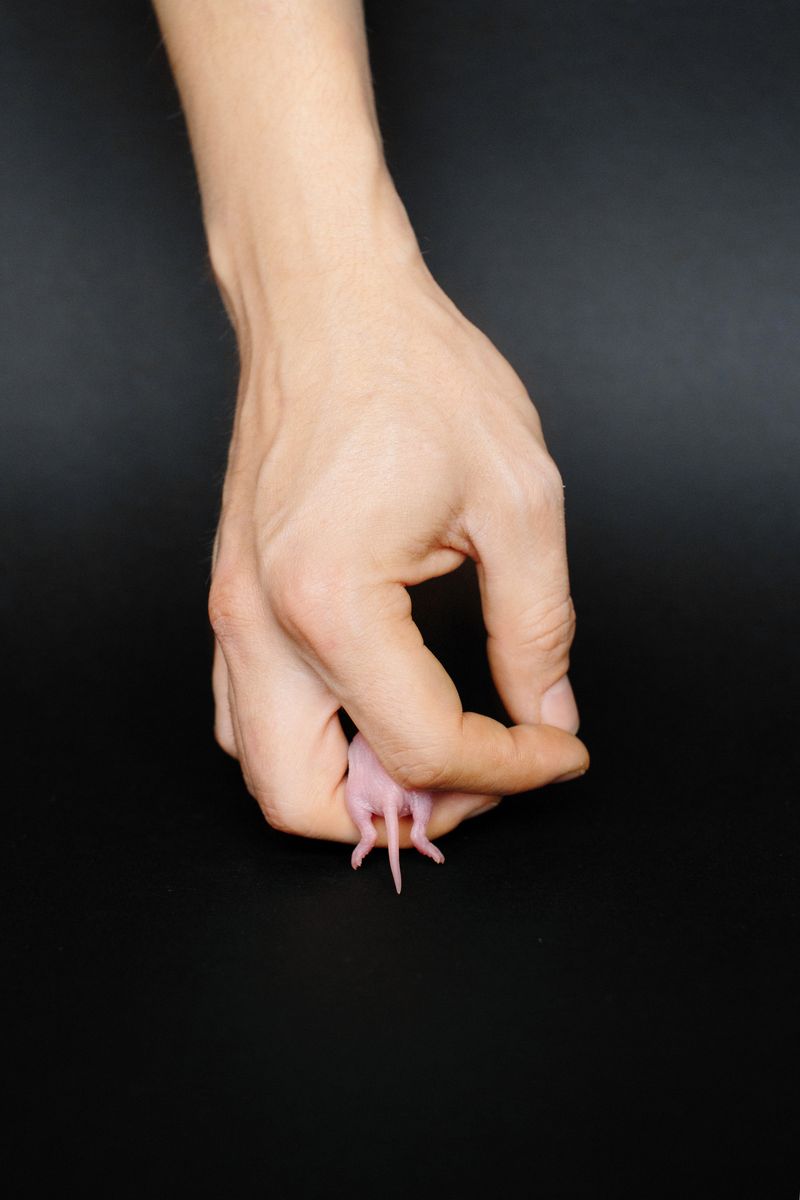
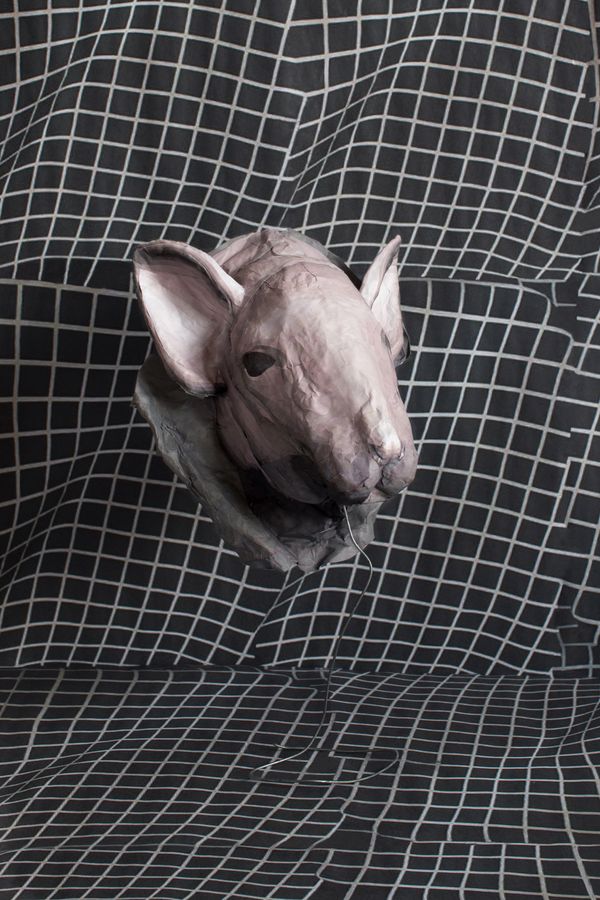
Maryia Karneyenka is a contemporary photographer and artist from Belarus, now based in Warsaw, Poland. The Rattus Sapience project emerged from her activism and personal encounters with rats—relationships that transcend the notion of “ownership,” as they are not defined or limited by possession. For the project, Maryia not only uses her own photographic material but also constructs collages, still lifes, and creates new meanings through appropriation to reveal what lies hidden behind the stigma.
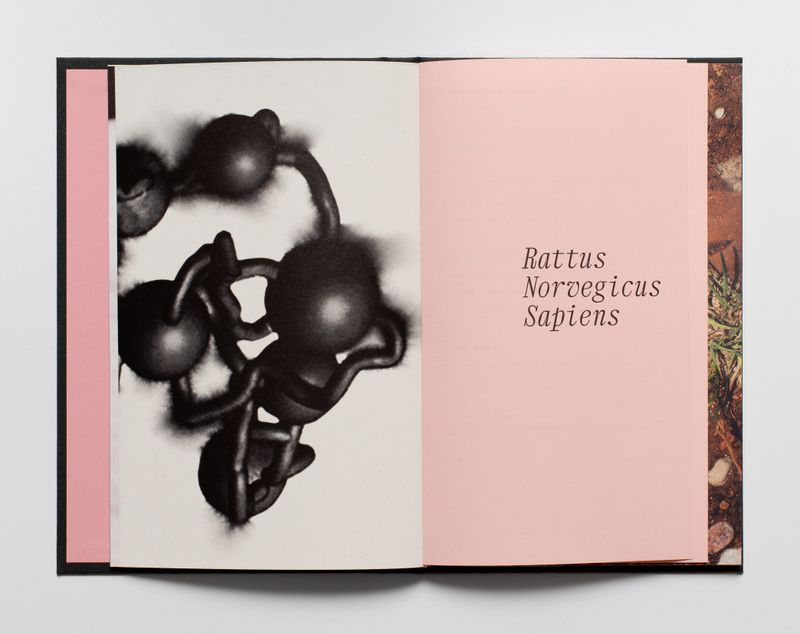
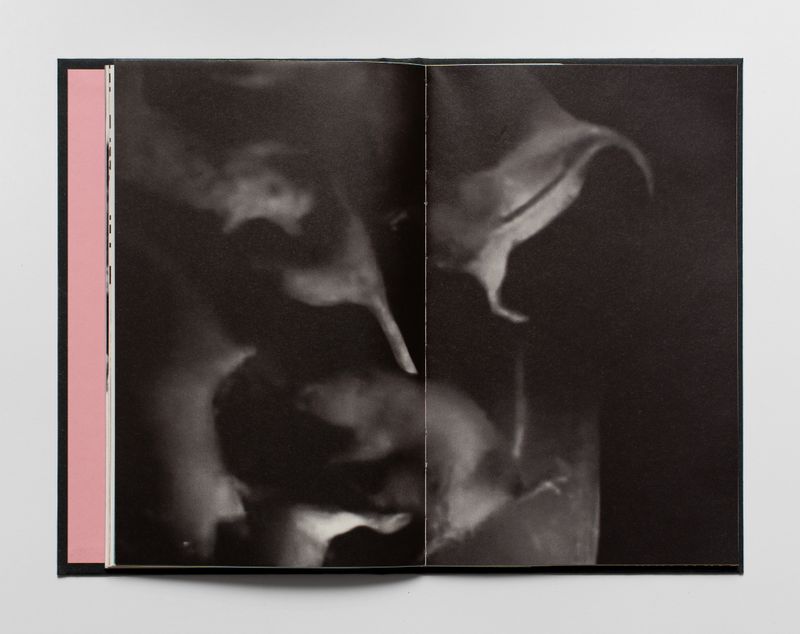
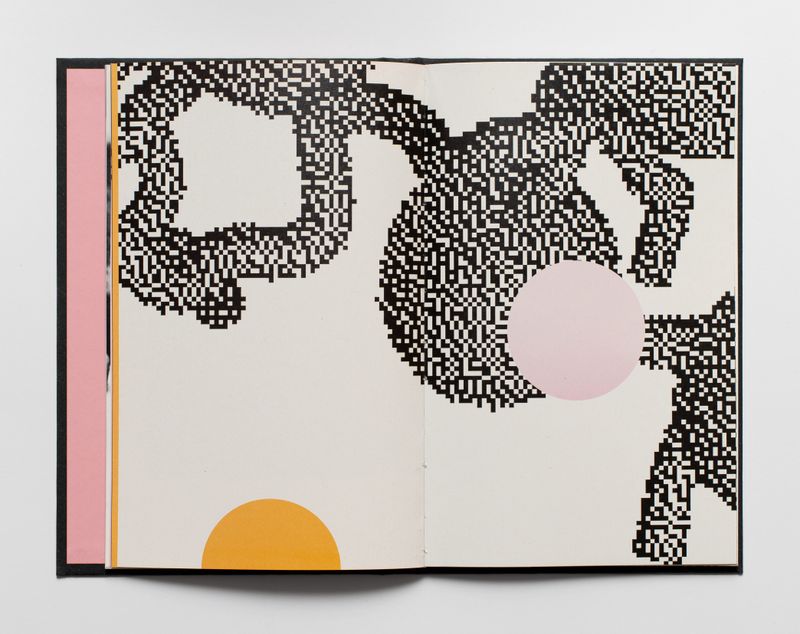
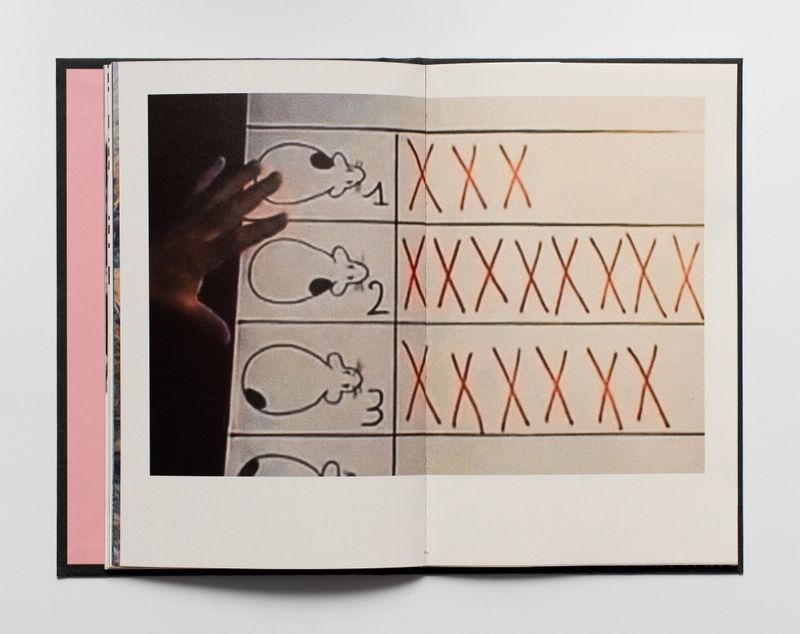
Rattus Sapiens is a multi-layered book—or rather, a multi-tunneled one. A line of visual narration unfolds in the style of a tale, mirrored, two-way, and looped, as we begin and end with the same pair of images—as if the story moves in circles.
Read forward, the tale begins with humans worshipping and fearing nature, and the other beings of the animal kingdom to which they belong. Then come taming, dualism, and alienation. But if read from the last to the first page, the story turns into a return—a descent, a rediscovery of myth, a reunion. It is a story that belongs equally to both rats and humans.
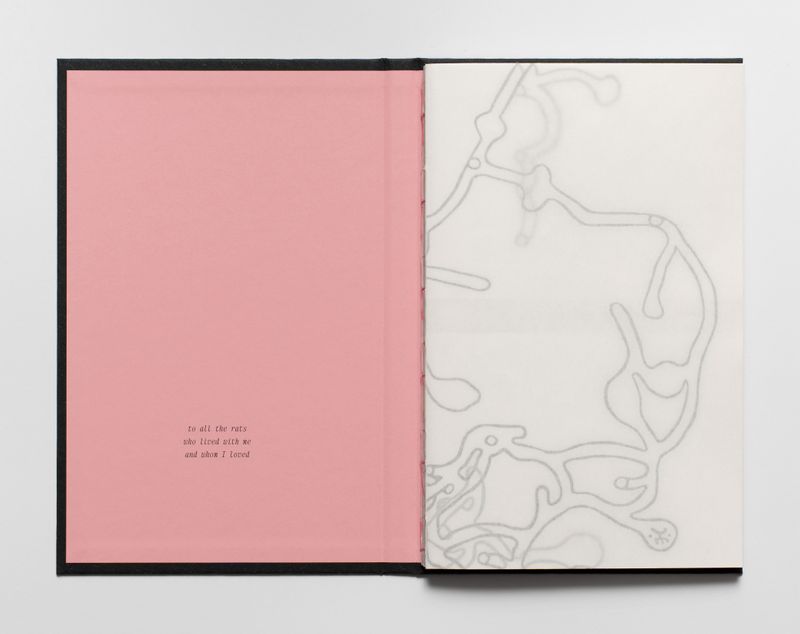
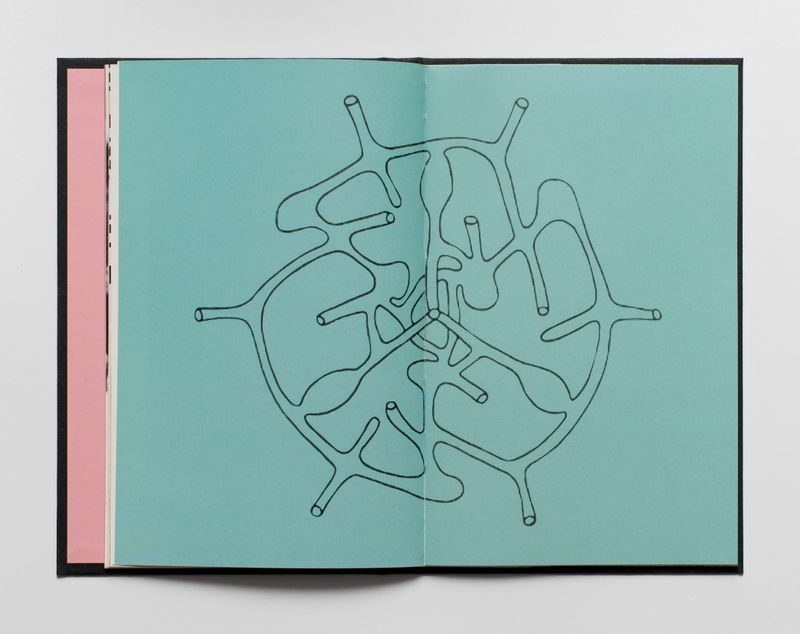
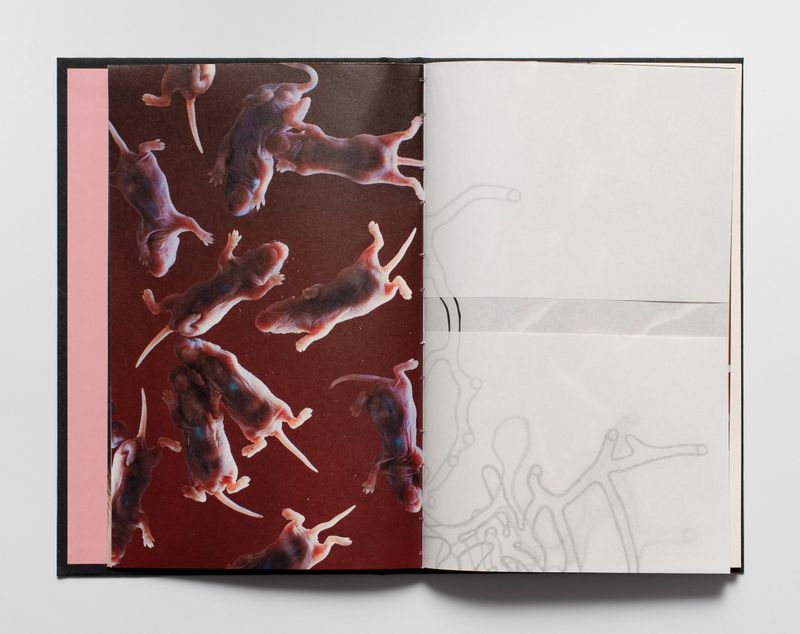
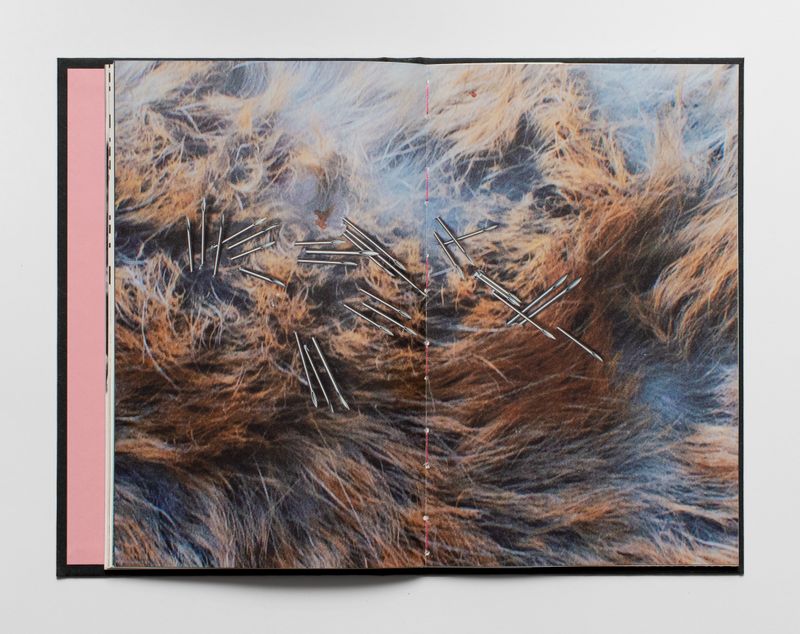
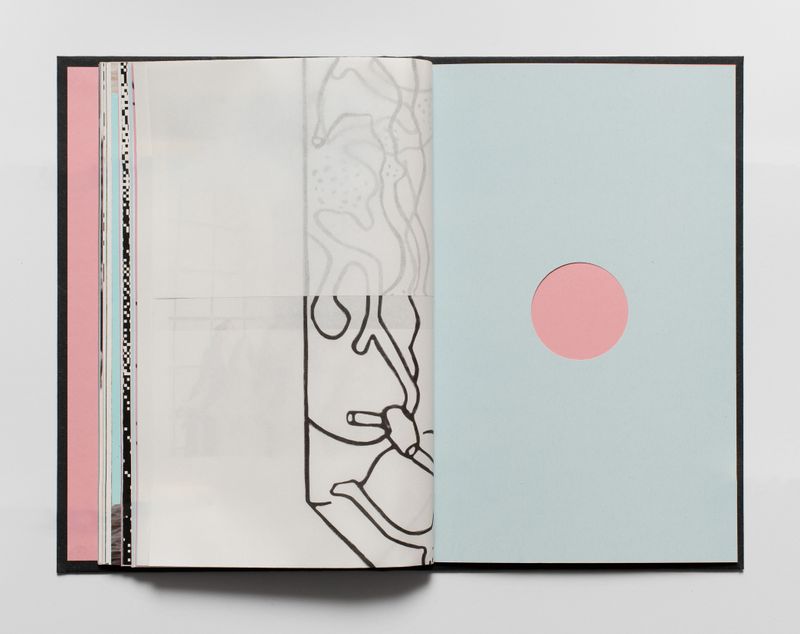
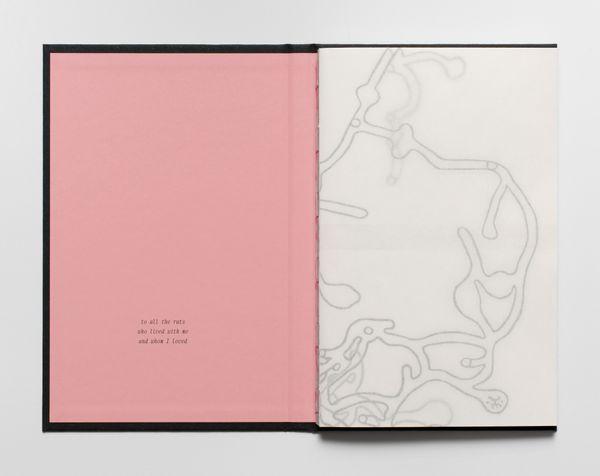
The book’s physical form adds another layer to its storytelling. The classical, linear rhythm of turning pages is pierced and burrowed through. Between the thin edges of the paper, “pocket-pages” slide in, splitting and branching the narrative. Maryia’s delicate drawings of rat burrows are literally layered on semi-transparent folded sheets, cutting through the rhythm of the pages in their signatures. Throughout, there are echoes and reflections between images and colors.
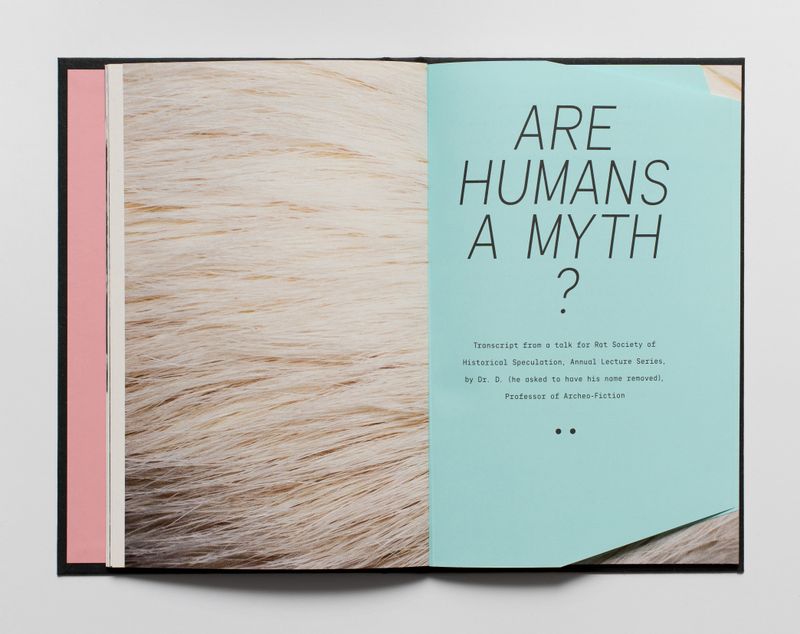
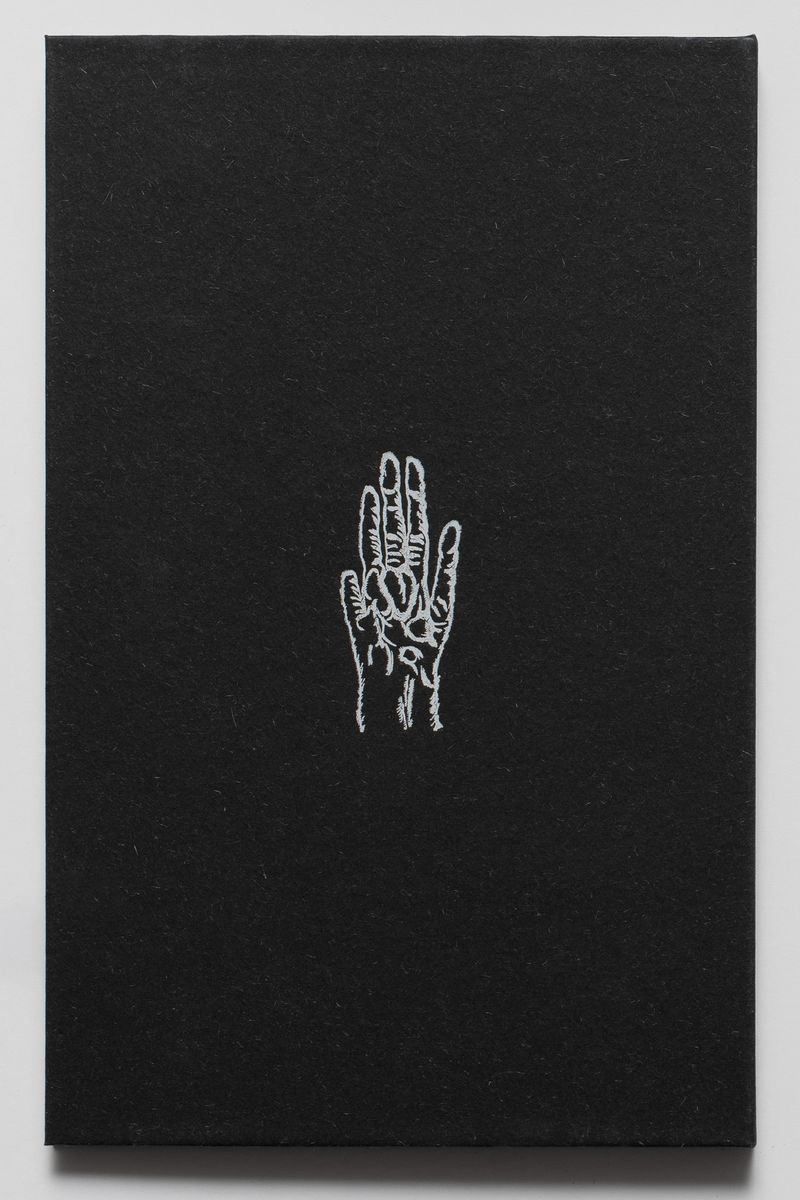
The haptics, too, become part of the tale. The cover’s wool-based paper pricks softly against your fingers, like a rat’s fur. The main paper is 100% recycled, with a warm natural shade, tiny specks, and a slightly “whiskered” look. The format of the book is small and elongated—just right to hold close.
In harmony with the visual voice of the project are the texts by Tatsiana Zamirovskaya, a writer with Belarusian roots based in New York, who not only shares a similar personal experience — Tatsiana calls herself an ambassador for rats — but also brings a post-anthropocentric perspective on the nature of interaction between human and animal civilizations.
The book invites us to look deep into the rat’s hole and abandon—at least temporarily—the position of the species that “won” the evolutionary struggle. It contains elements of play, mockumentary, and stories that may not be real but could happen. This effect is reinforced and amplified by the concluding text — an epilogue-reflection from the rats’ perspective questioning whether humanity ever truly existed or if it is just a myth.
By engaging with the book, we ourselves involuntarily become carriers of the idea of coexistence between the two civilizations and, in a certain sense, ambassadors for the rats.