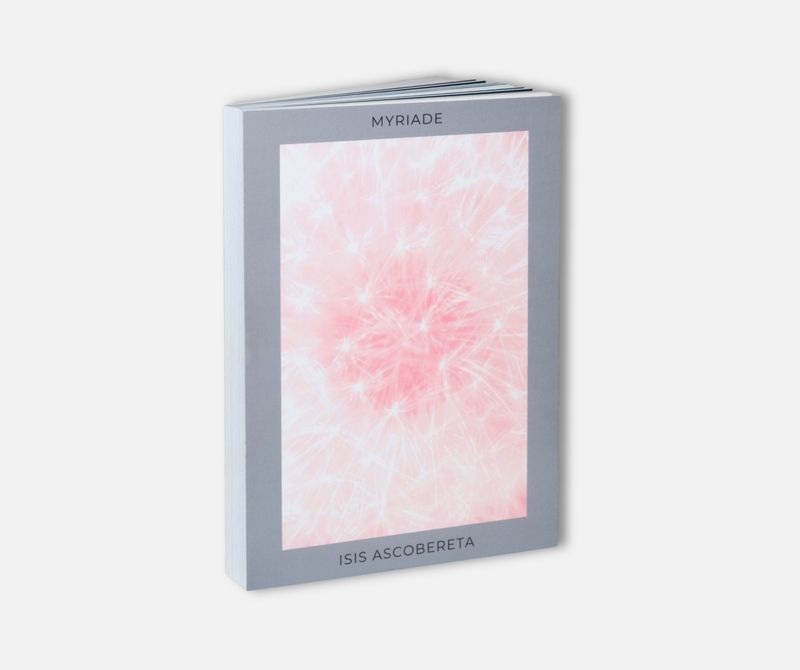
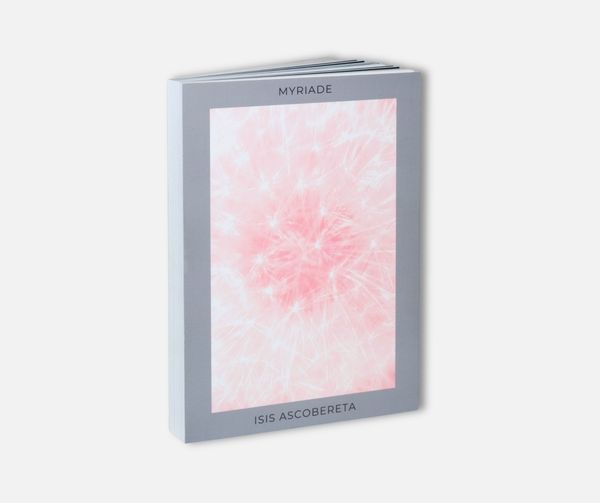
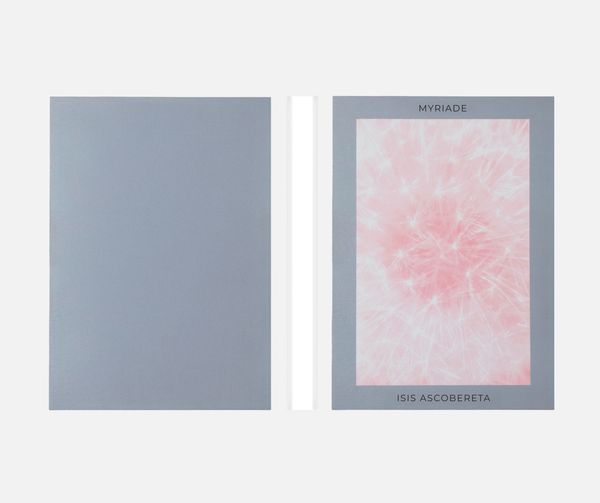
Myriad by Isis Ascobereta
-
Author
-
PublisherIsis Ascobereta (selfpublished)
-
DesignerIsis Ascobereta
-
Price50
-
Link
-
Pages64
-
Dimensions14.8 X 21 cm
-
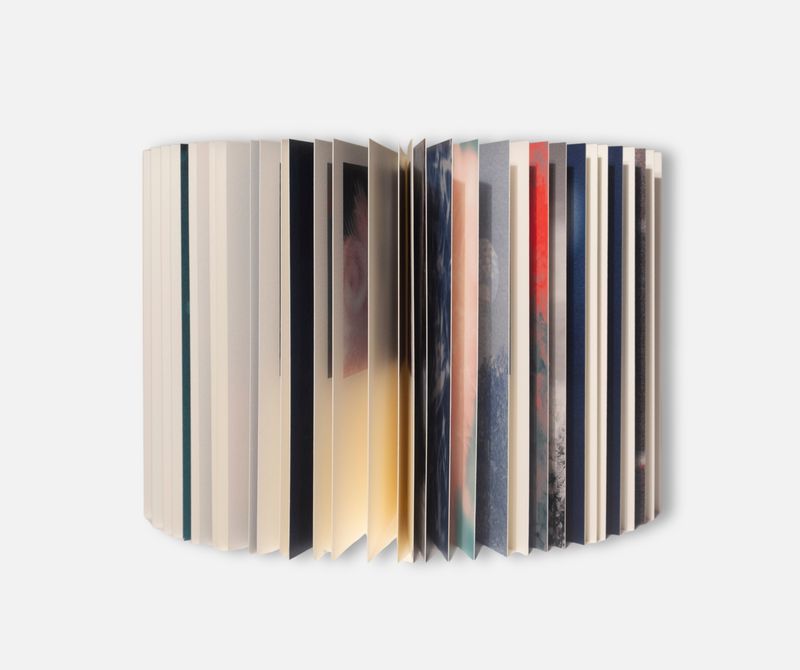
CharacteristicsSemi-hardcover, Layflat binding, HP Indigo printing, 350g and 175g Extrarough paper, Printed in France
-
ISBN979-10-980414-0-2
-
PublishedOctober 2025
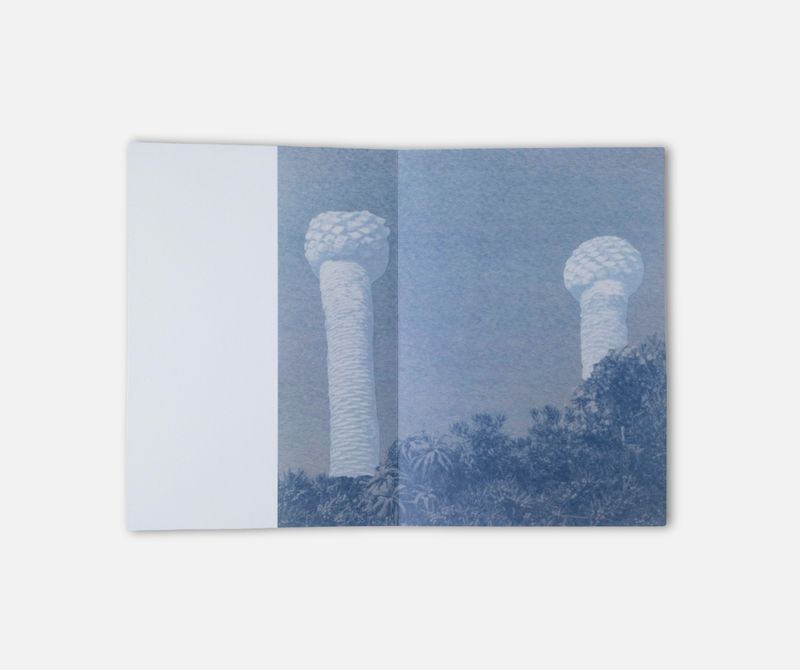
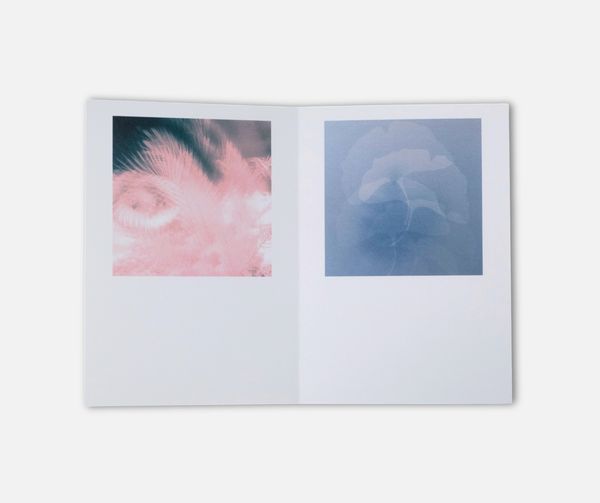
"Myriad" explores our bond with nature through infrared photography and cyanotypes, creating an oneiric herbarium that highlights plants’ presence in urban life and the need for balance between humanity and the natural world.
In May 2020, after the end of the first lockdown in France, I resumed photography in the streets of Paris. My first walks allowed me to get used to the outside world again, from which I had been cut off during the two months I'd spent in an apartment. My immediate reaction was to photograph the natural world around me, and from this initial corpus of images, a reflection on our relationship with nature in our daily lives took shape, giving rise to Myriad, a photographic study of the plant world.
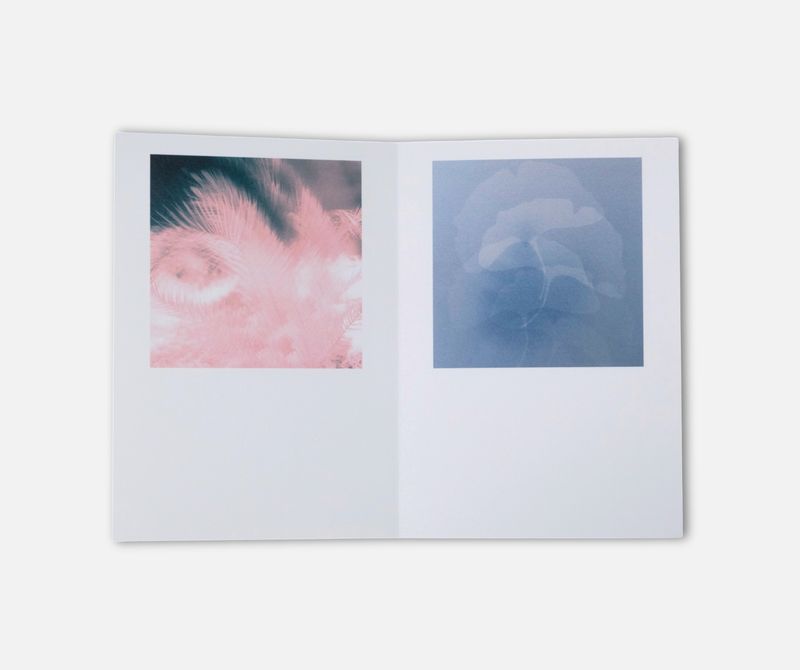
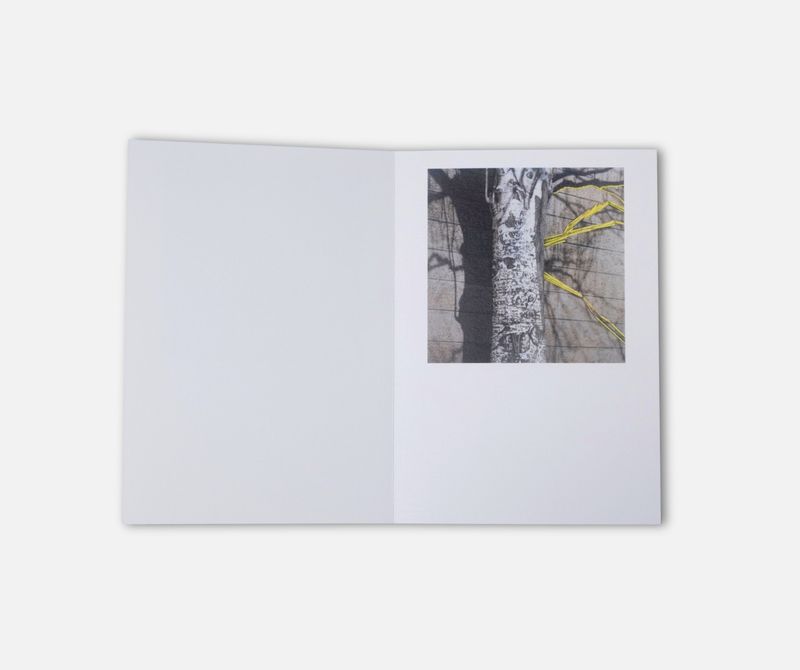
To achieve a visual grammar specific to this universe, I created a dialogue between infrared and cyanotype, both of which have been used in photography to highlight and study nature more closely. I chose infrared (digital monochrome, as well as analog medium format with a special film that recalls the effect of old color infrared films) to reconstruct thermal radiation and translate the visual sensation of heat given off by the plant world, and cyanotype (reminiscent of the herbariums of Anna Atkins, the 19th century British botanist and first female photographer) to emphasize the desire to preserve a trace of the nature that surrounds us. The cyanotypes were made from plants found in the city and my photographic negatives. The use of embroidery on certain prints enhanced the referential value of the inscriptions engraved on the trunks of the trees that line part of the quays of the Seine, giving them a new meaning.
In our cities, vegetation takes on different forms before our eyes: in parks, it is cut and planted according to our wishes; on sidewalks and other asphalted surfaces, it can spread freely; in closed spaces, it becomes an object of decoration. In order to penetrate the intimacy of this plant world, which has become a closed universe in our urban reality, and to bring it back to the public eye, Myriad plans to reconstruct a poetics that can reconcile city and nature through a careful study of the relationship between these two worlds. The aim is to propose an oneiric herbarium of images that will revive our perception and help us become aware of the importance of the balance between humans and nature in today's world.