JJ VFF VV by João Linneu
-
AuthorJoão Linneu
-
Publisher
-
Price€55
-
Link
-
Pages416
-
Dimensions16,1 × 23,8 cm
-
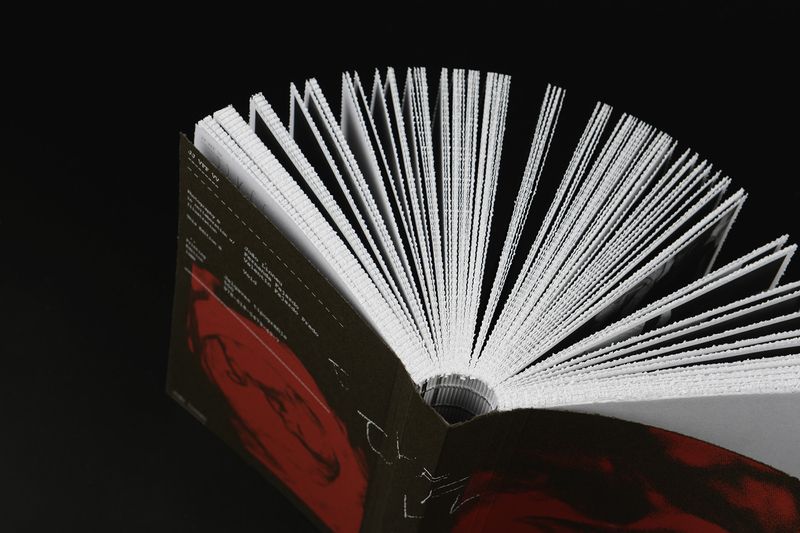
CharacteristicsSilkscreen Otabind Softcover with Rough Edges
-
ISBN978-618-5479-49-7
-
PublishedJuly 2026
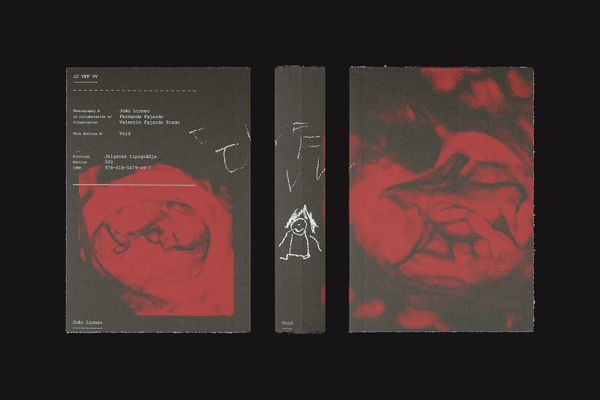
Tracing the physical and emotional thresholds of pregnancy complications and premature birth, ‘JJ VFF VV’ is a tender documentation of the birth of João Linneu and Fernanda Fajardo’s first child, Valentín, born in 2014.
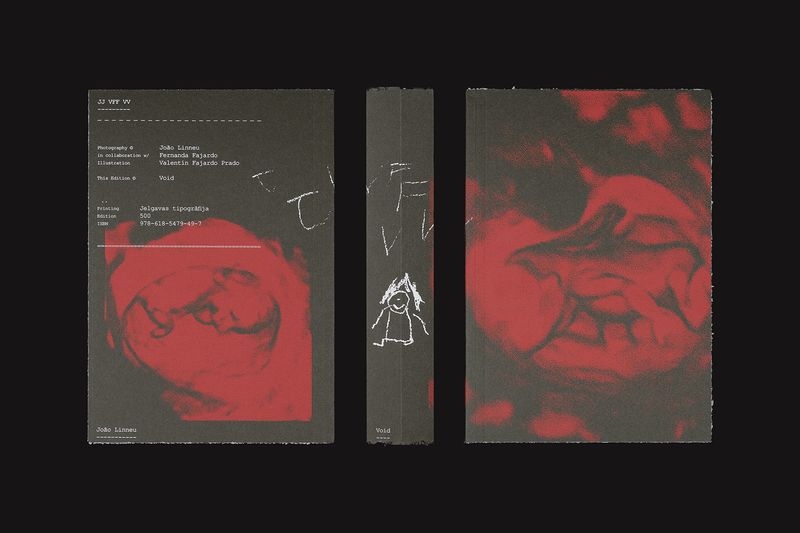
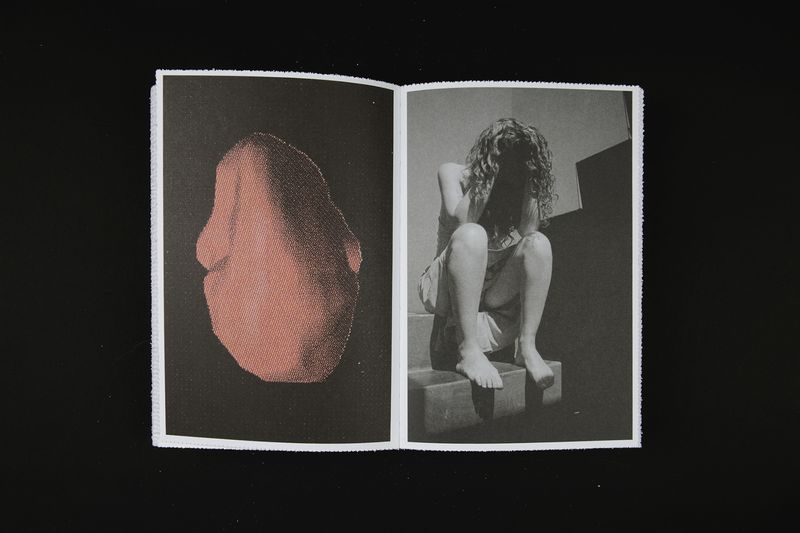
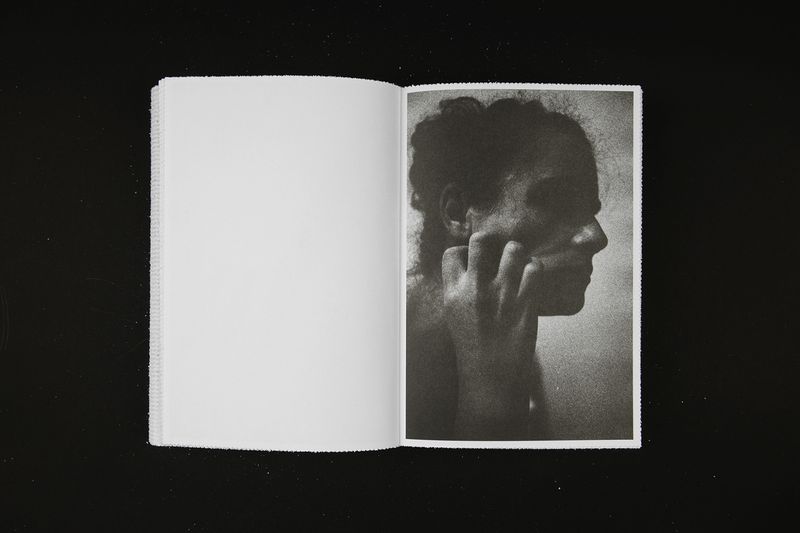
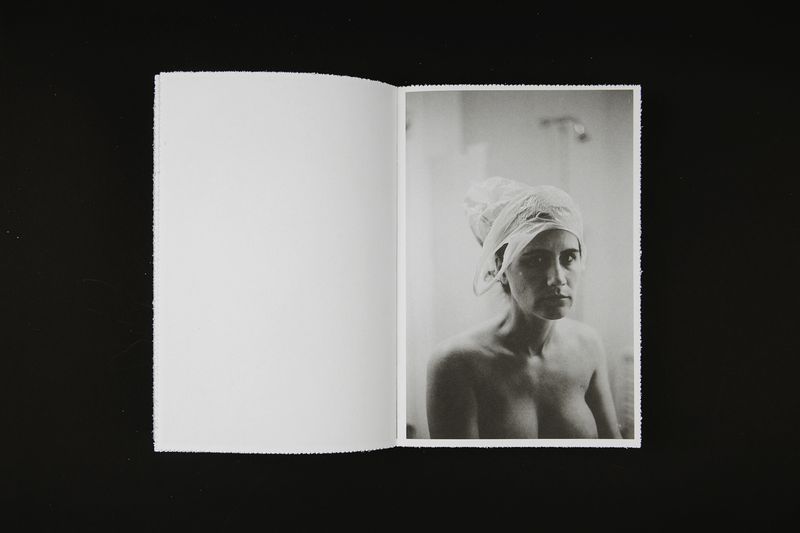
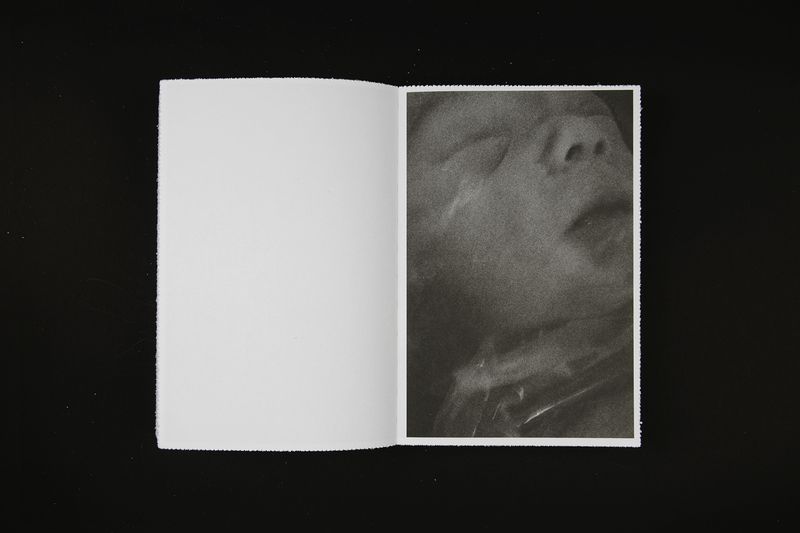
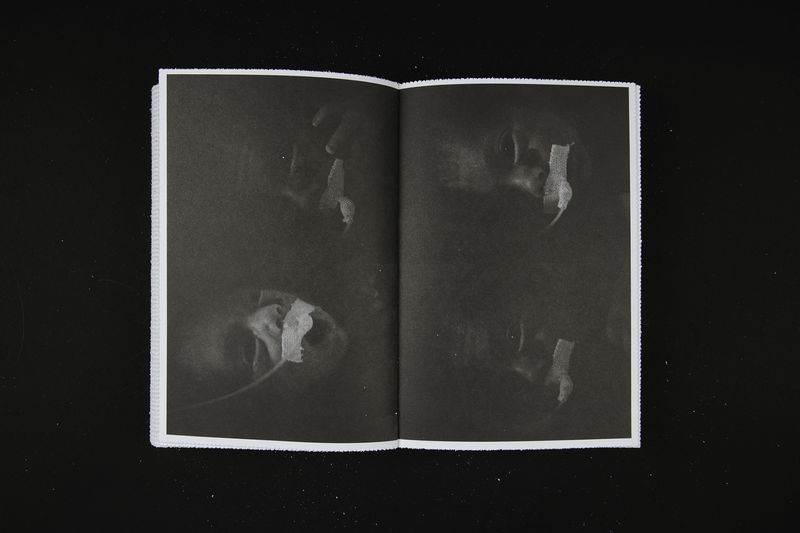
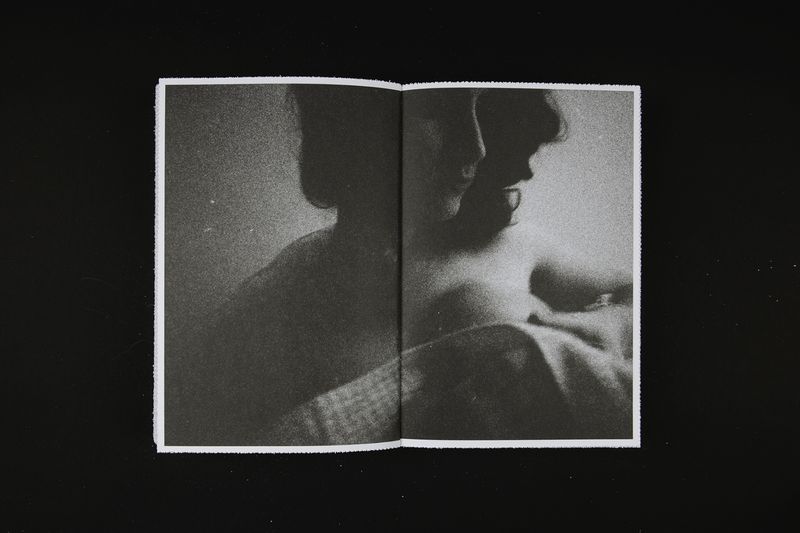
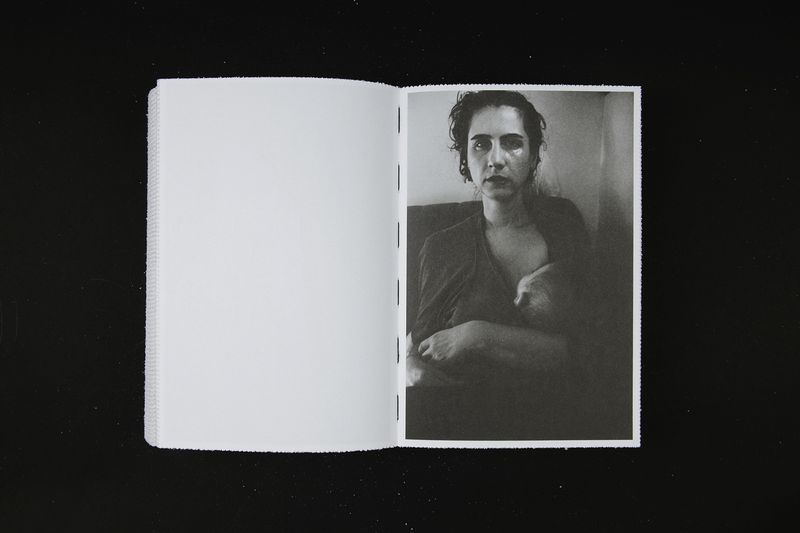
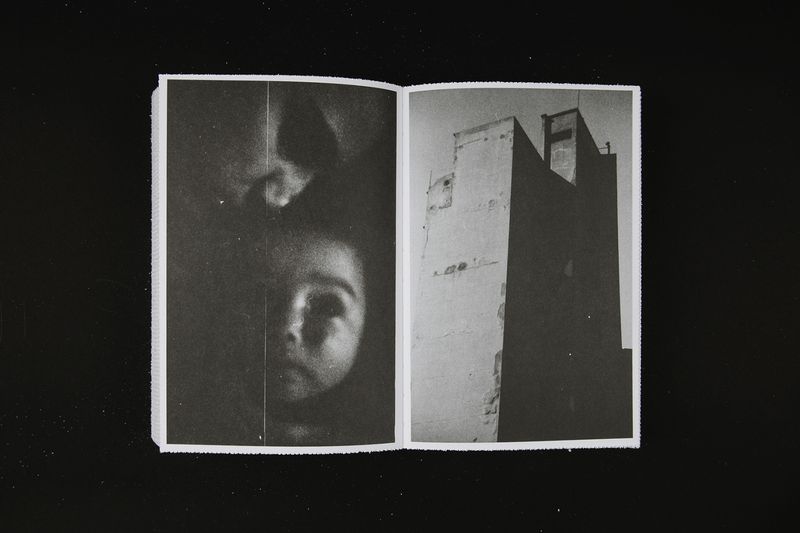
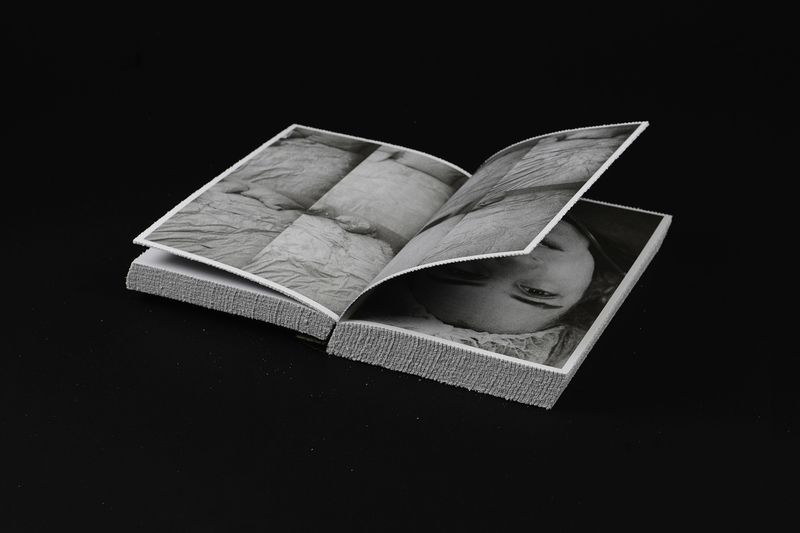
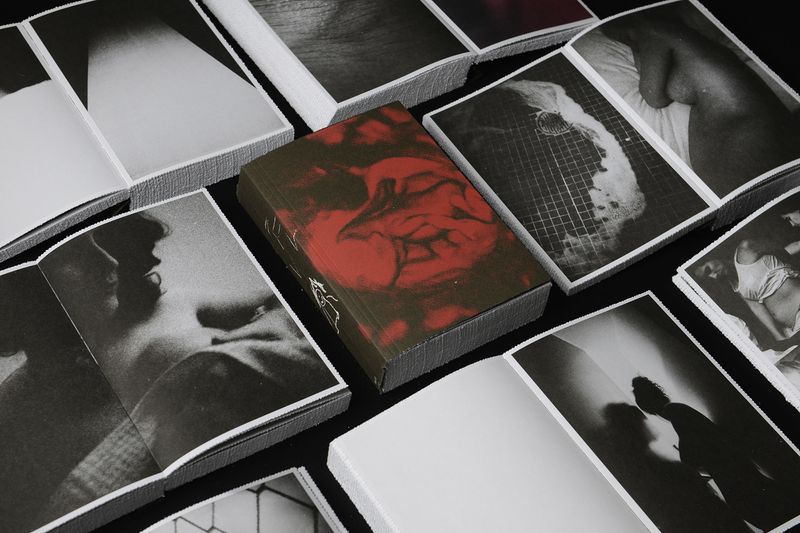
Linneu’s photographs are intimate and raw, instinctive and exposing, documenting his partner as her body navigates a challenging pregnancy, moving between the private space of their bedroom and bathroom, onto hospital wards, soon to be shared with her newborn son. Interwoven are photographs taken by Fajardo: self-portraits made when hospitalised and occasional portraits she has captured of Linneu. The cover of the book is an illustration by their son Valentín, who is now eleven, and aware of this photographic record of his coming into life. In ‘JJ VFF VV’ Linneu and his family shape an unprecedented collective portrait of lived experience, revealing a sensitive visual language for circumstances so often shrouded in silence.
“From the perspective of a powerless close witness, this book shows a side of pregnancy that is not usually seen. One that, despite being painful and dark, is still beautiful, powerful, and meaningful. If anything, I want the book to be a very small drop against the stigmatisation of what beauty is, and what a pregnancy is.” — João Linneu
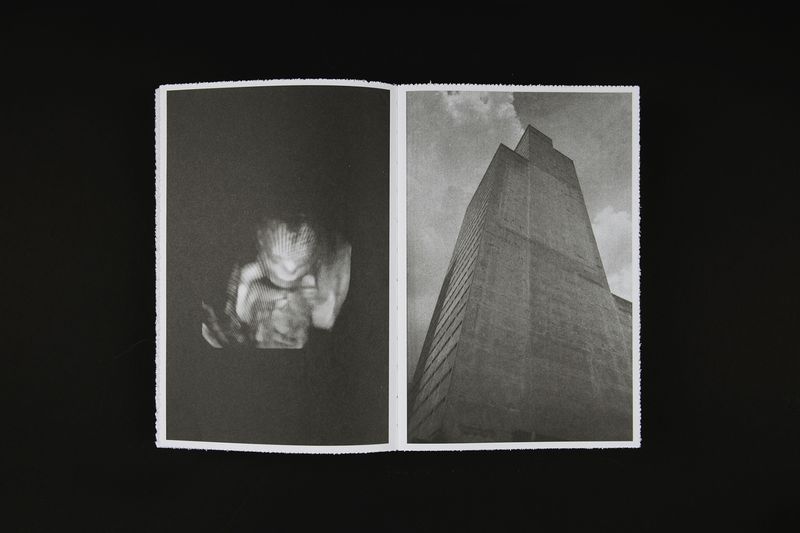
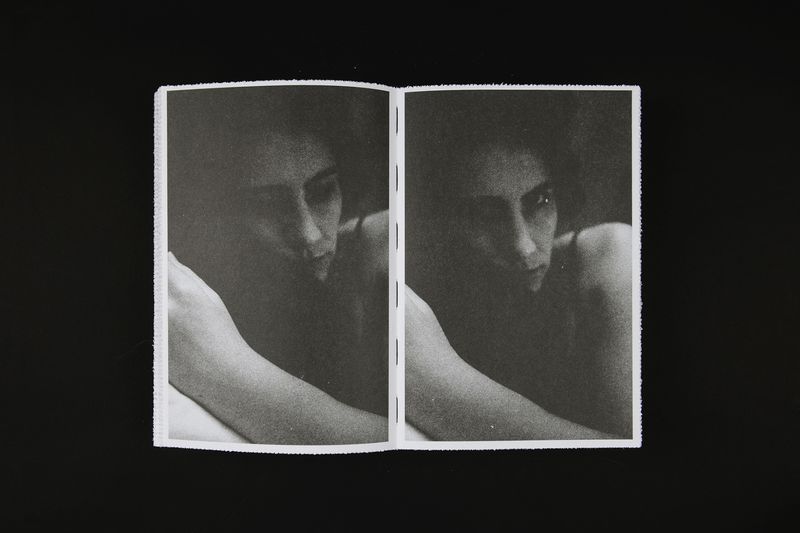
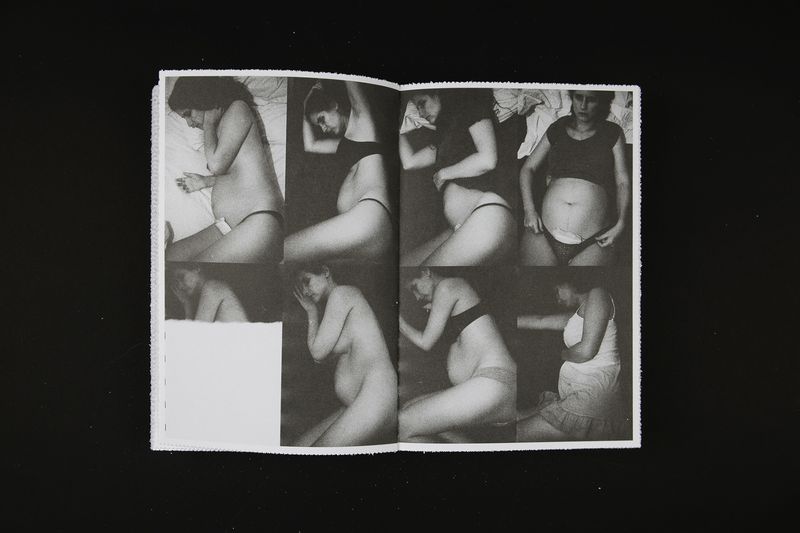
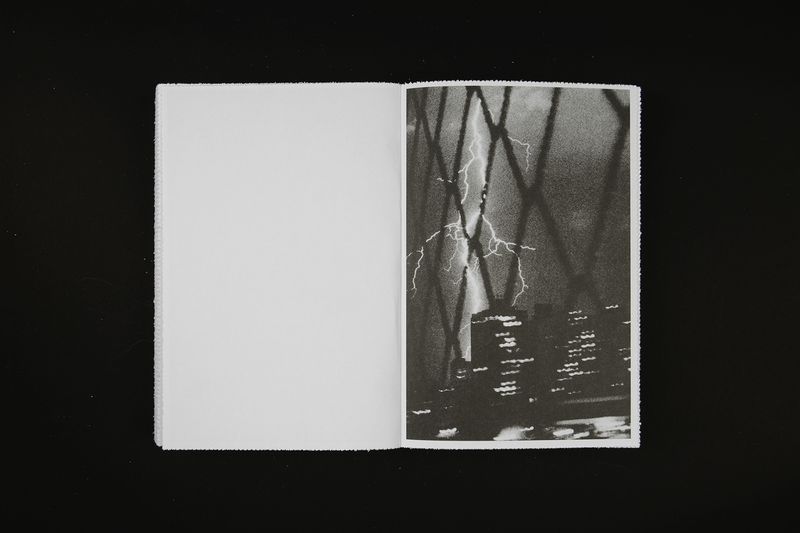
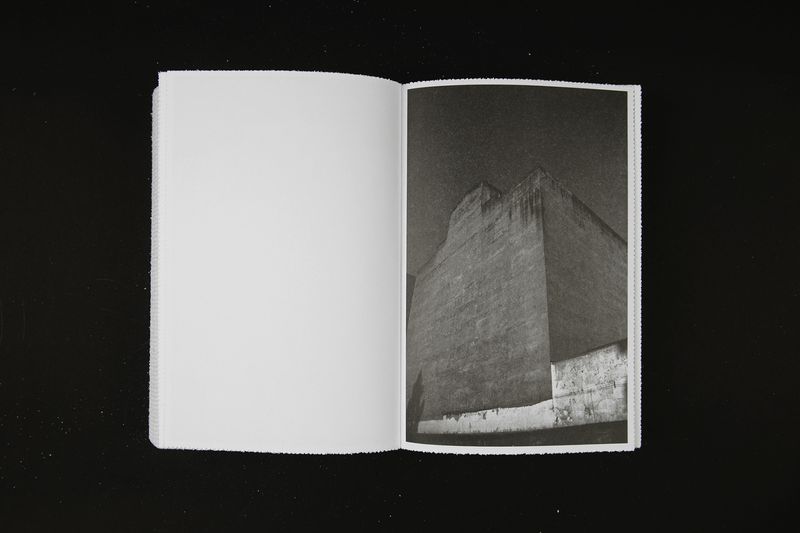
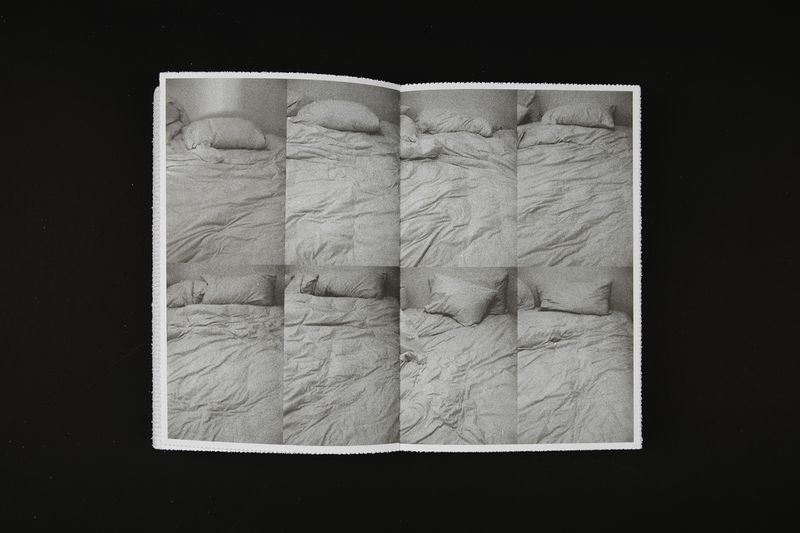
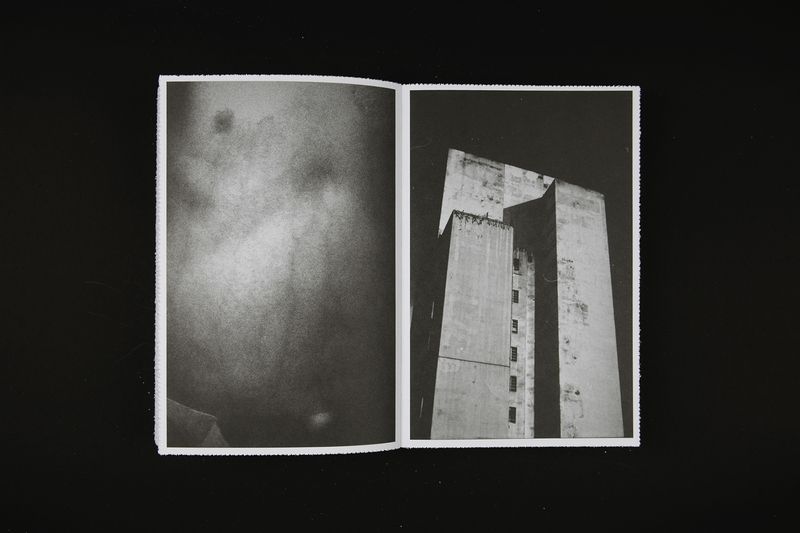
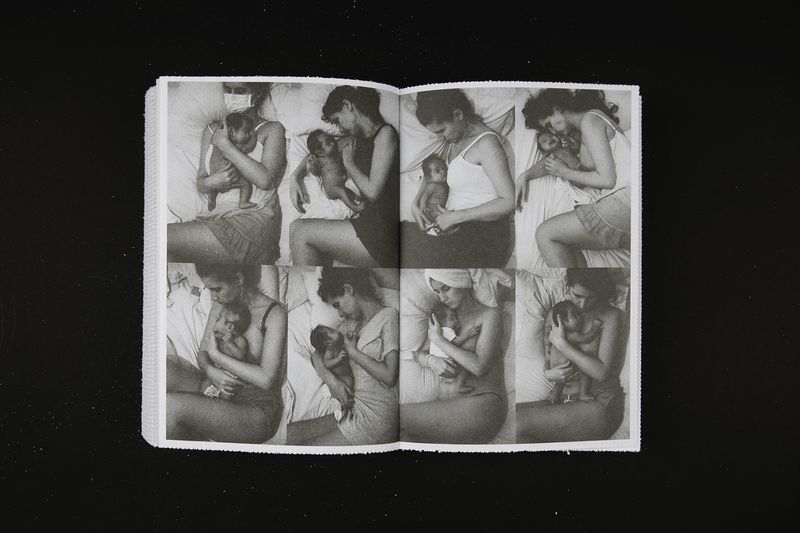
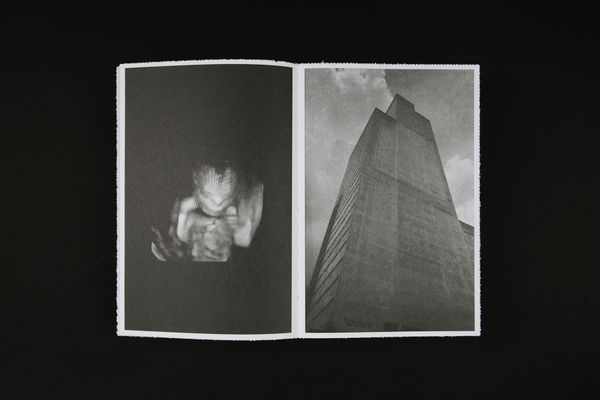
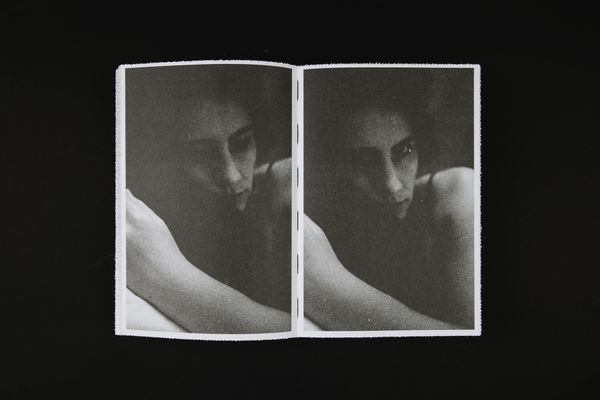
This diaristic record of pregnancy complications is set against Linneu’s static and unforgiving landscape photographs of the city of São Paulo, where he and his partner found themselves having to live and put their life on pause in the months prior to the birth of their child. Austere monoliths and brutal blind façades linger, towering over their intimate lives to become physical extensions of the stillness and inertia imposed upon them. Stillness suffuses Linneu’s imagery. Intertwined with his honest documentation of a painful pregnancy – obscured scans, a shape-shifting body, toilet basins stained with blood – are portraits of his partner lying in bed. Shot on a single day and appearing chronologically throughout the book, the bed – at times absent when Fajardo is hospitalised – holds the passage of time, and the weight of pain and uncertainty shared.
Resisting the constraints of a paediatric intensive care unit where photography was prohibited, ‘JJ VFF VV’ becomes a marker of representation, offering a visual counterpoint to idealised narratives of childbirth. Discovering beauty in the pain they have shared, Linneu and his family create a refreshingly unique portrayal of the emergence of a family unit, and demonstrate the layers of vulnerability that encompass bringing new life into the world.