Homographs. A Pictionary
-
AuthorAllegra Baggio Corradi
-
Publisher
-
DesignerAllegra Baggio Corradi
-
Price35
-
Pages448
-
DimensionsA6
-
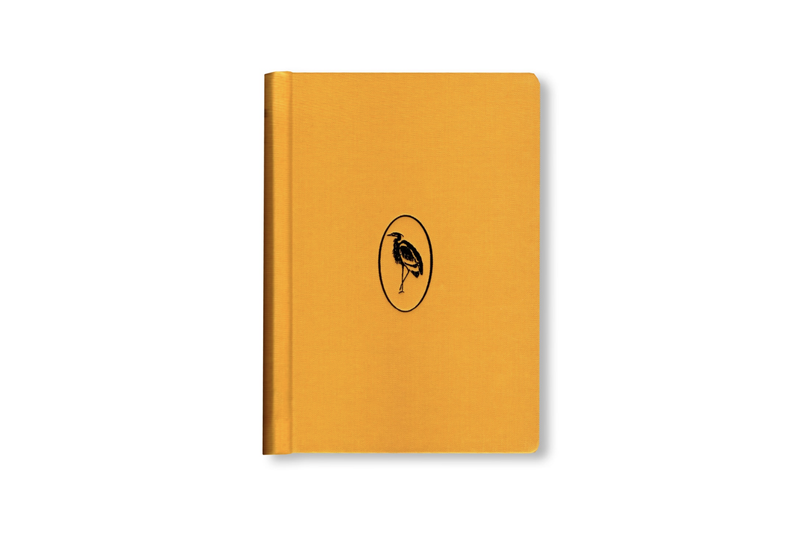
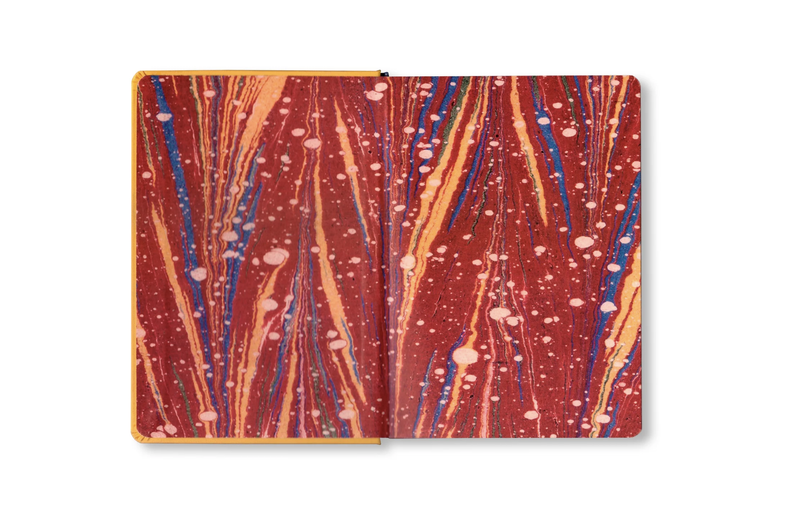
CharacteristicsRotary printing, Dutch binding, black debossing on front and back, red and blue cotton bookmarks, marbled endpapers
-
ISBN978-88-947591-5-0
-
PublishedDecember 2025
Homographs is a pictionary that emphasises the narrowness of language with respect to the width of the world.
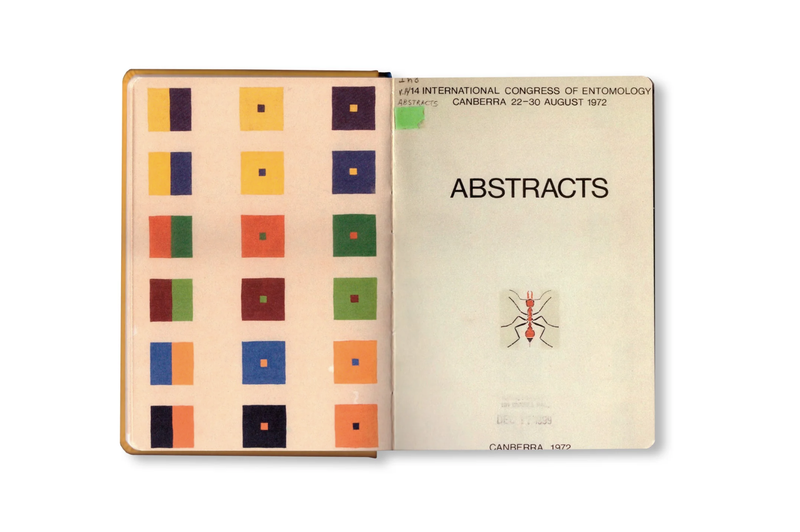
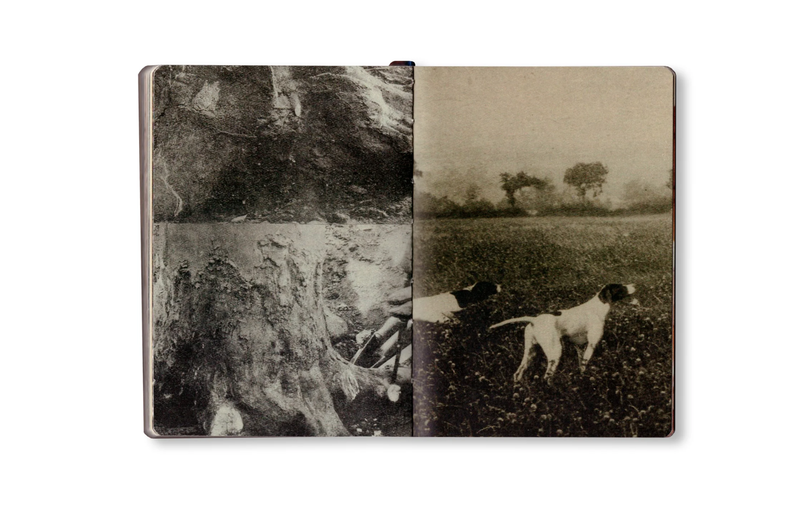
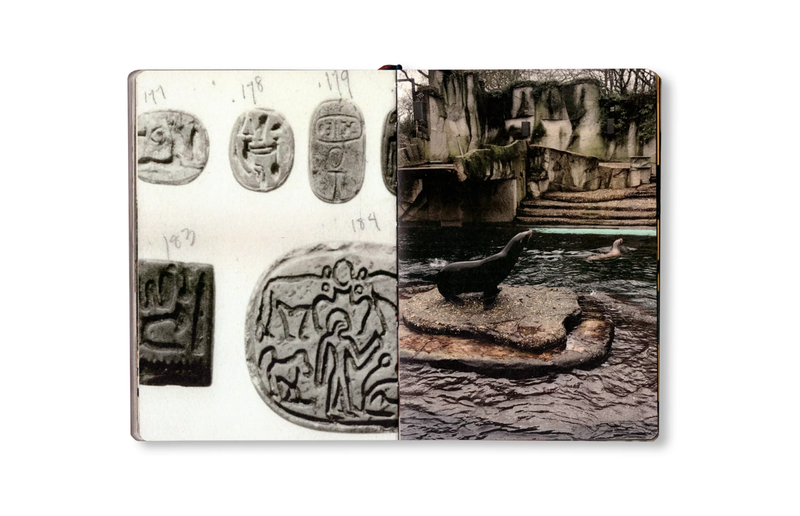
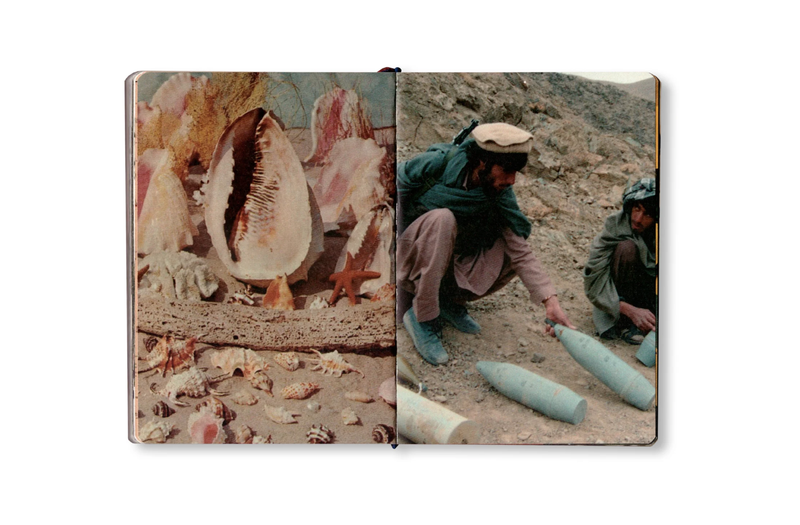
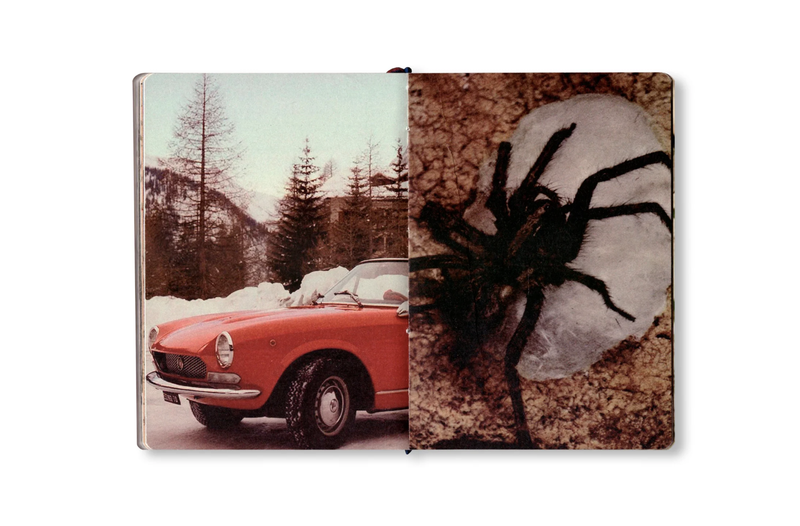
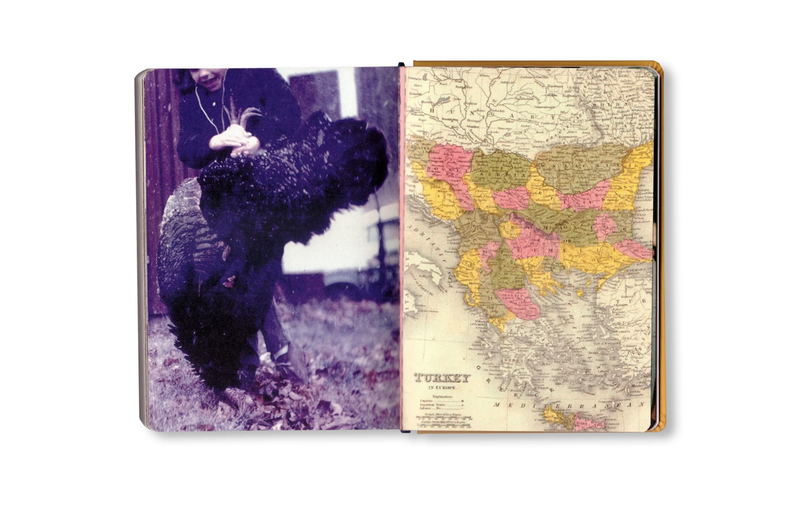
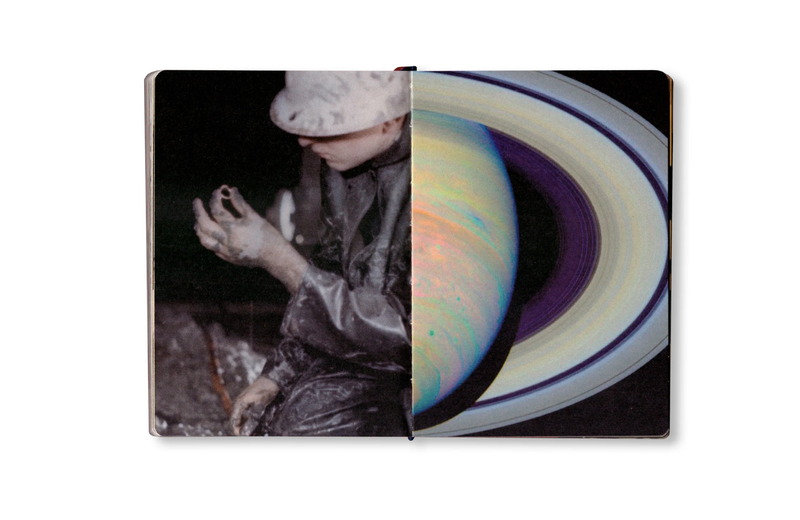
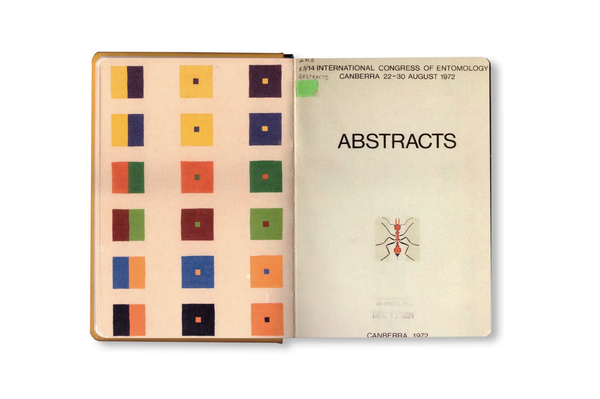
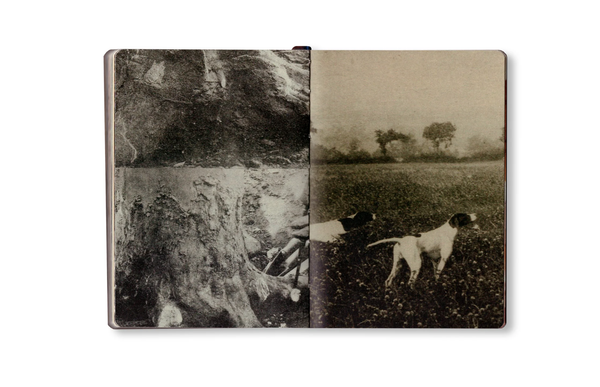
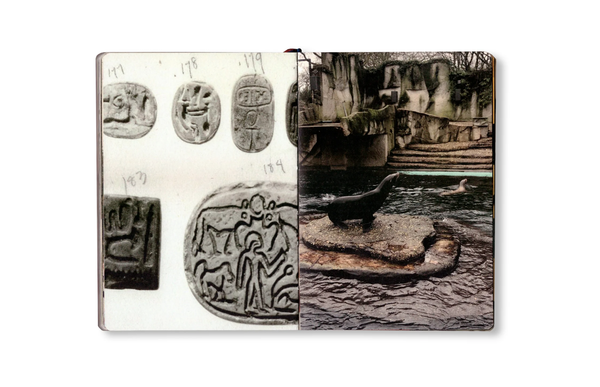
Homographs is a visual dictionary for learning English through images rather than words. Built from 200 diptychs, each centred on a single English word with at least two meanings—cell as the smallest unit of the body and confinement, bark as sound and surface, wave as greeting and rising sea—the book proposes photography as a means of conflict resolution in contexts where language and communication are broken or limited. The images are partly newly photographed and partly drawn from public‑domain archives: some pixelated, some pristine; some archival, some amateur. This heterogeneity mirrors the mixed registers of the vocabulary itself—technical terms (adder), everyday words (bank), slang (joint), and politically loaded words (Indian).
Formally, the book presents itself as a classic dictionary, echoing the German Langenscheidt volume the author used as a child in school. This choice recalls the borderland of South Tyrol where she was born, a region historically marked by the linguistic rift between Italian‑ and German‑speaking communities. There, language has long operated as a boundary—an instrument of institutionalised discrimination disguised as order. The book’s stern exterior contrasts with an interior rich in contradictions and semantic tensions, staging the instability of meaning and the labour of navigating life between cultures. Through this tension, Homographs positions the photobook as a tool for social prescribing and participation, using images to expand access and expression beyond linguistic borders.
Developed in London between 2013 and 2019 during workshops with migrants, Homographs treats photography as a supralinguistic tool—a shared ground for communication that shows things for what they are rather than for what they are called. The vocabulary was shaped directly by participants’ desires, fears, preoccupations, and practical needs during their first months in a new country.
The book invites readers to experience a similar disorientation: the diptychs reproduce the sense of loss felt by those trying to orient themselves in a place where they do not yet speak the language or understand the cultural codes required to access meaning—and, with it, one’s civic role as a citizen and individual. Reading becomes a memory game that refuses the match: nothing aligns neatly, and understanding emerges from difference rather than sameness.
The book shows the potential for photography to act as a means of conflict resolution.