Gran Mar by Isabel Fernández
-
Author
-
PublisherSelfpublished
-
DesignerIsabel Fernández Echavarría
-
Dimensions10,5 x 13,5 cms
-
ISBN978-956-398-842-0
-
PublishedJuly 2019
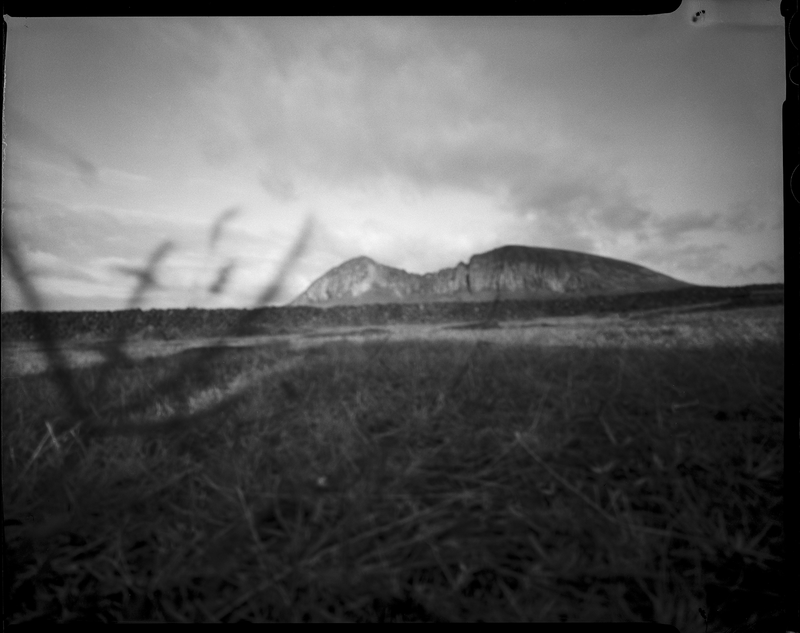
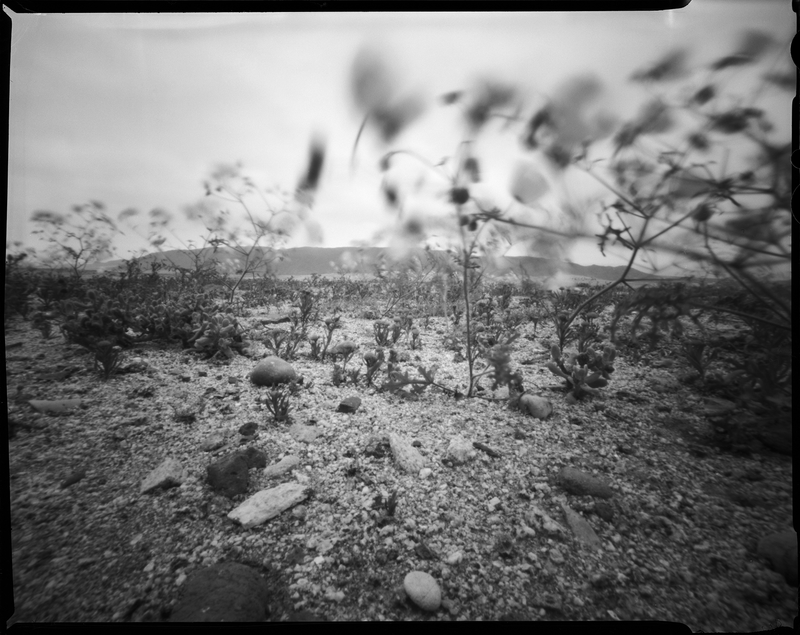
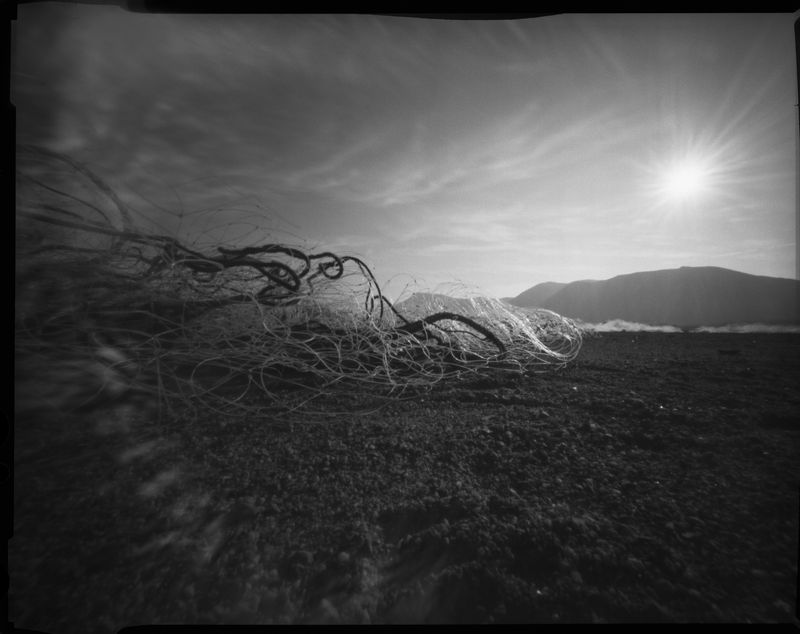
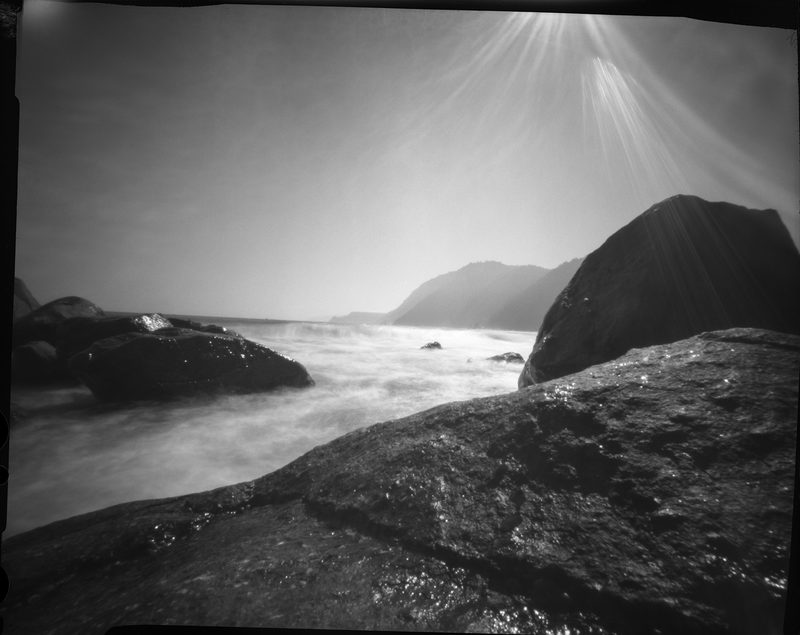
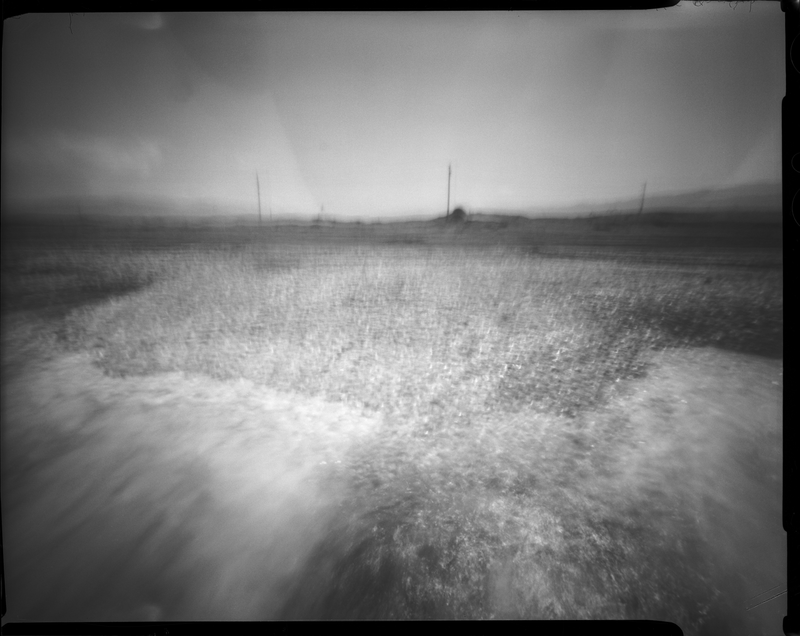
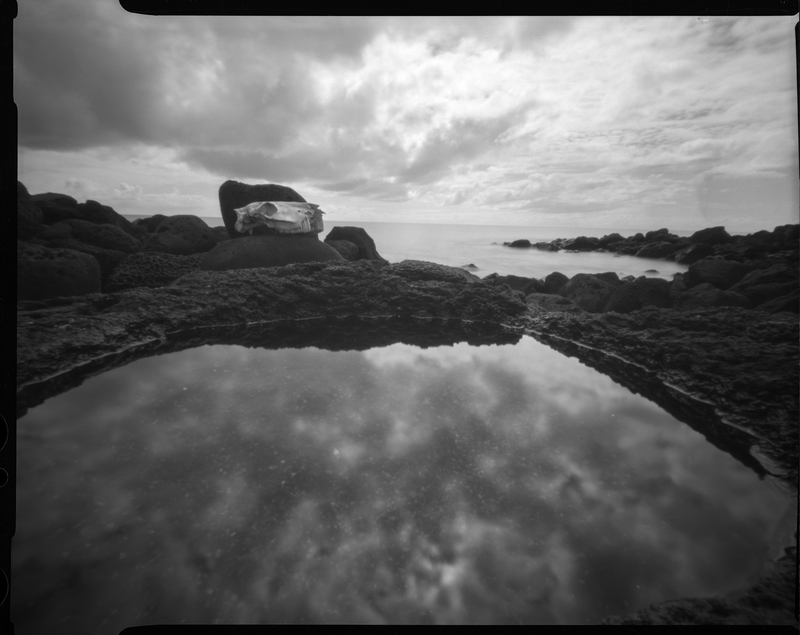
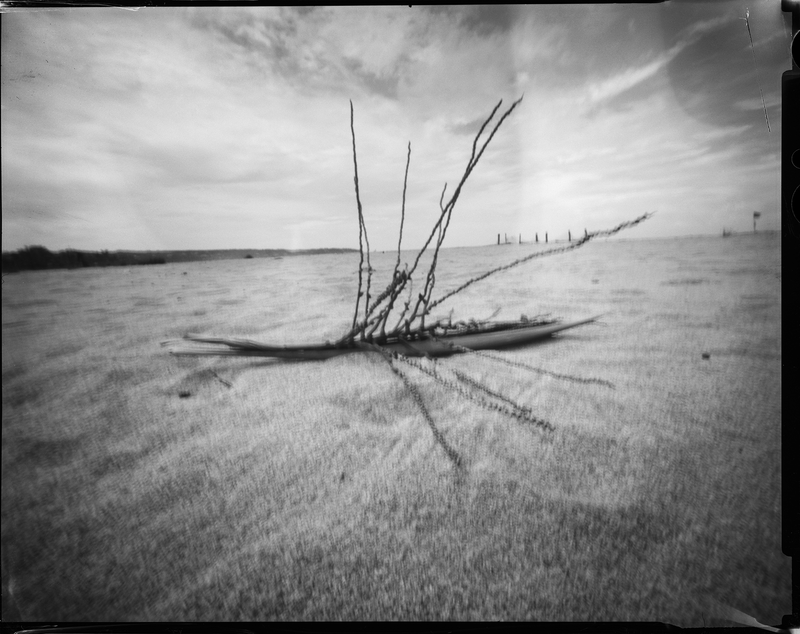
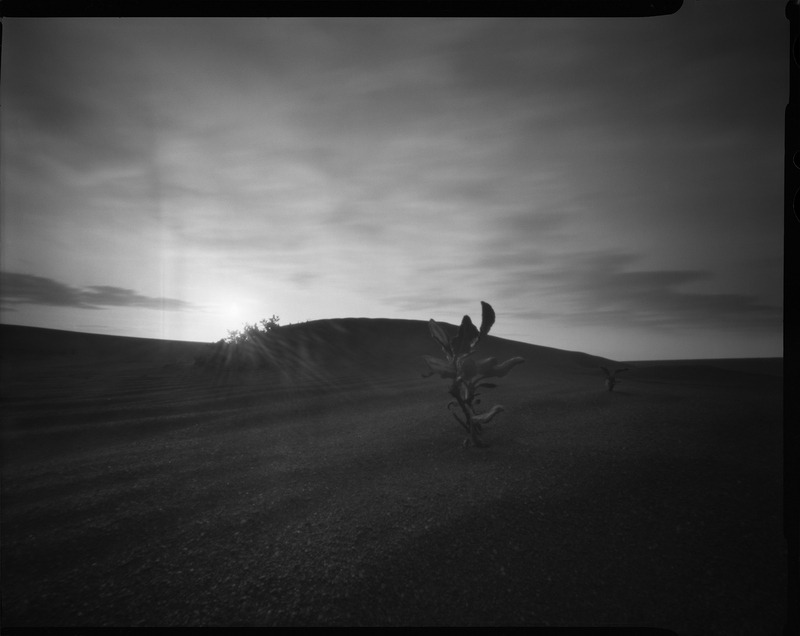
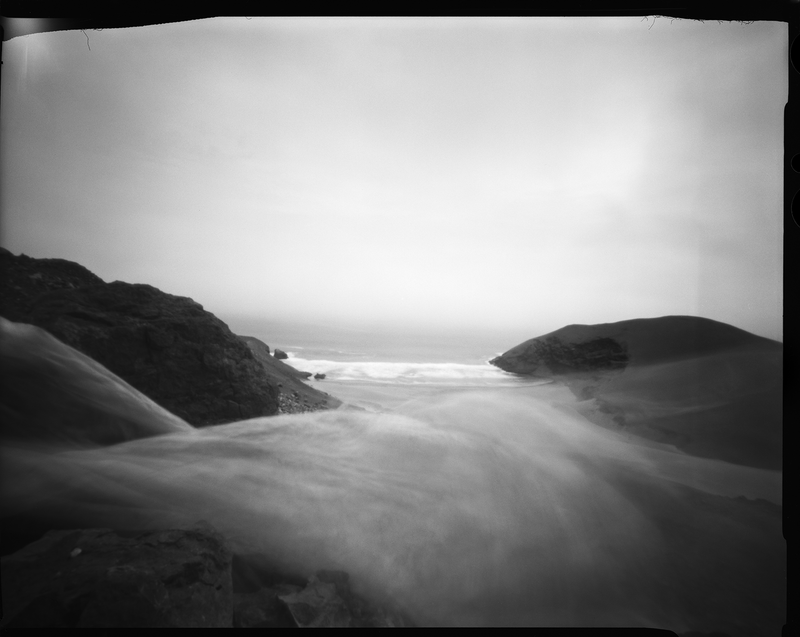
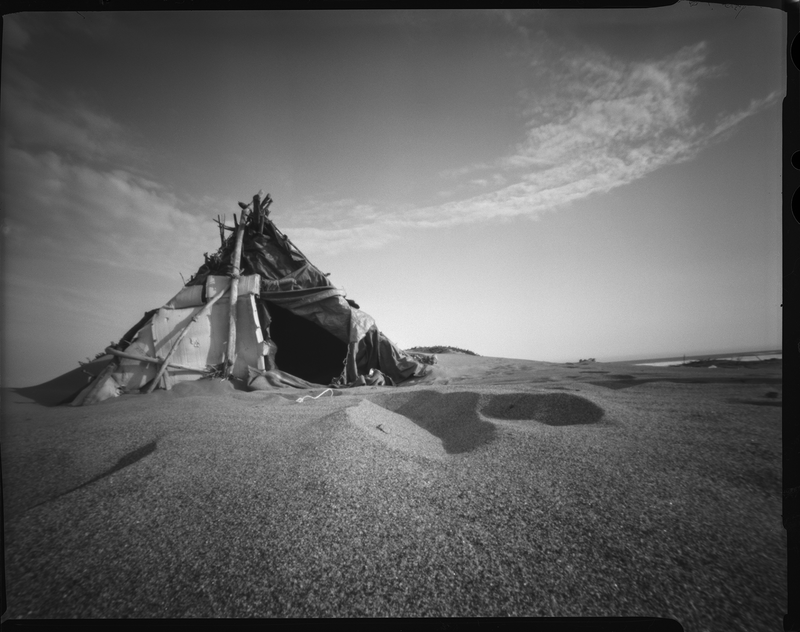
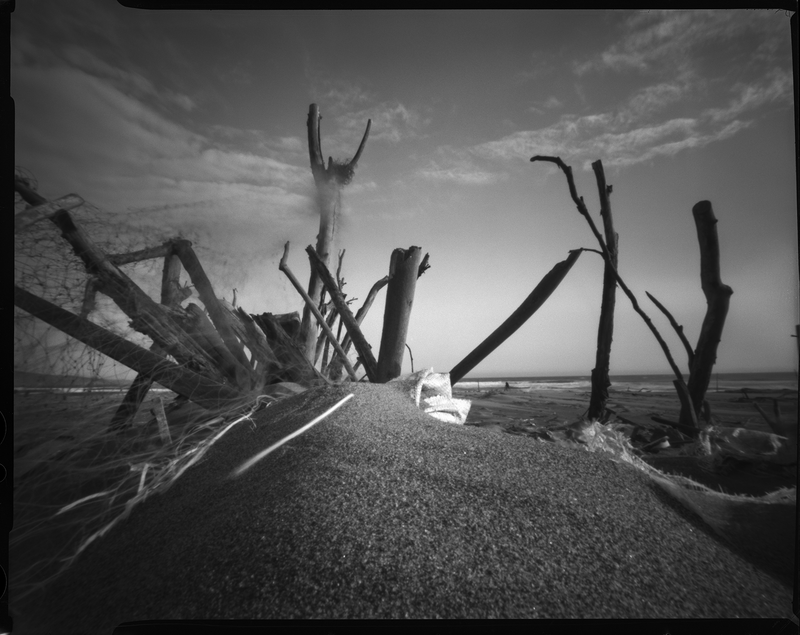
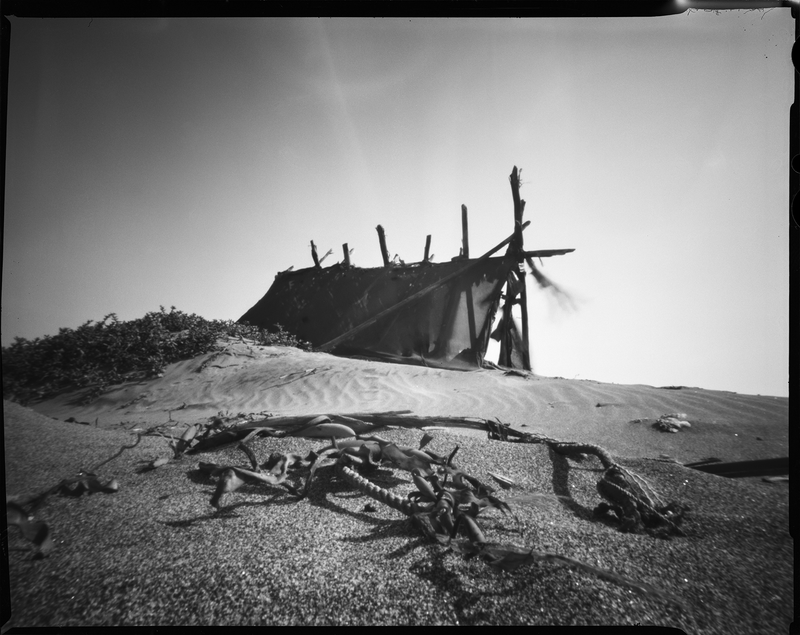
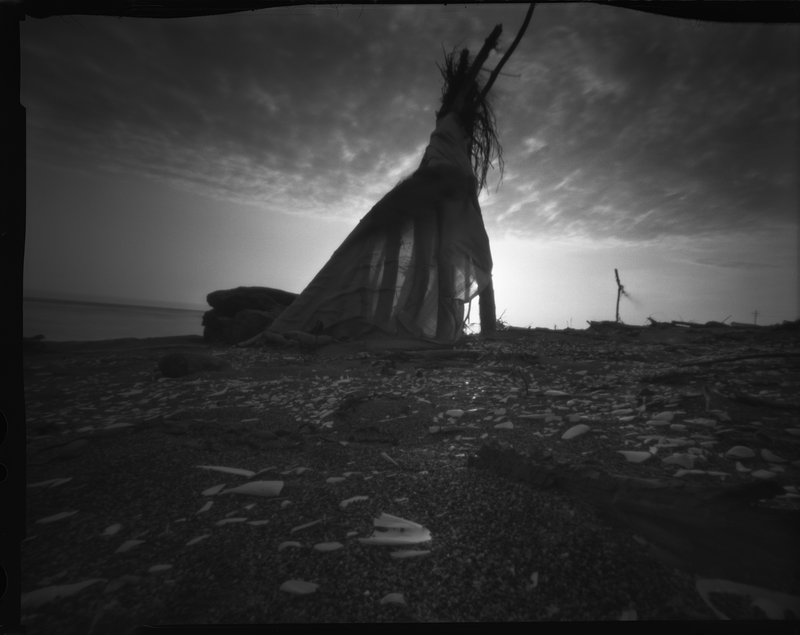
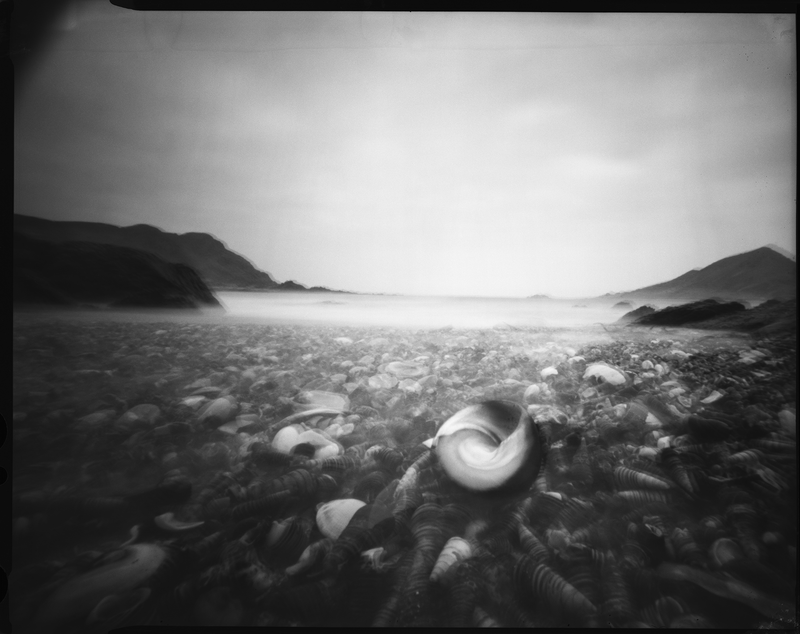
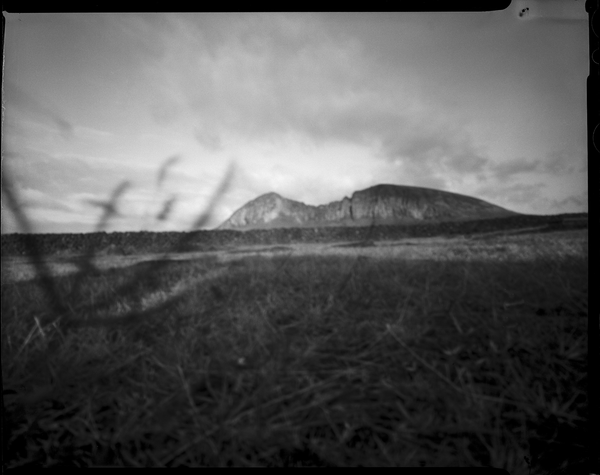
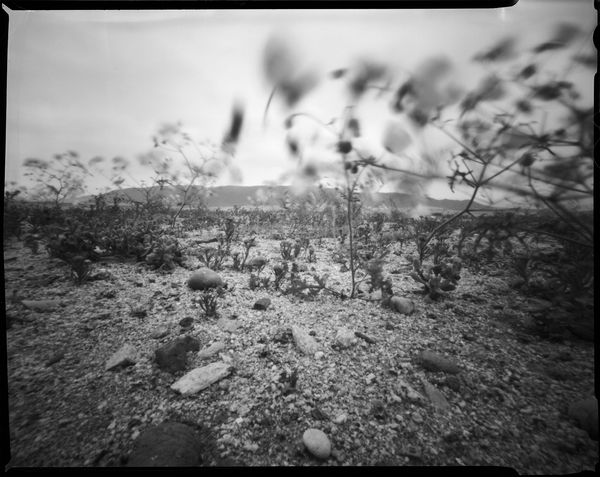
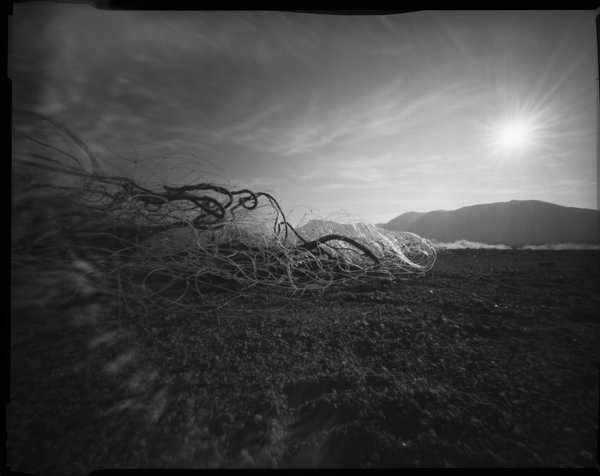
A series of journeys and over seven-year walks along the shores of the Pacific Ocean, steps of a major ongoing drift... A wink to my pinhole camera and the 4x5" black & white film box in which my Gran Mar negatives and contacts travel with me.
At the beginning, one had to cross a shell midden to reach the glowing white sand beach—and also a small stream that smelled of moss and stone, of the resinous plants covering the hills. I was a little child, yet I still remember the edge of the shells against my feet, the water, the hot salt scent in the air. I knew nothing then about the Changos or the Chinchorros, and even less that they inhabited my pulse. Still, their memory vibrates intensely within my heart—that inner voice García-Alix speaks of, among thousands of thoughts, insisting to be heard.
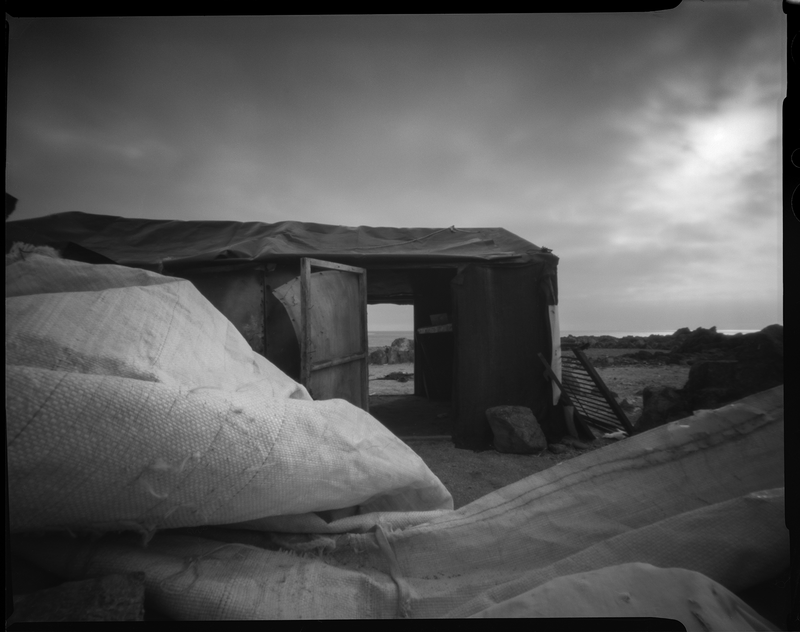
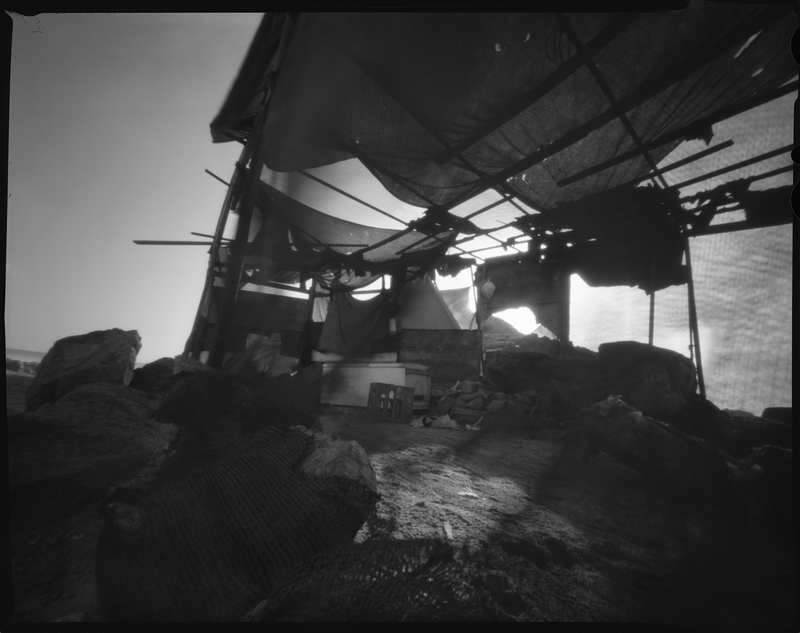
The light was that of the sun reflected on the shells. We knew winter was ending when they began to shine among the huilles sprouting blue across the hillsides. The shadow was a dark shack built in the middle of the shell fields—La “Queda.” I feared it, yet peering through its boards and imagining what they hid made my heart beat faster.
When I was hungry, I ate dried seaweed on the beach, sitting on abalone shells. Every day we ate abalones; chicken was too expensive. Abalones and hillside mushrooms sold by children no older than me. My mother trusted them completely—she said they knew well which ones were good and which were poisonous, knowledge passed down from their ancestors—the same ones who, since ancient times, built the Quedas as shelters during fishing seasons far from their clans. Fragile, transient dwellings surrounded by seashells… silent witnesses to those who, harvest after harvest, lived there a few nights with their days.
Today, however, these dwellings are surrounded by bottles, diapers, mattresses, and tires. What happened to those bright, damp mornings over the shell fields? How many creeks have vanished in my generation’s time—those born without dumps, who now live among them?
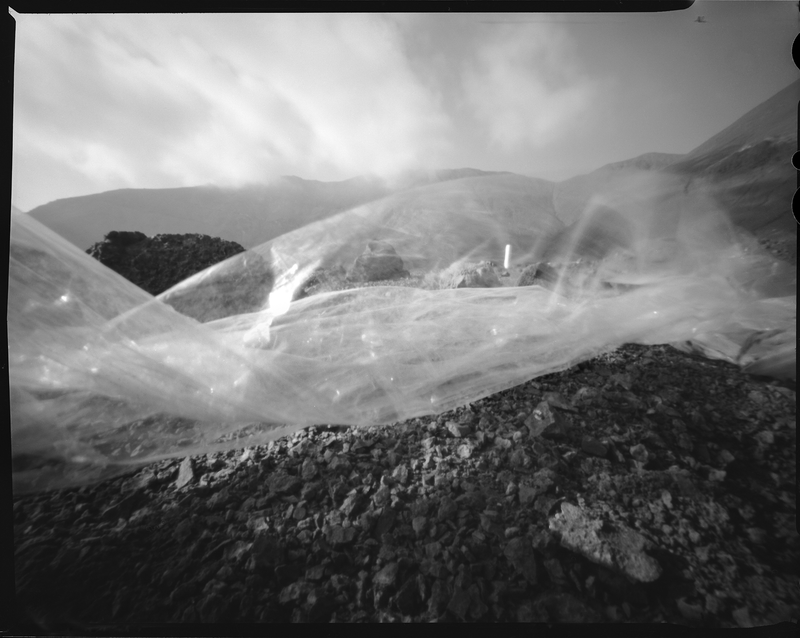
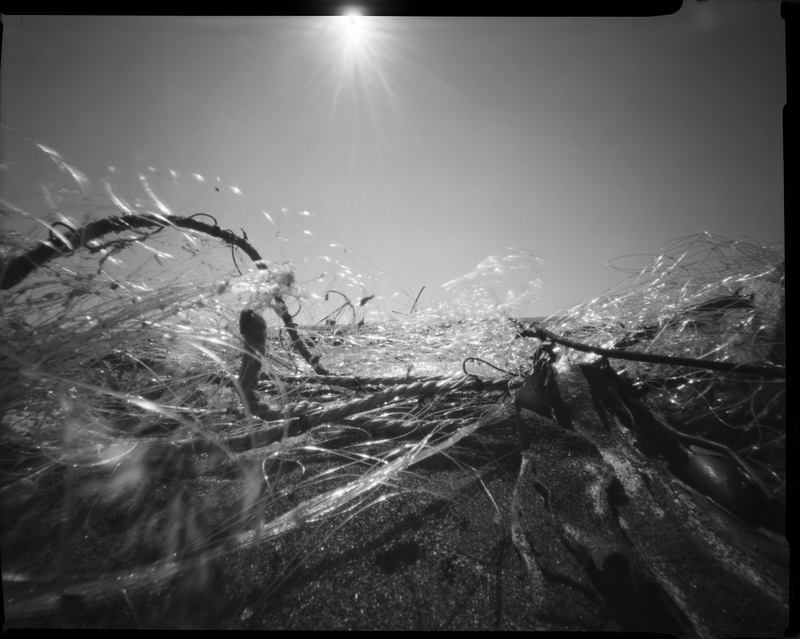
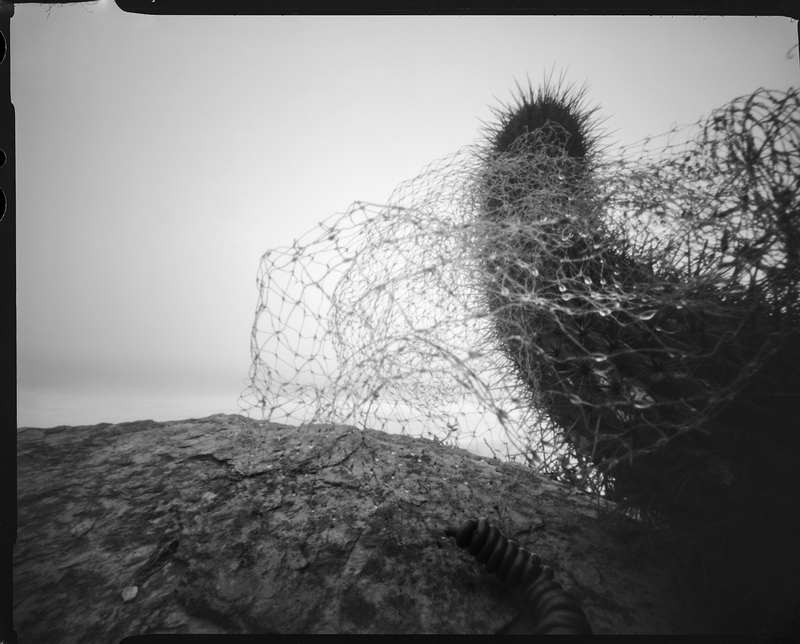
While documenting the coast, I have witnessed the change: rocks and shores sown with industrial and household waste. Garbage has found me.
How do I translate my journey into a document that reveals the landscape we have built? How can I make it visible? How can I spark actions of repair? If we give waste to the ocean, with trash the tide will draw its traces on the sand. I long to find seaweed, flowers, and shells again in its footprints. I hear old voices beating within me. Like the Camanchacos sailing in their seal-skin rafts, I wander the shore and wonder what the ocean was like when it was Oceana—what the Pacific was, before being the Pacific. And I know—I want to see once more the clear, chaste face of Mamacocha, the big sea.
Gran Mar is held at Harvard’s University Fine Arts Library and Baylor University Special Collections.