FAMUSA
-
Author
-
DesignerDaniel Martínez
-
Pages90
-
Dimensions23 x 18
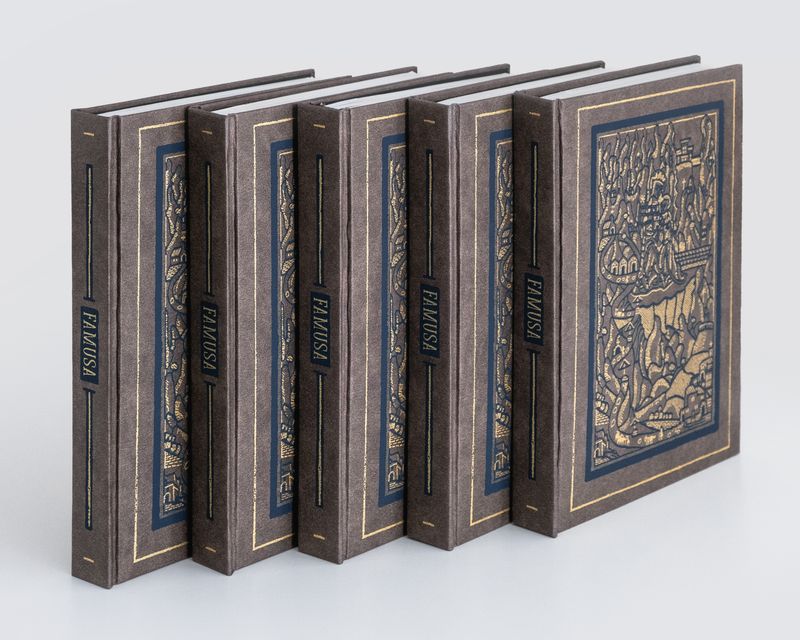
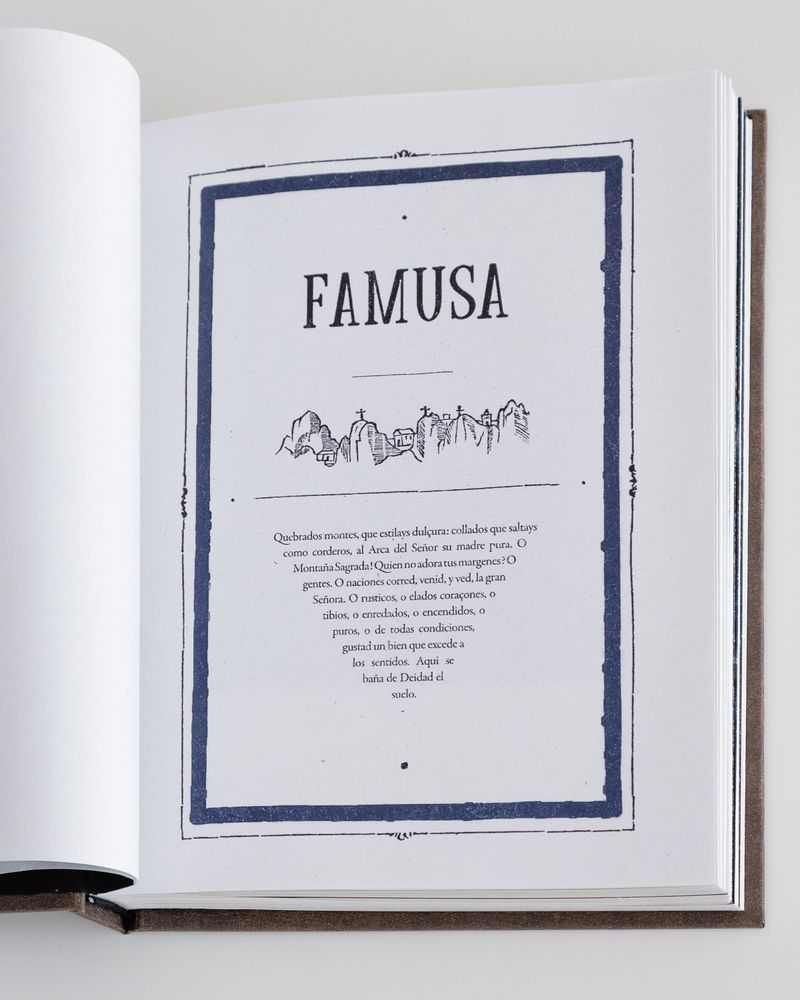
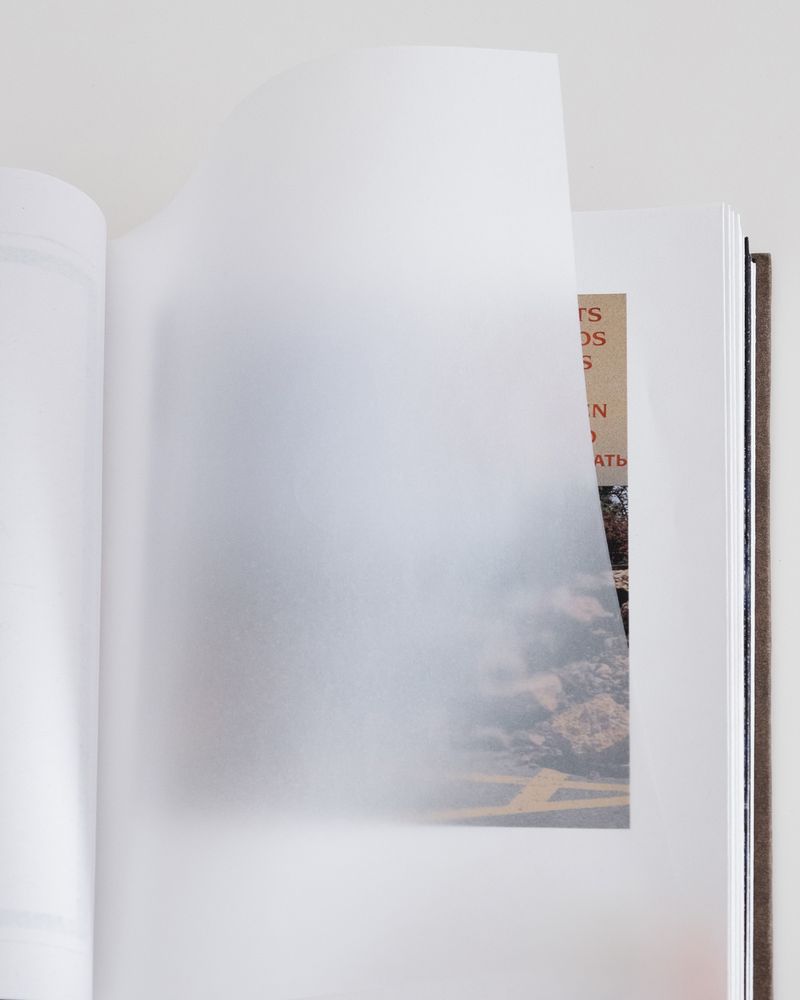
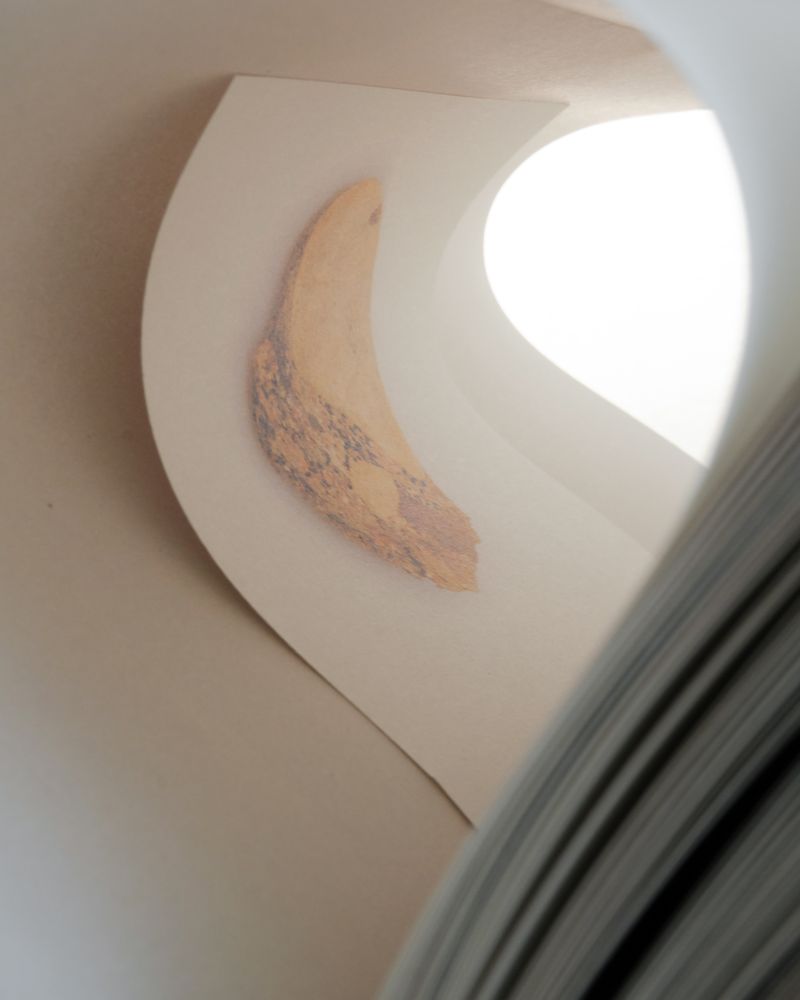
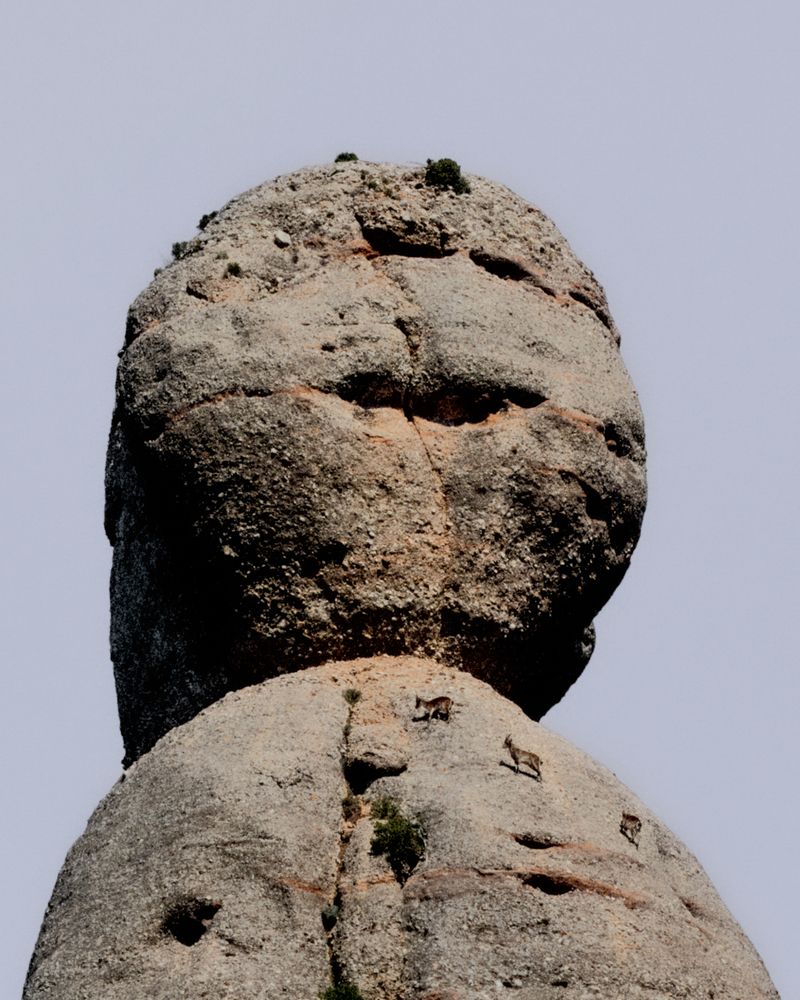
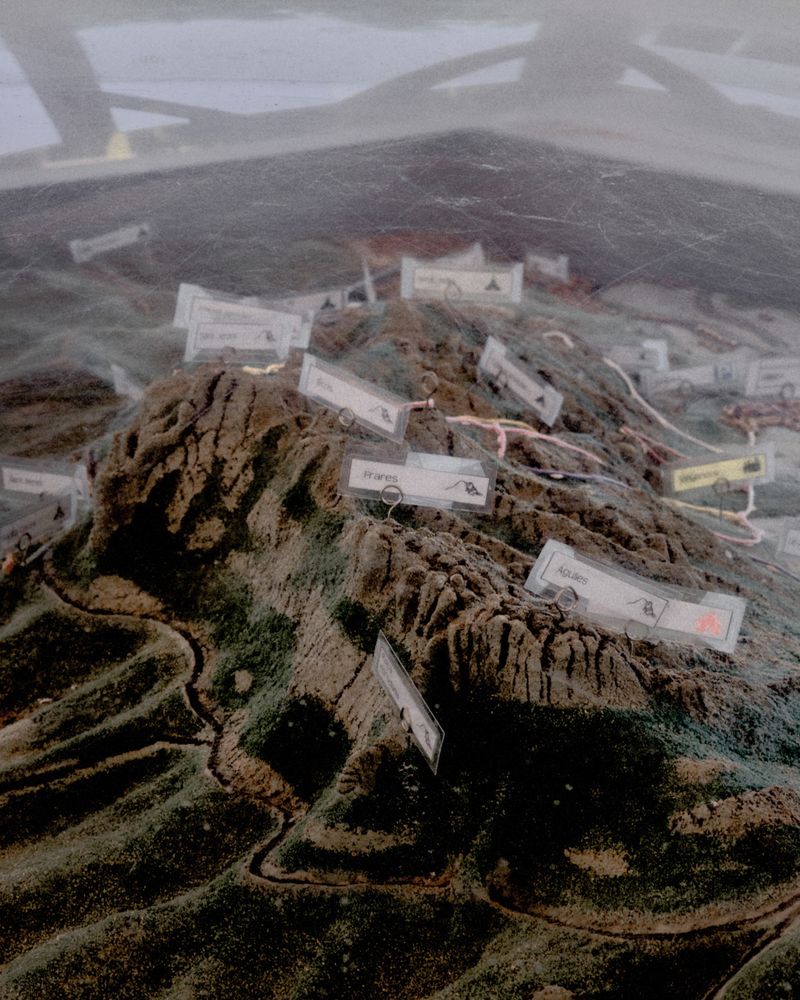
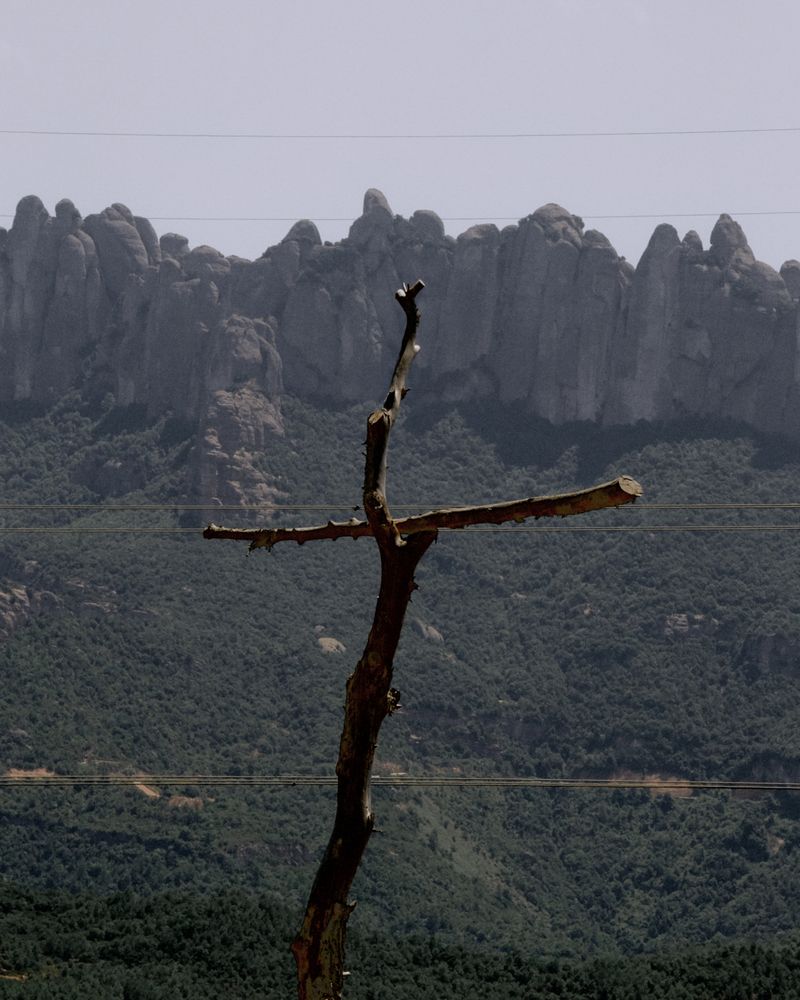
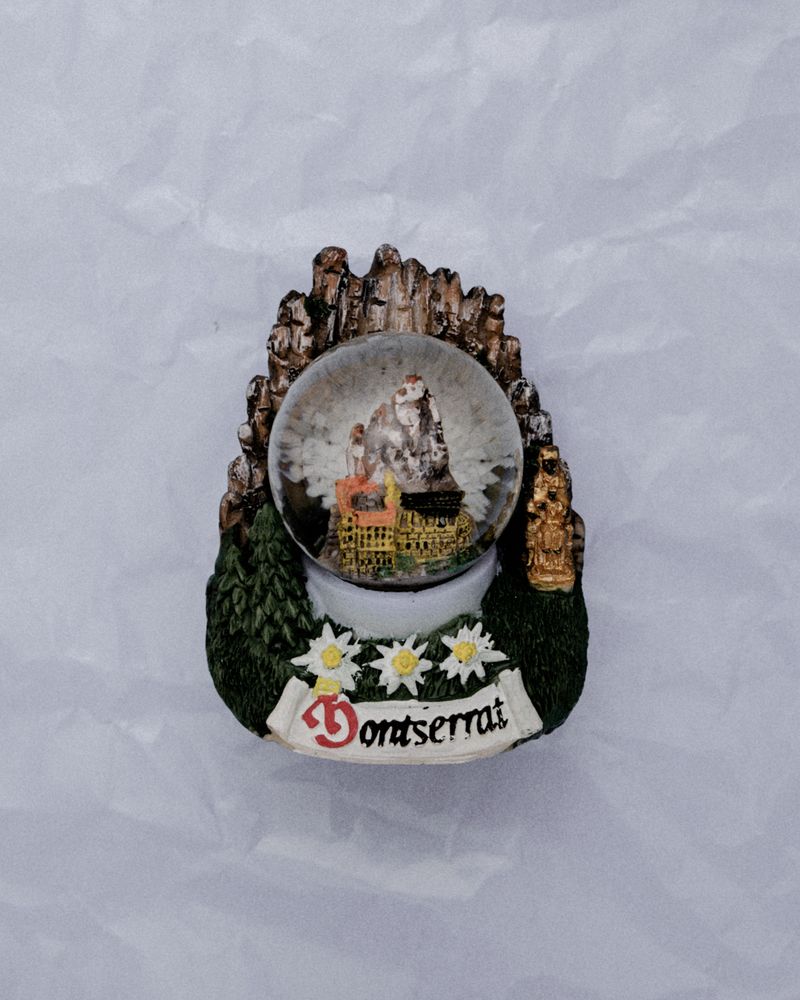
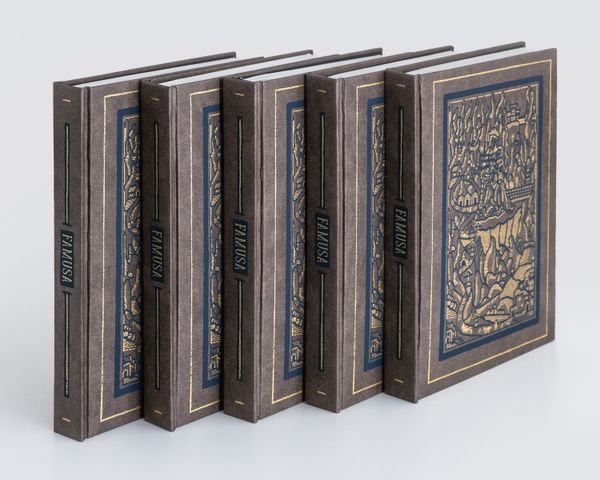
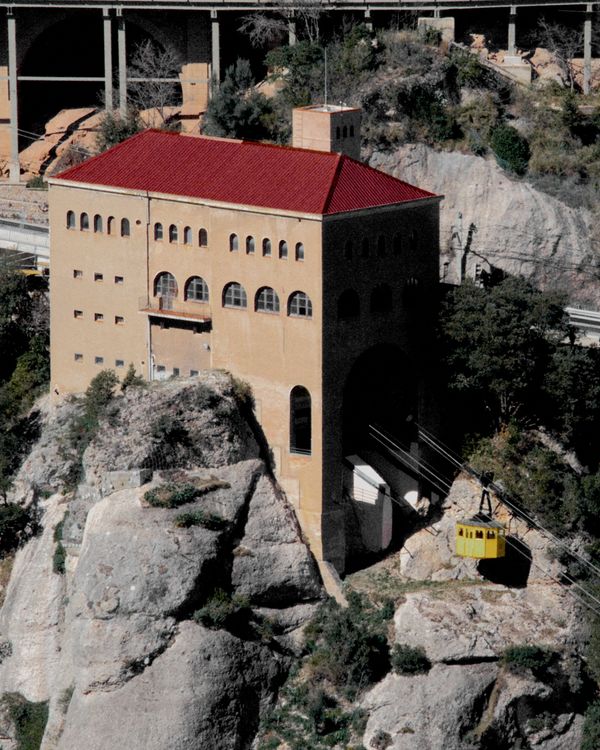
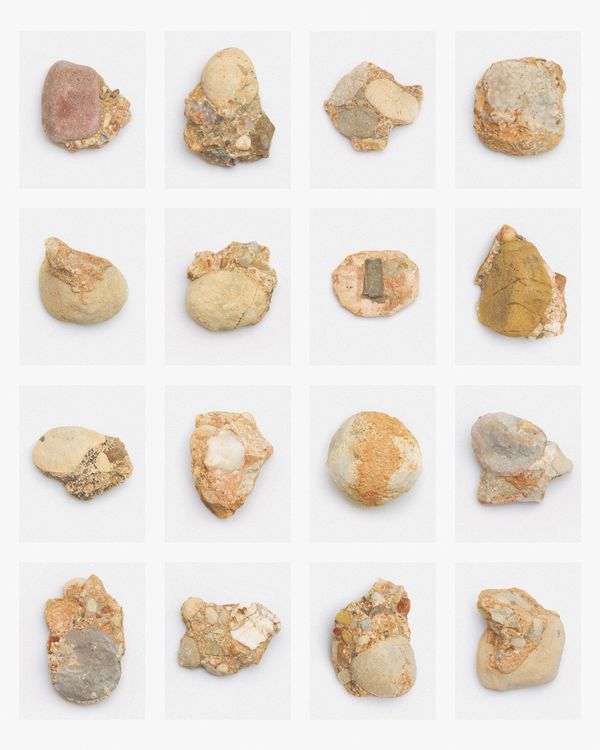
Once, European mountains were invisible. FAMUSA—Fabulous Sacred Mountain—explores the cultural landscape of Montserrat, one of the first continent's landscapes, and its second nature produced by collective imaginaries that shape and constrain the site.
Once, European mountains were invisible. Seen as hostile places, far from modern mass access and touristic exploitation, they seemed so distant and dangerous that went unnoticed by the population. It was later on some of them became (hyper)visible, after a determined—situated—process conditioned their second nature on the way to become real.
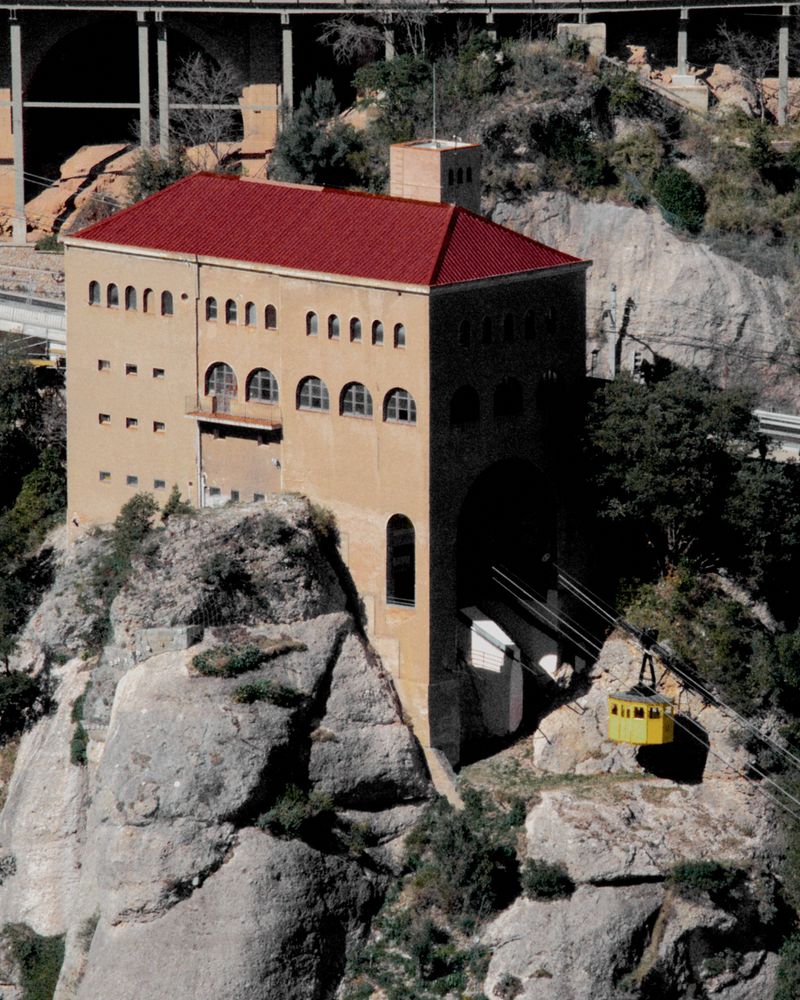
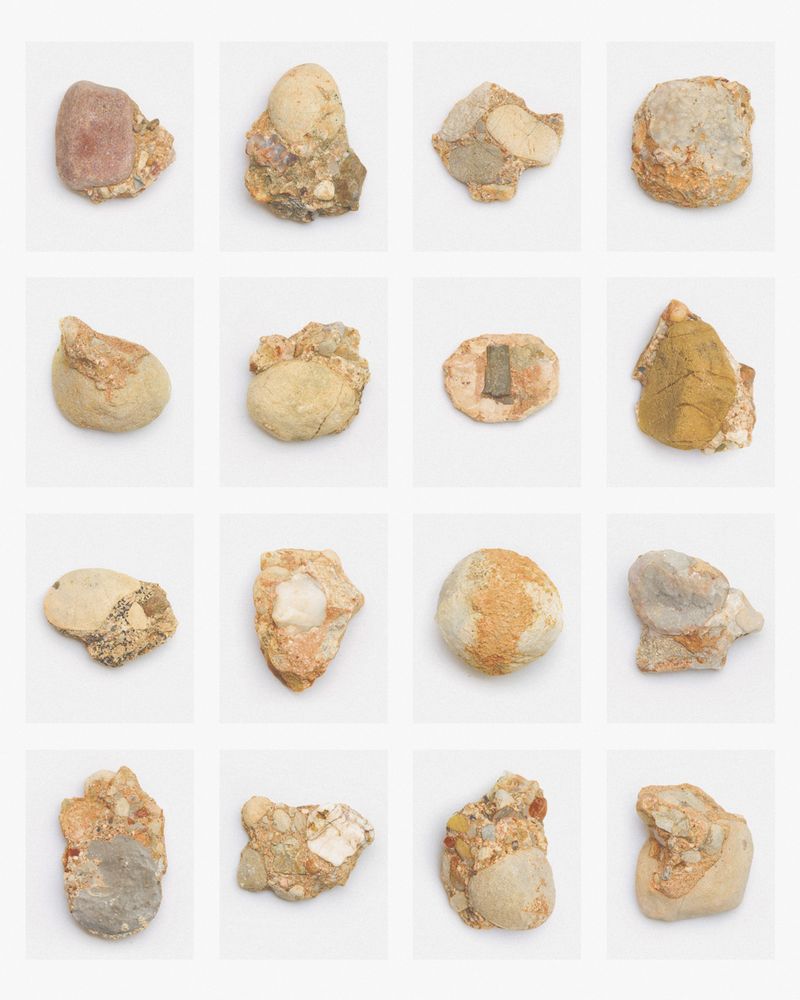
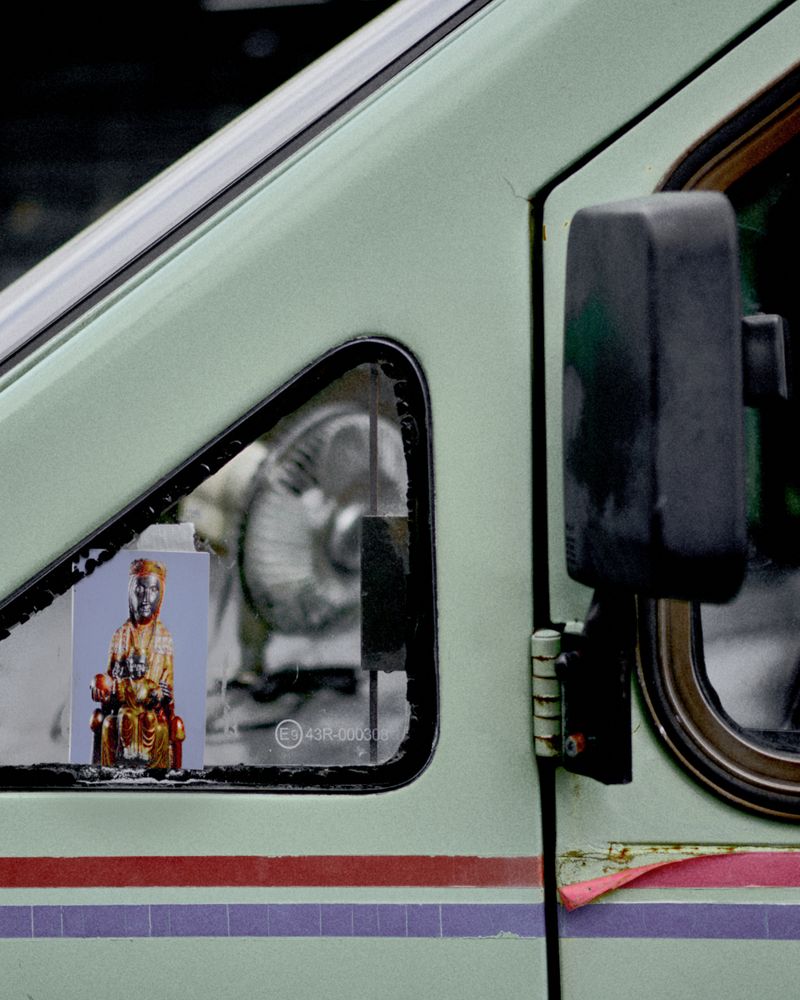
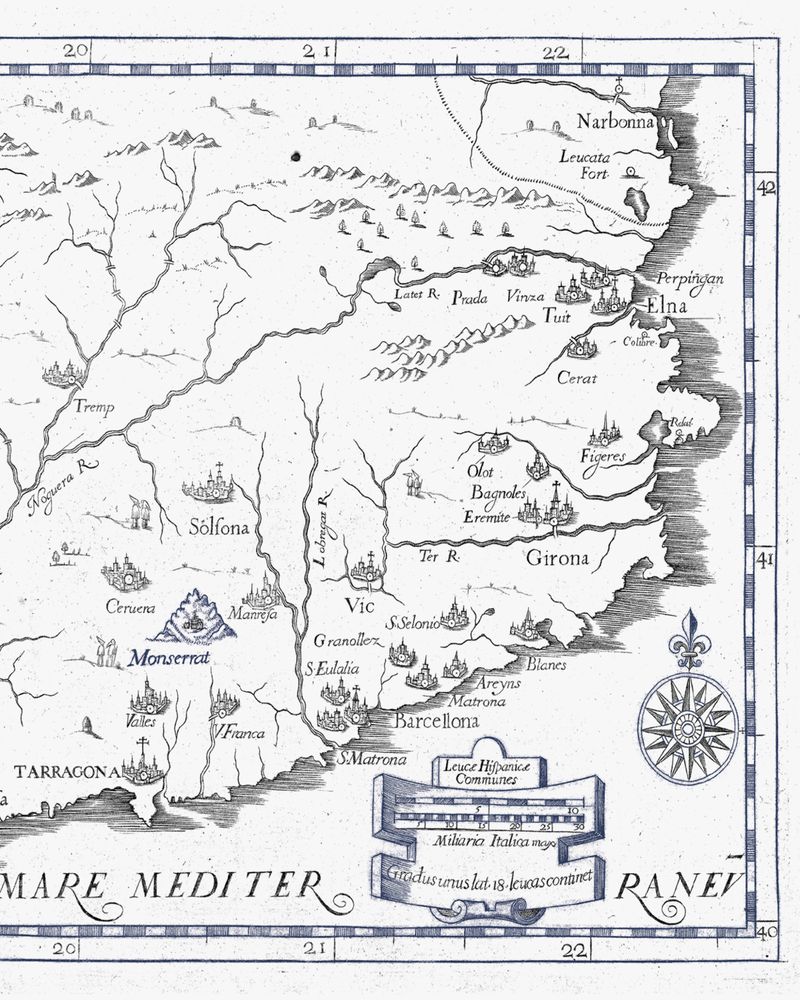
A legend tells Montserrat (Catalonia, Spain)—one of the first European landscapes—became visible ca. 880 A.D., after a group of children saw a light appearing above its hills. Driven by their curiosity, they approached the site, finding the image of a virgin engraved inside of a cave. The event was interpreted as a divine sign and, years later, a monastery was built to venerate the site, redefining the mountain as sacred—therefore visible—rather than an ordinary one. Today, religious devotion and touristic motivations—amplified by its hypnotic morphology—define how the mountain is seen, in other words, how it is treated. Drawing on Francesc Roma i Casanovas’s essay El Paradís Indicible (2000)—a socio-geographical study of Montserrat—the project explores the collective imaginary surrounding the mountain and its influence on how people relate to it, ultimately shaping the territory itself.
According to Roma i Casanovas, “Natural environments become landscapes as people interpret them in the light of a specific model, mental image, or certain historical representation. Landscape images create, transform or reconstitute the environment to accommodate it to human ideas such as order, truth, aesthetics, balance, etc. That is why the landscape has—deep down—a moral dimension, it tells us how the world should be like or, rather, what it should look like. Without losing its physical dimension, space is socially mediated and merges into a second nature that is linked to human knowledge”.
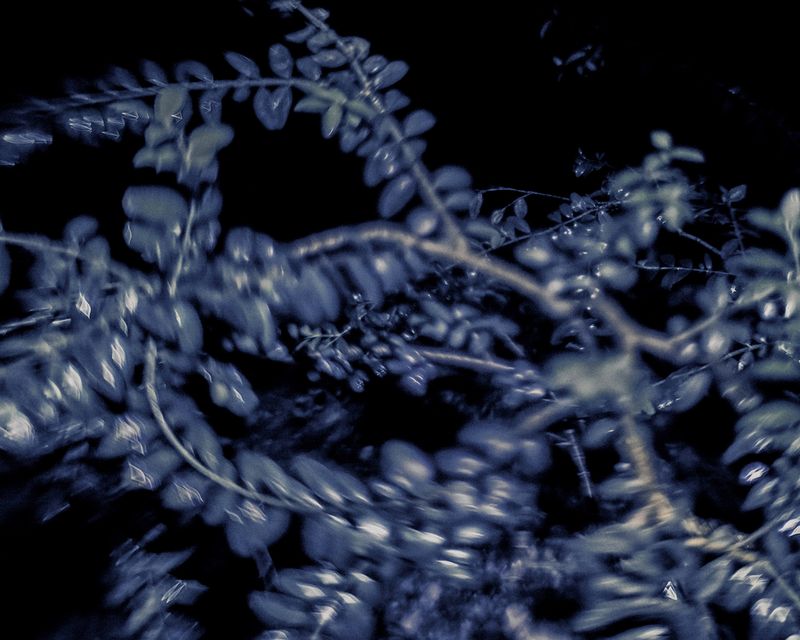
In that sense: What lens is Montserrat seen through and how does it constrain its understanding? Could underlay in the site an unnoticed realm to the one commonly experienced?
—
2020
25 copies ed.
Hard cover
Japanese binding
23 cm x 18 cm
90 pages
Shiro Echo 100 gr.