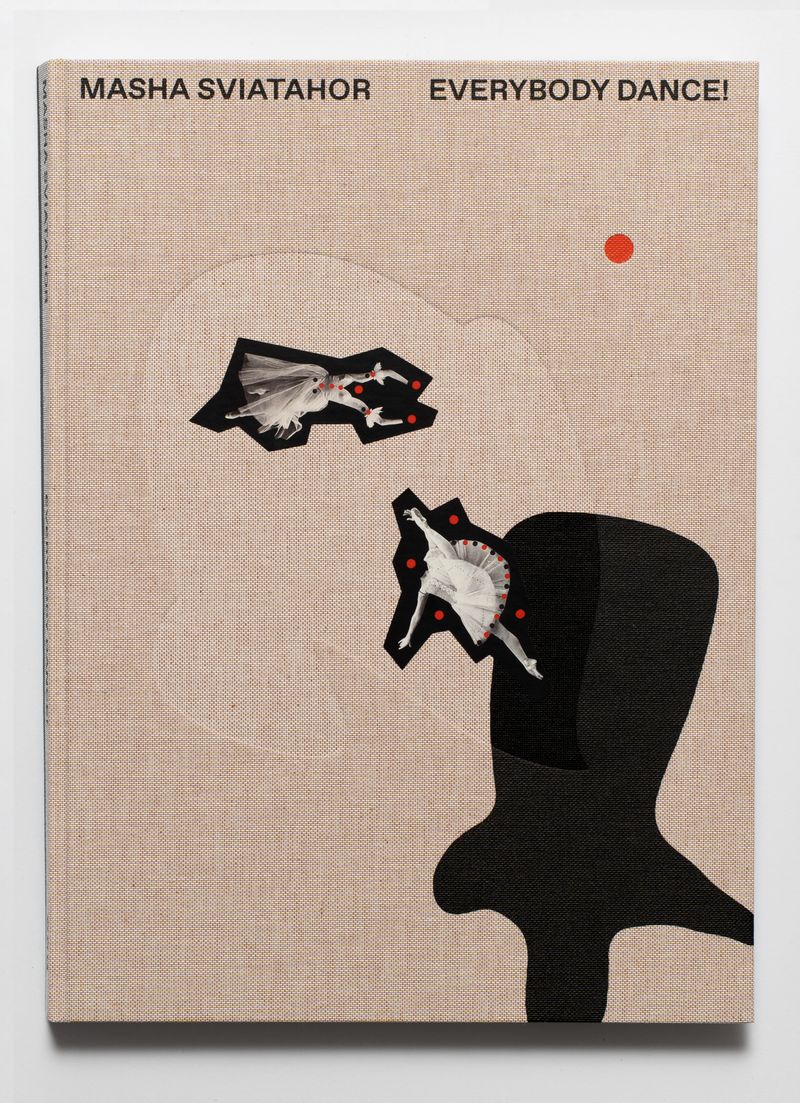
Everybody Dance! by Masha Sviatahor

-
Author
-
PublisherTAMAKA
-
DesignerAlexey Murashko
-
Price€59
-
Link
-
Pages164
-
Dimensions24 x 33 cm
-
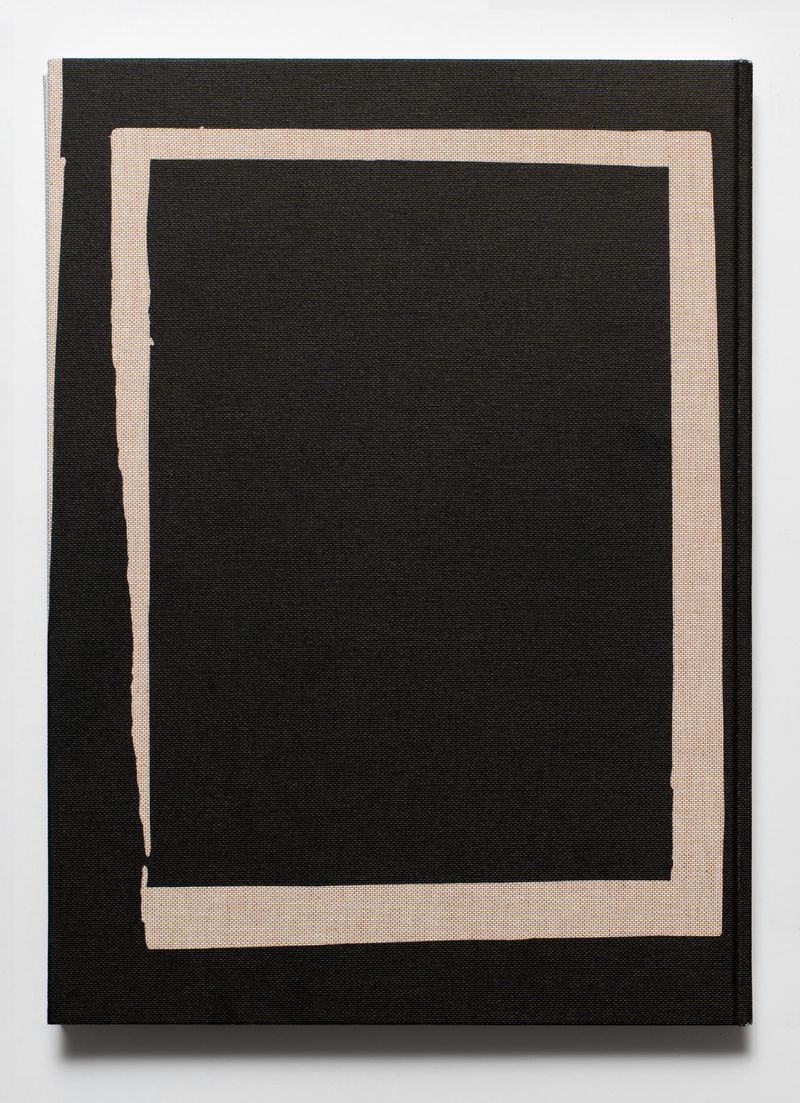
CharacteristicsHardcover with section-sewn binding. Edition of 400 copies. Printed and bound by Jelgavas tipogrāfija in Latvia.
-
ISBN978-3-00-082885-0
-
PublishedAugust 2025
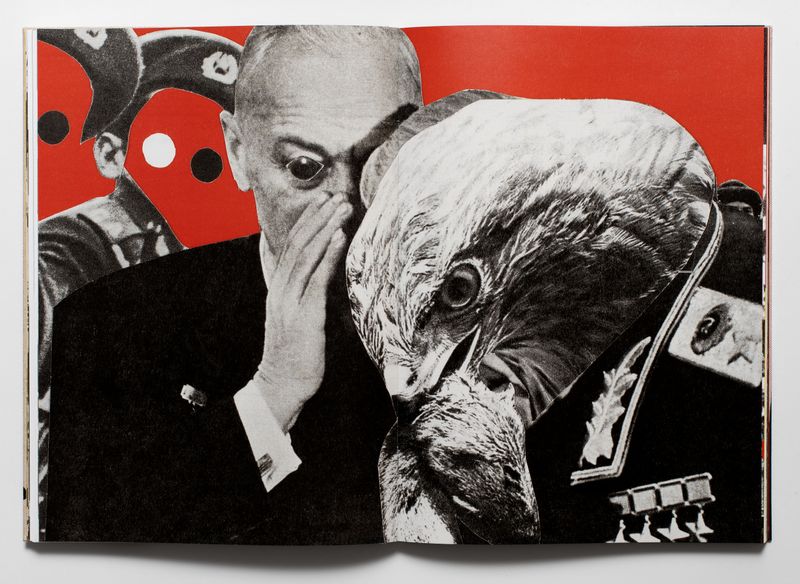
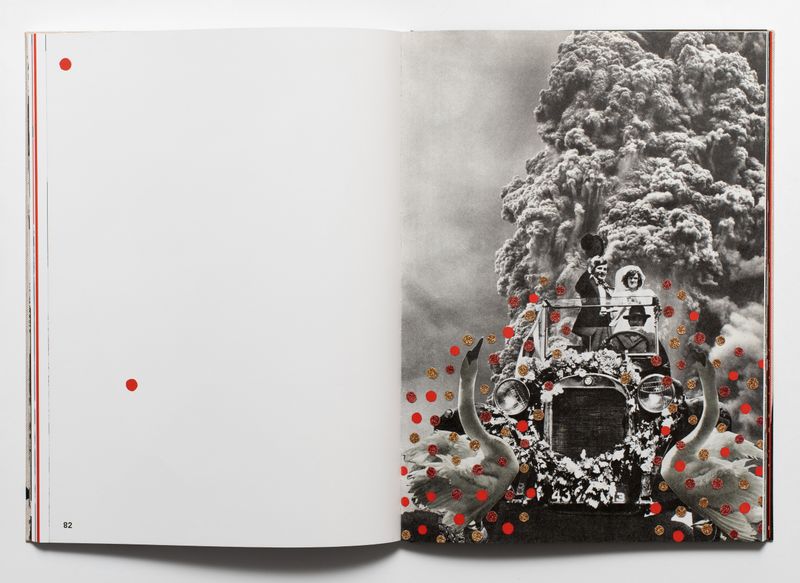
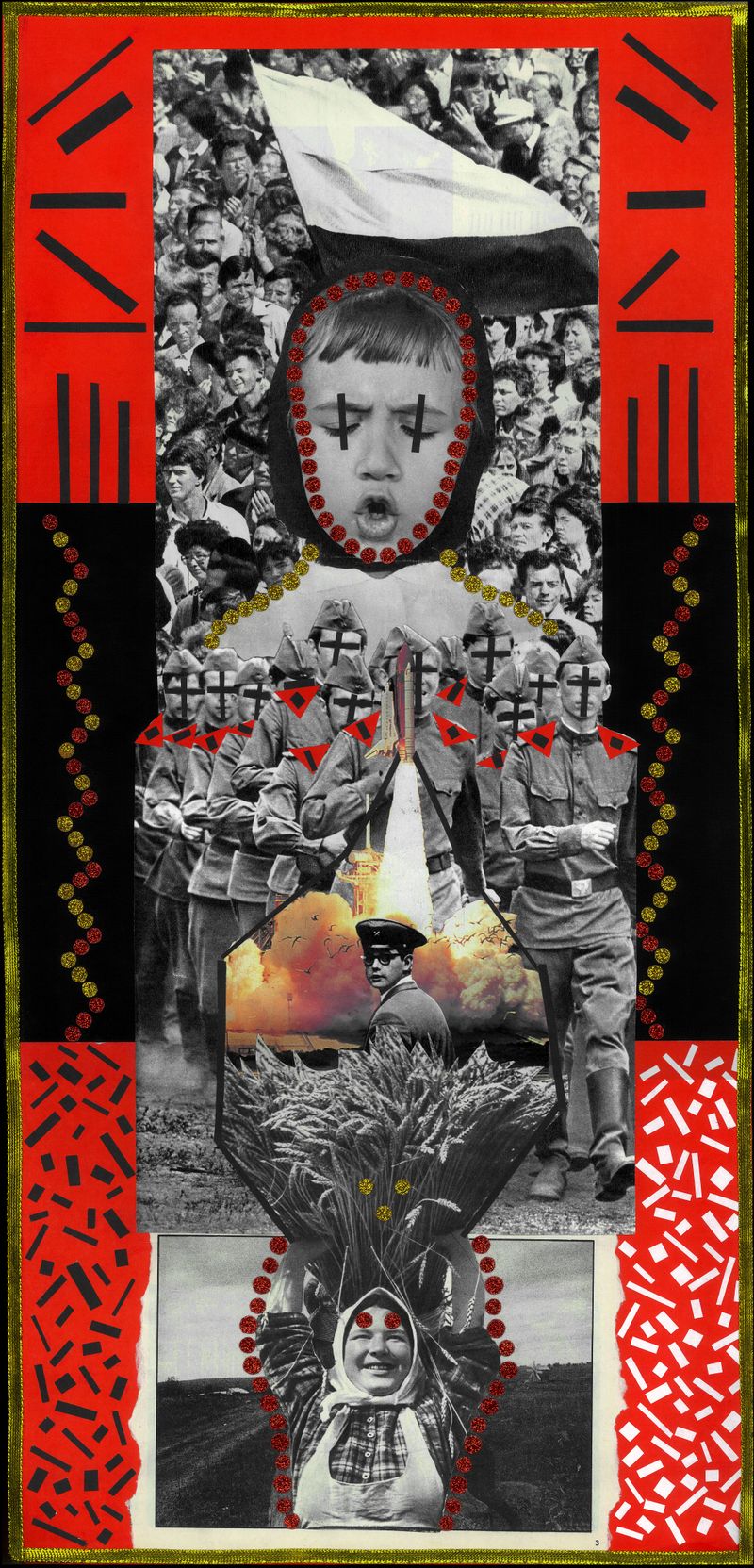
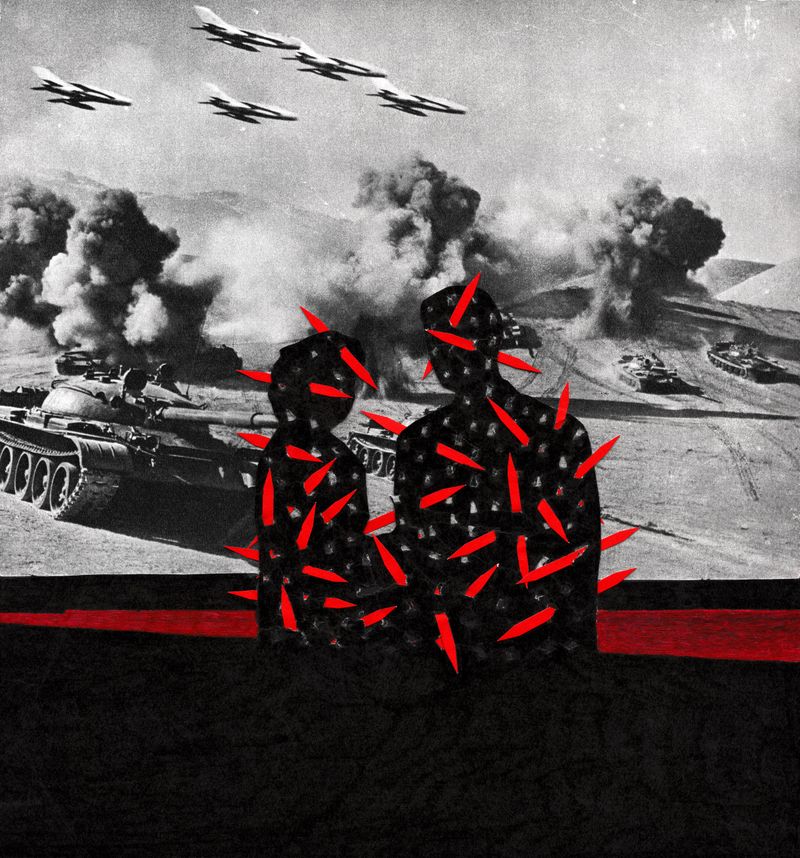
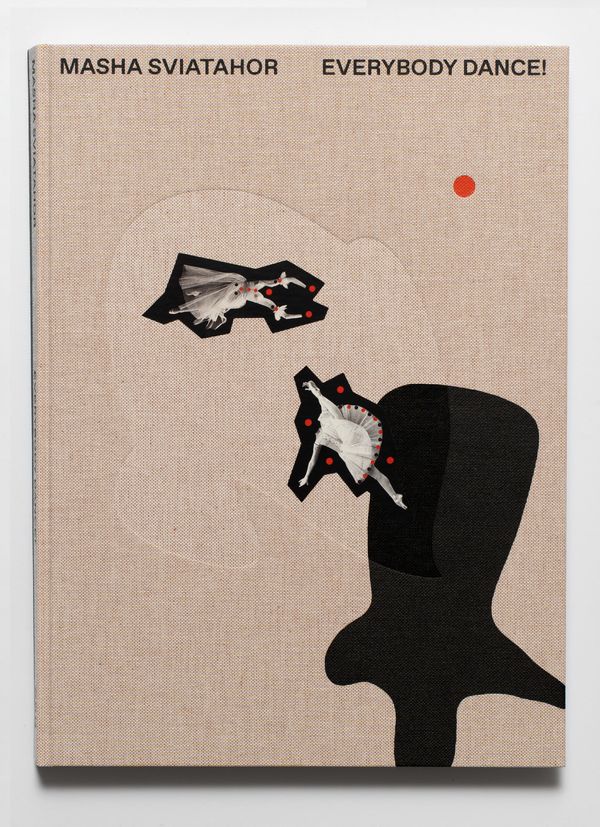
Everybody Dance! brings together Masha Sviatahor’s work with Soviet photographic archives, using manual collage and photomontage to dismantle and reconfigure archival images and undermine their original visual and ideological frameworks.
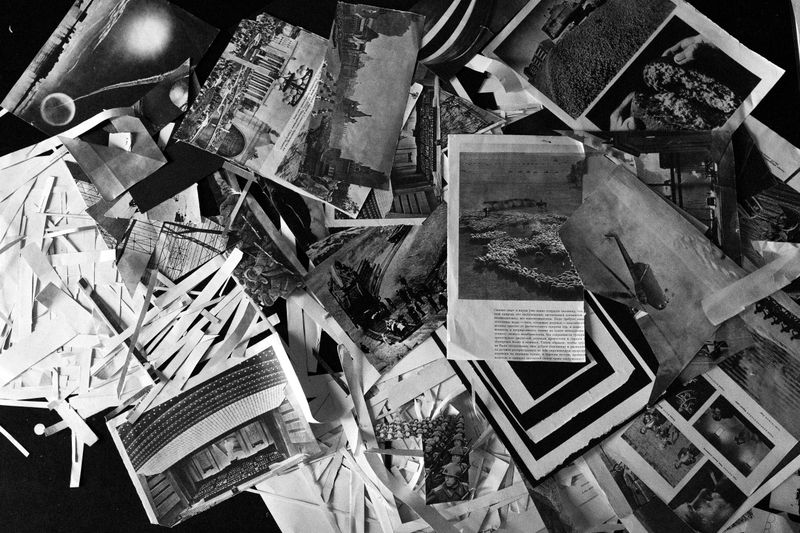
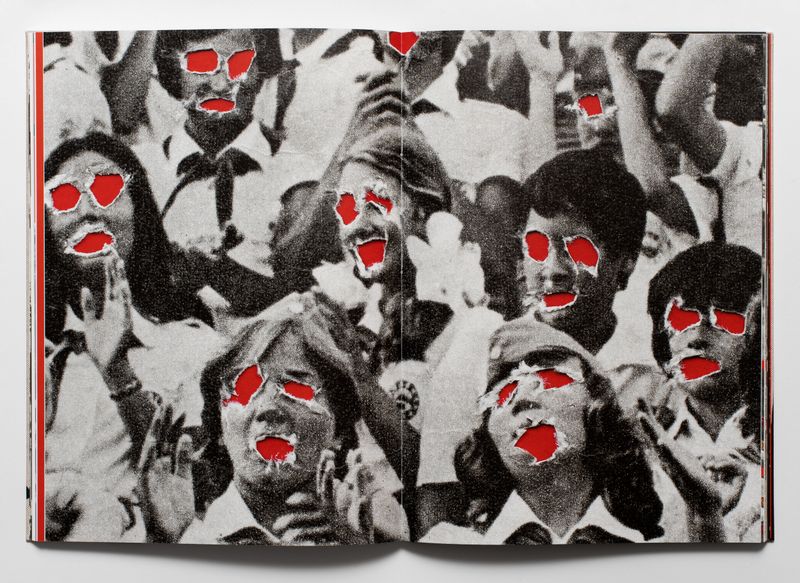
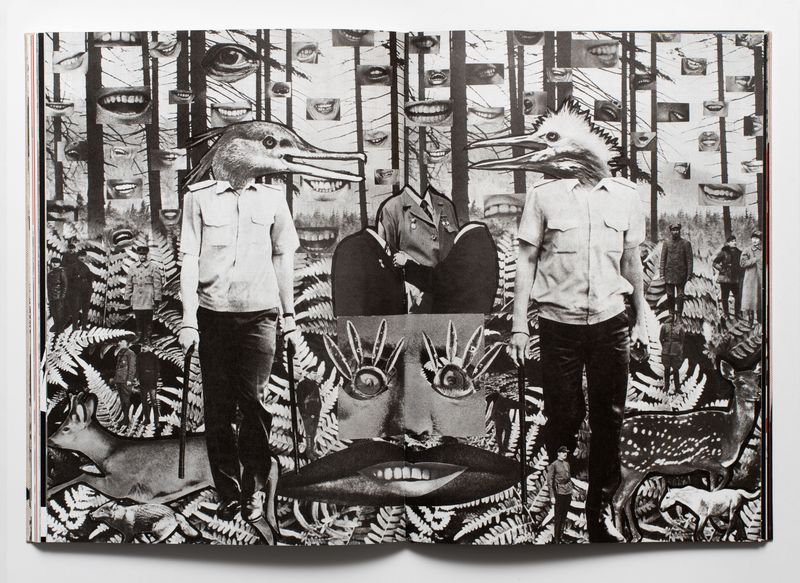
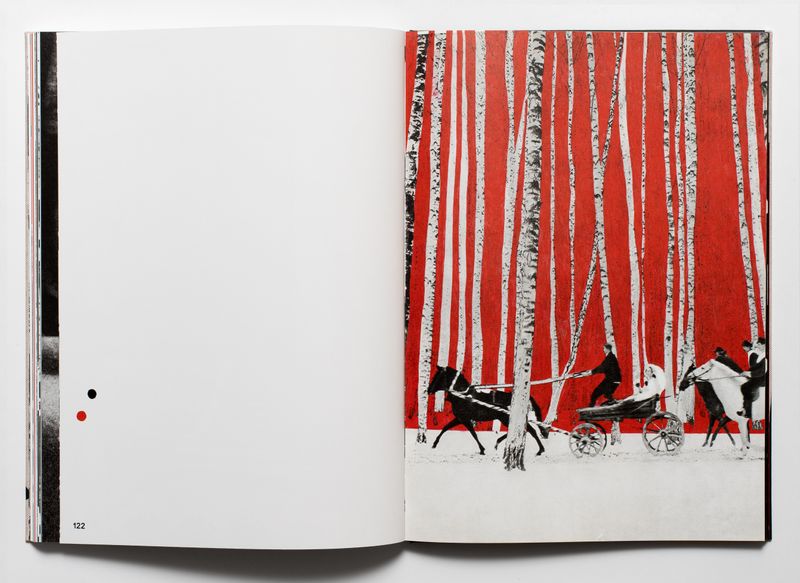
Everybody Dance! is a publication rooted in Masha Sviatahor’s work with archival photography, manual collage, and photomontage. Bringing together works developed over seven years from Soviet photographic archives, with the magazine Sovetskoe Foto serving as a primary source, the book reflects an artistic engagement with historical imagery and its transformation through intervention, reconfiguration, and reinterpretation.
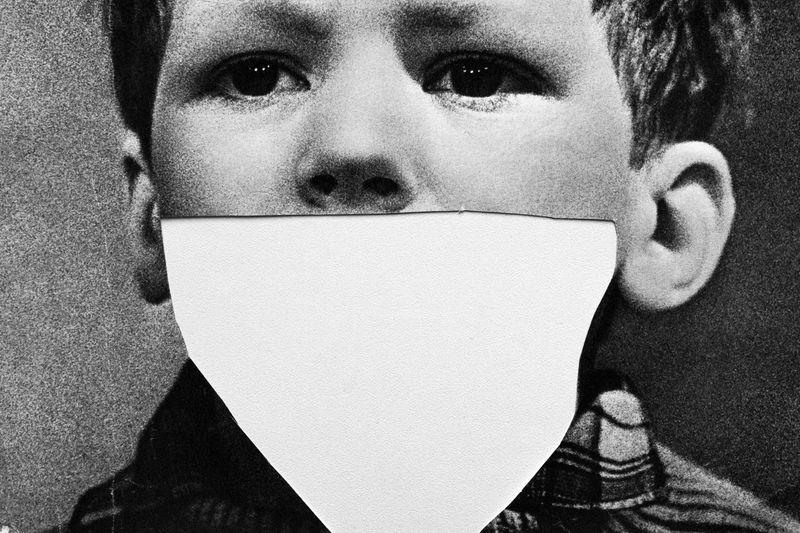
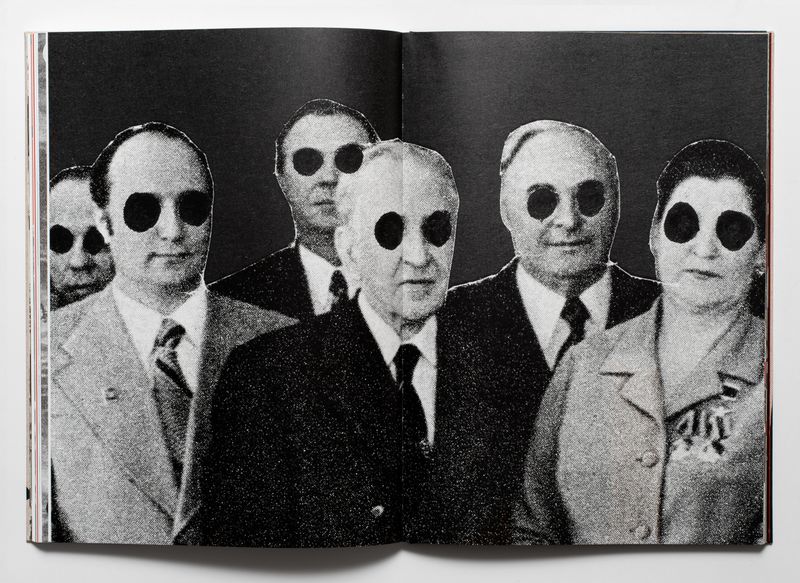
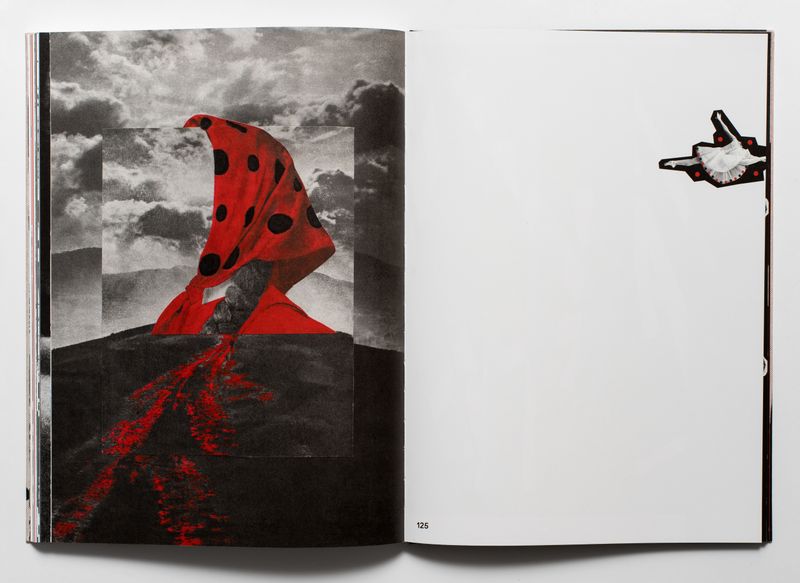
Sviatahor employs manual collage and photomontage to work with archival photographs, intervening directly in historical material by dismantling and reassembling existing images. Working with photographs originally produced as instruments of propaganda, she treats the archive not as a neutral historical record but as a structure shaped by repetition, omission, and visual discipline.
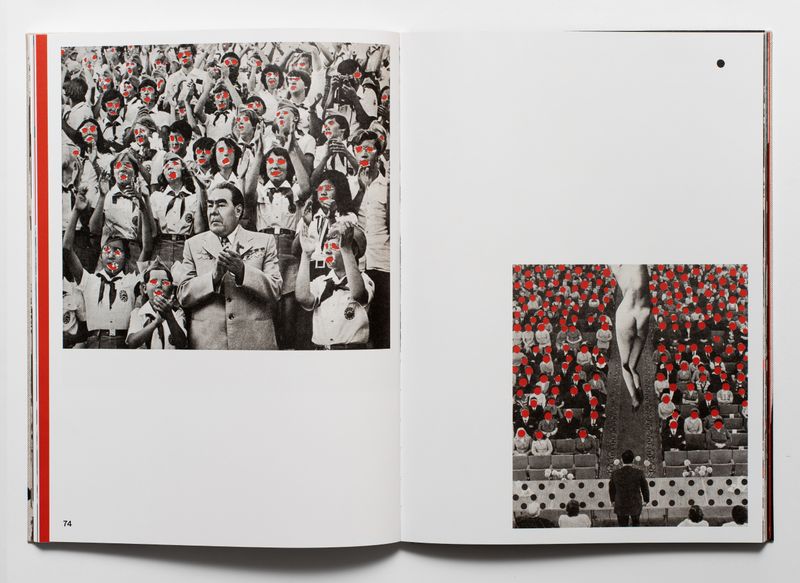
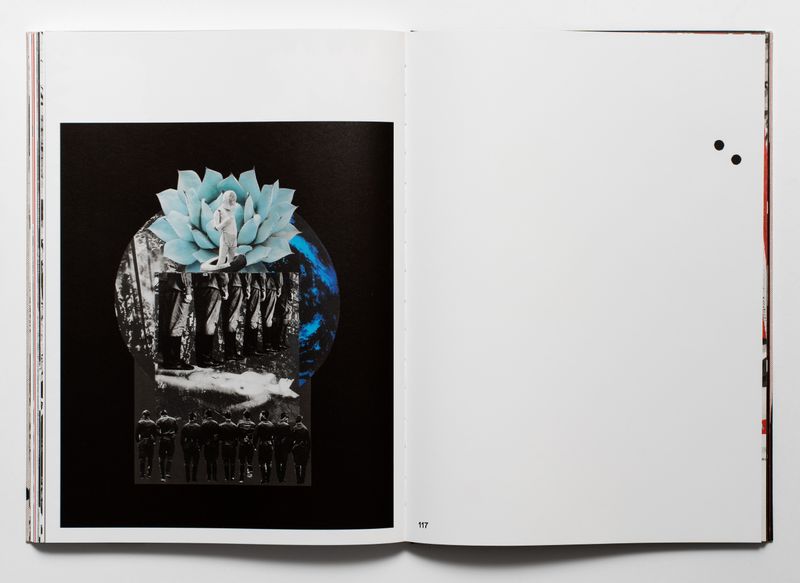
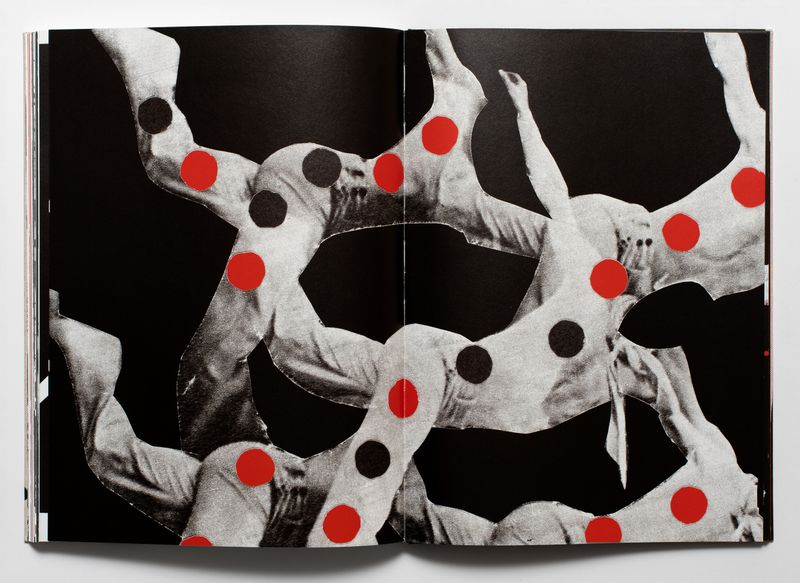
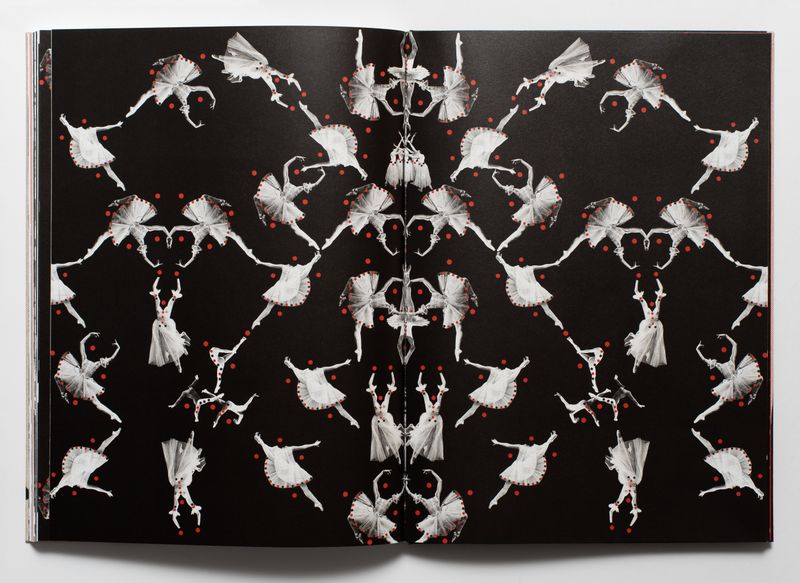
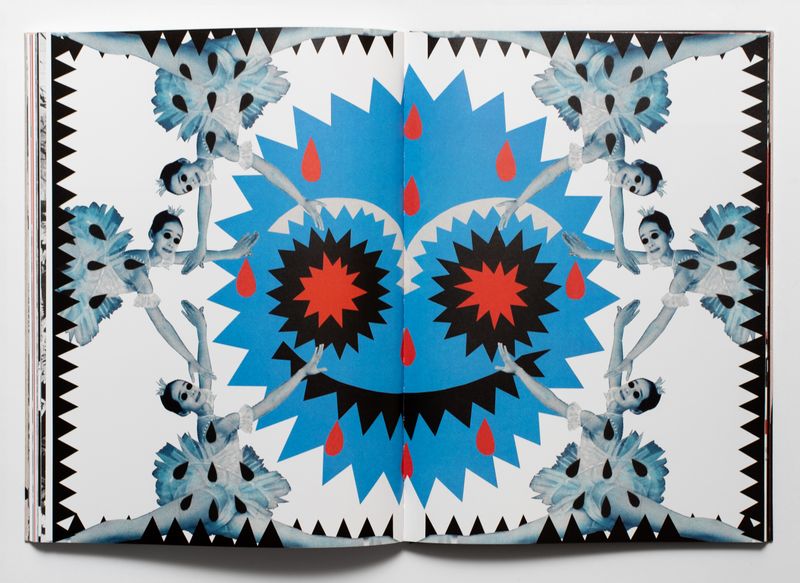
Using recurring motifs — from figures such as ballerinas, workers, soldiers, and political leaders to scenes of everyday life — Sviatahor investigates how their original ideological meanings can be undermined and recontextualised. Reconfigured into new layered narratives, these elements begin to unsettle representations once presented as stable and authoritative, exposing internal contradictions and ideological fragility.
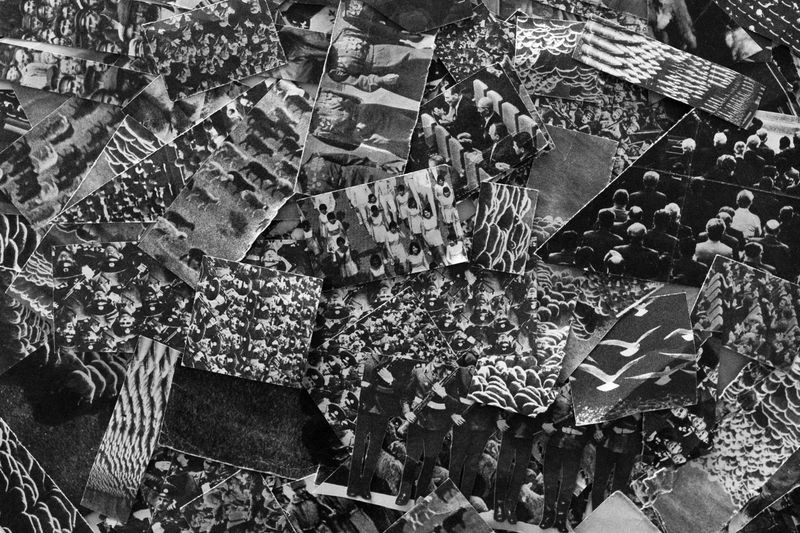
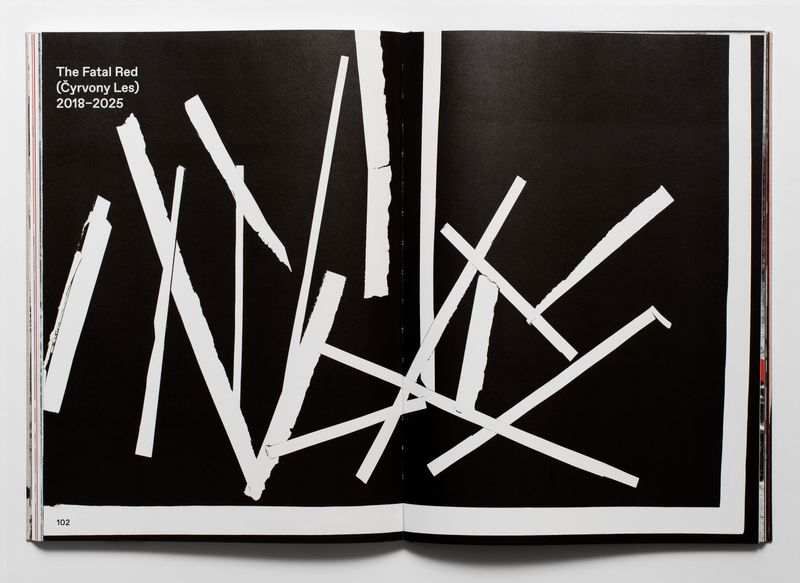
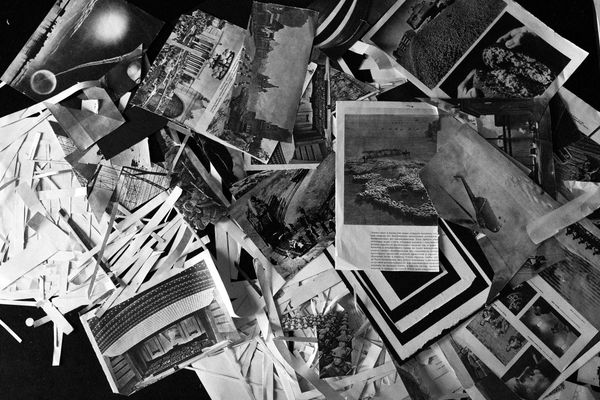
The book unfolds through interconnected series arranged in chronological order, from the early Everybody Dance! series — which gives the publication its title — to the final digital collage series Coda, created specifically for the book. Across these series, the archive becomes a site of disruption and reconstruction, with collage functioning as both method and critical tool. Opening with raw materials and cut-outs, the publication also reveals aspects of the collage-making process itself.
The publication itself becomes part of this process, inviting readers to physically intervene in one of its central works and transform a completed image back into raw material.
Each copy of the book is further personalized by the artist through the manual placement of different collage-image stickers within the debossed area of the cover. No two copies are identical, making every book a unique object.