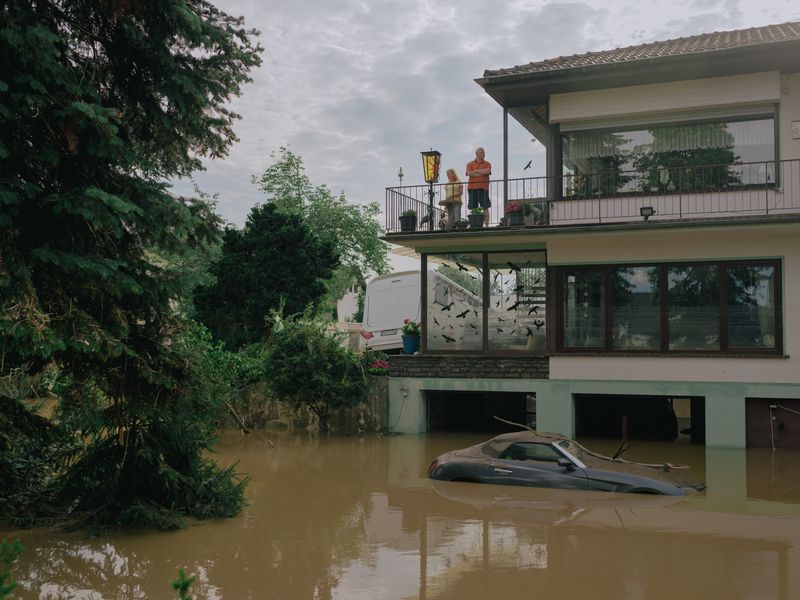
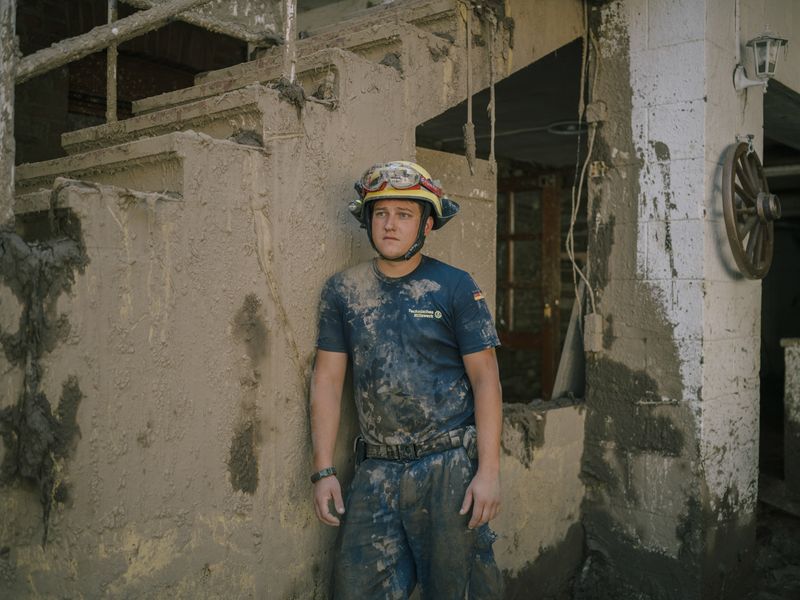
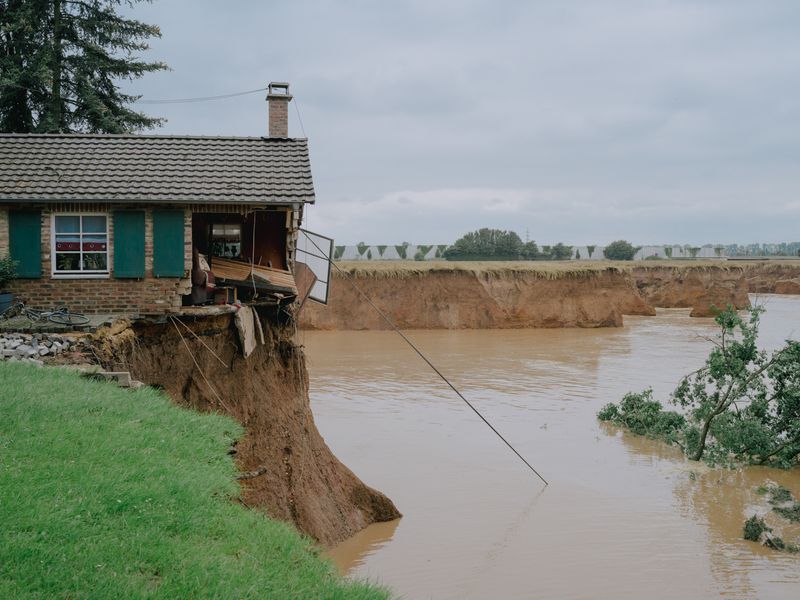
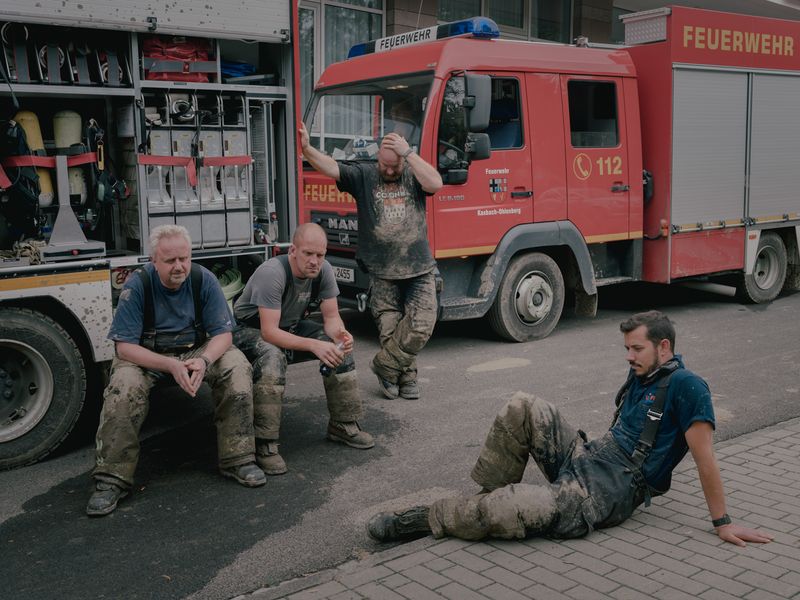
The Flood in Western Germany is DOCKS Collective's response to the shocking event of 2021
-
Published11 Oct 2022
-
Author
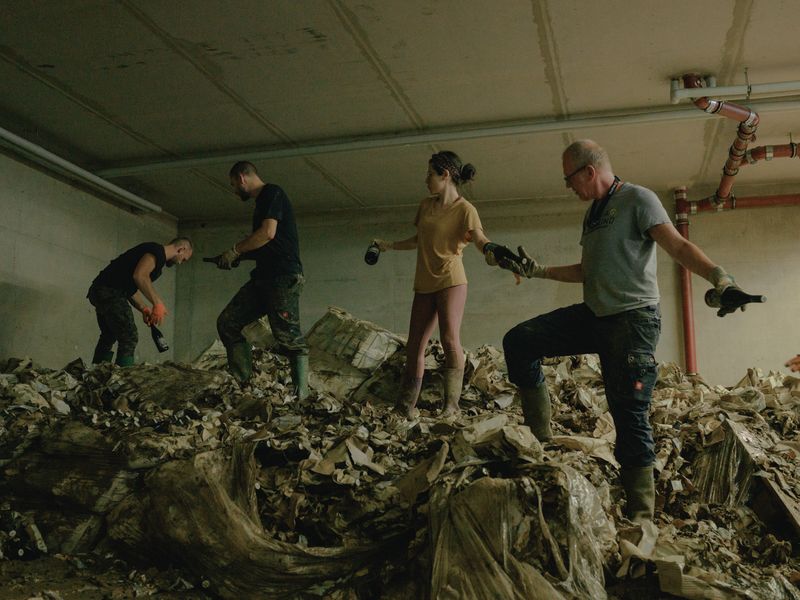
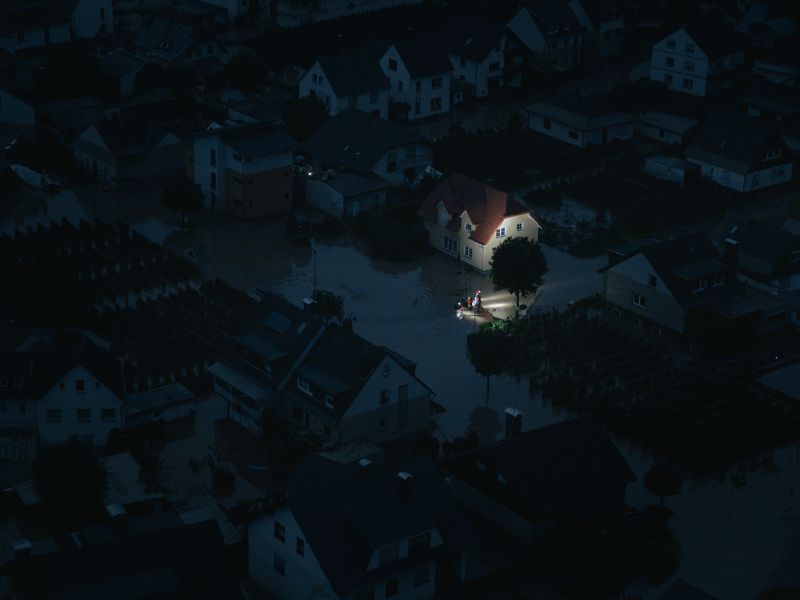
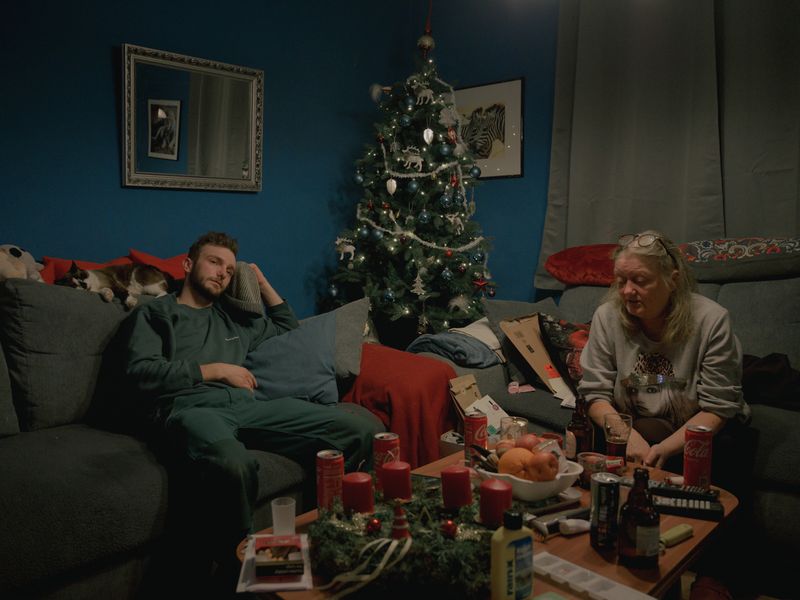
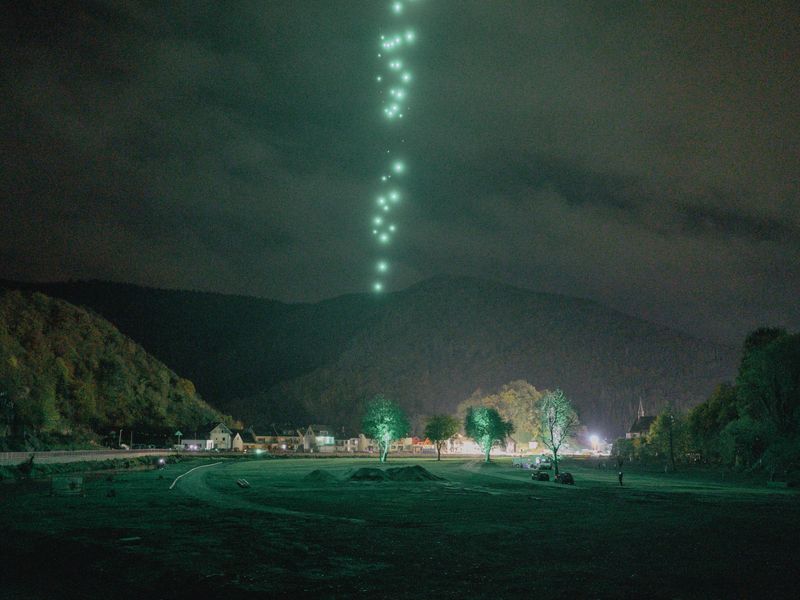
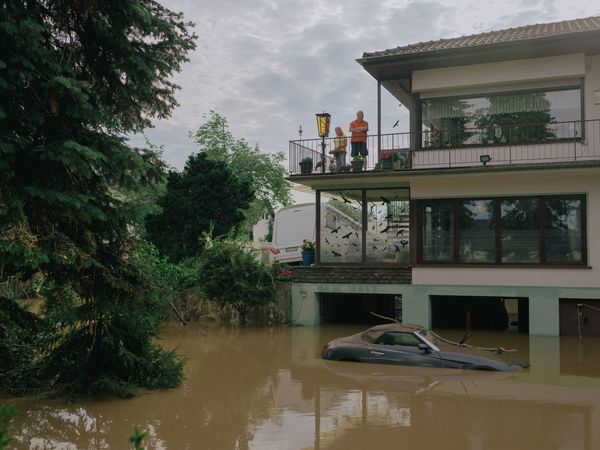
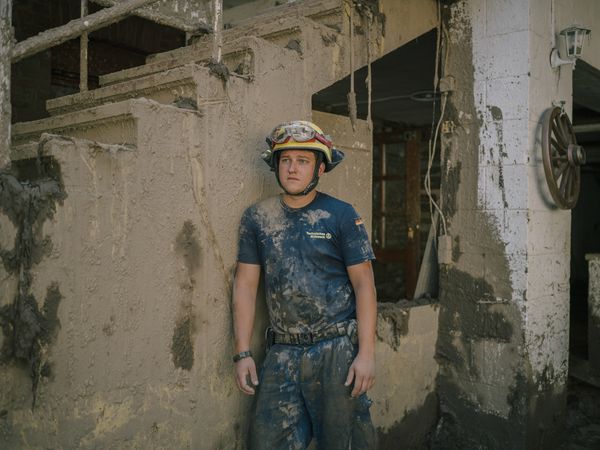
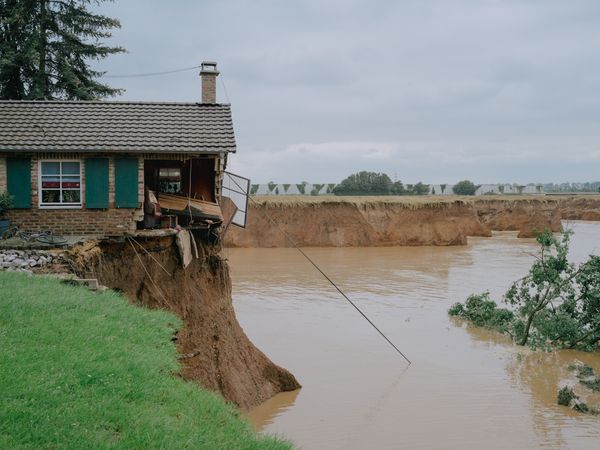
By documenting the aftermath of this tragedy, the German collective highlights the reasons behind these extreme weather phenomena. The images of rescue, destruction and reconstruction act as a strong reminder of global warming.
Between July 13 and July 15, 2021, more than about twice the amount of rainfall expected for the entire month of July fell in parts of the western German states of Rhineland-Palatinate and North Rhine-Westphalia - causing major rivers to burst their banks and sweep away entire villages. It has taken the lives of more than 180 people. Studies will need to be done to determine whether or not these floods would have taken place without climate change.
But scientists say it is safe to assume that it wouldn’t have rained so much, for so long, without the warming of the planet. Warmer air can hold more moisture and Germany’s average temperature has risen by more than 1.6°C over pre-industrial times.
The effects of climate change, which for people in Central Europe only had an impact on faraway countries, has now also arrived in Germany.
For one year we documented the destruction, the pain and the hardships of reconstruction in the flooded areas. Since July 15, we have been photographing as a collective in the affected regions, building relationships, accompanying evacuation and repatriation, following emergency workers and volunteers.
Words and pictures by DOCKS Collective
--------------
DOCKS is a collective of five documentary photographers founded in 2018. Since then, they have been working both as individual authors and on collective projects. They act upon a shared open-mindedness, honesty and sensitivity. For them, collaborative work is a method that allows them to suspend and question the classic egocentric perspective of documentary photography. Follow them on Instagram and PhMuseum.
--------------
This feature is part of Story of the Week, a selection of relevant projects from our community handpicked by the PhMuseum curators.