The Camera As A Listening Device: Tahereh Fallahzadeh’s Darkroom Practice Of Memory And Freedom
-
Published3 Sep 2026
-
Author
- Topics Contemporary Issues, Nature & Environment
Tahereh Fallahzadeh’s Light In My Pocket transforms the experience of exile into a poetic and dreamlike exploration of light, landscape, and memory, revealing the darkroom as a place where unexpected images can emerge.
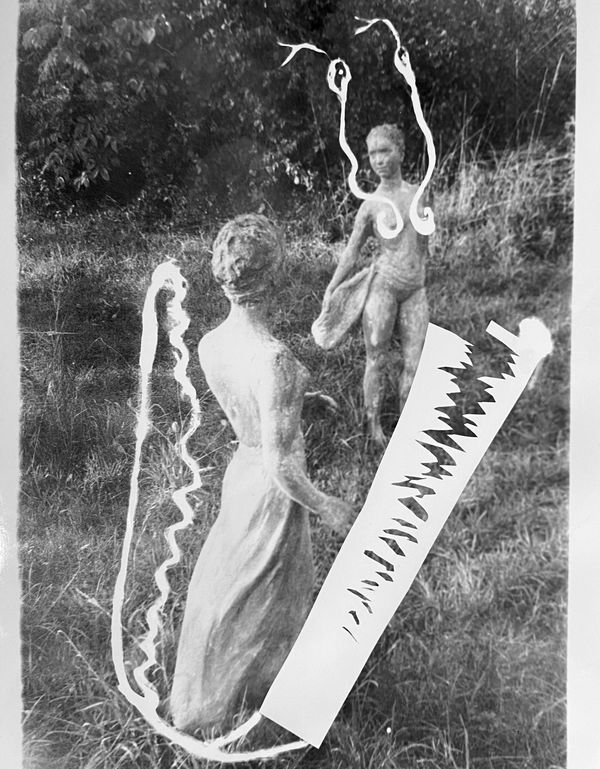
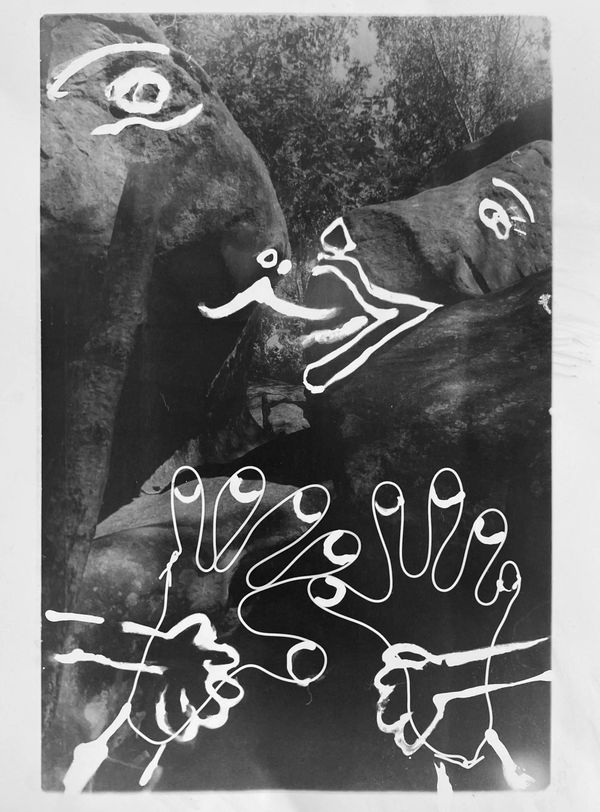
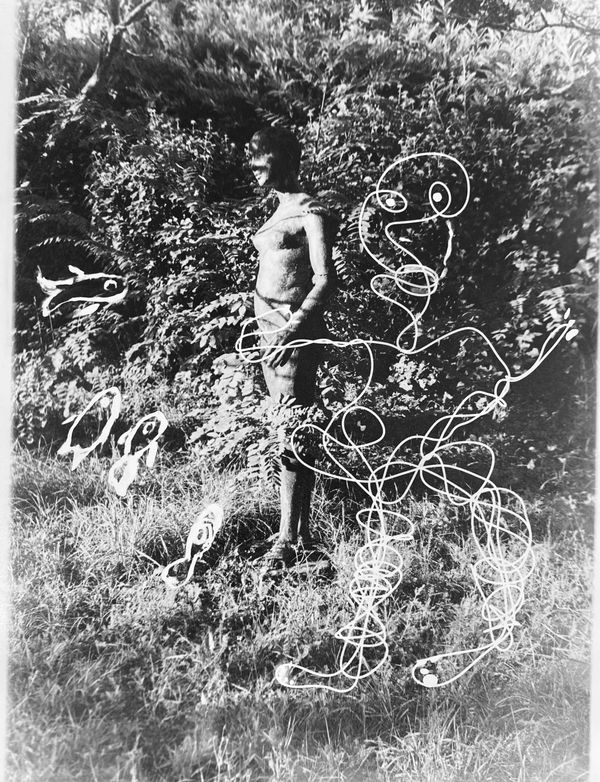
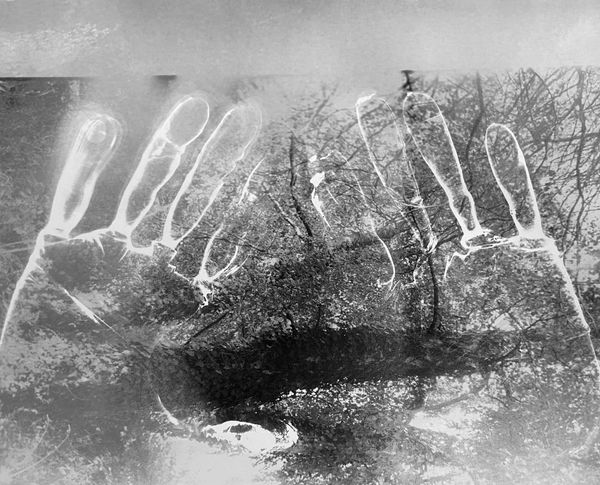
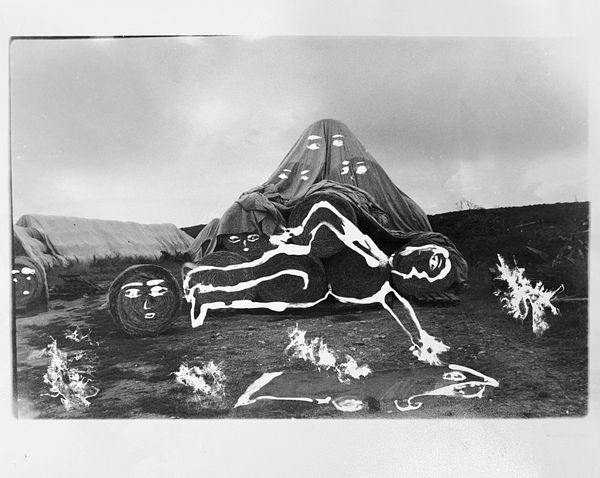
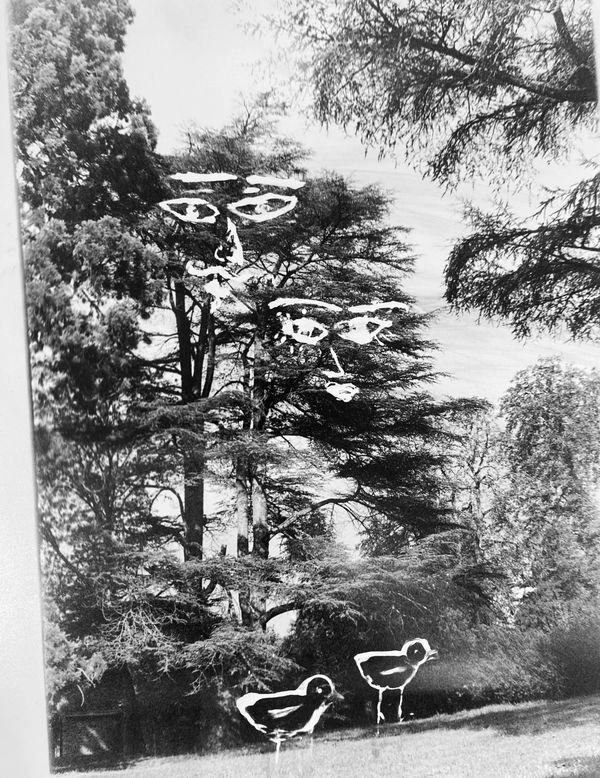
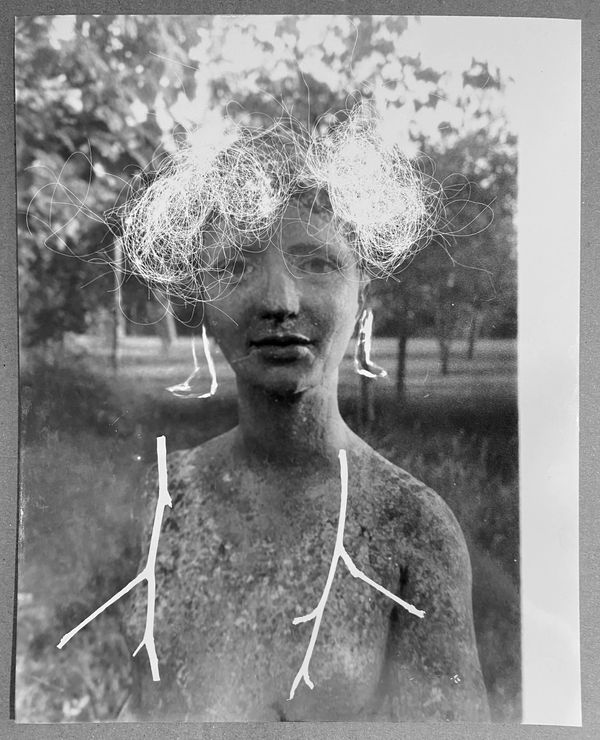
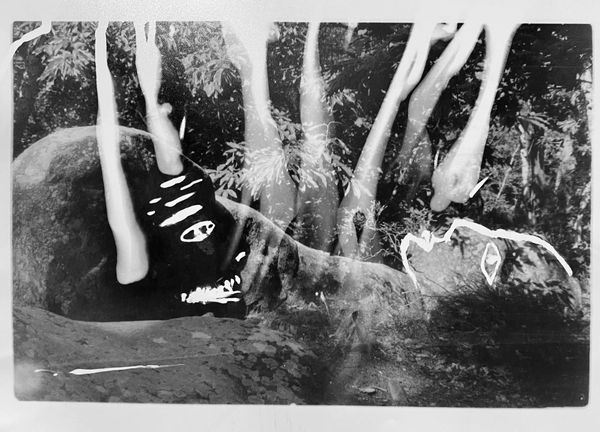
In Tahereh’s images, stones seem to breathe, trees seem to look back, and figures surface from the landscape as if they had been hidden there all along. A fish appears inside a tree, a rock transforms into a head, and human forms dissolve into their surroundings. Created through an experimental darkroom process, the series transforms displacement into a dreamlike world where memories, complex emotions, and landscapes become intertwined.
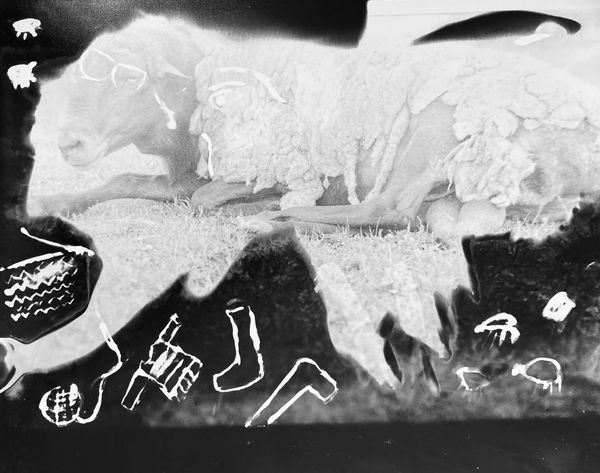
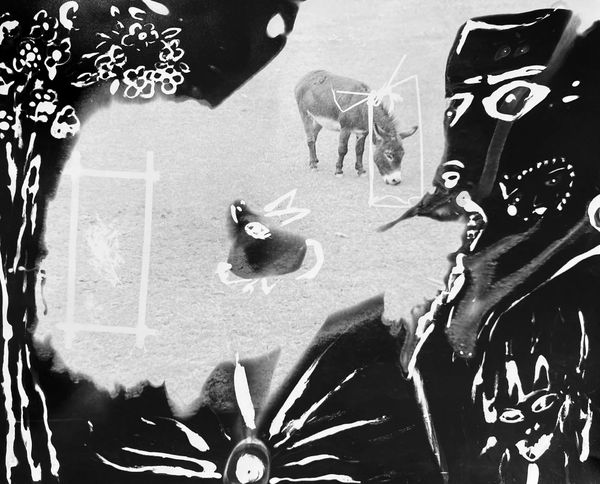
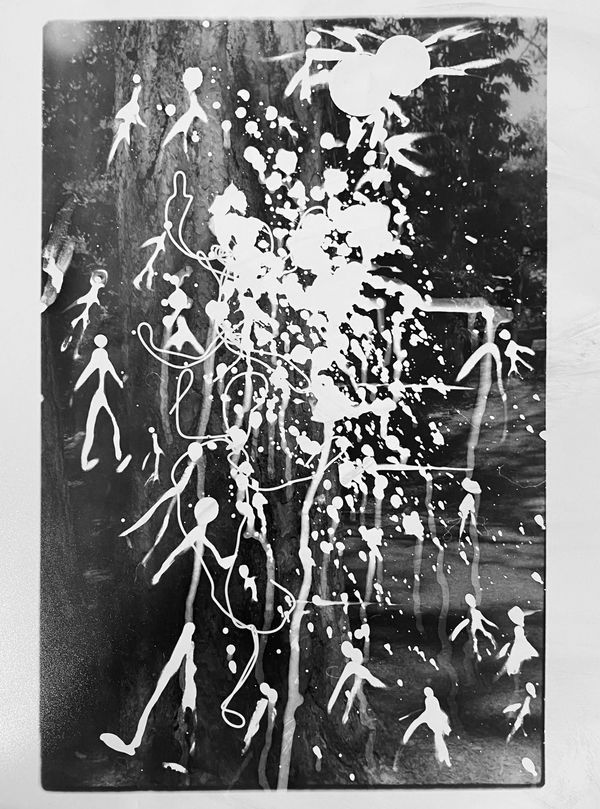
The forms that surface throughout the series are born from an ongoing conversation between the photographic surface, light, and chemistry. Through interventions such as blocking light, scratching the image, and allowing chemical reactions to leave their own traces, the photographs develop in a space between intention and discovery.
The work began after Tahereh’s arrival in Soisy-sur-École, a small village south of Paris, following her sudden departure from Iran during the bombings. Far from her home, her language, and her people, the surrounding landscape became a starting point for engaging with this unfamiliar place. Yet rather than focusing on what separated this place from home, the work began to search for what remained familiar. “I am here, in France, in a country that is no different from my own,” she says. “A tree is the same tree, a road is the same road, and a flower is the same flower.” Unable at first to communicate through language, photography became a way of listening to this unfamiliar environment. “Far from home and language, I began to listen through my camera,” she writes.
In this practice, photography becomes more than an act of looking. “The camera sees what it sees,” she explains, “but the photographer, the artist behind it, needs to listen.” The camera records what is in front of it, but the artist’s role is to pay attention to what the environment tries to communicate. This tension between intention and unpredictability continues throughout the darkroom process. The images are shaped through both deliberate interventions and the reactions of light and chemistry. The approach is closely connected to László Moholy-Nagy’s words: “The enemy of photography is convention; the salvation of photography comes from the experiment.” The quote has accompanied Tahereh for years, reflecting her belief that photography can move beyond established ways of making images.
Within this work, landscapes begin to reveal unexpected presences. Animals, eyes, and human figures appear, creating a world that feels both familiar and imagined. Some motifs carry specific meanings: the snake becomes an agent of violence, while the fish represents freedom. Many of the human figures are self-portraits, fragments of herself as a child, a young adult, or her present self. The process resembles the way imagination and dreams work: “You place a conscious mind inside a dark space, and things begin to appear,” she explains. For her, the darkroom becomes a place where imagination can unfold beyond conscious planning.
These figures also become a way of approaching experiences that resist direct representation. Despite the violent circumstances surrounding the making of the work, the experience of exile, separation from home, and the war unfolding in Iran, the series does not depict conflict directly. Instead, these tensions are carried into the photographic material itself. Blocking light, scratching the surface of the image, and altering the photographic material leave visible marks of this process. Alongside these interventions, elements such as trees, stones, animals, and human forms expand the visual language of the series, holding feelings of longing, happiness, grief, absence, and resistance.
The question of what can become visible extends beyond the images themselves. Beneath their dreamlike appearance lies a reflection on the conditions of artistic expression. Working as a woman and artist in Iran meant navigating limitations around what could be shown and how artists could express themselves. Censorship does not only operate through visible restrictions; it can gradually shape the imagination of artists themselves, influencing what they consider possible, acceptable, or even worth creating. Over time, these restrictions can become internalized. “Censorship does not necessarily manifest as violence on the surface, but it is actually very cruel and violent in the way it works psychologically,” Tahereh explains.
Leaving Iran changed Tahereh’s relationship with her own artistic practice: “I am no longer the artist I was while living in Iran. Therefore, I do not want to be the agent who censors myself.” Following the death of Mahsa Jina Amini in 2022 and the beginning of the Woman, Life, Freedom uprising, Tahereh made the personal decision not to share her work publicly until Iran was free. Keeping her art unseen became an act of both personal and artistic protest. But as time passed and the hoped-for change in Iran did not come, her understanding of resistance began to shift. Rather than waiting for freedom to arrive, continuing to create and share could itself become an act of resistance.
“I myself am the light,” she says.
The phrase became central to Light In My Pocket: the belief that everyone carries their own light, and that bringing more of it into the world can create another way of moving toward freedom.
--------------
All photos © Tahereh Fallahzadeh’s work, from the series Light In My Pocket.
--------------
Tahereh Fallahzadeh is an Iranian artist and photographer whose experimental darkroom practice explores selfhood, representation, and photographic expression. Trained in documentary photography at the Young Cinema Association of Iran, she later taught photography for more than 25 years at a fine arts school for female students. Her work has been exhibited internationally, including at Baxter Street Gallery in New York and Delgosha Gallery in Tehran. Find her work on PhMuseum.
Stella Meyer is a documentary photographer and journalist focusing on sociopolitical and nature-related topics. She lives between Austria and Chilean Patagonia. Find her on Instagram.