Photobook Review: Water Over Thunder by Larry Sultan
-
Published21 May 2026
-
Author
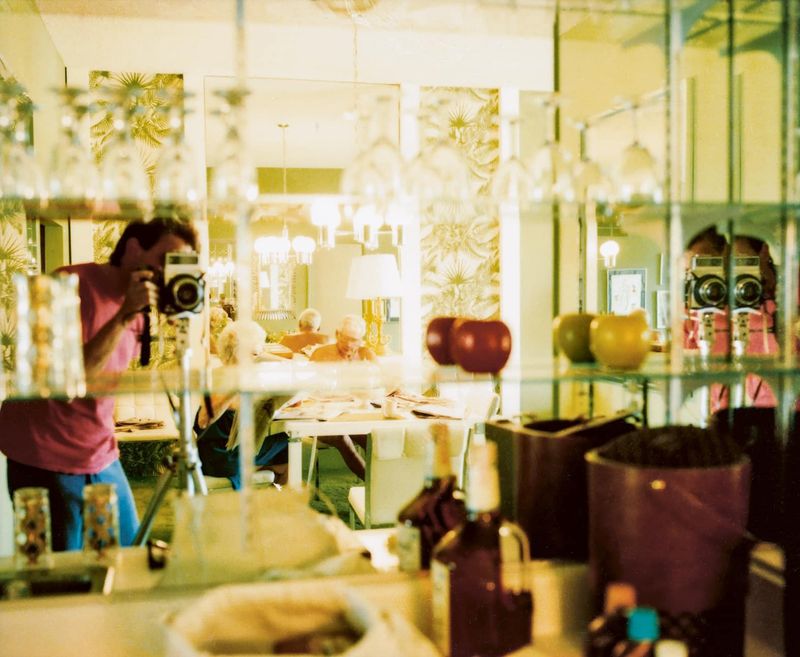
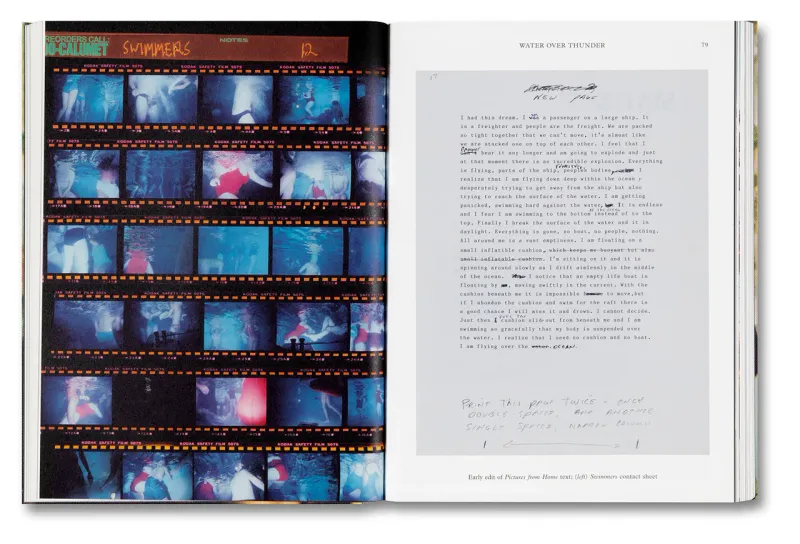
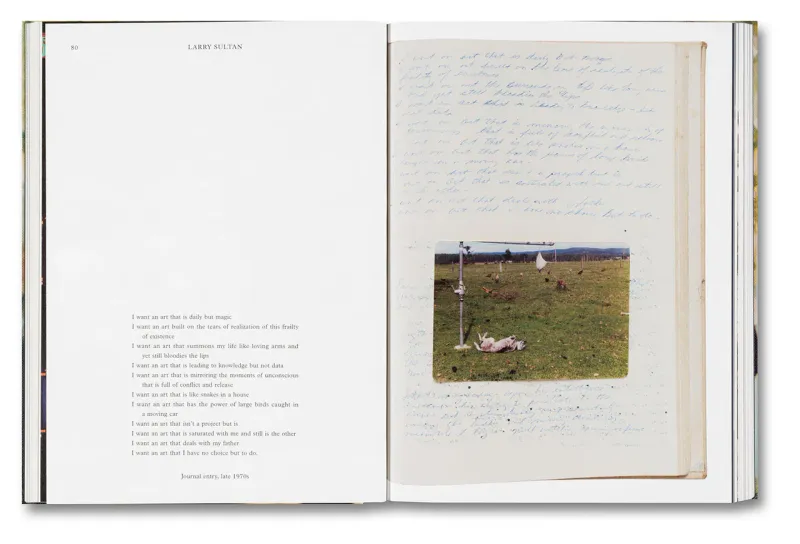
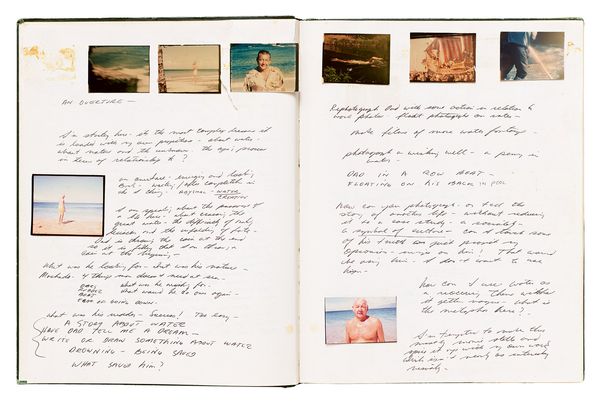
Water Over Thunder by Larry Sultan combines images from his hugely influential photography projects with Sultan’s thoughts on how we think about photographs, how we make photographs, and how we read photographs.
The final piece of text in Water Over Thunder reads, ‘I always wanted to be a writer’; this book shows that he was a writer.
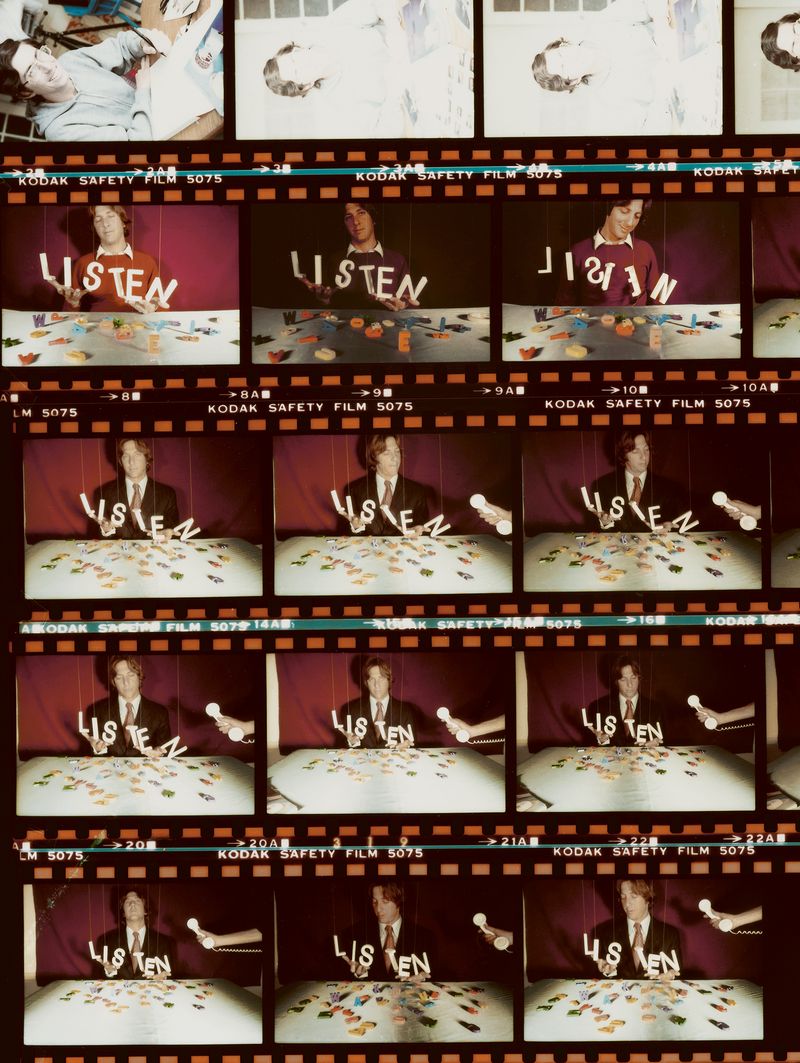
It’s a book where Sultan muses on the history of art and photography, on the teaching of photography, where he ponders, through his images of porn shoots in the suburban households of the San Fernando Valley, on the meaning of home, where he questions the role photography plays in advertising, archives, and representations of family.
Most of all, it’s a book where Sultan wonders at the possibilities of photography, the responsibilities of photography, and the magic of photography.
‘A crucial thing is to find names for what you do and what your interests are – to tell yourself a story,’ he writes. ‘But when it comes down to making work that really sings, I don’t know if I can teach any of it. I don’t even know if I can do any of it half the time.’
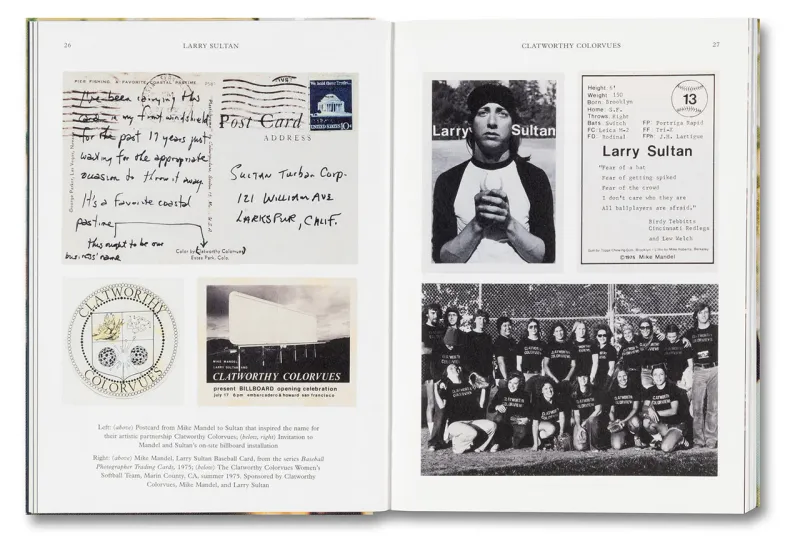
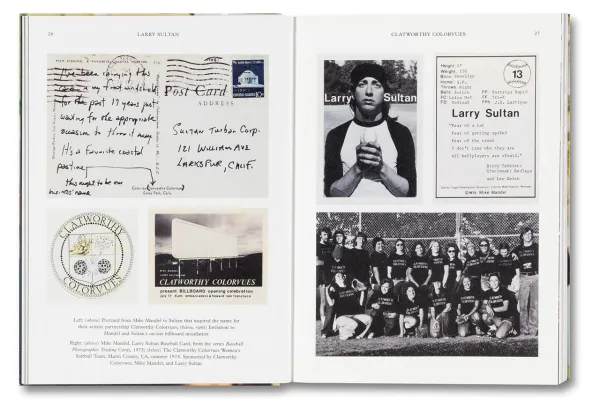
The book begins with Sultan’s early collaborations with Mike Mandel in their Billboards and Evidence projects.
It’s here that you see the curiosity and honesty of Sultan. He writes about the language of advertising, and how putting work up on a billboard has the value of making art that is on the street and not in a museum. He wonders at the language of advertising, and how it works on everyone. Sultan is a smoker and recognises that, ‘When I buy camels I’ve been had.’
The implication being that it doesn’t really matter what you buy. You’ve been had. And if you can’t admit, you’ve been double had.
He cites the influence of California, and Los Angeles in particular, on his work, and the near impossibility of blending the conceptual ideas and work of Ed Ruscha and John Baldessari, blended with his specific interests in the Zen Buddhism of Minor White.
That conceptualism is apparent in Sultan’s most influential work, Evidence, one of the collaborations he did with Mike Mandel. It’s a project where archive images are taken out of the archive and given a new life as artworks. ‘You change the context of the way you see something, and it becomes art; you put a silly little snapshot in a museum and it becomes an artifact,’ he writes.
A fellow teacher, John Collier, tells Sultan that, “It’s not the picture that counts, it’s how you use it.” Sultan writes that, ‘The art of photography is the art not only of making images, but also of using them. And that really struck me, the idea that we live in a culture where there are so many photographs and yet we don’t know how to use them.’
How and why we use pictures is at the heart of Sultan’s writing. His perspective is a refreshing mix of the magical and the realistic. He understands that pictures have a power that we don’t really understand, that no semi-mystical wonderings at the soul, the aura, the punctum, or the spectral quality of a photograph will ever resolve, but is cold-eyed enough to know that ultimately they are nothing more than photographs, scraps of paper. There is no aura, indexicality, or connection to life and death. But still we believe.
‘The question of documentary photography has always been at the center of my practice,’ he writes. ‘I'm really interested in raising the questions about why we believe in photographs, and at the same time I'm trying to promote that belief, even though I know better.’
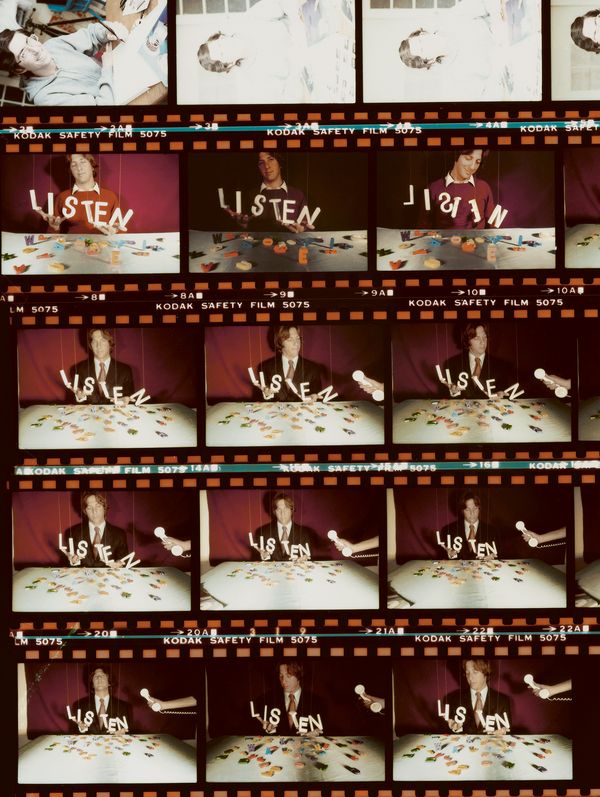
He also looks at a broader idea of what documentary can be, that limited ideas of documentary might be based on limited and dishonest reasoning, that the fictional and the documentary can overlap, that truth in photography should be questioned, and that photography can create a truth that rises beyond ideas of the literal. ‘My pictures were a blend of staged and documentary work,’ he writes.’ To me, the truth is about performance: how we perform, how we project. This truth can be staged, and it can be found. I don't think there is such a division between the two.’
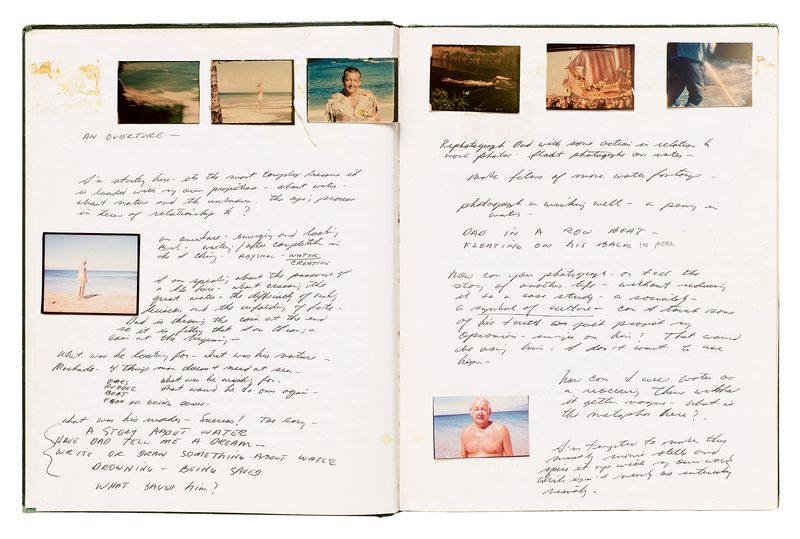
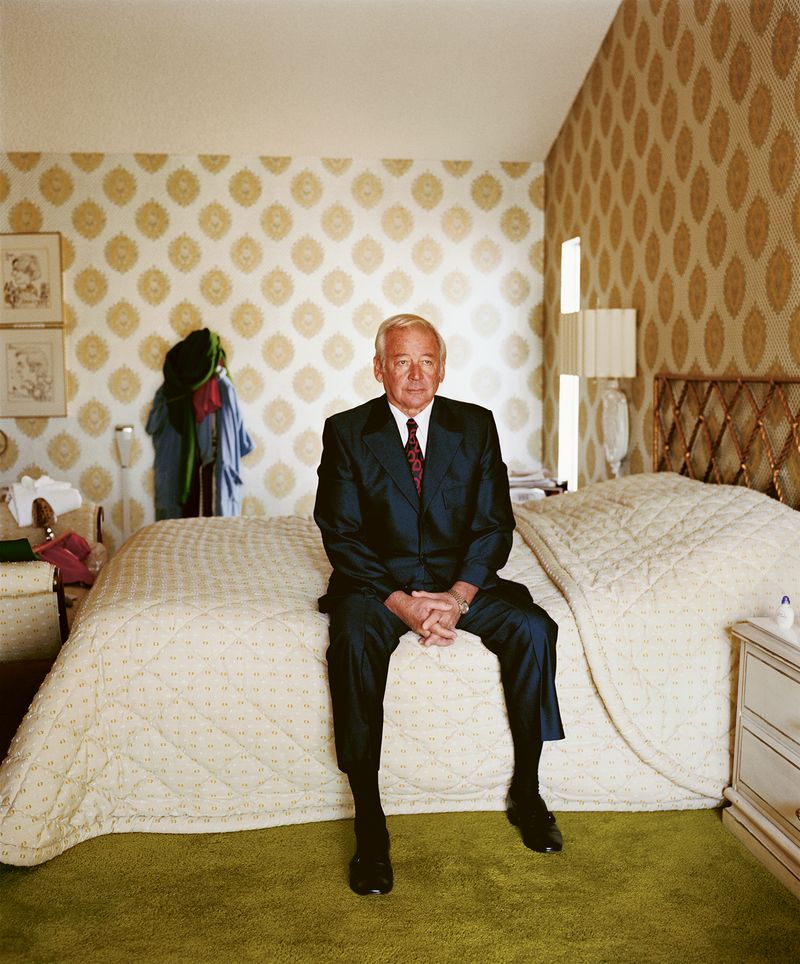
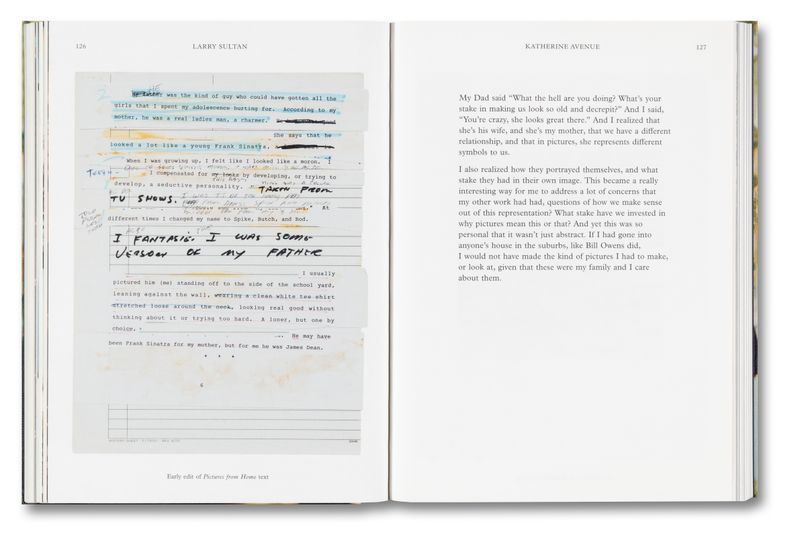
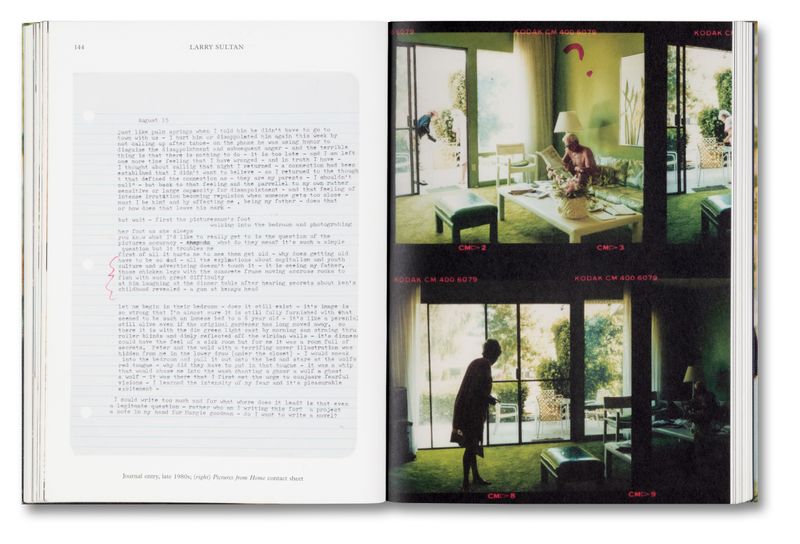
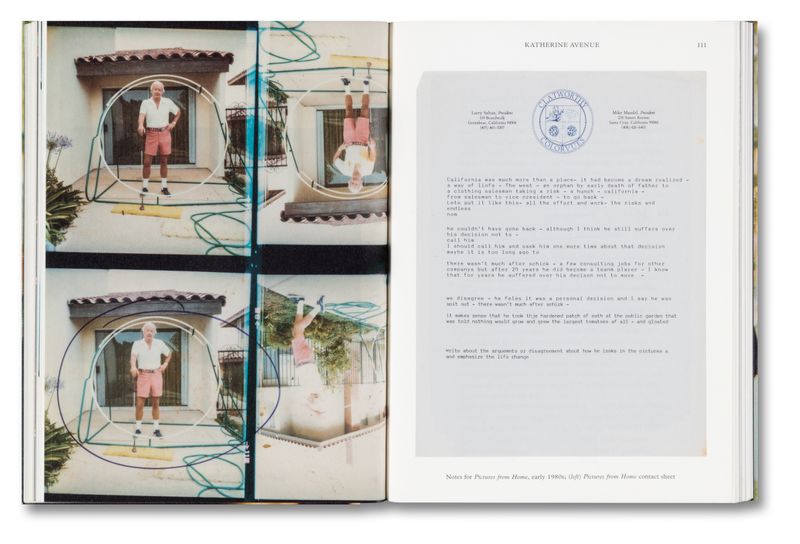
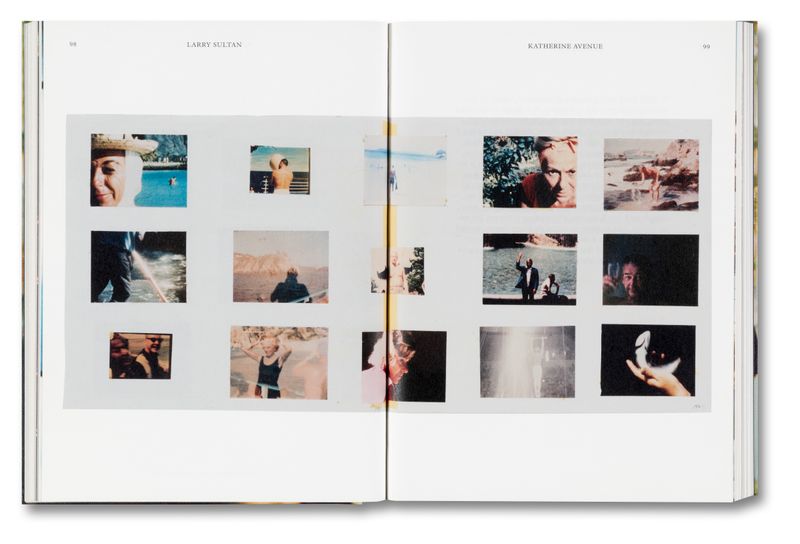
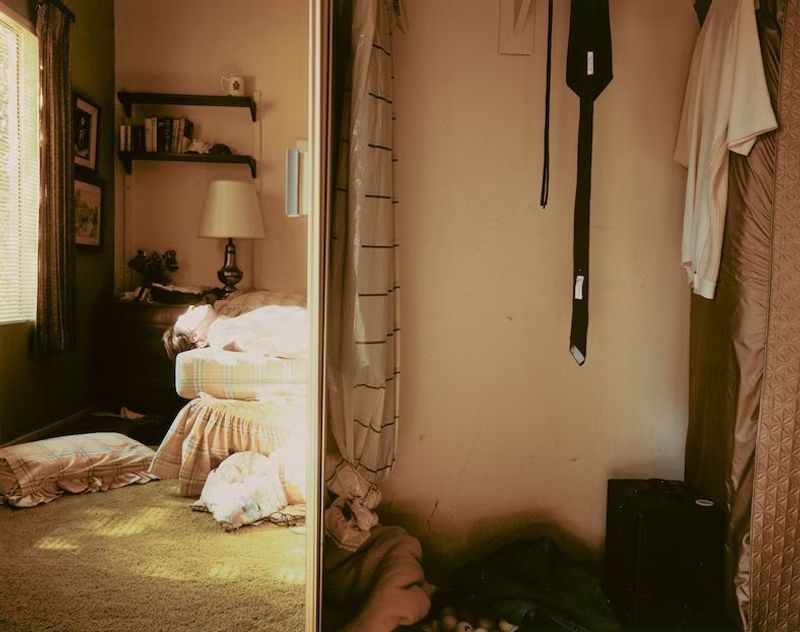
That blend of the fictional, the real, the staged, and the documentary found its zenith in Sultan’s wonderful Pictures From Home.
Exploiting the narrative malleability of home movie stills with his own large format colour photography of his parents, he created a parental world that, together with words from his parents and himself, felt absolutely concrete in its unreliability.
‘I started to make pictures that really touched me in a different way,’ he writes. ‘I realized that these pictures would potentially outlive my parents, that I had a kind of responsibility that I never quite understood, that this was not sociology, that this was something much deeper. What I really wanted to do was the impossible: to transmit the feeling of a life being lived.’
Though recognised as wonderful work now, Sultan points out that it didn’t get a show for five or six years, and that earlier supporters would ask him, ‘"What are you doing? Why would you take these personal pictures? You should just keep these to yourself."
That idea of keeping images to yourself, and the questions of consent and the border between the personal and the public is something that Sultan wrestled with. ‘Something is torn when you go from private to public, a trust. I felt terrible about this throughout the project, I felt I had a secret, and I felt I was betraying my parents,’ he writes.
Sultan’s father continually questioned his son’s way of photographing, asking why he wanted to make his parents look worse than they were, why he was continually represented as dour and grim.
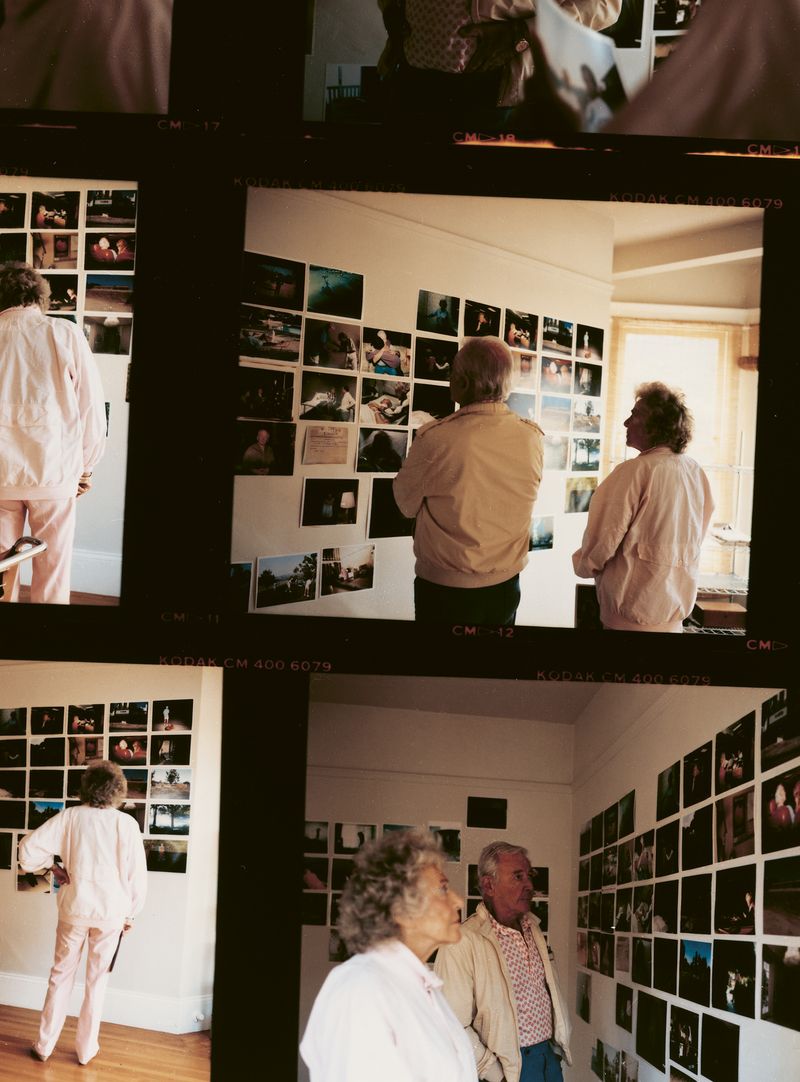
Larry agonised over this before finally putting on a domestic exhibition of the prints he had made. After his parents had seen the work, his father turned to Larry and said, ''I can't believe the amount of work that you've put into this. What is it that you're feeling so guilty about?''
''I was afraid that you'd think that I was misrepresenting you, that my images of you are at odds with your own self-image and that you might be hurt by that."
''I know you worry about that, but you shouldn't. We know who we are, and we don't need or trust photographs to tell us."
My mother added, ''This is your version of the story, and I trust that it's accurate to you."’
And that is exactly what this book, and Larry Sultan’s approach to photography, is all about.
--------------
Water Over Thunder: Selected Writings by Larry Sultan is published by MACK
Debossed flexibound
17 x 23 cm, 320 pages
ISBN 978-1-917651-36-3
February 2026
--------------
All images © Larry Sultan
--------------
Larry Sultan (1946 - 2009) was raised in California’s San Fernando Valley. His work, heavily influenced by the post-war popular culture of Los Angeles, plays with notions of documentary and staged photography and reveals the psychological nuances found in the everyday suburban landscape and family life.
Colin Pantall is a photographer, writer, and lecturer based in Bath, England. He has written for a range of publications and organisations across the world, including Magnum Photos, The British Journal of Photography, World Press Photo, Foam, Aperture, and The Far Eastern Economic Review. His photography focuses on domestic environments and family, and includes his books Sofa Portraits, All Quiet on the Home Front, and German Family Album, projects where the conflicting narratives of family, cultural, and political histories overlap with ideas of memory, the environment, and fragile documentary. In 2022, his image, My Parents in Woolley, was acquired for the collection of the Kunstmuseum Den Haag. He teaches on the Falmouth University Photography MA and runs independent online workshops linking contemporary photography to global, historical, and theoretical perspectives. Follow him on Instagram.