Photobook Review: PÂLE by Gabrielle Duplantier
-
Published8 Oct 2026
-
Author
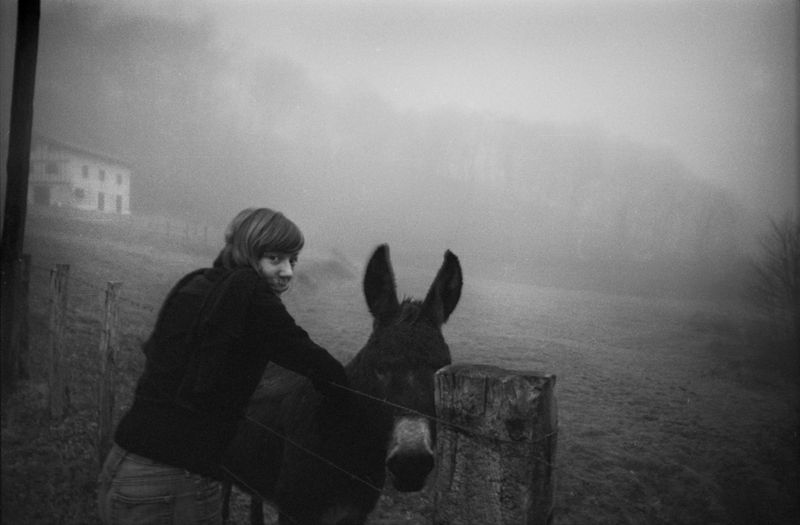
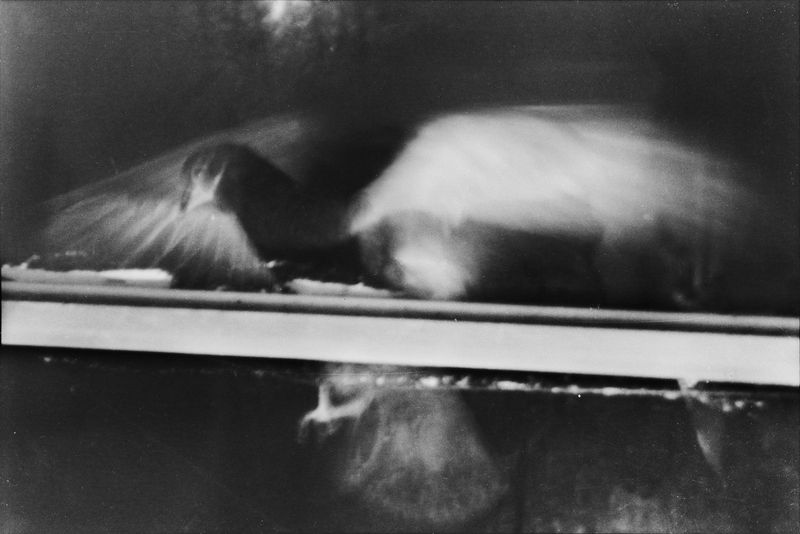
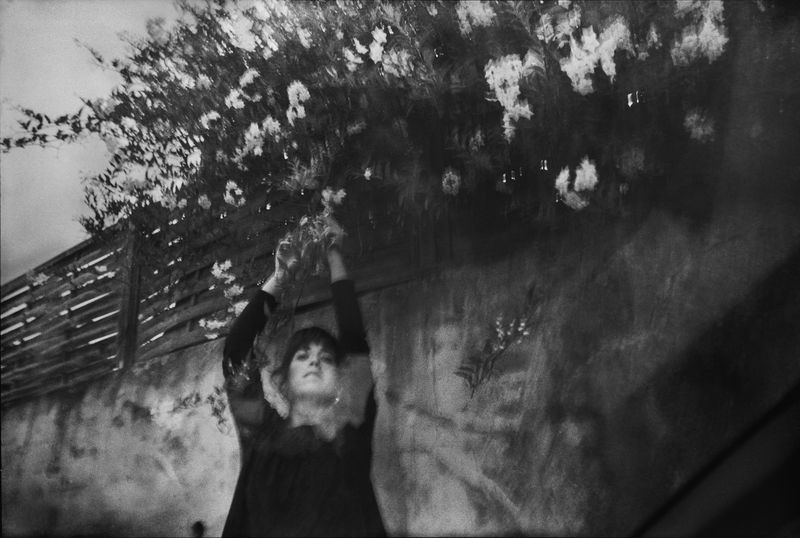
PÂLE is a book of dreamscapes, a book where Duplantier creates a world that is both timeless but also very specific. Through images of rural settings, tousle-haired women and girls, and technology free interiors, she takes us into her sensory world.
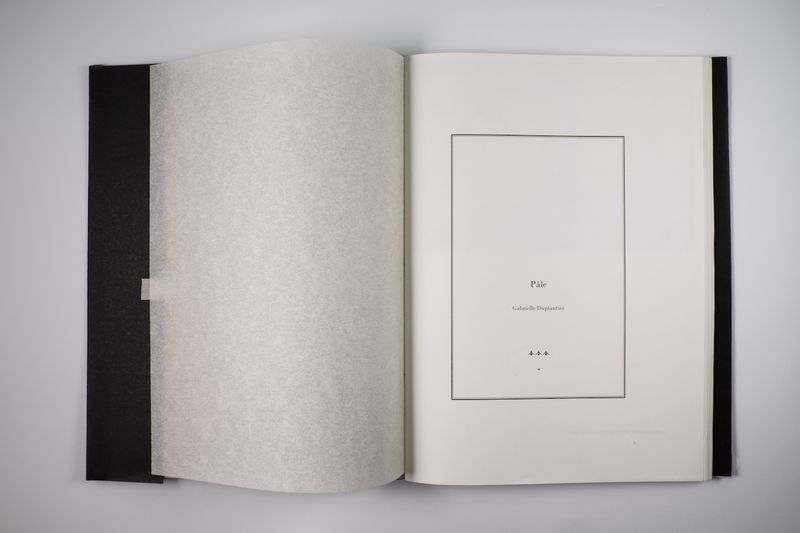
The book comes with a black cover, a nod to the notebook it is intended to represent, the kind of notebook you get in art shops, the kind of book with blank pages that you can draw on and stick things into without quite knowing why. You pile them up and when you have an exhibition you put them into a vitrine for people to feel their energy, to get a vibe, to work out your practice. That is very much the mood of this book.
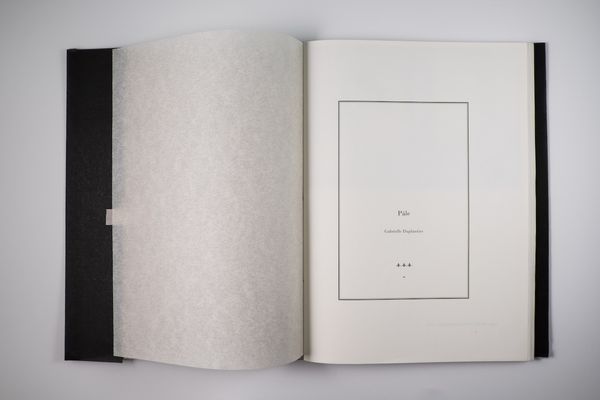
Turn the page, and you see the black cover stuck down with a piece of fabric tape. The author and title show through a transparent page, and then you are into the book. These are some of the details that make this a book that is so lovely to feel in your hands.
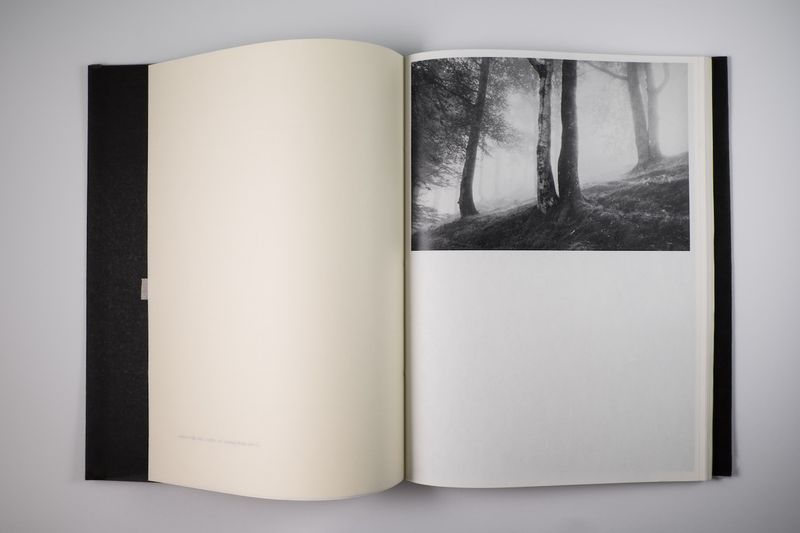
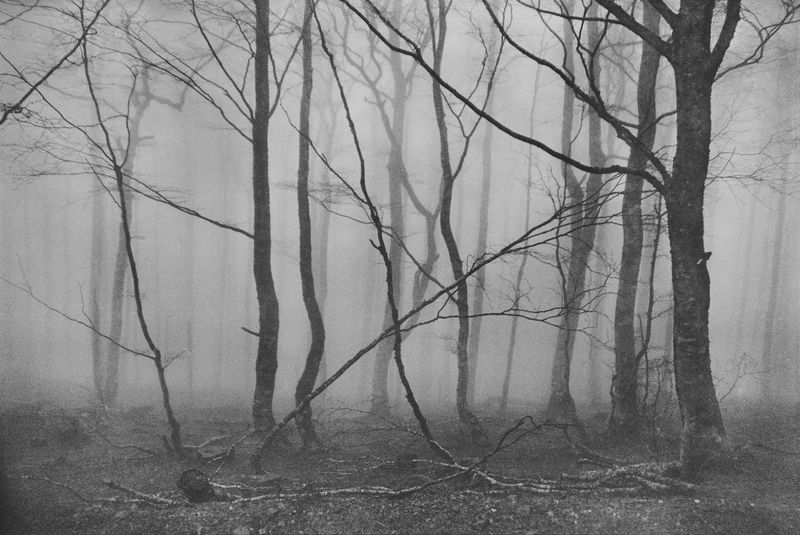
The first image is on the right side of the lightweight (85gsm) Ivory paper, printed at the top close to the borders. It’s a picture of the trunks of trees in sunlit mist, the white of the mist matching the ivory of the paper.
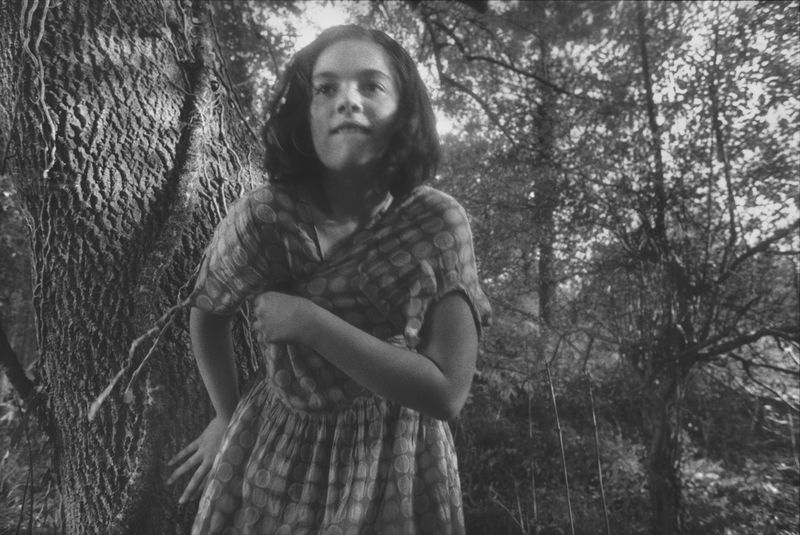
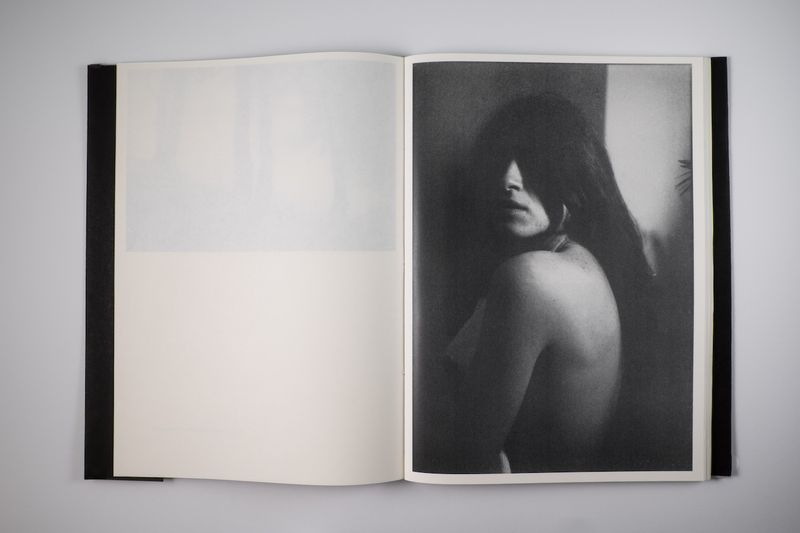
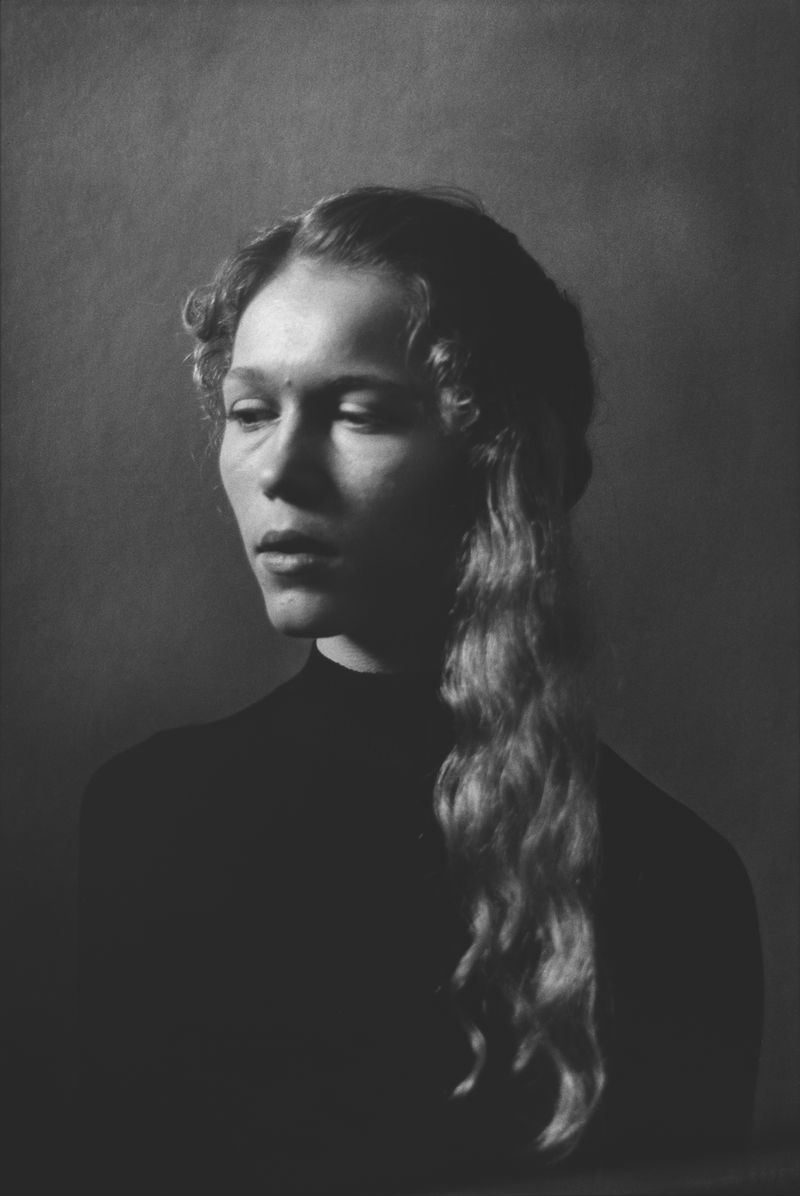
Turn the page again, and there is a portrait of a woman, the shadows setting into the blacks, her long black hair covering the eyes that we can’t see but we know are looking back into the camera.
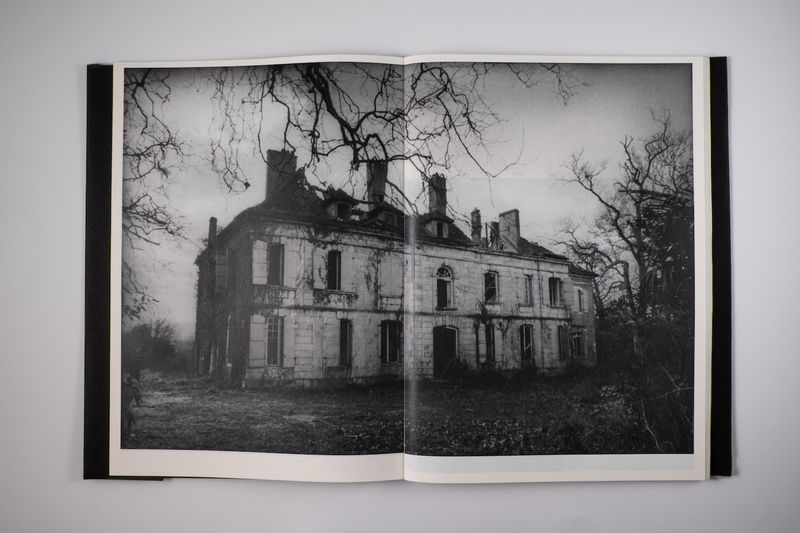
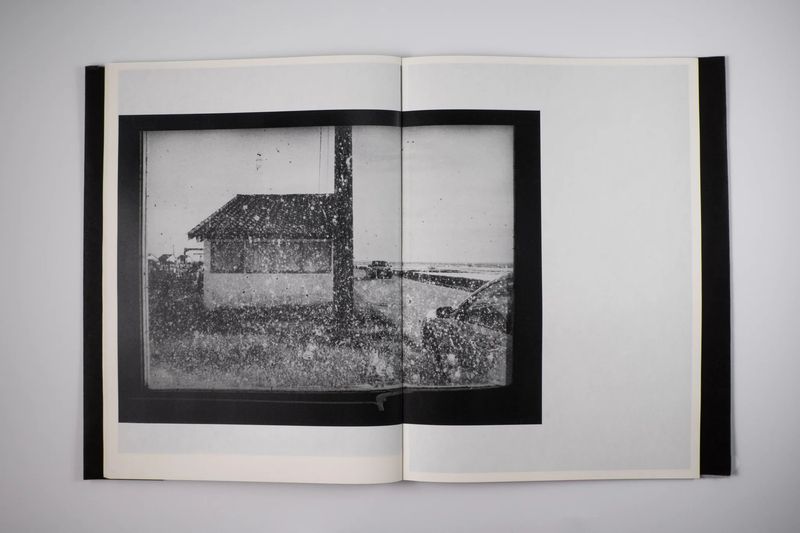
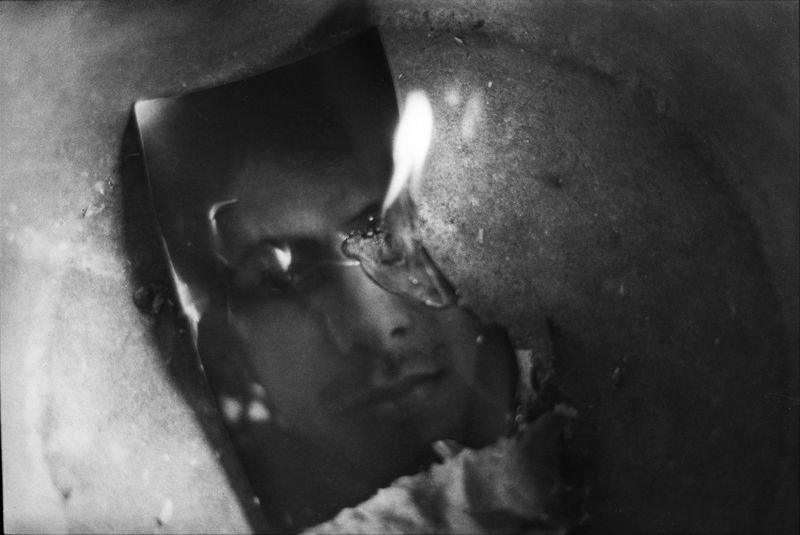
Pictures of snow, a spider’s web and a deserted country house follow, the roof collapsed in on itself across both pages. We seem to be in a dreamscape, somewhere in the past where strange things happen and this is compounded by the picture on the next page where a photograph of a man seems to be burning, but we can’t quite make it out.
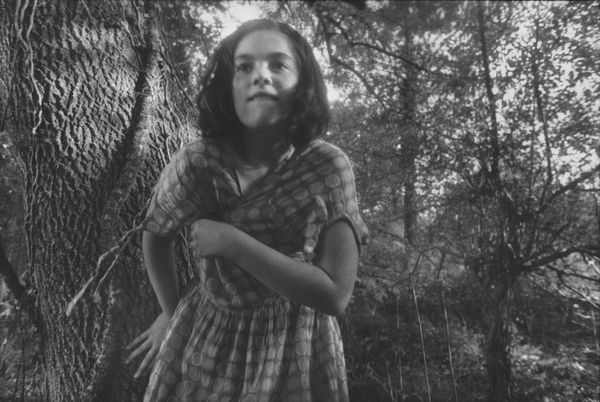
Another girl looks down at the camera, slightly blurred, a little off-kilter, before we go into a line of snow-covered trees concealed by layers of mist and grain.
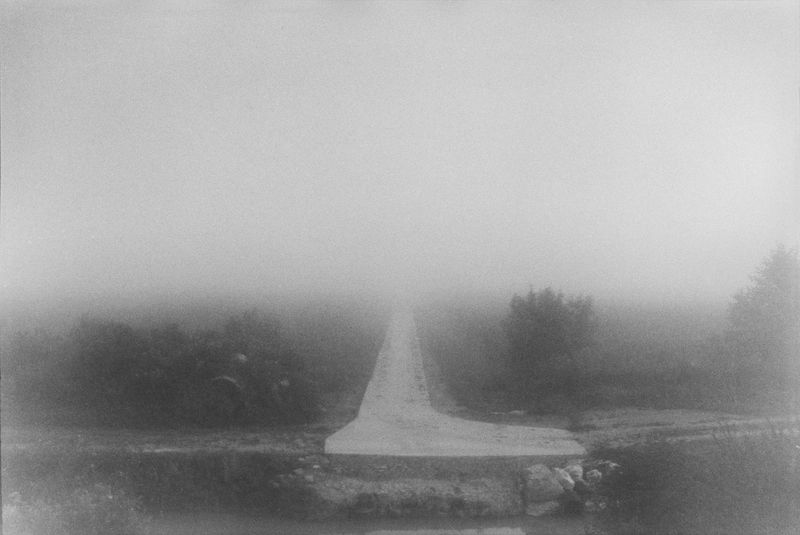
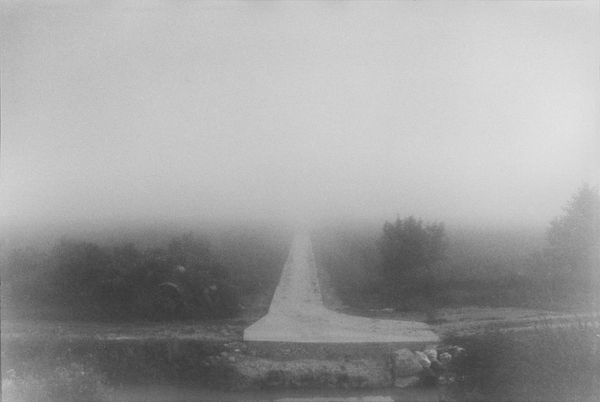
Concealment seems to be a theme here, a theme of both representations of dreams and the sublime. Wide open apertures, mist and distance add to the obscuring of faces and landscape, as do darkness and movement.
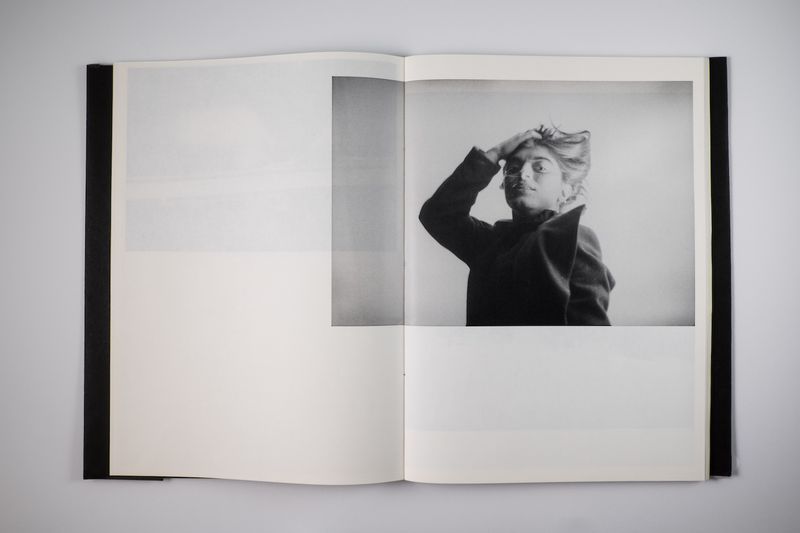
There is a melancholy about this mix that combines with a nostalgia of memories half-remembered, of past lives relived through images such as the one of the child jumping in the air or staring into the darkness.
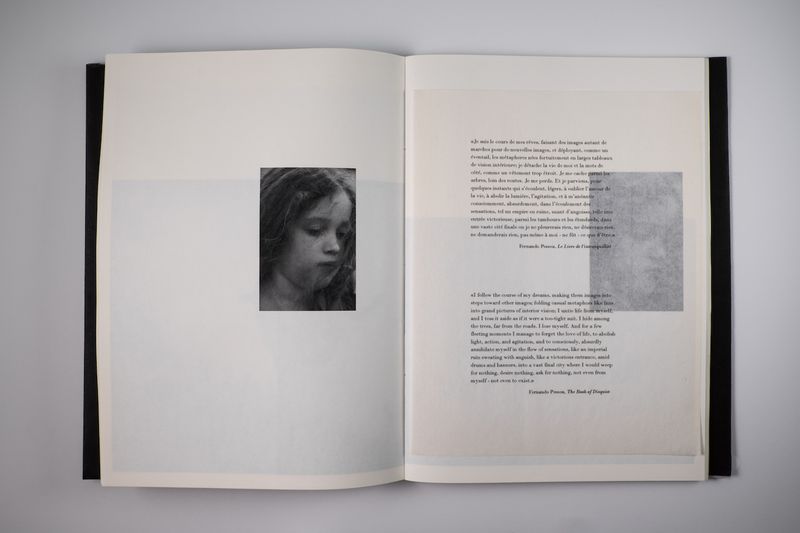
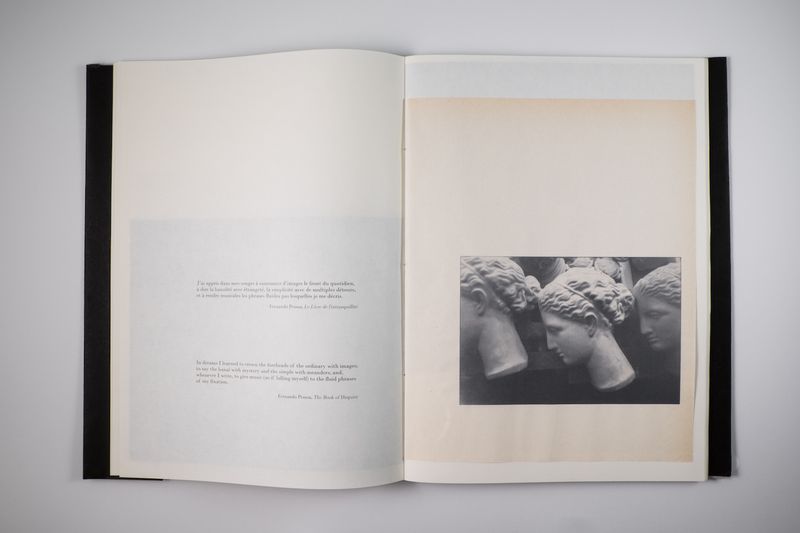
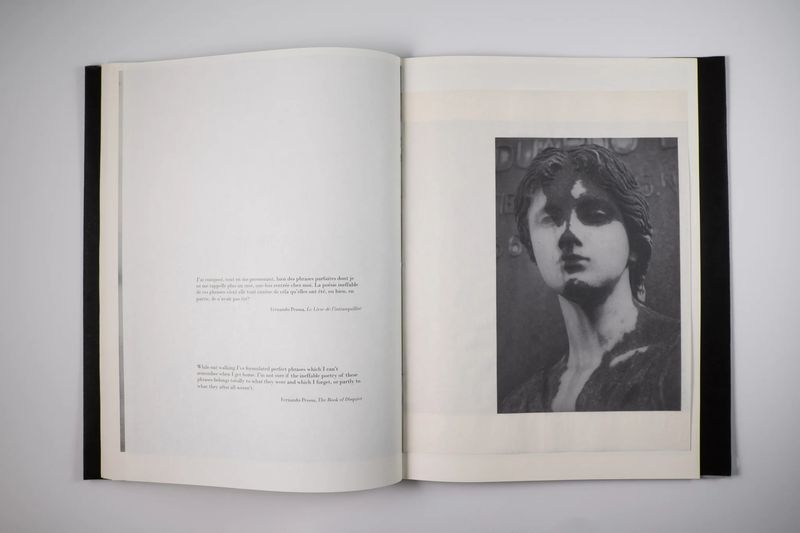
Snippets of text from Fernando Pessoa’s The Book Of Disquiet are woven between the images. The Book Of Disquiet (which I haven't read) is a disconnected thread of thoughts that have no overarching narrative, that is incomplete and veers between the conscious and subconscious worlds.
‘I follow the course of my dreams’, reads the first extract, ‘making them images into steps toward other images… I hide among the trees, far from the roads. I lose myself. And for a few fleeting moments I manage to forget the love of life, to abolish light, action, and agitation, and to consciously, absurdly annihilate myself in the flow of sensations… into a vast final city where I would weep for nothing, desire nothing, ask for nothing, not even from myself – not even to exist.’
That withdrawal of desire from the present is apparent in images that continue to touch on a halfworld that meanders between one state of being and another. At times, the images (the boy with his chicken, the children in the snow) solidify and become worldly and present, but then we are back in a double page spread of a lake with grasses and trees rising in the gloom-laden foreground.
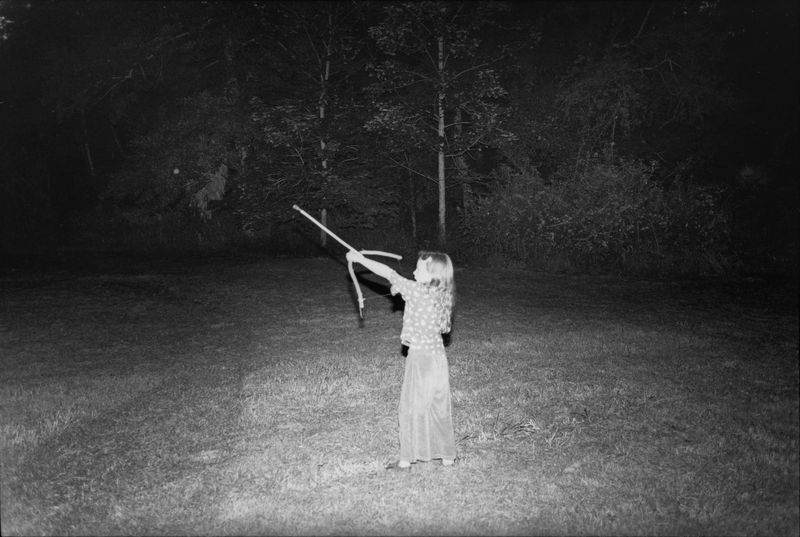
At times the pictures are archetypal; they are memories we have already seen: the statue head, the blowing out of the candles on the birthday cake, the girl with the bow and arrow, the paired images of the woman punting on a boat.
They float in the book and bring us into a world that is less of a dreamscape but more vaguely familiar. It makes me think of my dreams and whether I ever have a dreamscape like this in them. I don’t. My dreams are fairly solid, they are in colour (I once had a dream where I was sleeping while wired to a dream machine that played my dreams back when I awoke – and those recorded dreams were in colour), and they have concrete dilemmas written into them. It's my memories of my dreams that are not solid, that drift in and out of my consciousness, that I remember the instant I open my eyes in the morning, but somehow forget one second later.
Perhaps that idea of the photographic and visual dreamscape is more of a photographic one borne of a mix of Japanese photography of the sixties and seventies, the American surrealism of Tress, Michals, and Woodman, rather than the cinematic dreamscapes of Tarkovsky, Bunuel, or the brutal realities of anything written by Charlie Kaufman.
It is left for the reader to feel their way through the pictures, to decide who and what is happening. But perhaps the end result of that, as we turn our fingers over the soft greys on the smooth ivory, and linger over transparencies and the muted treescapes emerging through grain-laden mist, is that we don’t know what is happening, that perhaps things don’t join up, and if they do they might join up the next day, or the next week, or the next month, and whatever we remember, we are also bound to forget.
--------------
PÂLE by Gabrielle Duplantier is published by Origini Edizioni
Photos by Gabrielle Duplantier
Editing by Ilias Georgiadis and Gabrielle Duplantier
Book design by Matilde Vittoria Laricchia
Handcrafted work by Eugenia Koval
Dimensions: 21x29,7 cm
Font Bodoni MT
Paper: Favini Biancoflash Ivory 85 gr
50 photos, b/w
Language: French and English
500 numbered copies
--------------
All images © Gabrielle Duplantier
--------------
Garielle Duplantier (b. 1978) is a Franco-American-Azorean photographer who lives and works in Bayonne, France. She studied fine arts and history of art at the University of Bordeaux. Back then, photography, which she had practiced since a young age, was a mere pastime. Once she got her diploma, she decided to become independent and settled in Paris, where she worked as a photographer’s assistant or as a set photographer. Parallel to her many collaborations with the press, publishers or musicians, Gabrielle Duplantier pursued her personal work on the female portrait, one of her favourite topics. Another source of inspiration is Portugal, her home country, which she visits on a regular basis.
Colin Pantall is a photographer, writer and lecturer based in Bath, England. His photography focusses on domestic environments and family, and include his books Sofa Portraits, All Quiet on the Home Front, Sofa Portraits, and German Family Album, projects where the conflicting narratives of family, cultural, and political histories overlap with ideas of memory, the environment, and fragile documentary. He teaches on the Falmouth University Photography MA and runs independent online workshops linking contemporary photography to global, historical, and theoretical perspectives. Follow him on Instagram.