PhMuseum Loved Photobooks 2025
-
Published10 Dec 2025
-
Author
As we approach the end of the year, enjoy a curated selection of titles handpicked by PhMuseum's team, contributors, jurors, partners, and education program tutors.
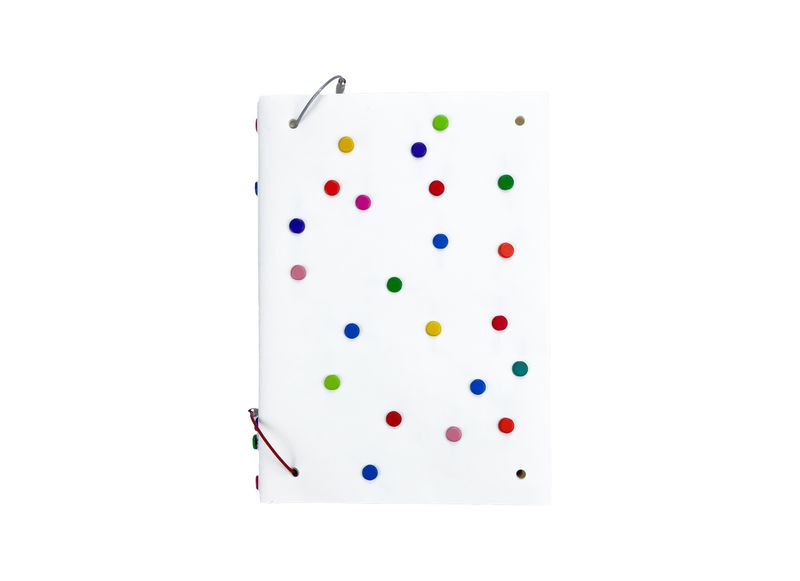
Standard ISO 29991. Thesaurus of Child Ecology, published by Shibboleth
Selected by Giuseppe Oliverio (PhMuseum Founder and Artistic Director)
There are many aspects I admire in this fresh publication, where well-organised content and a joyful design work together to show what happens when we subvert the rules, invite children to express their potential, and apply our knowledge in service of their ideas. I love its freedom. I enjoy the smart way it engages the reader through images and text. I appreciate how it reminds us of the power of collaboration and sharing, since – as stated on the spine – education is not a ladder but a field. Yet, beyond personal taste and emotions, this publication feels even more relevant in the context we live in, as it offers inspiration for finding possible meanings amid the overload of images and texts that surround us—and serves as tangible proof of how we can connect and learn across generations.
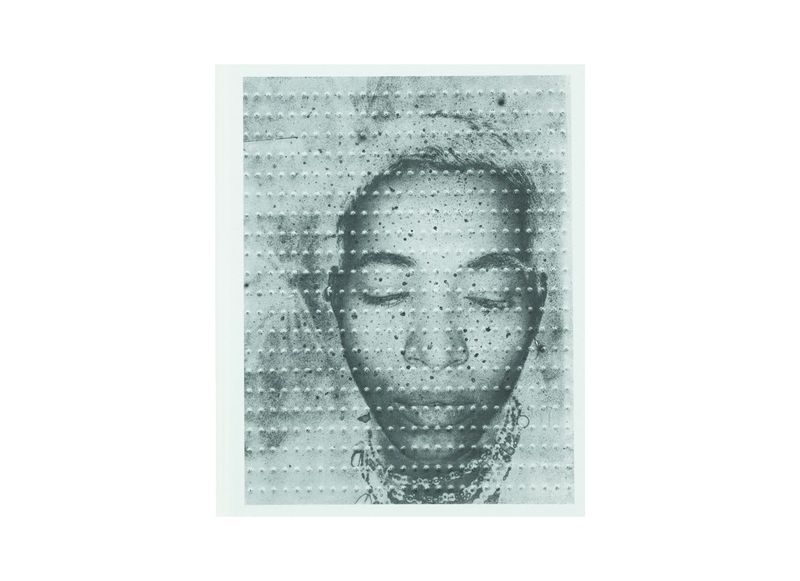
I Will Keep You In Good Company by Liz Johnson Artur, published by SPBH Editions
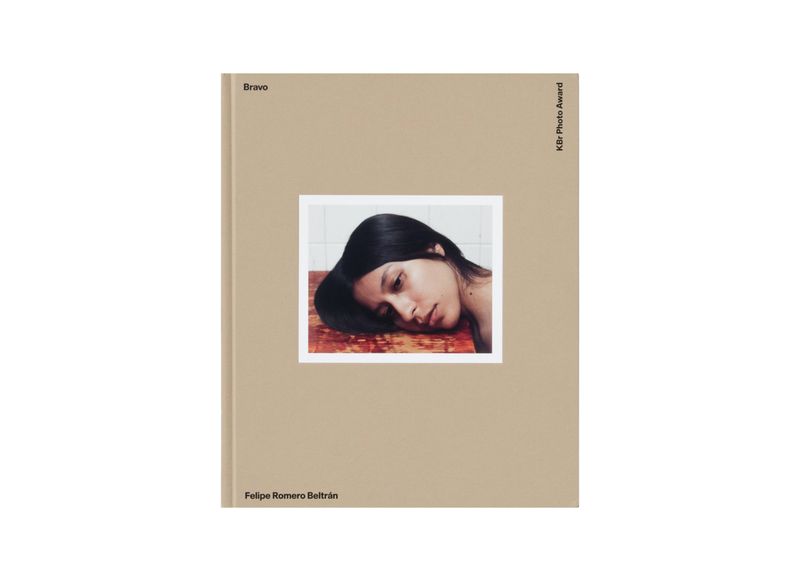
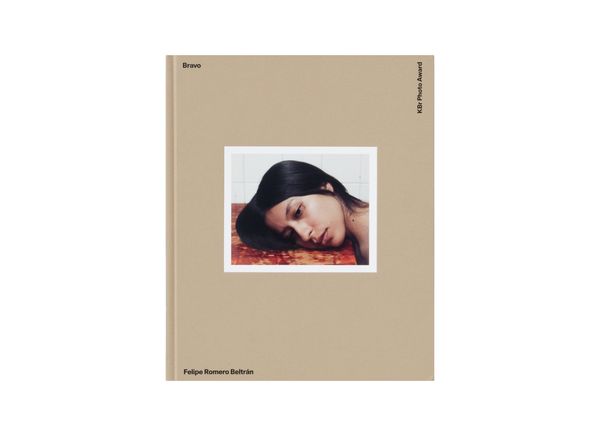
Bravo by Felipe Romero Beltrán, published by Loose Joints
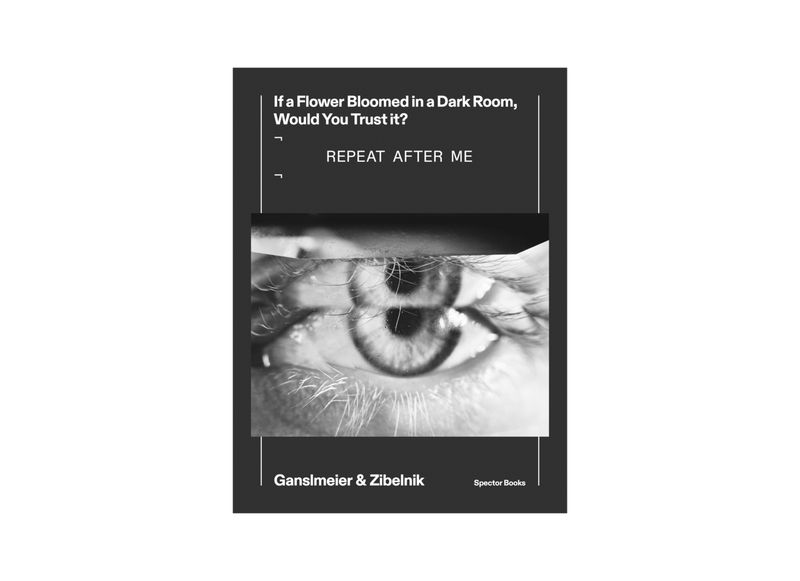
If A Flower Bloomed In A Dark Room Would You Trust It? by Jakob Ganslmeier and Anna Zibelnik, published by Spector Books
Selected by Katy Hundertmark (Curator and Managing Editor of Foam Magazine, and PhMuseum 2025 Women Photographers Grant Juror)
Each in their own captivating way, the three books I selected probe the fragile, shifting space where polarisation, exclusion, and resilience intersect. Bravo confronts the pressures placed on young migrants, revealing the tensions between personal identity and societal control at the US-Mexican border. If A Flower Bloomed In A Dark Room Would You Trust It? explores the psychological and social shadows cast online by extremist ideologies, while also tracing the quiet strength required to resist them. I Will Keep You In Good Company offers an intimate, empathetic counter-narrative to marginalisation, foregrounding everyday humanity. Together, these books illuminate how individuals navigate the forces that seek to shape, limit, or radicalise them, offering a much-needed reflection of some of the most critical themes of our times.
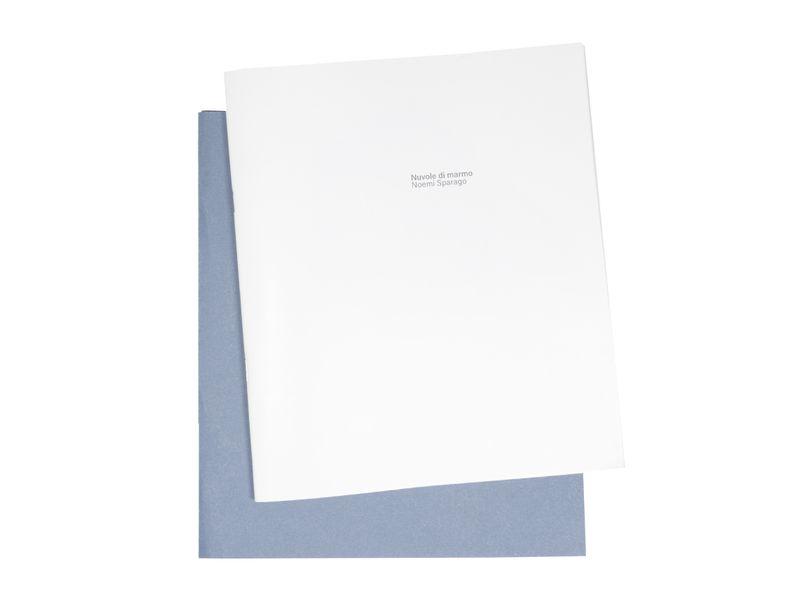
Nuvole di Marmo by Noemi Sparago, self-published
Selected by Erik Kessels (Artist, Designer, Curator, and PhMuseum CURAE Head Professor)
In 1813, the Reale Casa dei Matti, one of Italy's many psychiatric hospitals, was founded in Aversa. The facility met the main healthcare requirements of the time: a location outside the urban perimeter yet well-connected to the city. Initially, the focus was on patient rehabilitation, but this was soon replaced by the vision of a dedicated internment facility. Today, the facility is in a state of total abandonment. The memory of the place seems to have been lost, and with it the stories that passed through it. Noemi Sparago made a wonderful book as a result of working on this topic. In one part, she documented the hospital in a ’silent’ way, and for another part, she re-appropriated psychiatric patients on the marble remains of the hospital. The book is completed with video stills of the remaining films for the facility.
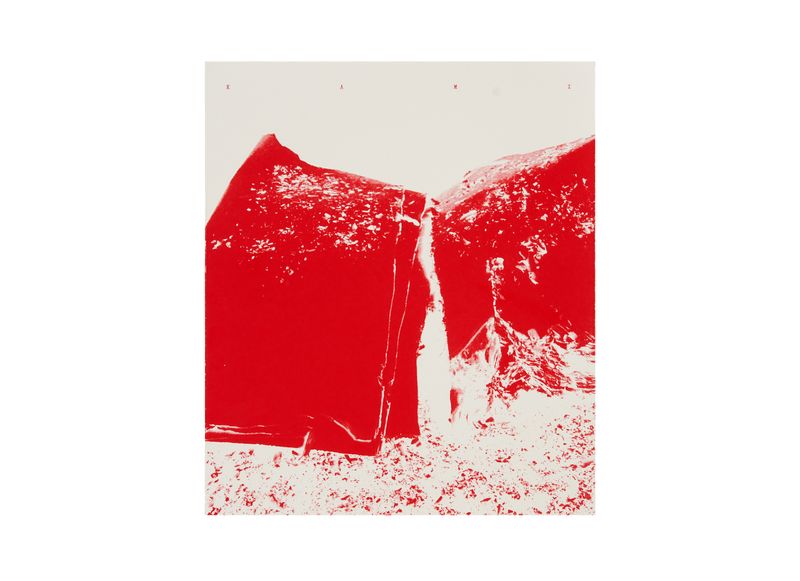
Kami by Hitoshi Fugo, published by L’Artiere
Selected by Rosa Lacavalla (Photographer, Visual Artist, and PhMuseum Community Manager and Education Coordinator)
In the silent dialogue between ash and form, the Japanese term "kami" reveals its dual truth: paper and god, both fragile. It is through the cellulose interwoven in every sheet that Hitoshi Fugo composes his work. He juxtaposes photographs taken in the aftermath of the 1995 Great Hanshin Earthquake in Kobe with close studies of a partially burned industrial paper roll found outside a fire-ravaged printing factory in Tokyo. Every story carries its own frailties: those of humanity, of the divine, and of matter. Kami guides us in the search for a spiritual residue following trauma, and Fugo has chosen to restore it to new landscapes and perspectives through the shape of a photobook. The paper itself ceases to be a passive background to become the protagonist: it is the material that resisted fire and trauma, and which now, stronger than ever, serves as the custodian of the trace of what was.
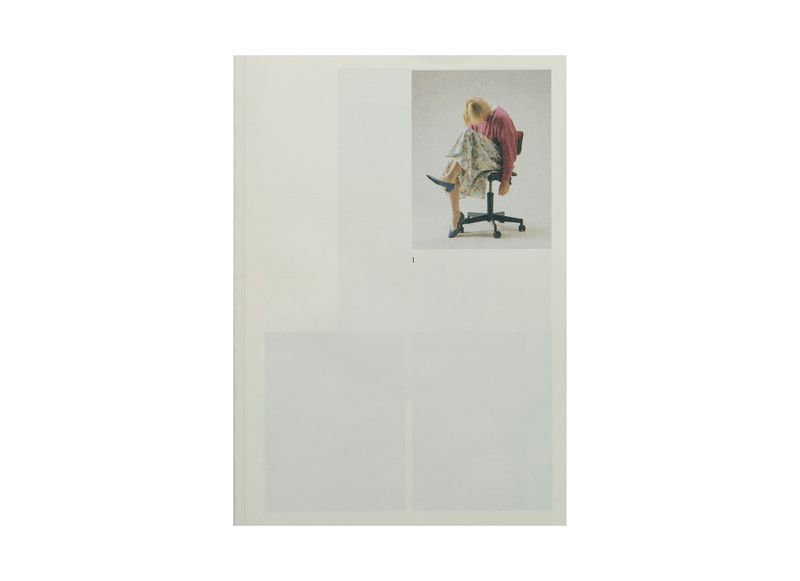
Static Motion by Carl Ander, published by LL’Editions
Selected by Erik Kessels (Artist, Designer, Curator, and PhMuseum CURAE Head Professor)
Carl Ander has been obsessively collecting manuals illustrated with photographs on the subjects of sports, health, and self-help. In this new book called Static Motion, he made an exciting overview of his passion. For me, the best book I’ve seen this year. Great inspiring edit, super design, and made with a sense of humor. A beautiful compilation of images that show how weird human beings can be.
And Then There Was The Night by Magdalena Wysocka and Claudio Pogo, published by Outer Space Press
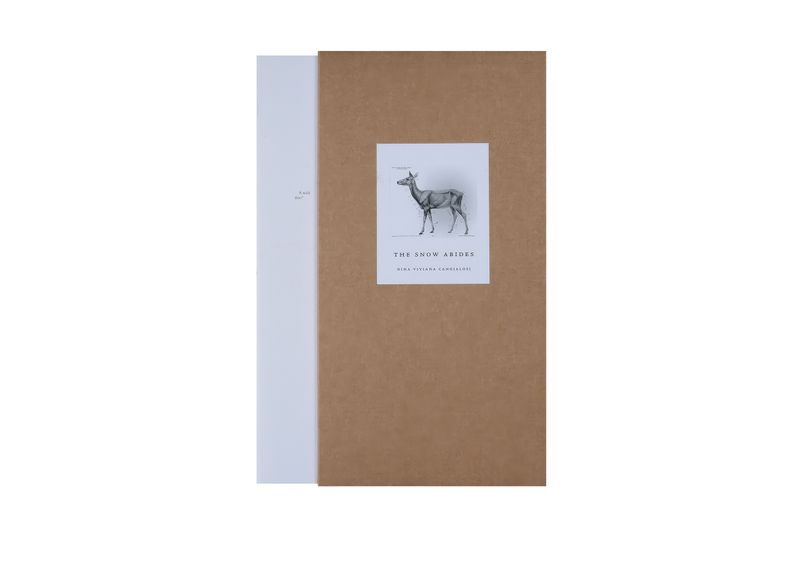
The Snow Abides by Nina Viviana Cangialosi, published by VOID
Selected by Danaé Panchaud (Curator, Museologist, Lecturer, Director Centre de la photographie Genève, and PhMuseum 2024 Women Photographer Grant Juror)
While these two books are not an immediately obvious pair, they speak of a longing, of a quest maybe, of a desire to grasp and hold onto a story, to harness photography as an almost mythical force to conjure memories – to cheat death even – that touches me immensely. They forge a path through assembled images in ways that feel as intuitive as they are precise, forming acutely beautiful objects.
Landing by Maen Hammad, published by As Huwawa
Selected by Camilla Marrese (Graphic Designer, Photographer, and PhMuseum Visual Editor)
Maen Hammad drags us into the undercurrents of Palestinian skateboarders in the occupied West Bank. A line on page 43 filters my reading of the whole book: “Skateboarding is a critique of space”. The skateboarders physically slide through violence and an architecture of control – checkpoints, facial recognition cameras, “apartheid tech” as Hammad names it. Asphalt and its urban declinations are repurposed by Aram, Adham, Karem, Kilani, Tala, and all the others; the city is reimagined and reclaimed through their movement. Within the photographic frame, their bodies in free fall resignify a landscape of trauma and perpetual injustice. They inject it with liberation and escapism as forms of resistance. Hammad’s images are visual proof against dehumanization. “As in: the unceasing ability to be young, alive, and somehow still expanding in a world that is formulated to eradicate you whole”. 100% of the artist’s proceeds will go to support the Palestinian skateboard scene and mutual aid efforts in Gaza.
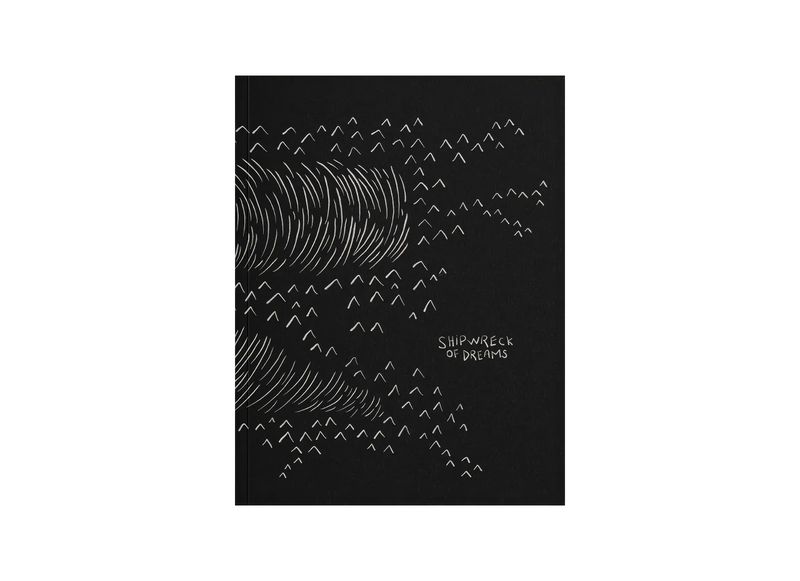
Shipwreck Of Dreams by Emilio Nasser, published by Artphilein Editions
Selected by Krzysztof Candrowicz (Curator, Artistic Director, and Researcher, and PhMuseum 2025 Photography Grant partner)
It is an incredible book in every aspect, starting from its poetry, narrative, and storytelling, as well as the physicality of the object and the finishing. It's a cross-media project, blending photographs, drawings, archival materials, collaborative portraits, and essays with texts of Claudia Wilopo, Jenny Steiner, Jonathan Pärli & Rica Cerbarano. A real masterpiece!
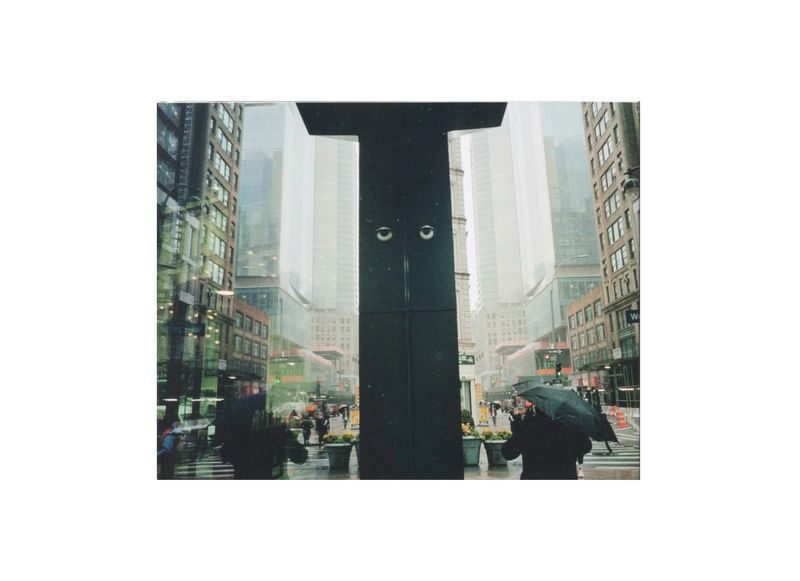
You Are What You Do by Daniel Arnold, published by Loose Joints
Selected by Lucia De Stefani (Writer, Editor, and PhMuseum Editorial Contributor)
At times, it feels adrift among the high-rises (and high rents) that now define the city—new neighborhoods of glass and steel, high-end boutiques and chain stores flattening the landscape into sameness. Yet Daniel Arnold still sees what endures. He captures and offers us the New York that lives beneath the surface—alive in fleeting moments — its people — so diverse yet harmonizing like voices in chorus, echoing the full spectrum of feeling we move through in a day, in a life: joy and sorrow, surprise and wonder. These are the notes that remind us who we are. You Are What You Do reflects us back to ourselves—scenes we pass daily, etched in memory yet ephemeral, moments that only the keen eye of this street photographer can catch and preserve within the city's restless rhythm. It's fitting, then, that there are no captions, no descriptions, no introductory text to adorn or explain his photographs. From his vast body of work, Arnold has distilled an essence held in images alone.
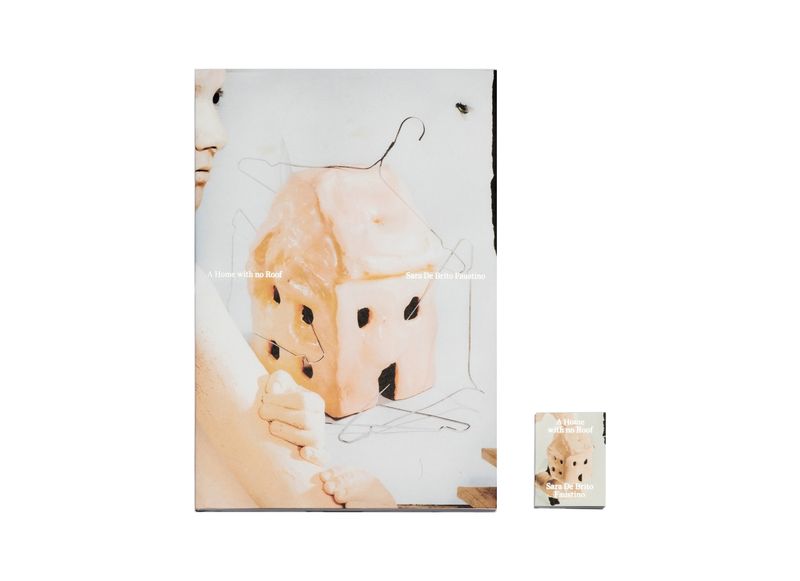
A Home With No Roof by Sara De Brito Faustino, published by Éditions Images Vevey and Ciao Press
Selected by Giuseppe Oliverio (PhMuseum Founder and Artistic Director)
Sara Faustino’s plastic work is carefully molded into this publication, allowing us to enter the dysfunctional home of her childhood. The book becomes a fitting instrument for experiencing this body of work – not only because of its clever design playing with space and proportion, but also because of the performative nature of the visual research itself. As you flip through the pages, you feel like you are roaming through the apartment. As you search for clues, you get trapped in a labyrinth where the sense of claustrophobia clashes with the calm and soft visual approach chosen by the artist. Enjoy this book, both the regular and miniature editions, to further shift your perception of how emotions and memories can be reconstructed, and to find inspiration to perform an autopsy on your own.
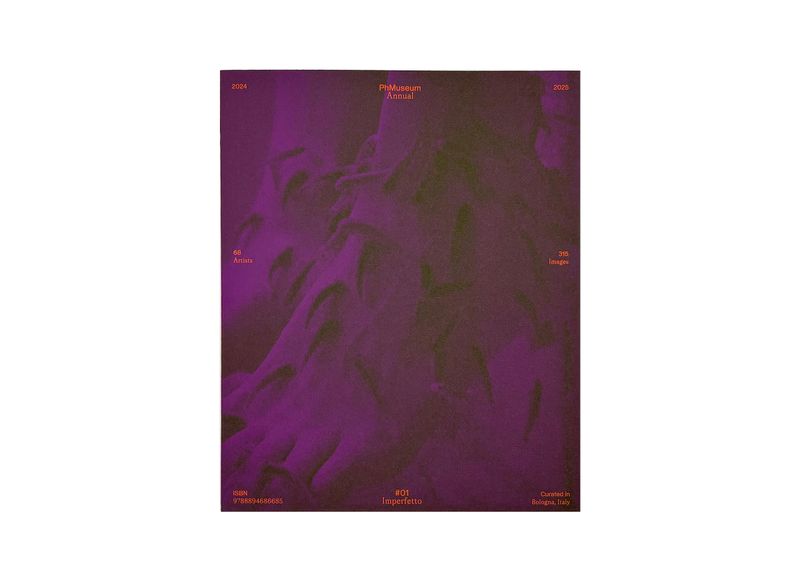
PhMuseum Annual #01 – Imperfetto, published by PhMuseum
Selected by The PhMuseum Team
Our choice of affection: Imperfetto – the inaugural number of PhMuseum Annual – is the volume we passionately worked on in 2025. Its title draws from the Italian word’s double meaning, referring both to a verb tense that describes ongoing actions in the past and to an adjective describing things that are incomplete or deviating from an ideal state of perfection. Both interpretations apply to the content of this publication, featuring long-term projects by photographers exploring contemporary issues from a slow, critical perspective, whose visual essays aim not for completion but to provide a basis for conversation and reflection. Imperfetto also reflects the nature of this printed publication, covering the past 12 months of activities at PhMuseum and crafted after a summer of planning, writing, and designing, which, despite all the effort, might still contain errors or inconsistencies that we embrace. This first issue includes portfolios, conversations, exhibitions, curatorial focuses, education, practical toolboxes, and more.
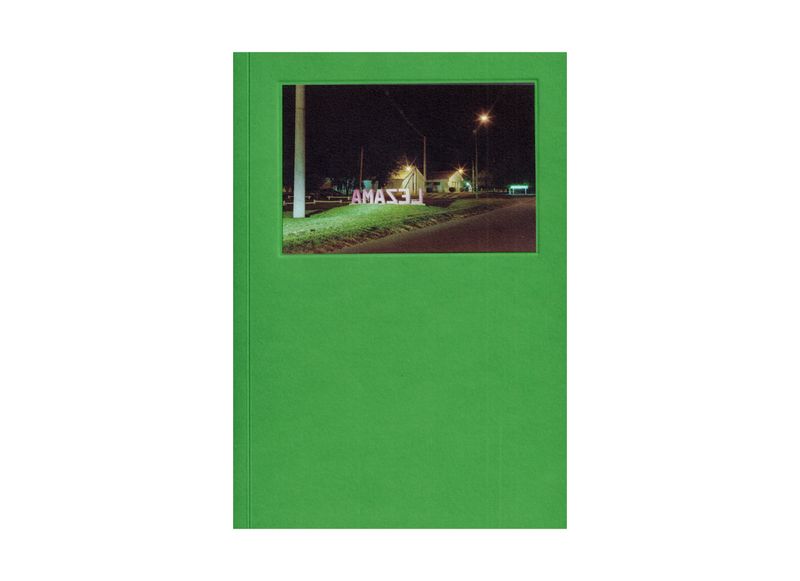
Lezama by Juan Pablo Tristán, published by SED Editorial
Selected by Nicolas Janowski (Lens Based Artist, Curator, and PhMuseum Mentor)
In Lezama, by Juan Pablo Tristán and published by SED Editorial (Argentina), the camera becomes a witness to a deep, enduring relationship with the land, the garden, and the roots that shape us. More than a sequence of impeccably crafted images, the book is a meditation on becoming: each photograph functions as a link in a vital chain, where stillness breathes, and the everyday reveals its sacred dimension. It is a work that invites reflection on belonging, memory, and the subtle, invisible signs through which life unfolds.
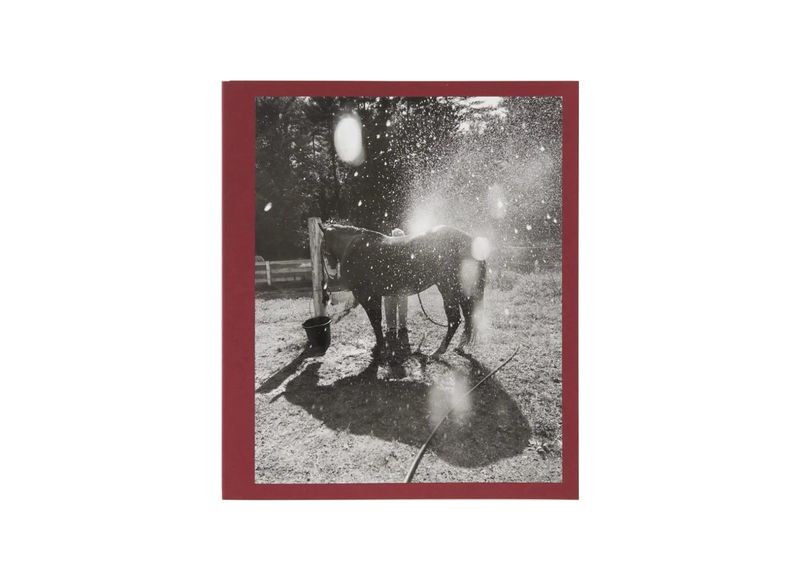
Calling The Birds Home by Cheryle St. Onge, published by L’Artiere
Selected by Lucia De Stefani (Writer, Editor, and PhMuseum Editorial Contributor)
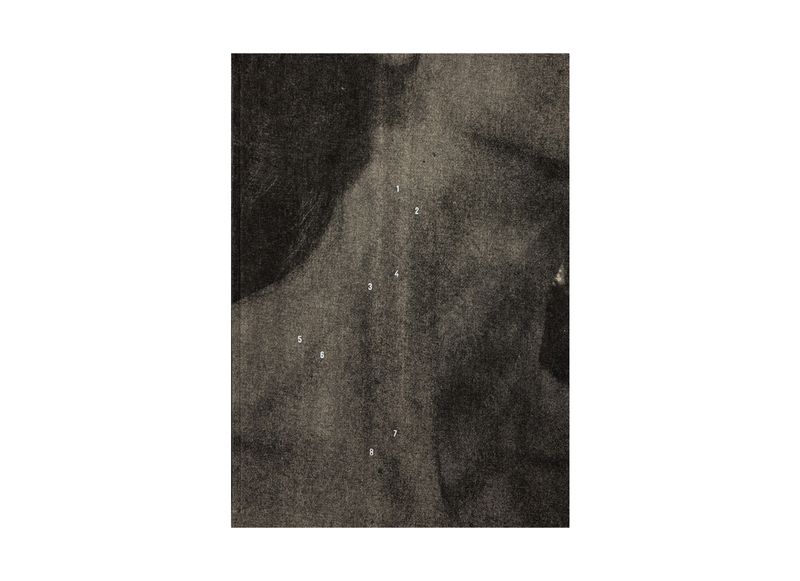
Cheryle St. Onge creates a delicate, aching album of portraits and quiet moments—a hymn to love and memory, tracing the contours of her mother's life until 2020, when she passed away. There is the slow, inevitable descent into forgetting—movements growing softer, sometimes out of step with the world, yet also freed from the weight of convention. In her mother, we recognize everything: the proud lift of her gaze, the curve of her nape, hair cropped close like winter grass, the quiet strength of her shoulders. A universe rendered in black and white, luminous and intimate, where small horizons hold infinite meaning. And there is the inner world she inhabits—one that St. Onge enters as if crossing a threshold into sacred but familiar ground, offering it to us with tenderness, grace, longing, and love. Calling The Birds Home is something beyond photography—it is devotion made visible, love given form.
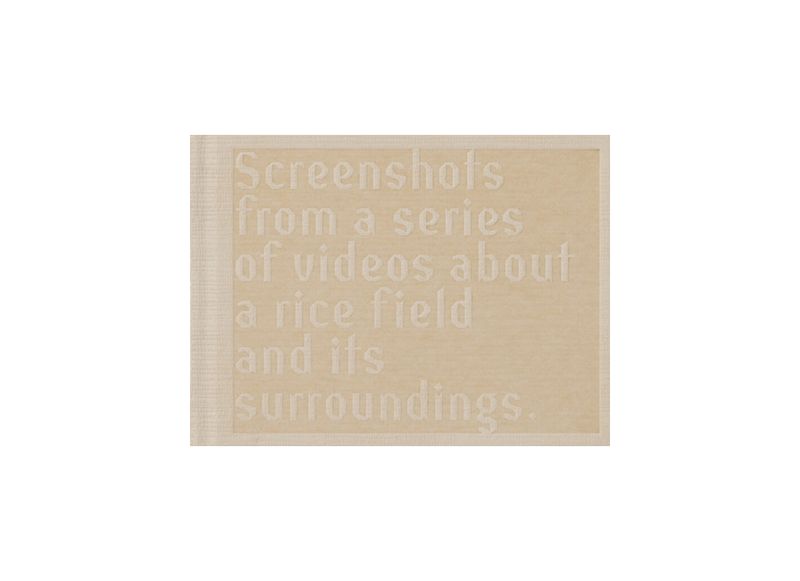
Screenshots From A Series Of Videos About A Rice Field And Its Surroundings by Cintia Tortosa Santisteba, published by Chose Commune
Selected by Camilla Marrese (Graphic Designer, Photographer, and PhMuseum Visual Editor)
I love small books that fit into the shortest of shelves as much as I love narratives built around obsessive repetition. This, together with a voyeuristic fascination for the everyday, banal life of strangers, is enough to make Screenshots from a series of videos about a rice field and its surroundings stay with me. I feel privileged to be in Cintia Tortosa Santisteban’s position, peering over her fifth-floor balcony in Japan. This privilege speaks to the very essence of photography – being carried somewhere I have never been, able to see through the eyes of someone I will never be. As cheesy as it might sound.
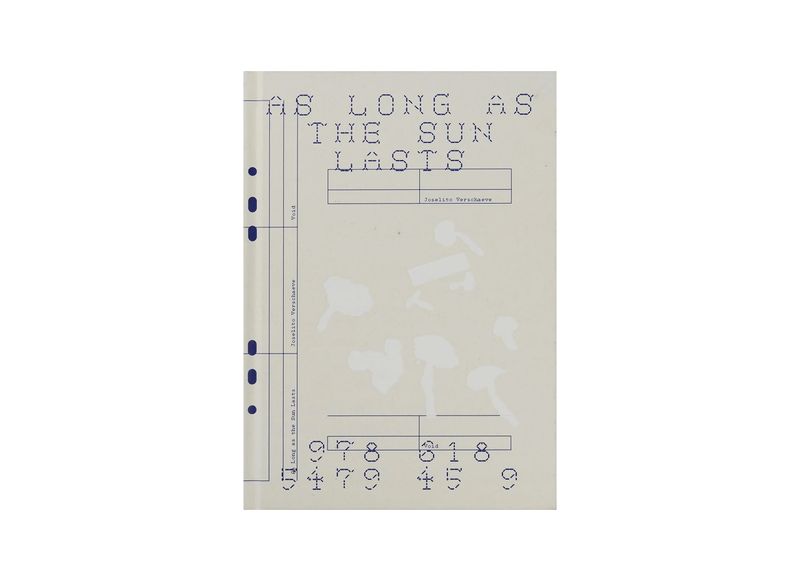
As Long As The Sun Lasts by Joselito Verschaeve, published by VOID
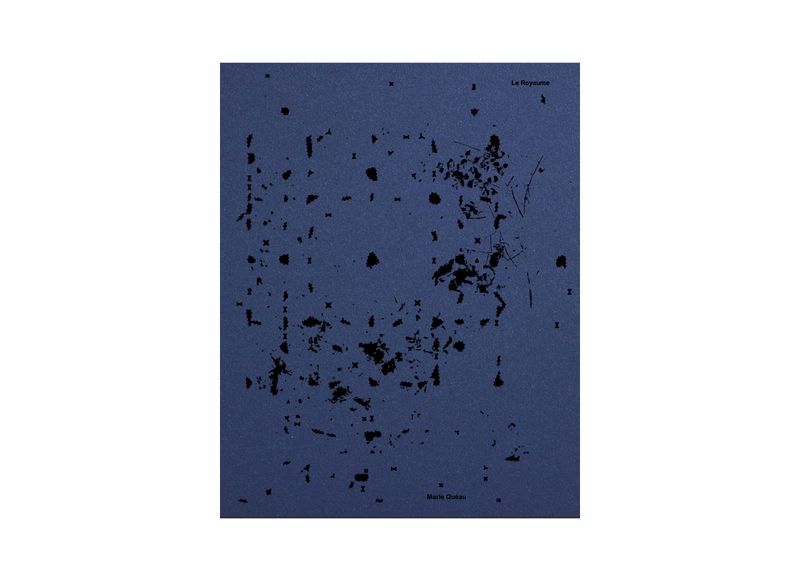
Le Royaume by Marie Quéau, published by Area Books
Selected by Karolina Kluza (Cultural Studies Researcher and PhMuseum Intern)
Both Le Royaume and As Long As The Sun Lasts explore states of transition – moments that resemble rites of passage, shaped by a search for visual omens. Though each book carries its own narrative energy, Verschaeve’s fragile harmony and Quéau’s mysterious chaos share a similar poetic sensibility: an apocalyptic undertone, sculptural, ancient-like imagery, and a dense, organic materiality. Paired together, they are an intriguing example of how contemporary photography engages with themes of transience and mysticism, offering a distinct yet resonant reflection on collapse and renewal in a world that feels increasingly uncertain.
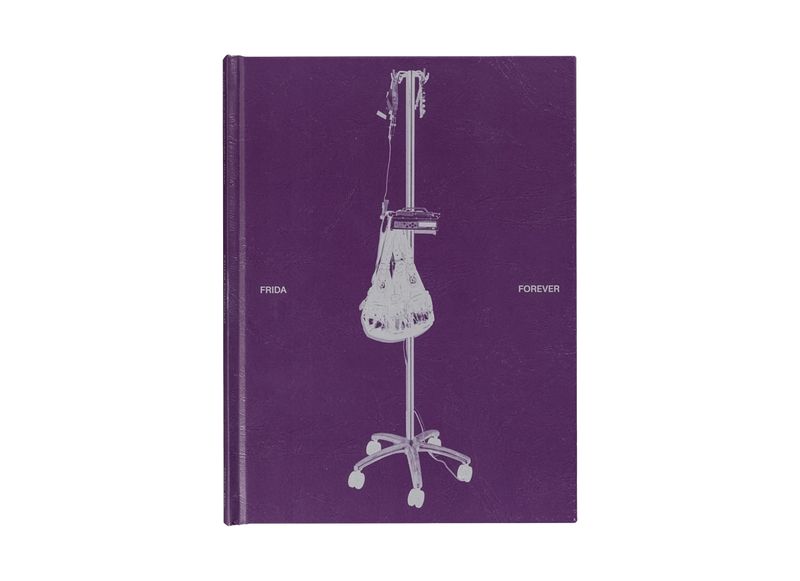
Frida Forever by Frida Lisa Carstensen Jersø, published by Disko Bay
Selected by Colin Pantall (Writer, Photographer, Lecturer, and PhMuseum Editorial Contributor)
Frida Forever is a book on the Kingdom of the Well and the Kingdom of the Sick. The author moved from one kingdom to the next 13 years ago, and this is the story she tells. The images are direct and to the point; the accompanying text has an out-of-body feel to it, combining sarcasm and wit in equal measure.
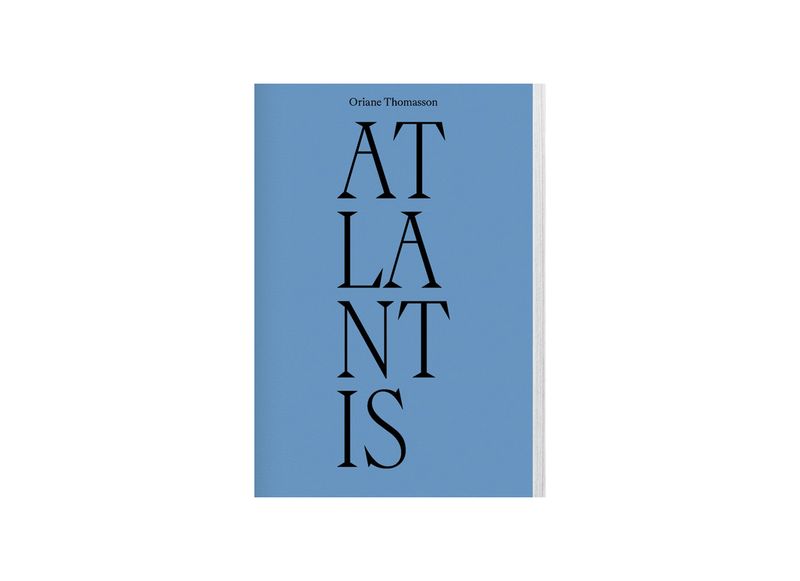
Atlantis by Oriane Thomasson, published by The Eriskay Connection
Selected by Rosa Lacavalla (Photographer, Visual Artist, and PhMuseum Community Manager and Education Coordinator)
The whisper of a submerged paradise, swallowed not only by the waves but by an omen sculpted in time. Oriane Thomasson's Atlantis weaves a silver thread between the Platonic myth and our contemporary ruins. Turning the pages, one embarks on a crossing where the images, like fragments of a re-emerged shipwreck, unveil the memory of a magnificent island and the premonition of its oblivion. Are those re-emerged fragments perhaps the mirror of a destiny that awaits us? It is an exploration suspended between the idyll of a luminous surface and the darkness of the abysses, where ancient grandeur duels with the fragility of the present. What silence will greet the end of our splendor? And our traces, what ruins will they leave as a legacy for tomorrow? The eye becomes an archaeologist, gathering visible clues and buried narratives to forge a new fiction, reminding us that even beneath the threat of disappearance, new and unexpected forms resurge.
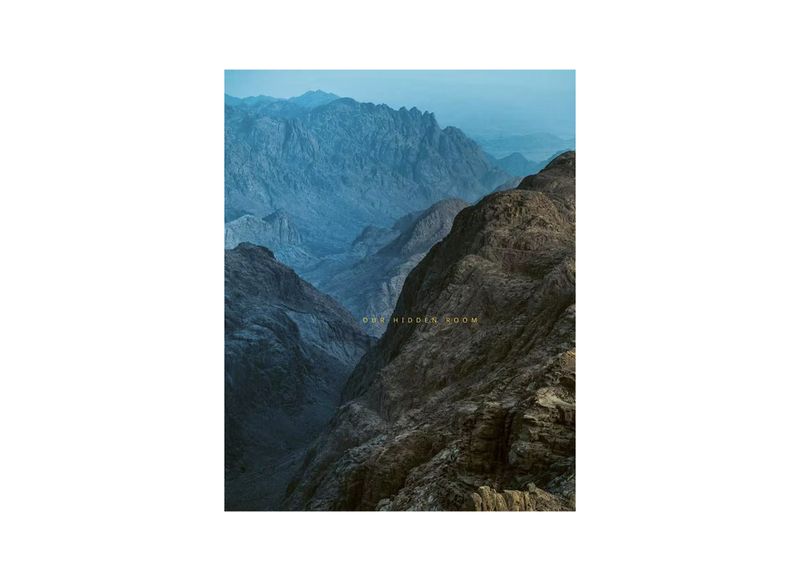
Our Hidden Room by Mohamed Hassan, published by Editorial RM, Ediciones Posibles, Fundación Photographic Social Vision, and PHREE
Selected by Colin Pantall (Writer, Photographer, Lecturer, and PhMuseum Editorial Contributor)
Our Hidden Room is a book about Hassan’s father and his transition from a member of the Egyptian army to an inmate in various Egyptian psychiatric institutions. The images have a depth to them and touch on family dynamics, fatherhood, masculinity, what it means to be Egyptian, and ultimately about Hassan himself.
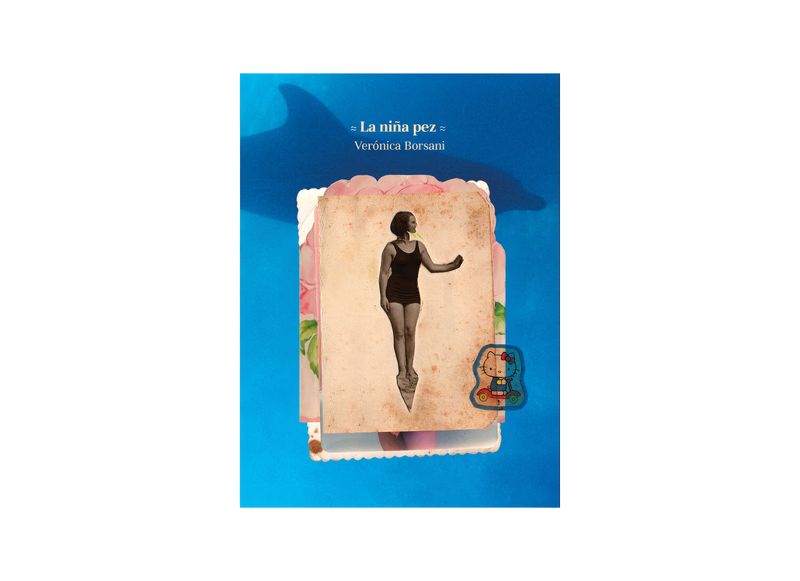
La Niña Pez by Verónica Borsani, published by La Luminosa Editorial
Selected by Nicolas Janowski (Lens Based Artist, Curator, and PhMuseum Mentor)
In La Niña Pez, artist Verónica Borsani weaves a fragmented narrative—interlacing family photographs, children’s drawings, and intimate testimonies—to confront the trauma of abuse with unflinching honesty. Published by La Luminosa (Argentina), the book becomes an act of radical memory and poetic reparation: the intimate turns collective and the silenced becomes a voice. A profound and beautifully designed work that stayed with me long after closing it.