Matthias Jung On His Exhibition Esperanto At PhEST
-
Published6 Feb 2025
-
Author
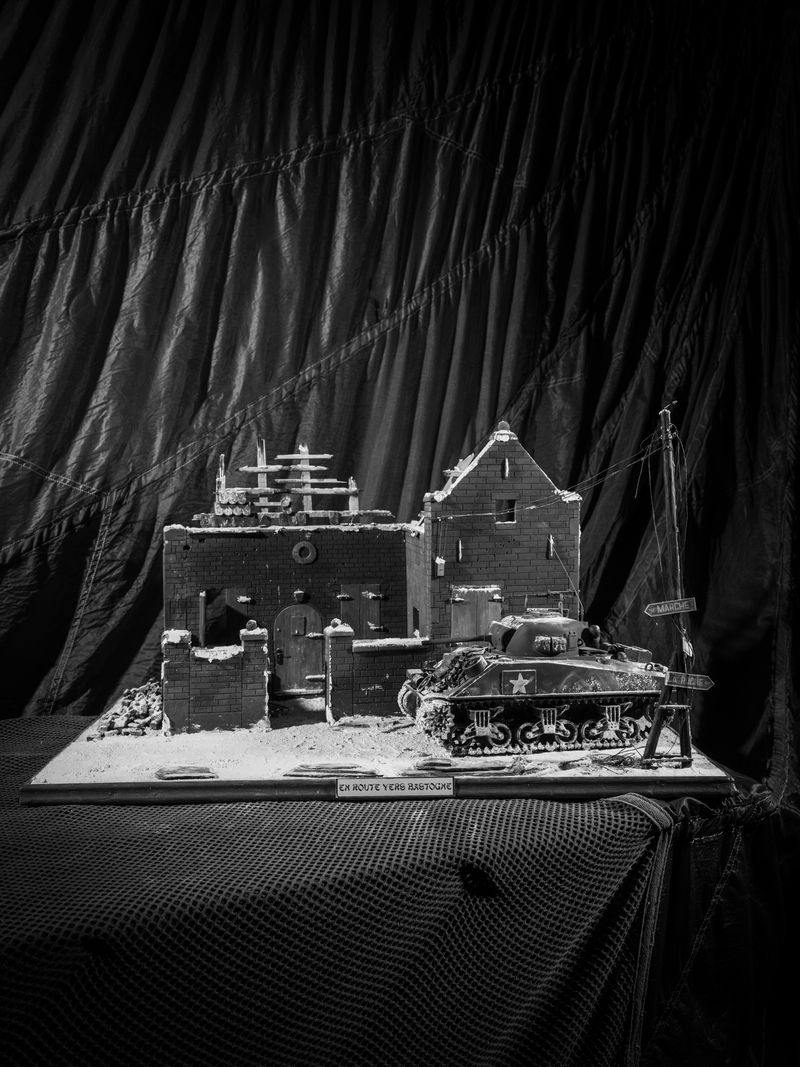
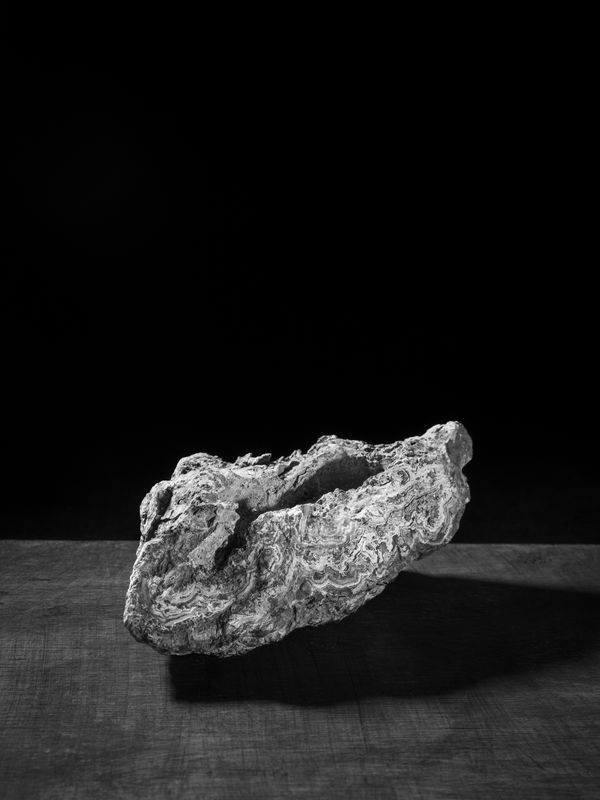
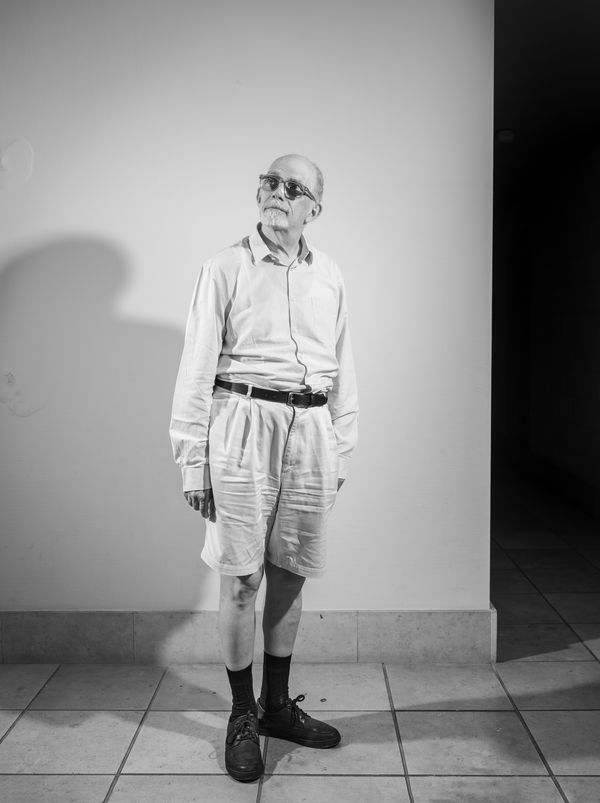
Describing a small Belgian region where German speakers once dreamt of independence and a national language, Esperanto, Matthias Jung's work was awarded a solo exhibition in Monopoli, Italy, through the PhMuseum 2024 Photography Grant.
The collaboration between PhEST and the PhMuseum Photography Grant has been running since 2019, every year bringing one artist to exhibit in the Apulian town. Previous exhibitors include Liza Ambrossio, Jacob Balzani Lööv, Nancy Floyd, Marcel Top and Ingmar Björn Nolting. Last year, Esperanto by German photographer Matthias Jung reached Palazzo Palmieri, a building dating from the 18th century. There, visitors could connect with the dream of a community united by the language Esperanto, and the story of what actually happened after this political experiment. With the 2025 Photography Grant's applications closing today, we touched base with Matthias Jung to look into the process behind his experience with PhEST.
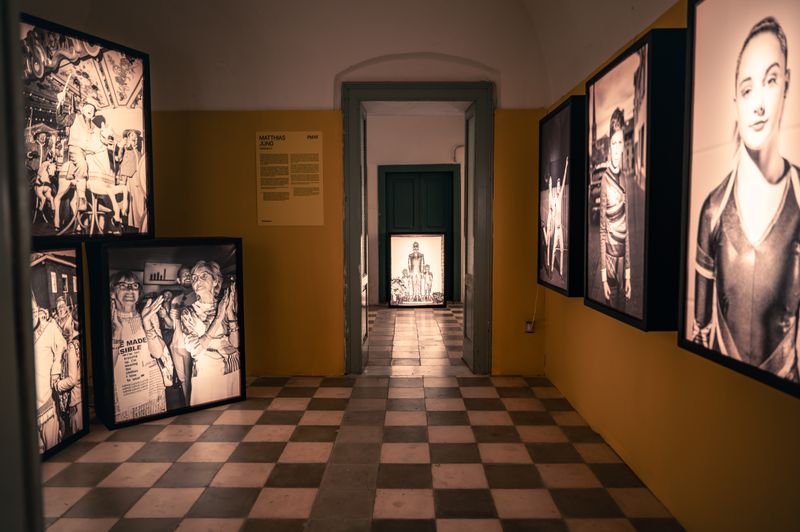
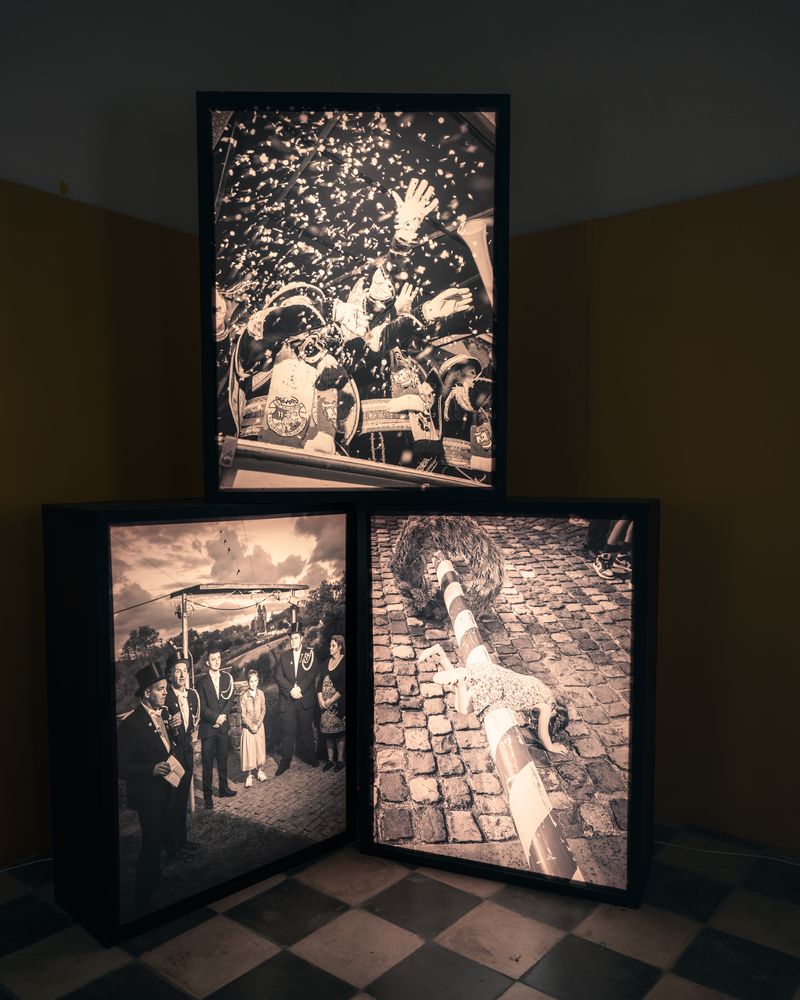
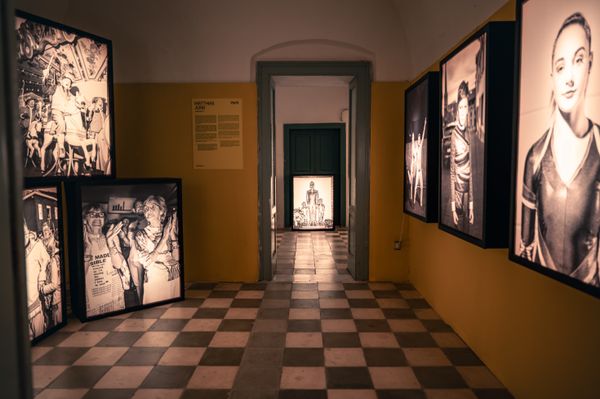
Esperanto takes us to a land of ancient borders, right on the linguistic divide of Belgium, with a complex history. Looking back at your exhibition at PhEST, the smooth atmosphere created by the lightboxes transported visitors to a vanished time. How was it like to have your work taking this shape?
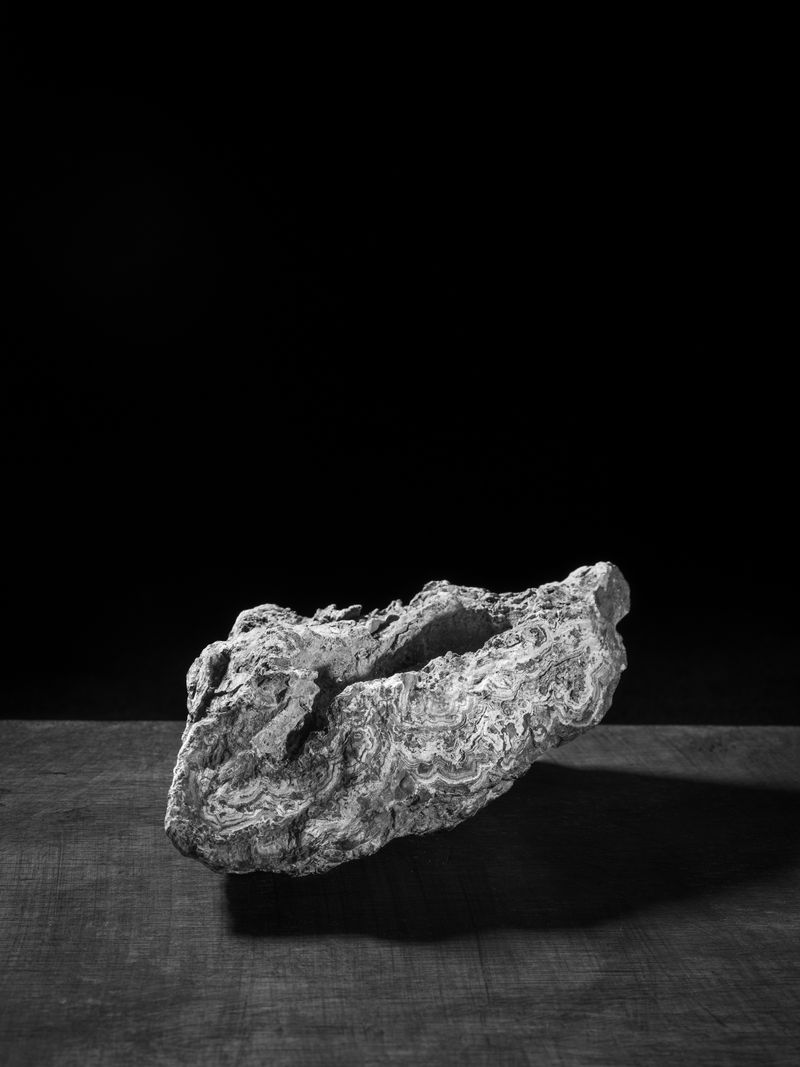
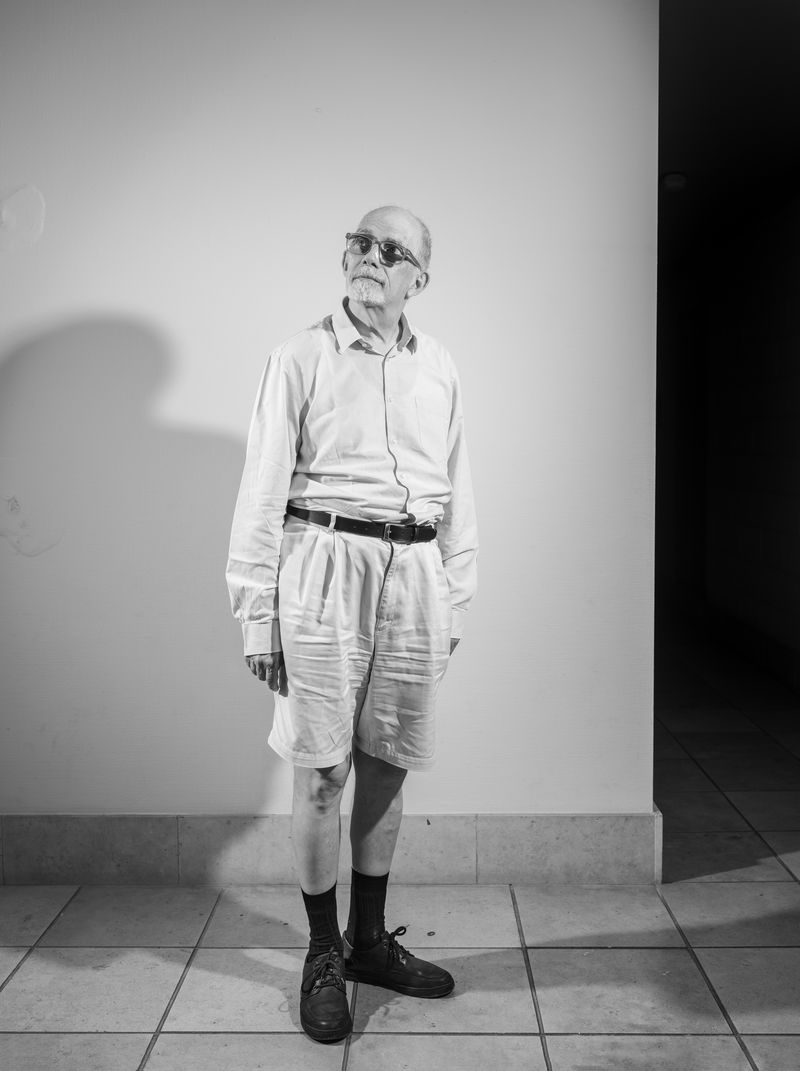
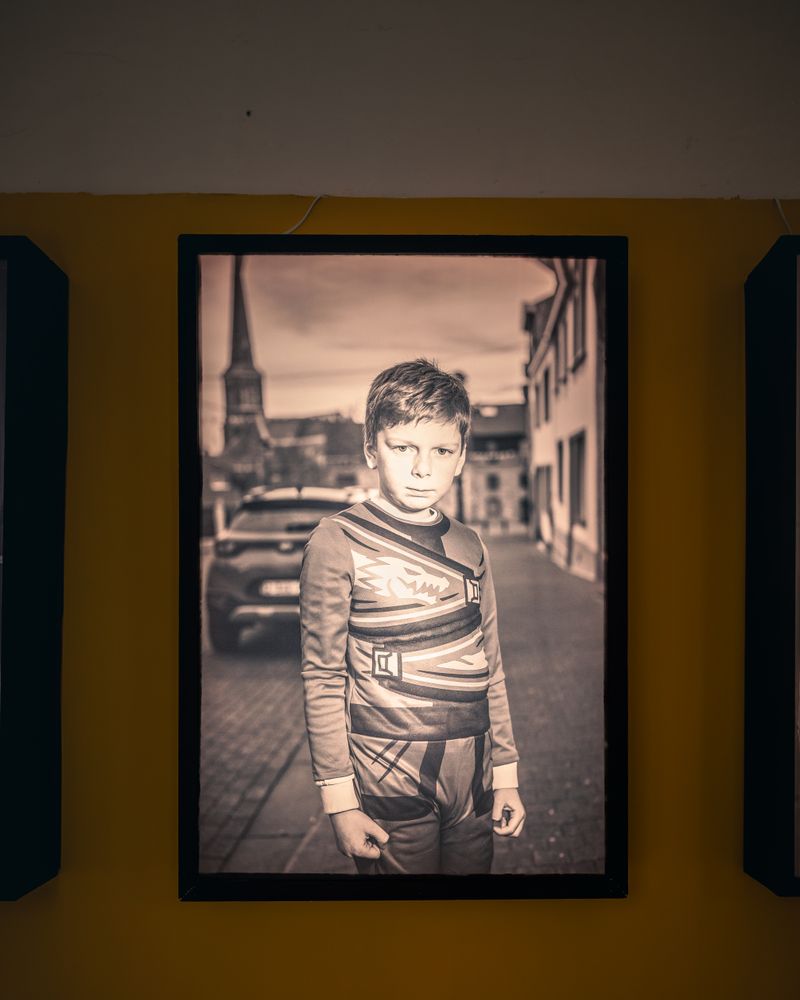
As I couldn't come to Monopoli, I was only able to follow the show from a distance. The presentation of my work in the light boxes surprised me at first. I wouldn't have thought of this kind of presentation and I thought it was great to see how people who have a greater distance to my work than I do deal with it. The transmitted light makes the pictures look much softer than the flashed, hard black and white in which they are photographed. Nevertheless, it seems to fit. It is probably proof that there is no one right way to tell a story. My penchant for complex, somewhat sprawling narratives is of course difficult to capture in a dozen or so photos. So it's important to use a few strong, contrasting images to mark the cornerstones around which the story revolves. This seems very successful and I hope that a few visitors have taken the trouble to read up on what this former Esperanto area is all about. I was very fascinated by the exhibition palace in the photos and videos I saw. I really want to visit Monopoli.
How did your collaboration with the Festival’s curators practically work?
As I couldn't be on site, I could only rely on their experience. I think that worked well. However, I had seen pictures of PhEST's previous presentations on the internet. That simply gave me confidence.
Exhibiting at a festival is often different than working with a gallery or a museum. How did you like this format, also in relation to the specificities of your project?
A festival is often much livelier than a museum or gallery. It lives on its own, the visitors are part of it, not just visitors. There is also much more variety thanks to the large number of small exhibitions. It just feels good to be part of a project with so many great colleagues from all over the world.
Is there anything new you learned or cherish from this experience with PhEST?
Definitely go there and also turn down jobs for it. I'm so annoyed that I wasn't there. When I finally had a free time slot, I was ill.
How does exhibiting your artwork contribute to your own artistic development? What insights or changes can an exhibition bring about in your creative process?
To be honest, I don't exhibit enough to answer that. But I actually find every exhibition enriching where there are not just pictures hanging next to each other on the wall, but where there is communication between the pictures. On the other hand, if only the show is the attraction and not the work, then something is going wrong as well.
What advice would you give to someone applying to our Grant?
Apply for it. Even if you think your work is too complex or complicated. There seem to be people here who appreciate that.
--------------
The PhMuseum Photography Grant has established itself as a leading prize in the industry over the last 12 years, renowned for recognising the importance of contemporary photography and for supporting emergent artists through cash prizes, exhibitions at international festivals, educational activities and exposure on online media. This year, PhEST will offer a new solo show to one work selected from our open call. You are welcome to present your work before 13 February 2025 at 11.59 pm (GMT). Learn more and apply at phmuseum.com/g25.
PhEST is a festival founded in Monopoli, Italy, dedicated to photography, cinema, music, art, and contaminations. PhEST has entrusted the artistic direction to Giovanni Troilo and the photography curatorship to Arianna Rinaldo.