Lewis Chaplin On The Book As A Guide For Narrative
-
Published7 Jun 2024
-
Author
We met up with the head professor of FOLIO, PhMuseum's Online Masterclass on Photobook Making to catch a glimpse of his teaching approach and guidance on editing, sequencing, thinking, choosing and trying things out to arrive together at a first draft.
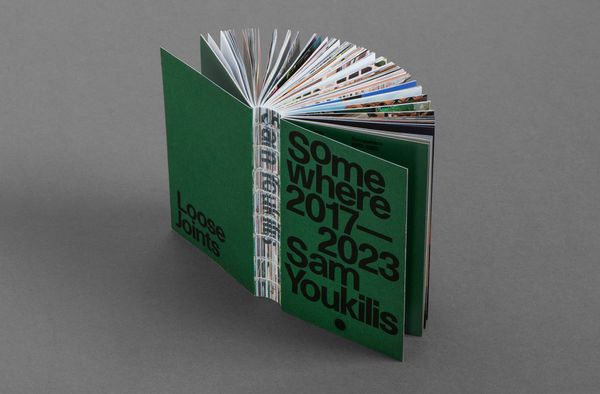
Applications are now open for the next edition of FOLIO 2024/25, which will led for the first time by Lewis Chaplin, co-founder of the independent publishing house and design studio Loose Joints. Mixing theoretical seminars with practical sessions, individual meetings with group classes, Chaplin will inspire and follow emerging practitioners through the advanced phase of their projects with the goal of concluding a body of work and having it ready for publishing.
Ciao Lewis, thanks again for joining our Masterclass Program this year. Can you provide an overview of your experience and philosophy when it comes to photobook making?
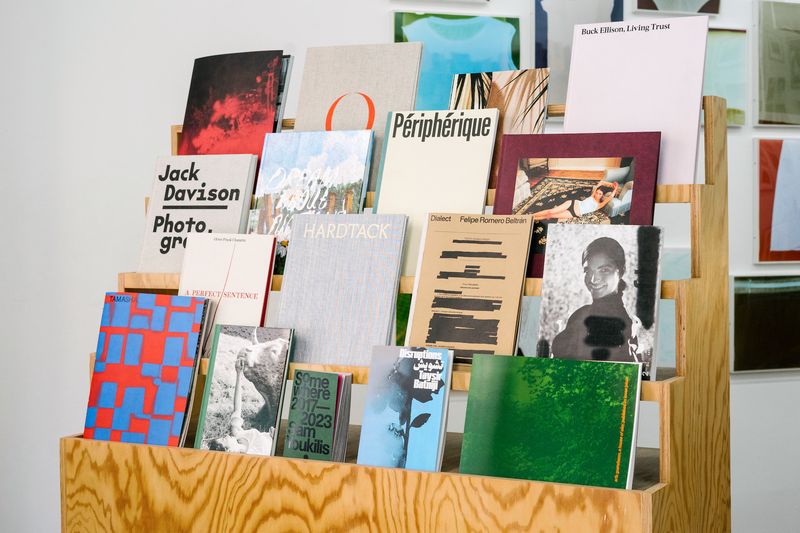
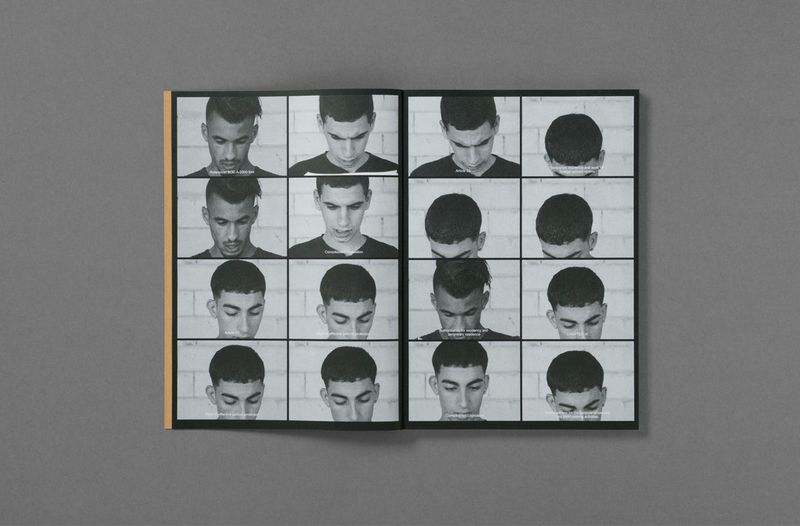
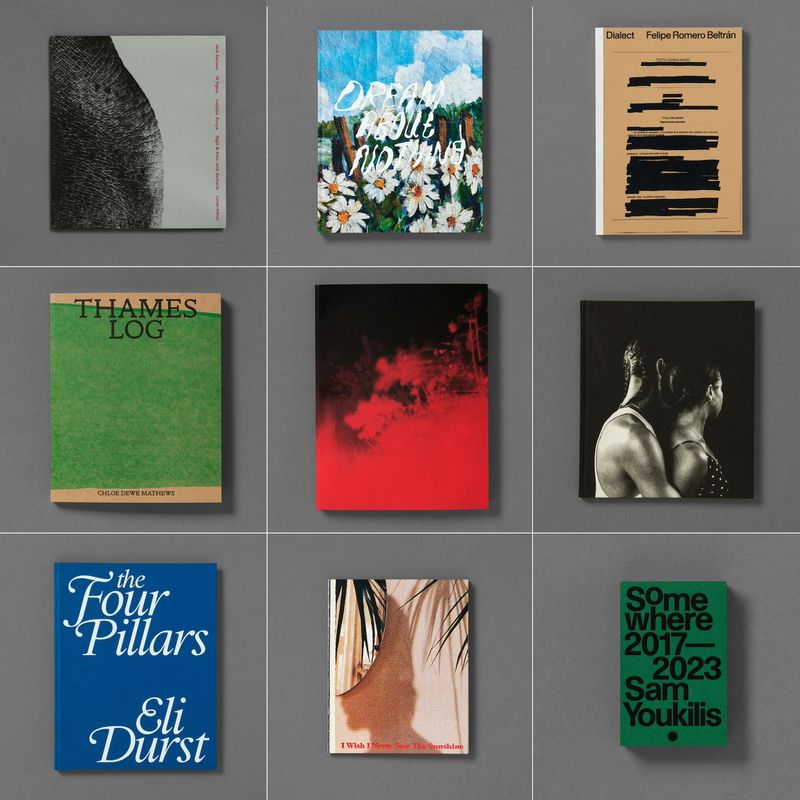
Since the age of sixteen I have been involved in the world of publishing photography. This passion has shifted from self-publishing, to zines and eventually books, to collaborative platforms, organising bookfairs, to becoming a graphic designer, to eventually creating Loose Joints with my partner Sarah Chaplin Espenon ten years ago. I have tried to stay consistently curious and open throughout these stages. My interest in publishing comes from a simple question: what happens to photography when you put it on the page, and what ideas and techniques can I bring that will advance that photographer’s narrative message?
The book is a frame and a guide for narrative, which also means that what you put in that frame is important. Sarah and I have focused our publishing on contemporary, emergent, under-represented, politically- and culturally-engaged projects since the beginning for this reason. Finally, my academic background in Anthropology informs a lot of what I find to be photographically engaging – how a specific story, experience or practice can use photography to speak broadly and generously about wider human experience.
Can you briefly describe your usual process working with artists on their books? Are there sort of “fixed” steps or is it different every time?
Over the years our process has become more fluid where the steps intermingle. Sarah is the Creative Director and Editor of our projects, and so her ideas are often integral to shaping the edit, sequence and creative direction of a book. Alongside that and in parallel to heer, I am engaged with the conceptual, graphic, technical and reprographic sides of each project. Nowadays, we like to bring artists to our atelier in Marseille, often with no predefined idea of the book before they arrive. We start with a blank document, and spend days in the studio discussing the intention of the work with the artist, then eventually editing, sequencing, thinking, choosing and trying things out to arrive together at a first draft, design direction, choice of format, materials, and more. I find this richly rewarding as all the different processes of the book are interlinked. We always make our covers last, so they are a reflection and can absorb all of that prior collaboration. This process of course varies from artist to artist – some people have clearly defined ideas and established skills in editing and shaping their own work in book form, and some are looking for us to dive into tens of thousands of images and help find that form with them.
What role do you think research and conceptual development have in the design of a book?
As a self-taught graphic designer I always prioritise the content of our books, and using graphic design as a support. That doesn’t mean that we don’t prioritise a refined and meticulous approach to book design – quite the opposite actually – but we want to ensure that design services the narrative. This means every tiny choice about the book’s material and graphic qualities is being rigorously stress-tested to ensure it ‘means’ something in relation to the narrative qualities of the work.
What do you enjoy the most about teaching and what is your approach to it?
Publishing is all about entering someone else’s world, understanding how they think and feel about the projects they make, and then using your own experience and knowledge to extend those ideas into the graphic and printed sphere. Teaching isn’t very different from that – I’m always keen to understand exactly the what, who, when, where, why of a student’s work, and think about my own toolbox of ideas to guide them further.
Do you have any advice to share with prospect applicants and how do you think they can benefit from the program?
Allow your thoughts to change direction – Trust in the you of now – Generously borrow from those who have come before you – Don’t rush anything – Don’t be a perfectionist.
-----
FOLIO Online Masterclass On Photobook Making is part of the PhMuseum new educational program, comprising four different masterclasses that will all share a single intake period running until 20 June, with classes beginning in October 2024. Each course is tailored to meet the needs of emerging photographers, artists, curators, and contemporary storytellers looking to bring their methods to the next level. Check out which program suits you best at phmuseum.com/education