Charlotte Yonga Reimagining Youth And Belonging In Madagascar
-
Published20 Aug 2026
-
Author
- Topics Portrait, Landscape, Daily Life, Social Issues, Contemporary Issues, Awards
In her series (Tsy) Possible, photographer Charlotte Yonga looks beyond stereotypes to capture the tenderness, connection, and quiet hopes of Madagascar's young generation imagining its future.
When photographer Charlotte Yonga arrived in Madagascar for the first time in 2024, she did not yet know exactly what images she would create. During her residency at Fondation H in Antananarivo, she came with a broader question: how do you photograph connection—the relationships between people, and especially between young people, that hold a place together?
"I wanted to work on connection and relationships between people and youth," Yonga says.
At the arts foundation, which welcomes hundreds of visitors each day, she had a studio on site and spent weeks talking to the many young people passing through—art mediators, interns, visitors—explaining her project before taking any photographs.
Young people were not simply her subjects. They are a way of understanding a place.
"Youth is a catalyzer," she explains. "It’s what makes things change. It’s where you can feel the temperature of a place, of a culture, of an identity."
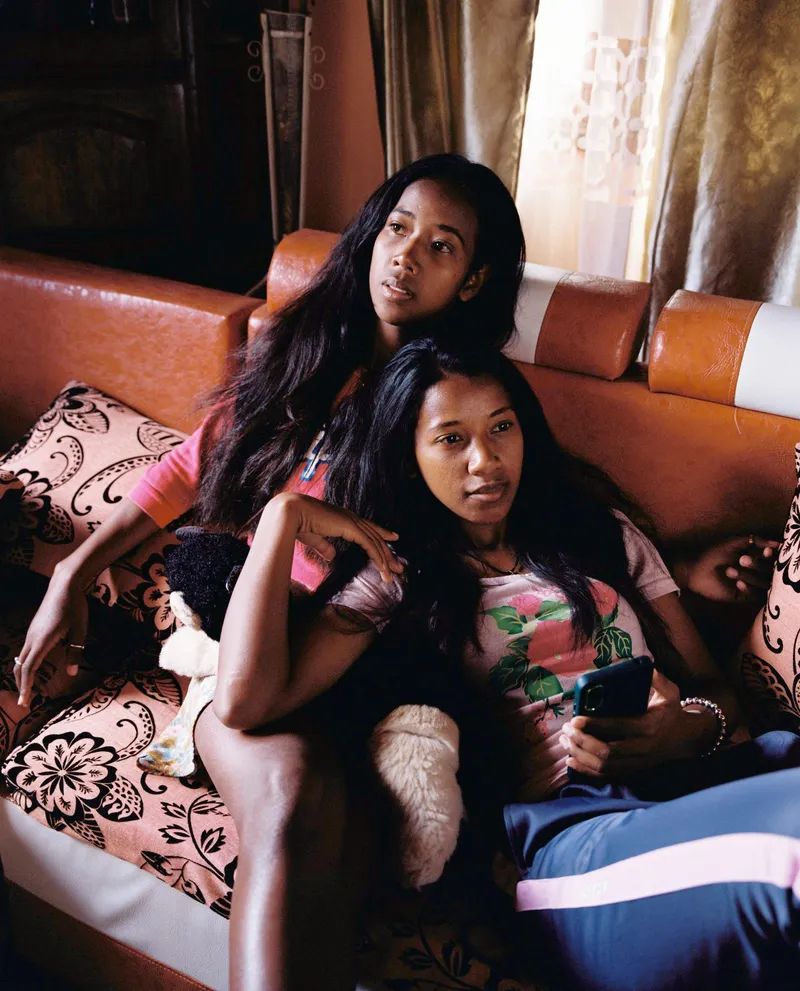
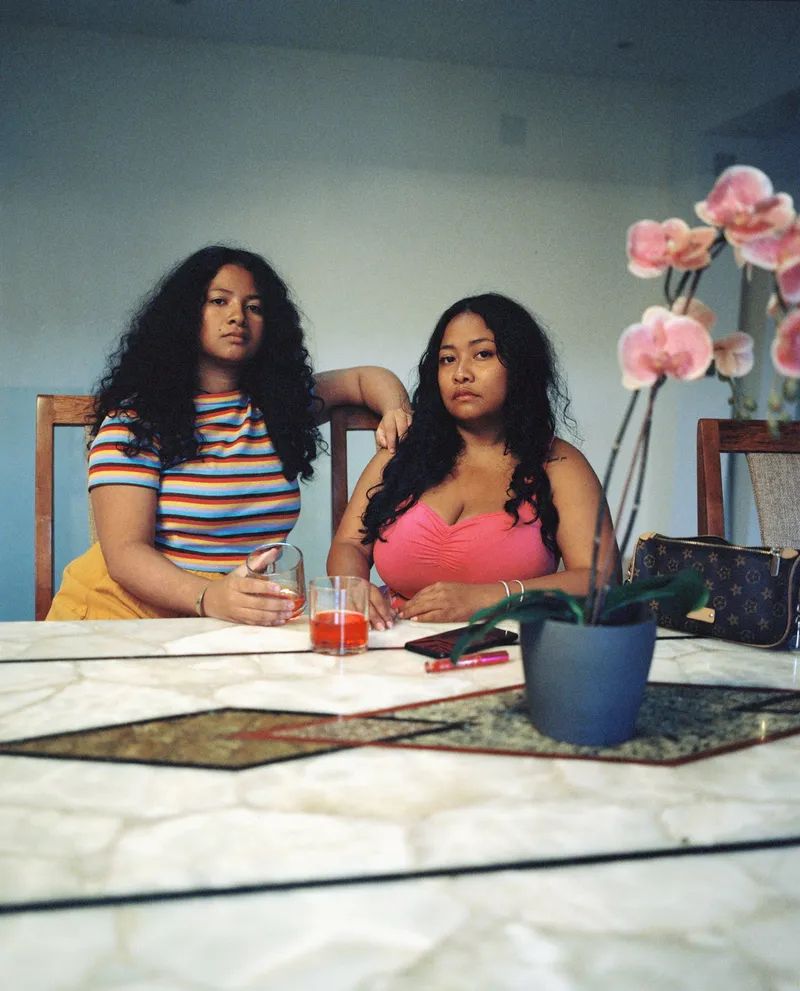
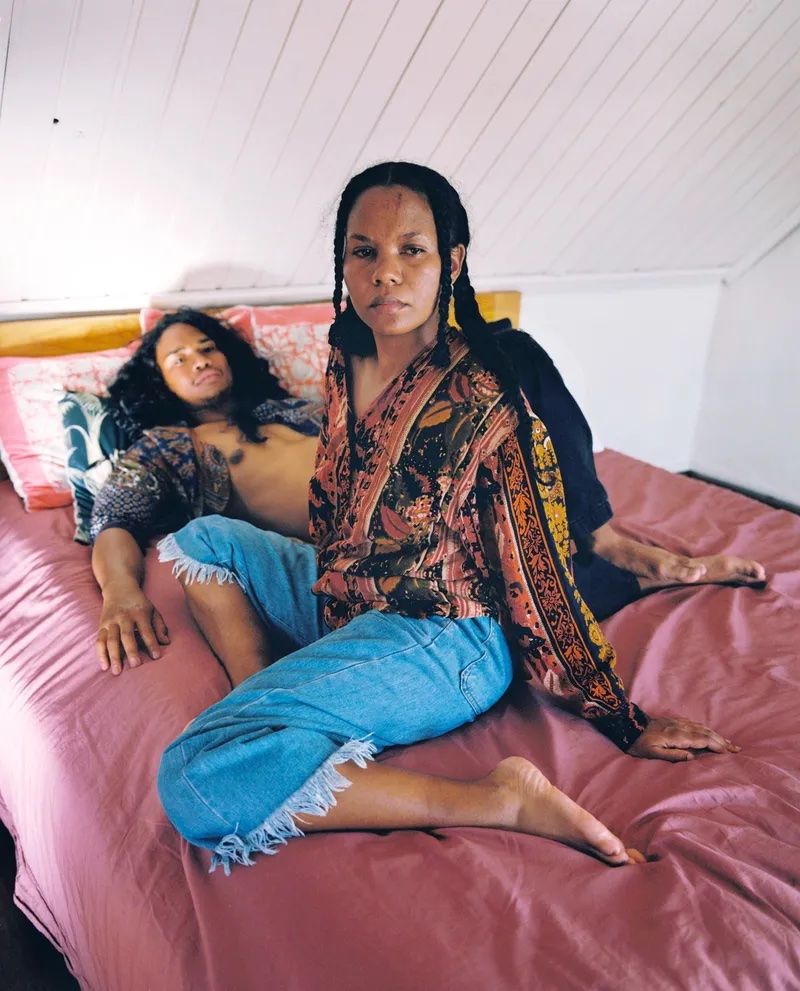
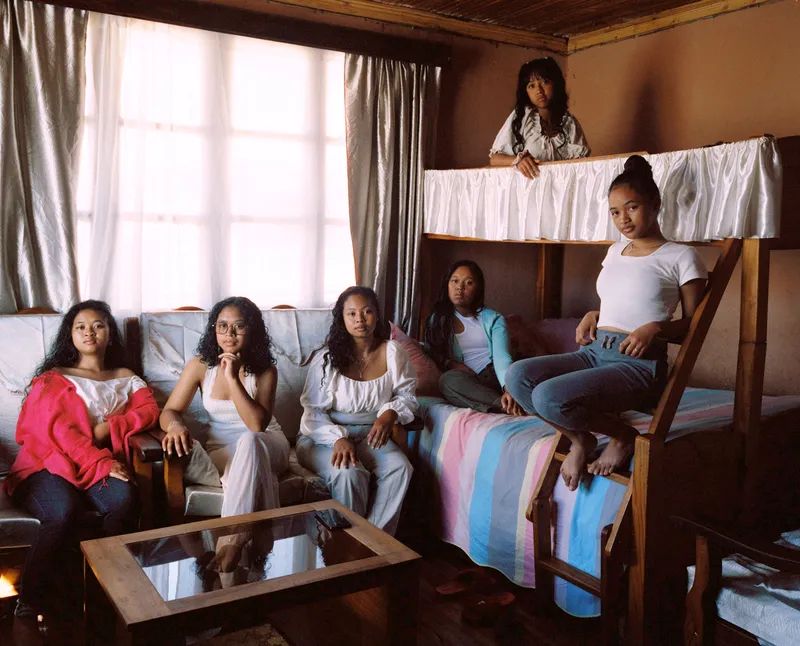
Through conversations and friendships, she gradually found the people who would appear in (Tsy) Possible, a series exploring friendship, family, romantic love, and belonging in Madagascar.
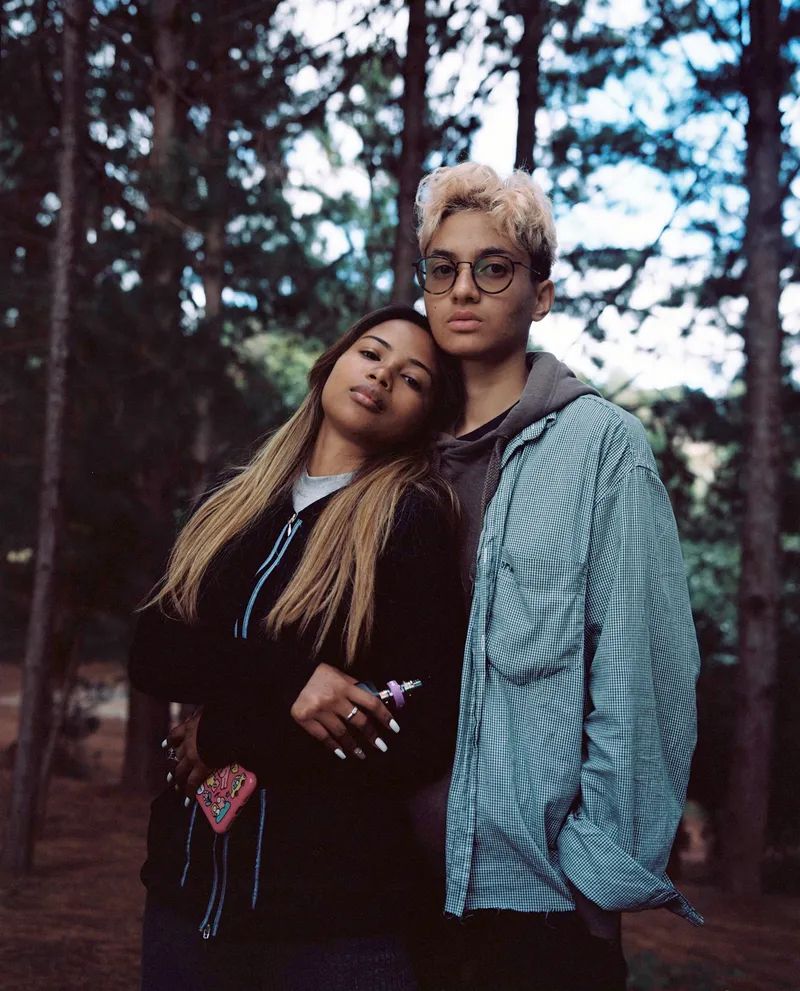
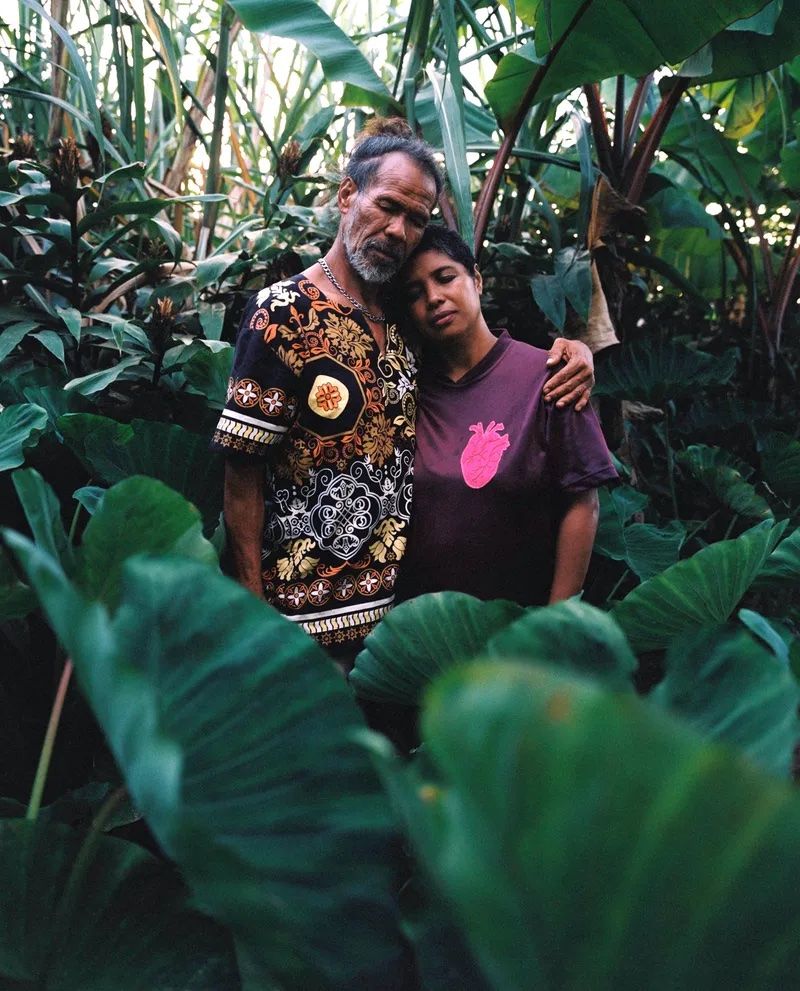
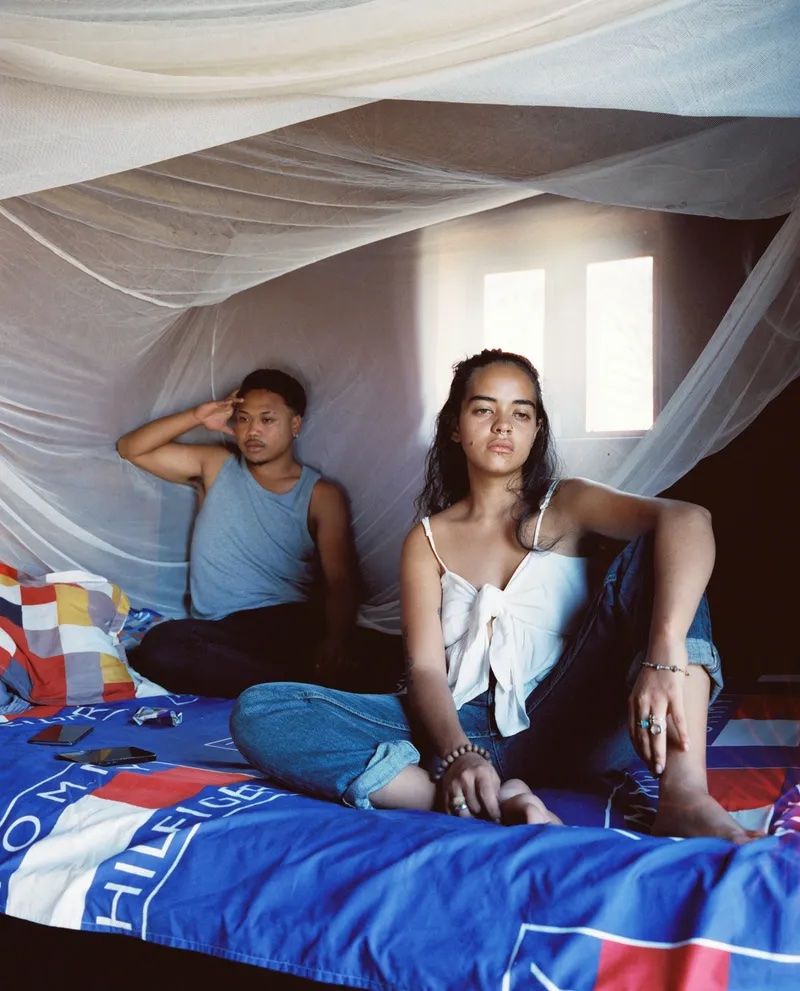
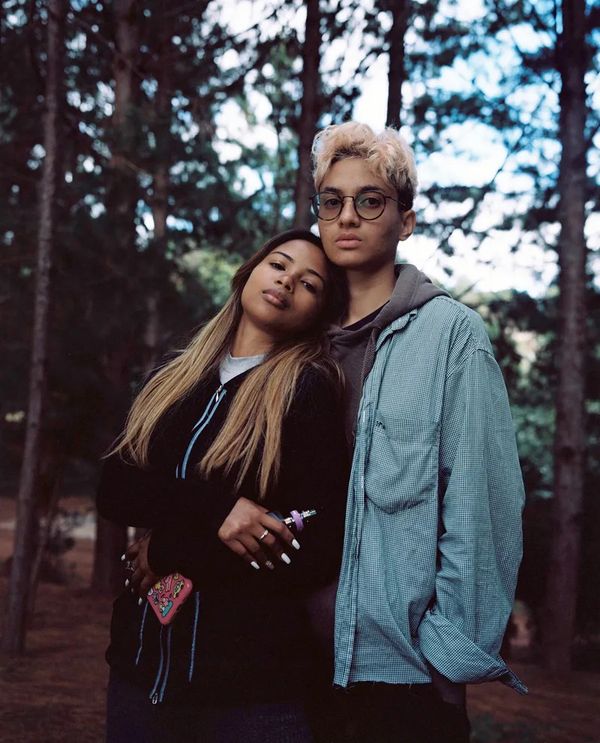
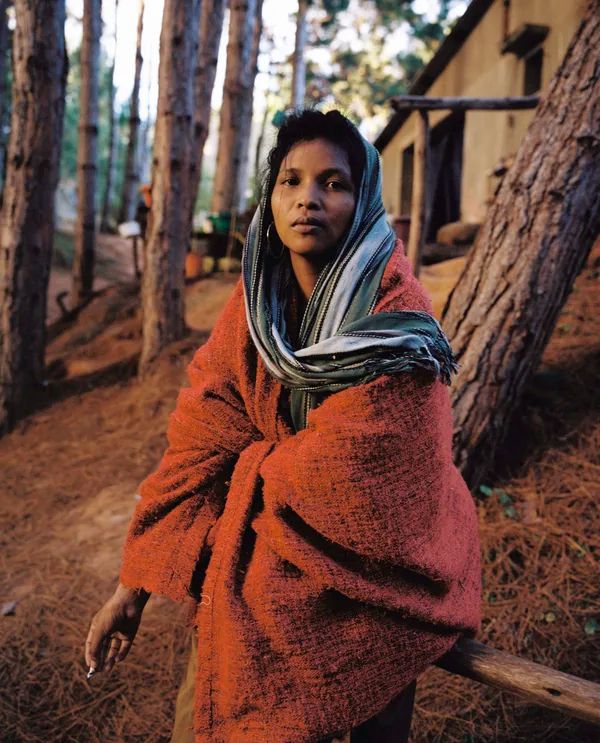
Yonga’s photographs often depict intimate moments: embraces, family relationships, quiet interactions between friends or couples. Creating these images requires time and trust.
"It's very fragile," she says of the process. "It's very important for me to not force them, to not be too pushy."
That care extends into her technical choices. She shoots on an analog Mamiya camera that physically cannot focus closer than about a meter from her subject — a limit that she has come to think of as a kind of ethical boundary. She describes it, borrowing a French phrase, as a "distance of security." The paradox doesn't escape her: photographing someone is not, by nature, a protective act. But the distance lets her show people without exposing them entirely.
"I want to protect my models. I want to show them, but I also want to be careful with them." That balance between visibility and protection becomes central to her practice, and it is reflected in photographs that are always respectful, never forcing a moment of intimacy that might feel too private to share.
Although Yonga's photographs are carefully constructed, they are not fictional scenes. She describes the process as somewhere between directing and observing. She guides her subjects and photographs them in familiar environments, she but also leaves room for spontaneity.
"It's kind of a meditation," she says. "They are very still… but I try to help them breathe, to feel comfortable." The result is an unusual tension: images that feel both carefully composed and emotionally open. Yonga searches for a balance between strength and vulnerability, dignity and tenderness. She cites an early love of French Nouvelle Vague cinema and its unhurried narratives as an influence on what she wanted her photographs to do instead.
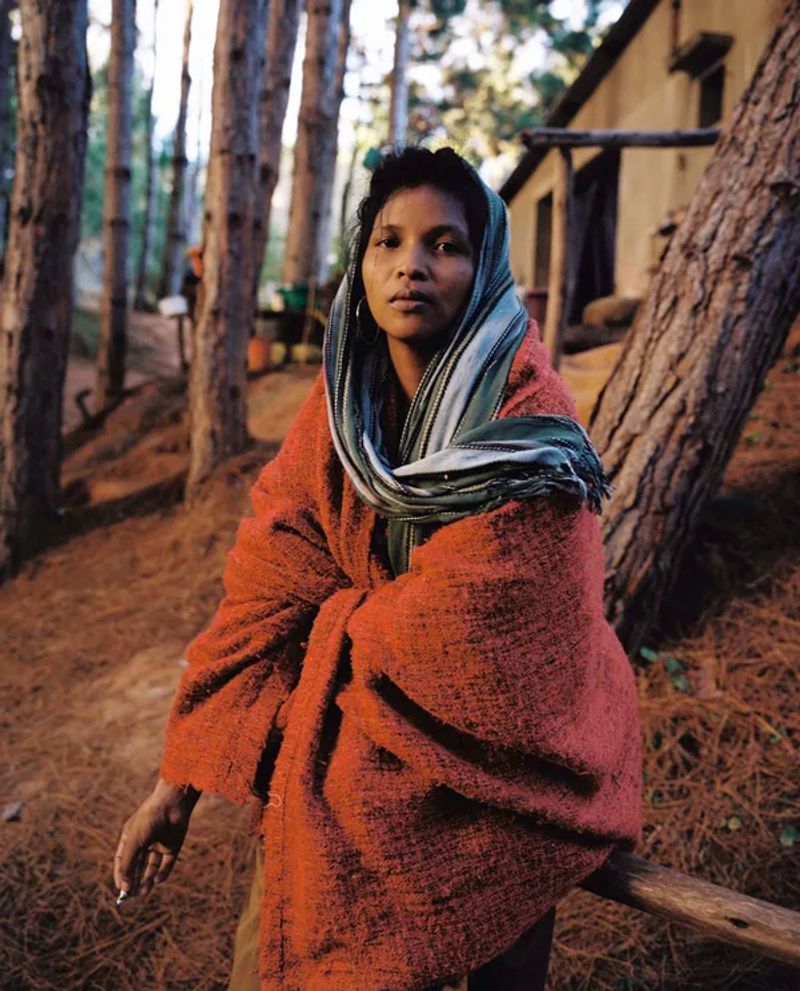
She's also responding to a specific absence: Black identity, she says, has too often been depicted as either spectacularly beautiful, exoticized, or reduced to images of poverty and hardship. Her aim is something in between—ordinary life without tipping into objectification or misery.
"I was missing something very ordinary but at the same time with a spectacular beauty," she says. Rather than creating images centered on hardship, Yonga focuses on universal experiences: friendship, love, family, and connection.
"For me it’s about how you can feel a human being through photography," she says. "I love the idea of the viewer feeling connected, feeling tenderness, and feeling that you are the same young human being."
The title of the series reflects this tension between limitations and possibilities.
In Malagasy, tsy means "not" or "no." The word possible, borrowed from French, is commonly used in Madagascar but has no direct Malagasy translation. By placing tsy in parentheses, Yonga transforms the meaning. Rather than simply saying "impossible," she suggests uncertainty and potential. "It stops being a condemnation or a fatality,” she says. "It becomes an opportunity for change, for projection, for possibilities."
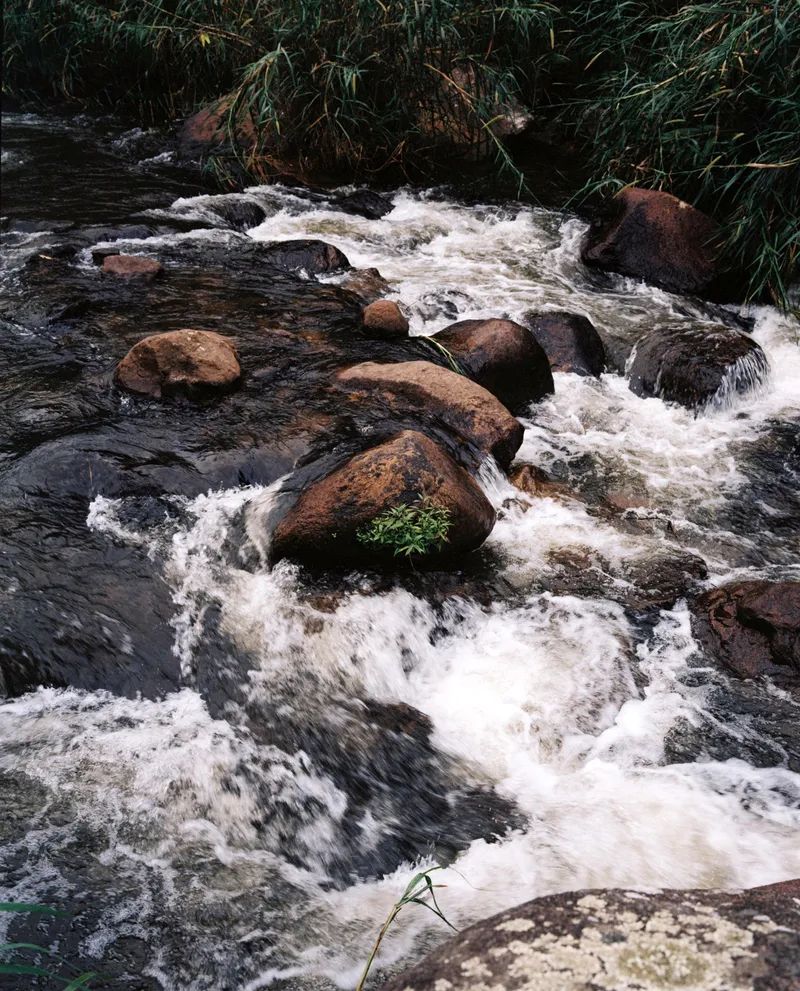
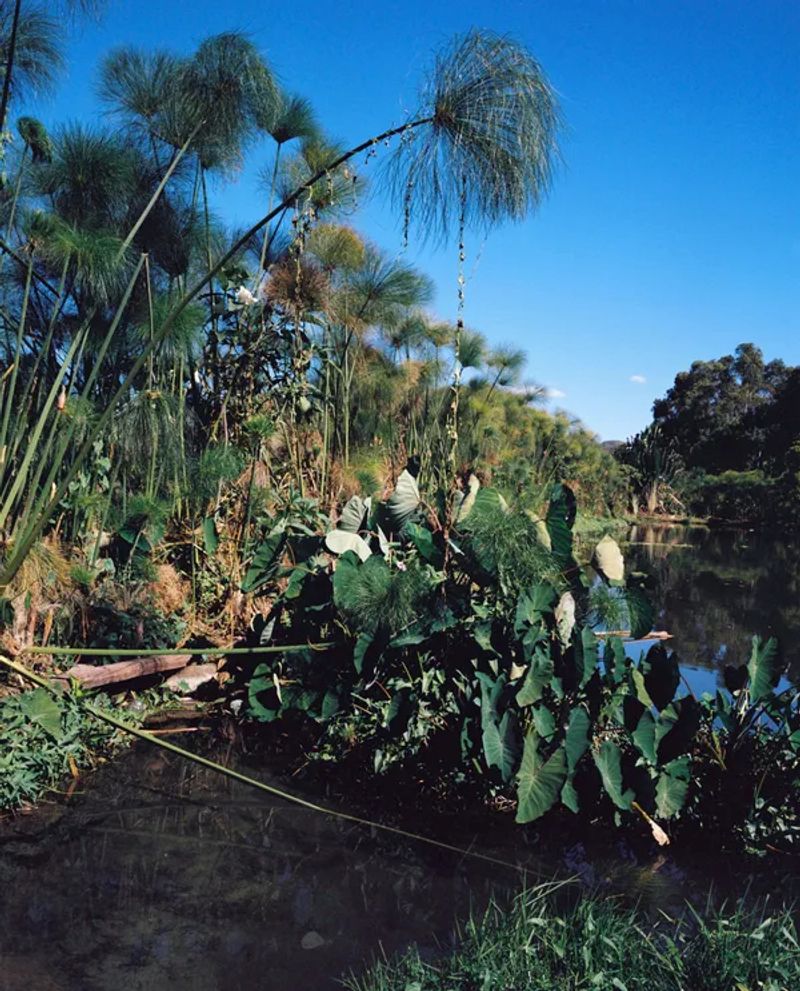
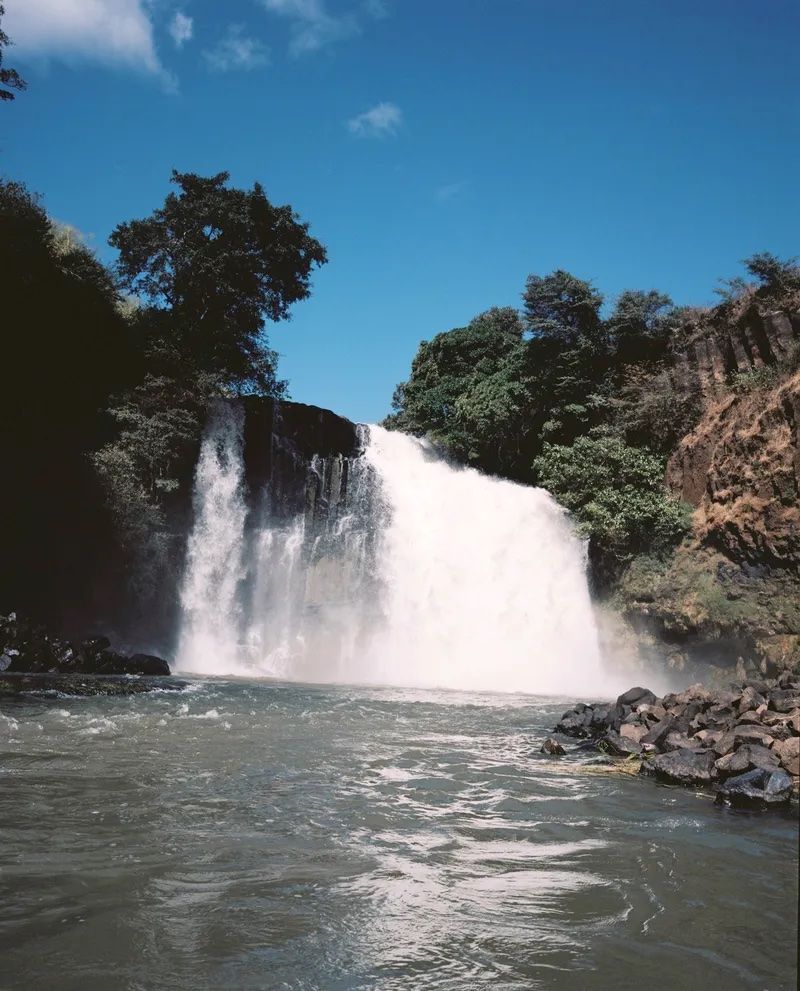
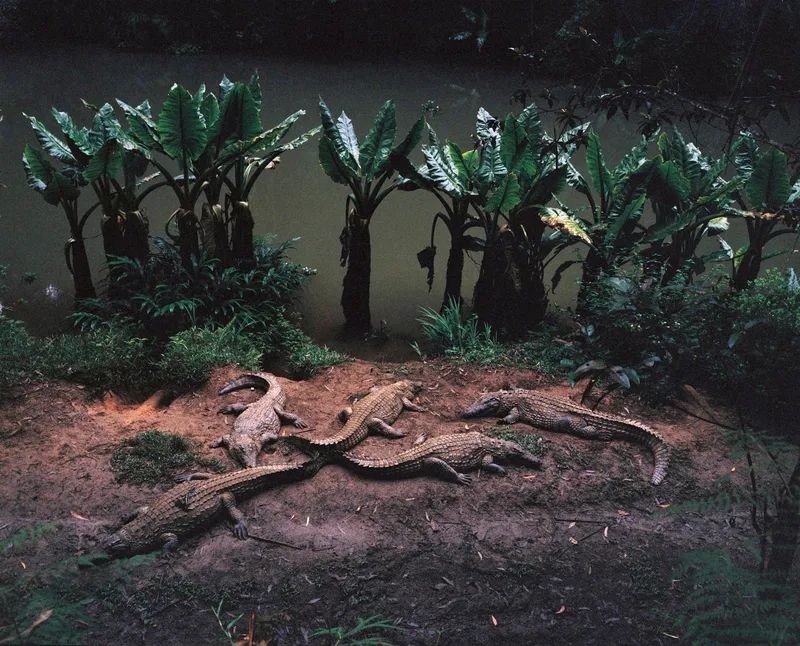
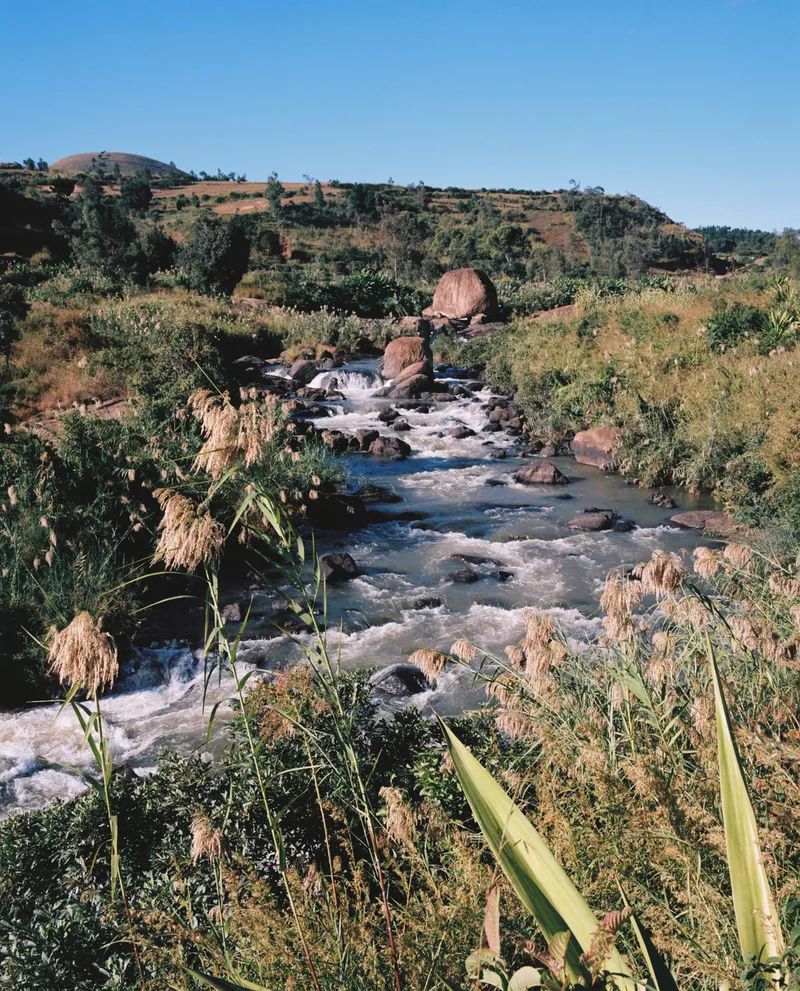
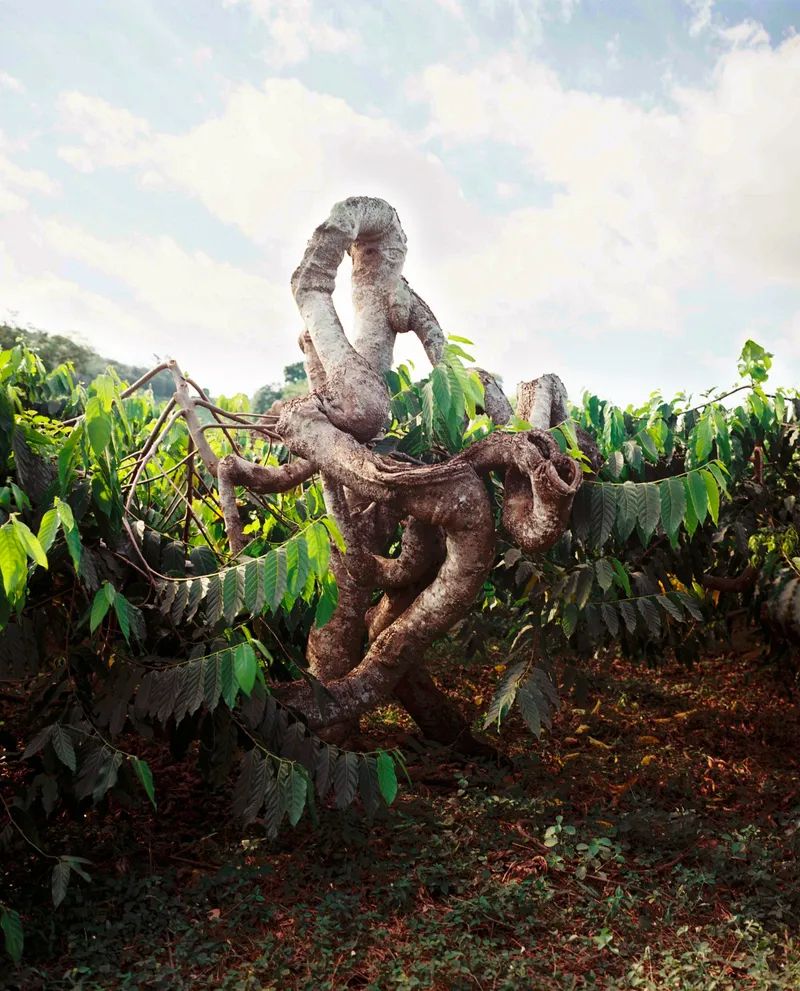
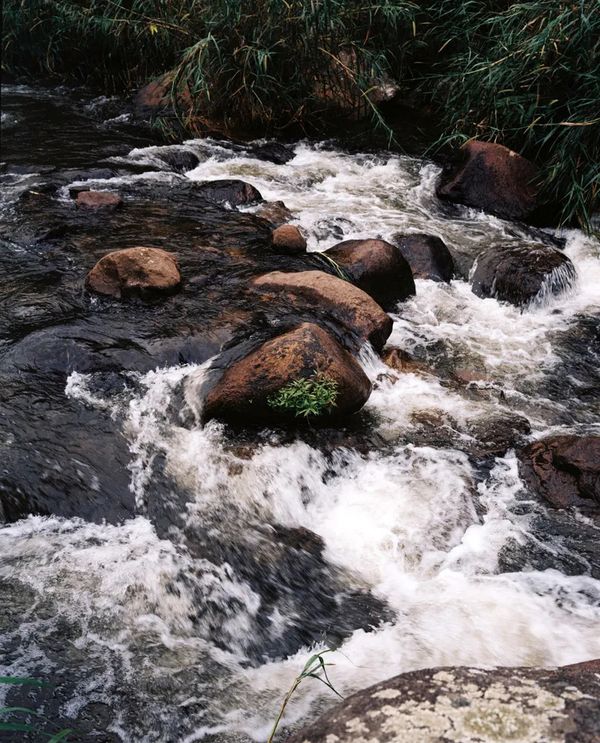
Another form of connection that we see in her work is nature. The landscape is not simply a backdrop. Yonga photographs nature as she photographs people. "I make portraits of trees, portraits of flowers," as landscapes are active participants in the story. "We have to take care of people we love. We have to take care of relationships. And it is the same with nature."
Her sensibility also led to her project somehow anticipating a generation's voice. One year after Yonga created the series, Madagascar's young generation took to the streets during the 2025 Gen Z protests, demanding political change and a different future. For Yonga, this gave the project an unexpected resonance.
"The youth in my images had great demands," she says. "They had very few perspectives for the future." She does not describe the work as a prediction, but believes the photographs captured something already present: a generation searching for its voice.
Through (Tsy) Possible, Yonga presents Madagascar's youth not as symbols of limitation, but as people negotiating identity, tradition, love, and possibility.
-------------
All photos © Charlotte Yonga, from the series (Tsy) Possible
--------------
Charlotte Yonga is a Franco-Cameroonian photographer and visual artist based between Paris and Barcelona. Her multidisciplinary work explores identity, otherness, and displacement, revealing the tensions between strength and vulnerability. She challenges dominant narratives and reimagines representation through Black, feminine and African perspectives. Her practice seeks to deconstruct stereotypes and offer a nuanced, reparative vision of culture and identity.
Lucia De Stefani is a writer and editor focusing on photography, illustration, and everything teens. She lives between New York and Italy. Find her on Instagram.