A Catalyst For Artistic Practice: The CENTER Santa Fe Awards And The Experience Of Former Prize Recipients
-
Published12 Feb 2026
-
Author
- Topics Awards
With the new edition now open for applications, Alex Welsh, Matthew Finley, Elizabeth Pineda, Debmalya Ray Choudhuri and Heather Evans Smith comment on how receiving the prize impacted on their work.
Active since 1994, CENTER Santa Fe recognizes work that actively engages with social, environmental, and personal topics. Receiving applications until 28 February, their Calls for Entry offer $16,000 in funding, a group exhibition in Santa Fe, New Mexico, a publication in Lenscratch, participation in the Review Santa Fe Photo Symposium, access to development seminars, and more.
Juried by Marina Chao (Curator, Center for Photography at Woodstock), the Personal Award honors projects exploring self-representation and underrepresented experiences. For the Socially Engaged category, Jeffrey Henson Scales (Photography Editor, The New York Times) will recognize work addressing social issues in a broad and inclusive manner. Dominique Hildebrand (Climate & Environment Photo Assignment Editor, The Washington Post) will oversee the Environmental Award, highlighting projects focused on ecological concerns such as conservation, biodiversity, the climate crisis, and our relationship with the natural world.
We spoke with former prize recipients to hear about the opportunities that followed this recognition, and its multi-layered impact on the development of their practice.
How did winning a CENTER award act as a catalyst for your career, and what specific opportunities (exhibitions, publications, etc.) arose from this recognition?
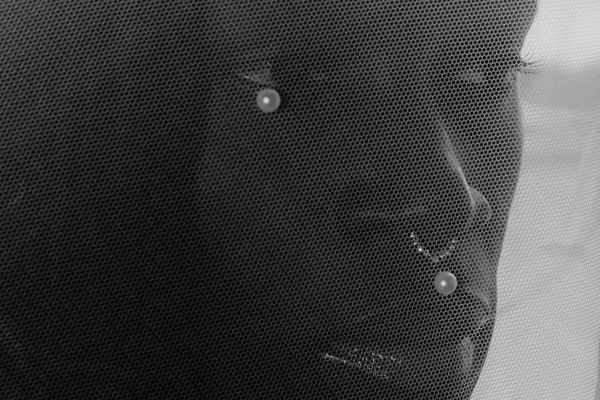
Debmalya Ray Choudhuri: It was a pivotal moment for me. I have been developing a project for the last 7 years from a deeply personal position. The Personal Award helped me get it seen by a larger audience in the US, leading to an exhibition at CENTER, Santa Fe, and a publication by Lenscratch. Given the current difficult times as an immigrant here, it was a significant moment for me to have conversations about identity, migration, and related personal experiences of grief, loss, and longing.
Heather Evans Smith: After receiving the CENTER Me & Eve grant, my work was featured in publications such as Lenscratch and Oxford American. These opportunities brought more visibility to the project and led to further invitations for publications, exhibitions, and speaking engagements. I would not have had access to these resources on my own: CENTER helped open doors and get my work into the right conversations.
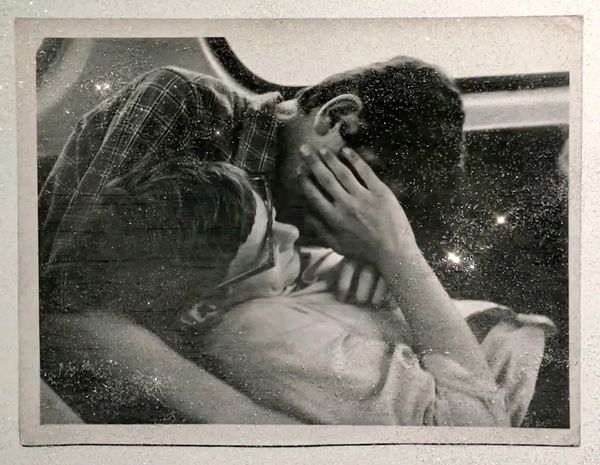
Matthew Finley: It put my project, An Impossibly Normal Life, onto Crista Dix’s radar. She's Executive Director of the Griffin Museum of Photography and we became reacquainted in Santa Fe, so it was a nice conjunction of attention for me and she invited me to have a solo exhibition. That was just a few months after the award, and since then the series has shown in four more solo shows around the country.
Alex Welsh: After receiving the CENTER Environmental Award in 2025, I gained several exhibition and publication opportunities. Additionally, I attended the portfolio review in Santa Fe, where I had the opportunity to present my work to an exceptional group of editors and curators who provided invaluable feedback.
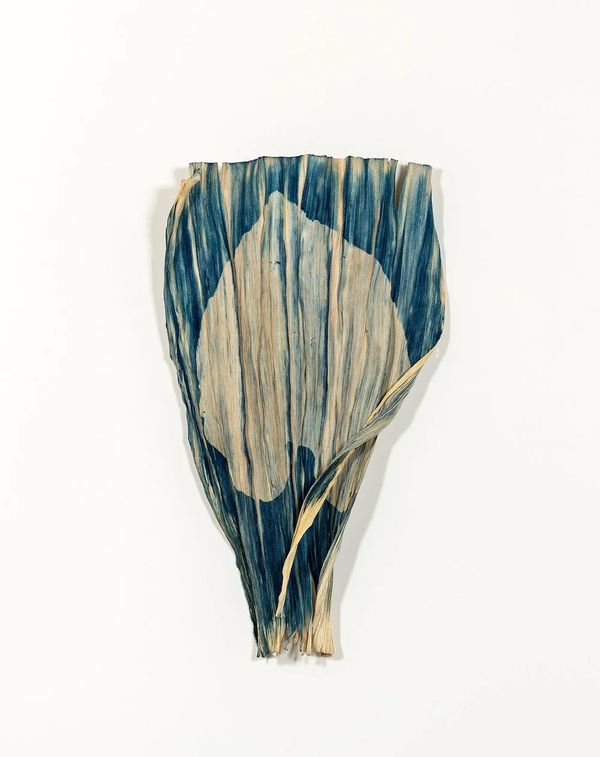
Elizabeth Pineda: The impact of the award is one that continues to be fruitful as I keep realizing the importance of this recognition. I am not sure I realized the significance when I first received it. At the time, I had just finished graduate school; I was in many ways still processing this very intense period of time. The CENTER award has given my work visibility to a much greater audience, and it gave the work added credibility beyond what I imagined. Seeing how it resonated has helped me grow, be more confident, and allowed me to further trust the work itself and its place in the medium. In addition to the Personal Award, my work Maíz was selected as CENTER’s Inaugural Jay and Susie Tyrrell Excellence in Works by Hand Award. It has since then been featured in Lenscratch, The Hand Magazine, and I was invited by Hamidah Glasgow – one of the symposium reviewers – to give an artist talk at The Center for Fine Art Photography in Fort Collins, CO. After receiving the award, Maíz was exhibited in several galleries and museums across the US.
How has your project evolved since then, and did the award provide you with the resources or confidence to explore new directions?
Elizabeth: The award helped me return to the project after I had stopped working on it for a while. I’ve completed multiple additional prints of traditional herbs and plants that I’d planned to before. After I received it, my confidence grew in several ways. I saw and believed in the work on a different level. I realized that Maíz wasn’t only important to me, but that it was also meaningful to others. A part of me had humbly hoped this would be the case. Witnessing the reactions and connections reviewers, jurors, and viewers have to the project makes it what is most essential.
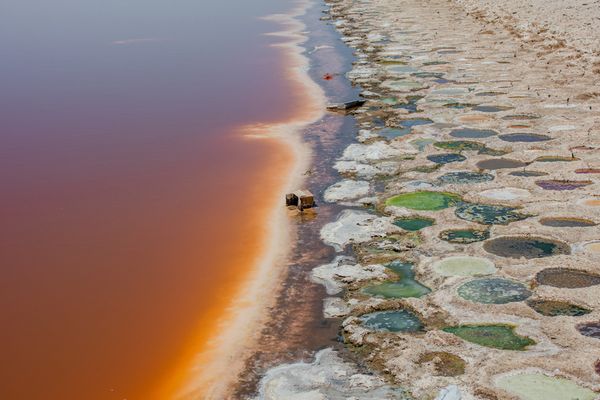
Alex: Since 2018, I have covered the Salton Sea on various assignments. Receiving the award marked the project's first major recognition, confirming that it successfully engaged viewers and effectively conveyed its environmental themes. The positive response has been encouraging and has reinforced my commitment to creating comprehensive documentation of the Salton Sea.
Matthew: It gave me confidence. I really started to believe that it could go further than any of my work had, to date. I went full-steam-ahead and developed a successful Kickstarter campaign that resulted in publishing An Impossibly Normal Life as a book with Fall Line Press, now available.
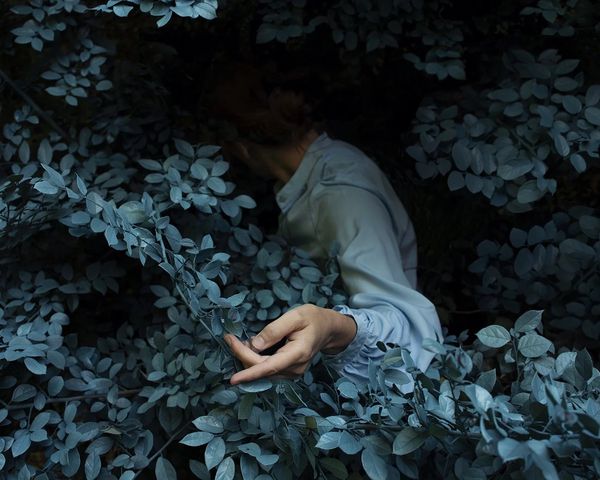
Heather: I used it to partially fund a monograph of my work Blue. The series grew out of my own experience with midlife depression, and once it was shared publicly, I began hearing from so many women who recognized themselves in the images. Their messages made me realize that this story was much bigger than my own. I invited them to contribute their personal stories to the monograph so the project could exist as a shared, collective voice. That decision shifted Blue into something more outward facing. In one exhibition, the curator and I invited therapists from the surrounding area; in another, we organized a panel with behavioral health specialists; this year, I will be speaking at a healthcare conference. Through this process, I’ve come to understand how art can move into real-world conversations and advocacy. Using art to connect, support, and extend empathy is what continues to guide my work and what I hope to build on in future projects.
Debmalya: The work that was awarded was the first chapter of a larger project I was building for the last 7 years. The award from CENTER came at a point when I was looking for a way to disseminate the work further. It helped refine my position on the work, gave me a huge boost in morale, and made me question and define how I want to present this work going forward.
CENTER is known for its prestigious jurors. How did it feel to have your work seen and selected by such influential figures in the photography world?
Debmalya: Being a self-taught artist from a working-class background in India, and finding myself in the US as an immigrant has been difficult. Having one’s work acknowledged by influential figures and being rewarded was totally unexpected, but a wonderful surprise. It felt great and affirming, and I am thankful to CENTER and the jurors for noticing me and giving this work a place to exist.
Alex: I was deeply honored and grateful that my work was seen and selected by the juror for the environmental award category. That year, a distinguished group of jurors evaluated awards and grant opportunities across all categories.
Elizabeth: I couldn’t believe it, as I never expected anyone, especially someone as important and influential as Amanda Hajjar, would consider my project in the manner she did and select it as an award winner. I remember reading her comments on selecting my work; I was speechless. I hadn’t read them in a while and did so before writing this response. I feel the same way now as I did the first time I read them. Her kindness, acknowledgement, and recognition of the work are an honor I never dreamed of or imagined, one for which I will be forever grateful.
Heather: While it can feel daunting to have that level of attention on your work, it’s also incredibly valuable. You never know what conversations or opportunities might come from simply having the right eyes on your work.
Matthew: My project utilizes found photographs collected from all over the world and at the time of submission, I wasn’t sure how the larger photo community would respond to that. I was overjoyed that the jurors could care less! Kristen Gresh, Estrellita and Yousuf Karsh Senior Curator of Photographs at the Museum of Fine Arts Boston were in the jury – I couldn't be more honored to have such a knowledgeable person from a prestigious institution pick my series.
For many, the Review Santa Fe symposium is a pivotal moment. How did the feedback from world-class curators help you refine the way you present your work?
Matthew: Talking in front of people during the Review Santa Fe was a big challenge for me, but it forced me to organize my thoughts in as clear and compelling a way as I could. It really helped me become more confident in presenting, and set me up well for future meetings. While much of my series was completed by the time of the event, I did take away ideas from several of the reviewers about how to polish the presentation that I’ve since implemented.
Debmalya: I had very engaging conversations which also led me to understand the role of a curator, helped me with the editing process, and prompted my reflection on the conditions under which a certain photography work can be urgent. I always believe that the personal is political. The curators I presented my work to showed a lot of love and care for the work’s personal nature and provided me with a network and ideas. It was a late realization for me, but one needs to put their work out there, despite the outcome. Art cannot exist in a vacuum, and being able to have those conversations is a beautiful starting point for every artist.
Alex: The feedback at Review Santa Fe was constructive and insightful. Engaging in conversations with the attending editors and curators helped me understand how my work was received from various perspectives. These discussions allowed me to pinpoint which aspects of the project were successful and where further refinement or expansion was necessary.
Heather: I believe most photographers tend to work inside our own small bubbles, with only our peers to review our work, and that’s especially true for me. Stepping into an environment like Review Santa Fe allows experienced eyes to view the work. This brings feedback and ideas I wouldn’t have thought about. I walked away with new ways of thinking and an openness to working outside my comfort zone.
Elizabeth: Attending the Review Santa Fe symposium and receiving feedback from the reviewers has indeed been pivotal. Listening to the reviewers has been eye-opening in the varied ways they connect with or respond to the work and the ideas they share for possibilities outside of the symposium. Their feedback is something I often think about, hold dear, and will implement in the next portfolio reviews or other opportunities I may have.
What is your top tip for photographers currently preparing their submissions for the 2026 call to ensure their work resonates with the jury?
Debmalya: This may sound cheesy, but I saw this reel on social media a while back, where I heard a phrase that I keep going back to. Create like a child, edit like a scientist. Edit so that the work tells your story in the most honest way, and present it in your own voice – don’t indulge in complicated jargon.
Matthew: This may not apply to all bodies of work, but I would suggest making your submission presentation as personal as possible. Be clear about why you made the work, what it means to you and what you would like it to mean to others. Show trusted people in your life your photos and project statements before you submit, and ask for their feedback. What could be clearer? Does this photo sequence work? Lastly, don't get down on yourself if you aren’t selected. An Impossibly Normal Life has won awards and then been passed over the next day — learn and appreciate that not getting chosen is a part of the process, too. We thrive when we can face adversity and keep advancing.
Elizabeth: I believe we need to trust that we know our work when talking about it. Why was it made? Why is this important? What is it saying? If we can relate the emotion, give voice to the important issue that led us to create and present it honestly to the reviewers, they will feel and respond to it, even if the work is not exactly something they are able to place or give opportunities to.
Alex: It's difficult to predict what will resonate with a particular juror, but I advise applying each year and staying persistent!
Heather: Make a tight edit. With a limited number of images to tell your story, every photograph needs to carry its weight. Take time to research the juror – if they are a curator, research the exhibitions they’ve organized and consider whether your work fits within their interests and perspective. Have a clear, concise project statement, and resist the urge to over-explain.
Discover all the opportunities and apply before 28 February.
--------------
CENTER Santa Fe was founded in Santa Fe, New Mexico, in 1994. The nonprofit organization CENTER supports socially and environmentally engaged lens-based projects through education, public platforms, funding, and partnerships. Through their advancement of artists and their work, it serves to deepen public understanding of lens-based media’s complex history and ongoing cultural significance. By establishing partnerships between artists and scholars, editors, students, and the art world, they advance projects that respect all people, open minds, and engage our shared humanity.