In This Series, Aakriti Chandervanshi Documents the Past and Present of the Southern Valley of Kathmandu
-
Published19 Sep 2022
-
Author
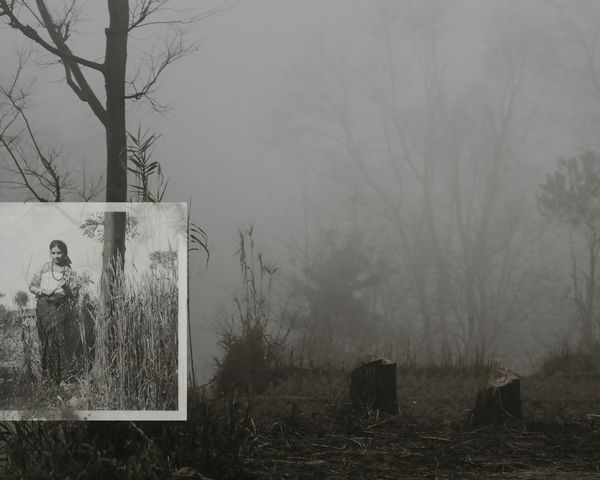
Once a sacred land, the area is now amongst debates over the installation of high-speed train tracks. Combining archival and newly produced images, he aims to show how this infrastructure would destroy the spiritual values and landscapes of this place.
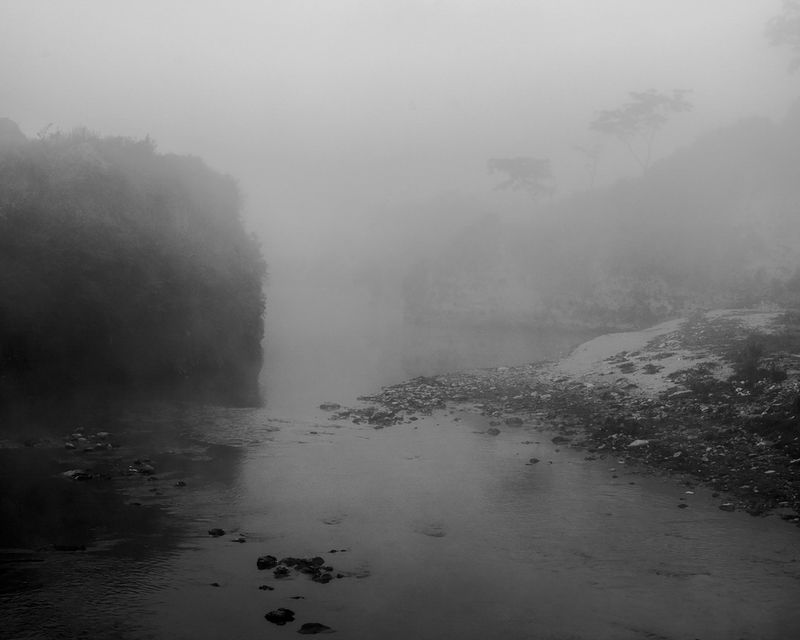
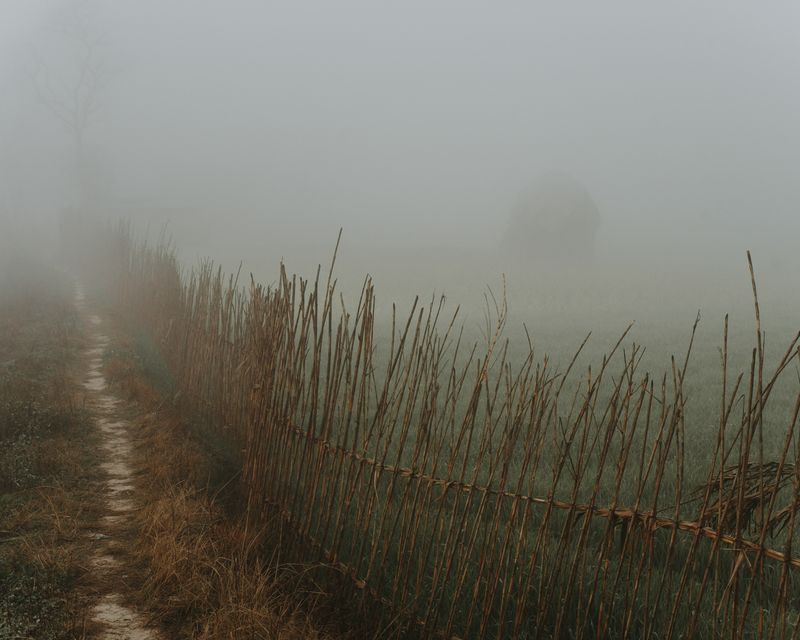
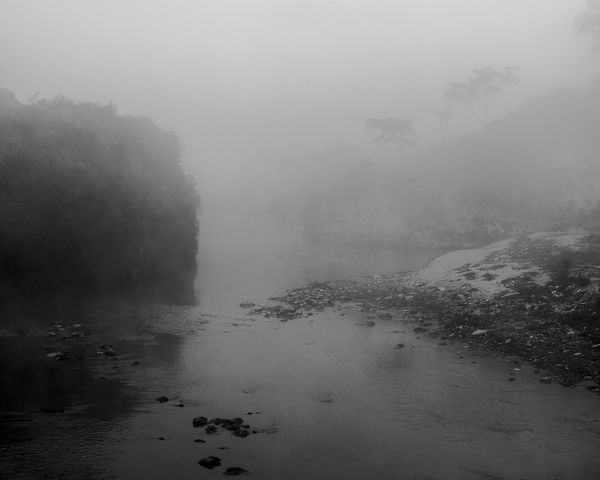
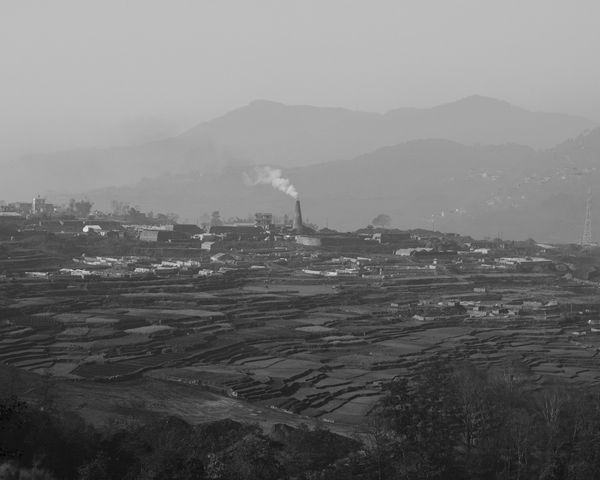
Amidst the Garden of Eden lies empty elysian fields, still spaces, and the silence that echoes in them. Located in the southern outskirt of the Kathmandu Valley are Khokana and Bungamati, twin villages encompassing an archaeological site, Ku Dey, out to the very edge of the foothills of the valley. As the fog rises, one begins to see that despite the sacred land’s inherent beauty, they are tempered with modern signs of intrusion and degradation.
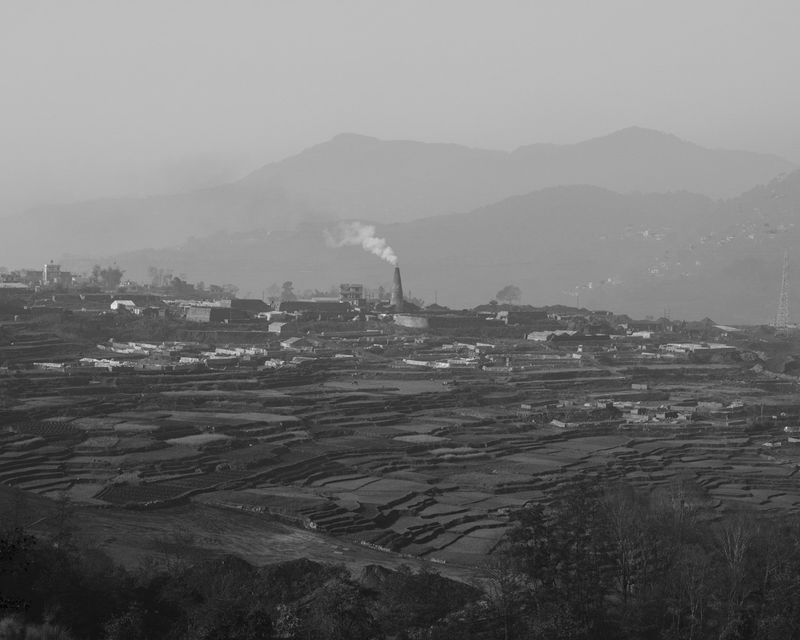
It is believed by the locals that their land was blessed by goddess Shikali Devi to begin a new settlement. Decades later, the land has been proposed as a UNESCO World Heritage Site, waiting for restoration and preservation. But lately, it serves as a ground for a socio-political battle, as the land poses to be under threat by the State-initiated Kathmandu-Tarai Expressway, a 78-kilometre “fast track” road conceived to bring tourists from an un-built airport in Tarai to the capital in just 90 minutes, a velocity whose casualty would be the displacement of the settlements that remain dotted across the sacred land. The indigenous inhabitants unite to save the last vestiges of their motherland against the ecological destruction and unsolicited displacement in the foreseeable future.
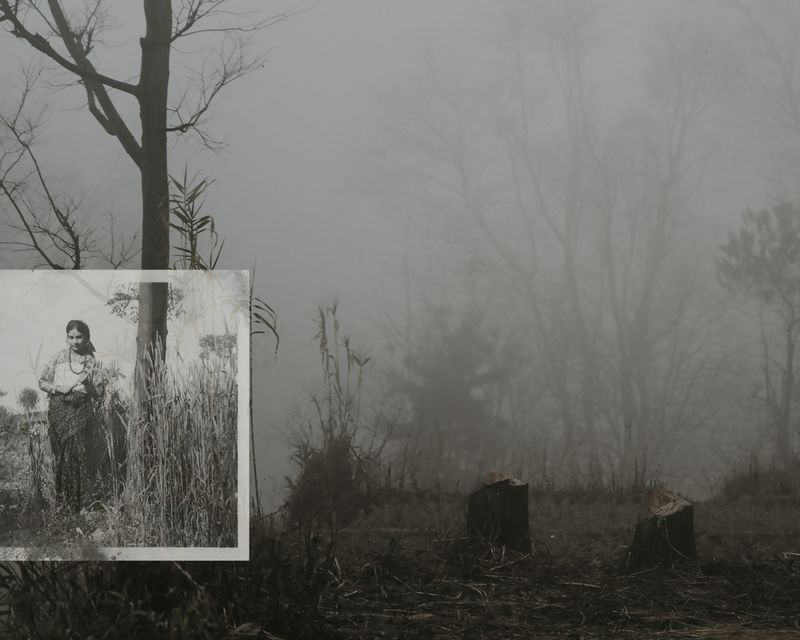
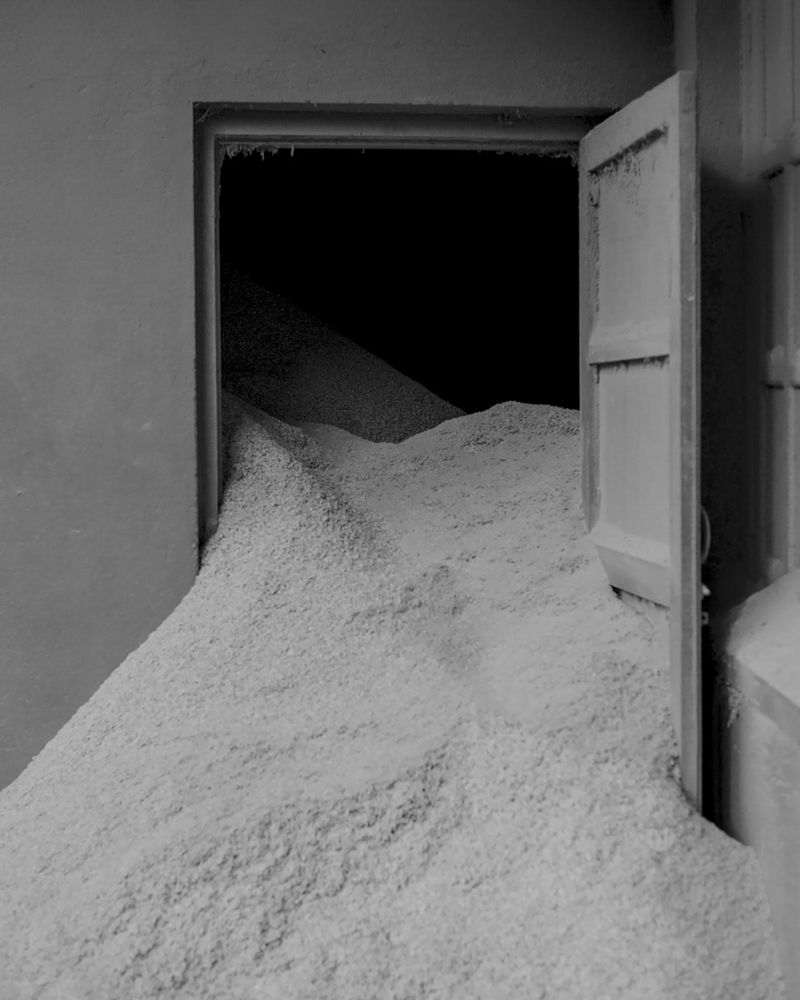
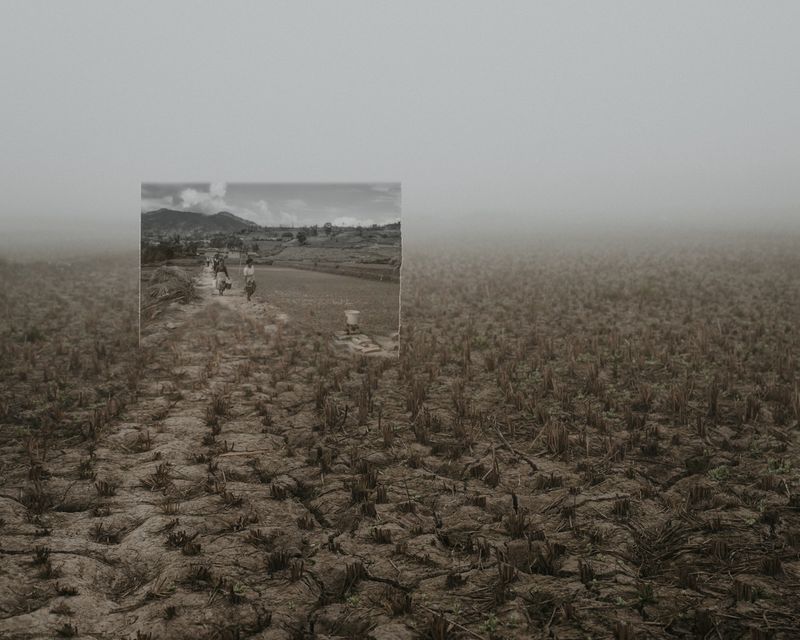
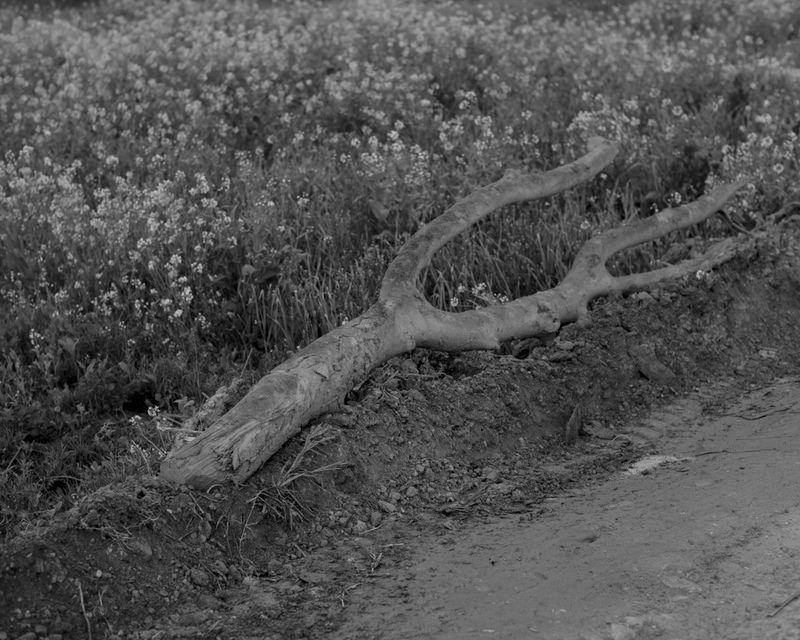
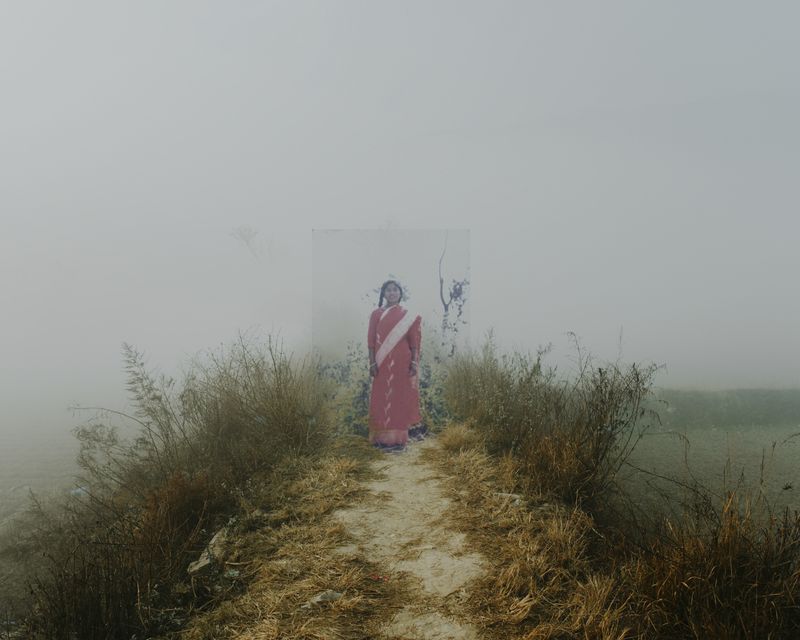
After Eden is a body of work which attempts to mediate between the evocative past and the elusive present informed in response to the changing landscapes on the notion of development. The tainted terrains are a constant reminder of how the notion of progress trumps people, continually erasing and overwriting the land and memory. Through the series of physical traces rupturing the organic terrain are questions raised about the need for the emerging fast track as it slices through these vast scapes.
Words and Pictures by Aakriti Chandervanshi
Aakriti Chandervanshi is a visual artist, curator and designer whose work spans unique geographies and is embedded in the contexts of her everyday in the landscapes of South Asia. As an architectural graduate, the roots of her practice emerge from her keen interest in the historicities of the built environment and relevant debates around the discourse on their conservation. She is devoted to her work and pets, perhaps not as equally as she would like. Follow her on Instagram and PhMuseum.
--------------
This feature is part of Story of the Week, a selection of relevant projects from our community handpicked by the PhMuseum curators.