PhMuseum Days 2024
-
Opens12 Sep 2024
-
Ends15 Sep 2024
-
Founded2021
-
Link
- Location Bologna, Italy
PhMuseum International Photo Festival is back for its fourth edition taking place from 12 to 15 September 2024 in Bologna, Italy.
Overview
The chosen theme is CLOSER: we live in an era in which it is not possible to imagine any objective detachment between us and reality. Observation itself touches and changes things, every story is contamination. The works on show do not attempt to achieve an impossible neutrality, but accept the partiality that comes from looking closely. They make intimacy their strength: in interpersonal relationships as much as in that with the territory, with history, and with living beings. An invitation to open up, to share, to observe things more carefully, beyond prejudices and stereotypes.
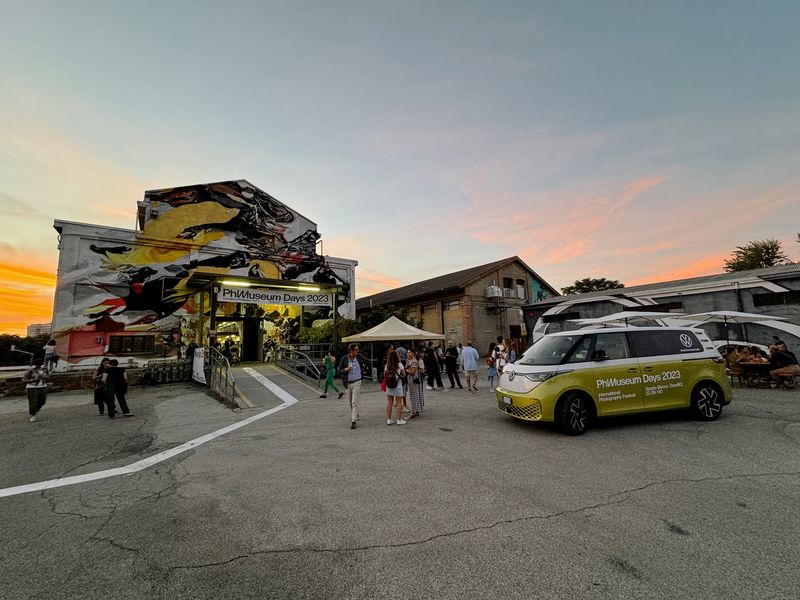
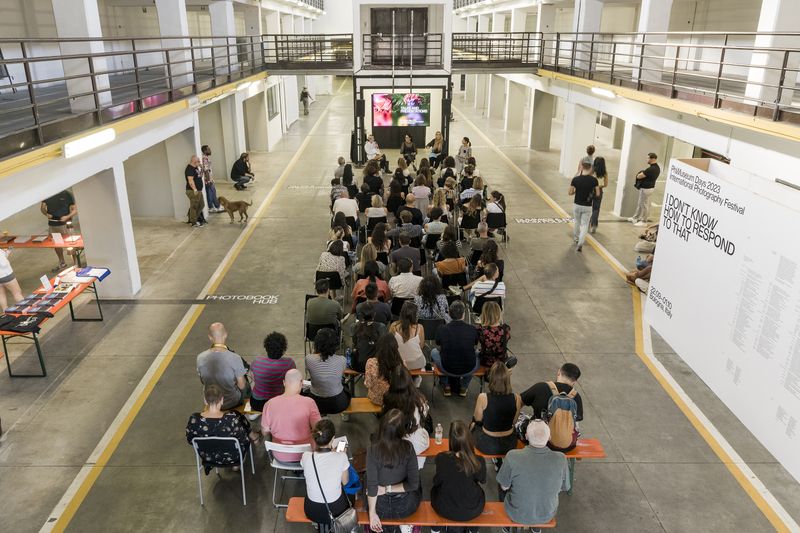
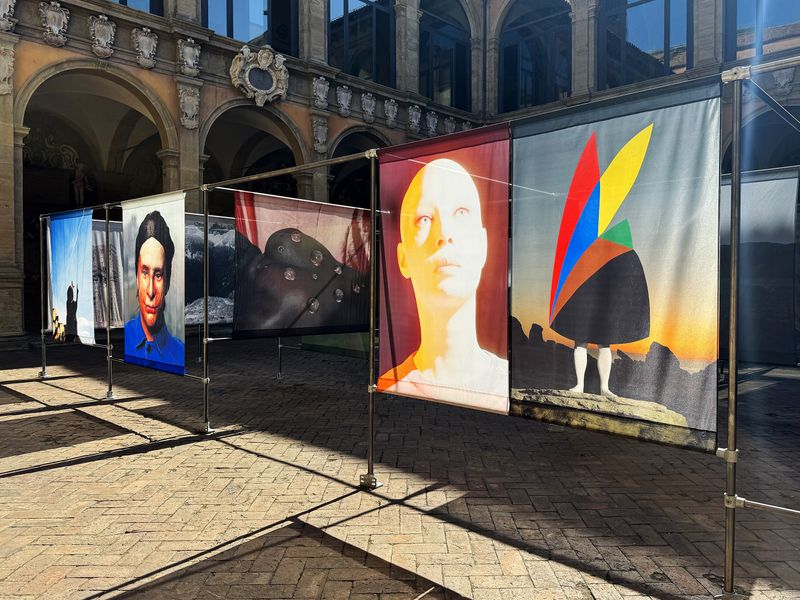
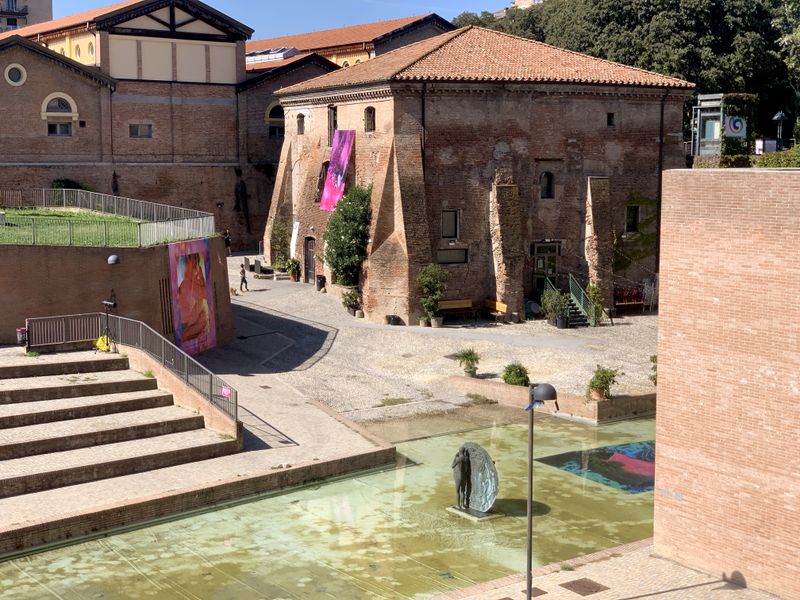
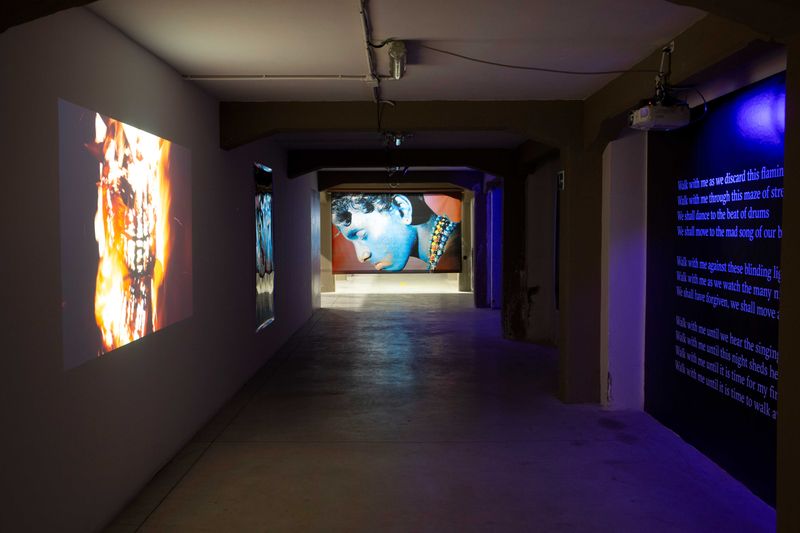
The event will be held at the DumBO’s Spazio Bianco in Bologna, Italy, a 1600 square meter post-industrial pavilion that will host exhibitions, presentations, a space dedicated to photographic publishing and an outdoor area. Plus, the wide festival program offers installations across the city of Bologna, events, workshops and more.
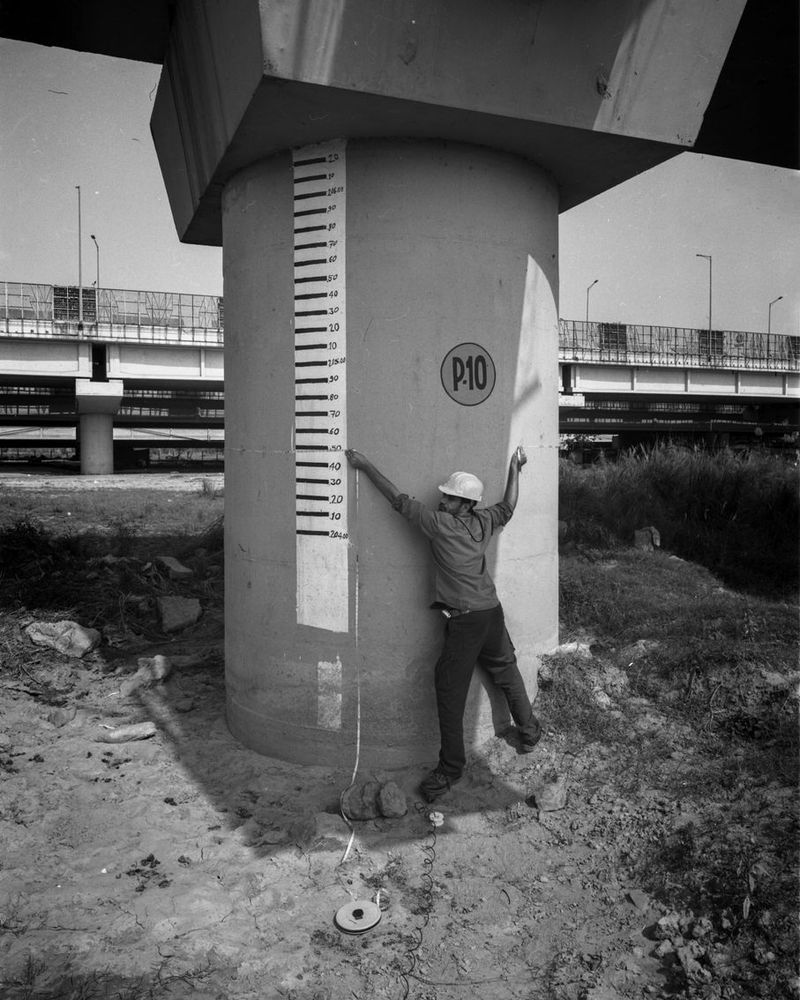
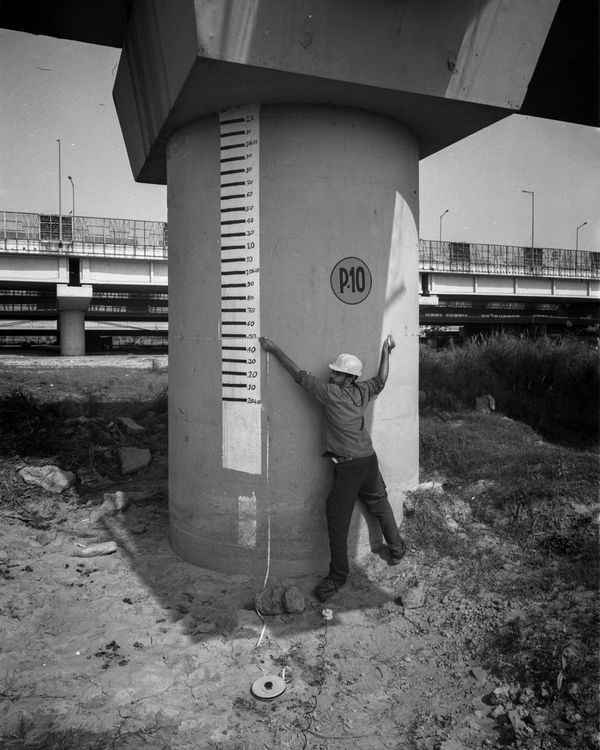
Among the exhibitions, Only in Good Taste by Kush Kukreja critically examines the visual representation of the Yamuna River in Delhi that has imprinted it in the memory as a 'polluted river'. The work consists of images created in the darkroom, narratives, research data and self-portraits seeking to go beyond the act of photography, offering a holistic approach that attempts to subvert the surface of the image and the inherited memory.
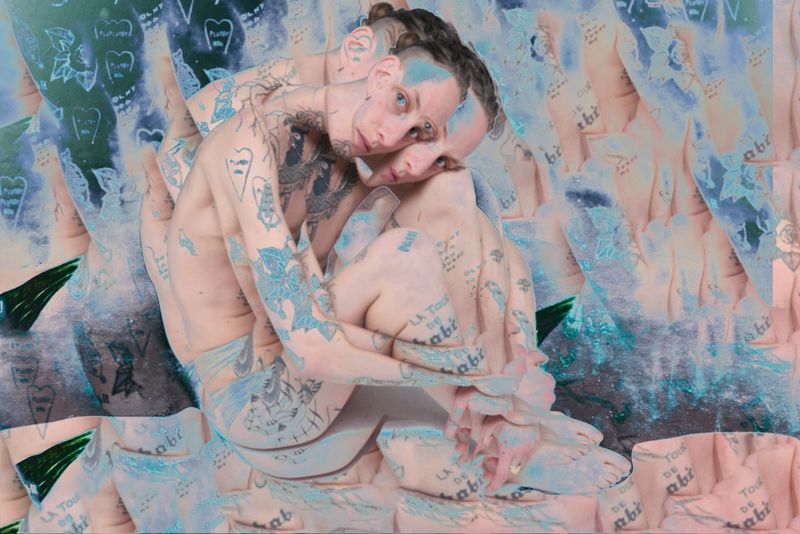
In Existential Boner, Mahalia Taje Giotto examines personal obsessions related to the body, identity and sexuality through chronicling their experiences and transformations after gender-affirming hormone therapy to establish themselves as a non-binary trans person.
Camilla de Maffei's Grande Padre is a long-term project that, starting from the particular Albanian case, invites reflection on the global relationship between the individual, society and power.
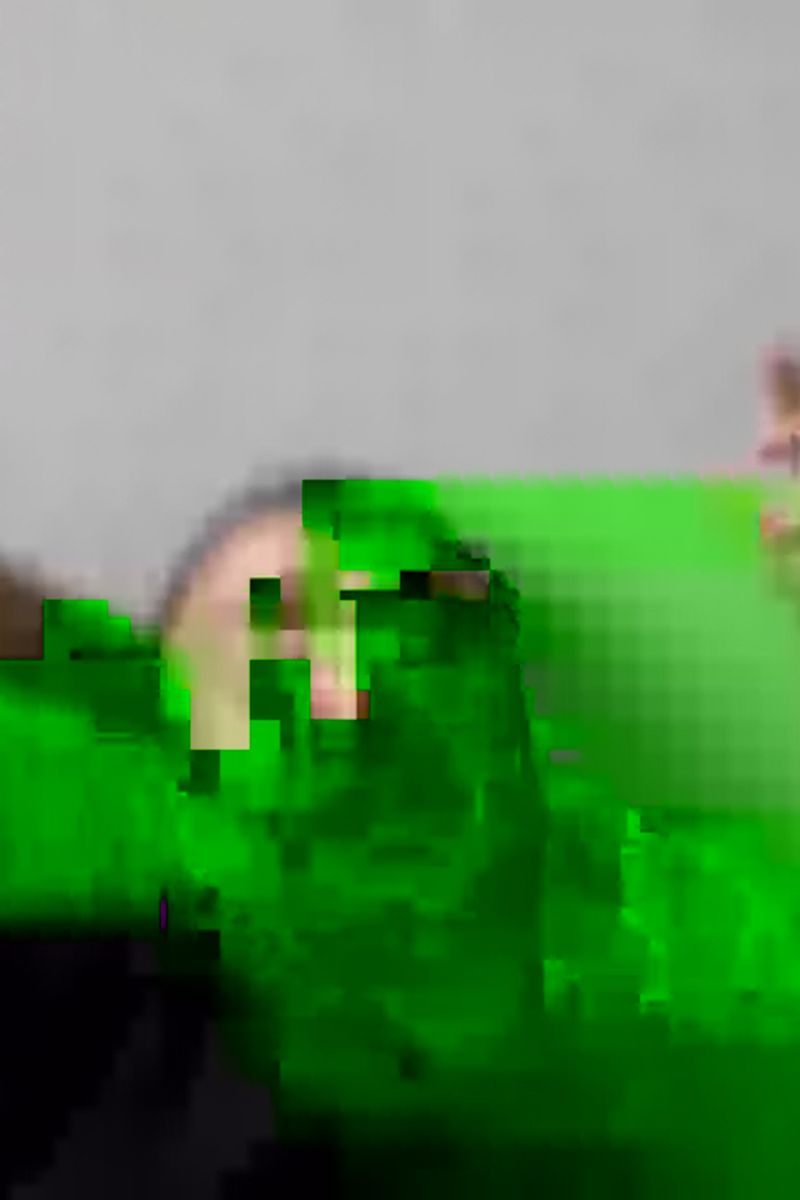
Taysir Batniji's Disruptions collects a series of screenshots taken by Taysir Batniji between 2015 and 2017, during video calls with his family in Gaza. Having moved to Europe and prevented from returning for years, digital space was a fundamental meeting place for Batniji and his family, yet shaped and destabilised by the same forces that acted on his relatives' everyday lives.
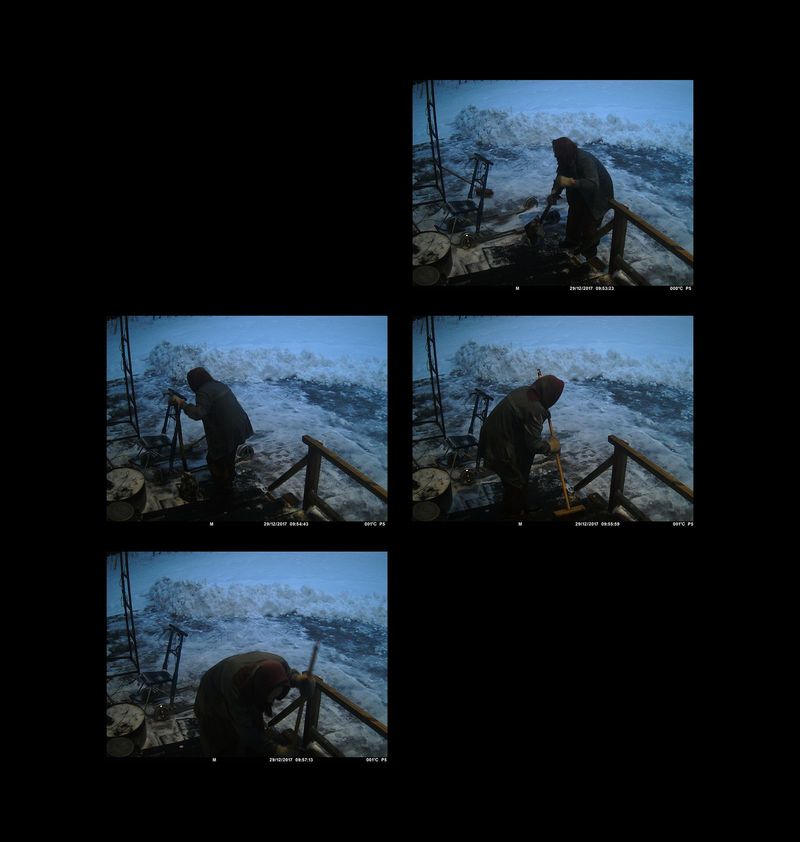
Härmä / Hoar by Utu-Tuuli Jussila explores the intersection of memory, technology, and the passage of time through a series of images captured by a motion-sensing camera installed in the yard of their late 94-year-old grandmother, who lived alone in the Finnish countryside. Installed for security reasons, partly due to an early stage of Alzheimer's, over time the camera became an unwitting chronicler of her daily life. The images document her repetitive work in the garden until the moment of her absence.
Matylda Niżegorodcew's Octopus's Diary documents an experiment: borrowing pieces of other people's lives. “I am a person with an octopus-like disposition,” says the artist. “I want everything. I seem to have many tentacles stretching into different areas of life, trying to stretch as far as possible”.
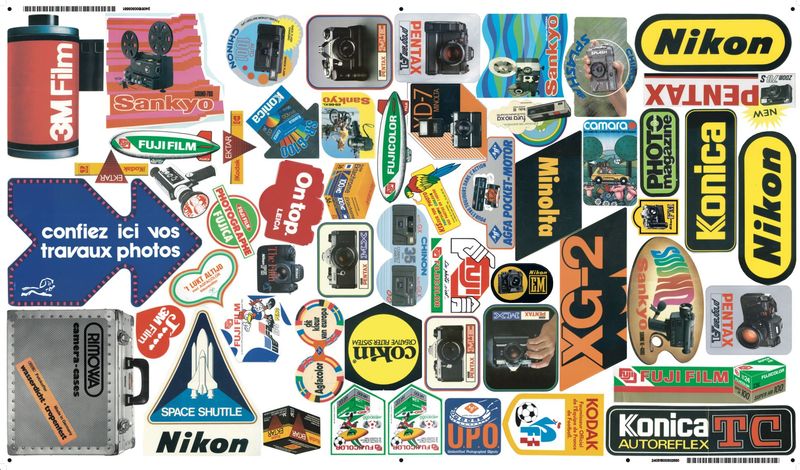
Thomas Mailaender opens a reflection on how the history of our modernity is also the story of how we take photographs. His Decalcomania celebrates the history of images, but he does not show a single one: the focus is not on the final product – the image – but on the mechanisms, materials, and supports that make it possible. Collecting stickers celebrating the photographic brands of the 1970s and 1980s, Mailaender writes an hymn to technique and its fetishes, to amateurism and photomania, pop and vernacular.
Pacifico Silano focuses on celebrating another visual tradition. The American artist photographs fragments of gay erotic magazines from the 1970s-80s, by magnifying and isolating details. In Close-up's photographs, tenderness, eroticism and romance are shadowed by the lack, melancholy and loss associated with the HIV/AIDS epidemic.
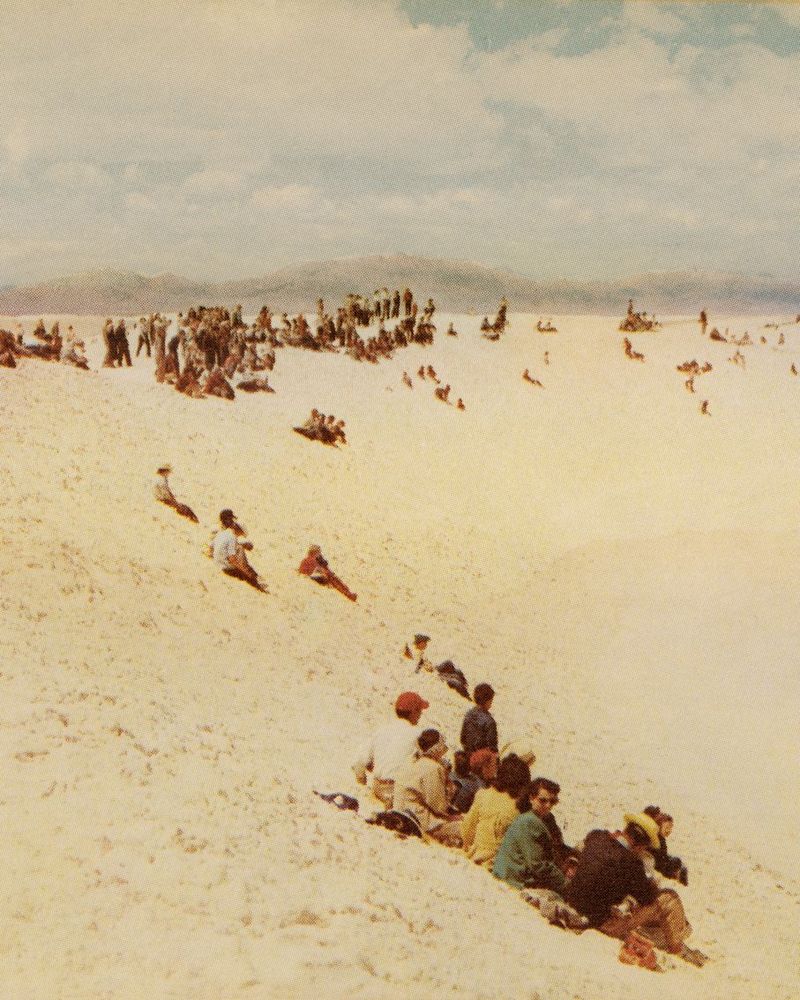
The Skeptics - Relics of a Technological Goddess is David De Beyter's ongoing project that delves into the practices of a marginal community of amateur ufologists in Spain to explore the intersections between ufology, perception and UFO myth through a blend of film, photography and objects.
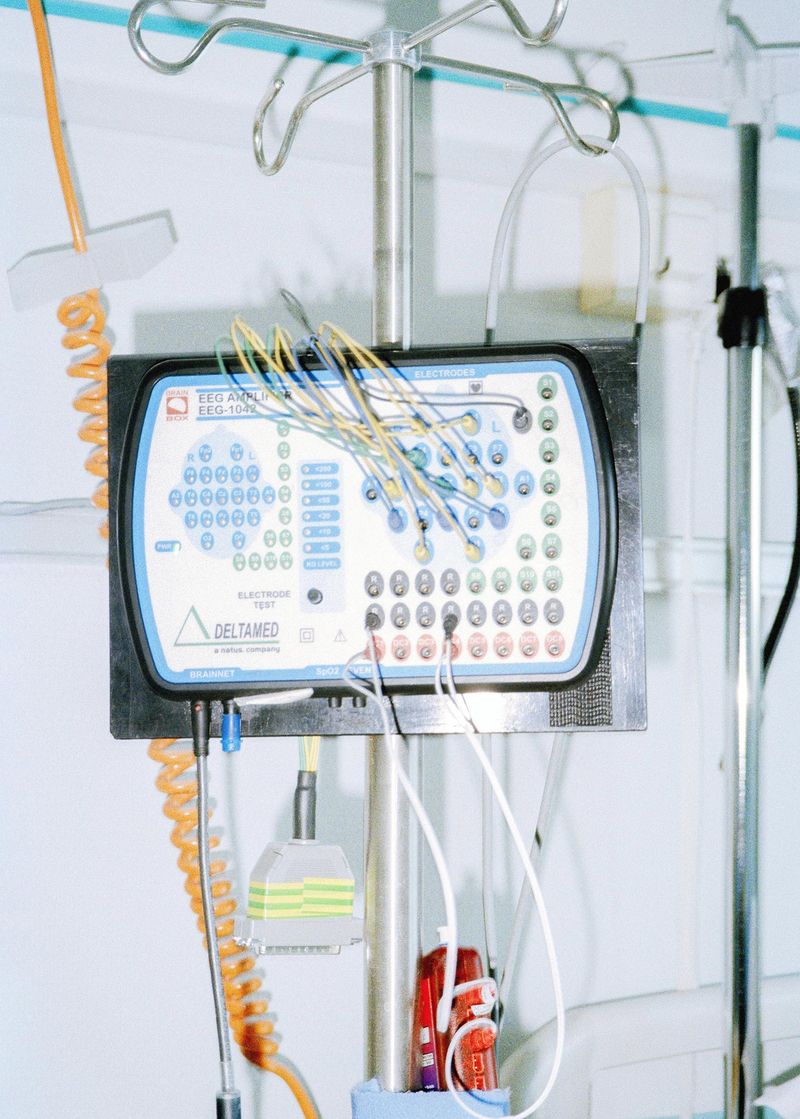
In Trajectories, Beatriz de Souza Lima explores the themes of care and interdependence through the documentation of two significant places in her life: the hospital she often visits and the botanical garden she passes on her way there.
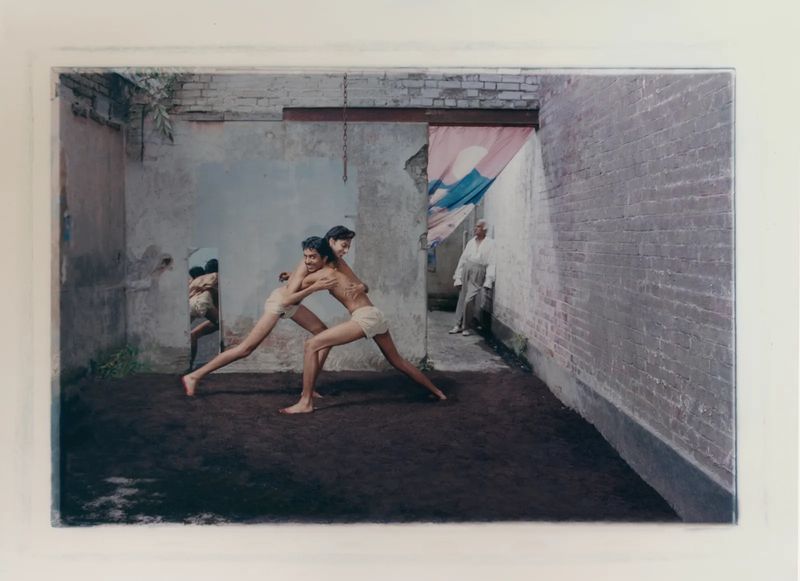
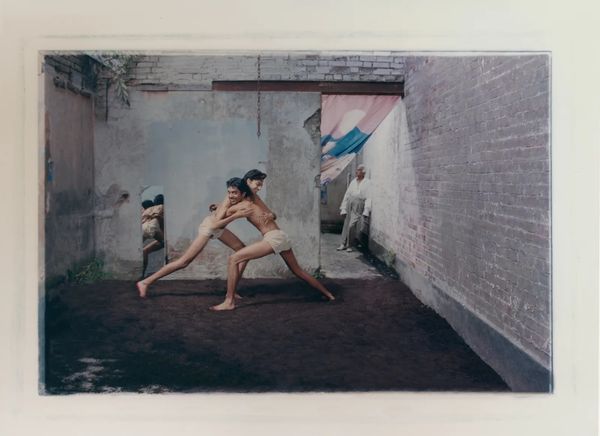
The Studio by Tara Laure Claire Sood is a tribute to the photographic studios that existed in Indian villages before cameras became commonplace and a way of faithfully representing Indian culture, without the fetishisation of "otherness" often represented by the Western gaze.
In addition, Closer collective show brings together the images of 40 photographers from around the world selected by the festival's open call. All the works focus on stories of proximity, responding to this edition's theme of the same name. Starting from the idea that observation itself can change reality and that every story is contamination, the images on show do not seek neutrality, but accept the partiality of the close-up gaze, making intimacy their strength.
Plus, an exhibition space will also be dedicated to the publishing projects produced during FOLIO 2024, the PhMuseum's online masterclass dedicated to the photobook that involved 13 artists internationally between October 2023 and May 2024.
PhMuseum Days 2024 will then continue beyond national borders with an exhibition in Mexico next November and an exhibition in Sweden in spring 2025. In fact, for the fourth consecutive year, the collaboration with Portofino Dry Gin continues, and this year it invited artist Carolina Pimenta (Portugal, 1988) to engage with the PhMuseum Days theme using Portofino as the set for her research. The images in High Seas, High Hopes that will be exhibited in November in Mexico City reflect a Portofino of sharp contrasts, in which ultra-glamour is mirrored and collides with human, imperfect, accessible gestures and elements. His photographs invite us to reflect on how we construct and de-construct the idea of a place.
Also scheduled for spring 2025 at the Gothenburg (Sweden) branch of NEVVEN Gallery is Two Ways To Carry A Cauliflower by Emma Sarpaniemi (Finland, 1993), an exploration of female self-portraiture through performance and play. In order to liberate the subject and the gaze from a patriarchal conception of femininity, Emma Sarpaniemi portrays herself wittily and tenderly, shaping an honest representation of herself and the reality in which she identifies.