Universal thoughts (Least common multiple) by Georg Petermichl at Francisco Carolinum, Linz (Austria)
-
Open5 Mar - 2 Aug 2026
-
Link
-
Press
-
Author
- Location Linz, Austria
Photography as a social tool: family archives meet mass tourism, collective rituals, and shared longing. Nude bodies on cars, key imprints in ceramic vessels, a film oscillating between staging and autofiction.
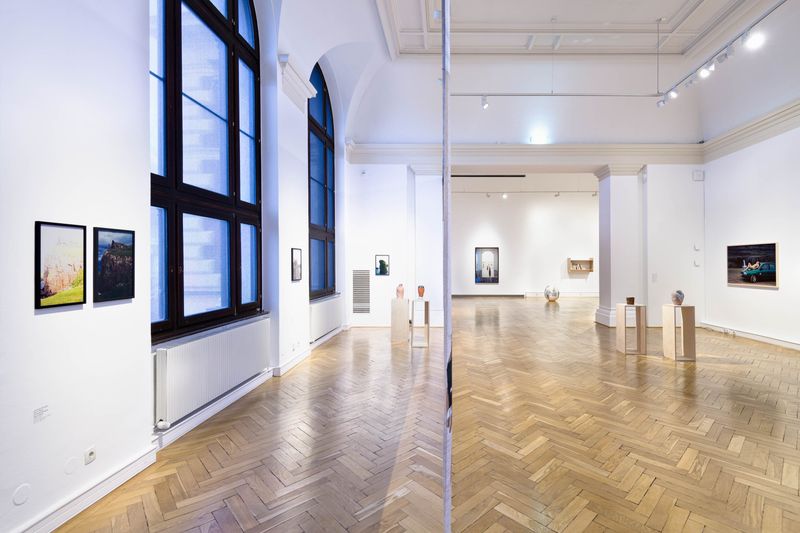
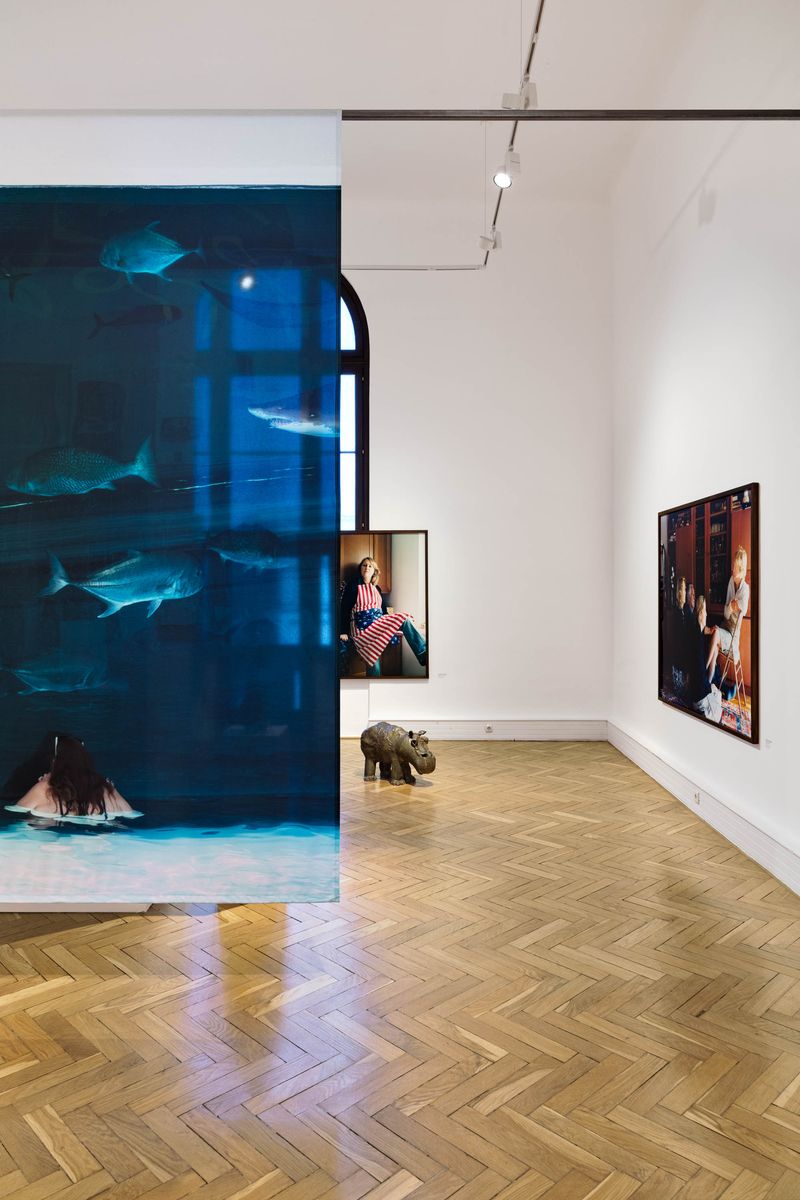
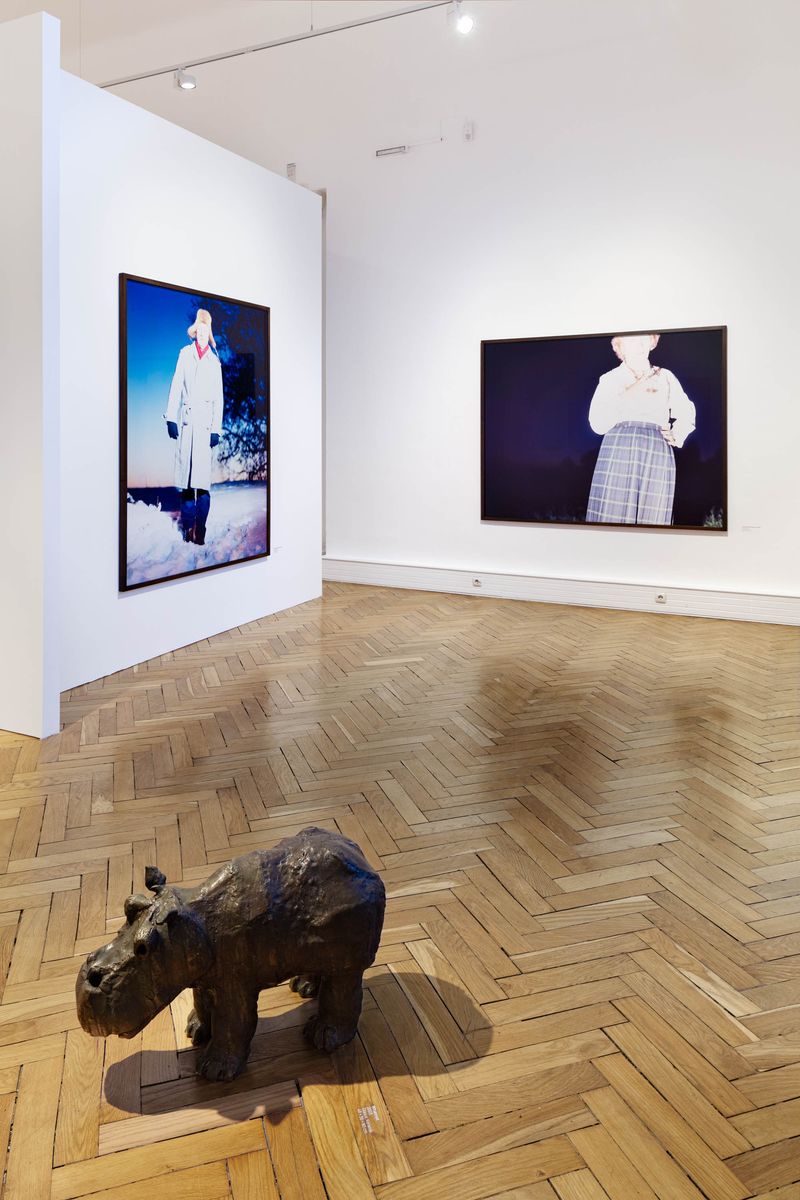
In his exhibition Universal Thoughts: Least Common Multiple at the Francisco Carolinum, Petermichl looks at photography as a social and psychological tool. Starting with the smallest personal cosmos—his own family and friends—he broadens his perspective to encompass larger contexts such as mass tourism, collective longings, and shared cultural practices.
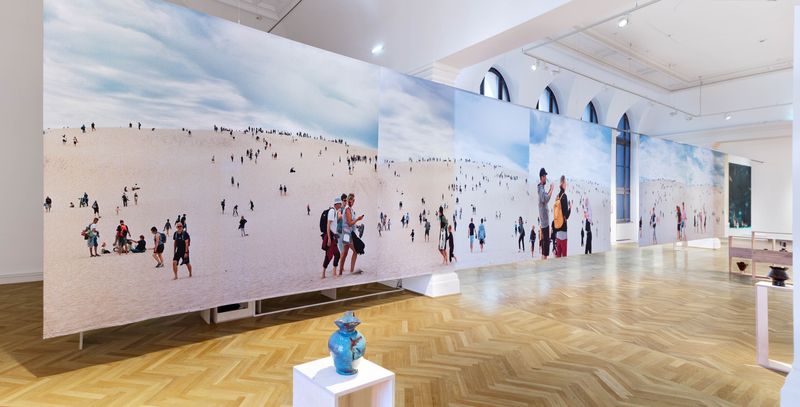
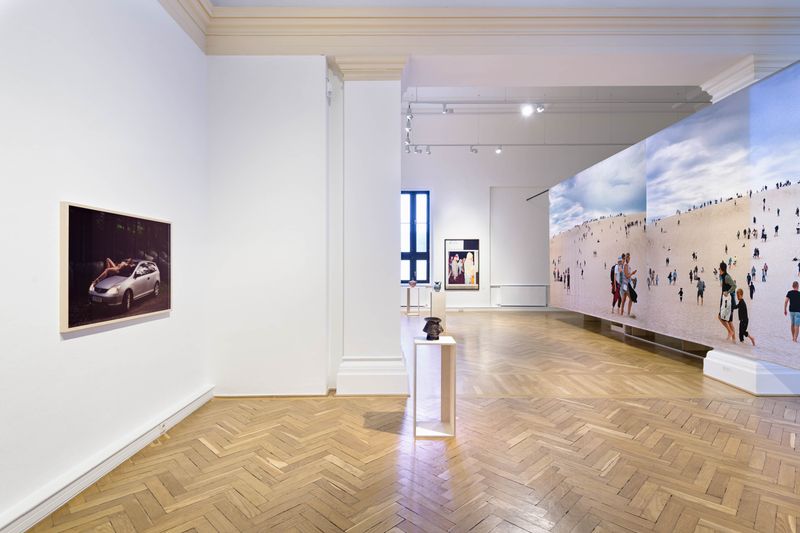
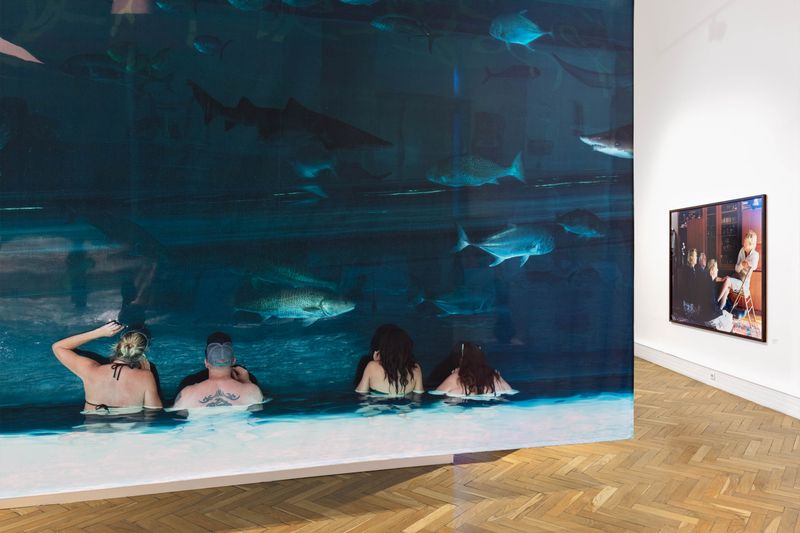
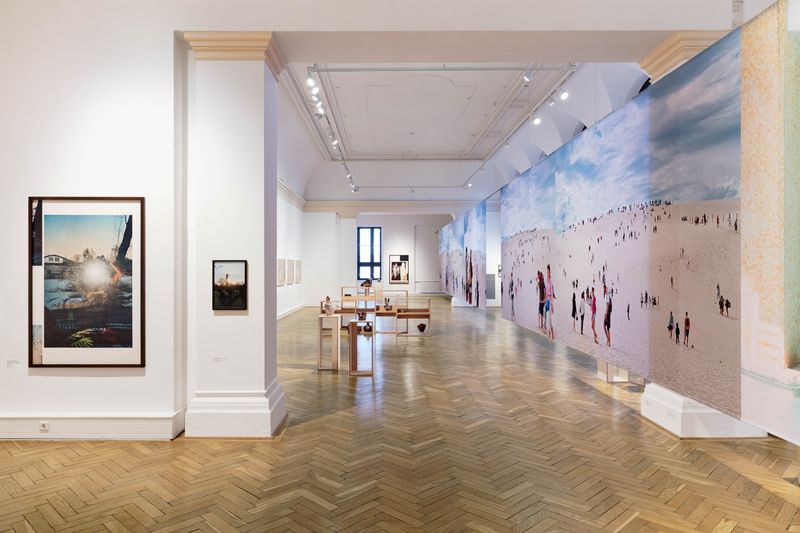
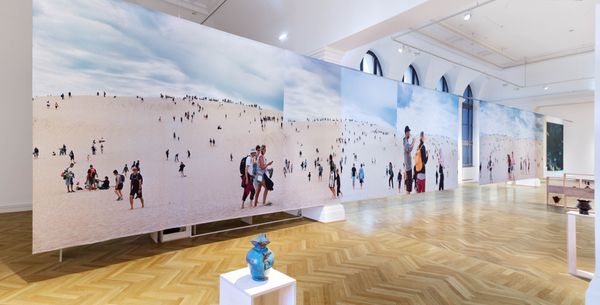
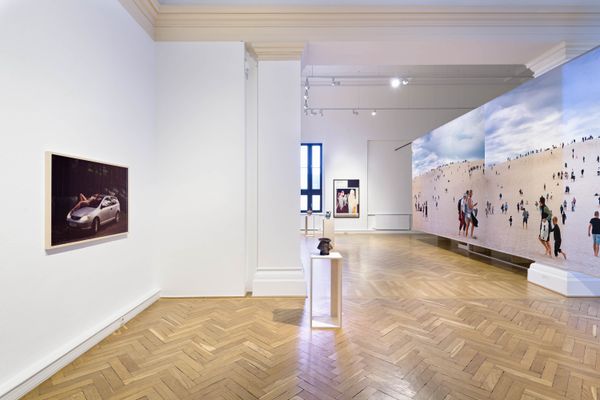
Central groups of works in the exhibition revolve around Petermichl’s family archive and photographic studies in which he explores the phenomenon of mass tourism—for example through photographs of tourist destinations where crowds of people move according to clear, almost choreographed patterns. He is interested here not in moral judgment but in taking a closer look: How do collective rituals arise? When does the individual stand out from the crowd?
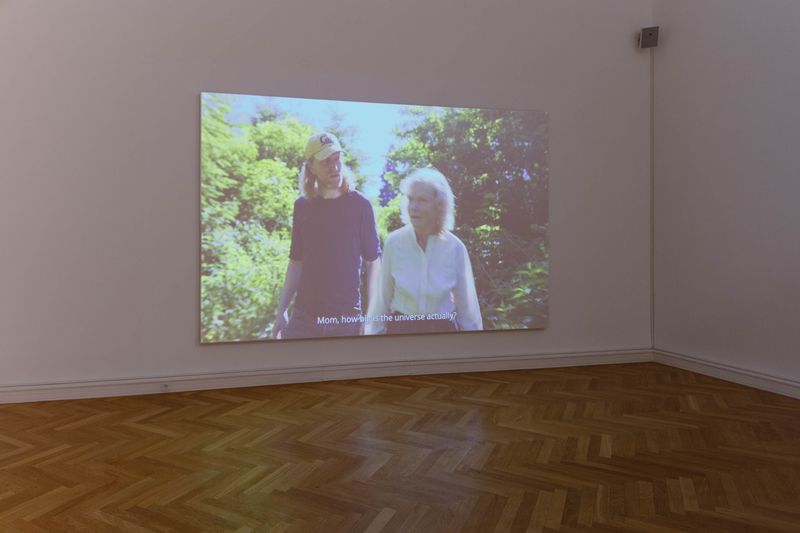
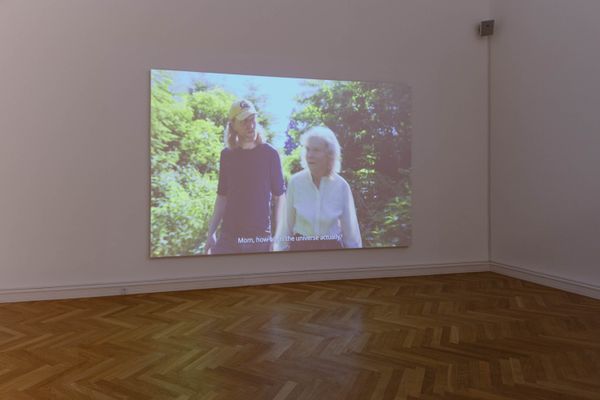
Enlarged images from private photo albums reveal that family means more than a biographical origin; it also serves as a projection surface for memory, authority, and closeness. This point of view is explored in greater depth in a 21-minute film. Portraying both personal biography and a general mood of social uncertainty, the film deliberately fuses staging, documentary, and autofiction to turn the family into a place where knowledge, doubt, and experience are negotiated.
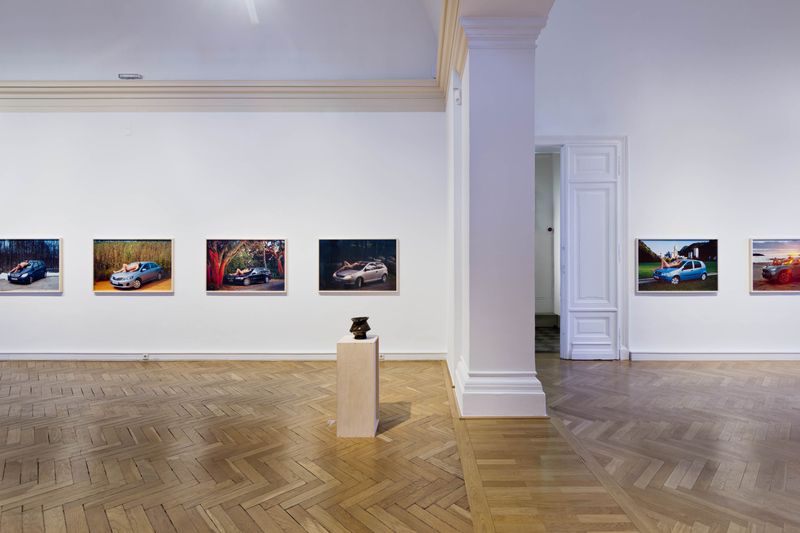
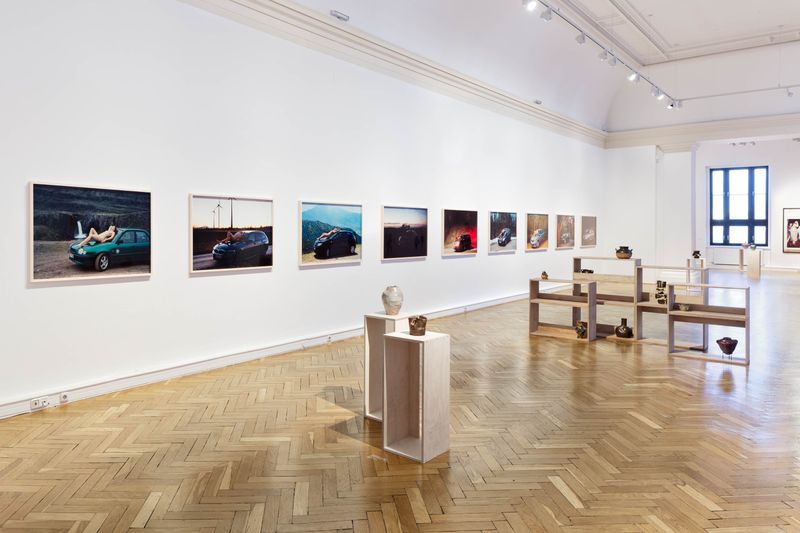
In his series u.t. (After Pirelli), Petermichl had close friends pose nude atop cars set against various landscapes. Deliberately borrowing from popular image types, he deals here with questions of intimacy, closeness, and public display. The works were produced over a period of twelve years and are based on the photographer’s close personal relationships. They thus form a deliberate alternative to today’s rapid, omnipresent production of images.
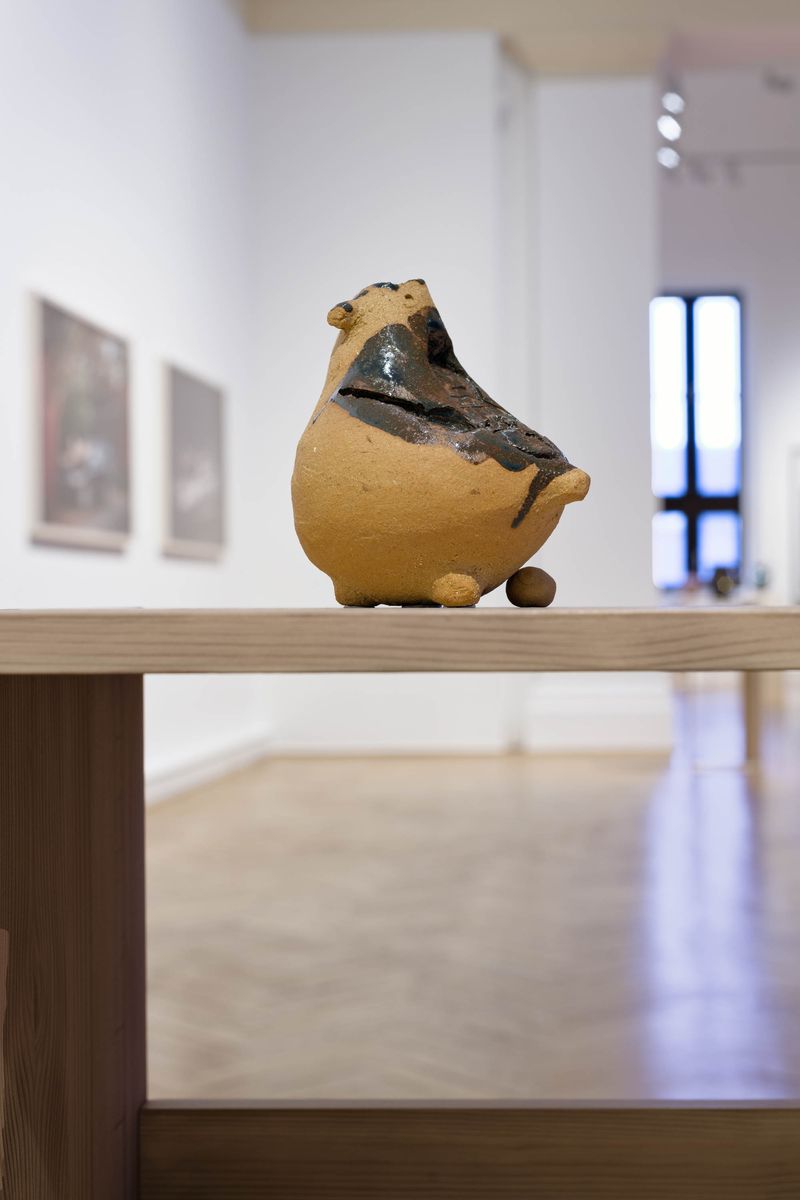
The photographic works are accompanied in the show by ceramic objects in which the key appears as a central motif. A seemingly self-evident element of artistic mobility is the theme here: access to temporary work locations, residencies, and studios made possible by the simple handover of a key. At the latest since the immigration controversies of 2015, however, it has become amply clear just how politically fraught and unevenly distributed such access really is.
Imprints of keys in the ceramic pieces thus take on the significance of biographical traces. Historical vessel shapes refer to utilitarian objects and cultural continuities, while the imprint of the key marks individual paths, sojourns, and transitions. Vessels have historically served as objects of daily use, as functional items, but in the museum context they are transformed into objects of contemplation that are not meant to be touched and whose original purpose is therefore suspended. Petermichl is also interested in this same ambivalence in the case of Donald Judd’s famous bookshelf—an object originally meant to hold books but which in the museum can hardly serve its intended purpose. The utilitarian object thus becomes a museum display—simultaneously preserved and lost.
Across photography, film, object, and installation, an exhibition unfolds that explores photography as a medium of social relationships. Visitors are encouraged to reinterpret seemingly familiar images as expressions of shared longing, common rules, and a “least common multiple” that connects individual experience with social reality. Questions arise as to what drives people, how memories are formed, and what role photographs play as vehicles of identity, projection, and social reality.
Georg Petermichl (b. 1980 in Linz) is an Austrian photographer whose conceptual working method involves observing everyday life, drawing on personal archives, and examining social structures.
He earned a degree in journalism and communications at the University of Vienna in 2007 and then studied art and photography with Eva Schlegel and Matthias Herrmann at the Academy of Fine Arts Vienna until 2010. His artistic practice is photograph- based and has received numerous scholarships and awards. He was Professor for Photography at Mozarteum University (Salzburg) and is a member of the Secession, Vienna.