Soft Photography – Human Emotions and Machine-Generated Images

-
Open12 Nov - 15 Nov 2026
-
Link
- Location Paris, France
The research will be presented for the first time during Paris Photo 2026. It comprises a major group exhibition at Espaces Commines and, at the invitation of the fair, an educational programme at the Grand Palais.
Overview
How do we respond to AI-generated and CGI images? What place do these representations occupy in contemporary visual culture?
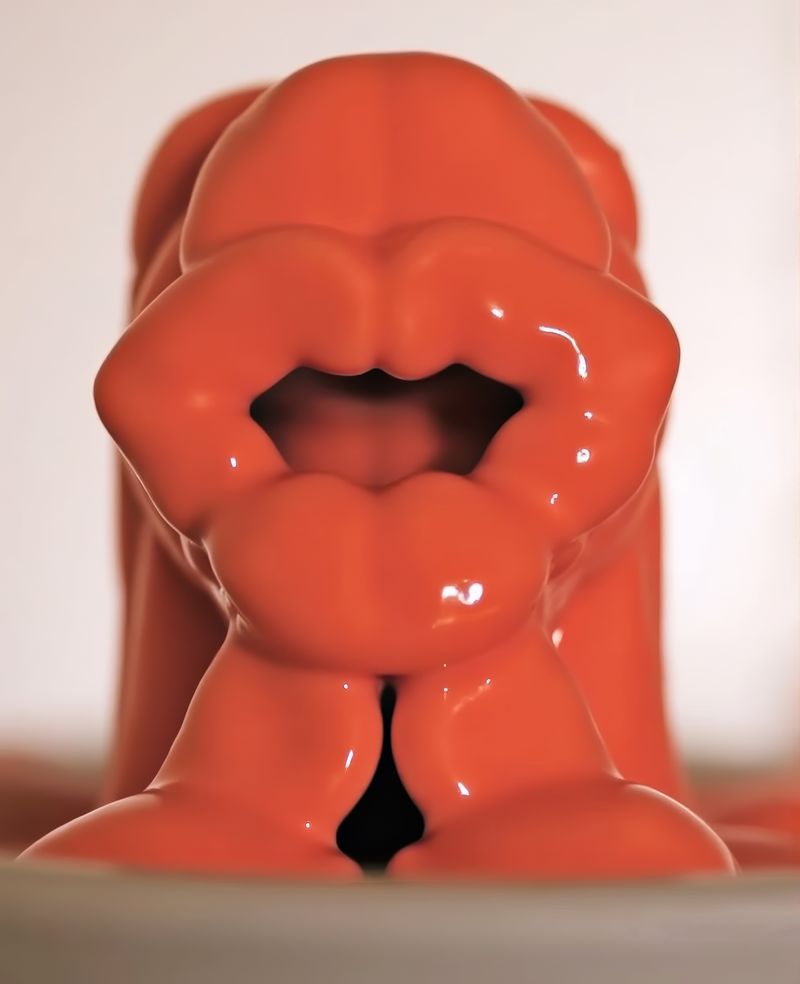
Soft Photography reflects on the use of generative photographic technologies through the lens of emotion. Developed as part of the Master Photography program at ECAL/University of Art and Design Lausanne, this research project takes as its starting point the central role of our emotional responses to the constant flow of images on social media — from oddly satisfying videos and ASMR to rage-bait and propaganda.
Bringing together artistic experimentation and theoretical inquiry, the research examines how images are increasingly designed to hold our attention indefinitely. In conjunction with Paris Photo, ECAL’s Master Photography will present two exhibitions and launch a publication with a selection of projects that examine how the engineering of affect has become a defining logic of contemporary photographic culture.
Soft Photography extends a research dynamic initiated in the Master Photography at ECAL over a decade. Its public outputs (exhibition, symposium, publication, and website) are conceived as a coherent ecosystem building on the methodological and conceptual foundations of Augmented Photography (2016–2017) and Automated Photography (2019–2023). These earlier research established a framework for examining the transformations of the photographic image when confronted with digital plasticity, automation, and the shifting conditions of production, distribution and reception.
These research projects bring together artists, theorists, designers, and researchers, whose combined perspectives place contemporary photography at the crossroads of critical research and applied experimentation. By integrating different approaches, these projects bridge the gap between theoretical reflection and concrete implementation, allowing conceptual proposals to be tested, materialized, and debated in real-world contexts.
The research will be presented for the first time during Paris Photo 2026. It comprises a major group exhibition at Espaces Commines and, at the invitation of the fair, an educational programme at the Grand Palais. The exhibition will subsequently be shown at Photo Elysée, Lausanne, in 2028.
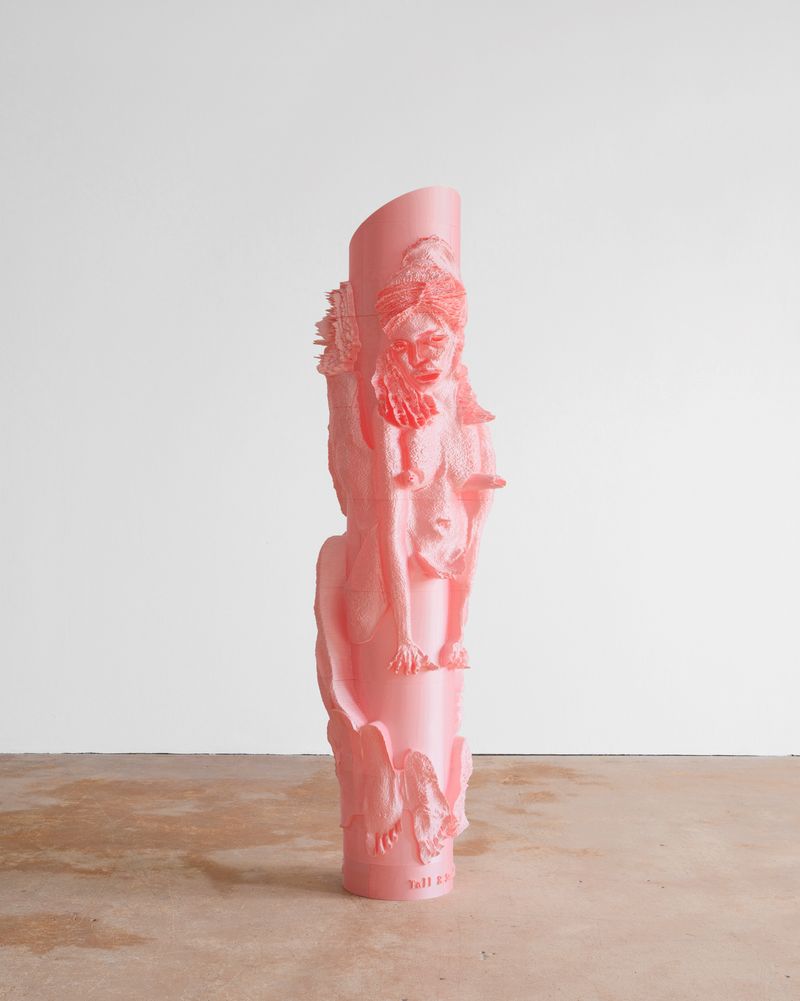
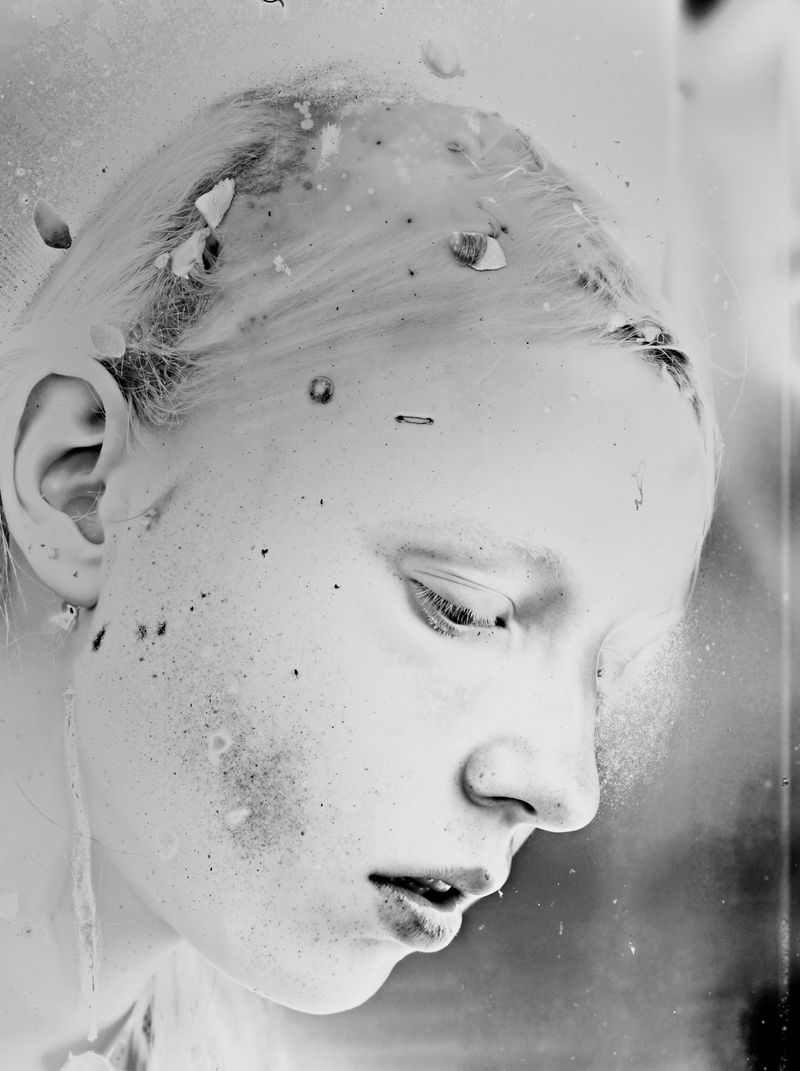
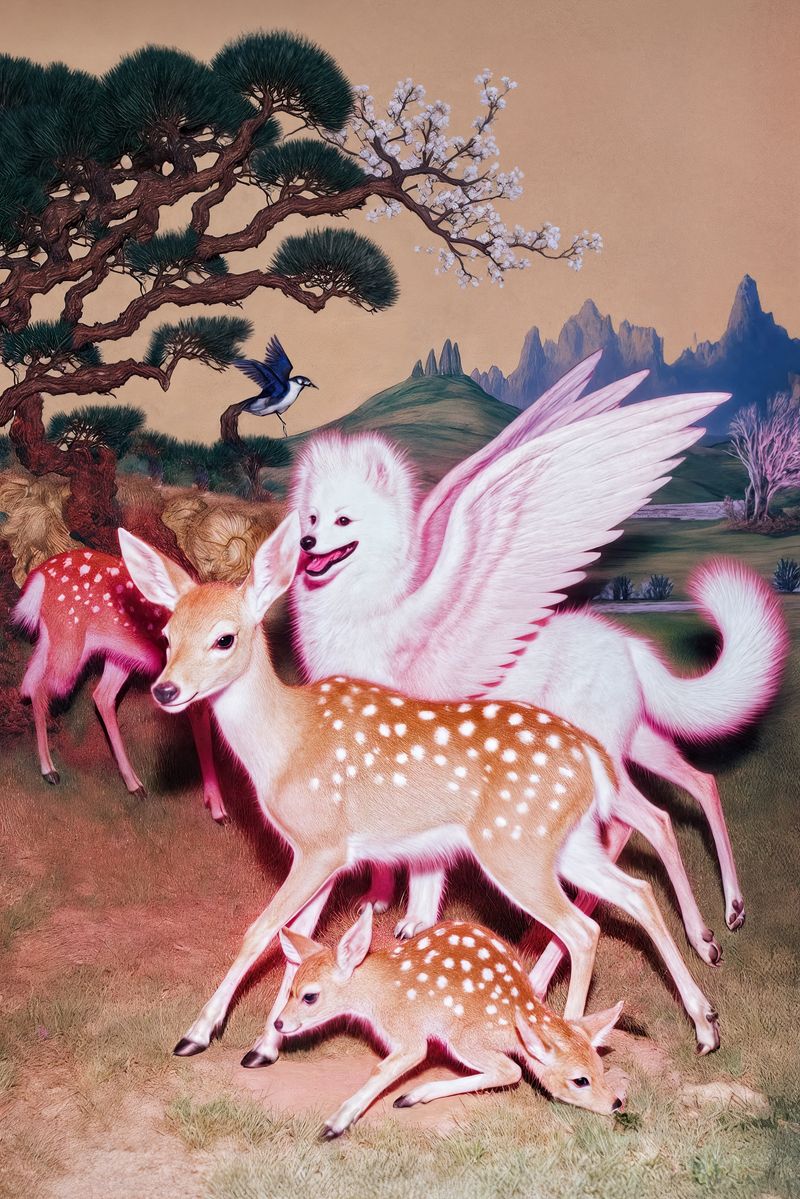
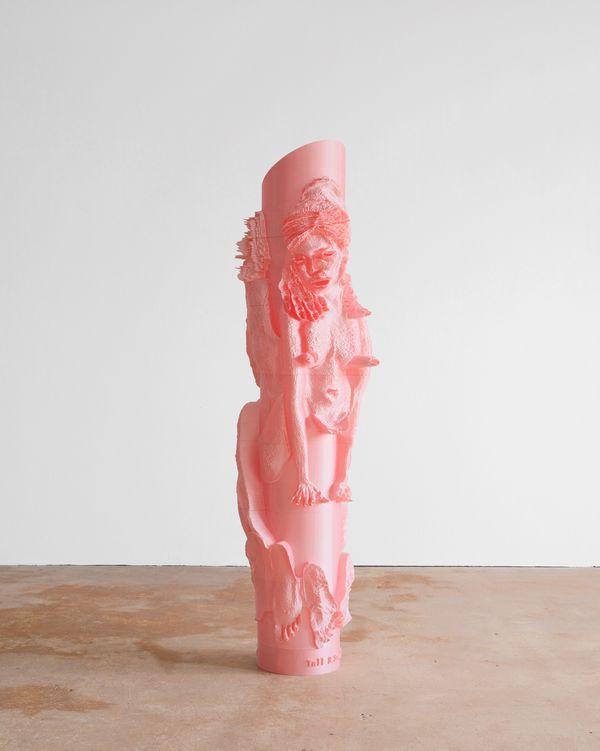
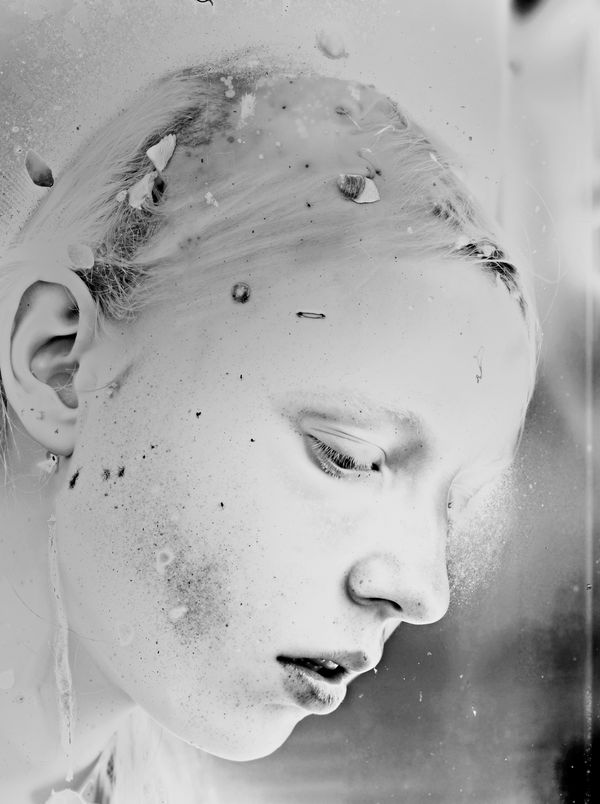
The exhibition features work by established artists involved in the research, such as Charlie Engman or Felicity Hammond, as well as student artists from the Master Photography program who created works under the direction of digital curator Marco De Mutiis. The outcome is a cross-section of contemporary photographic practices, from prints and media installation to photographic sculpture. The original scenography has been designed by Adrien Rovero Studio. It is two-tone (grey and pink) and inflatable. It uses a modular system to create a distinct emotional experience.
Featuring contributions from leading theorists alongside both emerging and established artists, a publication offers a multifaceted perspective on the interactions between affect, subjectivity, and technical systems for image production. The essays offer distinct views on emotion and technology and visual portfolios threaded through the text present contemporary practices that echo these concerns. Engaging with attraction and repulsion, intimacy and loss, these works show how artists employ technological tools to explore the fragility of emotion and subjectivity within algorithmic environments.