Metamorphosis at Capa Center
-
Open7 Oct - 17 Jan 2027
-
Link
- Location Budapest, Hungary
Curated by Emese Mucsi, the exhibition was realized with the support of FUTURES. Following Prague, Rouen, and Turin, the traveling show arrives at its final venue: the Capa Center in Budapest.
Overview
“All living creatures are, in a certain sense, the same body, the same life and the same self, continually passing from form to form, from subject to subject, from existence to existence […] We are all a piece of it, a spark of light. Energy, solar matter, attempting to live differently from how it lived in its innumerable previous existences. […] Difference is never a nature; it is a destiny and a task. We have no choice but to become different, we are obliged to metamorphose.” — Emanuele Coccia. Metamorphoses. Translated by Robin Mackay, Polity, 2021
In his book Metamorphoses, philosopher Emanuele Coccia offers a radical reassessment of life and nature. He argues that every living being in the world—from bacteria to plants, animals to humans—shares in a single, continuous, and indivisible life. In this view, species are not separate, fixed categories but continuous transformations—metamorphoses—of one and the same matter and soul. This new understanding dismantles the traditional boundaries between nature and culture and between the living and the nonliving, and invites us to see human beings not as masters of the world but as part of a global, interwoven, and ever-changing ecosystem.
Metamorphosis encompasses more than the biological and spiritual transformation we experience through the senses: the concept is also familiar from Ovid’s Metamorphoses, one of the most influential classics of Western culture. Emanuele Coccia addresses this tradition in “The Metamorphosis of Art,” his commentary for this traveling exhibition, where he explicitly links the concept of metamorphosis to the origins of art. In choosing this word as his title, Ovid articulated two fundamental ideas at once. The first is the continuous transformation of forms: everything changes, yet precisely for this reason nothing perishes for good; change thus ensures the continuity of life. The second is that Ovid recognized in metamorphosis the very nature of literature and of art more broadly, defining myth itself as an instrument of transformation. Stories do more than recount past events—they can also change us, allowing us to step outside ourselves and return transformed. Myths, stories, and other works of art thus serve not simply to preserve a culture but to give it ever-new forms. This is why, although cultures may disappear or merge with one another, myth—and art more broadly—lives on.
This also sheds light on the role and stakes of contemporary art and of contemporary photography in particular. Contemporary photography records and interprets change as it happens rather than in retrospect. It asks questions we do not yet have ready answers to, and it can spark wide-ranging public debate about contentious phenomena. In doing so, it not only reveals change but can also directly shape its course. Watching today’s world-historical events and the rise of artificial intelligence, we increasingly sense that our civilization has reached the threshold of a new era. The artists featured in the exhibition are witnesses, interpreters, and shapers of this crisis, playing out on multiple levels: they were born toward the end of a period that fundamentally transformed humanity’s understanding of its own body and the world around it. Discoveries in quantum mechanics and molecular biology led us increasingly to understand the world through the smallest scales of matter and life, while research into epigenetics and the microbiome has also revealed that the human body is not an isolated entity but part of an ecosystem built on interaction, coexisting with a multitude of other living beings.
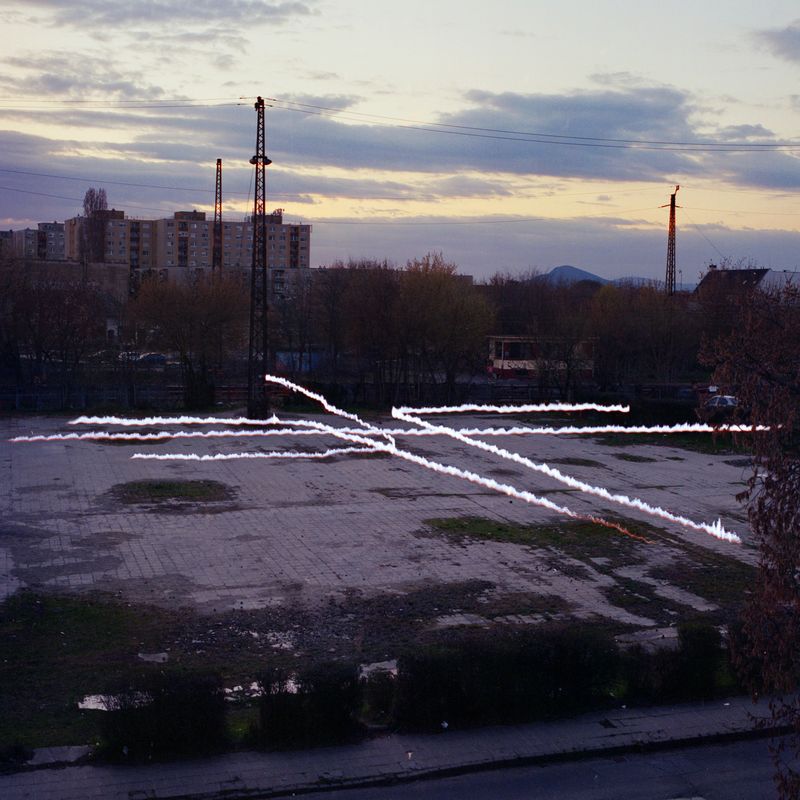
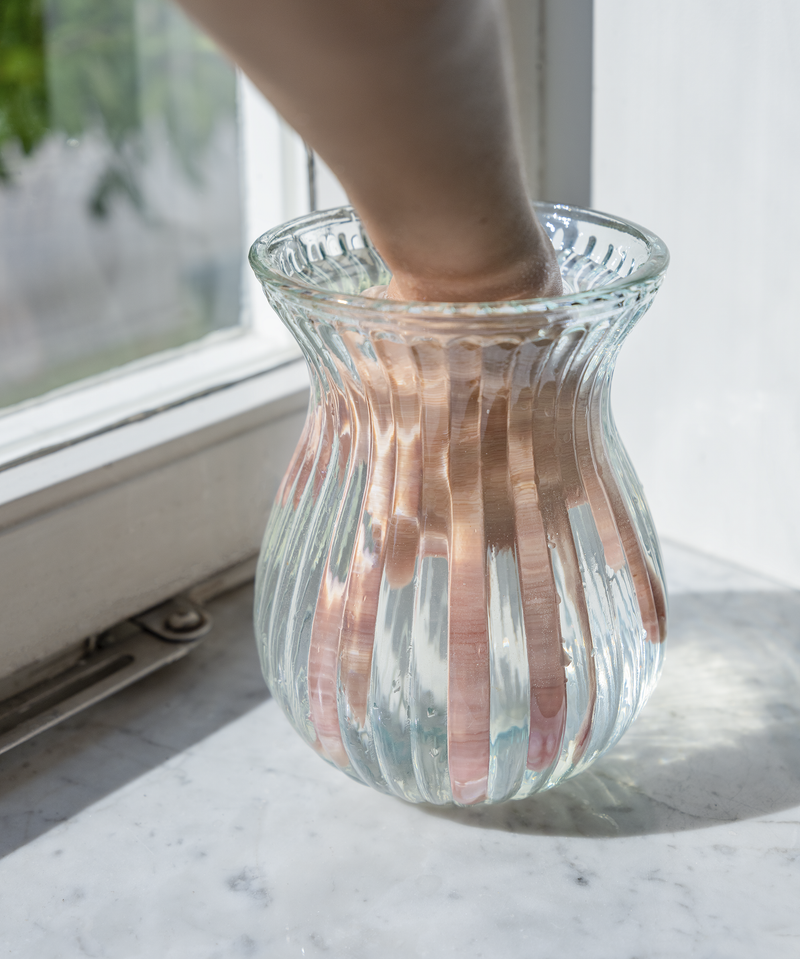
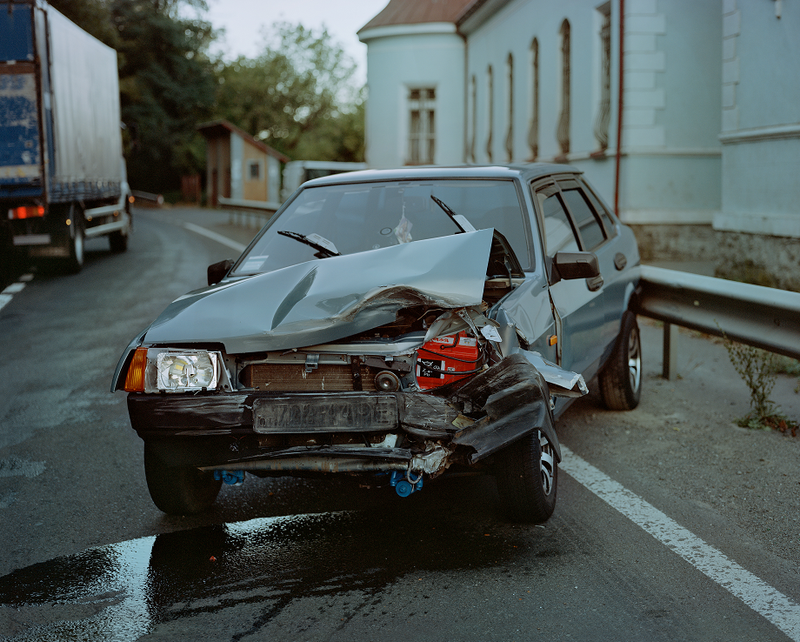
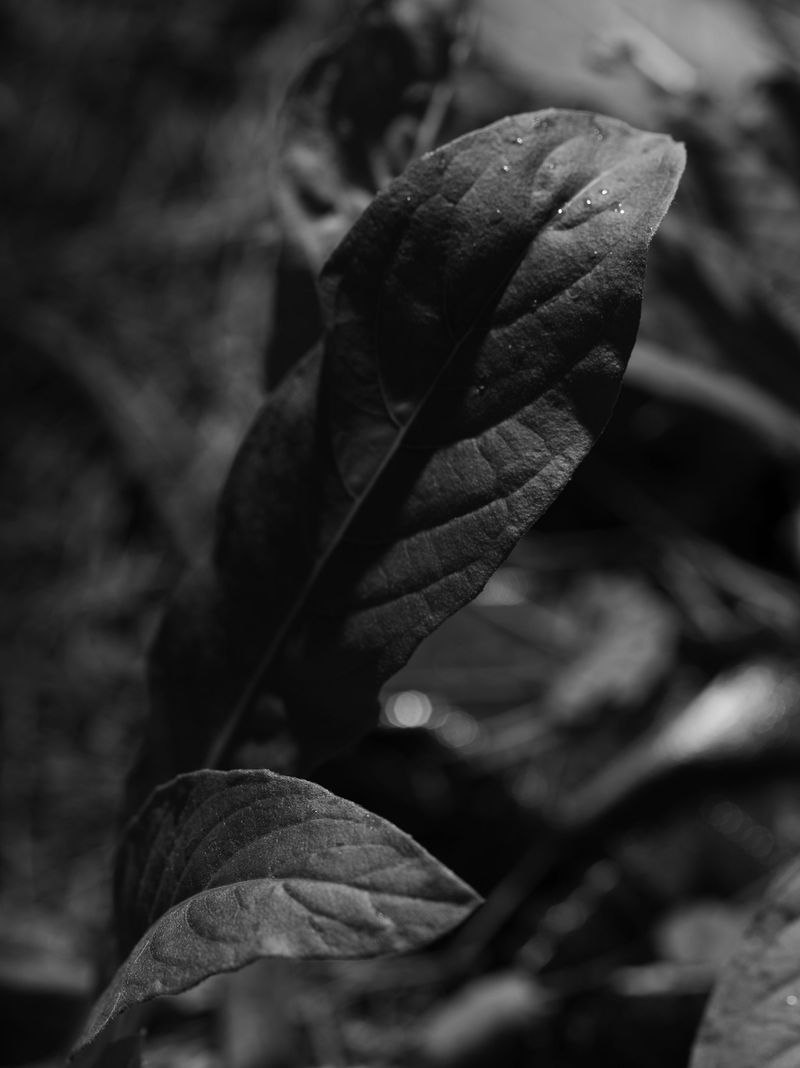
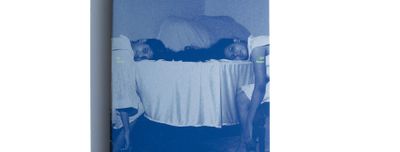
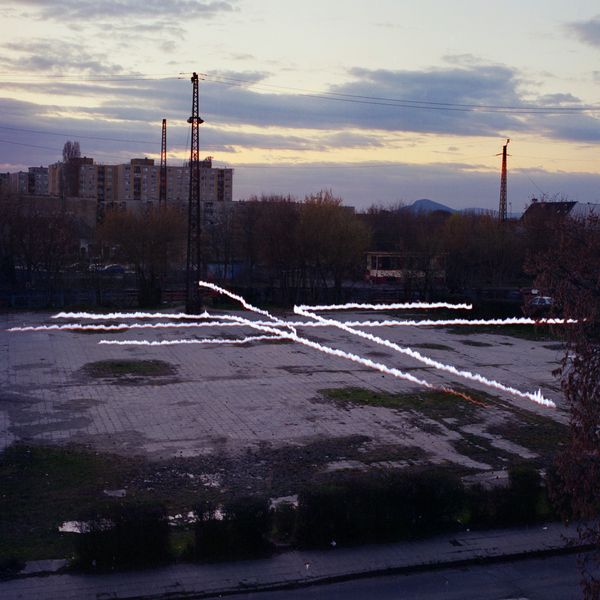
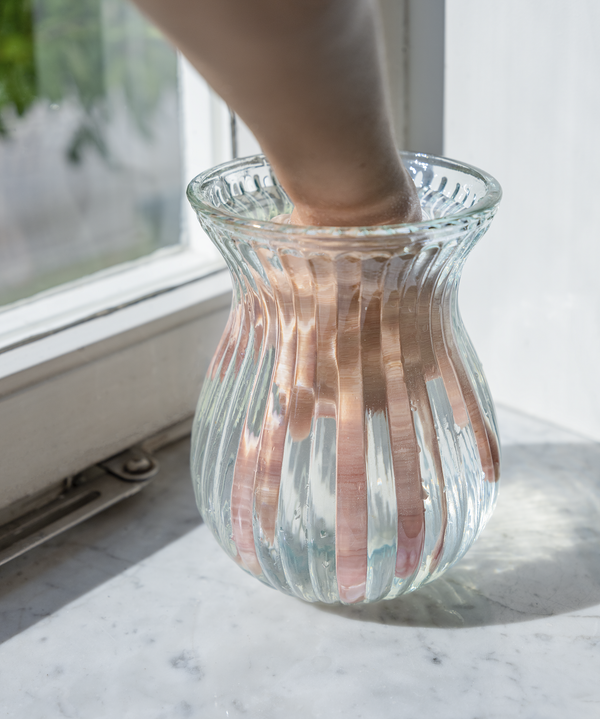
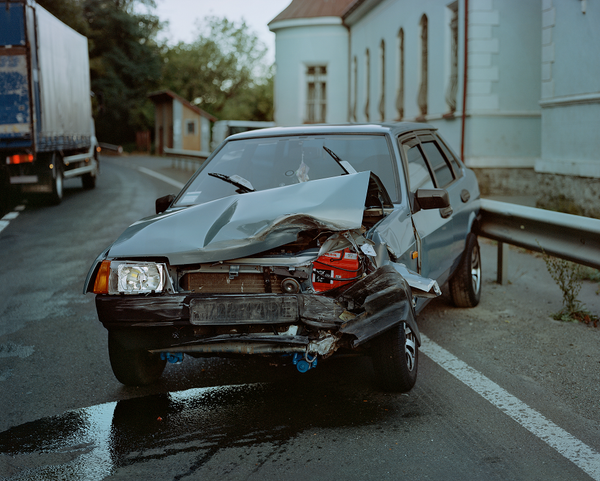
Through the work of nine artists, the exhibition seeks to convey this complexity. Drawing on Coccia’s thought, we might say that metamorphosis is not one particular phenomenon of life among others but life itself. The works on view make this continuous transformation visible across different scales: from the cells to human and family relationships, landscapes, and the cosmos. The nine artists featured in the exhibition—Claudia Amatruda (Italy, b. 1995), Máté Bartha (Hungary, b. 1987), Marcus Gustafsson (Sweden, b. 1990), Vitalii Halanzha (Ukraine, b. 1991), Zoe Hamill (United Kingdom, b. 1987), Emilia Martin (Poland, b. 1991), Anna Orłowska (Poland, b. 1986), Constantin Schlachter (France, b. 1992), Balázs Turós (Hungary, b. 1990)—explore three domains of metamorphosis: the microscopic world of molecular transformations; changes in human and family relationships; and environmental processes revealed through the landscape, sometimes extending to a cosmic scale. As they observe and interpret these changes, the artists themselves participate in metamorphosis. They bring new forms into being, and rather than merely showing these transformations, they also offer us the opportunity to forge a new relationship with our own world and to enter a shared intellectual space in which to reflect on change.