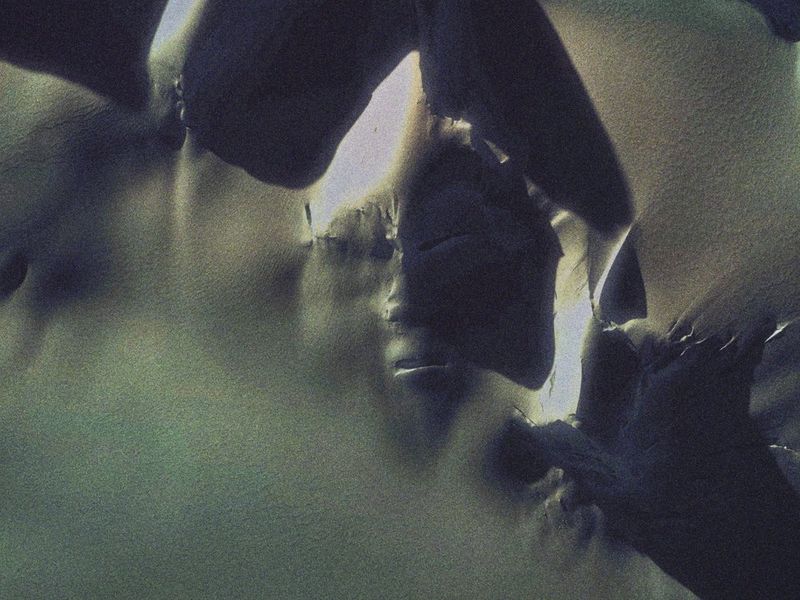
Antarctic Archives by Janis Polar at Photoforum Pasquart
-
Open16 Feb - 21 Apr 2025
-
Link
- Location Biel/Bienne, Switzerland
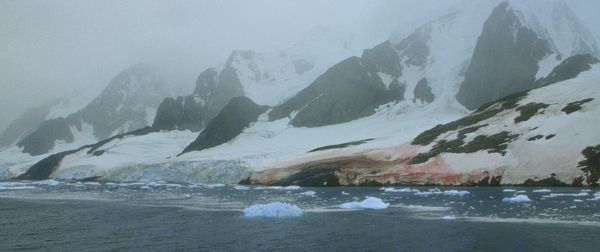
In Antarctic Archives, Janis Polar examines how Antarctica is constructed as the “last untouched natural frontier” – only to break with this image.
Overview
His work questions the violence of discovery and the geopolitical, ecological and colonial narratives that characterise this continent. In doing so, he sheds light on the role of technological and cultural constructions and the power of images in the perception of natural spaces. Antarctic Archives experiments artistically with entangled interstices, gaps and ambivalences in the writing of history, the present and the future and asks: What are we still measuring the world for?
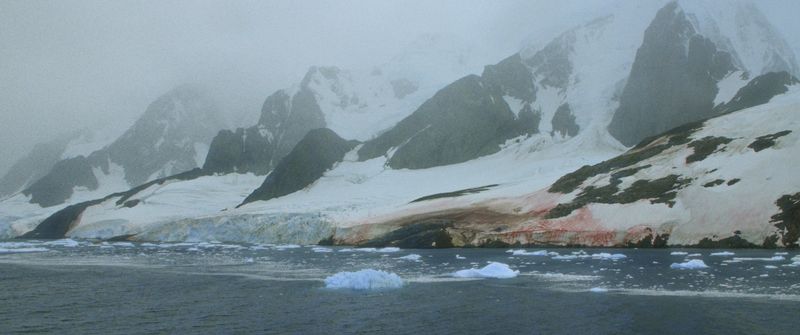
The work deals intensively with the multiple roles of Antarctica in cultural studies and audiovisually: as an object of research, as a political space, as the basis of life for the non-human and human. Janis Polar reflects on how scientific technologies have been used to make the world under the ice visible to humans – and how these discoveries often remain ambivalent or can simultaneously arouse colonial and geopolitical interests. In doing so, he also addresses how people and nations not only map ‘nature’ through their technical achievements, but also manipulate and instrumentalise it.
At the same time, Janis Polar explores the question of how the narrative of Antarctica as an “untouched” terrain, as a frozen desert, can also conceal the actual power struggles over this region. His work reveals how ideas and images of ownership, control and discovery shape perceptions of Antarctica and thus influence our relationship to the natural world in different ways.
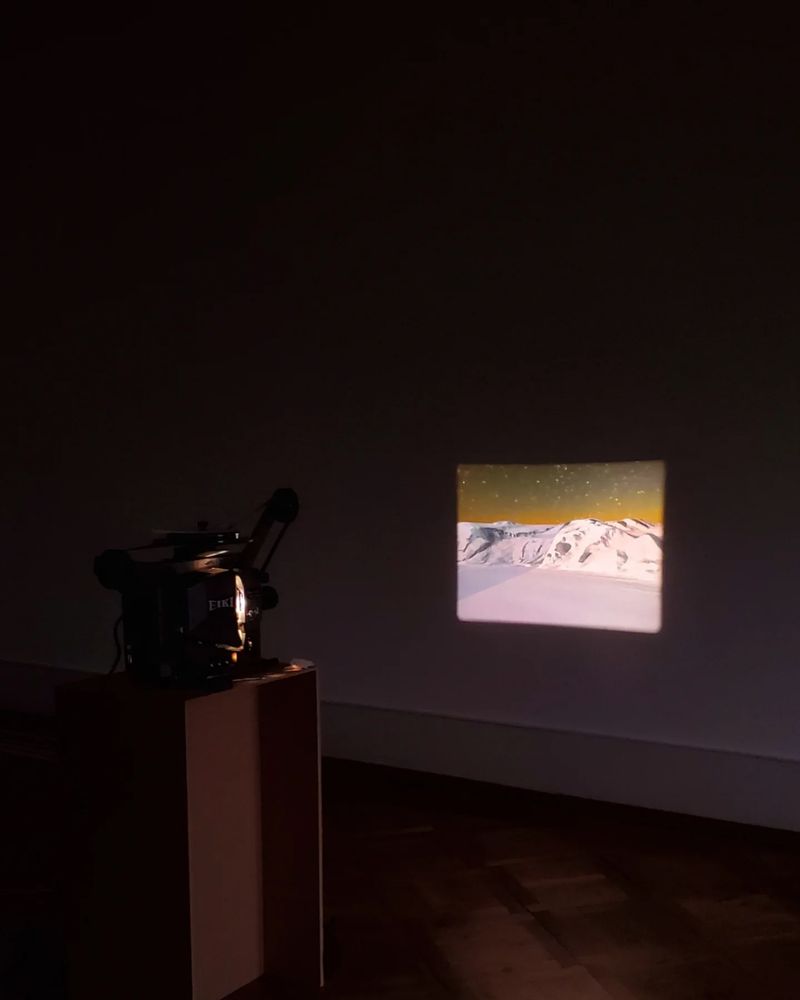
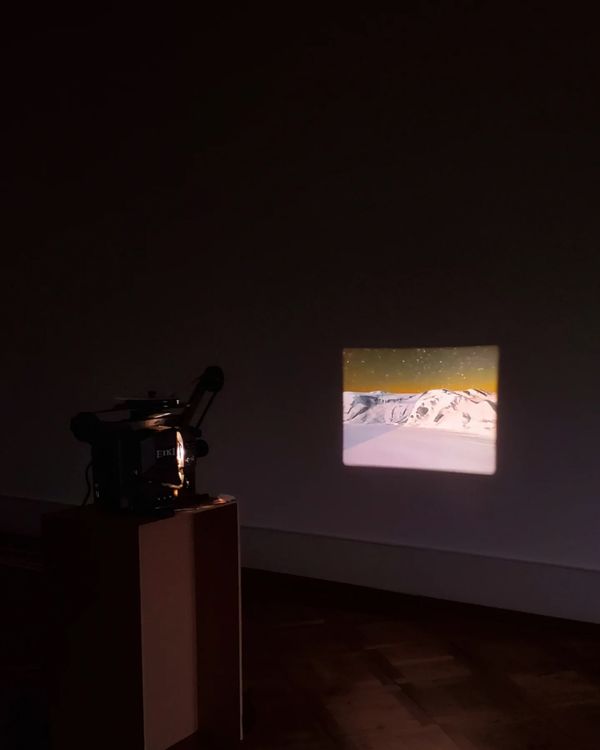
The exhibition combines Janis Polar’s own film footage, scientific images and archival material, as well as immersive soundscapes created in collaboration with Taonga Puoro Māori composer Jerome Kavanagh Poutama. This auditory layer gives Antarctica another “voice” and invites the audience to perceive the region not just as an empty landscape, but as an active player in global narratives.