To Skip A Sinking Stone

-
Dates2023 - 2025
-
Author
- Location Greenland
-
Recognition
To Skip a Sinking Stone is an atlas that maps the relationship between Greenland’s ice sheet and the intricate tapestry of life it sustains, revealing a landscape quietly working to reclaim itself.
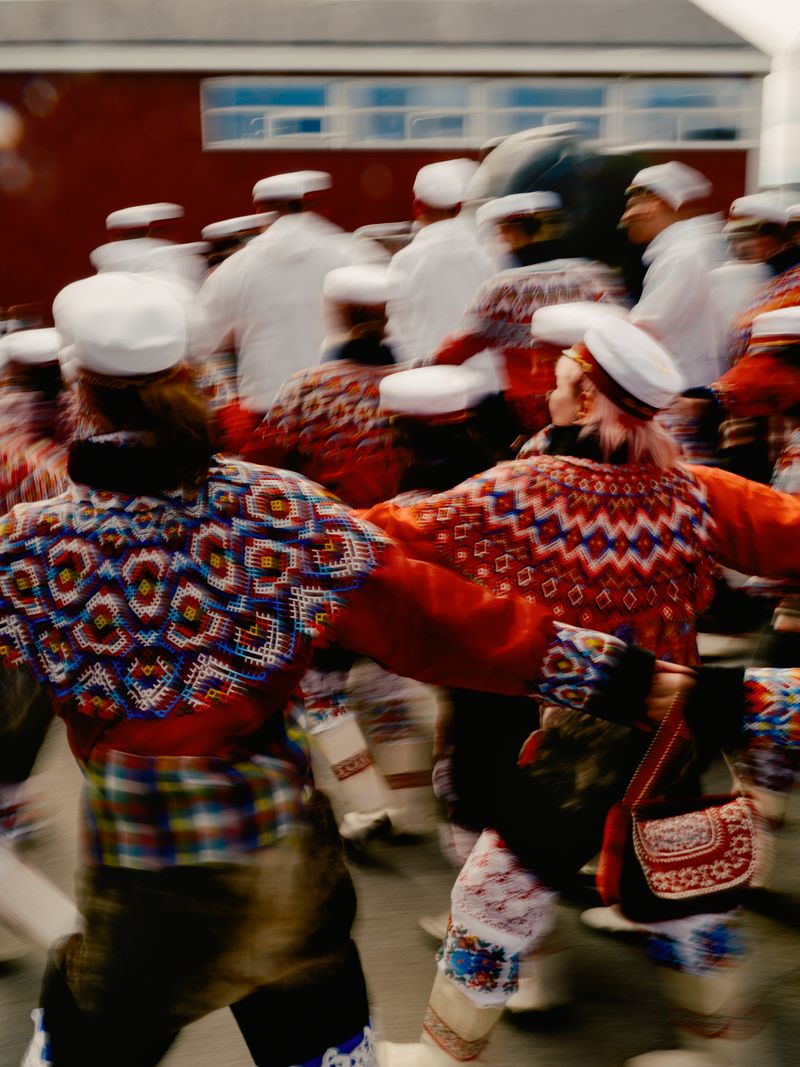
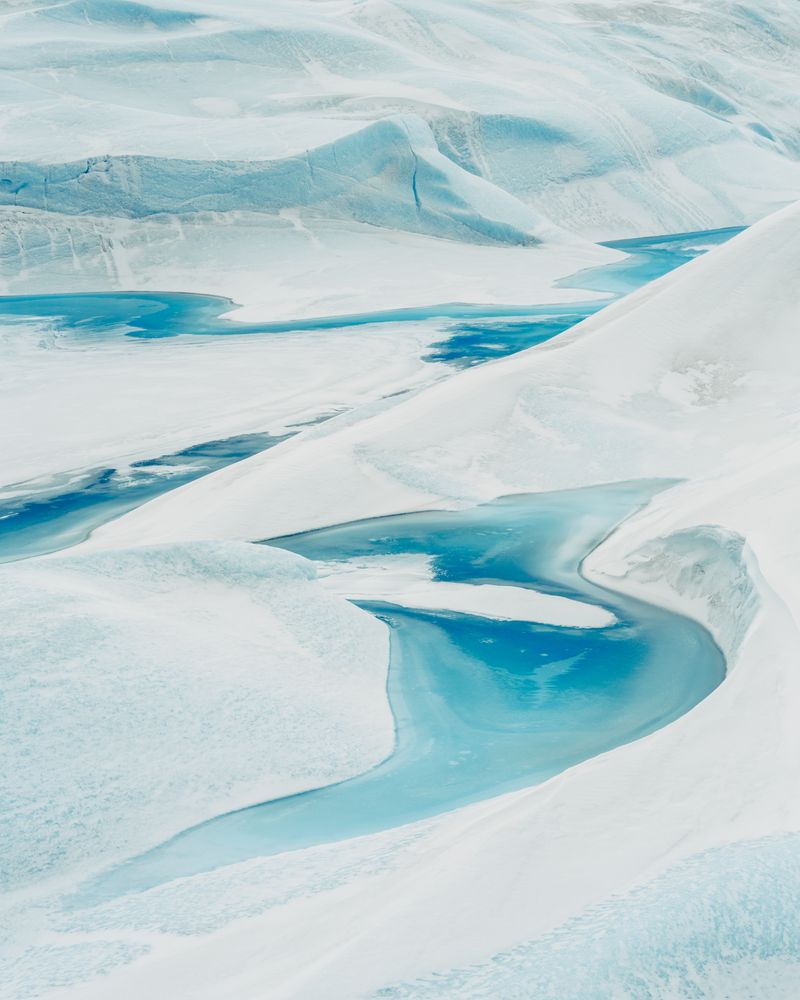
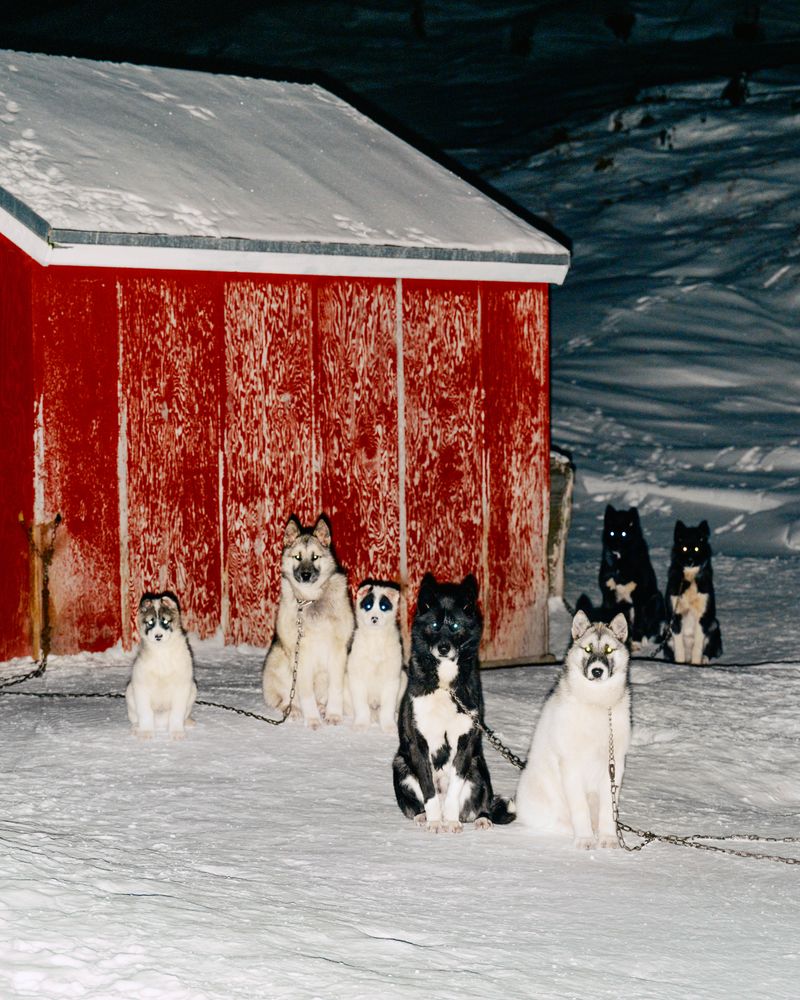
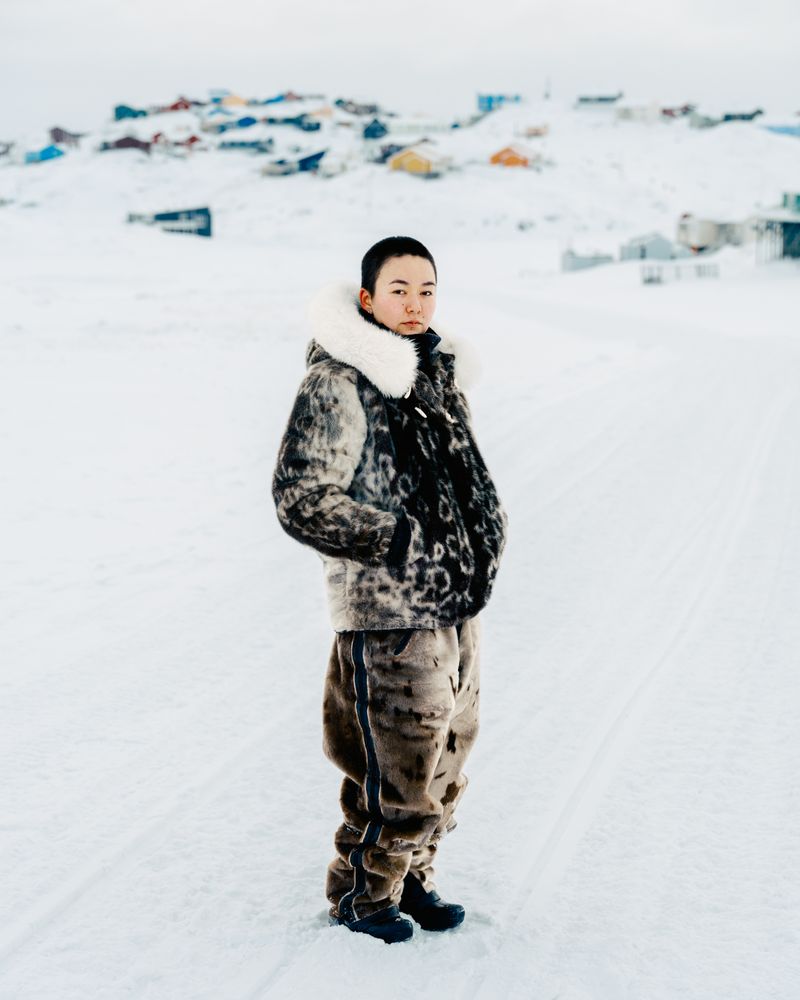
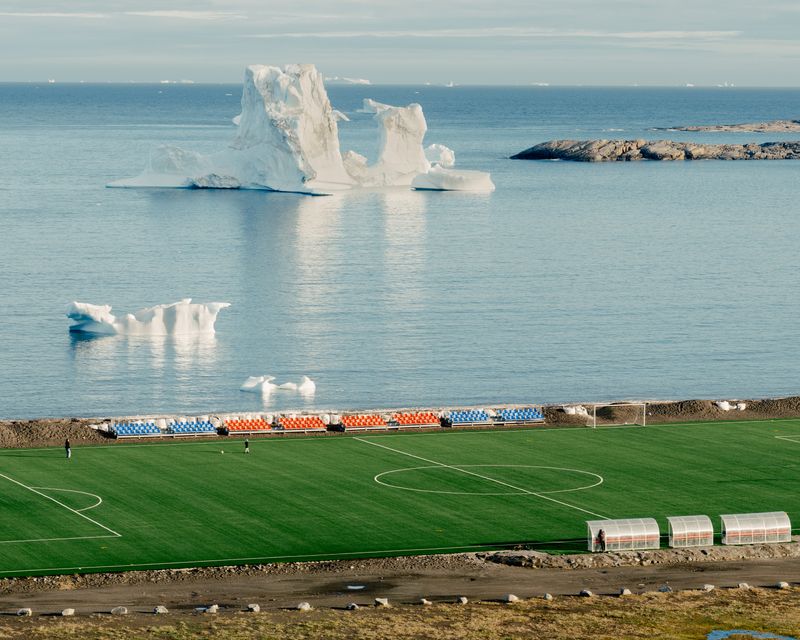
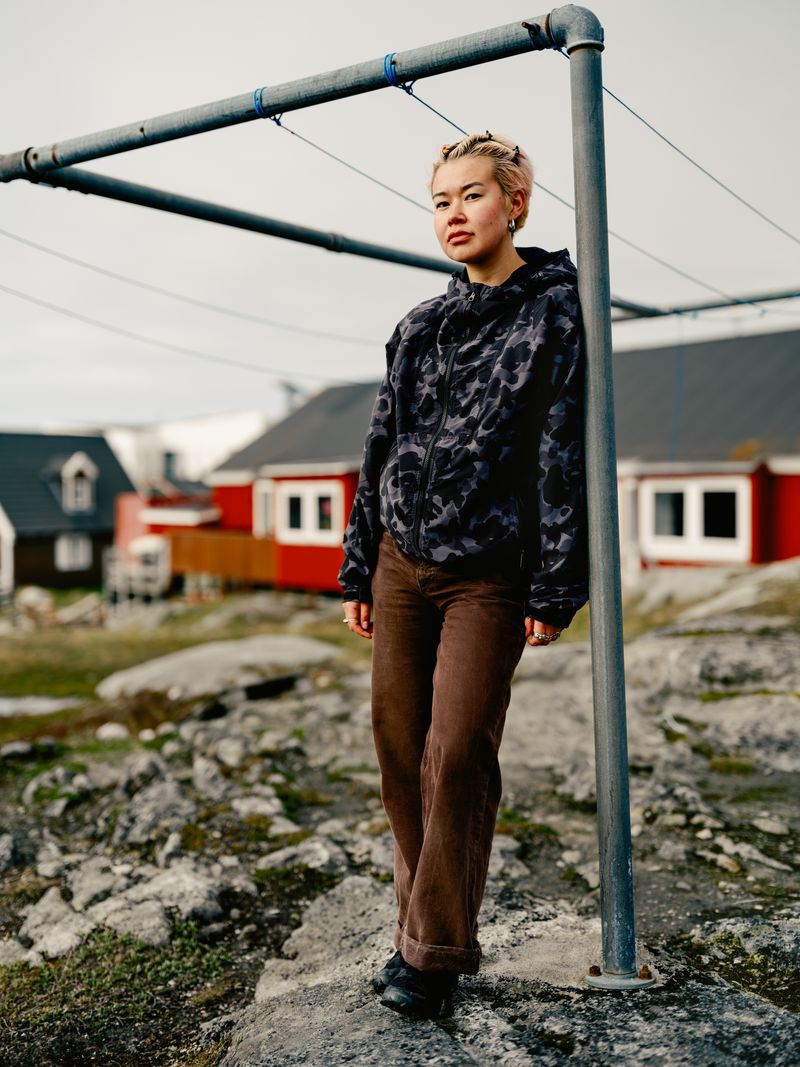
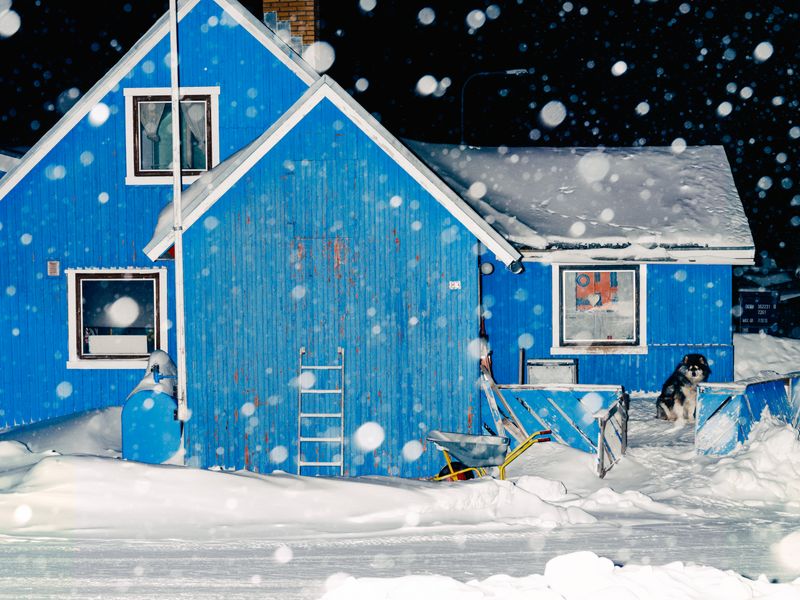
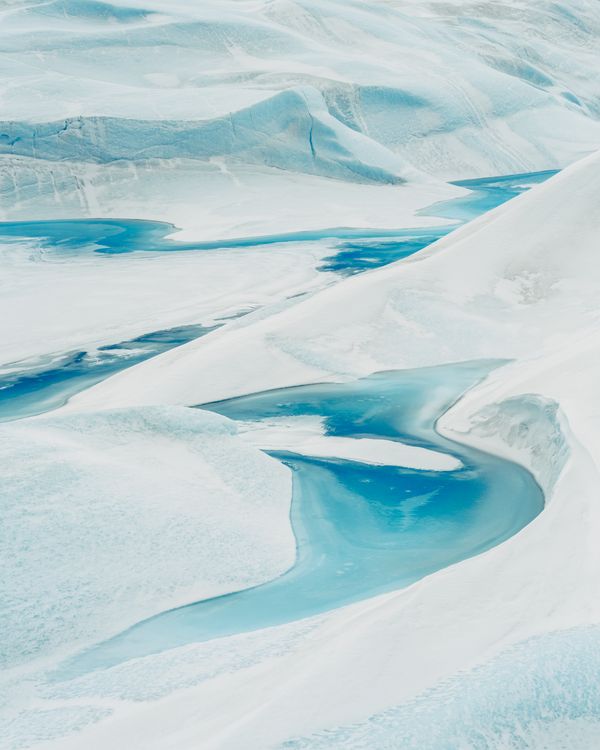
To Skip a Sinking Stone is an atlas that maps the relationship between Greenland’s ice sheet and the intricate tapestry of life it sustains, revealing a landscape quietly working to reclaim itself. Greenland is often seen in the United States and much of the western world as a desolate expanse of ice. This project challenges that notion. A living organism in its own right, the ice sheet exerts a significant influence over its immediate surroundings and, increasingly, the world at large. Life teems all over this vast and complex island despite the challenging terrain. This paradox shapes the identity of Greenland and its people. The ice sheet has a continuous presence even when out of sight, and through this presence, it reveals an understanding that adaptation is not a choice, but a condition of living here. As climate change continues to shift our understanding of the world around us, it is a condition that all of us will meet in time.
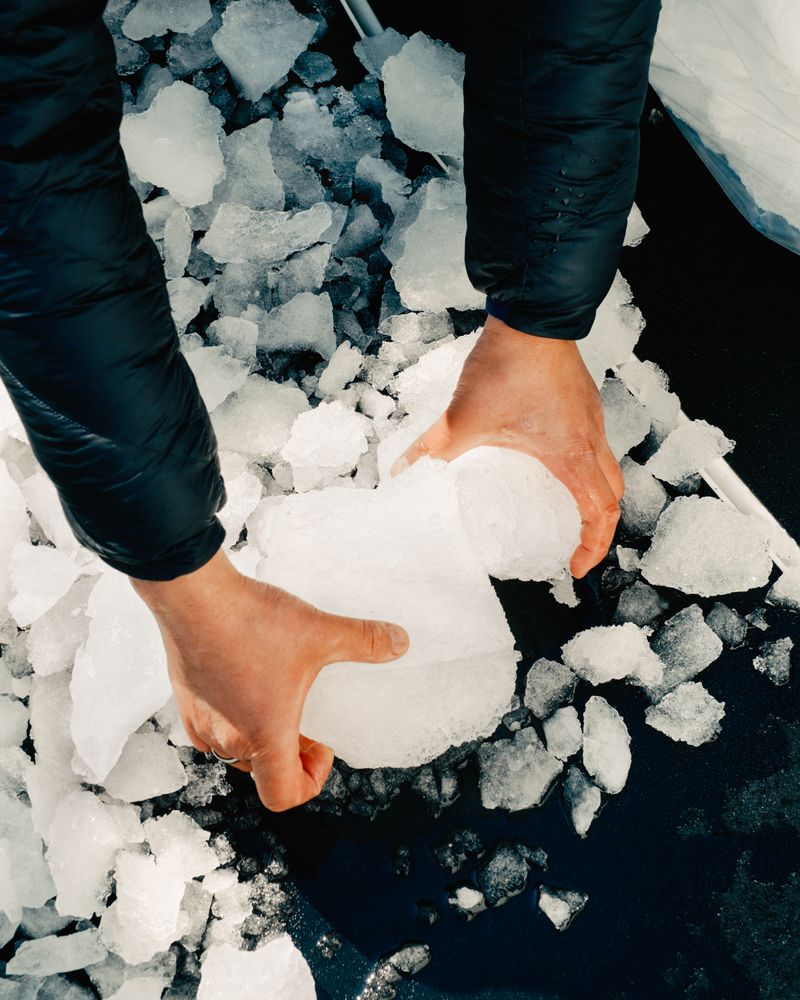
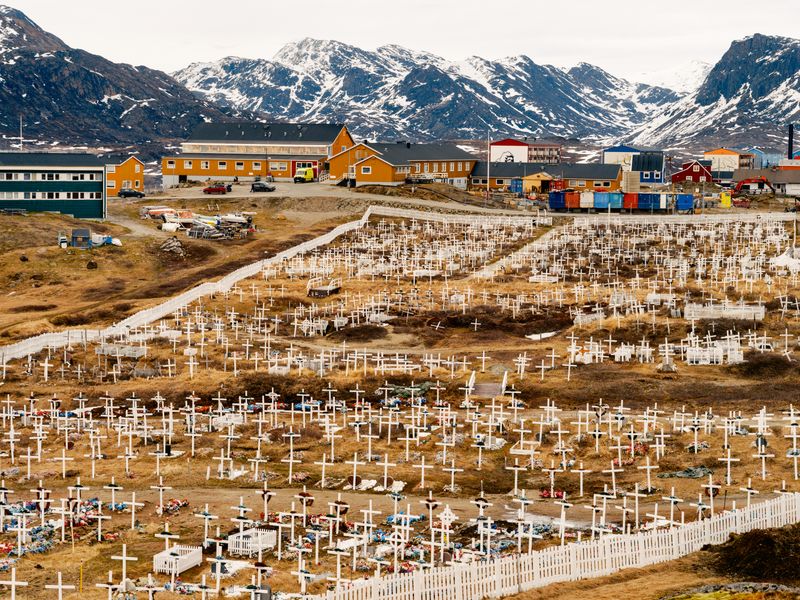
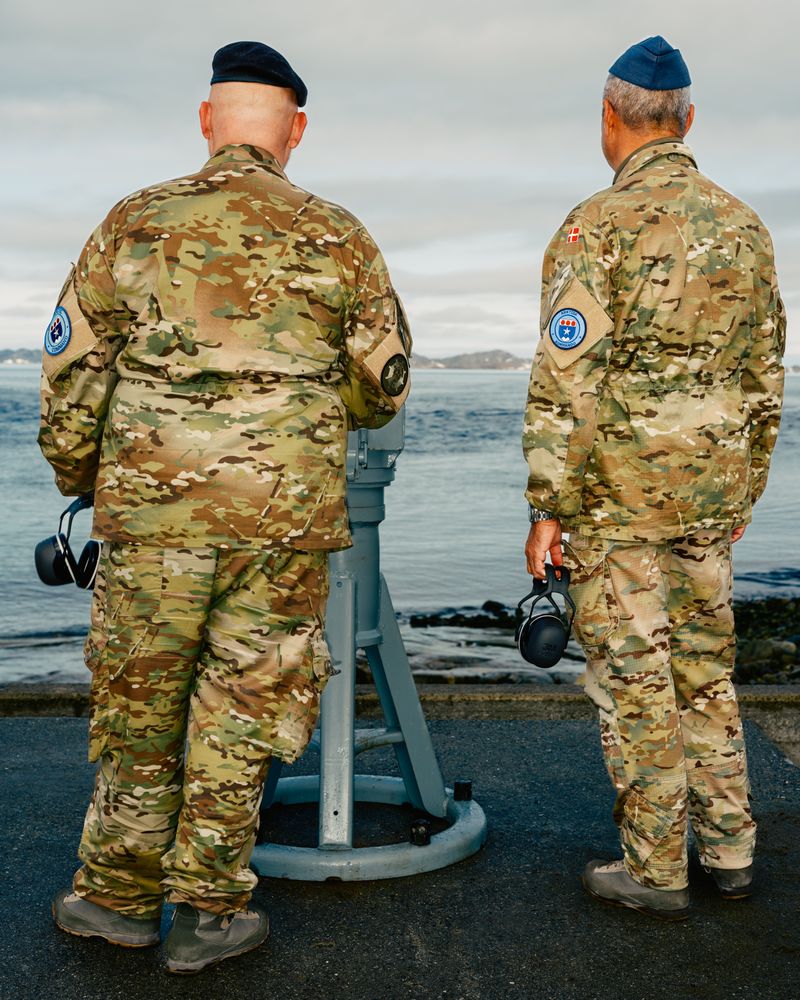
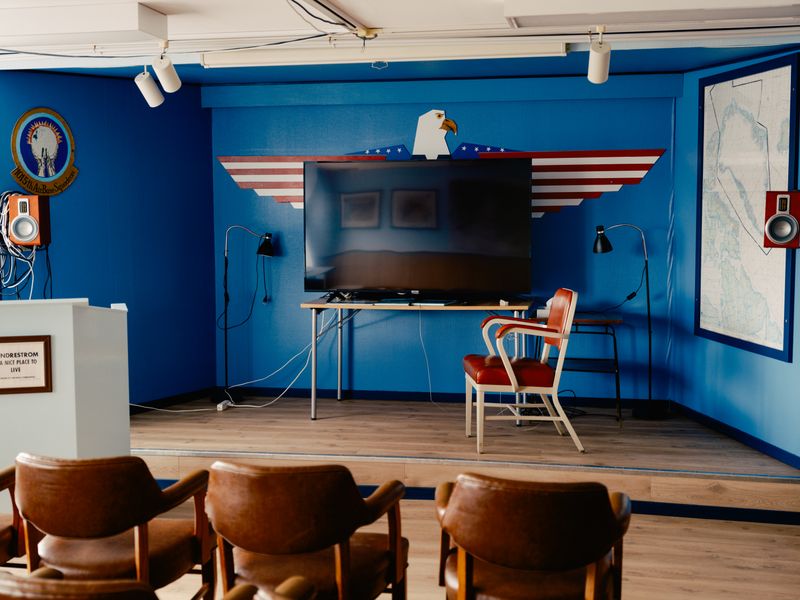
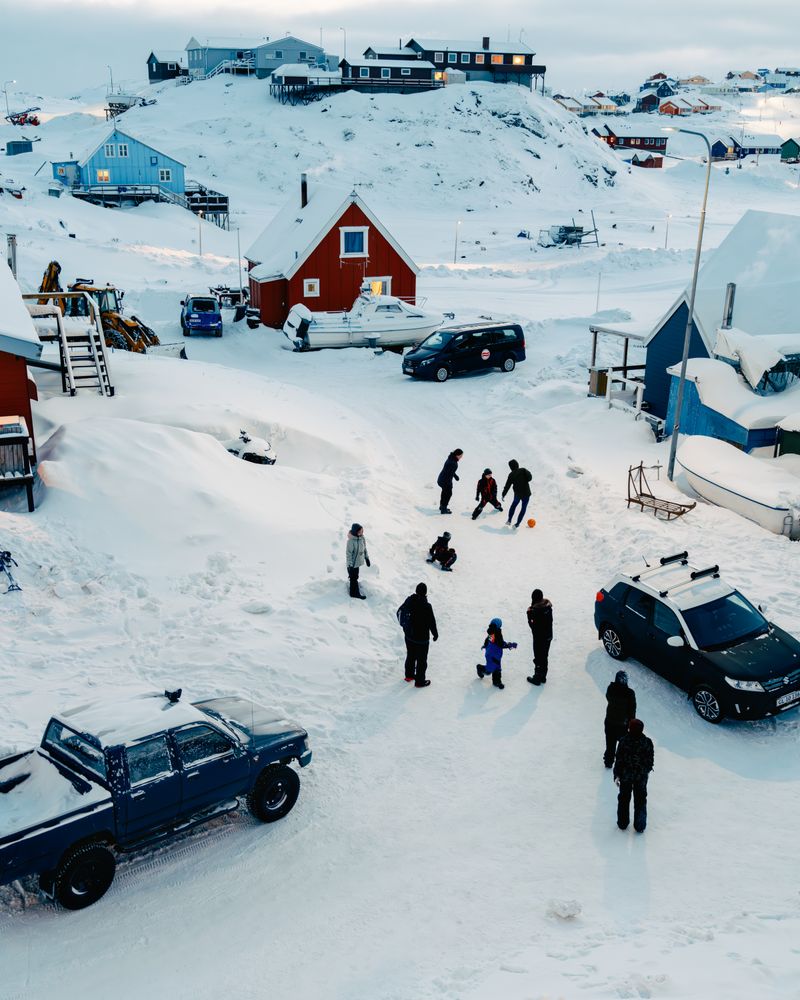
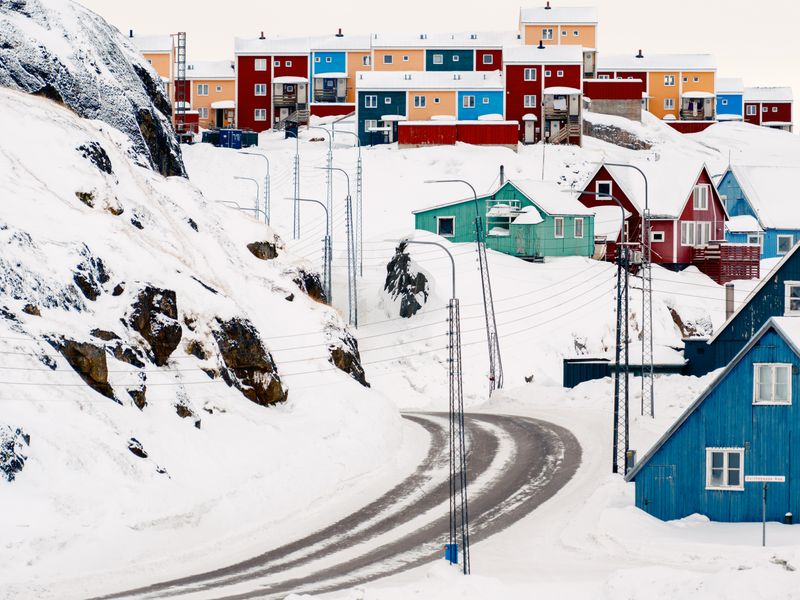
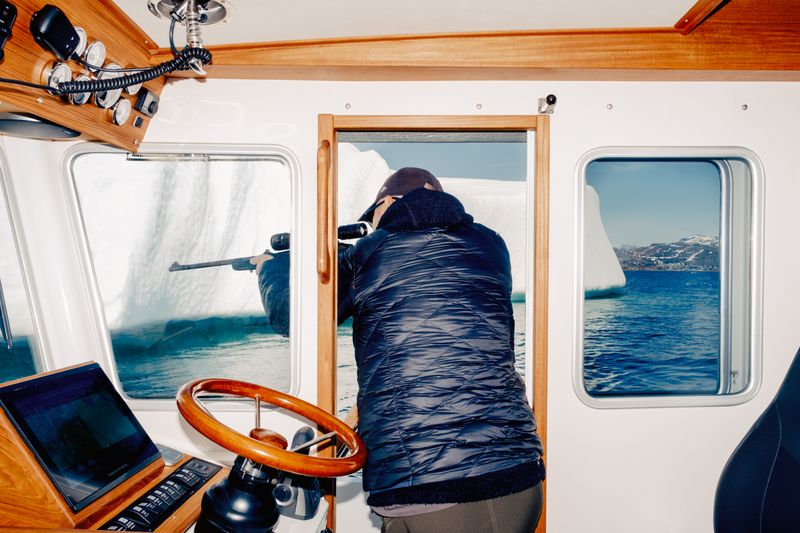
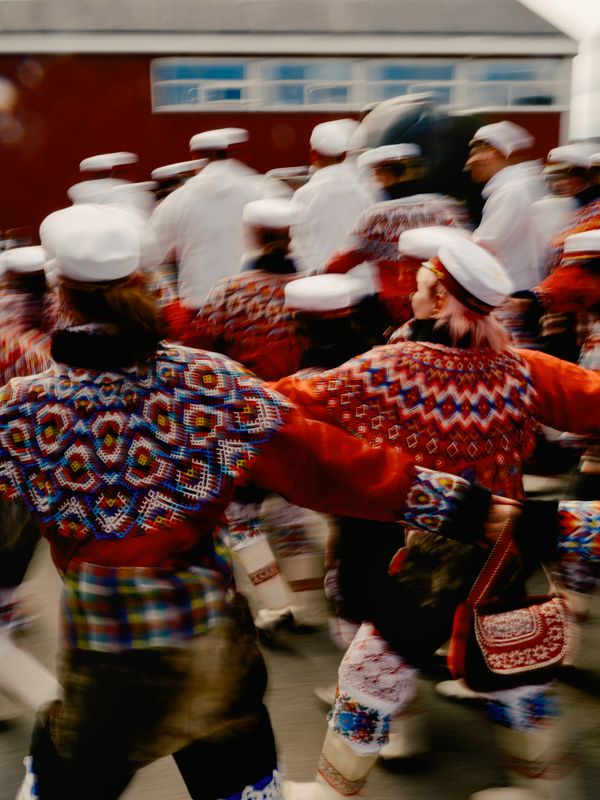
The project began on a trip to Greenland to document a group of scientists under the project name, S.I.L.A. (Significance of Ice-Loss to Landscapes in the Arctic). The work of the scientists was to study the downstream consequences of the ice sheet melt. As I spent time in Greenland documenting the research group, my project evolved into an exploration of scale, examining how climate change operates as both a global phenomenon and a regional shift. The project asks how the macro forces of the environment shape the micro realities of daily life, and how perceptions shift when the conditions around us begin to change. This work seeks to document Greenland in a moment of profound transition: climatic, political, and cultural. As the ice retreats, not only does the environment shift, but so does the geopolitical landscape, as global powers vie for access and influence. These images are a record of a land caught between preservation and transformation, where ancient rhythms meet new realities.
The word atlas was first used by Gerardus Mercator not merely to describe a collection of maps, but an attempt to understand the architecture of the universe and humanity’s place within it. An atlas, in this original sense, was not only a tool for navigation, but a framework for orientation and a way of asking how we exist in relation to land, time, and forces larger than ourselves. This project holds true to that original concept, using the idea of an atlas as a means of holding complexity. The images do not seek to offer a comprehensive documentation of Greenland, but instead trace points of tension where the land resists, fractures, and responds to human intervention and environmental change.
Serving as both a pseudo-scientific documentation and a personal record, To Skip a Sinking Stone explores how Greenland embodies deep contradictions: life-giving and life-taking, ancient and ever-changing, a source of both scientific inquiry and spiritual resonance. Rather than attempting to resolve these tensions, the work embraces them. The images reflect the complexity of a land that defies containment or simplicity. In Greenland, where extremes shape both land and life, joy continues to surface even in the presence of uncertainty. The title recognizes that climate change may feel like an unavoidable reality, yet people still reach for moments of light, connection, and meaning. I see hope not as a promise of control, but as a way of choosing how to live while the world shifts around us. The irony of a situation where the ice melt is also the undoing of ourselves, leaving us to inhabit a world altered by our own hand and to navigate the uncertain reality that follows. Greenland exists as both subject and symbol, an embodiment of how nature, culture, and time are interwoven. This is not only a story of ice melting, but a reminder that the forces shaping our world are often invisible, persistent, and intimately connected.