Horas mías (Hours of mine)
-
Dates2024 - Ongoing
-
Author
- Location Germany
-
Recognition
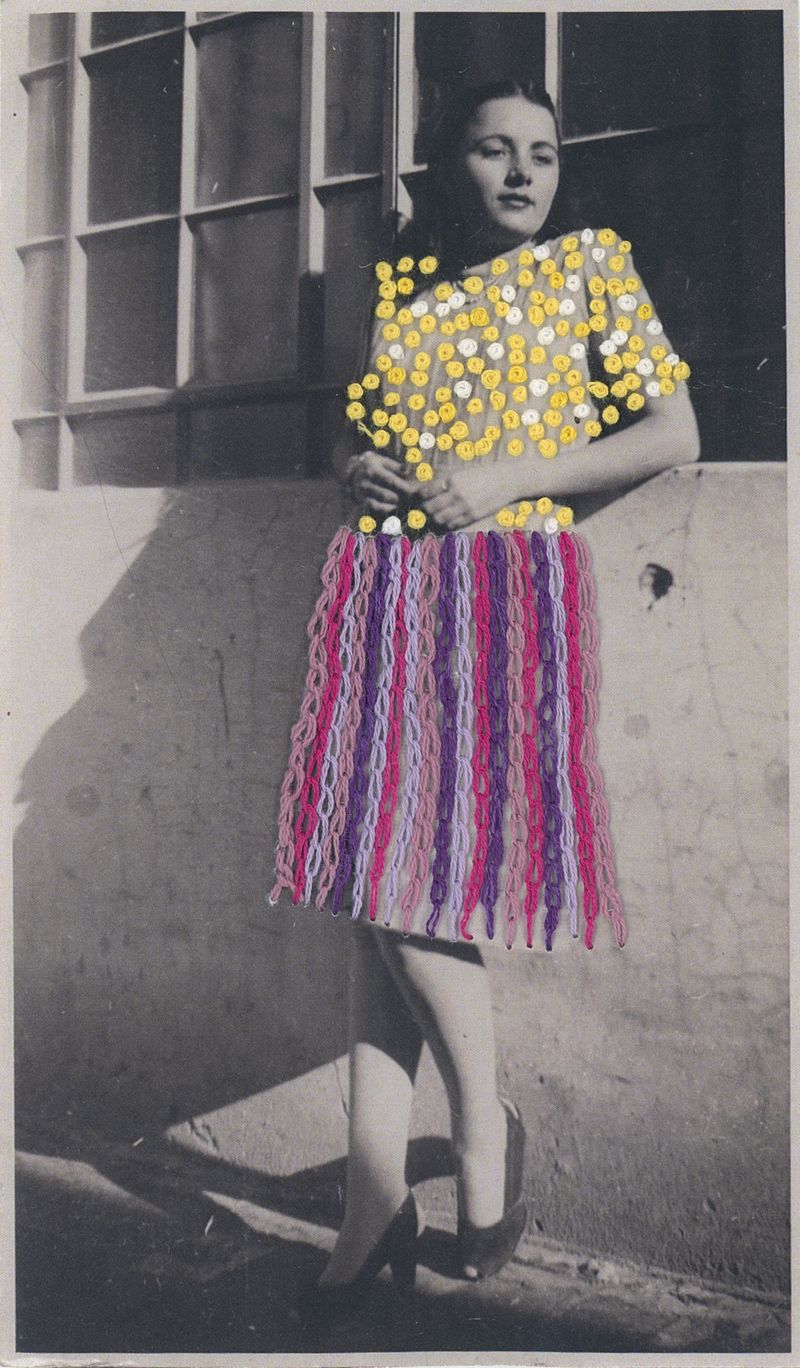
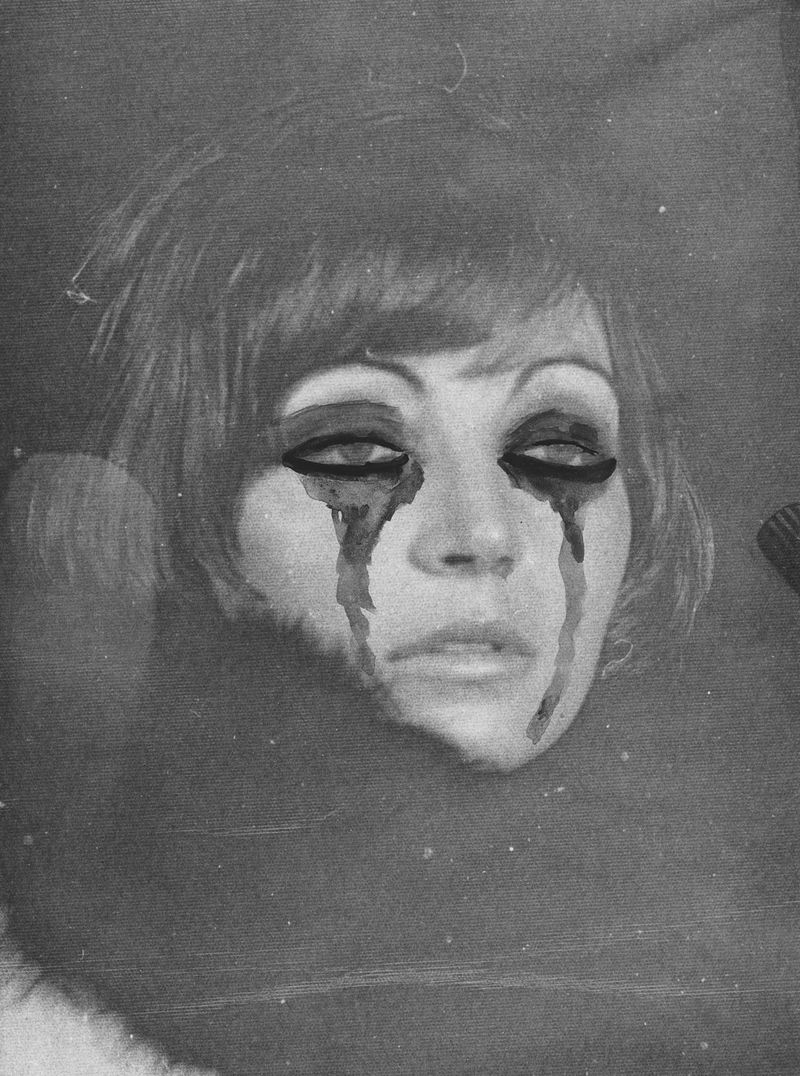
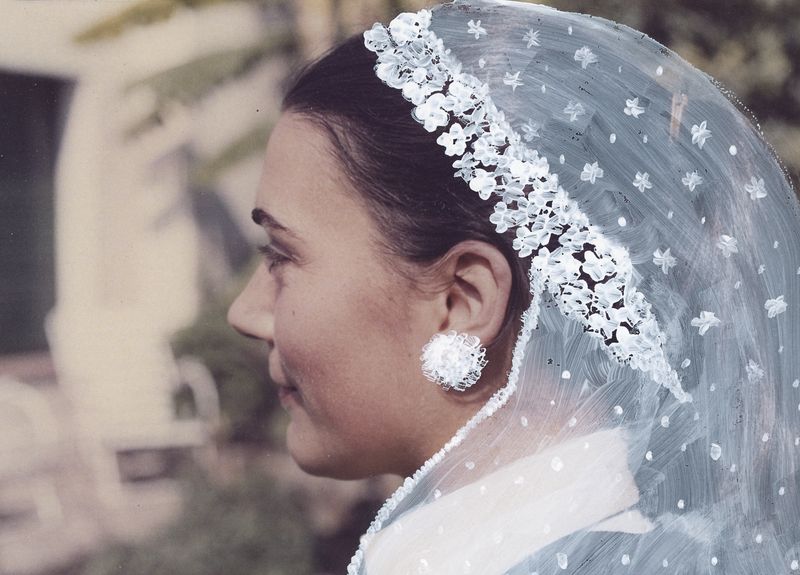
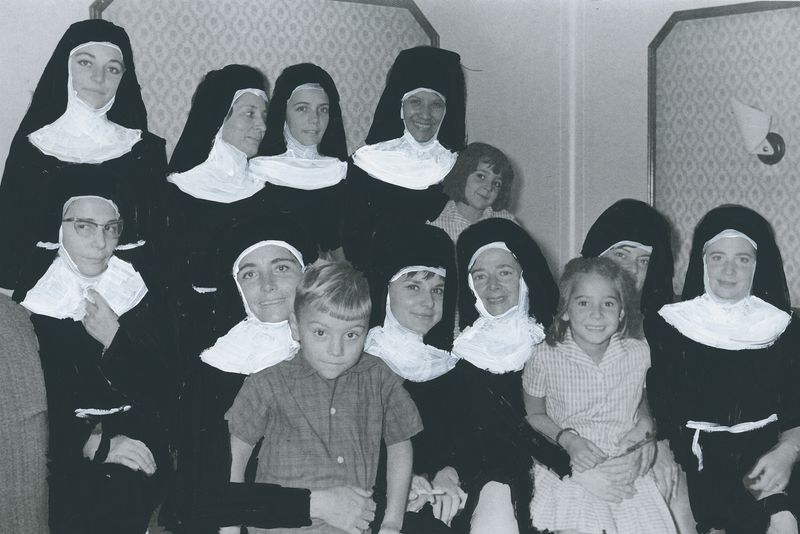
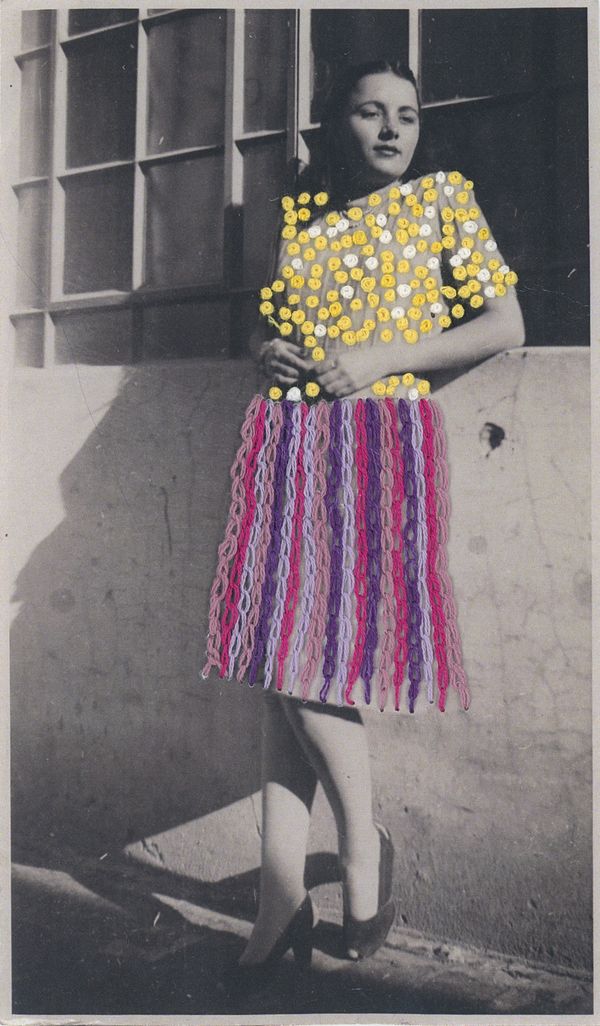
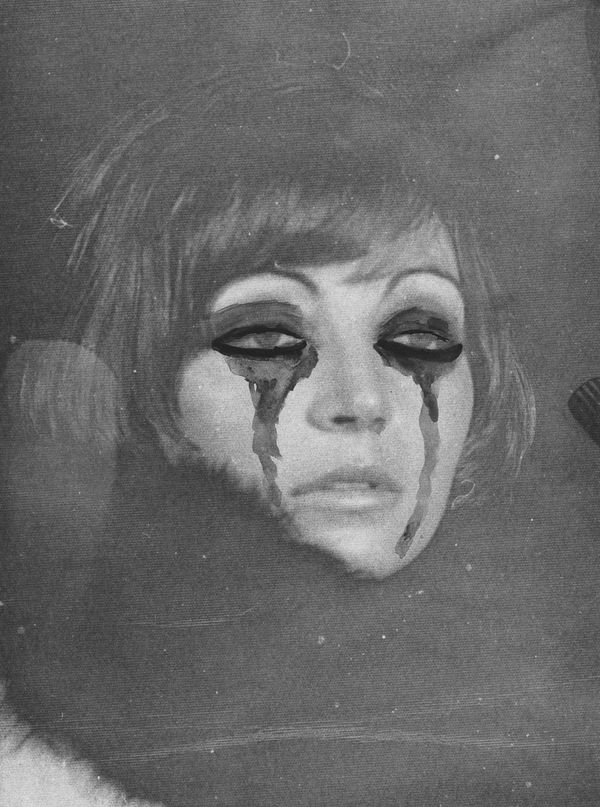
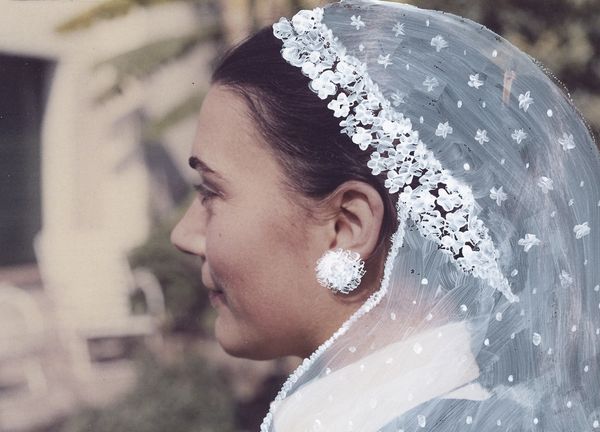
"Horas mías" is a multimedia photography project exploring memory, Alzheimer’s, and women’s domestic life through family archives, embroidery, painting, and ceramics, tracing how real, imagined, and forgotten moments merge into fragile, shifting memories.
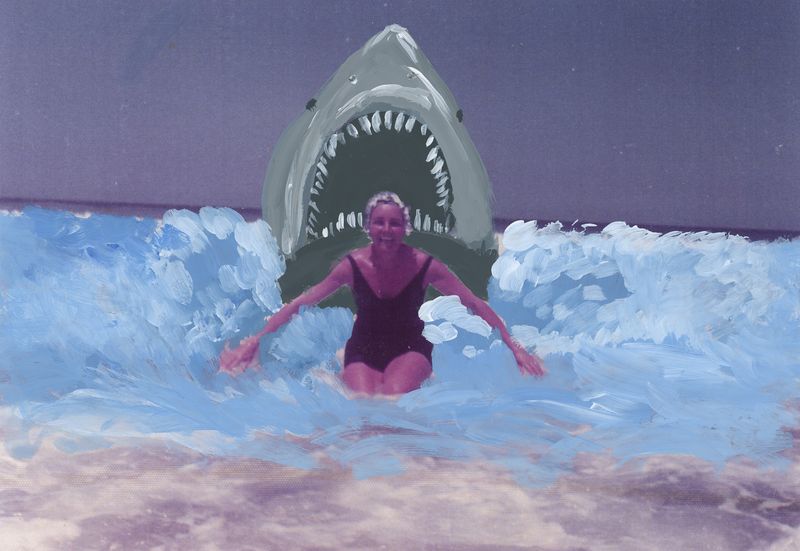
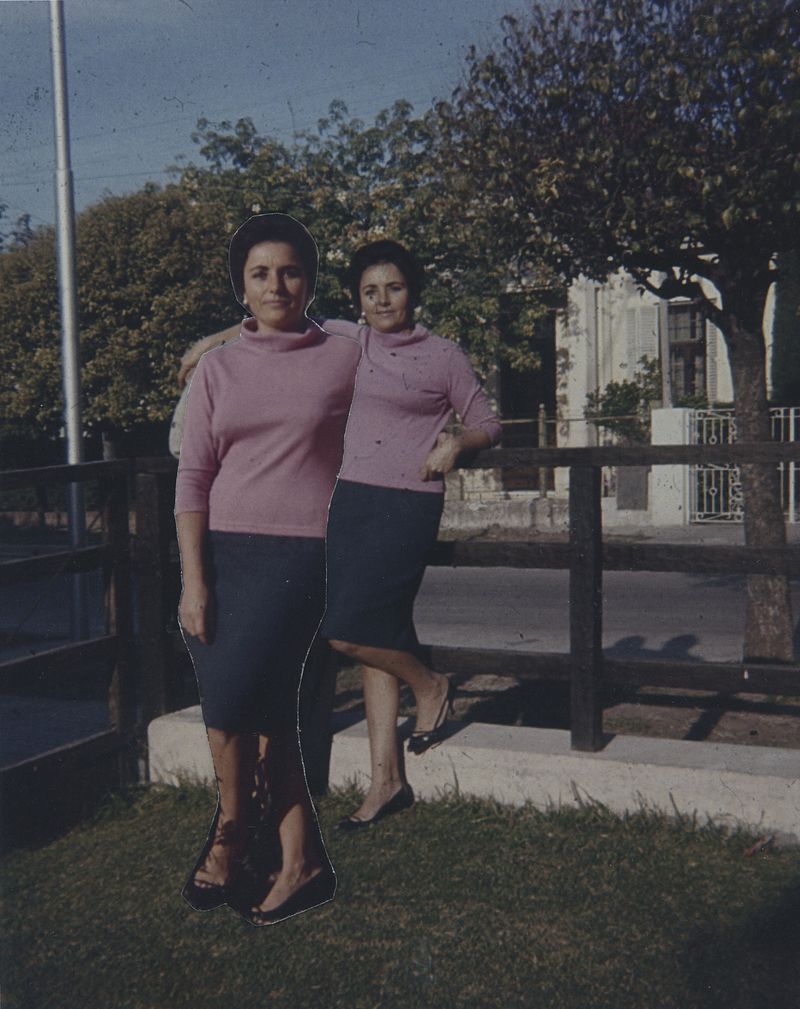
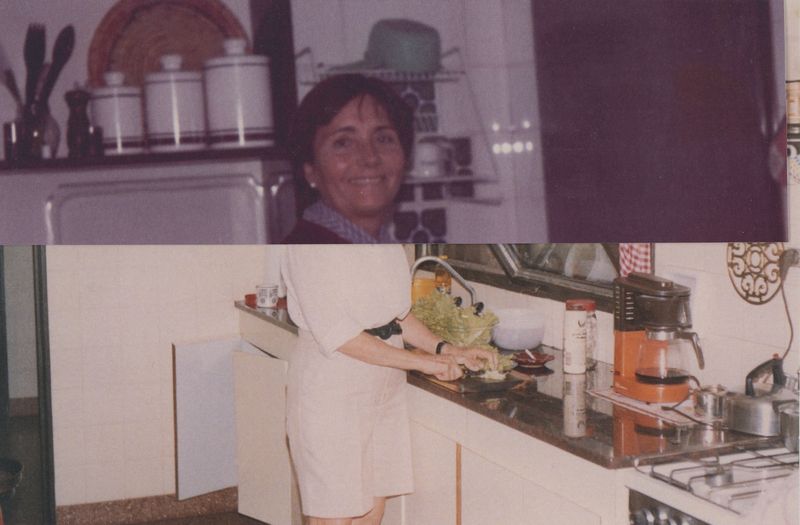
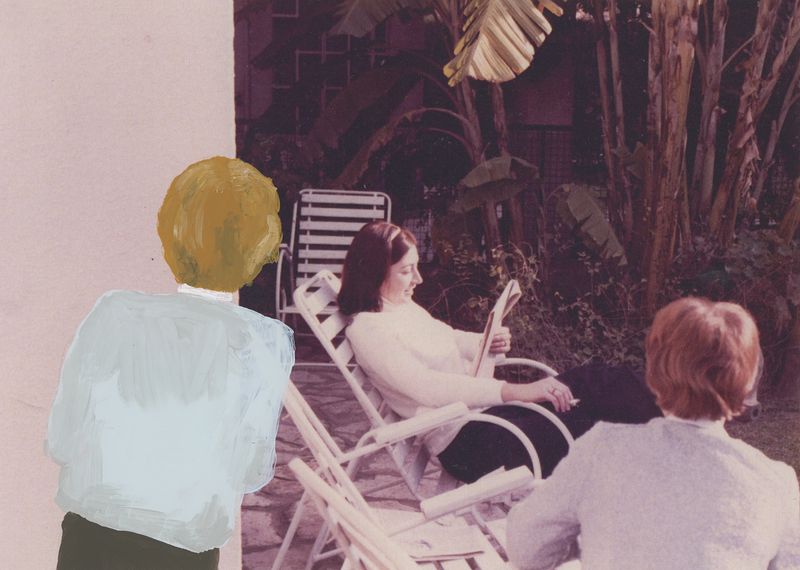
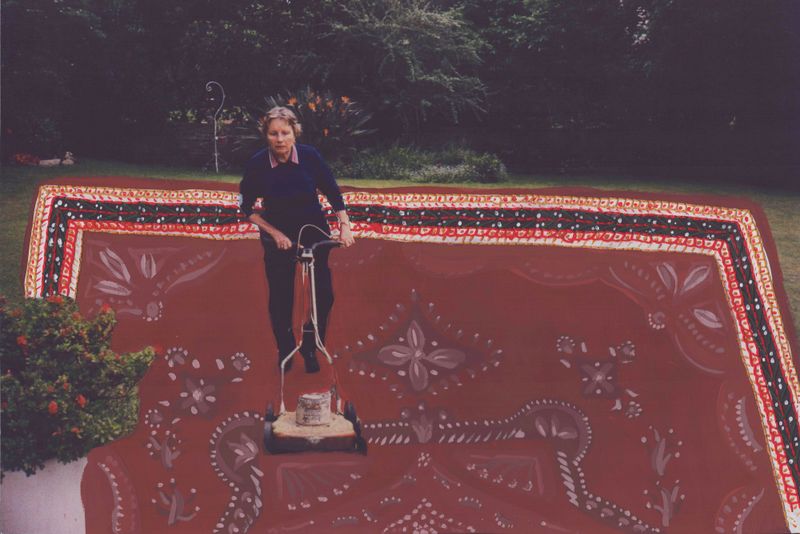
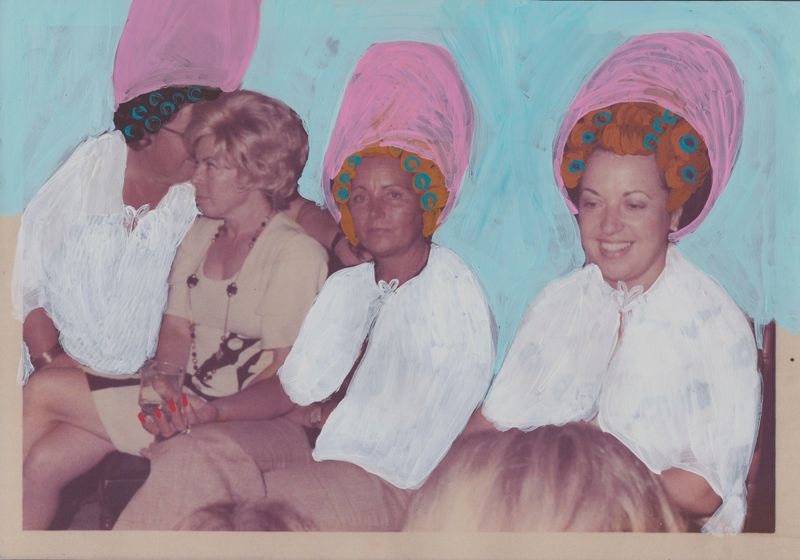
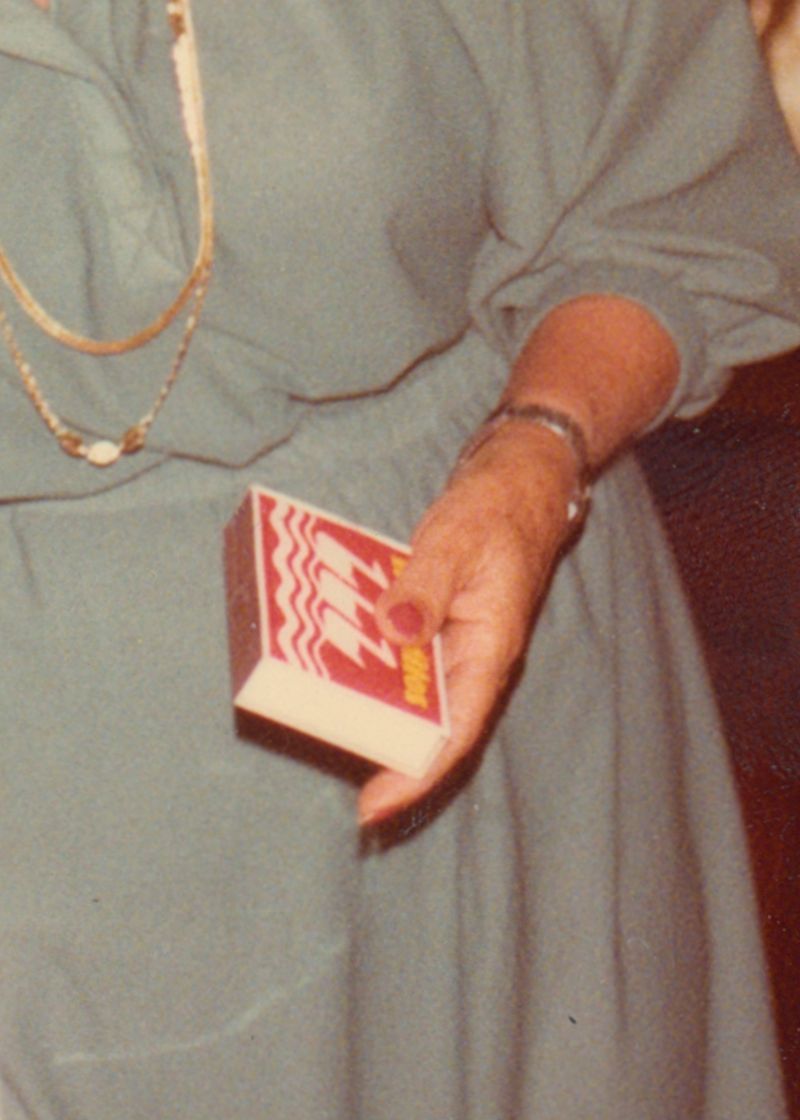
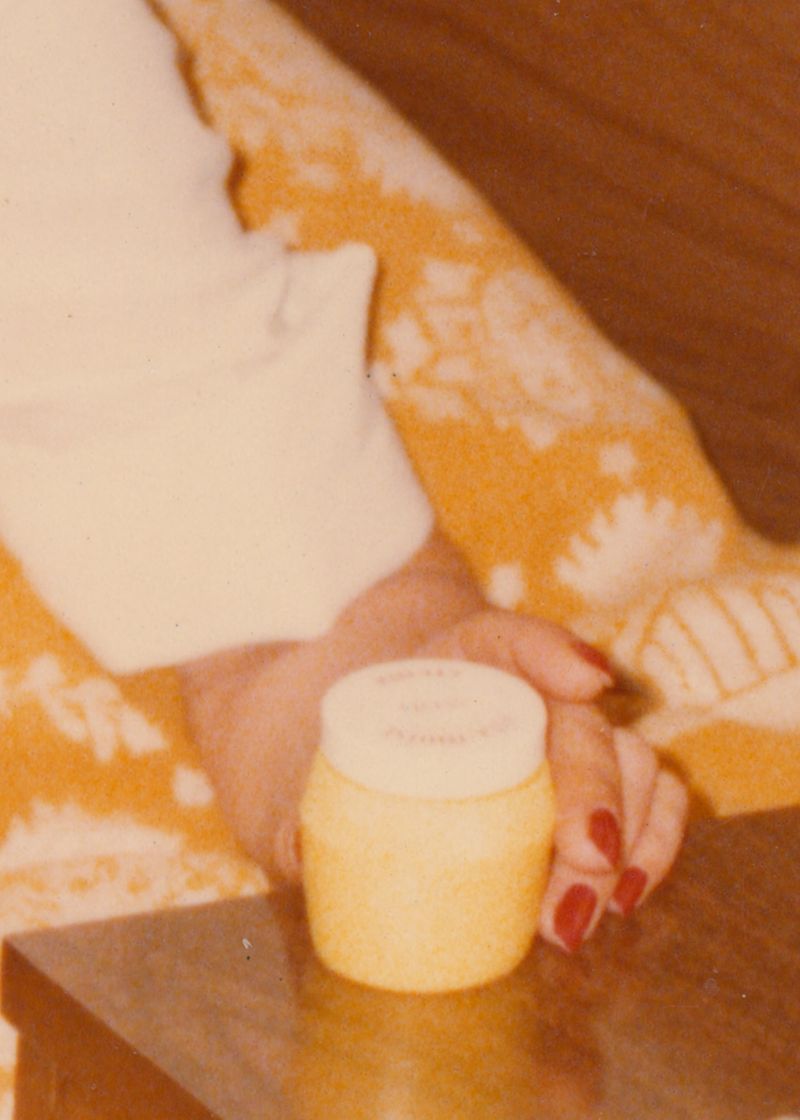
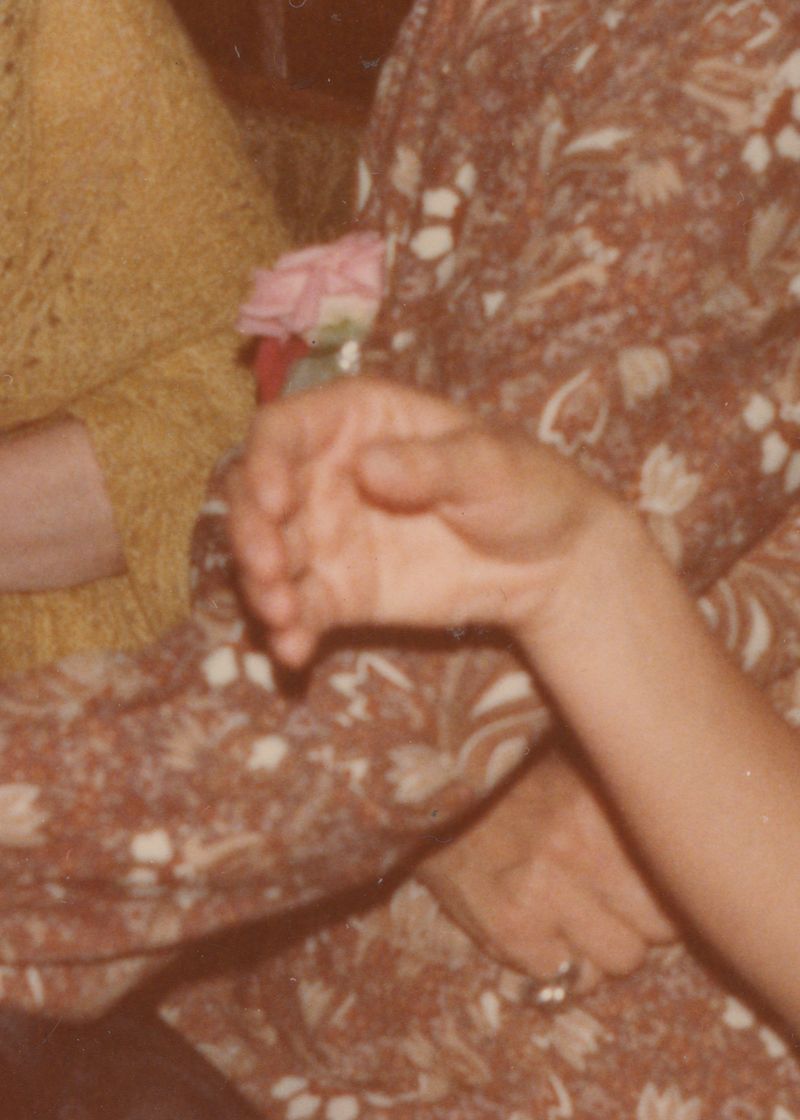
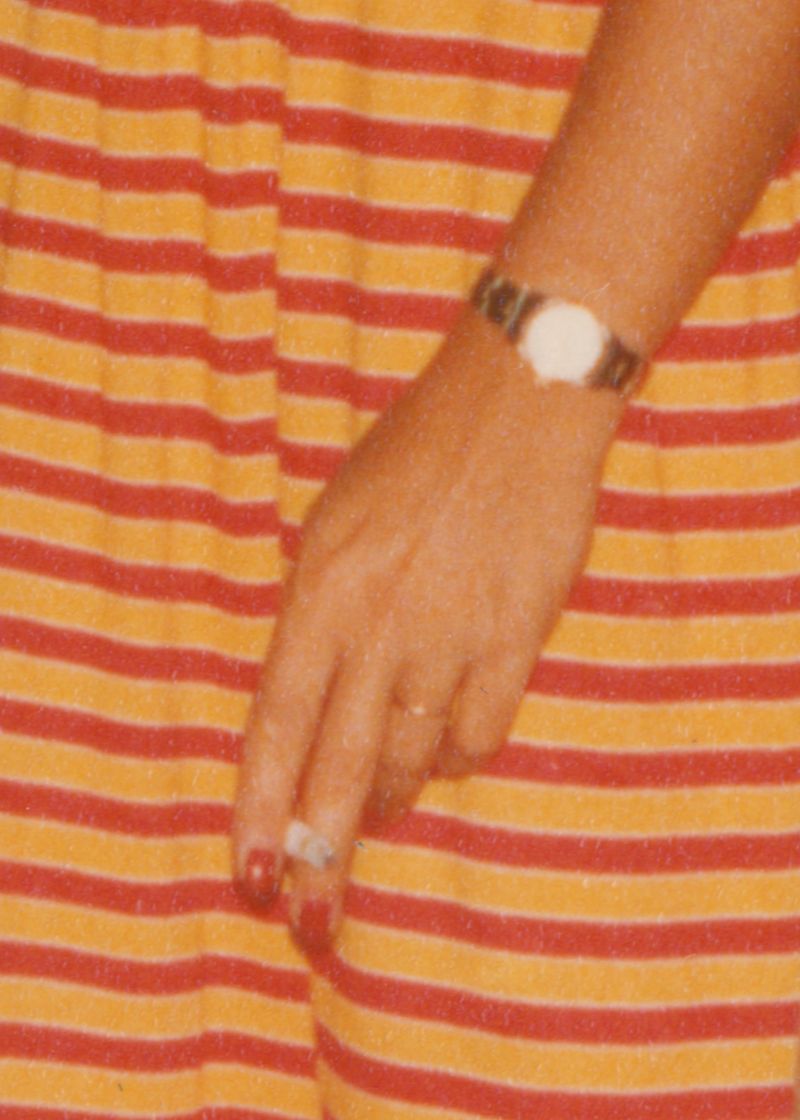
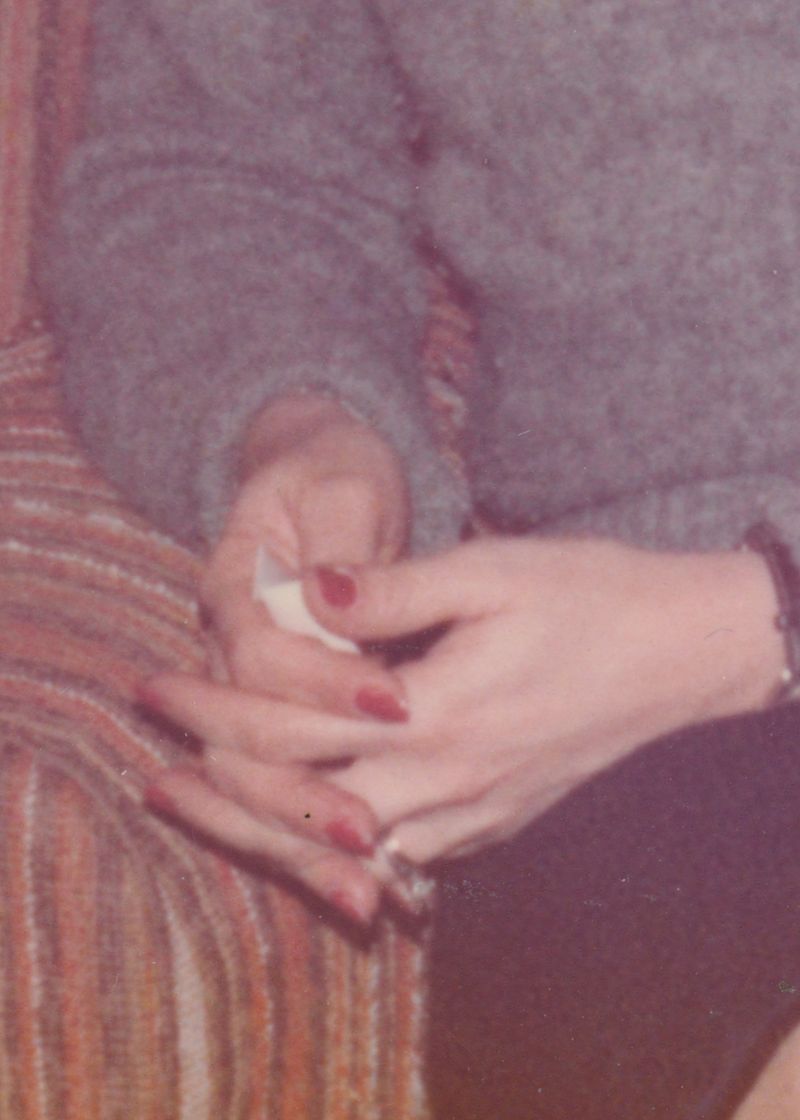
"Horas mías" (Hours of Mine) is a multimedia photography project that explores memory and its gradual loss through my grandmother’s personal diary, written during the last years of her life and marked by Alzheimer’s disease. The project works with the family photographic archive, intervening images with collages, painting, and embroidery to reconstruct narratives in which real, forgotten, and imagined moments coexist, reflecting how days become monotonous and events blend with what may have happened or been imagined.
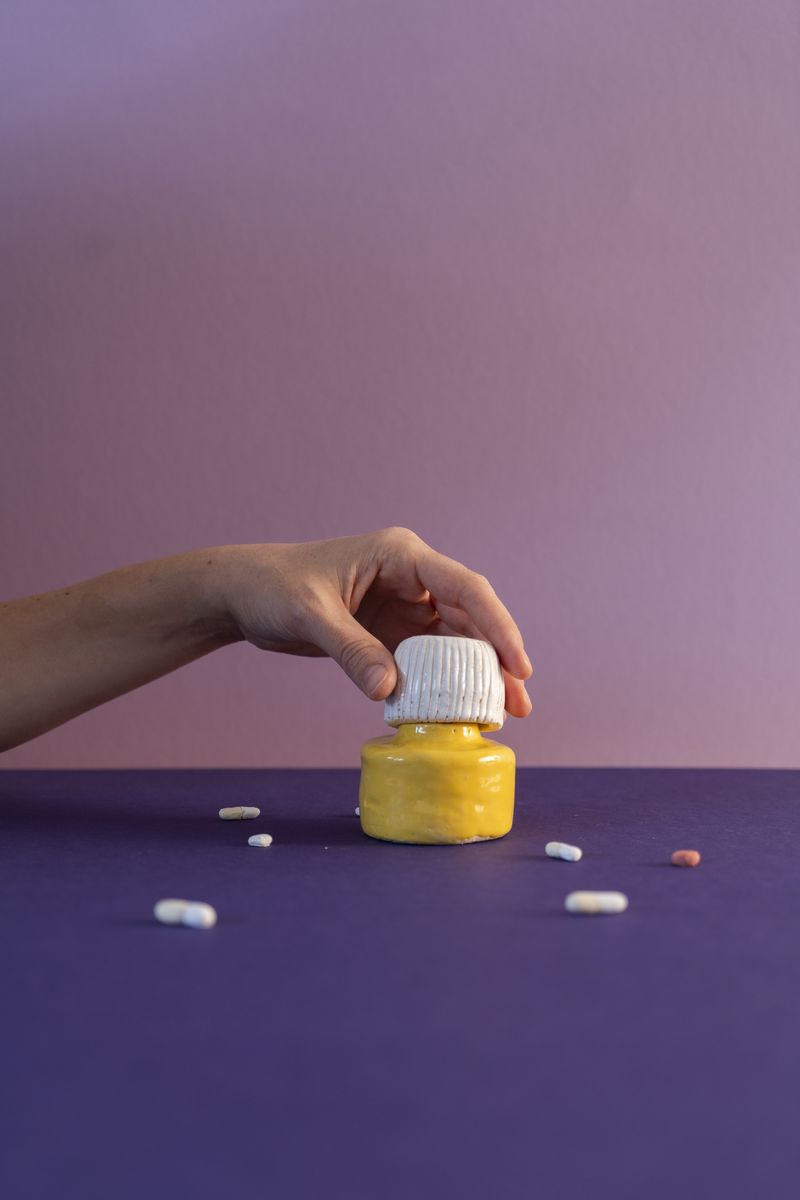
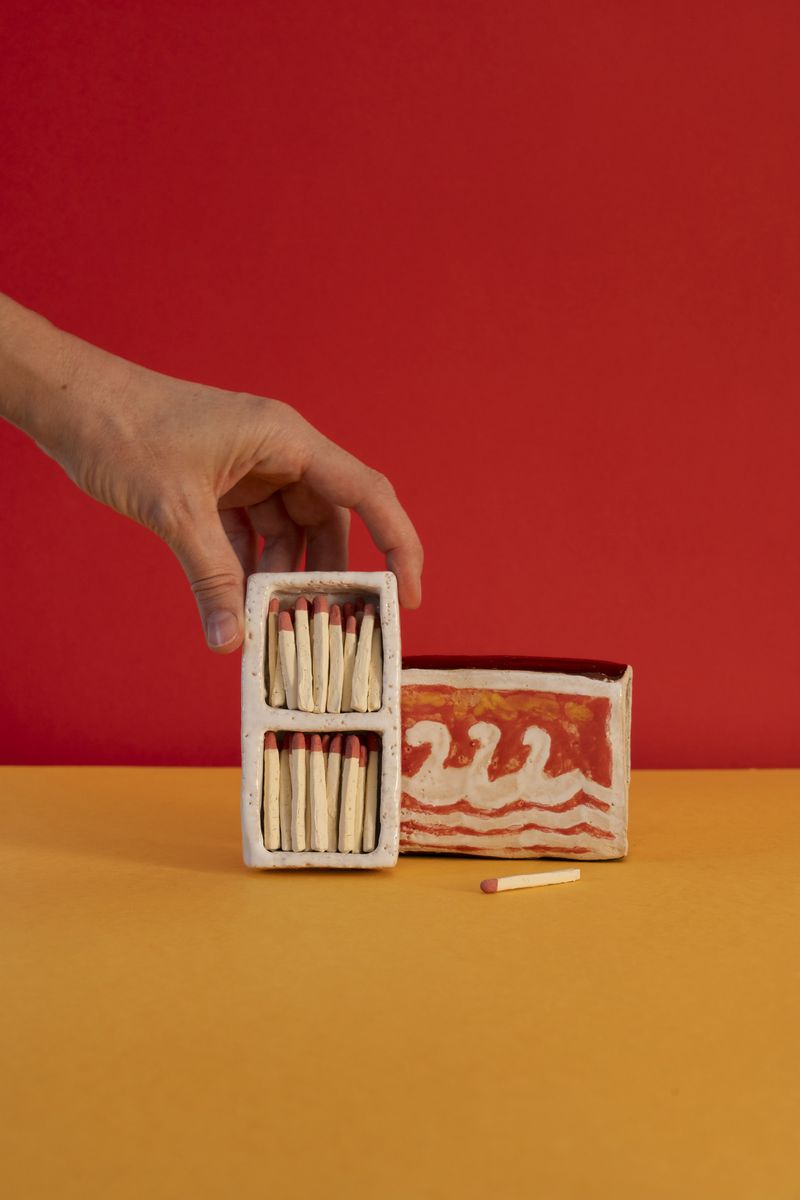
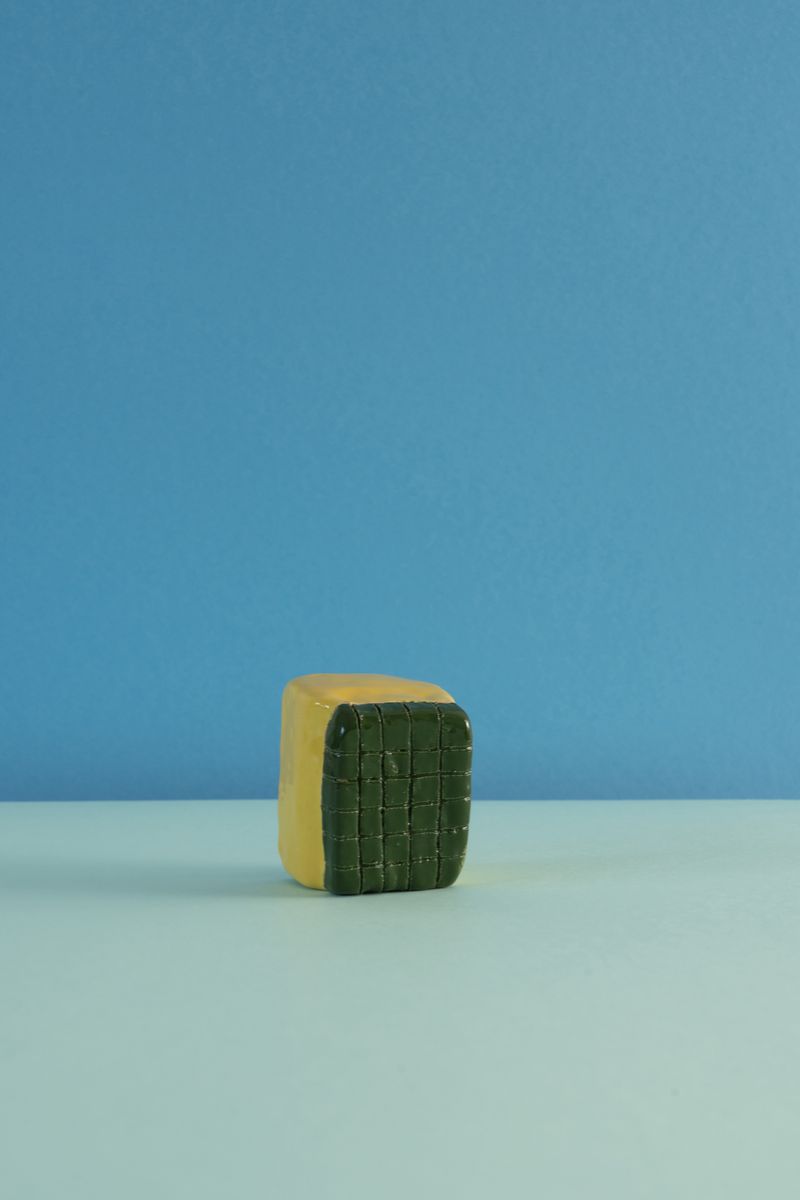
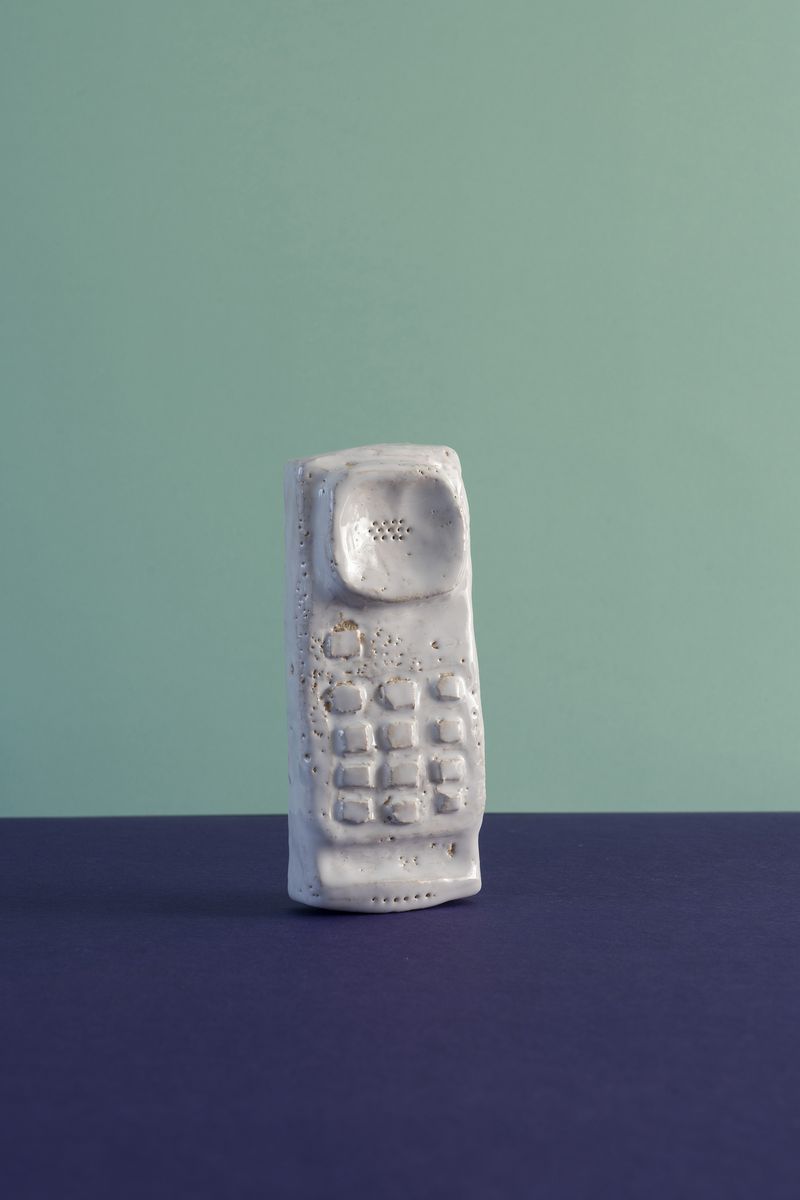
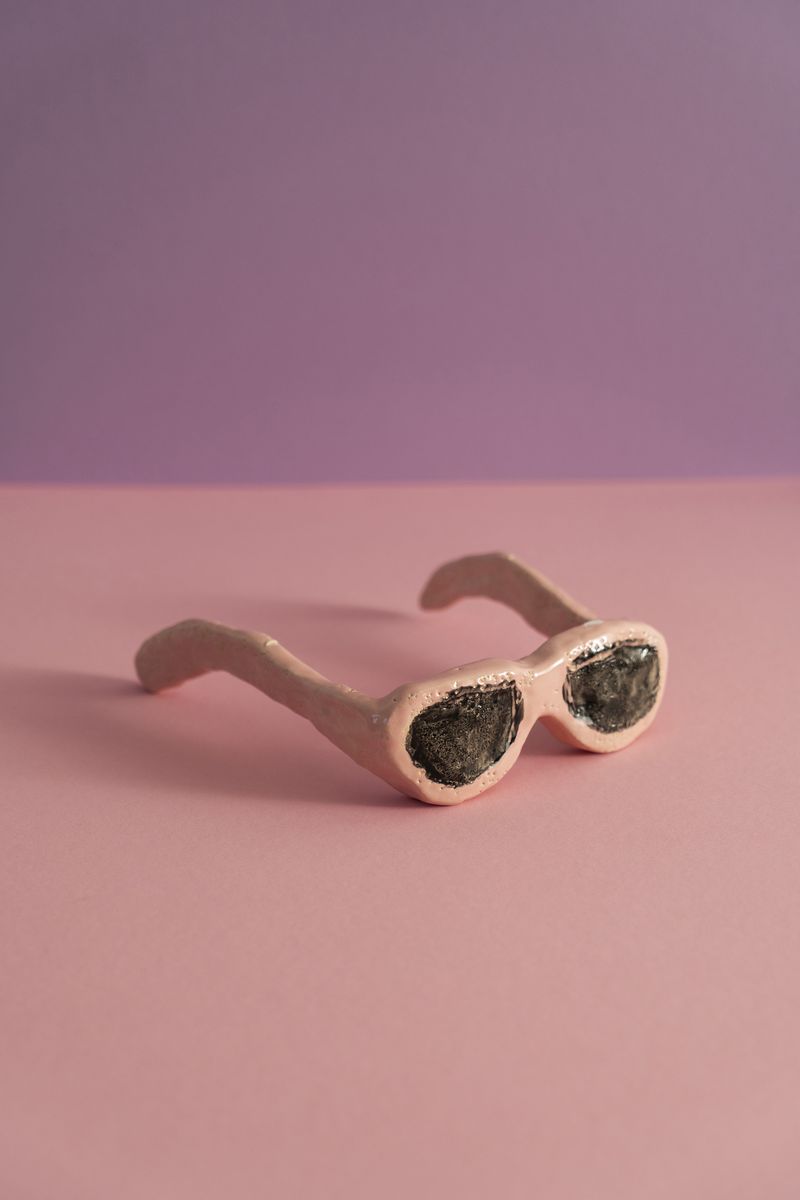
Diary fragments provide an intimate view of her daily life, alternating clarity with confusion and showing the progressive erosion of memory. A glossary of 29 words extracted from the diary is accompanied by ceramic objects representing items from her home or objects I remember from my childhood. These ceramics are also photographed, entering the visual narrative and dialoguing with the archival images and their reframings, emphasizing the materiality and fragility of memory.
I am currently beginning the editing and design of the first book mock-up, and the support of this grant would be of great help in carrying out the necessary tests and adjustments. The funding would also allow for the production of final photographic prints and the materialization of the publication. At a later stage, this work could expand into an exhibition format, extending the research beyond the book and exploring other forms of dialogue with the public.
"Horas mías" investigates visual explorations of memory and fiction. It reflects on how memory is constructed, altered, or lost, and how personal recollections coexist with inherited stories and imagination. This material also allows for addressing the transmission of knowledge across generations and, tangentially, the role of women in domestic life and the experience of aging.