You Are My One And Only
  • Dates
    2021 - Ongoing
  • Author
  • Location Burnham, United Kingdom

Mum and dad didn't know they carried a fatal genetic condition, and my younger brother and sister died when I was a child. But my genes are unaffected. When my parents died, I photographed the house I grew up in to tell this story and explore my identity.

On the first afternoon I spent at the house immediately after my parents died, I found a book I had never seen before: Mum's old diary from the year I was born in 1970. I had yet to begin my project, but already I could visualise making some form of book about the telling of our tightly held family story, set within the narrative of dismantling our family home.

When my parents started a family, they didn’t know that they were both carriers of an ultra-rare and fatal genetic condition called Pompe Disease. Mum and dad had one faulty gene each - a missing enzyme on Chromosome 17. In the lottery of genetics my younger brother and sister inherited both sets of faulty genes.

My brother Rupert was born in 1973 and died later that year. My sister Caroline was born in 1974 and died in 1975. Both were under a year old. It is difficult to know the exact number of people with Pompe worldwide. Historical estimates based on genetic data suggest Pompe Disease could be somewhere around 1 in 40,000 people.

But my genes are totally unaffected and I became mum and dad's eldest, and only, surviving child.

Part of my project would be set in the present, with me photographing the house as I had found it. But there would be another story that would happen in the past, principally during the time I grew up in the house in the 70's and 80's. I realised that the house and its contents would be a vehicle and a metaphor to explore all of the different things that I was feeling.

Over the years we became a close family of three. Somehow, my parents got through, but grief always remained in our house. Mum would say to me: “You are my one and only”. As I grew up, I began to feel that this phrase was finely balanced between love and loss. For me it always said: You are the one that survived.

Dad died just before Christmas 2020, a little over three years after mum, and I began the task of clearing the family home that my parents had moved into in 1967 and had never left.

I photographed everything that interested me: the clutter, the objects, the papers, the spaces, the dirt, the light. My approach was emotionally forensic, and I felt like an archaeologist peeling back the layers of the house.

A medical aspect to the images was also important because of genetics. I found objects with hidden inner spaces and got them x-rayed - like mum’s pin cushion, to see where all the pins went.

When the house was empty I hired a company to scan the house using LiDAR technology. I wanted to pass through the spaces of the house as if the fabric of the building itself was atomising and peeling away. These images felt like something from the future and yet I also liked how they missed out bits of information, or got things wrong, like putting the glass from the windows in the sky.

Part of my challenge was to find images for things and feelings for which there were no images. For example, I wanted to represent DNA and so I began to use some of the words I had been left from mum and dad: Shopping lists, recipes, diary entries, university notes ... and I started to write them up using a typewriter and carbon paper, carefully following the shape of Chromosome 17, which looks like two grubby finger marks.

Finally I trawled through the family archives, finding new homes for old photos within the project. Added to this were some of mum's paintings and drawings, one of which, a pencil self portrait done just a few months after losing a second child in 1975, I discovered by chance. It gave the project an anchor around which everything else could revolve.

The book I wish to make should ideally be a portable size. I imagine something that can easily be picked up and read or borrowed. It has to have a tactile element too: I want people to get involved in the story. I have been hand making dummy books, and I am experimenting with fold-out pages and facsimile paper documents, some loose and some fixed within the book. I want to make an experience as much as a book, something that I hope people might return to.

In photographing the house I have wanted to examine everything in it, as if trying to find something. Perhaps what I have really been searching for is a sense of identity and looking to find myself.

Maybe all I want to say is that once I was a brother.

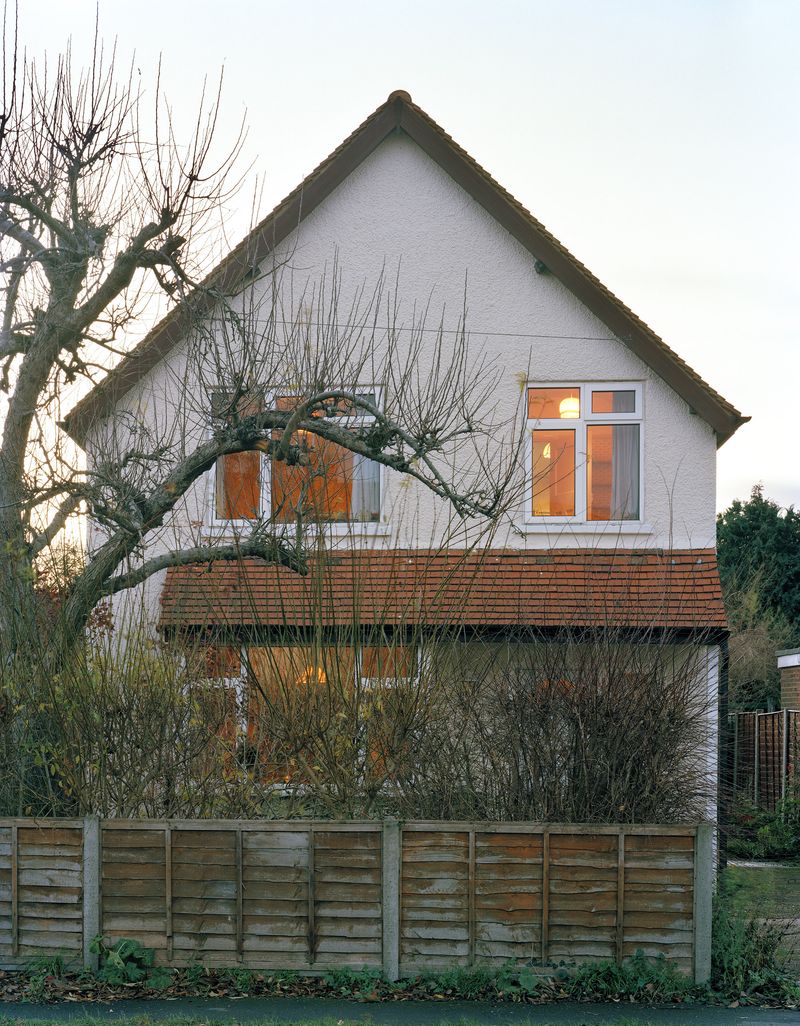
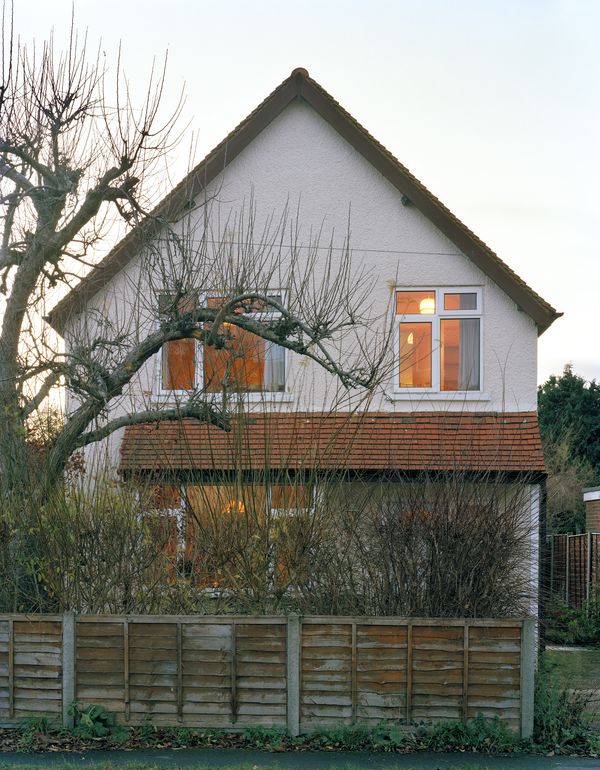
© Oliver Woods - The house I grew up in, photographed nearly a year on from dad's death.
i

The house I grew up in, photographed nearly a year on from dad's death.

© Oliver Woods - Image from the You Are My One And Only photography project
i

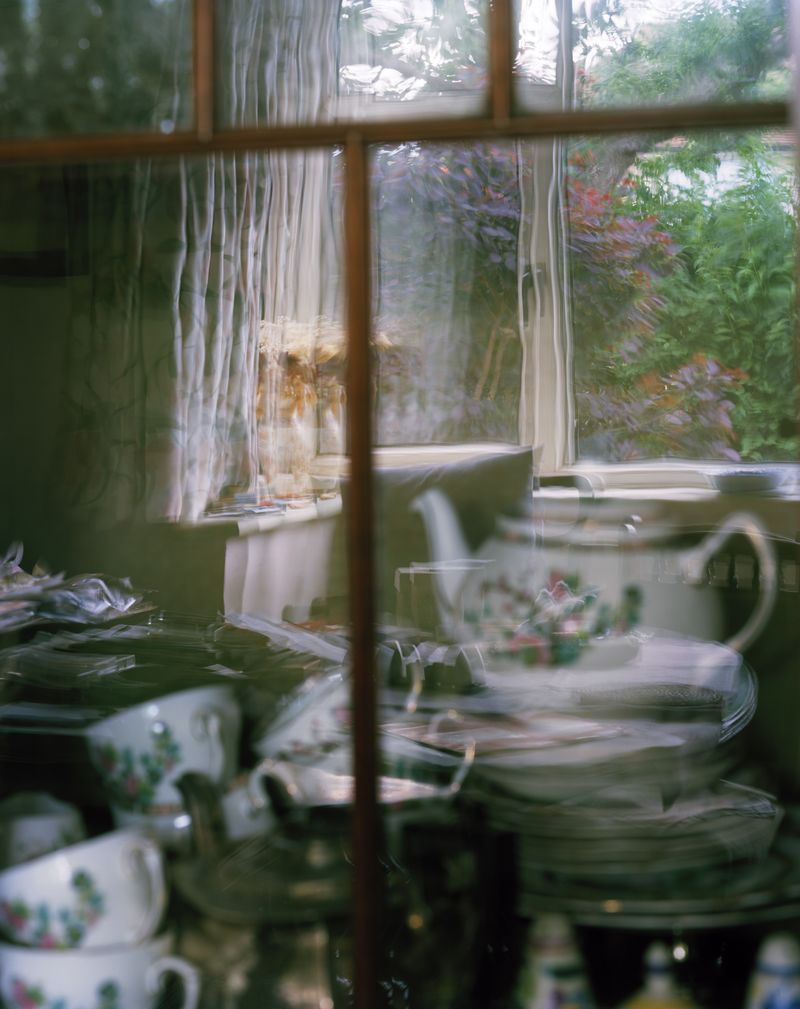
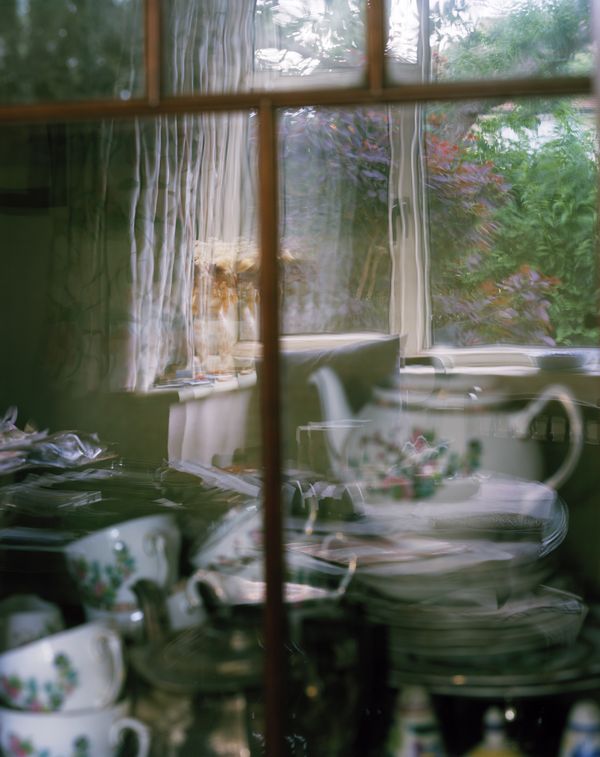
This glass fronted cabinet stood in the front room of my parent's house. It is an image of being entrapped, where the focus is somewhere in the middle of the image, lost amongst the clutter of the past. On the day my younger brother died in 1973 I was suddenly sent to the neighbours house. They had a glass fronted cabinet and I remember looking up at all the ornaments they kept in it.

© Oliver Woods - Image from the You Are My One And Only photography project
i

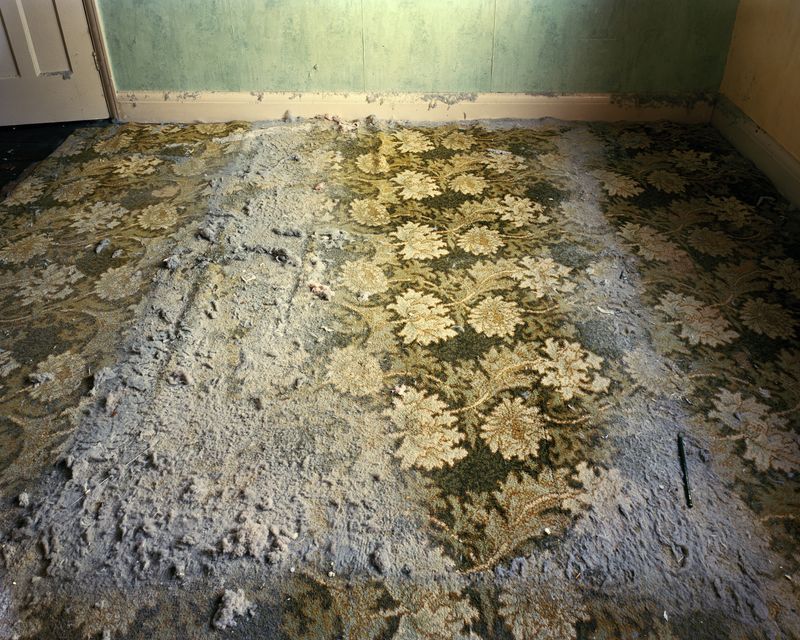
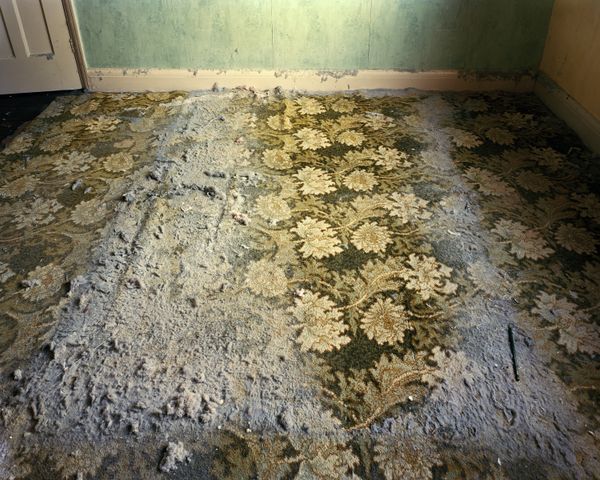
When I removed my parent's bed, I found a huge amount of dust underneath it. The dust roughly follows the shape of the bed, like an imprint, and I found several lost objects embedded in the dust.

© Oliver Woods - Image from the You Are My One And Only photography project
i

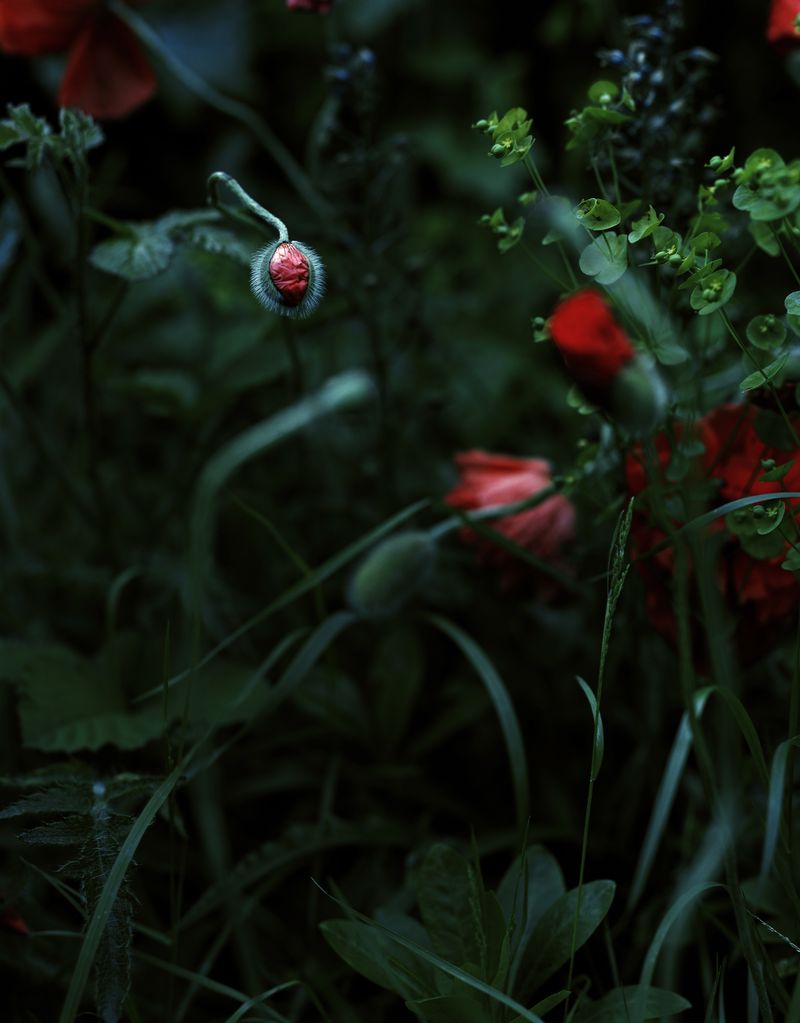
Poppies in the garden beginning to open and emerge on a summer evening.In classical mythology, poppies were associated with the dead, but also with resurrection due to their bright scarlet colour.

© Oliver Woods - Image from the You Are My One And Only photography project
i

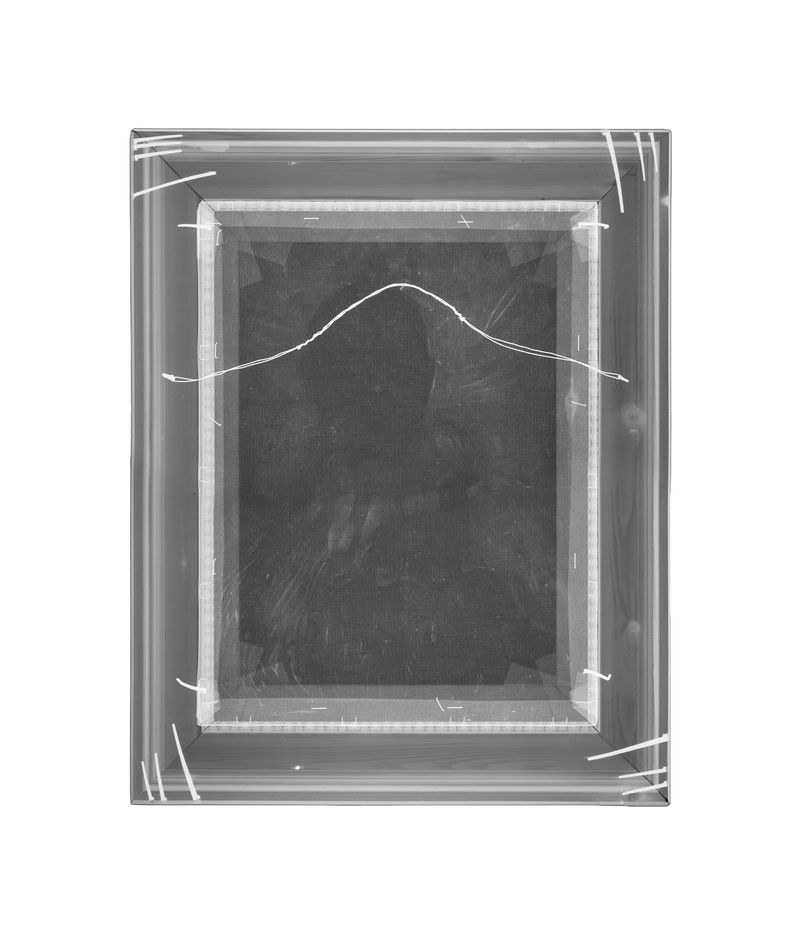
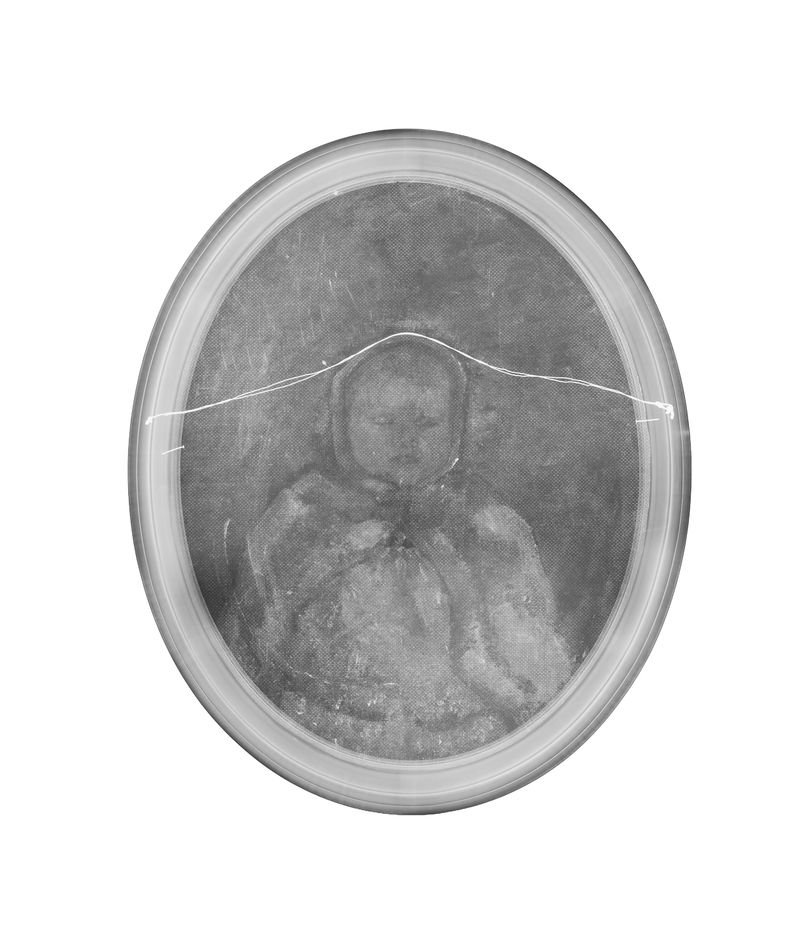
Mum was an amateur painter. This is an x-ray of mum's painting of my younger brother Rupert, who died in 1973. I found the painting to be disconcerting. This posthumous portrait of my brother always made me think: Who was he? Did he ever look like the painting, or did he become it? I got it x-rayed to have my own relationship with it.

© Oliver Woods - Image from the You Are My One And Only photography project
i

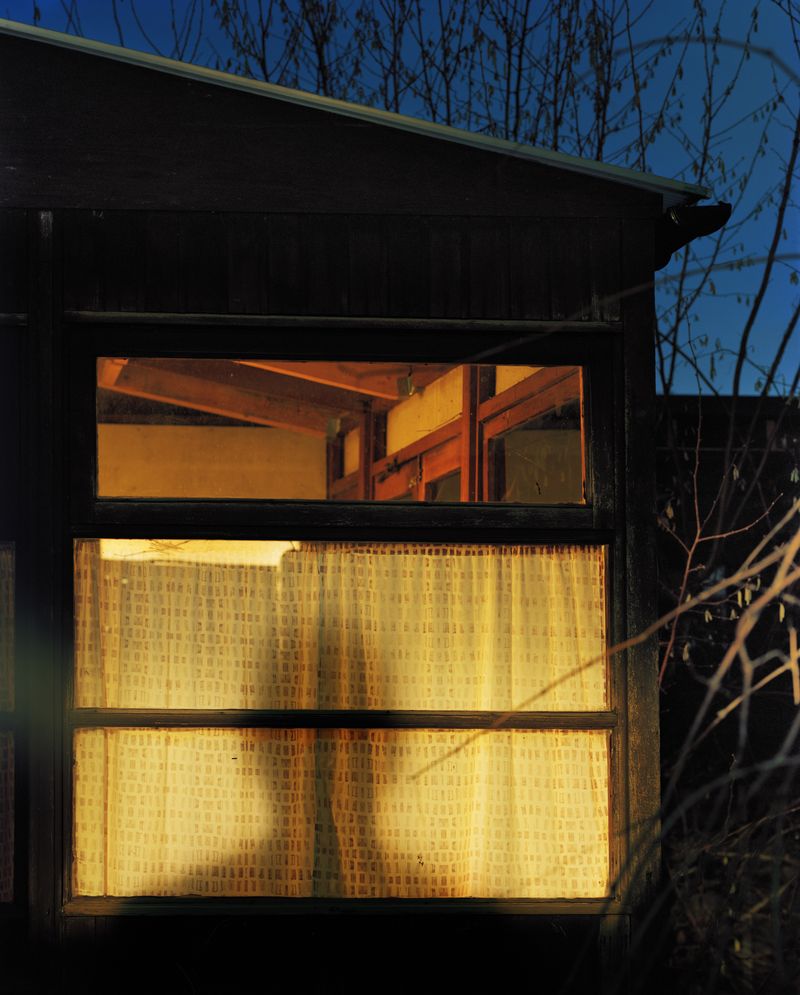
My shadow on a window at the back of the house, which also looks like I could be sitting down inside. I took this a few days before the house was sold.

© Oliver Woods - Image from the You Are My One And Only photography project
i

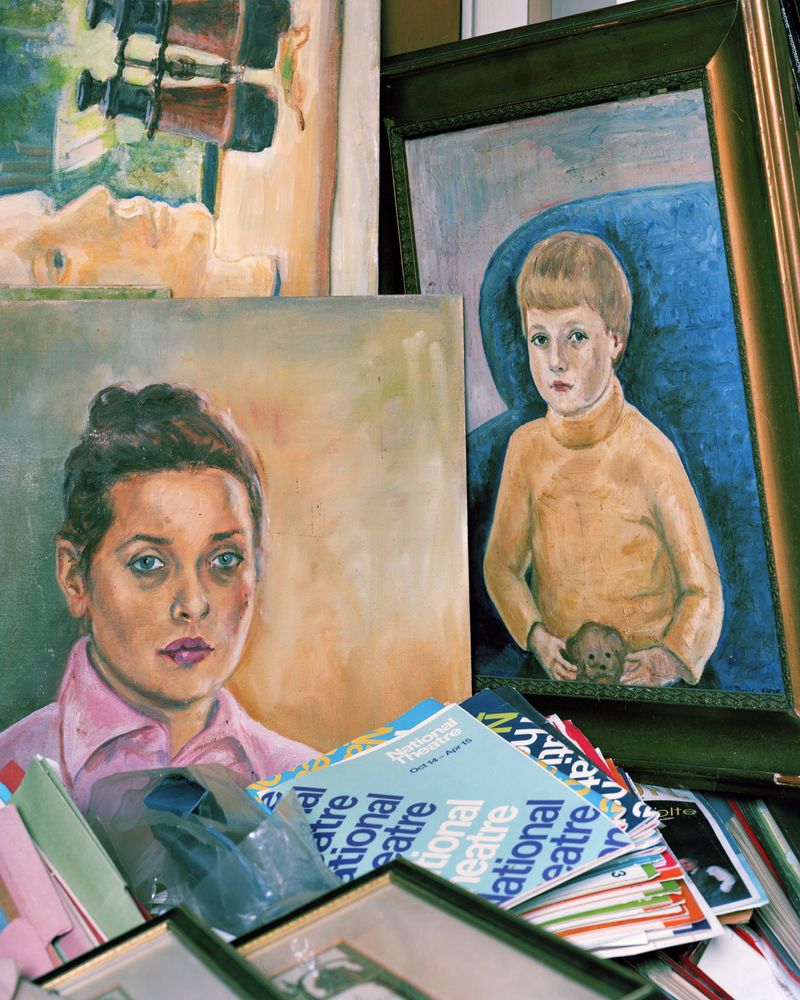
Mum was an amateur painter. These are paintings of mum and me as I found them in the attic. When I was growing up she used to say to me: "You are my one and only." That phrase always seemed balanced between love and loss. I stopped being the eldest child and I became an only child. But I always felt as though I was neither.

© Oliver Woods - Image from the You Are My One And Only photography project
i

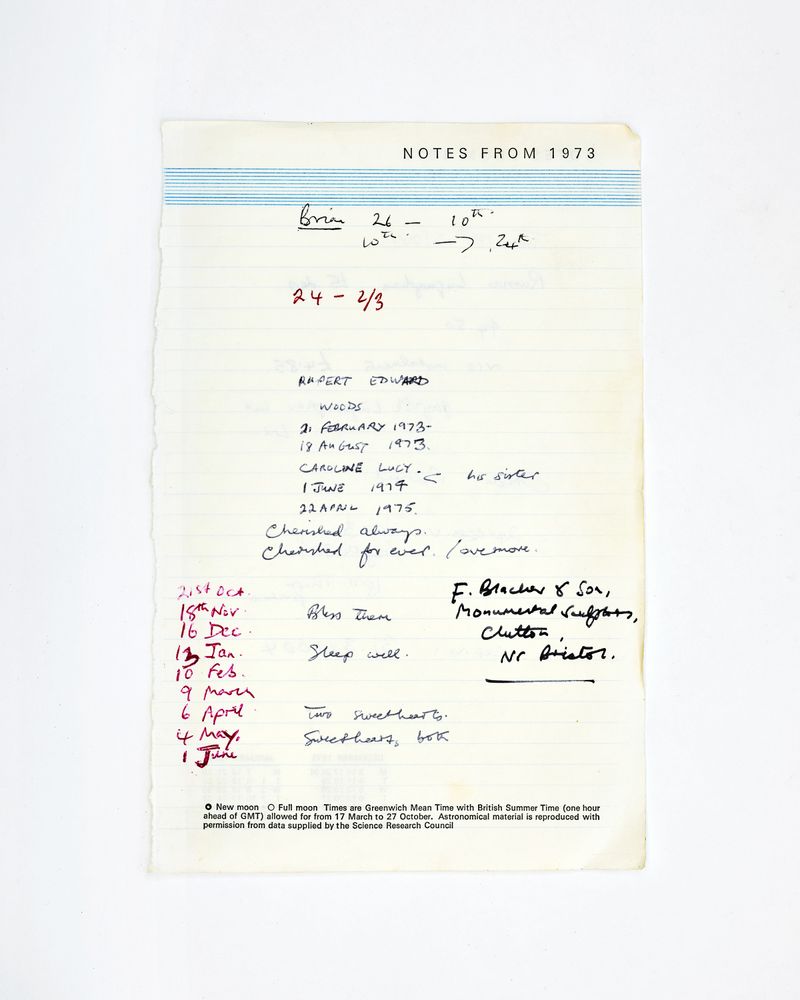
Mum wrote this inscription for the headstone for my younger brother who died in 1973. She then added to it following the death of my younger sister in 1975. I found this page carefully folded inside another diary.

© Oliver Woods - Image from the You Are My One And Only photography project
i

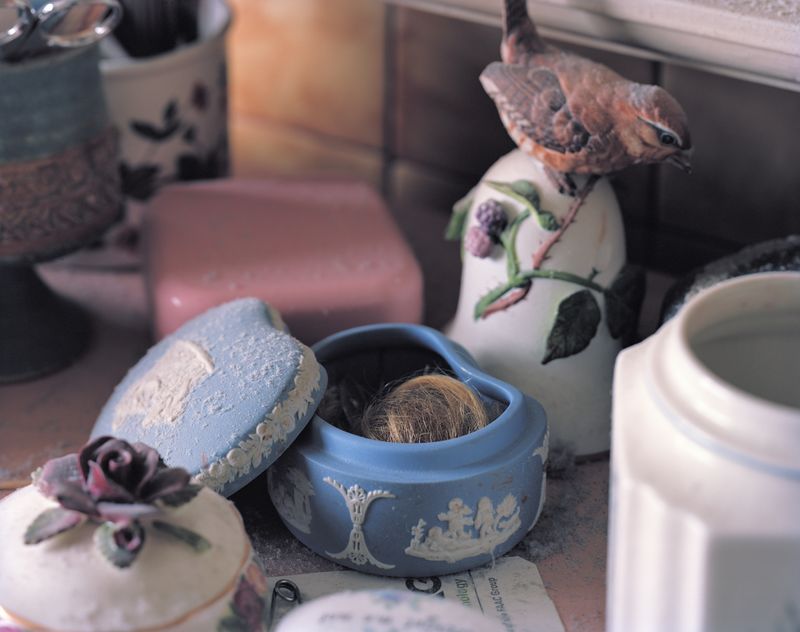
A small dusty pot on a dressing table containing locks of hair belonging to my two siblings, together with some of my own hair.

© Oliver Woods - Image from the You Are My One And Only photography project
i

Mum was an amateur painter. This is an x-ray of mum's painting of my younger sister Caroline, who died in 1975. I found the painting to be disconcerting. This posthumous portrait of my sister always made me think: Who was she? Did she ever look like the painting, or did she become it? I got it x-rayed to have my own relationship with it.

© Oliver Woods - Image from the You Are My One And Only photography project
i

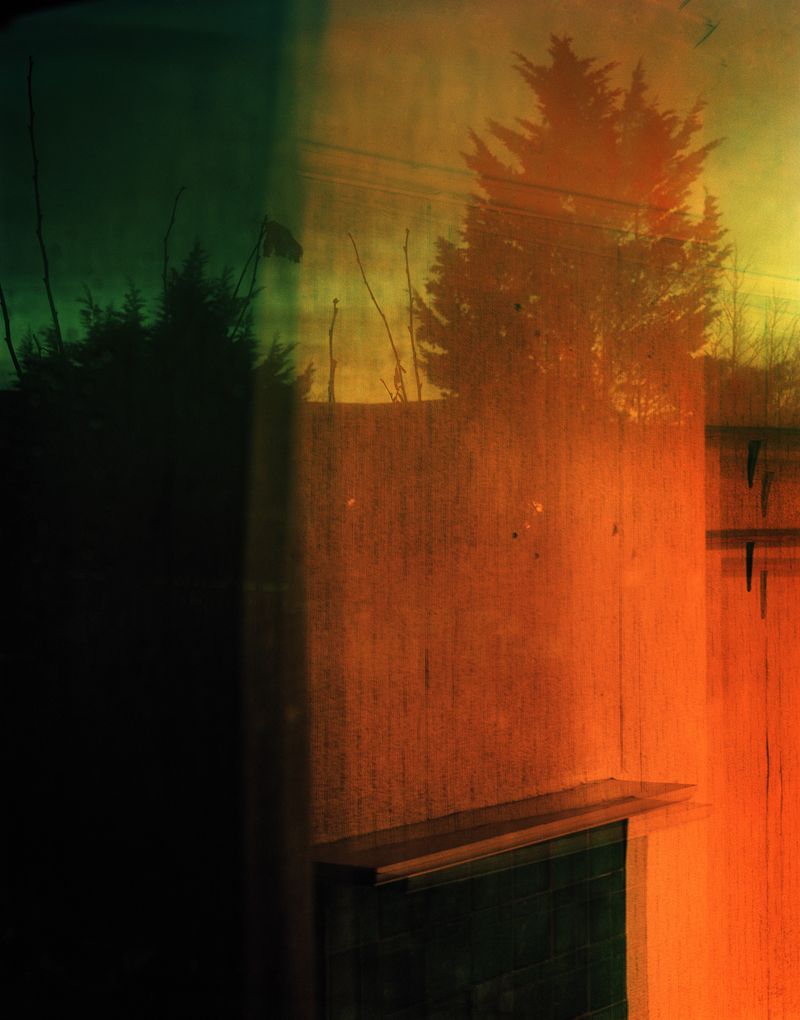
A reflection of the fireplace in my now empty childhood bedroom window, while looking out into the garden at dusk as an adult. The double glazing of the window fragments this emotional landscape.This picture is about the silence of the house and the displacement I felt, now that the house was empty. This photograph is a way of saying goodbye to all that.

© Oliver Woods - Image from the You Are My One And Only photography project
i

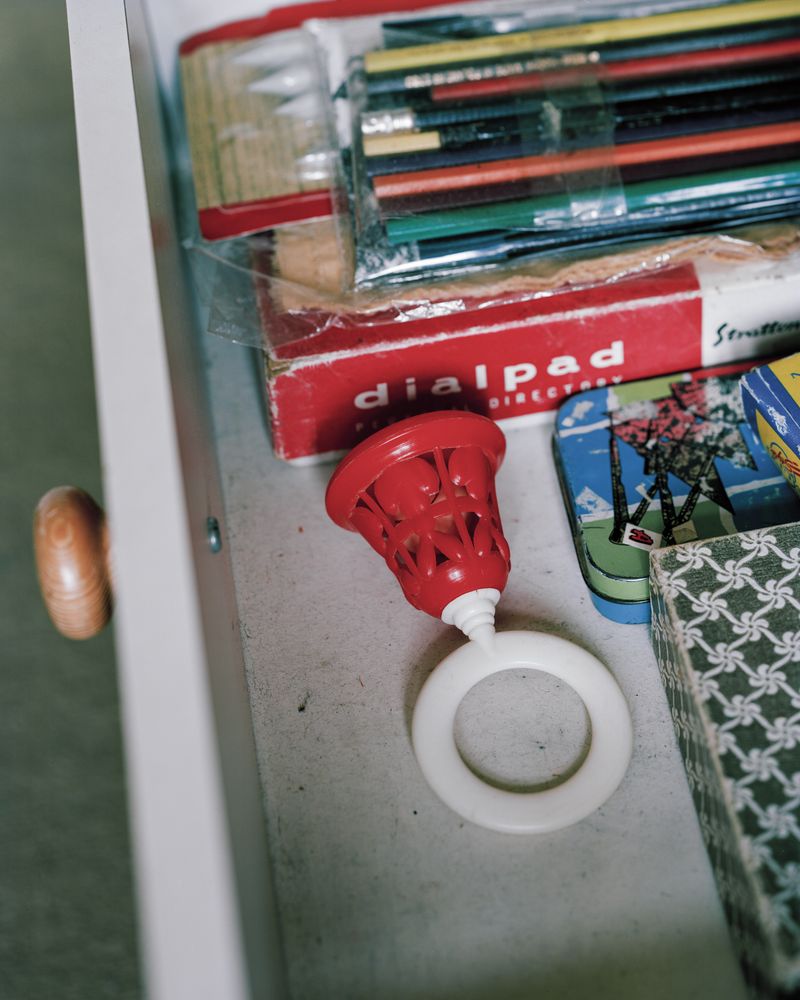
A baby rattle that belonged to both my younger brother and my younger sister who died in 1973 and 1975 respectively. I found it amongst things in my old desk drawer. Dad had been using the desk for a while and he must have placed it there.

© Oliver Woods - Image from the You Are My One And Only photography project
i

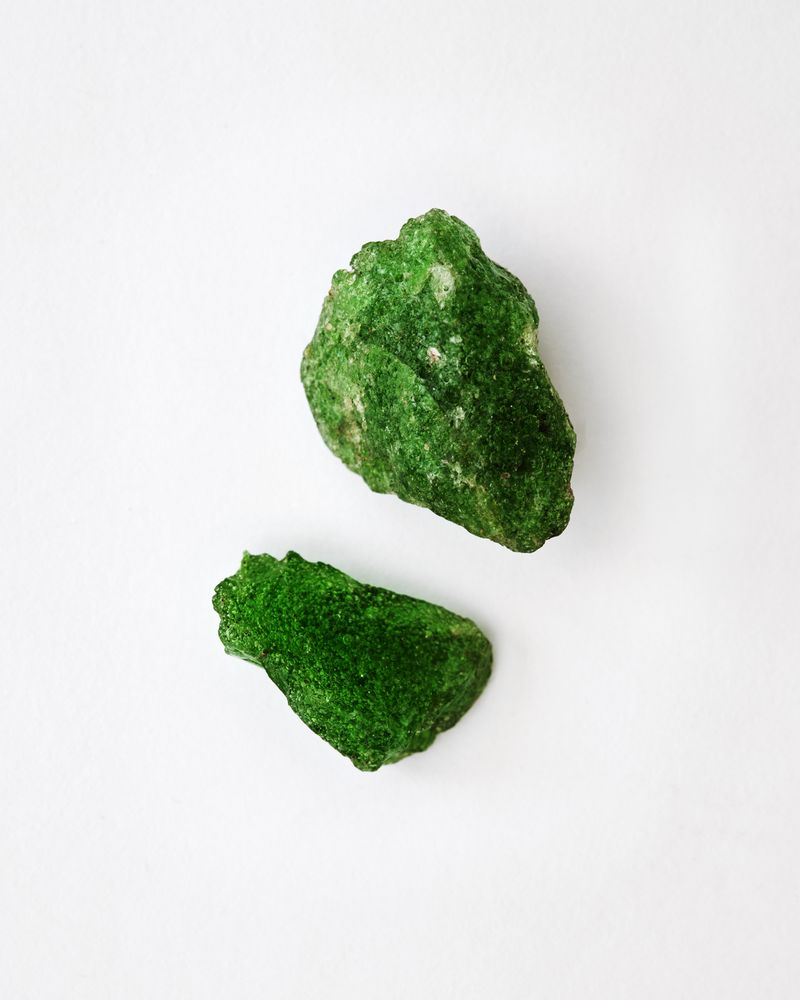
On the day of my sister Caroline’s funeral, I recall walking behind her small coffin. Everything felt surreal. My five year old response was to collect some small green stones; a few loose chipping's from a nearby graveside. My siblings are buried together and I laid one of these stones as my offering. The rest I put in my pocket. When I cleared the attic I found them in a box of childhood things.

© Oliver Woods - Image from the You Are My One And Only photography project
i

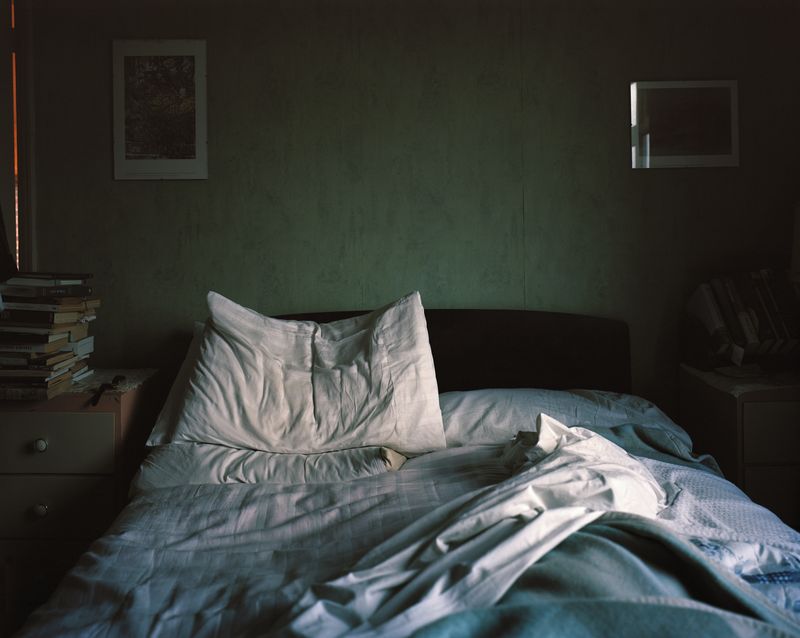
This is my parent's bed, exactly as I found it when I came to the house on my own for the first time after dad died. Mum had died a few years before and seeing the bed like this was like seeing an imprint of dad's last morning.

© Oliver Woods - Image from the You Are My One And Only photography project
i

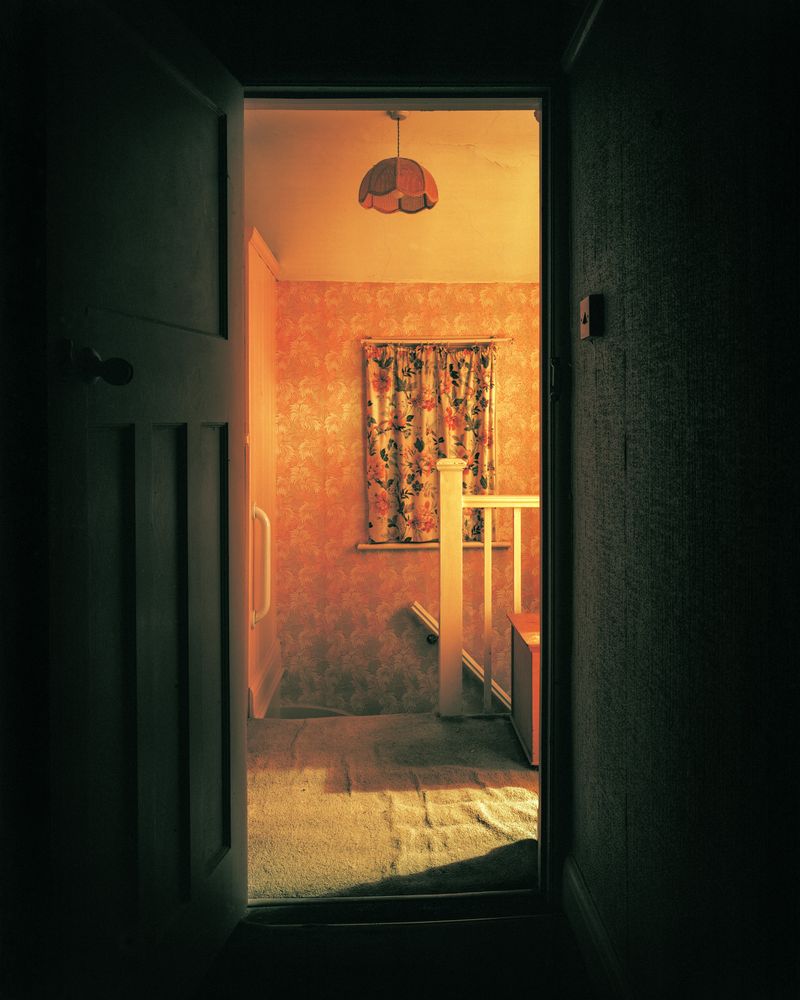
My childhood bedroom doorway, taken as if it had been opened during the middle of the night. When I took this picture I had already removed my childhood bed, and I realised that the camera was exactly where my head would have been when I slept there as a child.

You Are My One And Only by Oliver Woods

Prev Next Close