Wisdom
-
Dates2021 - Ongoing
-
Author
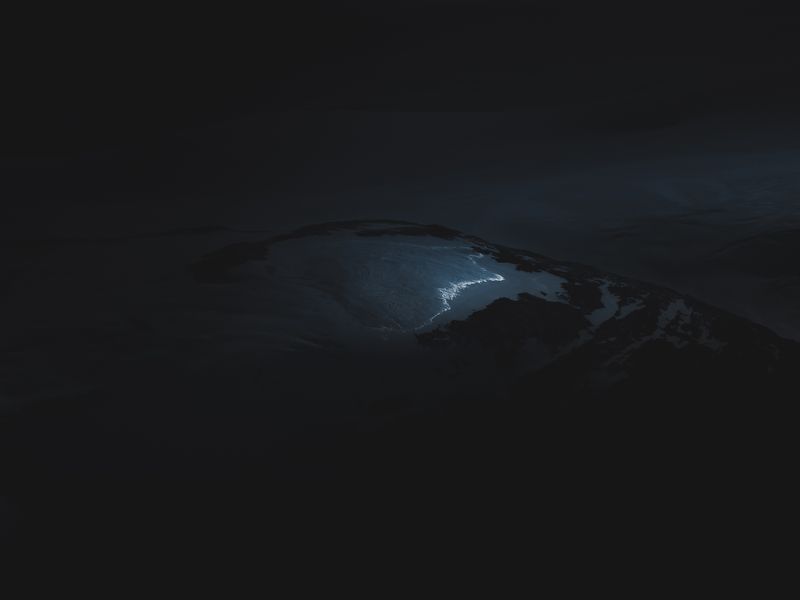
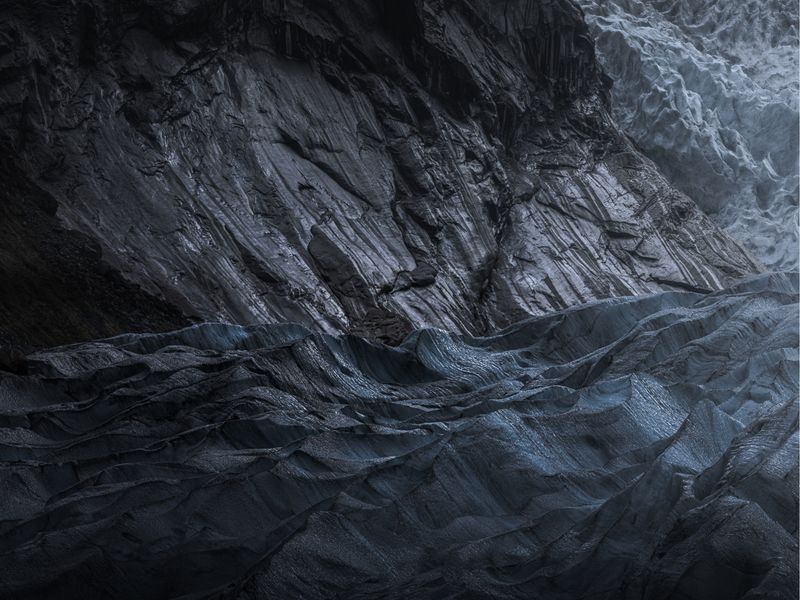
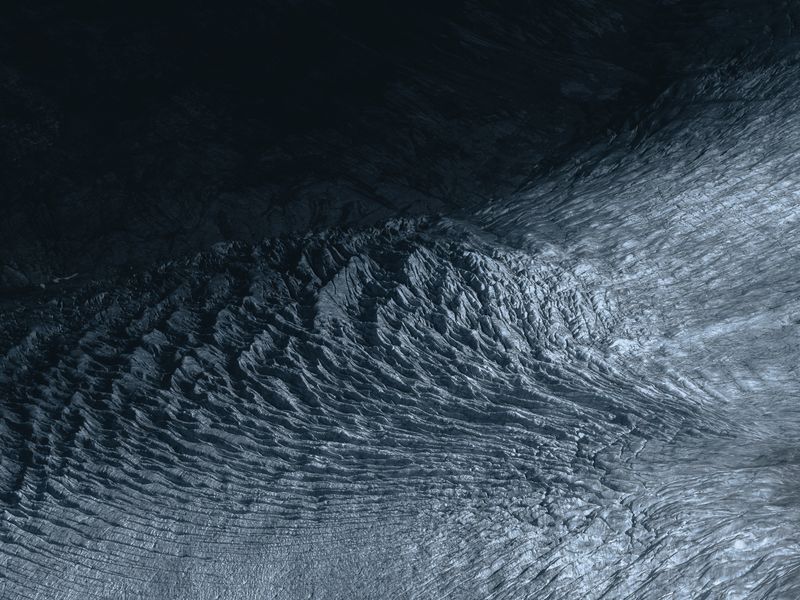
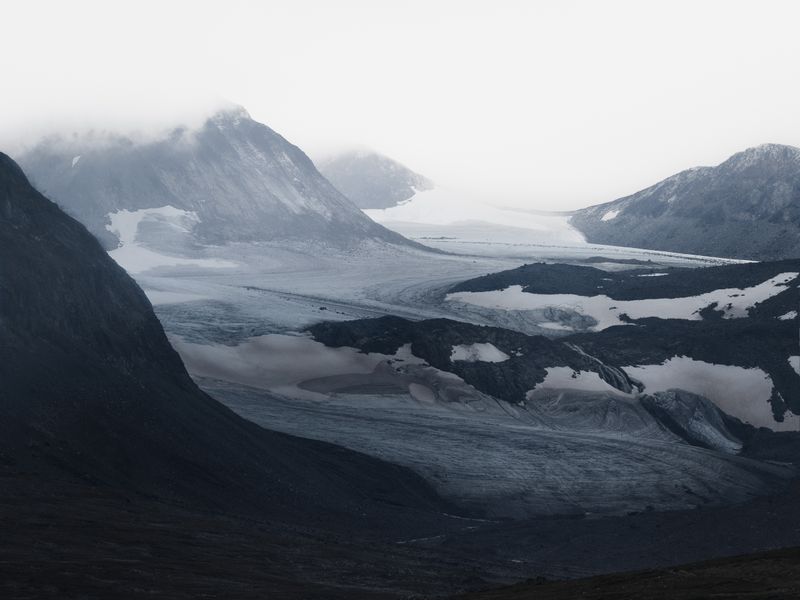
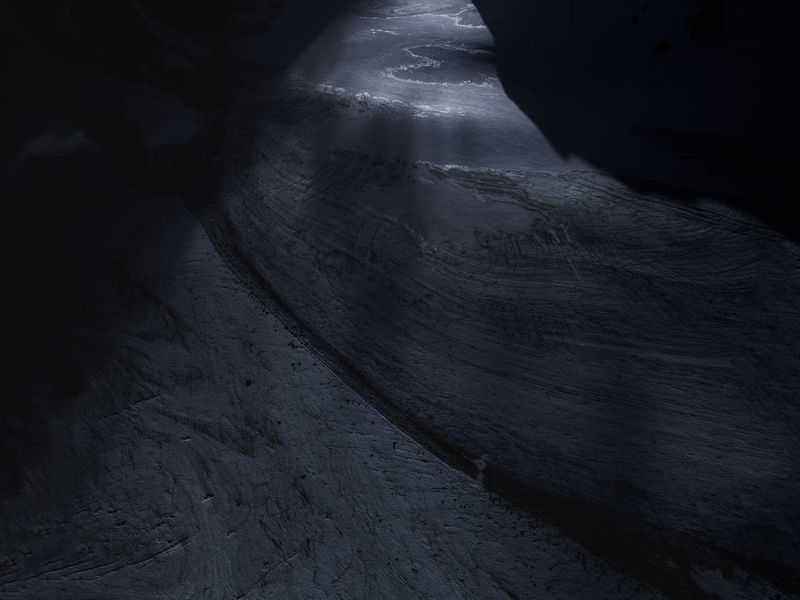
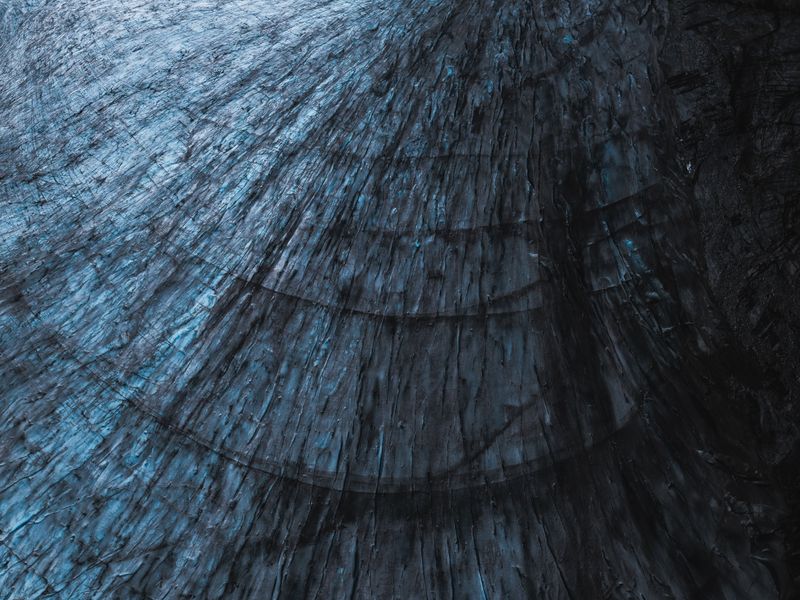
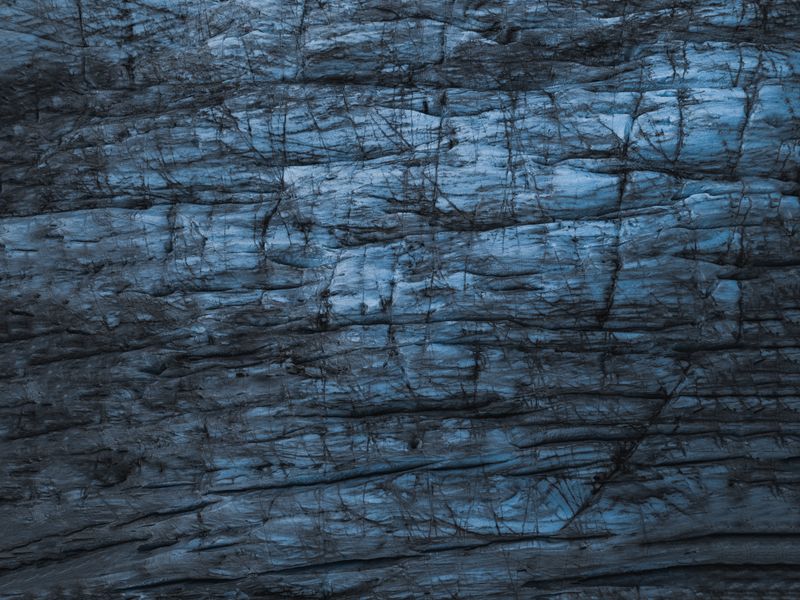
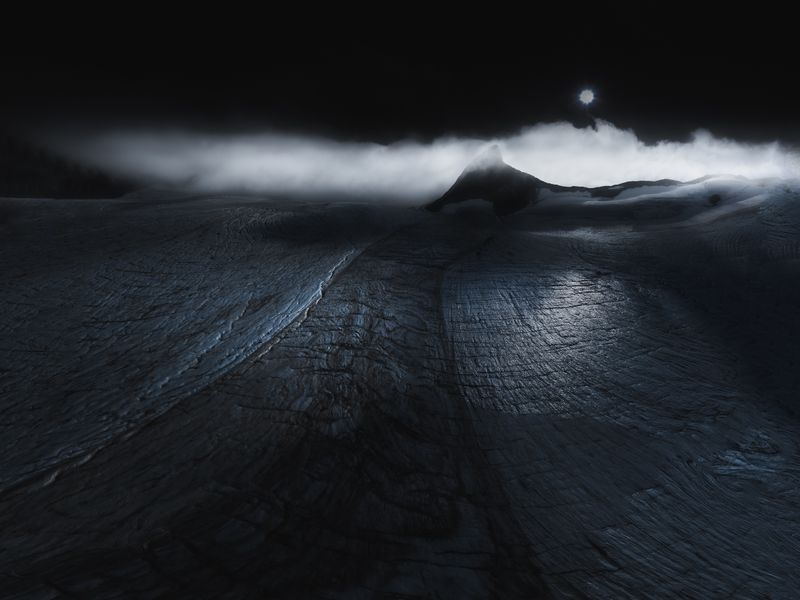
Project I - WISDOM - photos 1-9
Both science and religions may all fall short to explain the incredible miracle of Life which, through millennial evolution, has transformed barren land into an alive
Planet. Mother Earth has been regarded by humankind through the centuries as a fertility goddess; water in all its form is the most incredible terrestrial element with all living beings depending on it to thrive. There is an untamed world, between sacred and magic, where the essence of life is safeguarded by silence,
where the outer and the inner world coincide. This is what I am seeking to photograph.
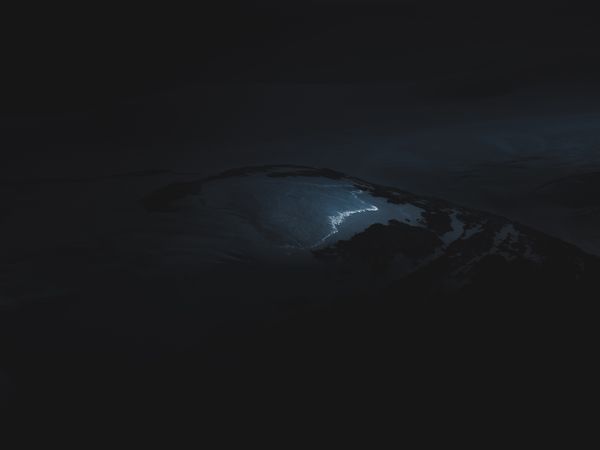
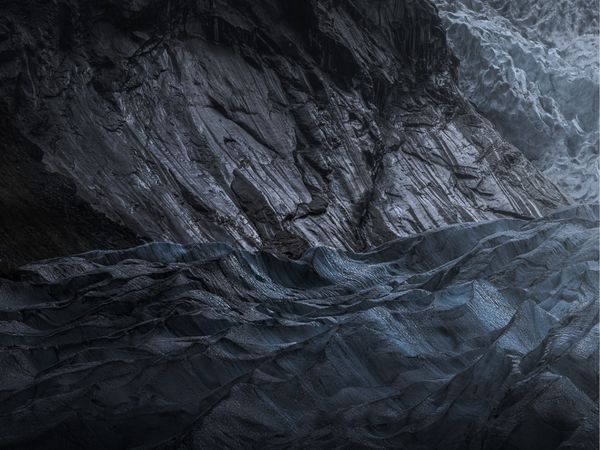
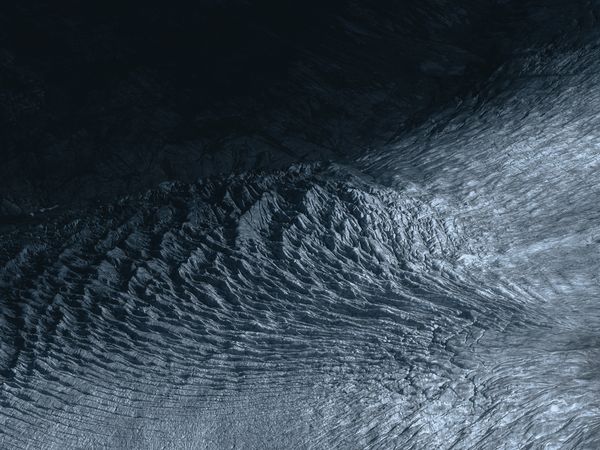
Wisdom is a photo project in collaboration with the Norwegian Water Resources and Energy Directorate (NVE), undertaken over the 2021 and 2022 summers: an exploration of the Norwegian Glaciers, driven by the desire to
listen to the glaciers’ sound, to hear their ancient whisper. The Anthropocene provides the chance to observe the ancient and deepest ice layers, which now are emerging to the surface, offering their Wisdom while presenting a visual indicator of the alarming status of the glaciers.
Project II - THE METABOLIC VESSEL - photos 12-18
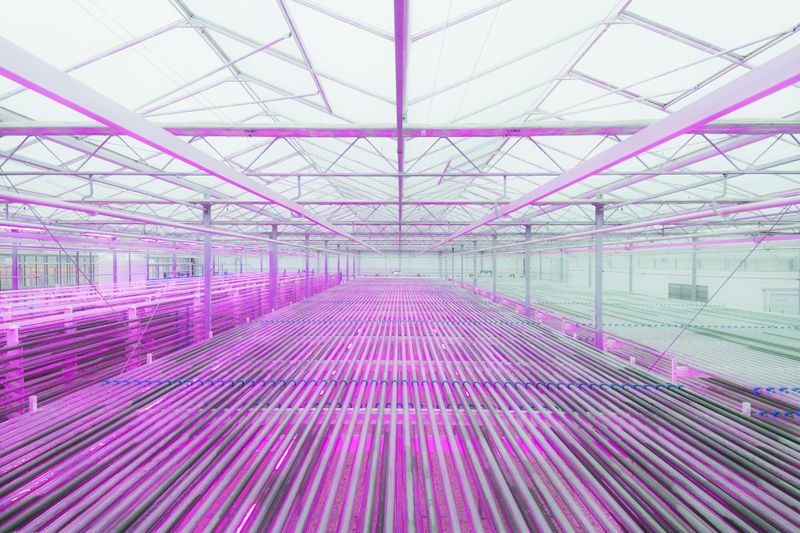
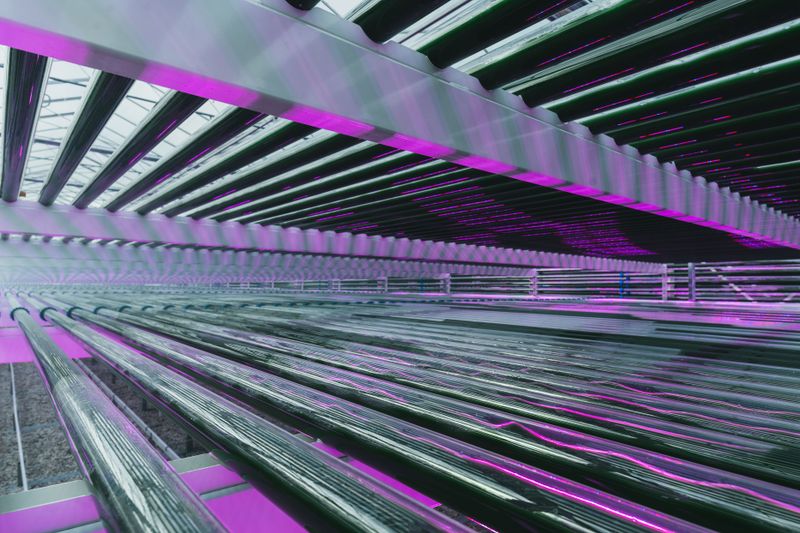
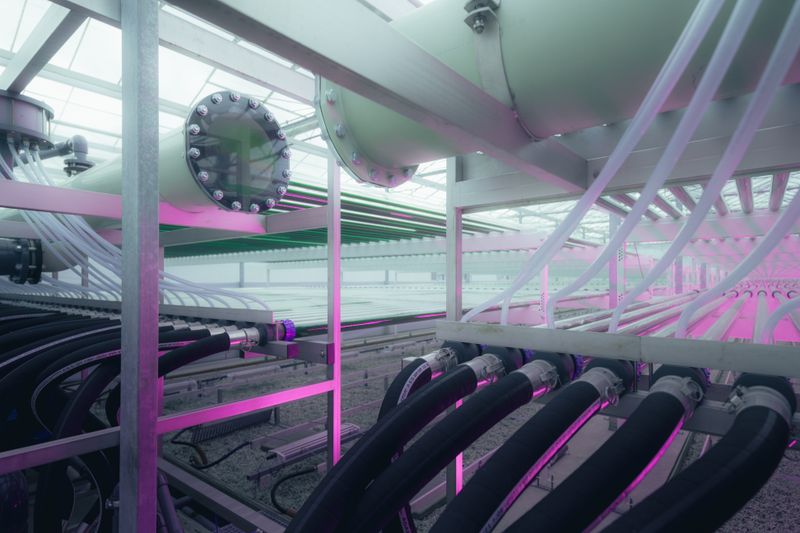
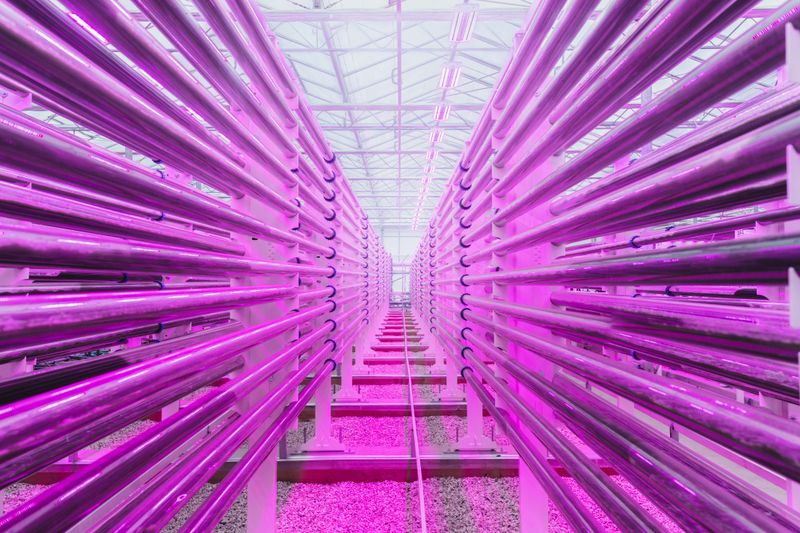
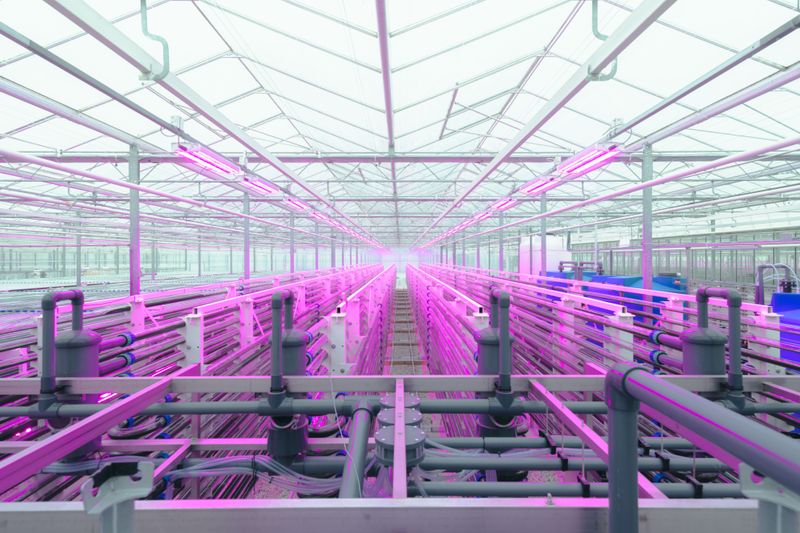
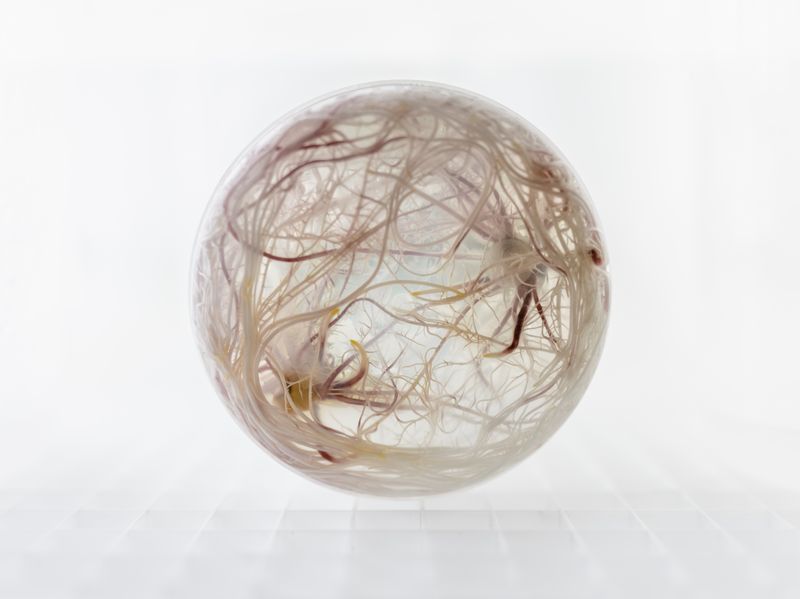
Micro-algae are ancestral organisms able to live in extreme habitats: from Antarctic lakes to hot and sulphurous volcanic springs. They are both among the oldest organisms on Earth and the fastest-growing creatures, with a very short doubling time.
Micro-algae have been playing, since the origin of Life on Earth, a critical role in the food web production, by converting CO2 and inorganic nutrients to oxygen and organic matter via photosynthesis.
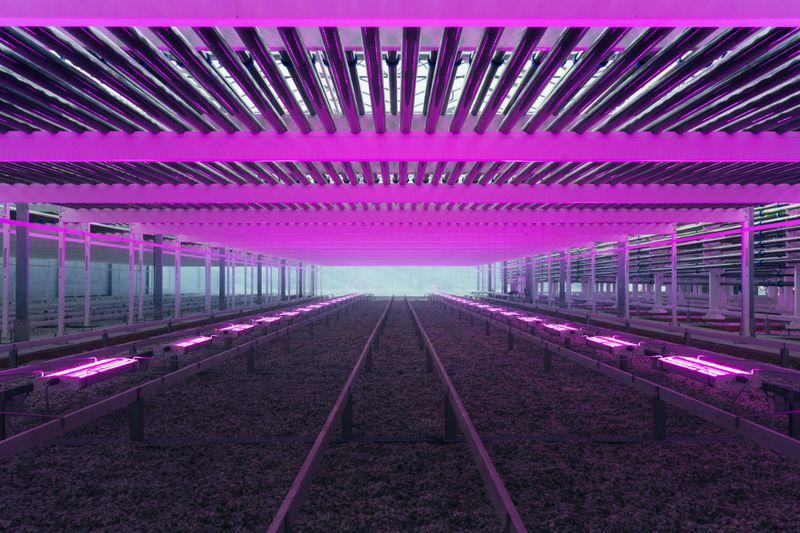
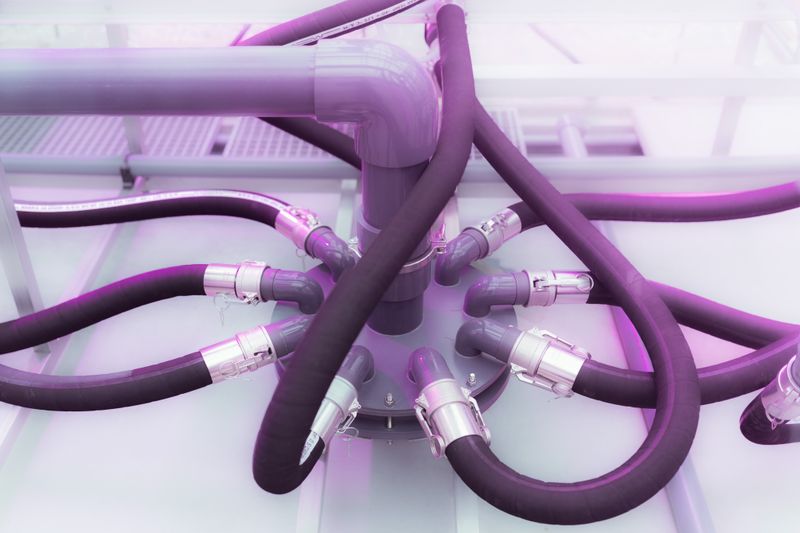
Lately, humankind shifted towards such micro-organisms for food production needing no land, for carbon fixation and as possible alternatives to carbon fossil fuels. As they contain high-value ingredients, they are seen as the most promising flexible feedstock being considered the crop of the future. Above 72,500 algae species have been identified, with just 220 currently being used.
While undoubtedly Earth's ancestors, will they also play a future role on Earth, in a new form of a mass-industrialised Nature?
Project III - MUTAGENESIS - photos 17,20
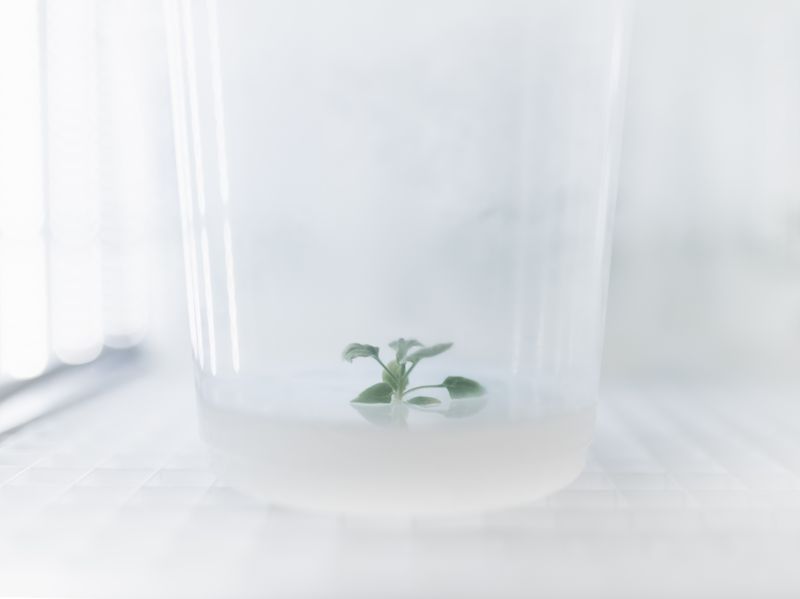
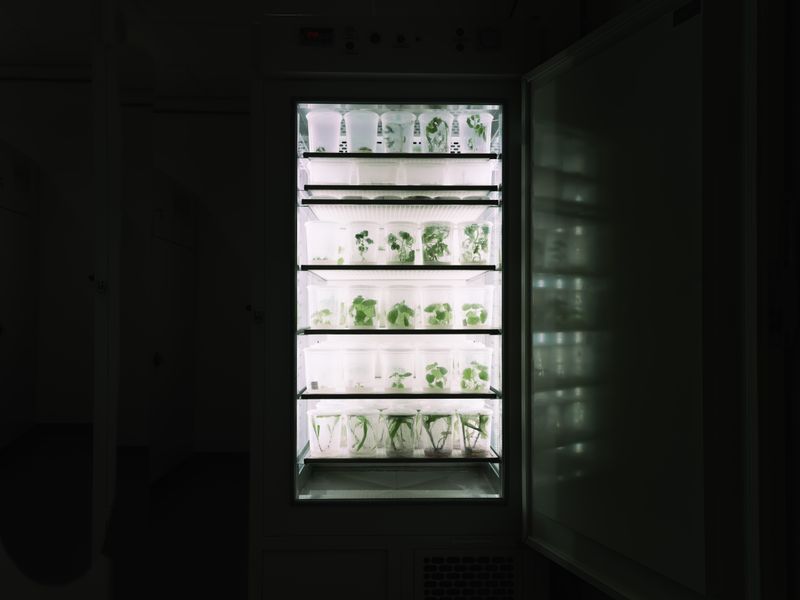
CRISPR-based genome editing is a technique to improve traits of interest in living organisms. It is essentially a targeted way of finding and altering a specific bit
of DNA inside a cell to allow with unprecedented ease the introduction of desired (and even new) traits within plants and animals, including humans.
Genome engineering is widely recognised as the most versatile tool created in the history of molecular biology to date. Its field of application encompasses therapeutic and non-therapeutic contexts, such as enhancement of crops, livestock, gene drives, and human features. Whether confined in vitro, sealed in plastic containers, or within a controlled environment, these living organisms are segregated from their natural context in order to evaluate the progress of their altered growth. Little remains of the natural ecosystem they were integral part of.
While there is less debate around mutagenesis of living organisms beyond humans, the extent of experimentation on human embryos raises a deeper ethical and moral debate.
Is a parallel living Planet now possible, orchestrated by humankind’s needs and desires? Are humans fully capable of directing the evolution of the living world?
LANDSKRONA
The residency at Landskrona will be the best opportunity to further develop the Wisdom project on Scandinavian glaciers into a multimedia exhibition, to include beyond photos, videos and sound installations.