Will Homelessness Become the New Normal?
-
Dates2011 - Ongoing
-
Author
- Topics Social Issues, Documentary, Street Photography
- Location Asheville, United States
Living on the Edge — Homeless in America
With all the physical, emotional and financial devastation the current Covid 19 pandemic is creating, I am concerned we will end up with a worldwide homeless epidemic. Homelessness is a devastating situation, both for individuals and society as a whole. If we let this happen, I don’t know how we will ever recover.
Many people make assumptions about homeless people, which are used to justify ignoring the problem. We convince ourselves that if ‘they’ just tried hard enough, ‘those people’ would not be homeless. We don’t want to go deeper, to look closer — that makes us too uncomfortable.
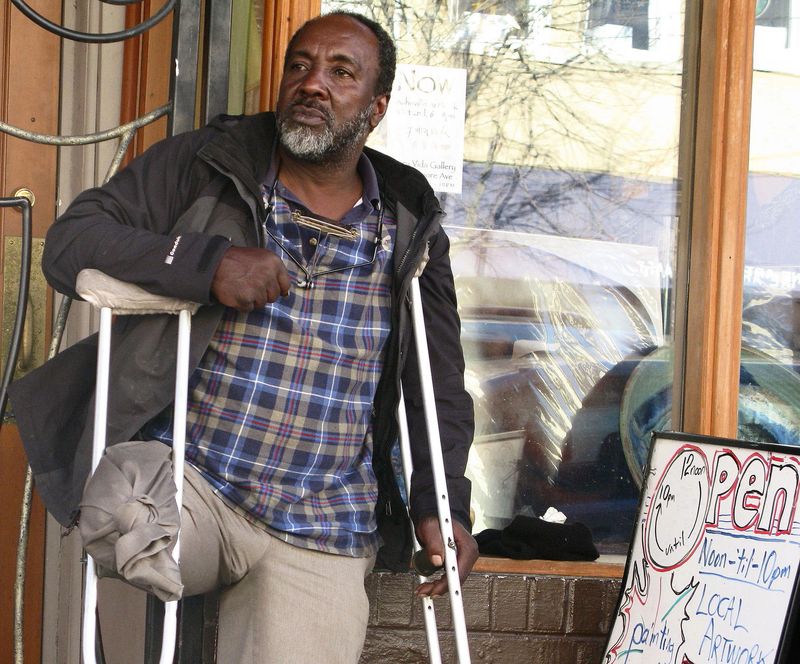
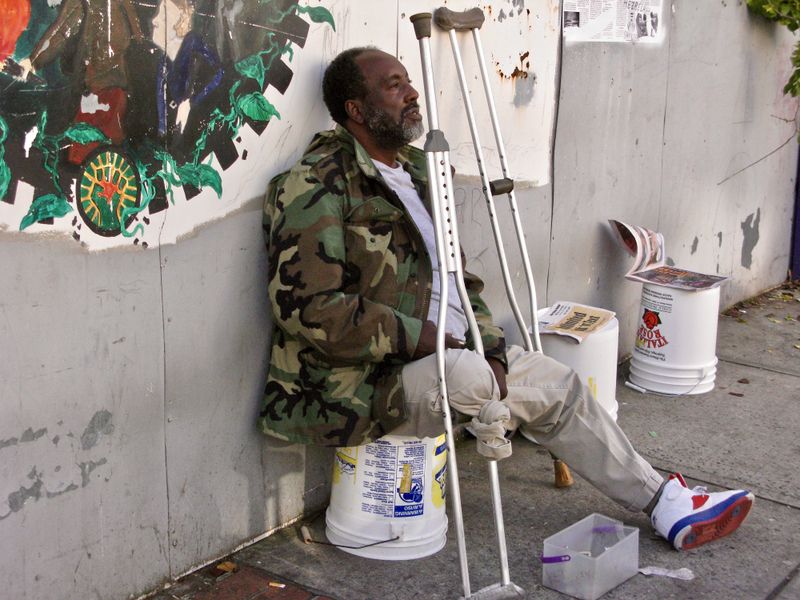
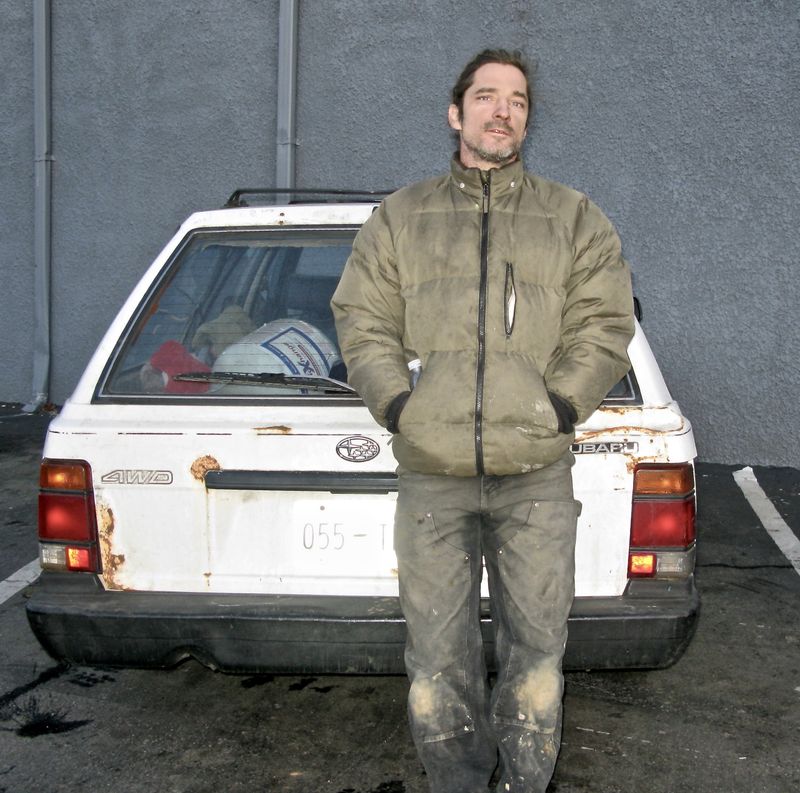
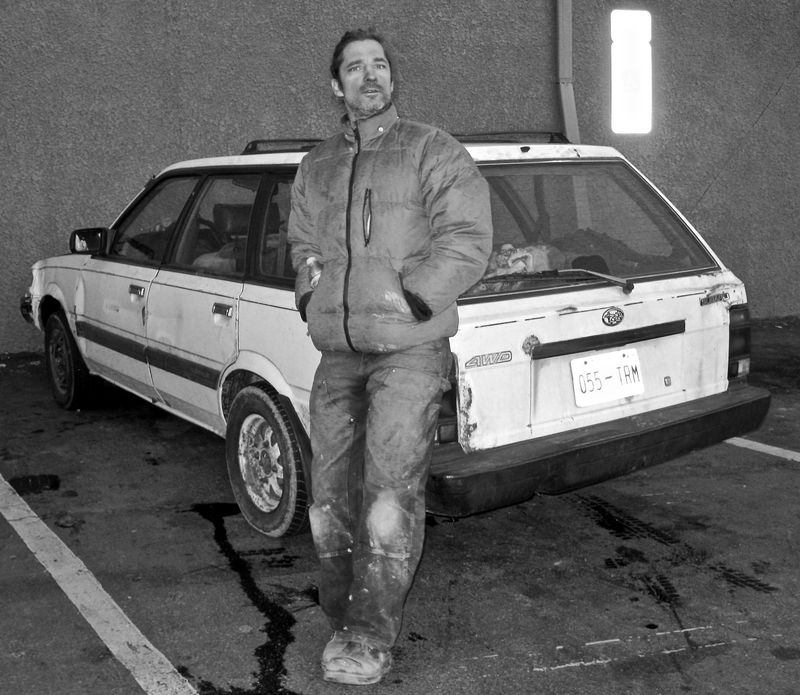
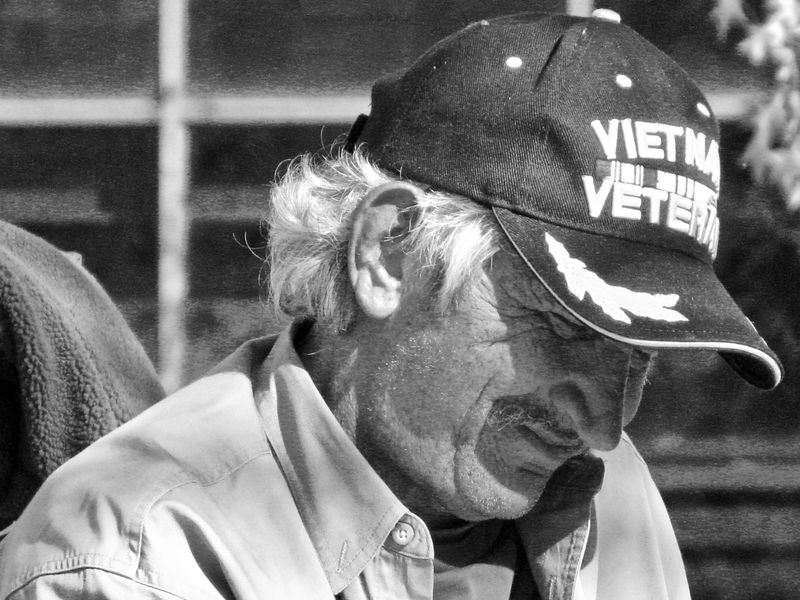
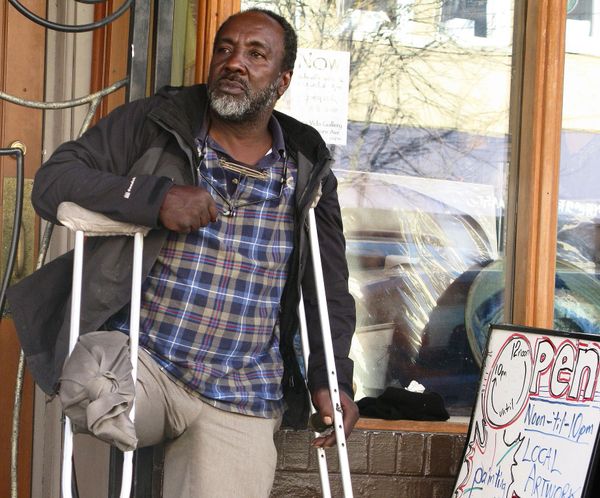
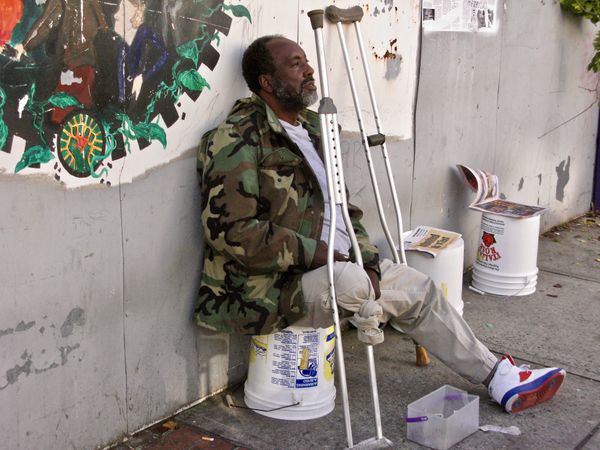
Have you ever taken the time to stop and talk to a homeless person? It is heartbreaking to hear their stories. Happy, a Vietnam vet, lost everything during Katrina, including a nine-year-old son. He came to Asheville to start over and found a landscaping job. Things were looking up until he got bit by a spider, and complications from his diabetes required his leg to be amputated. Fred’s wife died. Then both of his parents died, the mill where he worked closed and he could not find work. Cheryl was abused throughout her entire childhood. She needed to be in a safe environment and receive counseling — neither of those things happened. Sean’s wife was sent to prison. He did the best he could to keep he and his young daughter safe. Jobs dried up, money ran out. Most shelters would not accept a single dad with a young daughter, so he found an old school bus and fixed it up. They used a gym for taking showers.
What did they all have in common? Negative circumstances kept piling up. They didn’t have the physical, emotional or financial resources to deal with everything. There was a point where they just gave up. Once you are homeless for any length of time, it is difficult to get back off the streets.
Fred had been homeless about three years when I met him. He said the shelters were too crowded so he slept outside. I ran into him a few months later. He had just been released from the hospital. He was found the night before under a bridge, almost frozen to death. I pleaded with him to try again to get housing. The next time I ran into him he was finally living in his own place.
After Happy’s leg was amputated, he was never able to fully recover. He and his wife bounced around between shelters. Happy ended up begging on the streets. He died of cancer a few years later.
At some point, to numb her emotional pain, Cheryl became addicted to meth. Although she had periods of being off drugs, she was never able to stay clean.
My heart broke the most for Sean’s five-year-old daughter. I bought her clothes for school. I hired Sean, who is a carpenter, to do some work at my house and referred him to other jobs. Little by little, Sean was able to get more work. A year later he had a steady job and a place for he and his daughter to live.
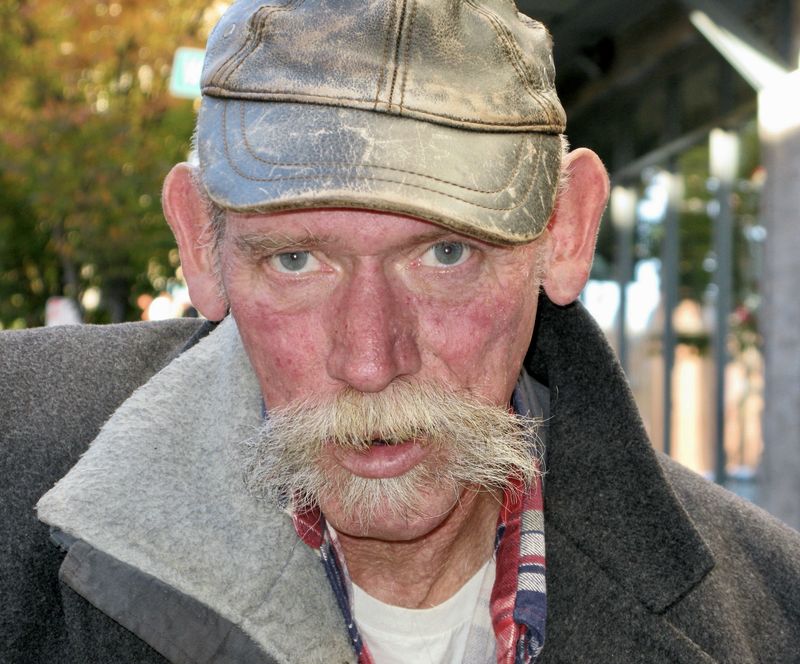
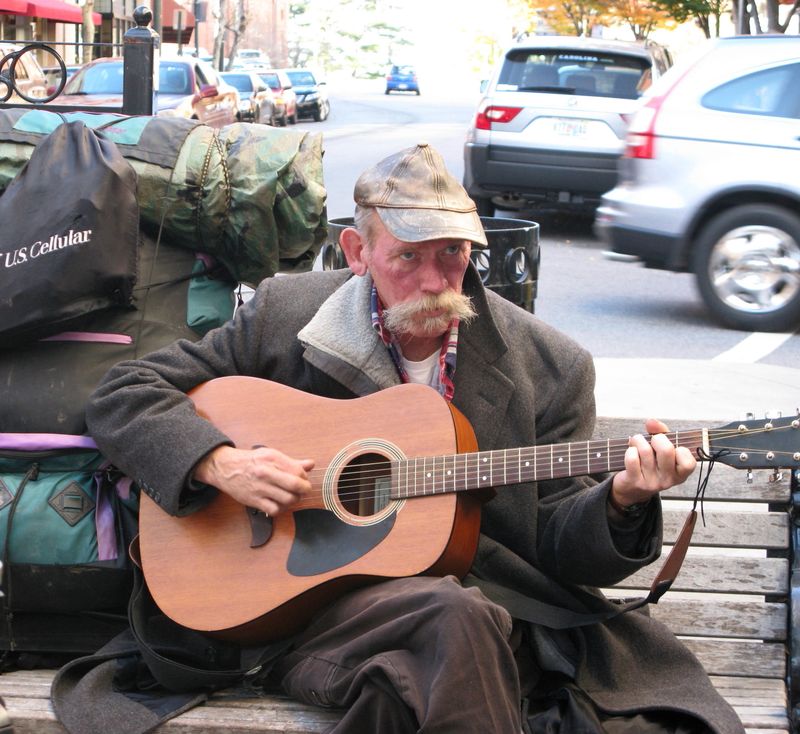
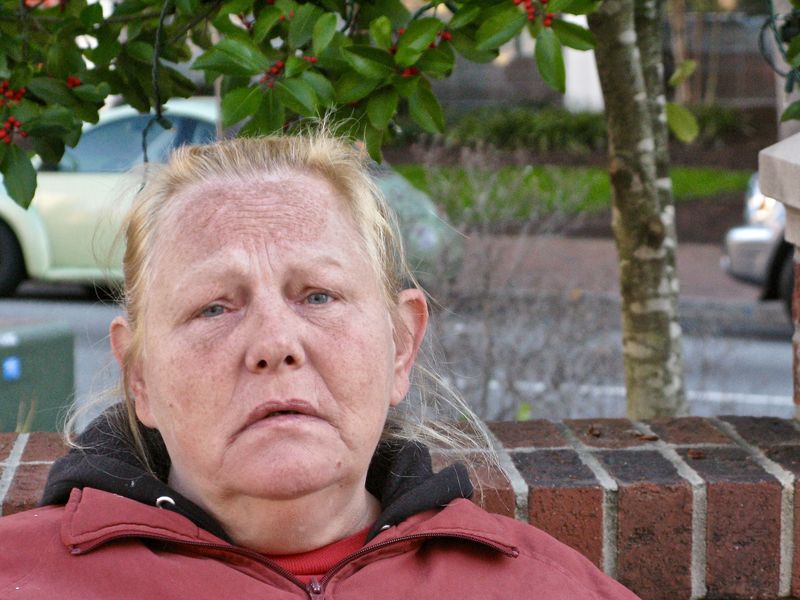
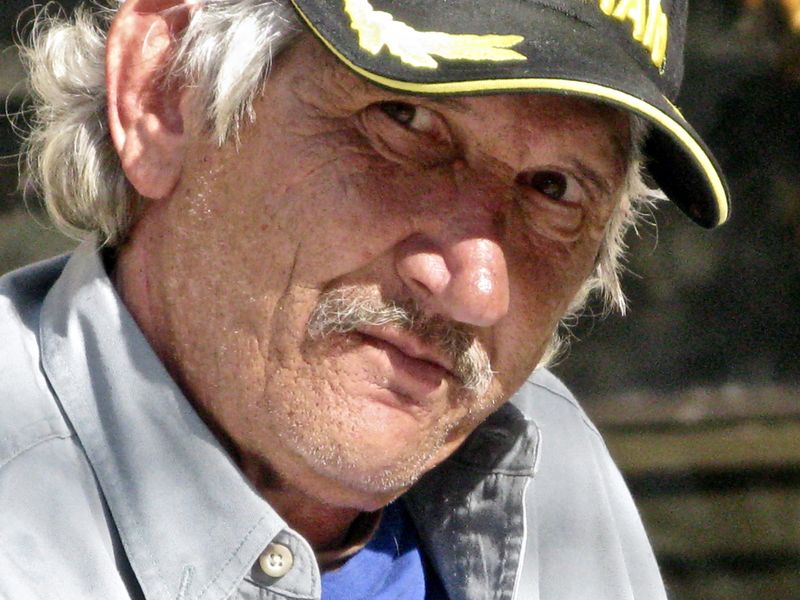
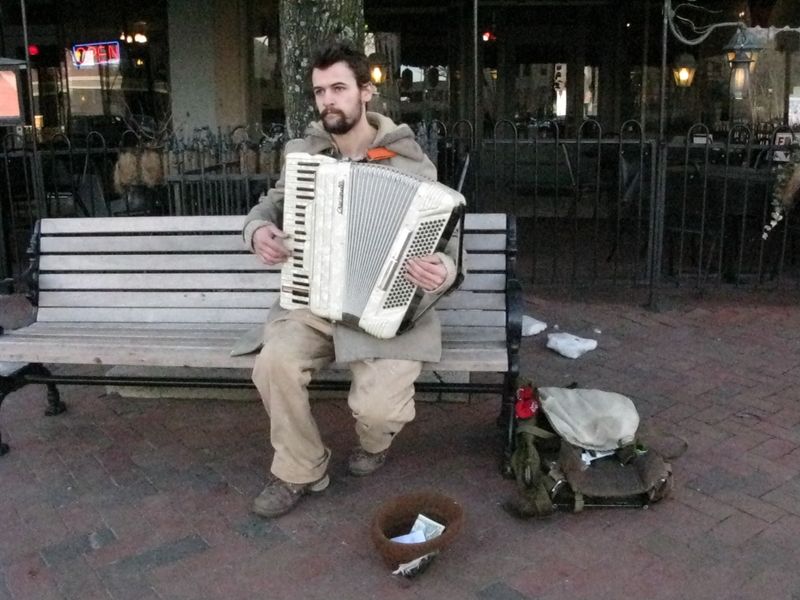
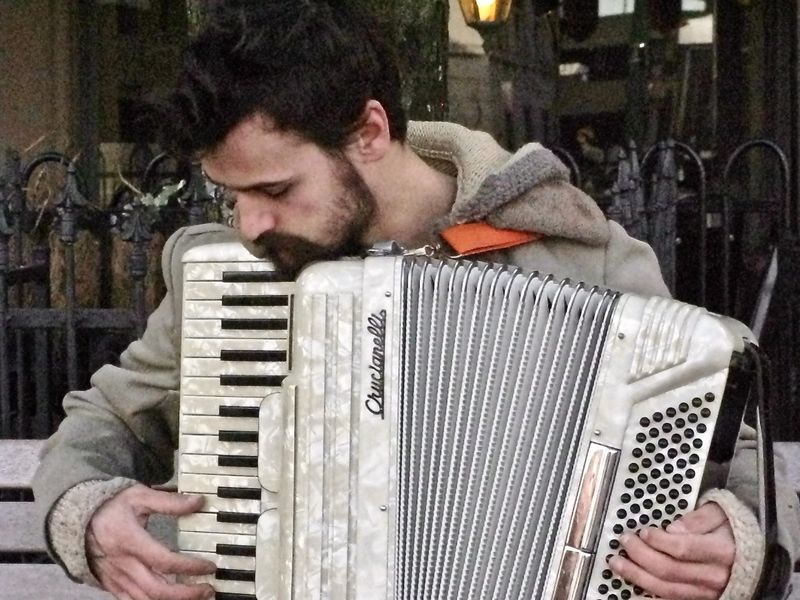
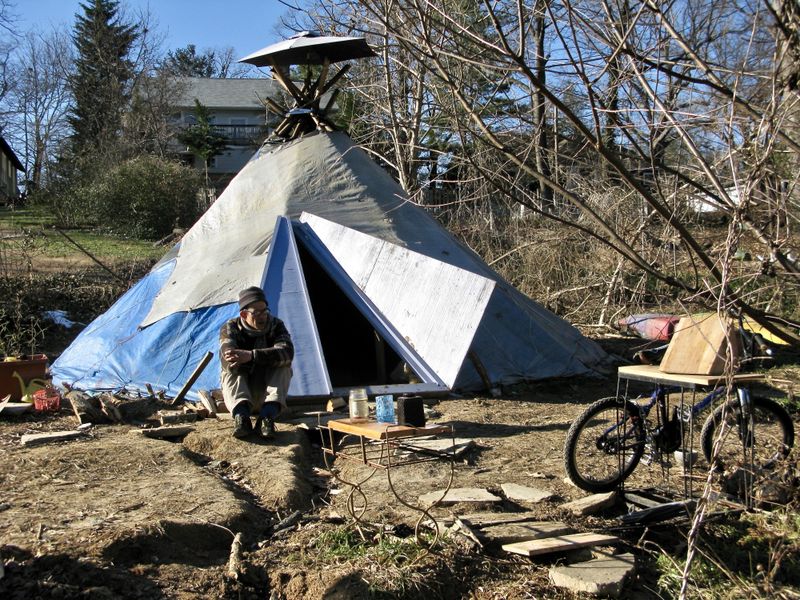
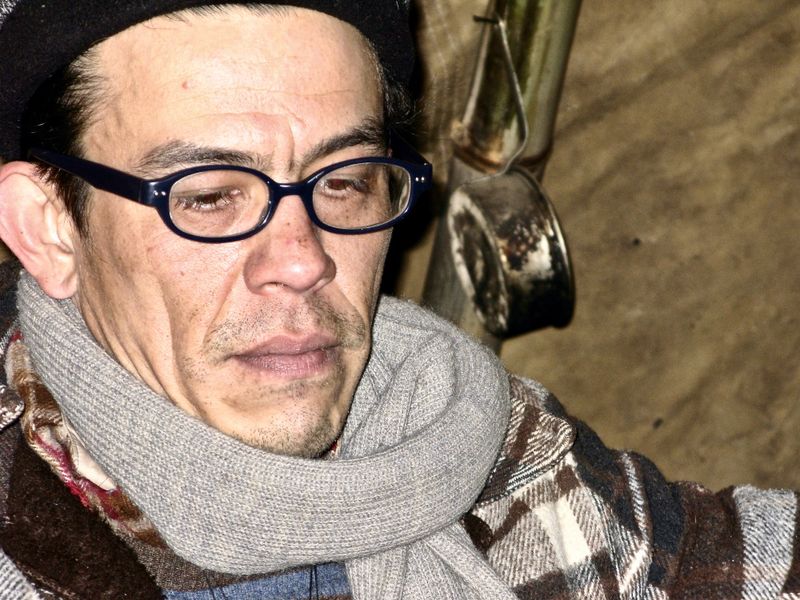
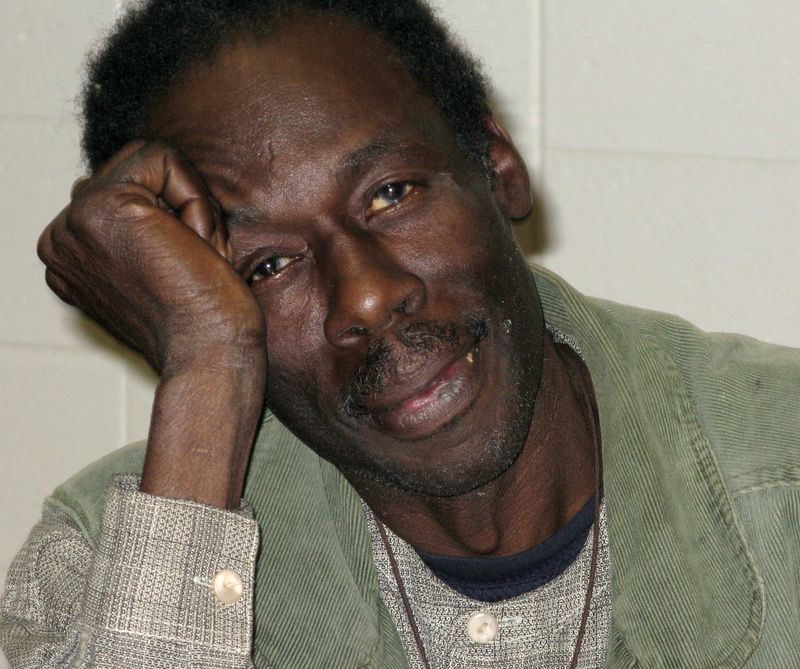
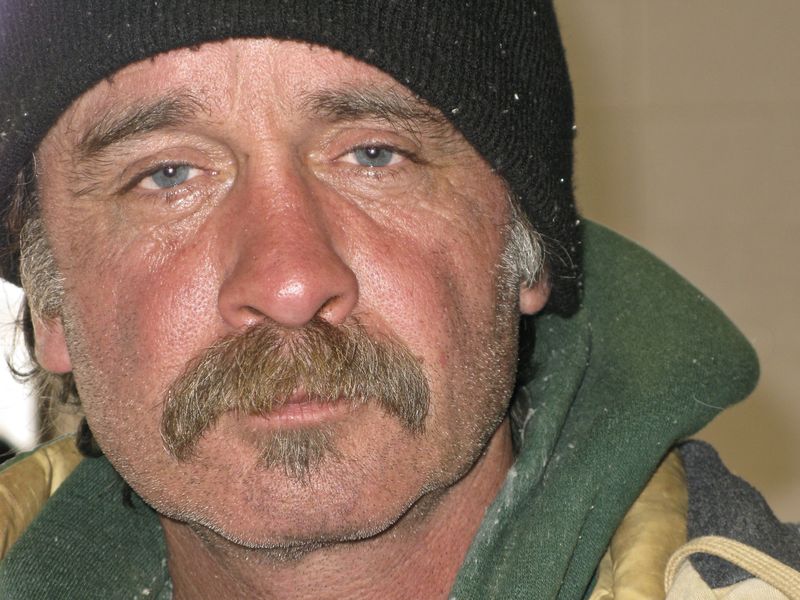
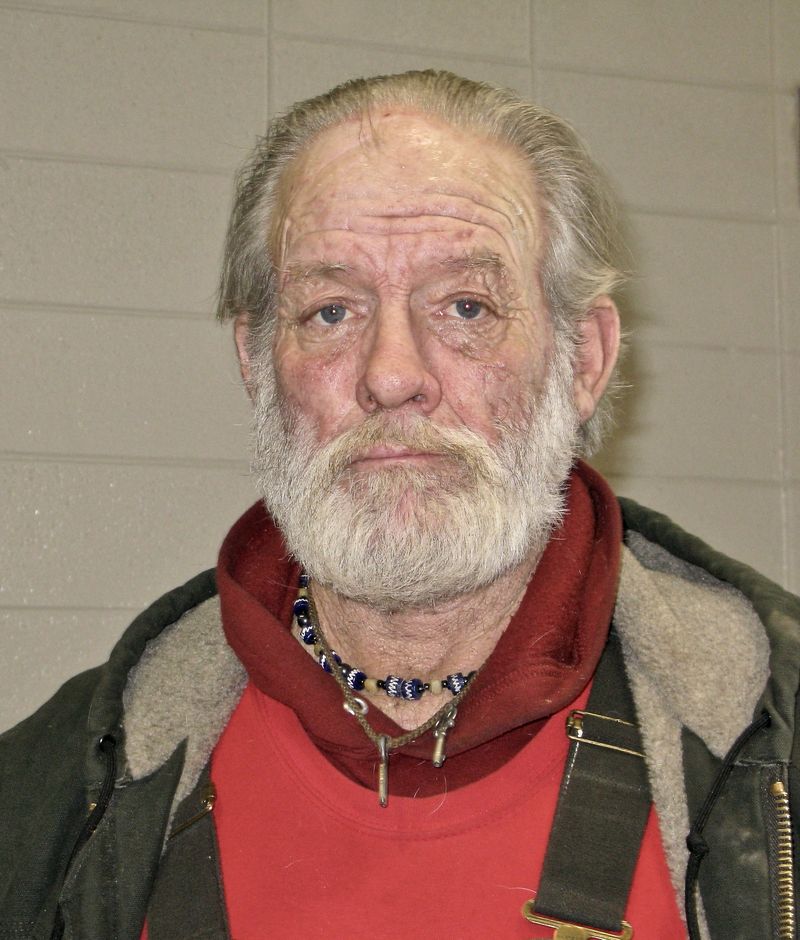
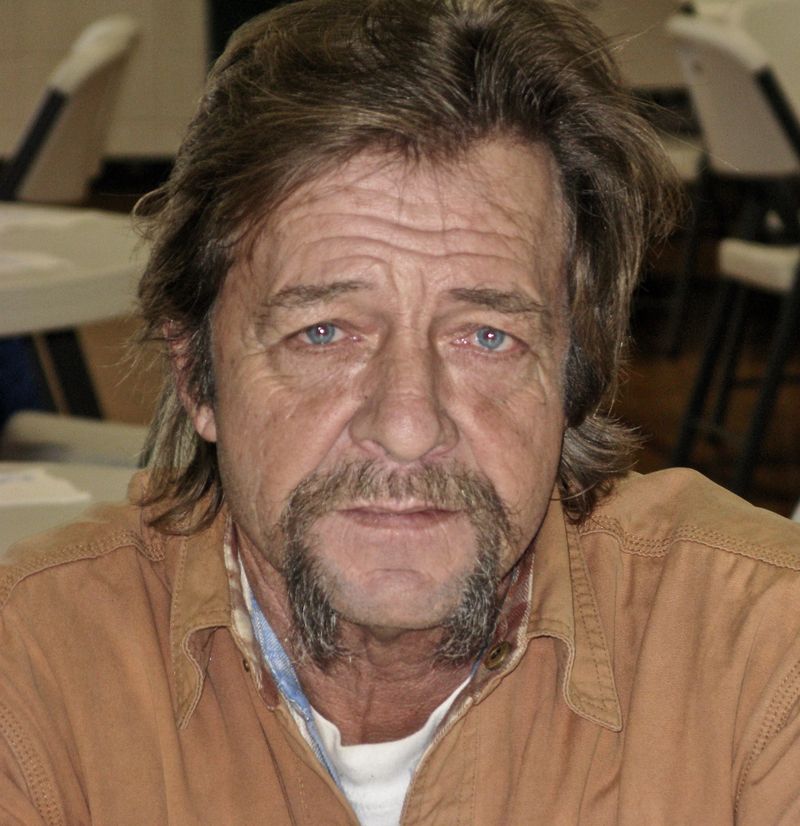
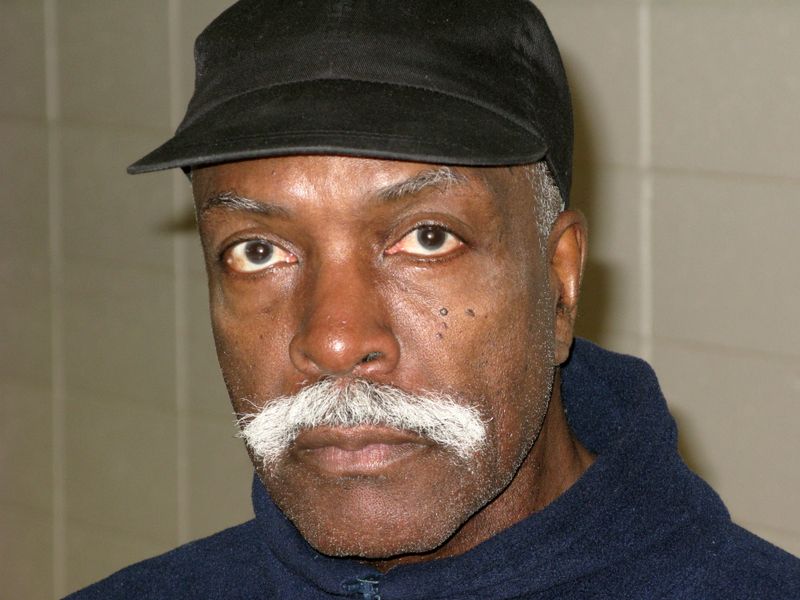
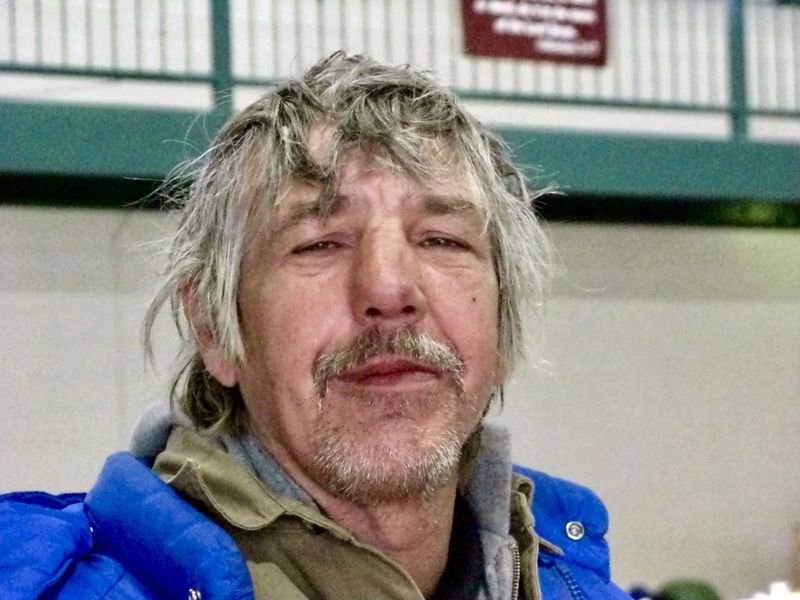
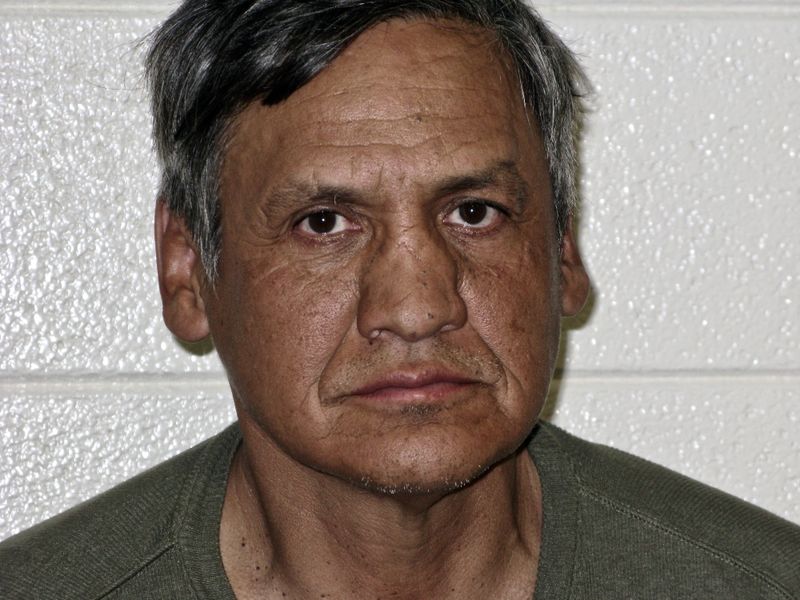
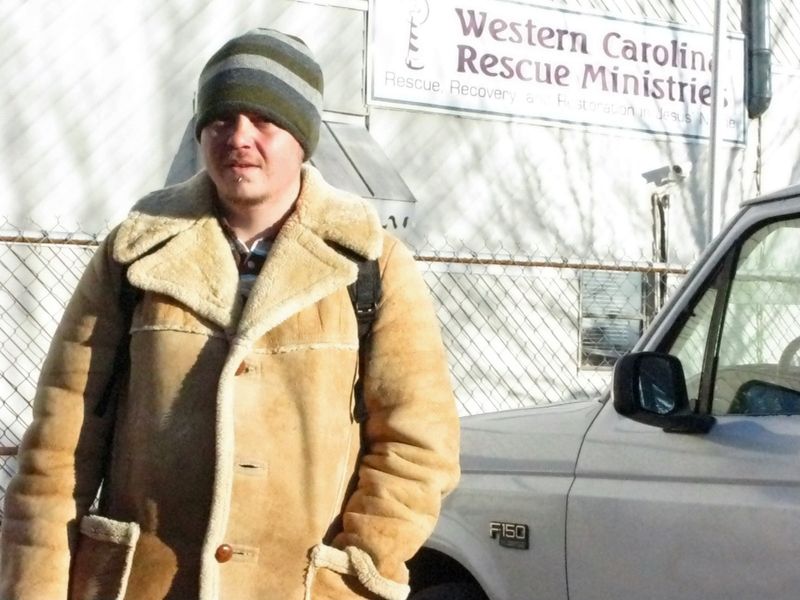
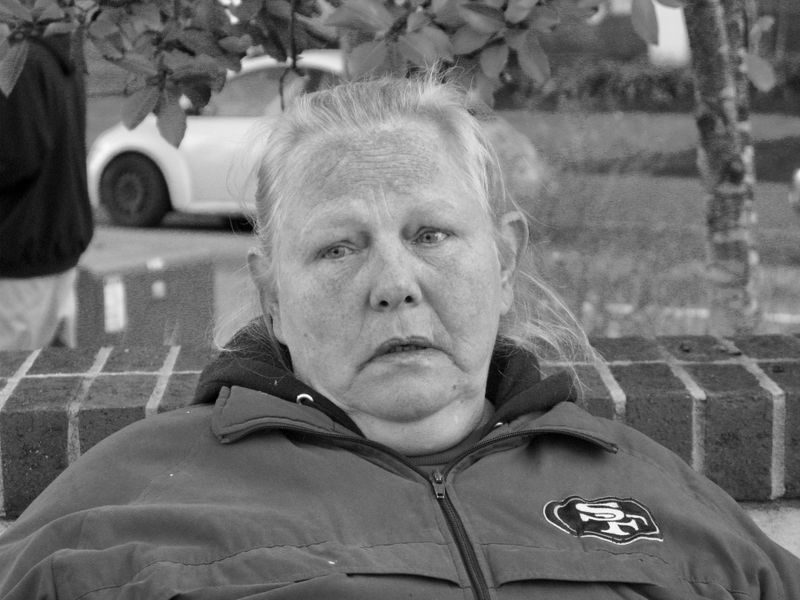
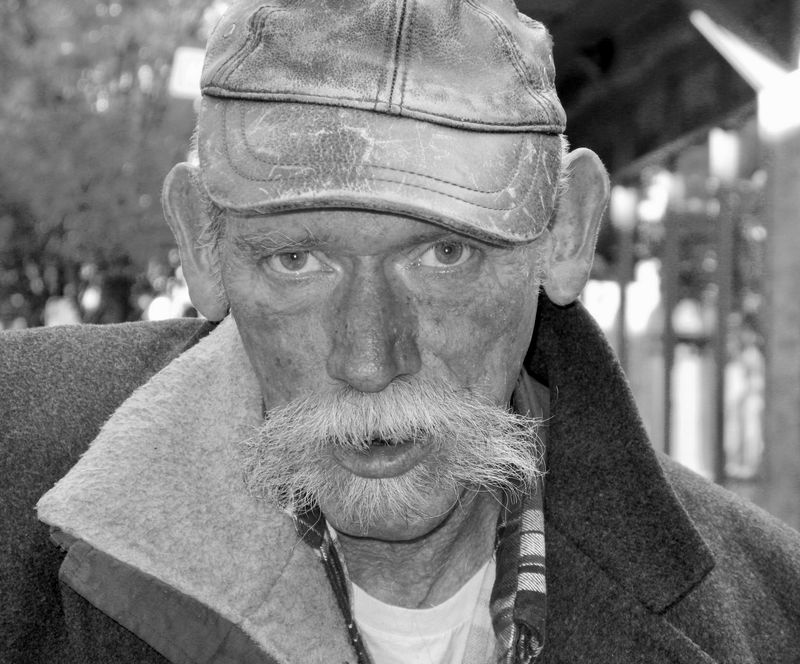
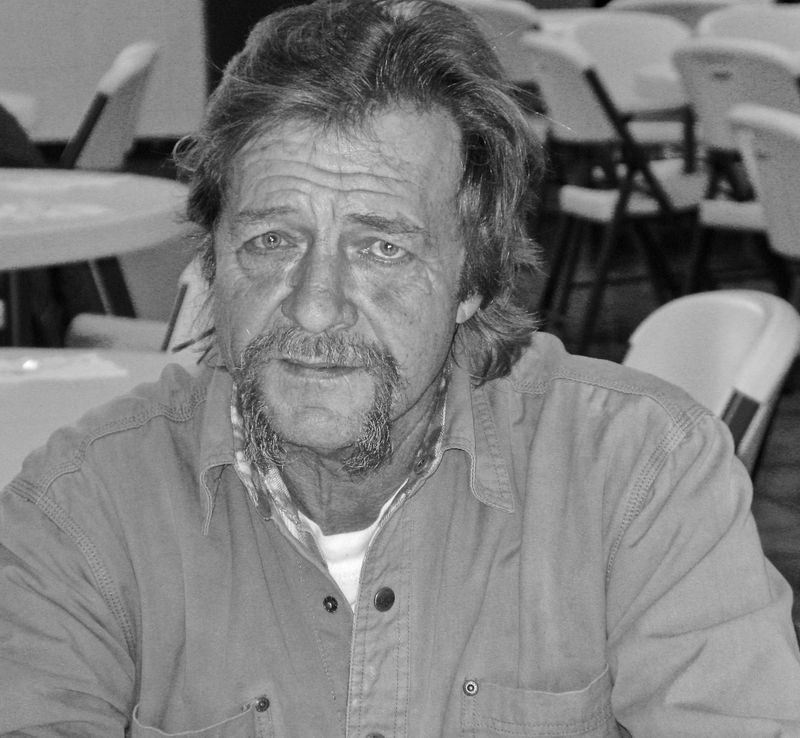
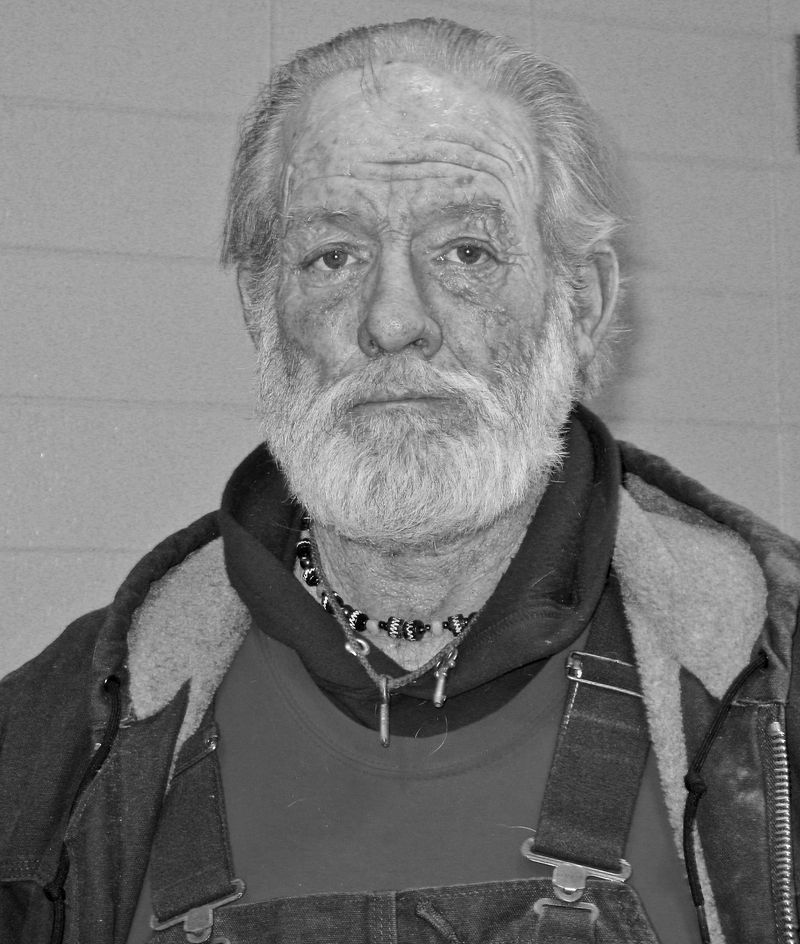
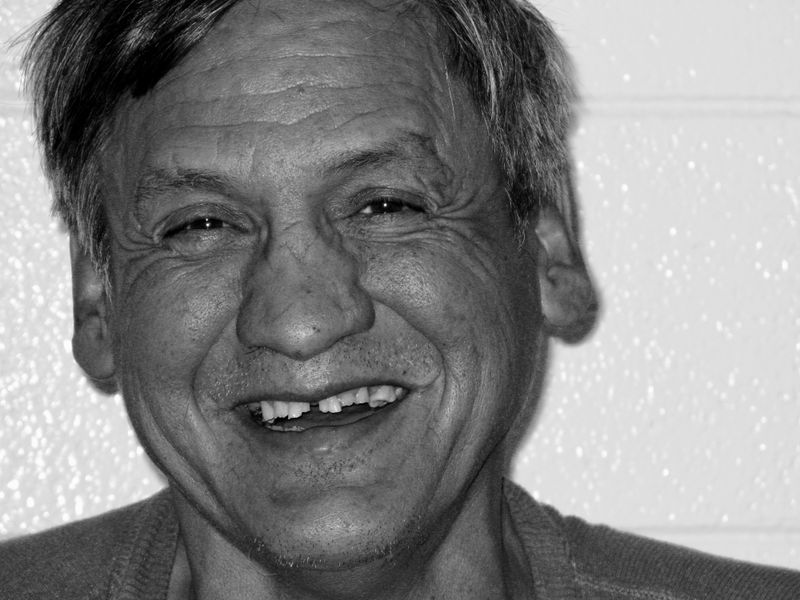
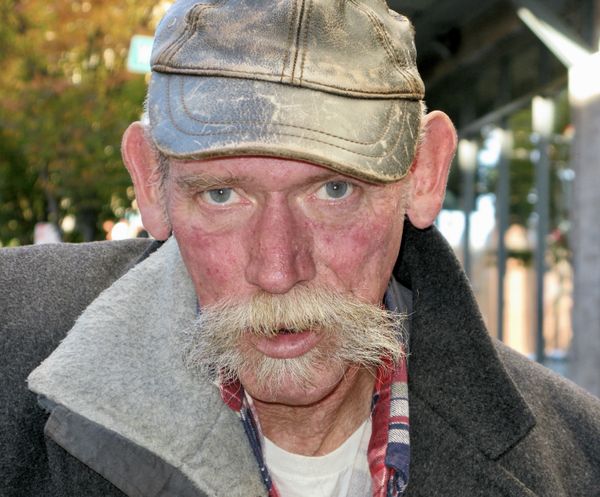
All of the people in these photos had their own heartbreaking stories. Many of them broke down and cried when I told them I was working on a project to help bring more awareness about the homeless problems, and wanted to document their stories. I had to hold back my own tears when I was told “No one has ever asked to hear my story.”
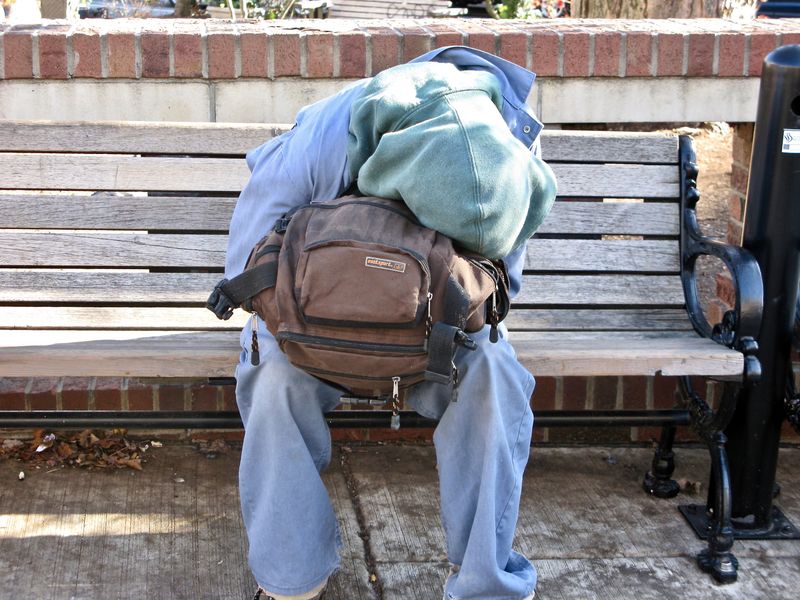
The common thread with everyone I met was their pain of feeling invisible. On a regular basis, they experienced people crossing the street just to avoid having to acknowledge or make eye contact with them. The homeless have been stripped not only of their ability to care for themselves and their family, but also their dignity, respect and sense of value in the world.
As a society, we can do better. We have to do better. It is no longer working to look out only for yourself. If our world is going to survive, we have to be part of the solution. Let this current Covid 19 pandemic stand for something bigger. Let it help us to not forget that we are all in this together. We are all connected. We are all One.
“Our lives begin to end the day we become silent about things that matter.”
— Martin Luther King, Jr.
“Living on the Edge” was exhibited at The Artery Gallery, Asheville Area Arts Council, in 2011.
“LIVING ON THE EDGE confronts the viewer in an understated way and is more than just a token documentation of homelessness. This is not a feel-good show that’s easy to love. The exhibit can be hard, emotionally, to walk through, but often the best art is the kind we want to turn away from.” — Ursula Gullow, MtXPress, Asheville, NC.
Check out the shorter version of the video “Living on the Edge — Homeless in America” video on YouTube: https://m.youtube.com/watch?v=NxZIUi1zykg
I am currently seeking collaborators to work on a worldwide homeless multimedia art project. Join me in becoming part of the solution.